
Last updated October 9, 2026
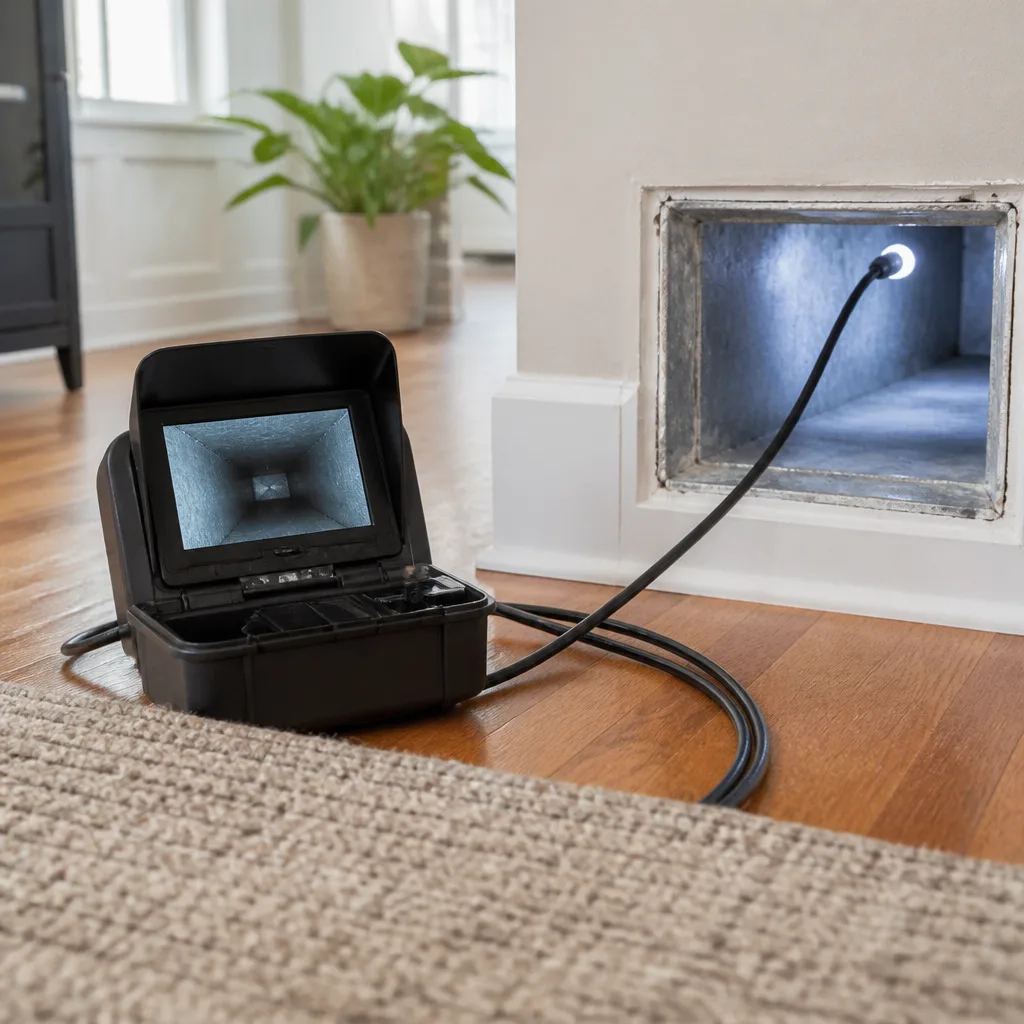
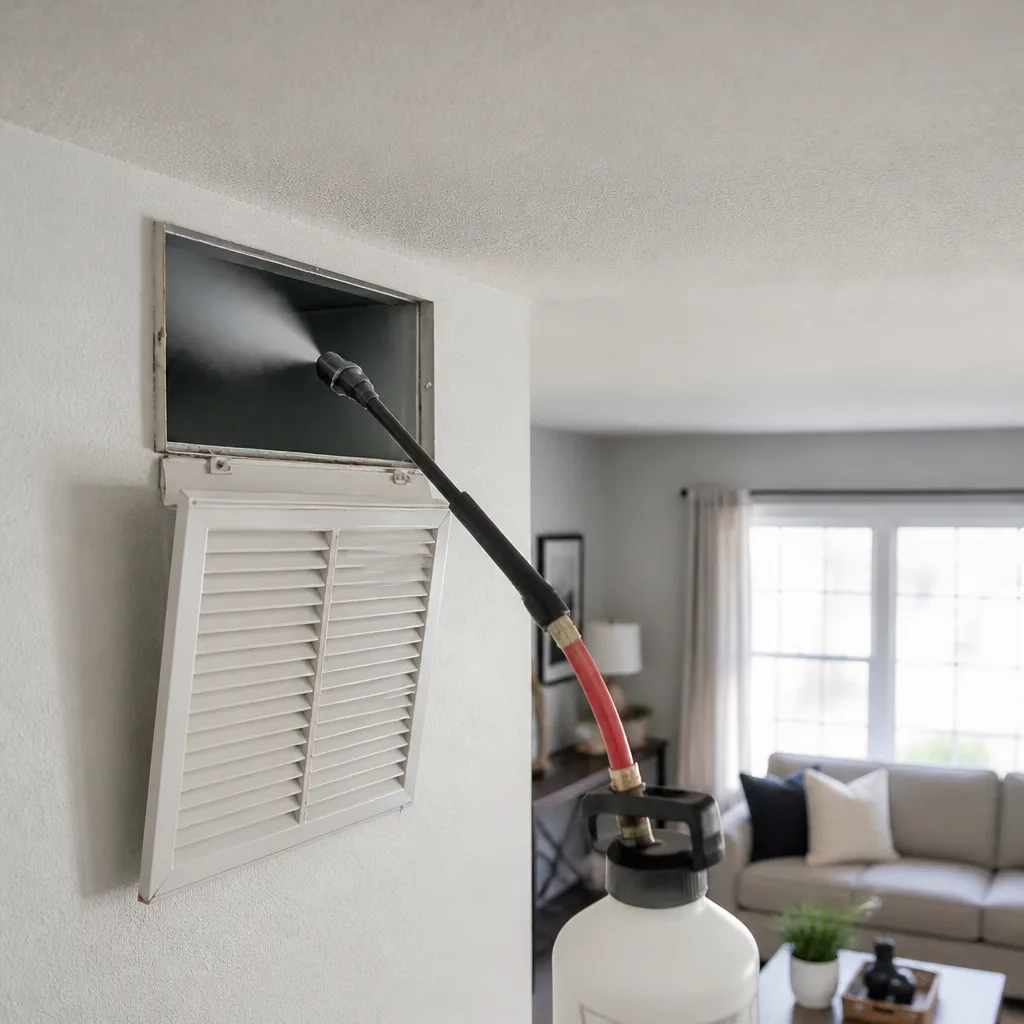
Whole-system duct and dryer vent check with before-and-after photos - you see exactly what came out of your vents
That "$99 whole-house special" is a bait ad - the real number appears once they are in your hallway, or the "clean" is a shop-vac at the register. We photograph the inside of your ducts before and after instead.
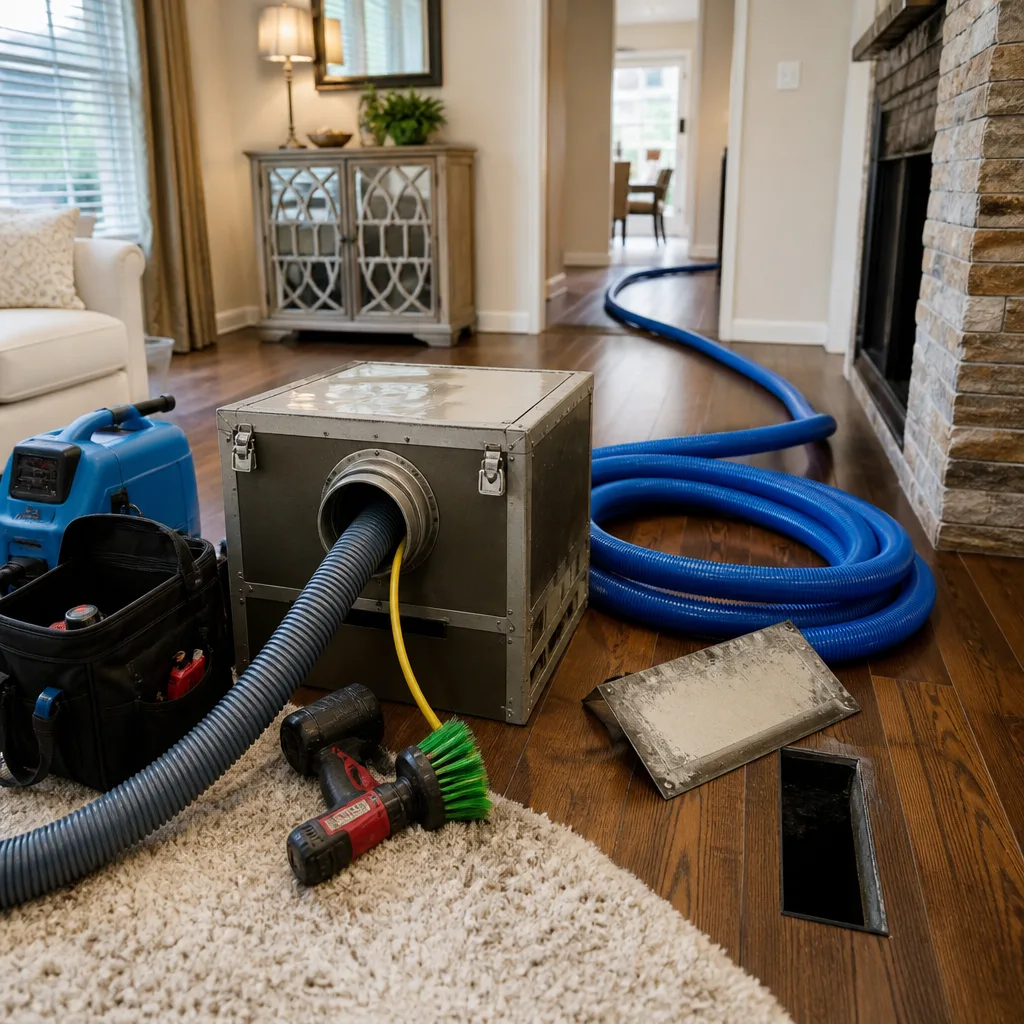
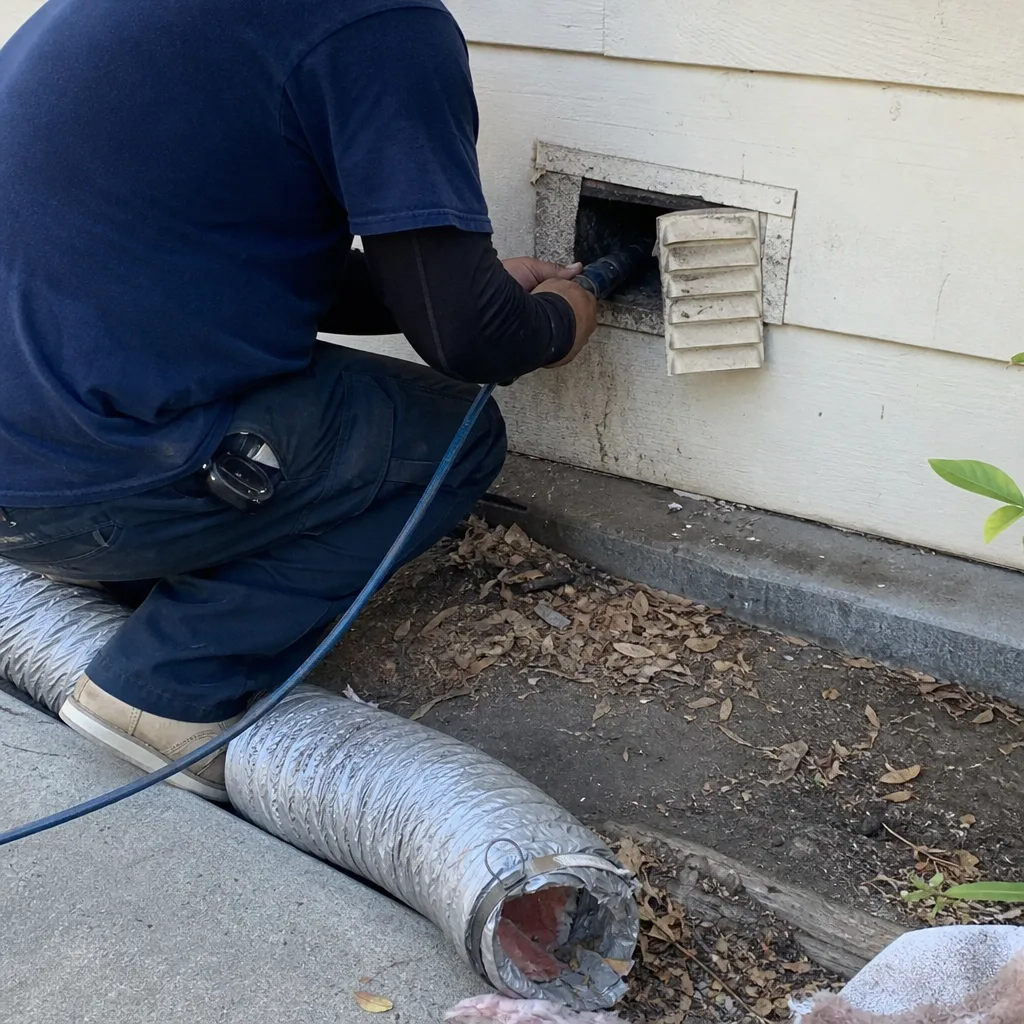 Before
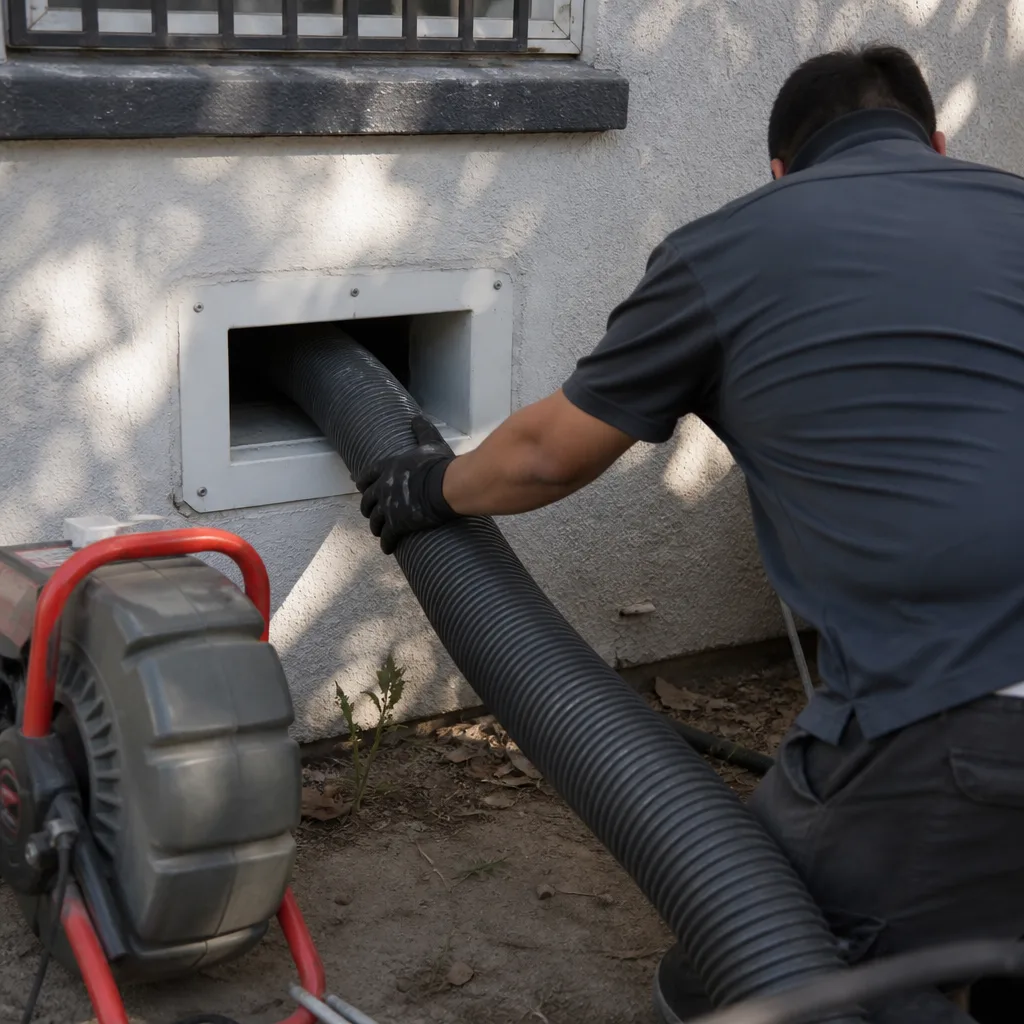 After
After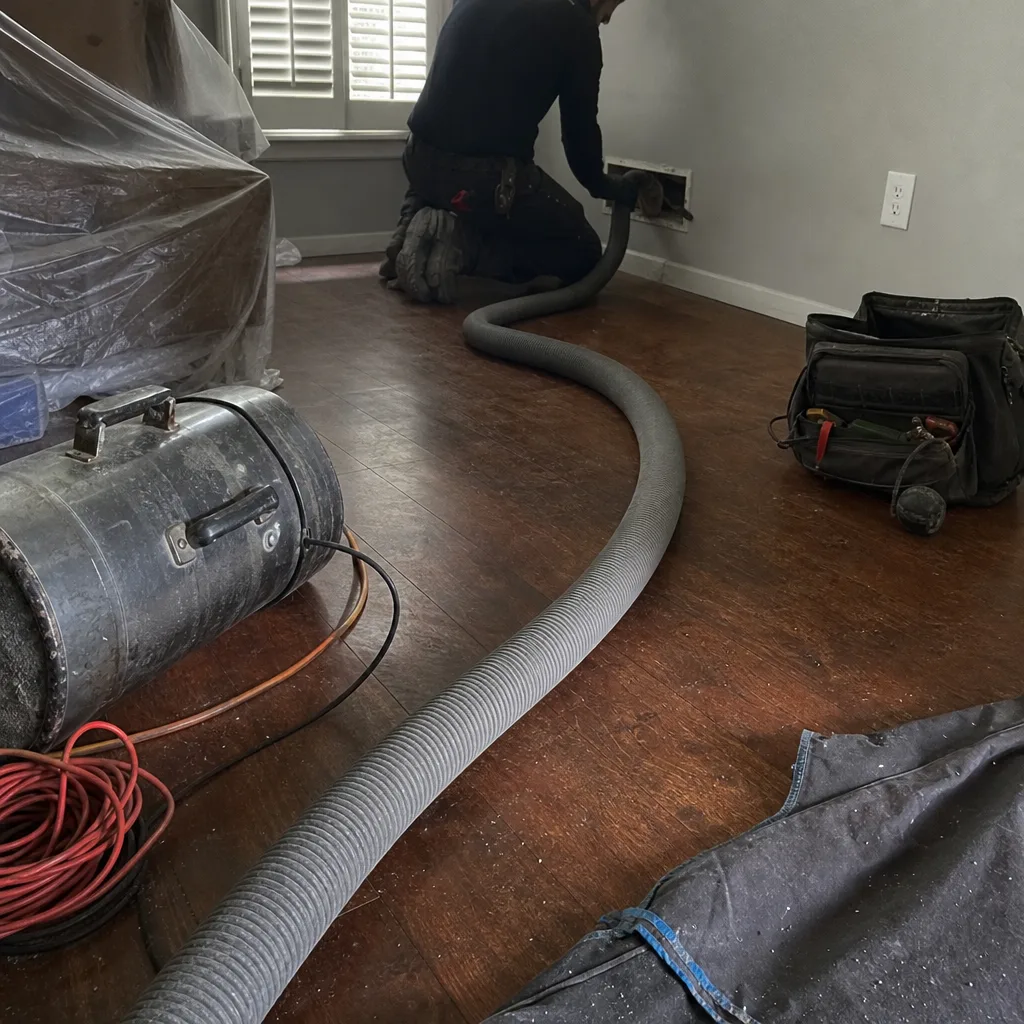 Before
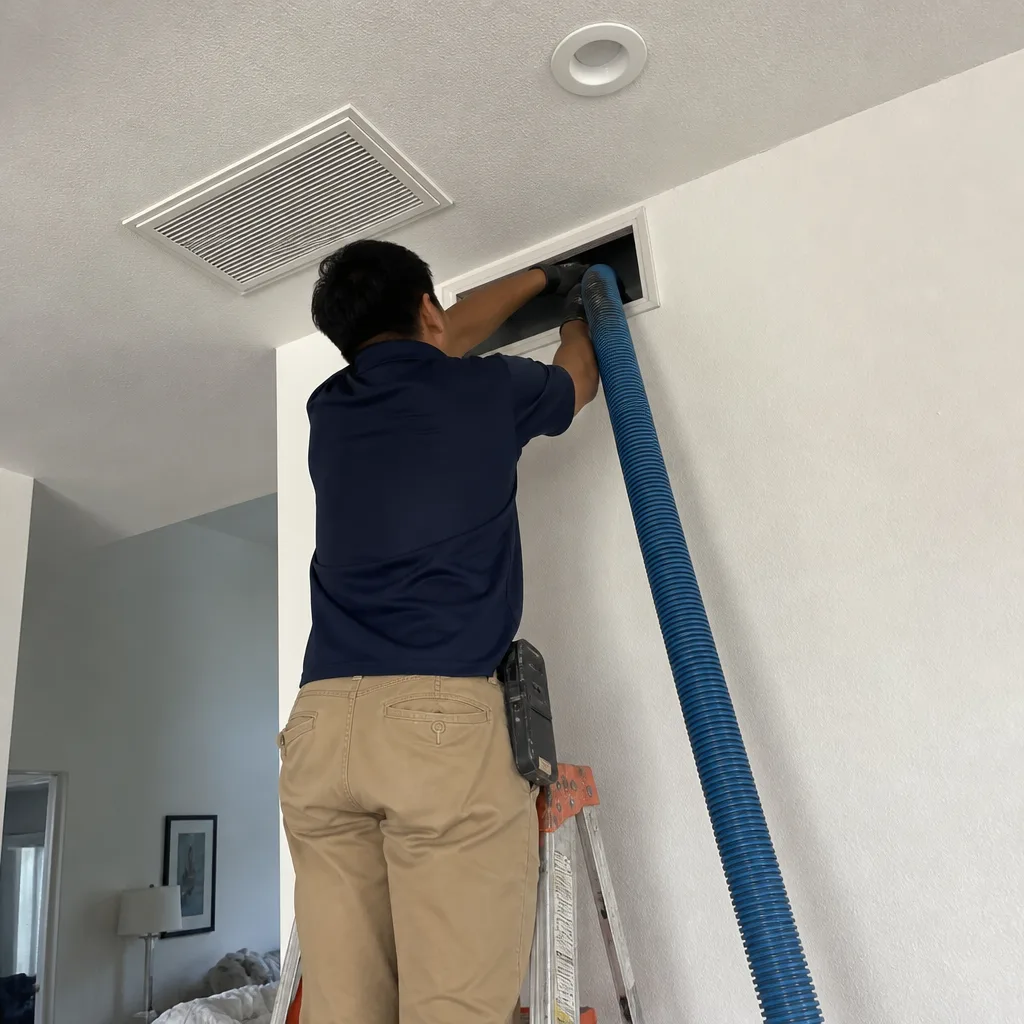 After
After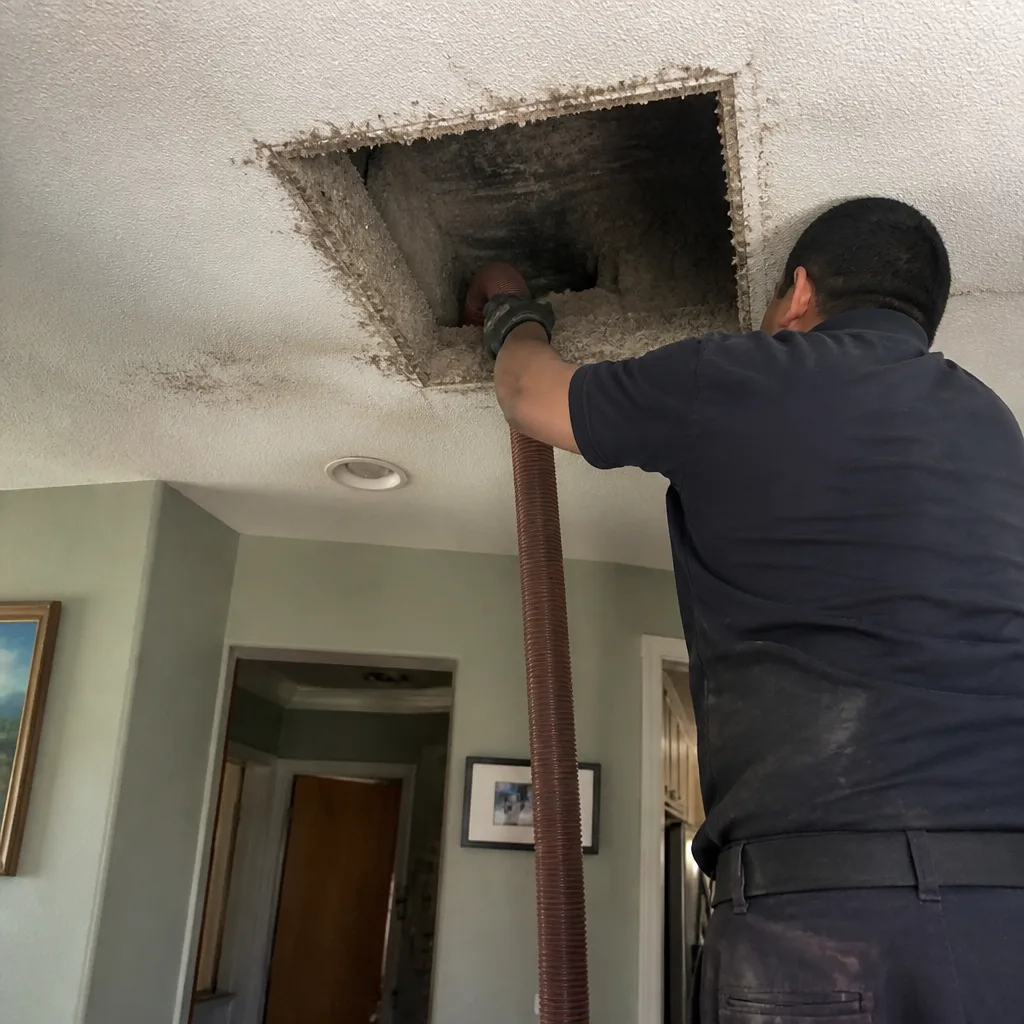 Before
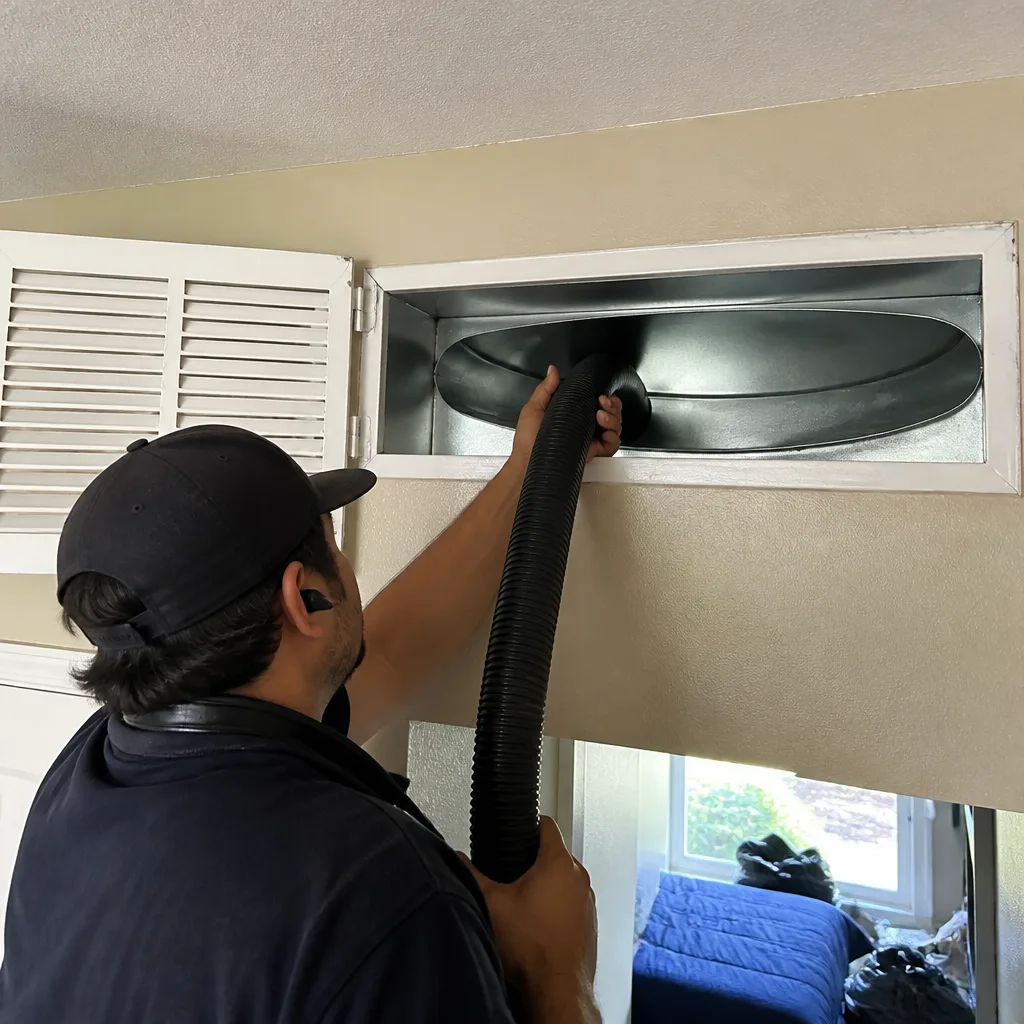 After
AfterDryer Vent Cleaning Warning Signs Every Homeowner Should Know
By the time your dryer feels hot to the touch during a cycle, your vent is likely already at 50 to 75 percent restriction. That’s the uncomfortable reality most Los Angeles homeowners discover too late. The signs that something is wrong start showing up much earlier, but they’re quieter, easier to dismiss, and rarely mentioned in the typical “clean your dryer vent” checklist. This guide walks you through the early, overlooked signals that appear months before a dangerous restriction develops, so you can fix a ten-dollar problem instead of a ten-thousand-dollar one.
We’ve cleaned dryer vents in Sherman Oaks, Silver Lake, Pasadena, and Long Beach through our Dryer Vent Cleaning services. We’ve seen what a 90 percent blocked vent looks like from the inside. And we’ve learned one thing consistently: the warning was there weeks before anyone called us. Here’s what to look for.
Quick Answer
The clearest signs your dryer vent needs cleaning are clothes taking noticeably longer to dry, the dryer cabinet feeling hot to the touch during a cycle, and visible lint building up around the dryer-to-wall connection. Earlier, quieter signals include a faint musty smell on “dry” clothes, a lint trap that fills faster than it used to, and slight humidity in the laundry room after a cycle ends. In Los Angeles, pest nesting in exterior vents during spring adds another layer of risk that most national guides don’t mention.
Table of Contents
- Stage One: The Quiet Signals Most Guides Skip
- Stage Two: The Mid-Level Warning Signs
- Stage Three: Emergency Signals That Require Immediate Action
- The LA-Specific Warning Sign: Birds, Rodents, and Nesting Season
- The 60-Second Dryer Vent Self-Assessment
- What Dryer Vent Cleaning Costs in Los Angeles
- How to Prevent Dryer Vent Blockages Year-Round
Stage One: The Quiet Signals Most Guides Skip
Most dryer vent guides jump straight to “longer drying times” and “hot exterior.” Those are real signs. But they’re late-stage ones. By the time a dryer takes two full cycles to dry a load of towels, the vent has been restricting airflow for weeks or months. The early indicators show up before the problem becomes a fire hazard, and catching them now saves real money.
Here are the stage-one signals we hear about from Los Angeles homeowners when they call us after the fact. They almost always say the same thing: “I noticed that, but I didn’t think it meant anything.”
A faint musty smell on clothes after a “dry” cycle. This is the number one overlooked sign. When a vent starts restricting, moisture doesn’t leave the dryer completely. It lingers in the drum for the last few minutes of the cycle, then settles into the fabric. You pull the clothes out, they feel dry, but they carry a faint mildew-adjacent scent. That smell is trapped moisture. It should not be there. A properly vented dryer produces clothes that smell like nothing at all, or like the laundry detergent you used, and nothing else.
The lint trap fills faster than it used to. This sounds counterintuitive. Wouldn’t a clogged vent mean less lint reaching the trap? No. Here’s what happens: when the vent is partially blocked, airflow slows down. Slower airflow means lint that would normally be pushed all the way through the vent and out the exterior instead falls out of the air stream and lands in the trap. So a trap that used to need cleaning every third load now fills after a single load. That’s not your dryer working harder. That’s your vent backing up.
Slight humidity in the laundry room after a cycle. If you walk into the laundry room ten minutes after the dryer finishes and the air feels heavier than the rest of the house, the exhaust isn’t leaving the building properly. Some of it is escaping through gaps in the dryer cabinet or the wall connection. In Los Angeles, where many laundry rooms are in enclosed hallways or interior closets, this humidity also invites mold and mildew faster than it would in a ventilated space.
Stage Two: The Mid-Level Warning Signs
If stage-one signals get ignored, the restriction worsens. The vent is now at maybe 30 to 50 percent blockage, and the dryer is working measurably harder. These are the signs most guides actually cover, but they’re rarely framed as what they really are: evidence that you’re already in the second stage of a developing problem.
Measurably longer cycle times. Not “it feels longer because I’m watching it.” We mean trackable, numbers-on-a-screen longer. Set a timer. If a load that used to dry in 40 minutes now takes 55 or 60, that’s not a sudden fabric change. That’s restricted airflow, and it means the dryer is running longer to accomplish the same job. More minutes per load means more electricity per load, and in Los Angeles, where LADWP rates keep climbing, that’s a recurring tax on a clogged vent. For context on air duct timelines, see How Long Does Air Duct Cleaning Take? Timelines and What to Expect.
The dryer cabinet feels hot to the touch. Some warmth on the exterior of a running dryer is normal. But if the top or sides of the cabinet feel genuinely hot, not just warm, the heat has nowhere to go. Dryers are designed to push hot air through the drum and out the vent. When the vent is blocked, excess heat builds inside the cabinet. In our experience, by the time a homeowner notices this, the vent is usually at 50 to 75 percent restriction. This is the point where fire risk stops being theoretical.
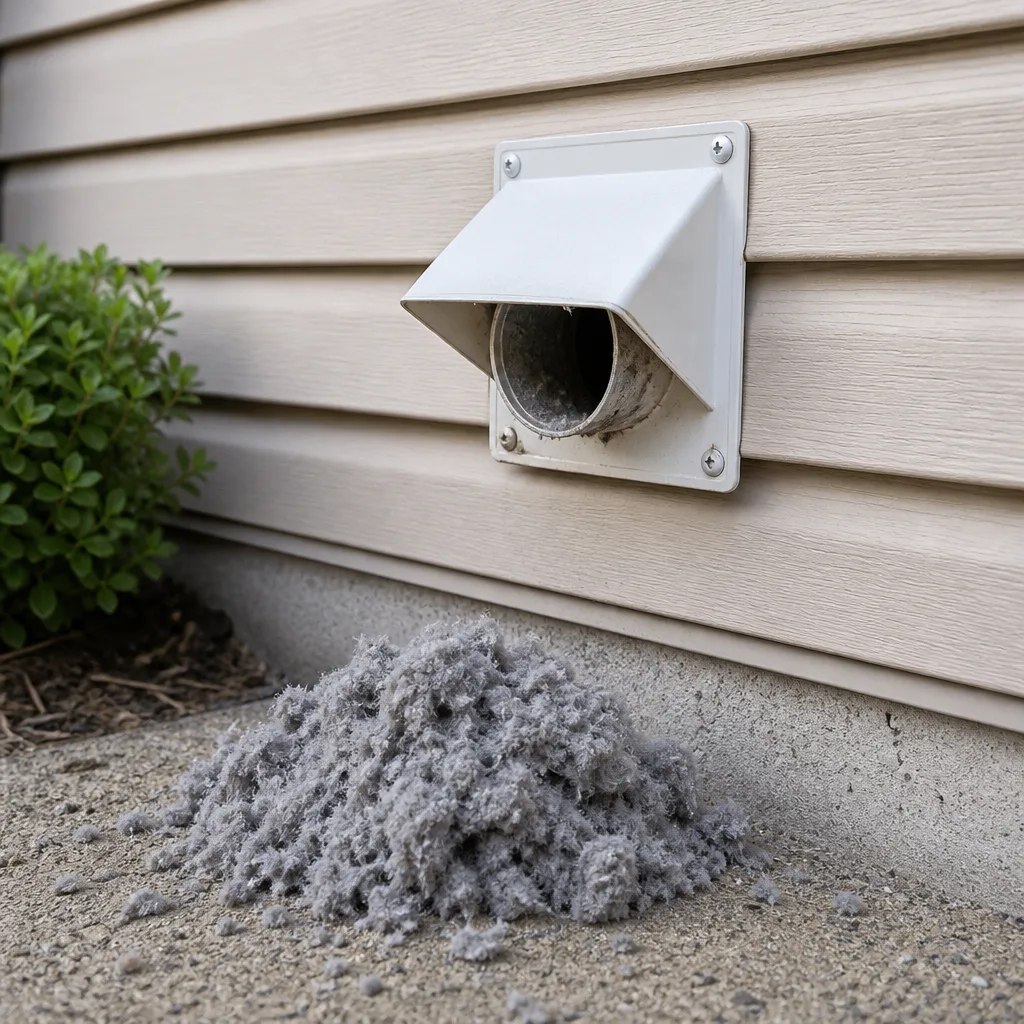
Visible lint around the dryer-to-wall connection. Walk to where your dryer’s exhaust hose connects to the wall. Look for lint accumulation on the floor, on the wall behind the dryer, or around the connection clamps. That lint is escaping because the vent system has backpressure. It’s the same principle as a plumbing backup, except instead of water, you’re seeing the lint that should have been exhausted outdoors. If you see lint here, the vent is already significantly compromised.
At this stage, we strongly recommend cleaning. The dryer vent cleaning we do in Los Angeles typically restores full airflow in under an hour when the blockage is caught at this point. Wait longer, and the job gets more involved.
Stage Three: Emergency Signals That Require Immediate Action
These signs mean one thing: stop using the dryer, unplug it if you can reach the cord, and deal with the vent before running another cycle. We don’t say that lightly. But a dryer vent at this stage is not a maintenance issue anymore. It’s an active fire risk and possibly a carbon monoxide concern if you have a gas dryer.
A burning smell during or after a cycle. This is the one that finally gets most people to call. It’s often described as a hot, acrid smell, sometimes with a hint of scorched fabric. Lint is highly flammable. When it accumulates against the dryer’s heating element or inside a restricted vent that’s running hot, it can smolder. A burning smell means something is already overheating, even if you don’t see smoke. Turn the dryer off immediately.
The dryer shuts off mid-cycle. Modern dryers have a thermal fuse or thermal override that automatically cuts power when internal temperatures exceed a safety threshold. If your dryer stops mid-cycle and won’t restart until it cools down, that’s not a glitch. That’s the machine saving itself from a fire. It’s also a clear signal that airflow is dangerously restricted. Every subsequent cycle puts more stress on that safety mechanism, and eventually it may not work.
The exterior vent flap isn’t moving. Go outside to where your dryer vent terminates, usually on an exterior wall or the roof. With the dryer running, the flap should be moving, opening and closing or at least remaining open from the airflow pressure. If it’s completely still, exhaust isn’t reaching the exterior. That means it’s going somewhere else, or not going anywhere at all. In Los Angeles, where many homes route dryer vents to the roof, this check also helps you spot disconnected roof vent sections, which are a common source of attic moisture problems.
If you’re seeing any of these three signals, stop using the dryer and arrange for a professional inspection before you run another load. We’ll come back to that at the end of this guide.
The LA-Specific Warning Sign: Birds, Rodents, and Nesting Season
This is the section most national dryer vent guides never cover, and it matters a lot in Los Angeles. Our climate means vents see year-round pest activity, but spring is the danger season. From March through June, birds look for warm, sheltered spaces with narrow openings to build nests. A dryer vent with a missing or damaged exterior flap is an ideal candidate.
Chirping or rustling sounds near the vent termination. If you hear bird sounds that seem to come from the wall or the roof, not from a tree or a fence, walk outside and check the vent opening. You may see nesting material sticking out: twigs, grass, pieces of fabric. You may hear chicks. The nest is inside the vent or immediately at the opening, and it’s already blocking airflow.
Sudden dramatic airflow loss in spring. This is a classic Los Angeles pattern. The dryer works fine all winter, then suddenly in April or May, clothes take twice as long to dry and the exterior flap stops moving. What happened? A bird built a nest in the vent. Or a rodent dragged insulation, leaves, and food debris into the duct. This isn’t a slow, gradual restriction like lint buildup. It’s a sudden blockage, and it can happen in a matter of days.
This is also a safety issue for the animal. Turning on a dryer with a nest inside can kill birds and cook eggs, creating an odor problem that lingers for weeks. It can also push the nest further into the vent, making removal more involved. If you suspect a nest, don’t run the dryer. Cardinal Air Duct Cleaning has seen enough Los Angeles dryer vents packed with nesting material to know this is not a rare occurrence. It happens across the city, from Eagle Rock to the Westside.
60-Second Dryer Vent Self-Assessment
Once a month, do this walk-through. It takes about a minute and catches problems in stage one, before they become stage three. We’ve laid it out as a numbered sequence so you can do it in order and remember it easily.
- Check the lint trap. Pull it out. Is it filling faster than it used to? Clean it thoroughly and make a mental note of how much lint it collected since the last load. More lint than usual is an early restriction signal.
- Feel the dryer cabinet. After about 15 to 20 minutes of a cycle, place your hand on the top and sides of the dryer. Warm is normal. Hot is not.
- Check the wall connection. Look at where the exhaust hose meets the wall. Any visible lint, dust streaks, or discoloration means backpressure is pushing air out where it shouldn’t go.
- Check the room humidity. After the cycle finishes, stand in the laundry room for ten seconds. Does the air feel heavier or smell faintly musty? If so, exhaust isn’t fully leaving the building.
- Check the exterior flap. With the dryer running, go outside and look at the vent termination. The flap should be moving. If it’s still, airflow is obstructed. If it’s missing, you’re one nesting season away from a blockage.
That’s the whole assessment. It doesn’t require any tools. It works for any home in Los Angeles, whether your dryer vents through a side wall, a roof, or an interior chase. The key is doing it monthly, because these restrictions don’t announce themselves loudly. They creep in gradually enough that you adapt to the longer drying times and the faint musty smell without noticing them.
What Dryer Vent Cleaning Costs in Los Angeles
We’ve covered the warning signs. For more guides & resources, visit our blog. Now let’s talk about what fixing the problem actually costs, because pricing opacity is one of the biggest frustrations we hear about in this industry. In Los Angeles, professional dryer vent cleaning typically runs between $89 and $200 for a standard single-family home with a straightforward vent run of 20 feet or less. Homes with roof terminations, long vent runs, or multiple stories tend to run higher, from $150 to $300.
Here’s a more detailed breakdown:
- Standard dryer vent cleaning, side wall termination: $89 to $150. This is the most common scenario in LA neighborhoods with single-story homes and vents that exit through an exterior wall.
- Roof termination: $125 to $225. Roof access adds time and safety equipment. Many older Los Angeles homes route vents to the roof, especially in the Mid-Wilshire and Silver Lake areas.
- Long or complex vent runs: $175 to $300. If your dryer is in a central laundry room with a 30-foot or longer vent run, or a vent that makes multiple turns, the job takes longer and requires different equipment.
- Pest or bird nest removal: $150 to $350. This includes removing the nest material, cleaning the full vent, and installing a pest-resistant exterior flap. Spring nests in Los Angeles are common enough that we see this weekly during nesting season.
- Vent repair or replacement: Varies. If the vent is disconnected, crushed, or made of old foil-style flex rather than rigid metal, repair or replacement affects the total. The cost depends on the length and accessibility.
We recommend pairing a dryer vent cleaning with a full air duct cleaning in Los Angeles if your HVAC system hasn’t been serviced in years. The two systems are downstream of each other in many homes, and lint that escapes from a dryer vent can end up in the HVAC return if the laundry room shares air space with the system. For a complete picture of that separate service, take a look at our HVAC cleaning page for Los Angeles.
How to Prevent Dryer Vent Blockages Year-Round
Catching the warning signs early matters. Preventing them from developing in the first place matters more. Here are the habits that keep Los Angeles dryer vents clear between professional cleanings.
Clean the lint trap before every single load. Not after the load. Not when you remember. Before. A clean trap improves airflow for the entire cycle and reduces the lint that reaches the vent. This is the single highest-leverage habit you can build, and it costs nothing.
Use rigid metal vent material. If the visible section of your dryer vent is white plastic or foil-style flex, it’s creating more restriction than a rigid metal duct would. Foil flex also has a ribbed interior that catches lint more readily. Rigid metal or semi-rigid metal gives lint less surface area to cling to. If you’re not sure what you have, pull the dryer out a few inches and look.
Keep the exterior flap in good condition. A missing or damaged flap is an open invitation to birds, rodents, and the Los Angeles wind. Replace a broken flap before nesting season starts in March. It’s a ten-dollar part and a five-minute fix that prevents hundreds of dollars in nest removal.
Don’t ignore the early signals. This sounds obvious, but it’s the most common failure point we see. The musty smell, the fast-filling lint trap, the slight humidity, the cabinet starting to feel warmer than it used to. These are not personality quirks of your dryer. They’re mechanical evidence that airflow is already compromised. Every month you ignore them, the restriction grows and the cleaning job gets harder.
Common Mistakes to Avoid
- Assuming a clean lint trap means a clean vent. The trap catches only a portion of the lint your load produces. The rest travels through the vent. A spotless trap can coexist with a 40 percent blocked vent. We see this constantly in Los Angeles, especially in rental units where tenants clean the trap faithfully but the vent hasn’t been touched in years.
- Waiting until there’s smoke or a burning smell to act. By that point, the vent has been dangerous for a while. The thermal fuse that stops the dryer mid-cycle is doing its job, but it’s a last line of defense, not a maintenance reminder.
- Using a leaf blower or shop vac on the vent as a substitute for professional cleaning. A shop vac lacks the reach and the negative pressure to pull compacted lint from a long vent run. A leaf blower can damage vent connections and push debris further in. Professional systems like the Rotobrush rotary brush and Nikro HEPA vacuums actually dislodge and extract the debris. We run both at Cardinal.
- Ignoring the exterior flap because it’s hard to reach. An obstructed flap can’t be diagnosed from inside the laundry room. Make the monthly exterior check part of the routine, even if it means walking around to the side yard or looking up at the roof line.
- Assuming “it’s been fine so far.” Lint fires don’t announce themselves. Homes in Los Angeles that have gone five years or more without a vent cleaning are running on borrowed airflow. The risk doesn’t accumulate on a schedule that feels urgent, which is exactly why it catches people off guard.
- Relying on a handyman to clean a vent with improvised equipment. Duct and vent cleaning is its own trade. A handyman with a drill attachment can’t access a roof vent or a long interior run the way a professional with the right extraction equipment can. The job looks done, but the restriction remains.
When to Call a Professional
Call if you’ve noticed any of the stage-two or stage-three signals in this guide, or if you’ve spotted a nest starting near the exterior vent. Call if you don’t know when the vent was last cleaned, or if you just moved into a home where the previous owner’s maintenance habits are a mystery. In Los Angeles, where many homes have roof terminations and long vent runs, a professional cleaning is not a luxury. It’s the thing that removes the lint you can’t reach before it becomes the thing you can’t ignore.
Cardinal Air Duct Cleaning offers free estimates in Los Angeles. Call (737) 727-2314 and we’ll give you a written price before any work begins.
Frequently Asked Questions
Clothes taking longer to dry, a hot dryer cabinet, visible lint at the wall connection, and a faint musty smell on finished laundry are the most common signs. In Los Angeles, also check the exterior flap: if it isn’t moving during a cycle, the vent is blocked at some point. We recommend cleaning once per year in most LA homes, and twice per year if you dry daily loads for a family of four or more.
Once a year for a typical Los Angeles household. Homes with long vertical roof vents, multiple daily loads, or pets that shed heavily often need twice a year. If you’re noticing stage-one signals like a fast-filling lint trap or musty laundry, schedule a cleaning sooner rather than waiting for the annual reminder.
A musty smell after a cycle means moisture is not fully exiting the dryer through the vent. It lingers in the drum and gets absorbed into the clothes. That trapped moisture is the early warning sign of a developing vent restriction. Clean the trap after every load and consider a professional vent inspection if the smell persists.
Yes, and it’s common from March through June. Birds look for small, warm openings with protection from predators, and a dryer vent with a missing or broken exterior flap is an ideal nest site. If you hear chirping near the vent or see twigs sticking out, don’t run the dryer. Call a professional who can remove the nest and install a pest-resistant flap.
Most standard cleanings in Los Angeles run between $89 and $200 depending on the vent length, termination point, and number of stories. Roof vents and long runs cost more, as does nest removal. Always ask for a written price before work starts so you know the total before the technician begins.
Lint builds up, restricts airflow, and forces the dryer to run hotter and longer. Eventually the thermal fuse trips and the dryer stops working, or the accumulated lint ignites. Thousands of dryer fires happen every year in the US, and restricted vents are the leading cause. In Los Angeles, with our dry air and millions of gas and electric dryers running constantly, the risk is year-round, not just in winter. Get the vent cleaned annually and you remove most of that risk.
The Bottom Line
The warning signs that actually save you from a dryer fire are not the dramatic ones. They’re the quiet ones: the musty smell, the fast-filling trap, the slight humidity, the warm cabinet. By the time the dryer shuts off mid-cycle or you smell burning, you’ve already been living with a problem for months. Los Angeles homeowners have a specific risk profile, from roof vent runs to spring nesting season, and the 60-second monthly self-assessment is your best defense against it. If any sign in this guide sounds familiar, get a professional to look at the vent before you run another load. It’s the cheapest insurance against a fire you’ll hopefully never see.
Written by Omar Haddad, Owner at Cardinal Air Duct Cleaning, serving Los Angeles since 2005.