
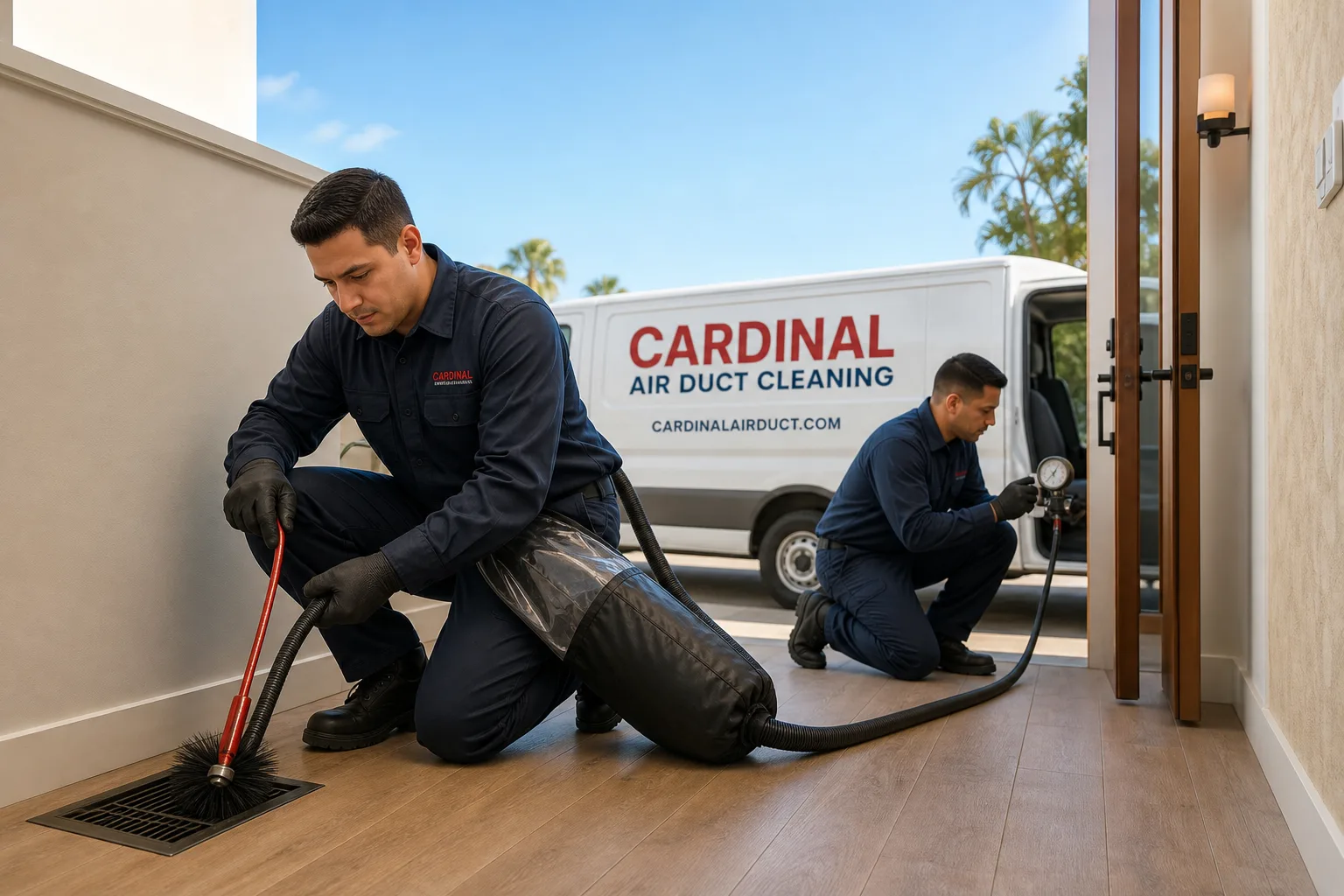
Whole-system duct and dryer vent check with before-and-after photos - you see exactly what came out of your vents
That "$99 whole-house special" is a bait ad - the real number appears once they are in your hallway, or the "clean" is a shop-vac at the register. We photograph the inside of your ducts before and after instead.
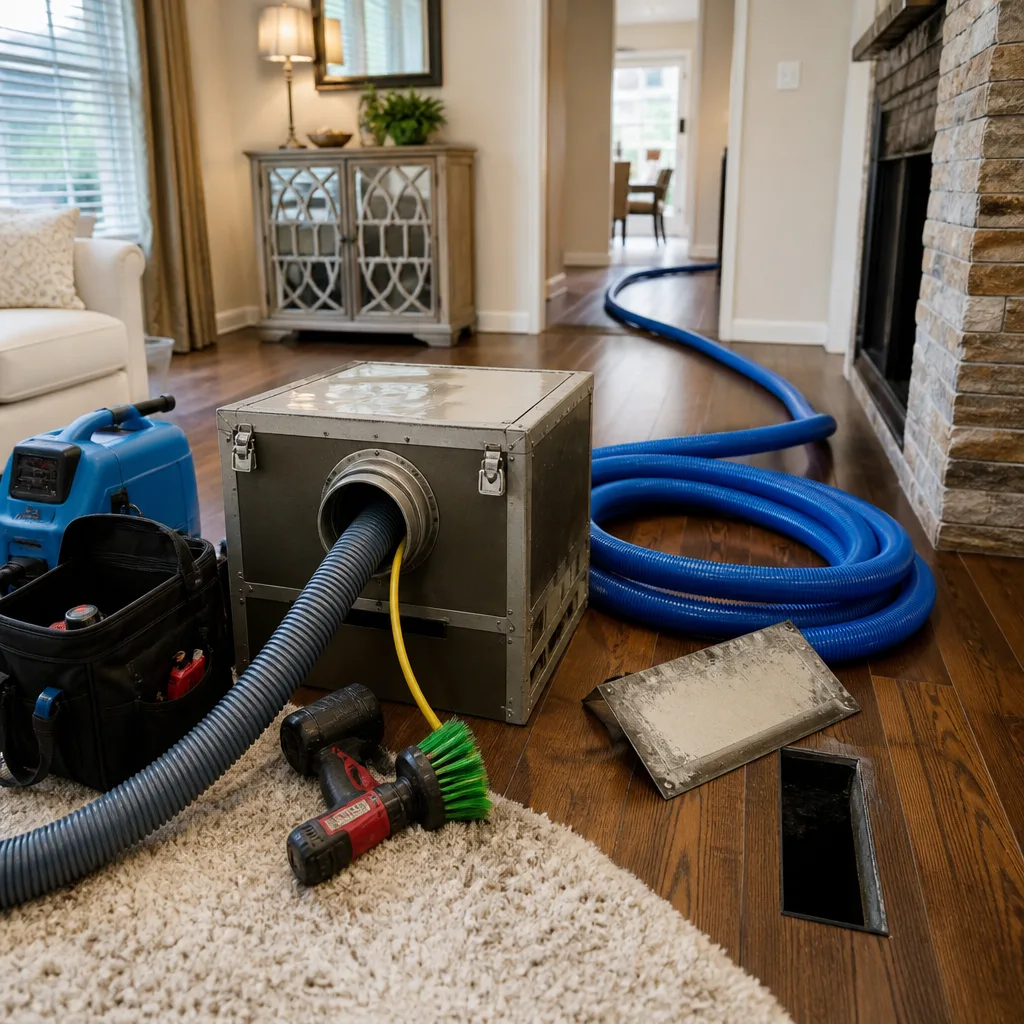
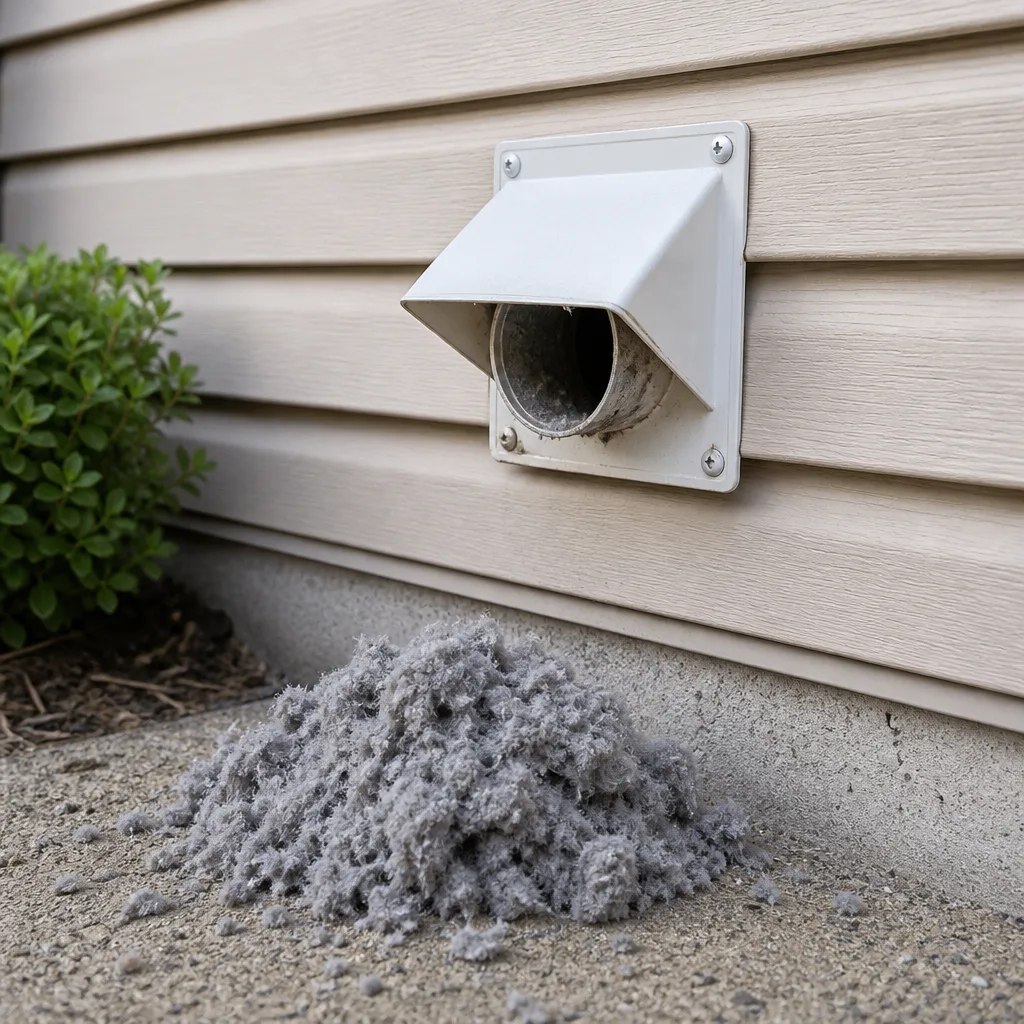
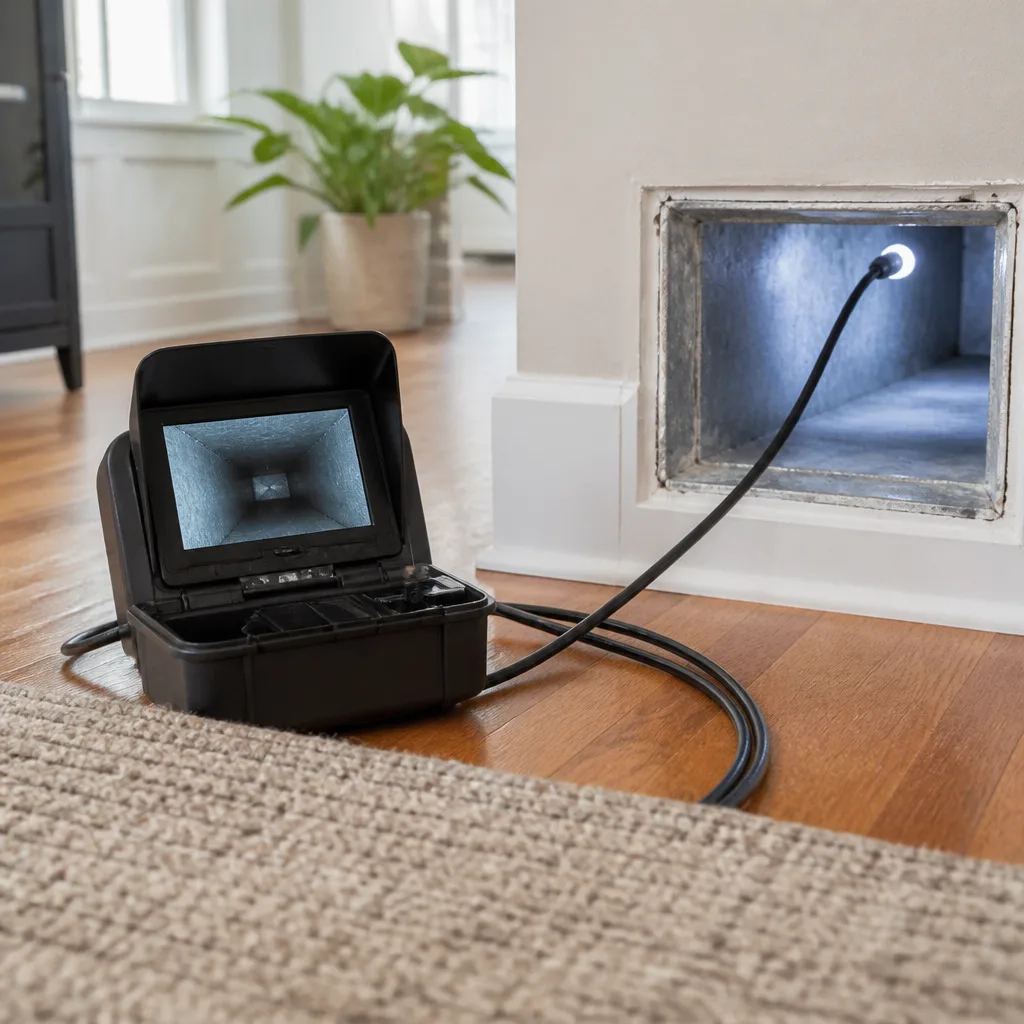
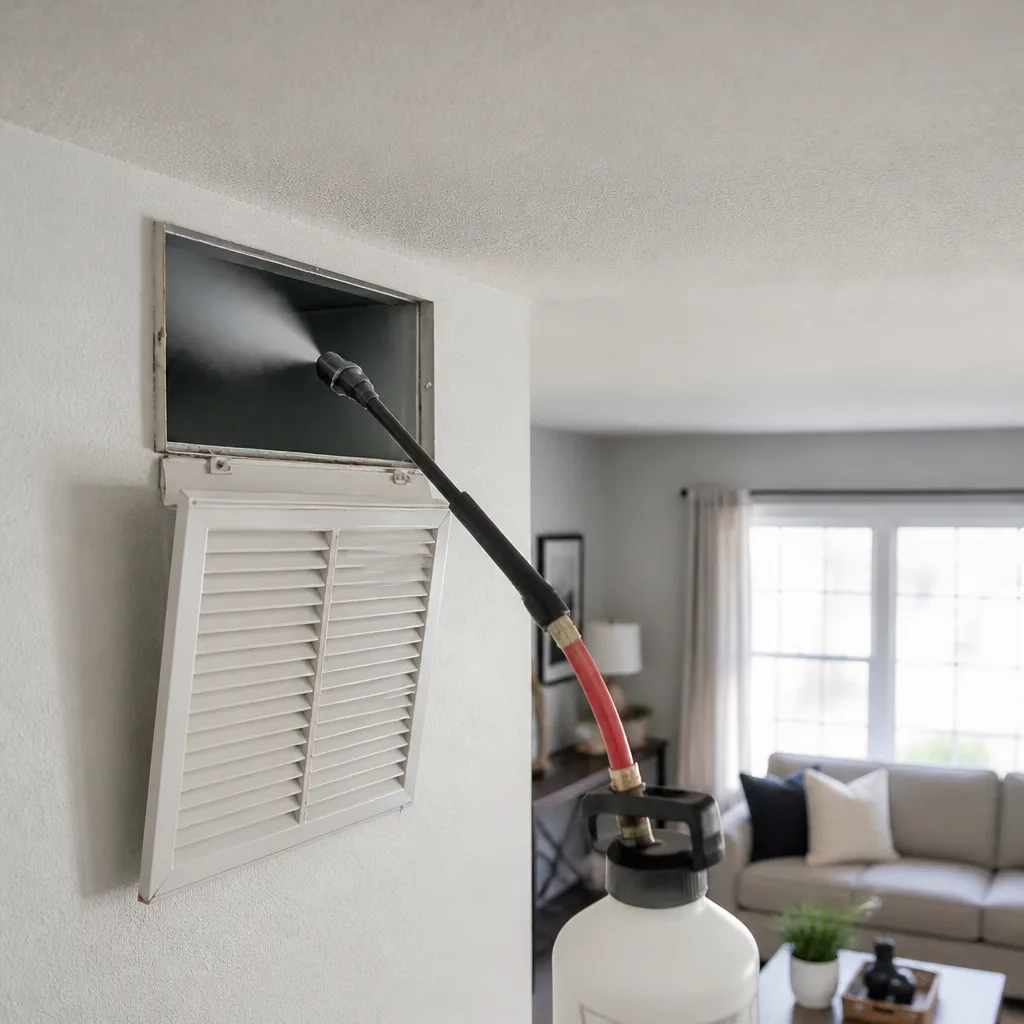
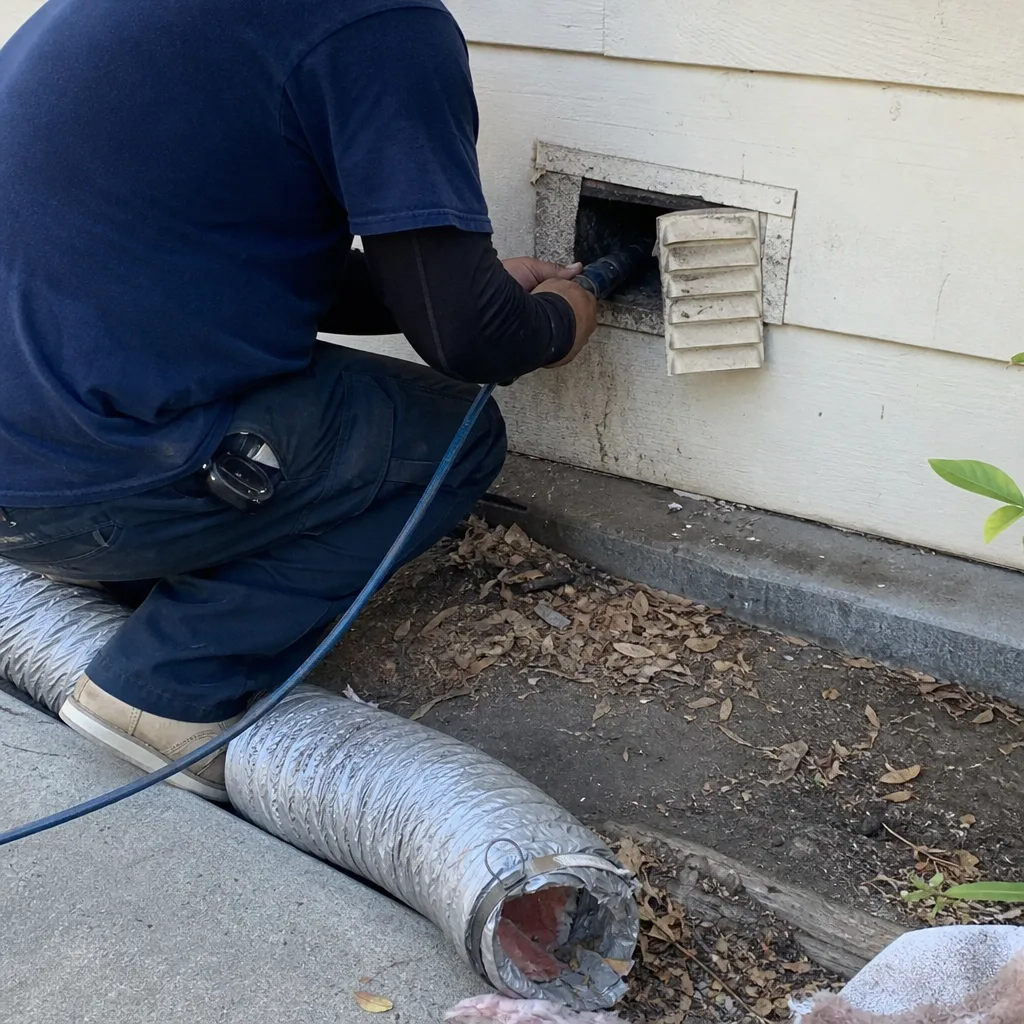 Before
 After
After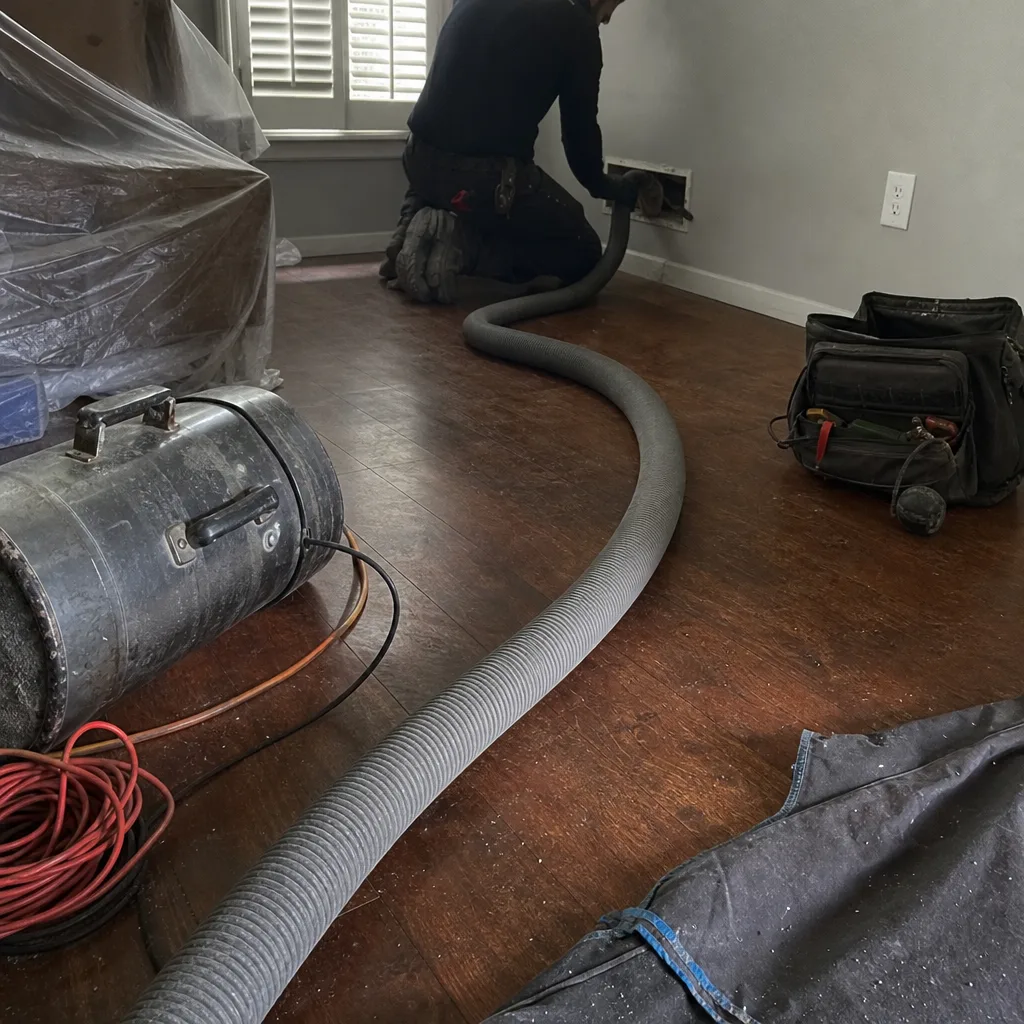 Before
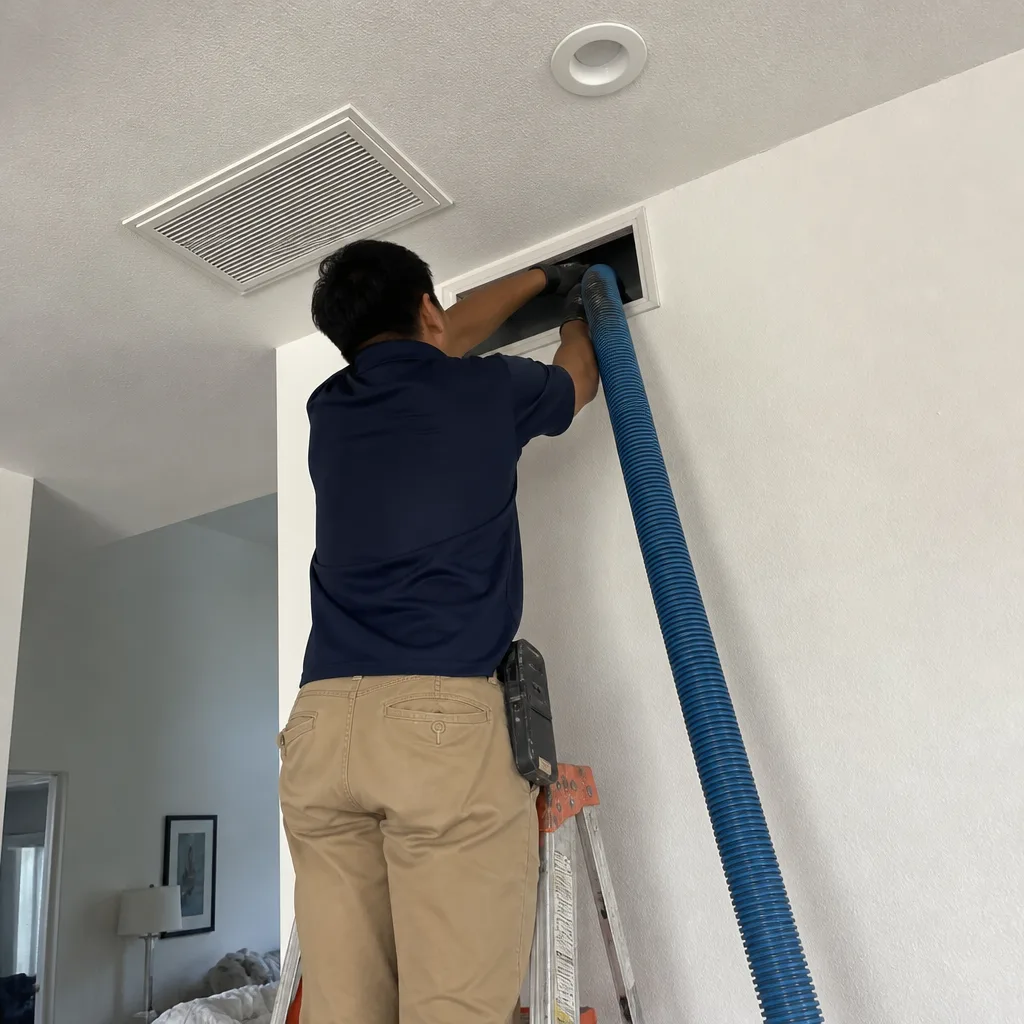 After
After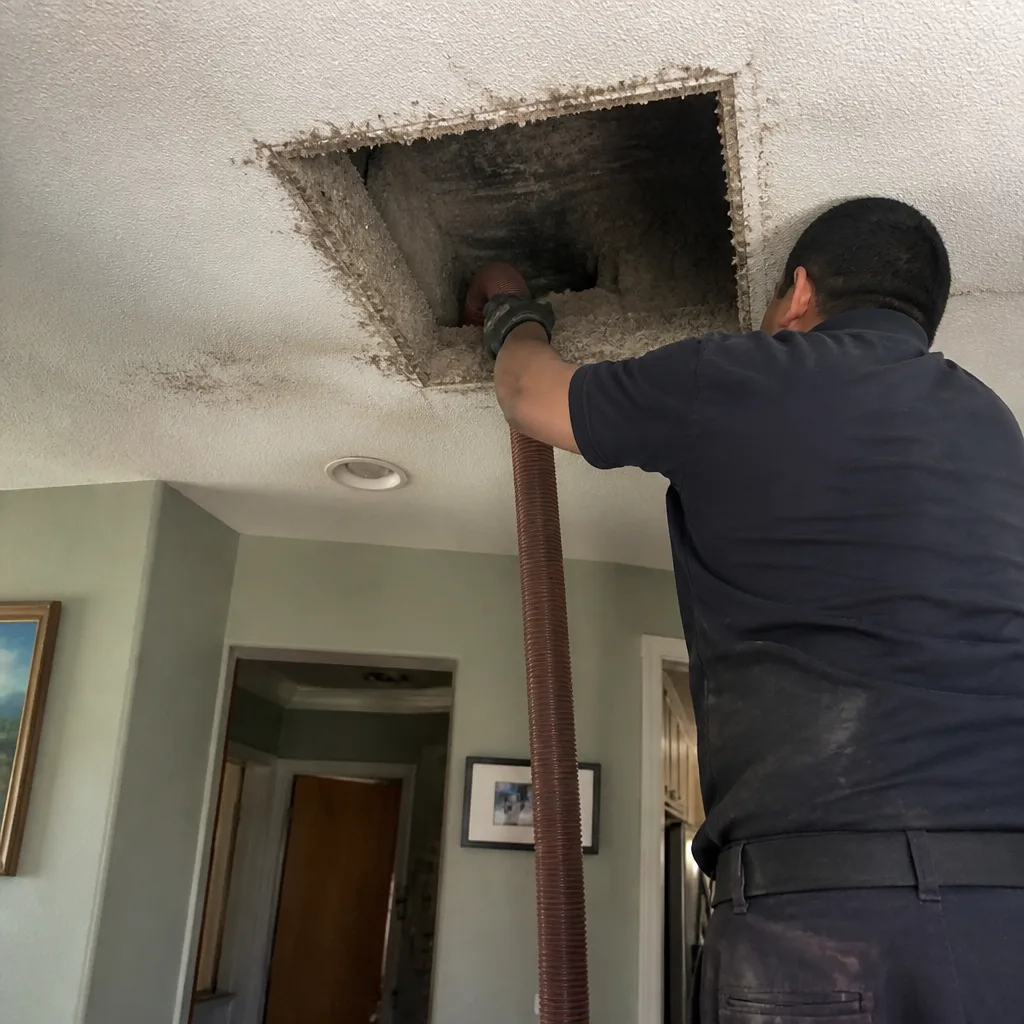 Before
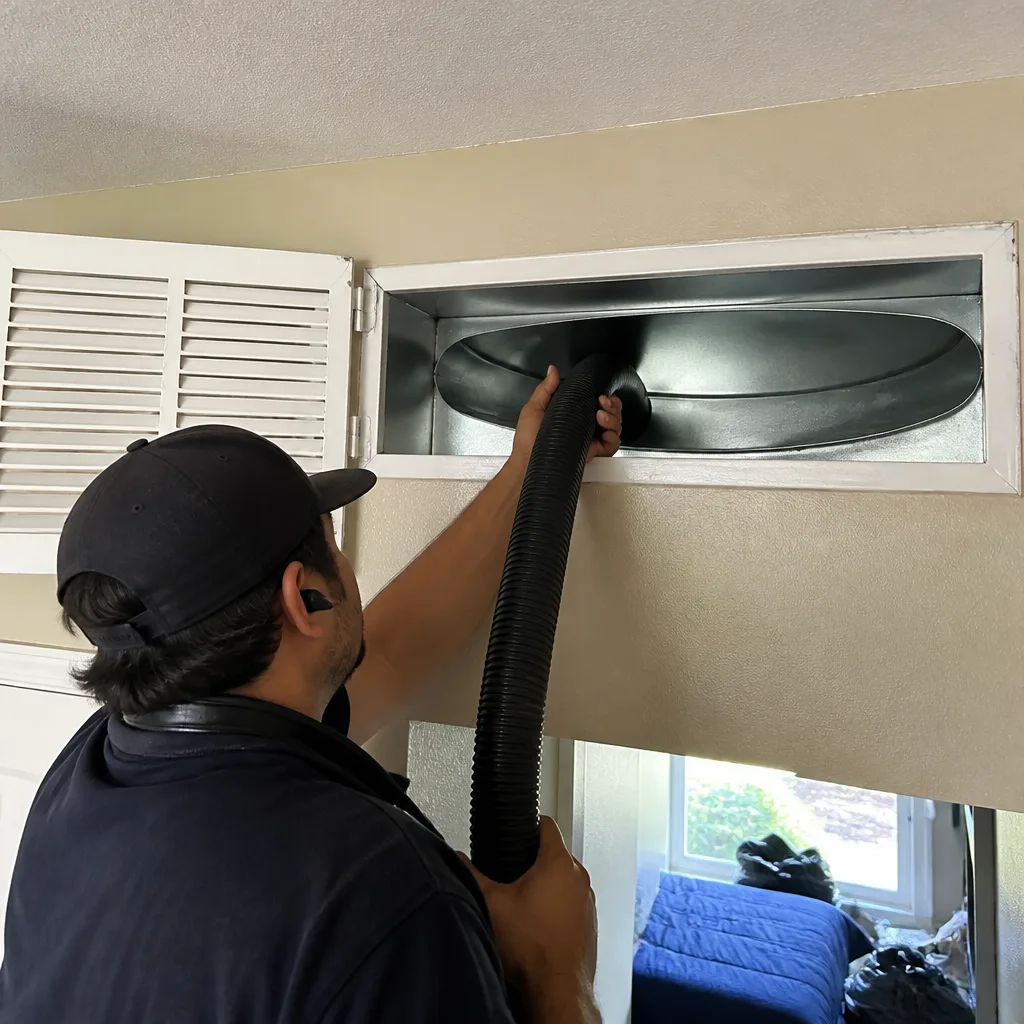 After
AfterDusty Vents Right After Cleaning
What’s Happening
If your vents are visibly dusty within days of a cleaning, the job was almost certainly incomplete – the supply and return ducts were surface-wiped rather than fully extracted, or the main trunk lines were skipped entirely. The dust you’re seeing is debris that was disturbed but not removed, now settling back onto grille surfaces as air moves through the system.
This is one of the most common complaints in the duct cleaning industry, and it almost always traces back to one of two things: equipment that wasn’t powerful enough to pull debris all the way out, or a crew that cleaned the visible registers and called it done. Either way, you’re back to square one. The fix isn’t a second round of the same thing – it’s a proper extraction using the right tools, and a written record showing before-and-after conditions so you can actually see what changed.
Why It Happens
The previous job only cleaned the grilles, not the duct runs
Surface cleaning – brushing or vacuuming the face of a register without reaching into the duct behind it – will make a vent look clean for a day or two. Once air starts flowing, the debris sitting a foot or two inside the duct gets pushed forward and coats the grille again. If the tech from your last cleaning spent less than three or four minutes per register, this is likely what happened. Pull a grille off and shine a flashlight down the duct: if you see a visible dust line starting just past where a short brush would reach, that’s your answer.
The main trunk lines were not included
Branch ducts connect to a central trunk line that runs across your attic or basement. If the trunk wasn’t cleaned, every branch feeding off it gets re-coated within days as the blower pushes air through it. You can sometimes hear a faint debris-rattle when the system first kicks on – that’s loose material in the trunk. A proper cleaning scopes or brushes the full length of the main trunk, not just the branches closest to the air handler.
The filter was not replaced and is now shedding back into the system
A clogged filter that’s left in place during cleaning can shed trapped particles back into the return side of the system when airflow increases. If you didn’t get a new filter as part of the job, and your current one looks grey or matted, it may be adding dust rather than catching it. Pull the filter and hold it up to light – if you can’t see through it, it’s overdue and could be the entire explanation for what you’re seeing at the registers.
There’s a breach or gap somewhere in the duct itself
Gaps at duct joints, loose flex connections, or small punctures in duct board let unconditioned attic or crawl space air (and the dust it carries) get pulled into the system. This kind of infiltration will keep recoating vents no matter how thorough the cleaning is, because the contamination source is the structure itself, not just what was already inside. Look for a supply vent that runs dustier than others in the same room, or check whether any accessible duct runs in the attic show visible separation at the seams.
What to Do Right Now
- Pull one register grille off and photograph the inside of the duct. Use your phone’s flashlight. You’re looking for a visible dust coating starting close to the opening – that photo is useful documentation when you call for a follow-up inspection.
- Check your air filter and swap it out if it’s past its useful life. A badly clogged filter is both a symptom and a cause. Replace it with a clean one before you run the system again, so you’re not adding to the problem.
- Turn the system to fan-off or switch to auto mode so it’s not actively pulling debris through the ducts while you sort out what happened. Running a contaminated system continuously just spreads the problem.
- Do not attempt to inspect flexible duct connections in the attic at height without proper footing and lighting. If you suspect a duct breach up there, photograph what you can from the access hatch and leave the rest for a technician. Attic work at height carries real fall risk and is not a DIY inspection job.
- Write down when the previous cleaning was done and what company performed it. A technician arriving for an assessment will want that timeline to understand what was or wasn’t done.
How We Fix It
When a Cardinal Air Duct Cleaning technician arrives, the first step is a visual walkthrough – every accessible register, the air handler cabinet, and any visible duct runs in the basement or attic access. That walkthrough tells us whether we’re dealing with an incomplete cleaning job, a filter issue, a duct breach, or a combination.
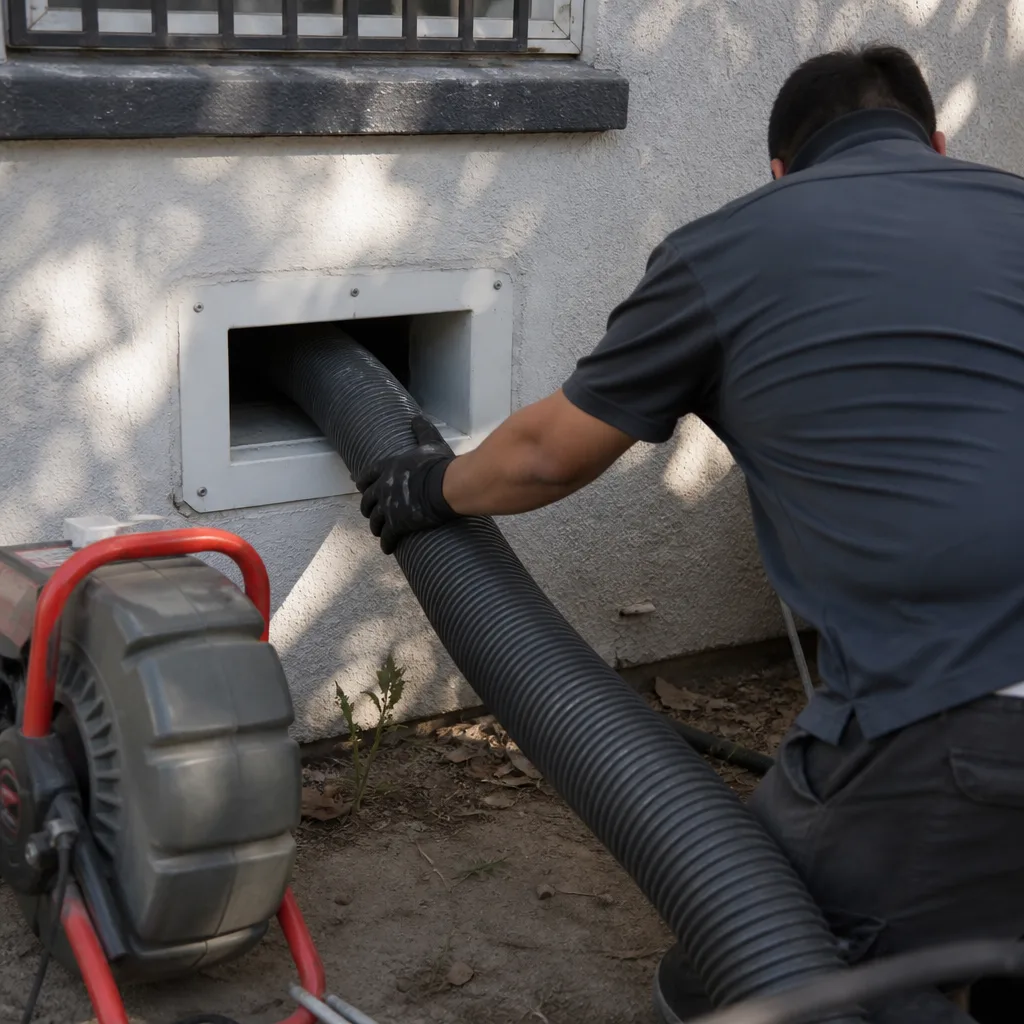
From there, we use Rotobrush rotary brush systems to agitate debris off duct walls all the way to the trunk, paired with Nikro HEPA-rated vacuum extraction to pull it out rather than just shift it around. Abatement Technologies containment keeps dust out of your living space during the process. Before any of that starts, you get a written price – one number, agreed in advance, that doesn’t change once the van is in your driveway.
The service that resolves this is air duct cleaning, sometimes paired with HVAC cleaning if the air handler cabinet shows buildup. Most jobs take two to four hours. Every job is covered by the 365-Day Done Right Promise – if the work isn’t right, we come back and make it right, no charge, for a full year.
Frequently Asked Questions
It depends on what’s in the dust. For most households, it means degraded air quality and a cleaning that didn’t hold – frustrating but not an immediate emergency. If anyone in the home has asthma, allergies, or a respiratory condition, ongoing dust recirculation is a real health concern and warrants faster action. Call (737) 727-2314 to get a technician out and get a clear picture of what’s actually moving through your air.
If it’s been more than three or four days and the vents are still coating with dust after you wipe them, it’s not settling down – it’s a steady supply of debris in the system. Waiting longer just means more time breathing recirculated particulate and more wear on your HVAC equipment. Don’t wait on this one. Call (737) 727-2314 and let your local Cardinal team take a look.
The honest answer is that the price depends on your system – number of registers, duct configuration, whether the trunk lines need work, and what condition everything is in when we arrive. We don’t quote a number before we see the job because a number pulled from thin air isn’t a real price. What we can promise is a written estimate before a single duct is touched, and that number is the number – it does not change at the door.
Your local Cardinal Air Duct Cleaning team handles scheduling directly, and availability varies by location and day. The fastest way to find out is to call (737) 727-2314 right now – a live person will pick up, not a voicemail, and they’ll tell you exactly what’s open. When your appointment is set, you’ll get a live trackable arrival window, not a four-hour guess.
Get It Fixed
Dusty vents after a cleaning mean the job wasn’t finished – and that’s fixable. Call (737) 727-2314 or book online and your local Cardinal Air Duct Cleaning team will assess the system, give you a written price before anything starts, and back the work with the 365-Day Done Right Promise.
Written by Omar Haddad, Owner and Lead Technician at Cardinal Air Duct Cleaning, part of the Relay Home Co. family since 2005.
What Our Customers Say
"Booked a slot in the app, got a reminder text, and watched the crew's van on the map as it came. Cleaned all the vents and the main trunk. Easy from start to finish."
- Rob J."Cleaning plus HVAC coil clean. Tech texted when he was ten minutes away. No surprises on the price."
- Evan S."Dryer vent fix fixed the burning smell. The clog was behind the elbow and the whole laundry room smells normal now."
- Dennis K.