
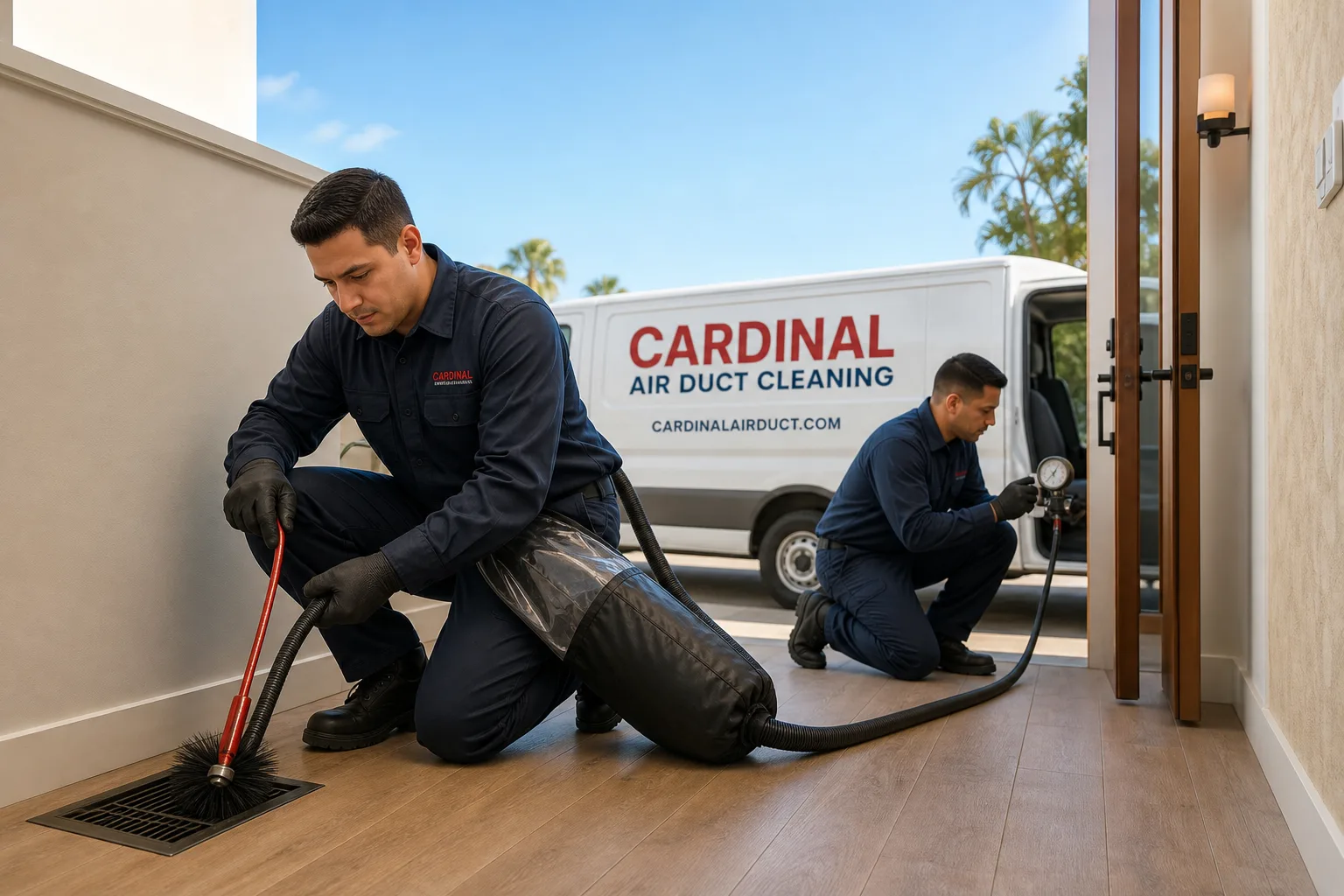
Whole-system duct and dryer vent check with before-and-after photos - you see exactly what came out of your vents
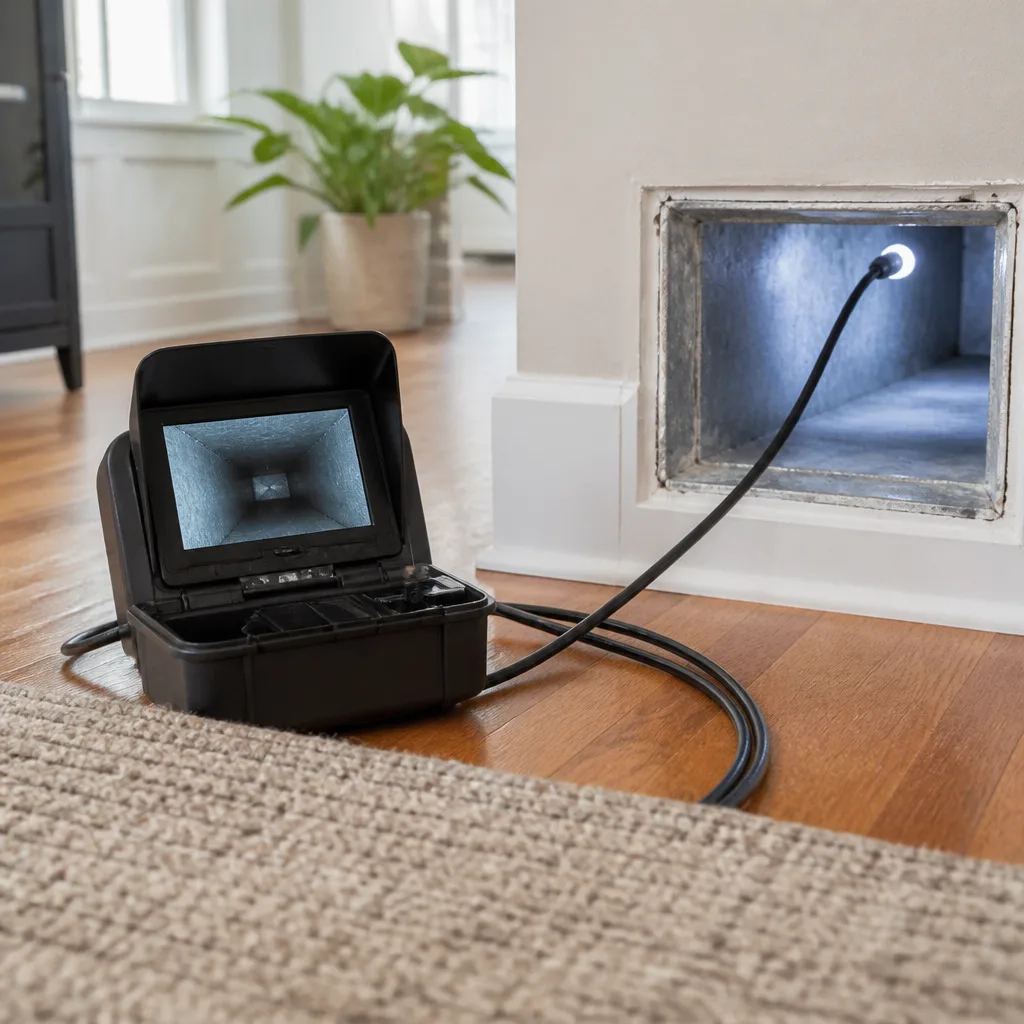
That "$99 whole-house special" is a bait ad - the real number appears once they are in your hallway, or the "clean" is a shop-vac at the register. We photograph the inside of your ducts before and after instead.
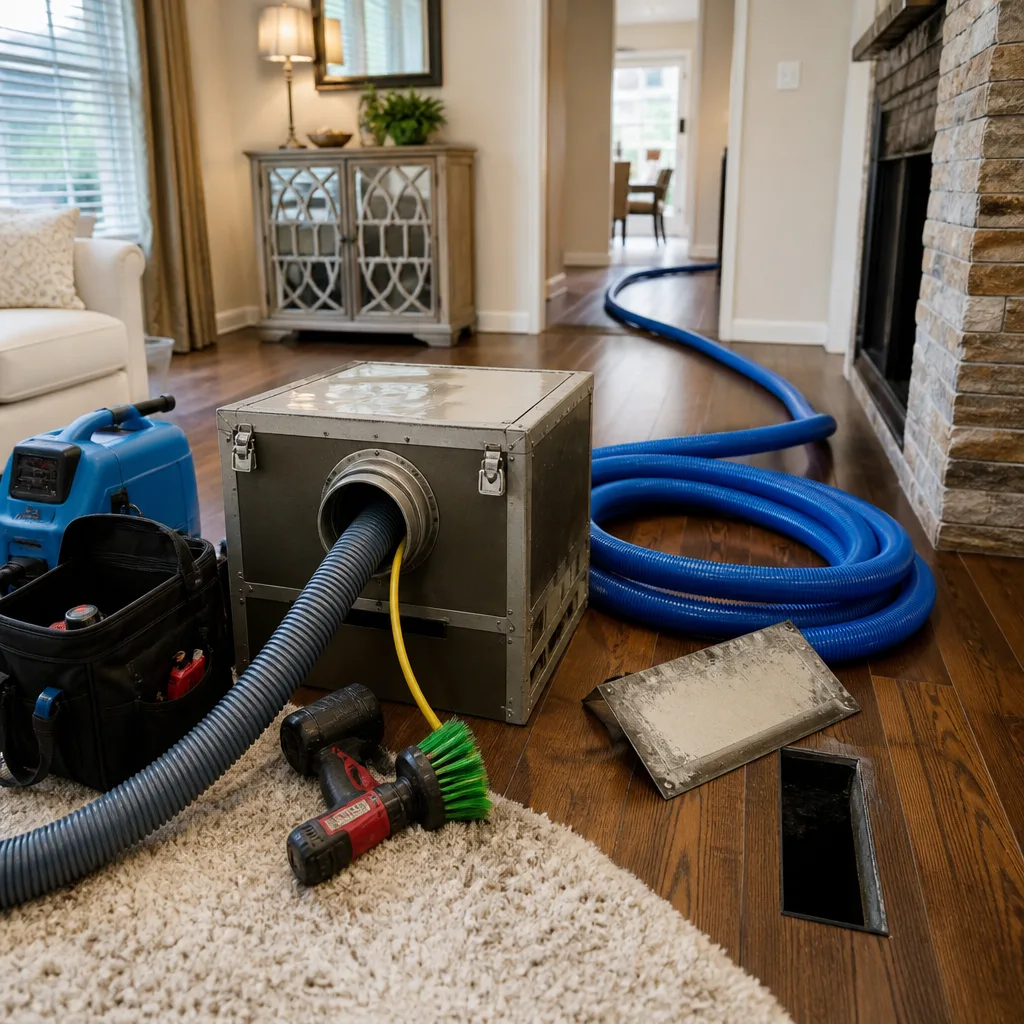
 Before
 After
After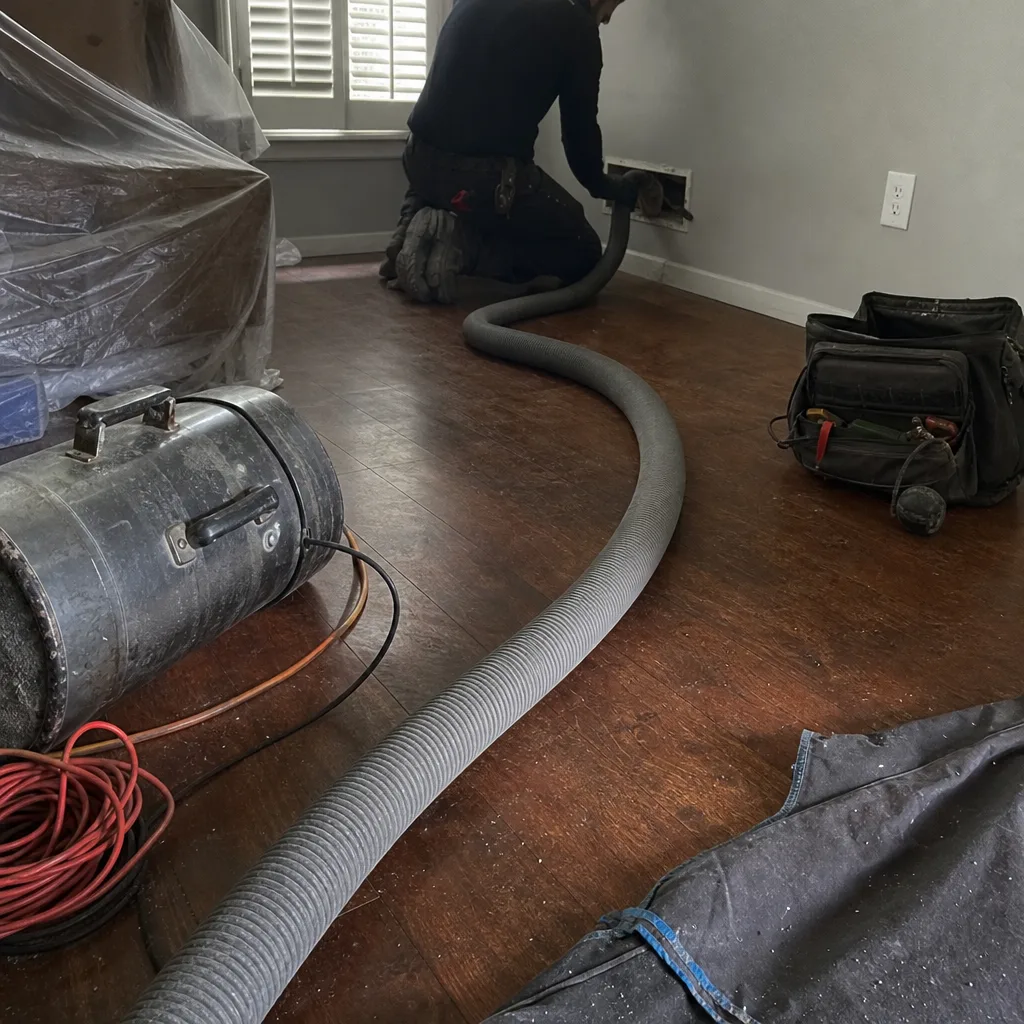 Before
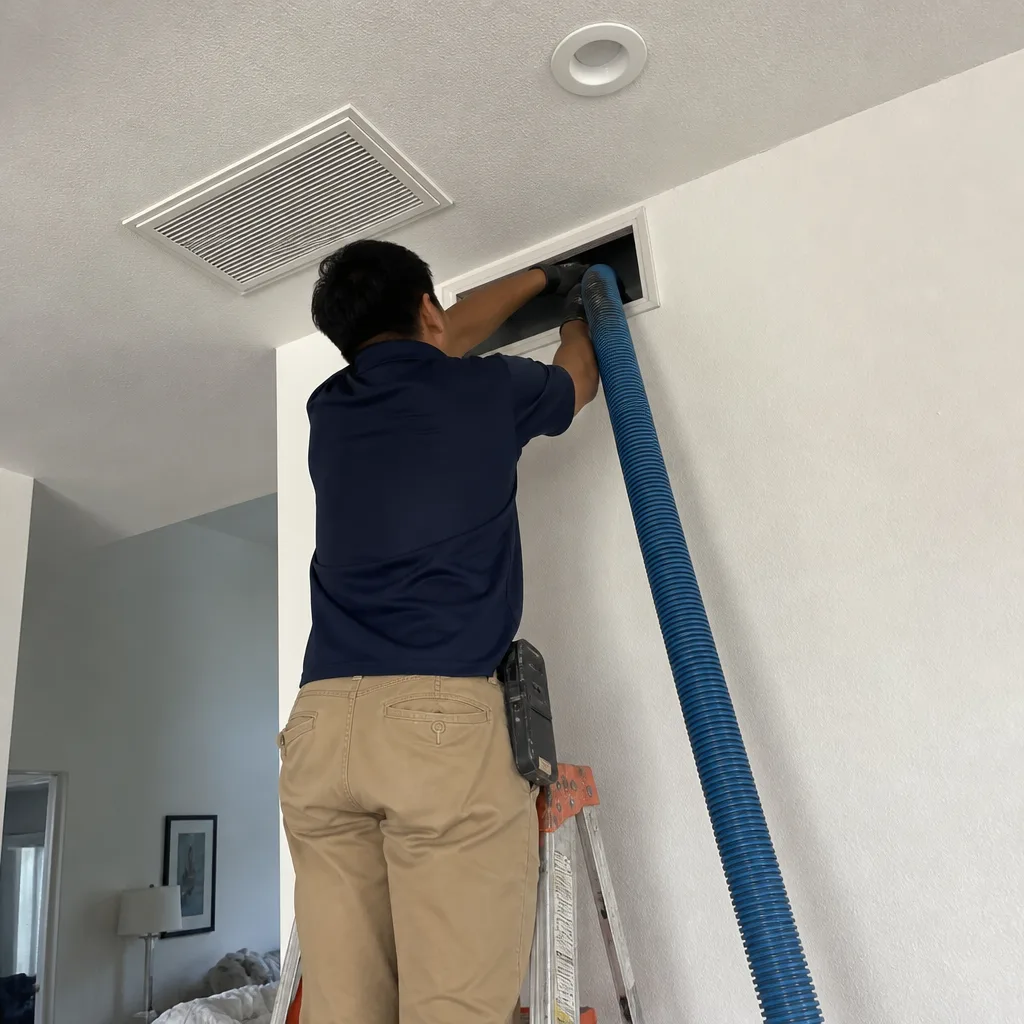 After
After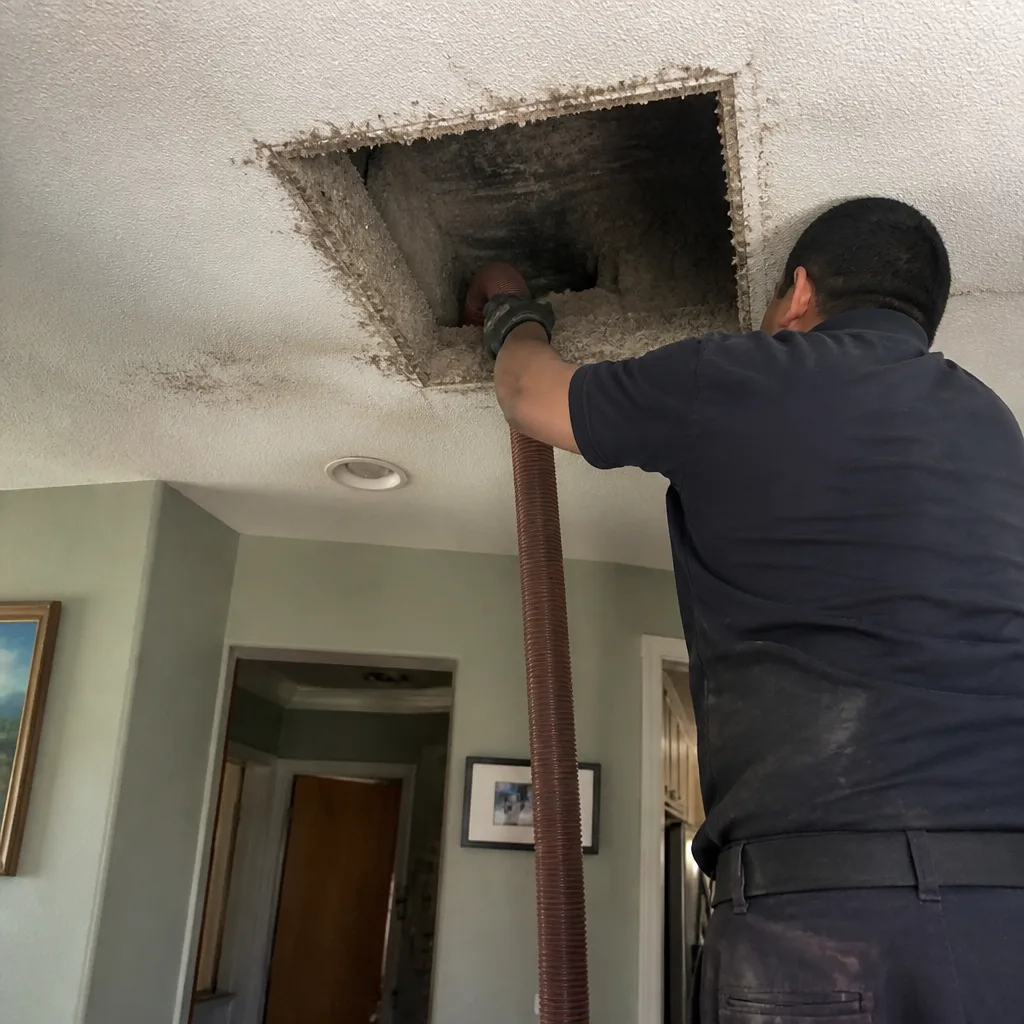 Before
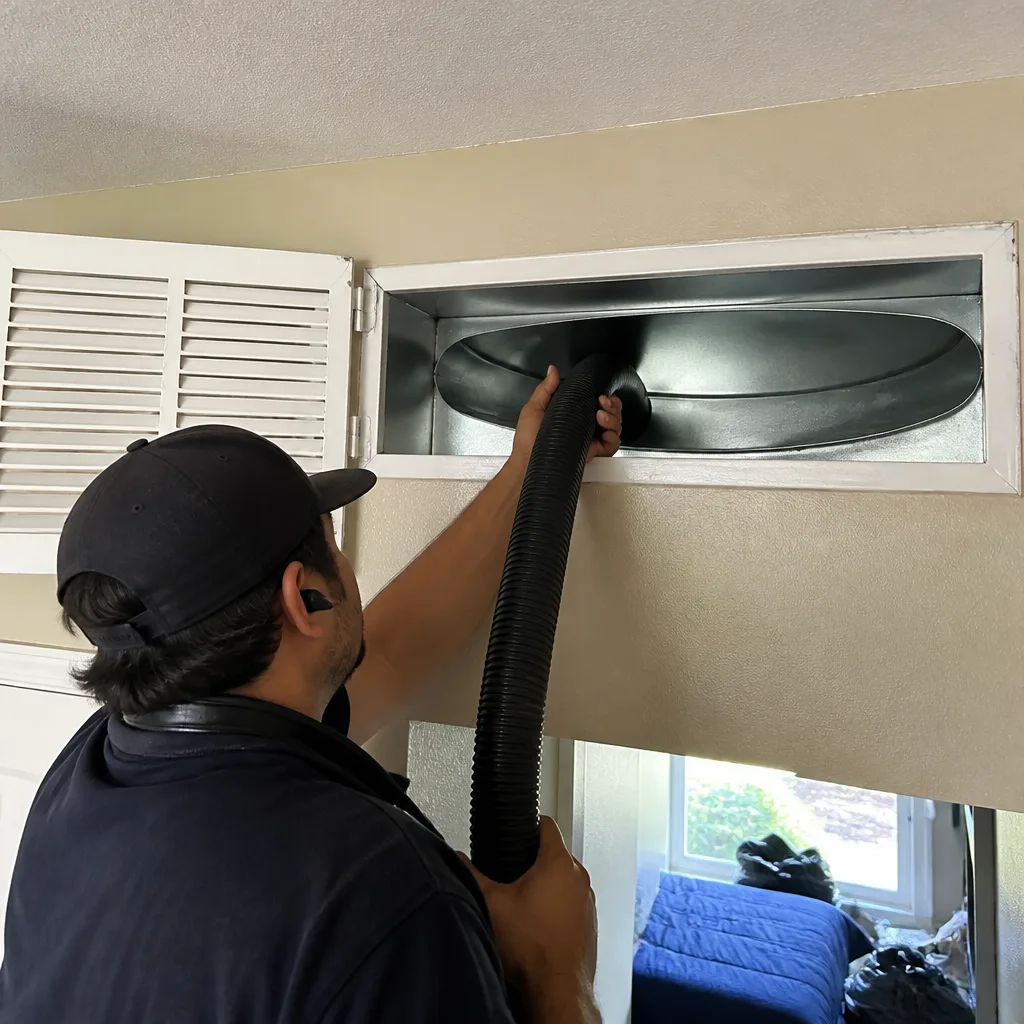 After
AfterSigns of a Clogged Dryer Vent
What’s Happening
A clogged dryer vent means hot, moist air and lint that should be pushed outside your home is trapped somewhere in the duct instead. Your dryer works harder, clothes stay damp, and the system quietly builds toward a fire risk. Most of the symptoms people notice – long dry times, a burning smell, a vent flap that barely moves – trace back to the same root cause: restricted airflow in the vent line.
Lint builds up in dryer vents faster than most people expect, especially in longer duct runs or anywhere the duct bends. Over time, a partial blockage becomes a near-total one. The dryer’s exhaust has nowhere to go, so heat and moisture accumulate inside the drum, inside the duct, and sometimes inside the wall cavity itself. That’s when a nuisance problem becomes a safety problem. The good news is that a trained technician can clear a blocked dryer vent in a single visit using the right equipment – and you’ll be able to see the before-and-after difference in photos.
Why It Happens
Lint Accumulation in the Duct Run
This is the most common cause by a wide margin. Every load of laundry releases fibers, and the lint screen only catches a portion of them. The rest travel into the vent duct and begin to coat the interior walls, especially at any elbow or bend in the line. You can tell this is the issue when dry times keep getting longer over months, not suddenly – a gradual creep is almost always lint, not a mechanical failure.
A Kinked or Crushed Duct
Many dryers sit close to the wall, and the flexible duct section between the dryer and the wall fitting gets compressed or kinked when the machine is pushed back into place. A kink doesn’t just slow airflow – it creates a low spot where lint and moisture collect and pack. Pull the dryer forward a few inches and look at the flexible section. If it’s accordion-folded on itself or has a sharp bend, that’s your culprit even before lint is a factor.
A Blocked or Faulty Exterior Vent Cap
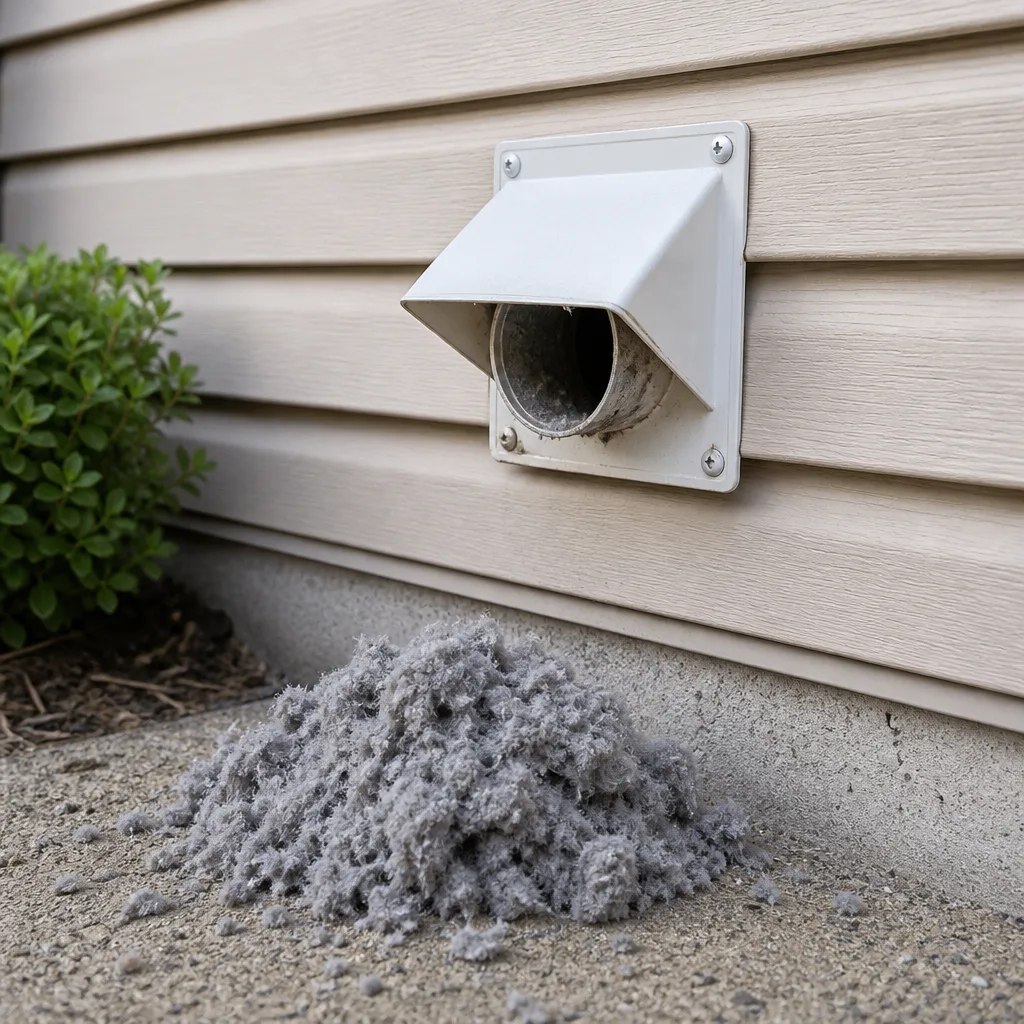
The vent cap on the outside of your home has a flap that opens when the dryer runs and closes when it stops, keeping pests and weather out. That flap can stick shut from lint buildup, a wasp nest, or simple wear on the hinge. Go outside while the dryer is running and check whether the flap is opening. If it barely moves or stays closed, airflow is being choked at the exit point – and this is something you can identify yourself without touching any internal components.
Duct Material That Traps Lint by Design
Older homes sometimes have dryer vents made from plastic flex duct or thin foil accordion tubing. The ridged interior surface of those materials grabs lint on every exhaust cycle, compounding buildup faster than smooth rigid metal duct would. If you can see or feel the duct material and it’s soft, flexible, and corrugated, that’s contributing to the problem regardless of how recently it was last cleaned. A technician can identify this on arrival and explain what the duct replacement option looks like if it applies to your setup.
What to Do Right Now
- Stop using the dryer until the vent is cleared. If you’re smelling something burning, or the exterior of the dryer is hot to the touch, don’t run another cycle. A blocked vent is one of the leading causes of house fires, and continuing to run the machine while the duct is restricted is not worth the risk.
- Check and clean the lint screen. Pull it out, hold it up to a light source, and run it under water. If water beads on the surface instead of passing through, the screen has a coating of dryer-sheet residue restricting airflow. Scrub it gently with a soft brush. A clean screen won’t fix the duct, but it removes one variable.
- Go outside and look at the vent cap while the dryer is off. Note whether the flap moves freely by hand, whether you can see lint packed around the opening, or whether there’s any visible obstruction like a bird nest or wasp nest inside the hood. Take a photo – it’s useful context when your technician arrives.
- Check the flexible duct section behind the dryer if you can safely reach it. Pull the dryer forward carefully, look for kinks, crushing, or visible damage. Do not attempt to disassemble any duct connection inside the wall or ceiling. If the duct runs through an attic or crawl space, leave that portion alone entirely – that’s a job for someone with the right equipment and visibility.
- Note how long your last few loads took. Approximate dry times help the technician gauge how severe the restriction is and where in the duct run the blockage is likely centered. Write it down or make a voice memo before the visit.
How We Fix It
When your local Cardinal Air Duct Cleaning technician arrives, the first thing they do is assess the full vent system before touching a single tool – where it exits, how long the run is, whether the duct material is code-appropriate, and where any bends are located. You’ll receive a written price for the specific job before any work begins. That price doesn’t change at the door.
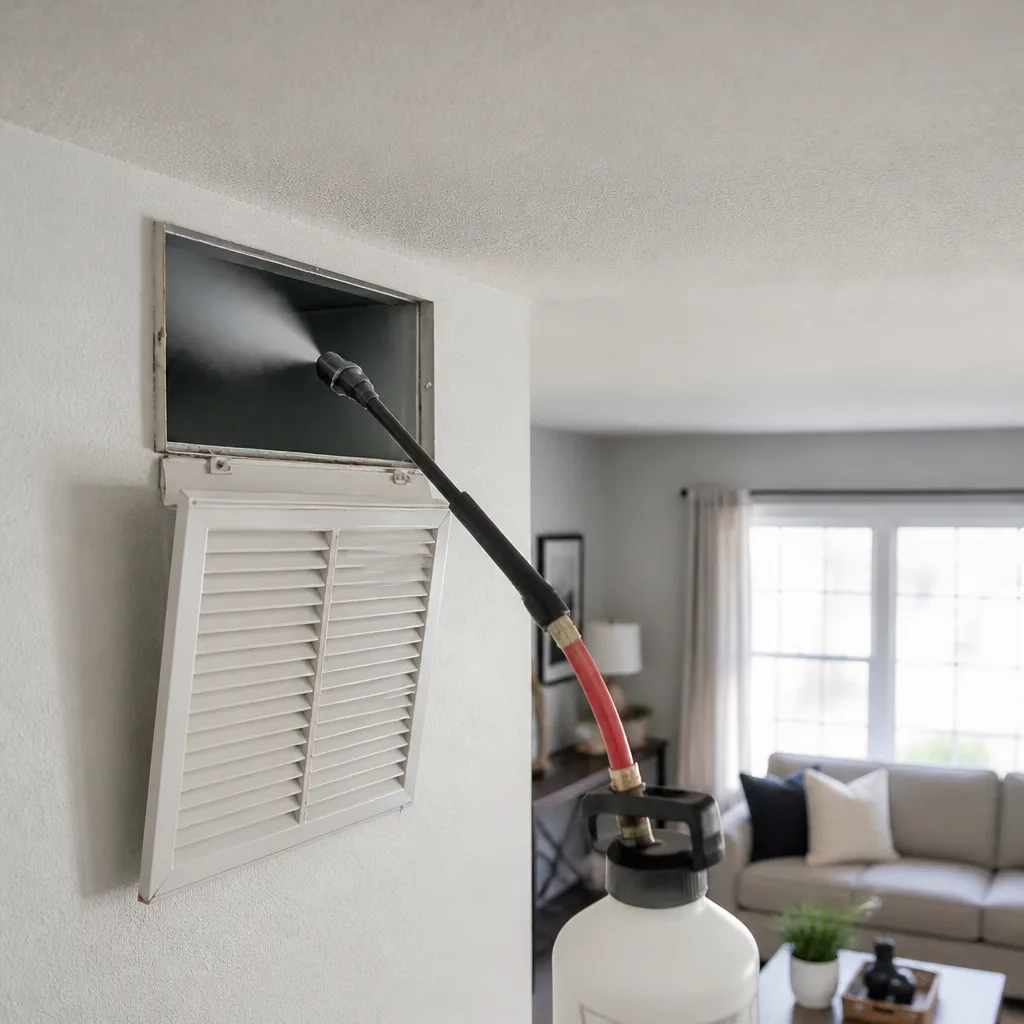
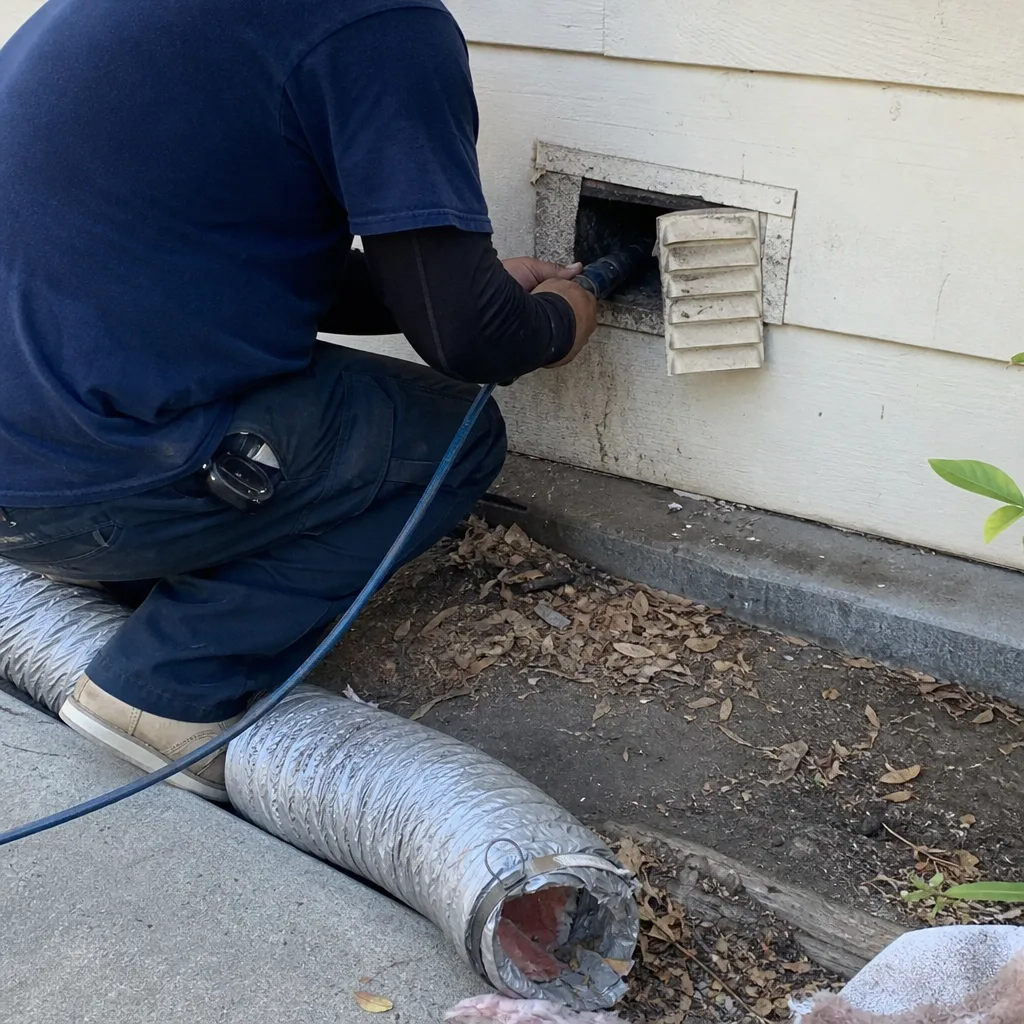
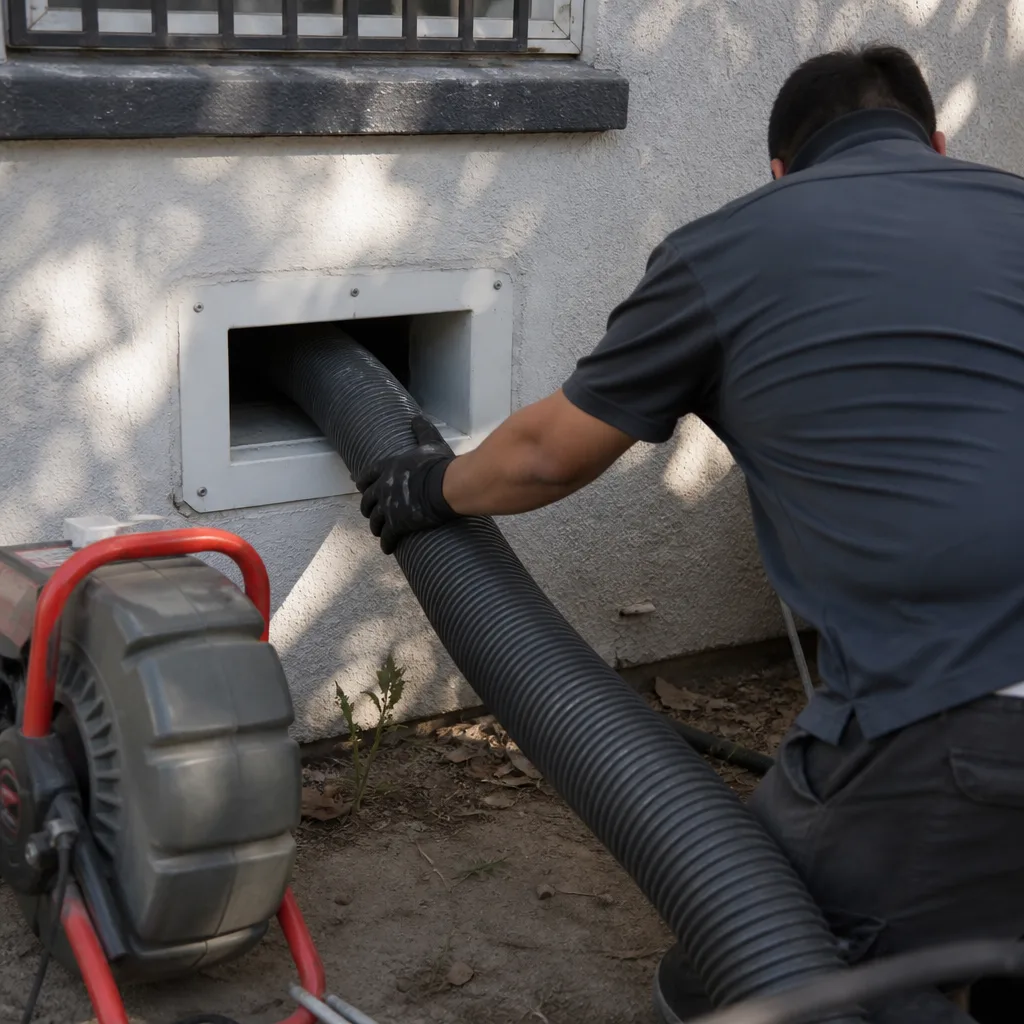
The actual cleaning uses a Rotobrush rotary brush system to break up compacted lint throughout the duct run, combined with a Nikro HEPA-rated vacuum that extracts the debris rather than just displacing it. The exterior vent cap is cleared and tested. Before-and-after photos are taken so you can see exactly what changed. The whole process on a standard single-duct dryer vent run typically takes under an hour, though longer or more complex runs take more time.
This service falls under our Dryer Vent Cleaning offering. Every job is covered by the 365-Day Done Right Promise: if the work isn’t right within a full year, we come back and make it right. No argument, no charge.
Frequently Asked Questions
A clogged dryer vent is a genuine fire hazard, not just a nuisance. Lint is highly flammable, and when it accumulates in a duct carrying hot exhaust air, the conditions for ignition are real. If you’re noticing burning smells, a very hot dryer exterior, or clothes that are hot but still damp at the end of a cycle, stop using the dryer and call (737) 727-2314. Don’t wait on this one.
It depends on the severity. If the dryer is still functioning – taking longer than it used to but not producing burning smells or overheating – you have a little flexibility. But a vent that’s partially blocked becomes fully blocked faster than most people expect, and the fire risk is real at any stage of restriction. If anything smells wrong or the machine runs hot, treat it as urgent and call (737) 727-2314 today.
You can clean the lint screen yourself, and you can clear obvious debris from the exterior vent cap. Beyond that, a dryer vent duct runs through walls, floors, or ceilings, and consumer brush kits rarely reach the full length of the run or remove debris effectively from inside bends. More importantly, if there’s a kink, a disconnected section, or a duct material problem, a brush kit won’t reveal it. Professional cleaning with a Rotobrush system and HEPA extraction clears the full run and gives you photo documentation that it was done.
Every Cardinal Air Duct Cleaning job includes before-and-after photos as part of The Relay Visibility Guarantee – you see what the duct looked like going in and what it looked like when the technician was done. You also receive a digital invoice by text link the same day. There’s no guessing and no taking anyone’s word for it – the photos are yours to keep.
Get It Fixed
If your dryer is showing any of these signs, the right call is a quick one. Your local Cardinal Air Duct Cleaning team will give you a written price before any work starts, clear the full duct run with professional-grade equipment, and back the job with the 365-Day Done Right Promise. Call (737) 727-2314 or book online – a live person picks up every time.
Written by Omar Haddad, Owner & Lead Technician at Cardinal Air Duct Cleaning, part of the Relay Home Co. family since 2005.
What Our Customers Say
"Booked a slot in the app, got a reminder text, and watched the crew's van on the map as it came. Cleaned all the vents and the main trunk. Easy from start to finish."
- Rob J."Cleaning plus HVAC coil clean. Tech texted when he was ten minutes away. No surprises on the price."
- Evan S."Dryer vent fix fixed the burning smell. The clog was behind the elbow and the whole laundry room smells normal now."
- Dennis K.