
Whole-system duct and dryer vent check with before-and-after photos - you see exactly what came out of your vents
That "$99 whole-house special" is a bait ad - the real number appears once they are in your hallway, or the "clean" is a shop-vac at the register. We photograph the inside of your ducts before and after instead.
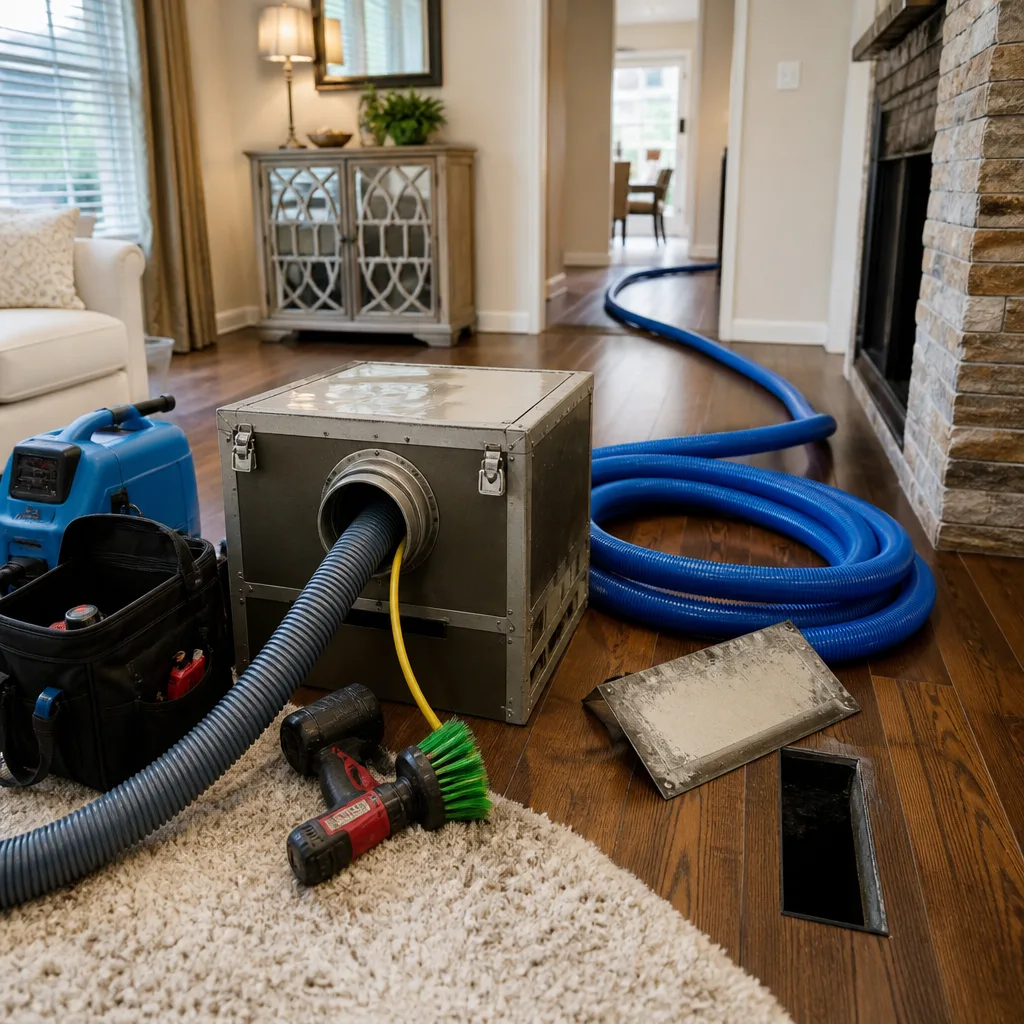
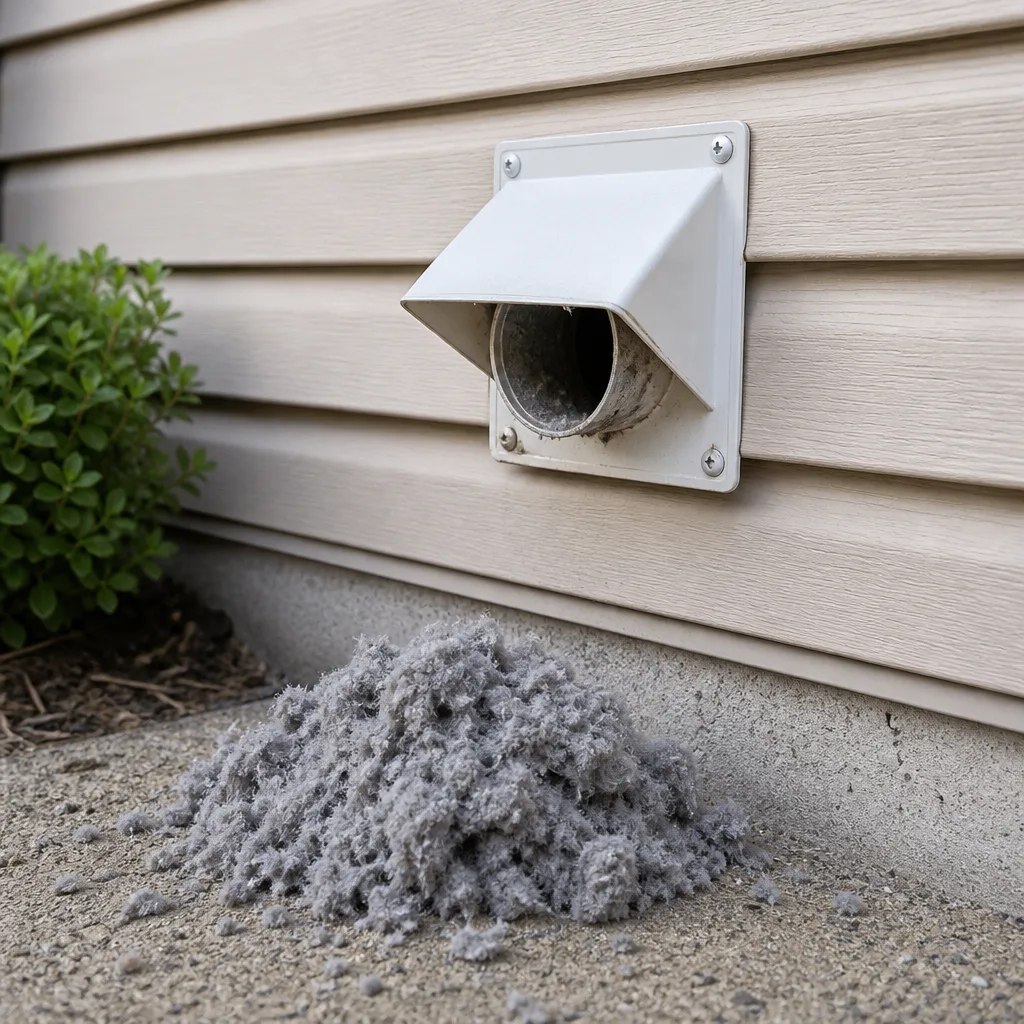
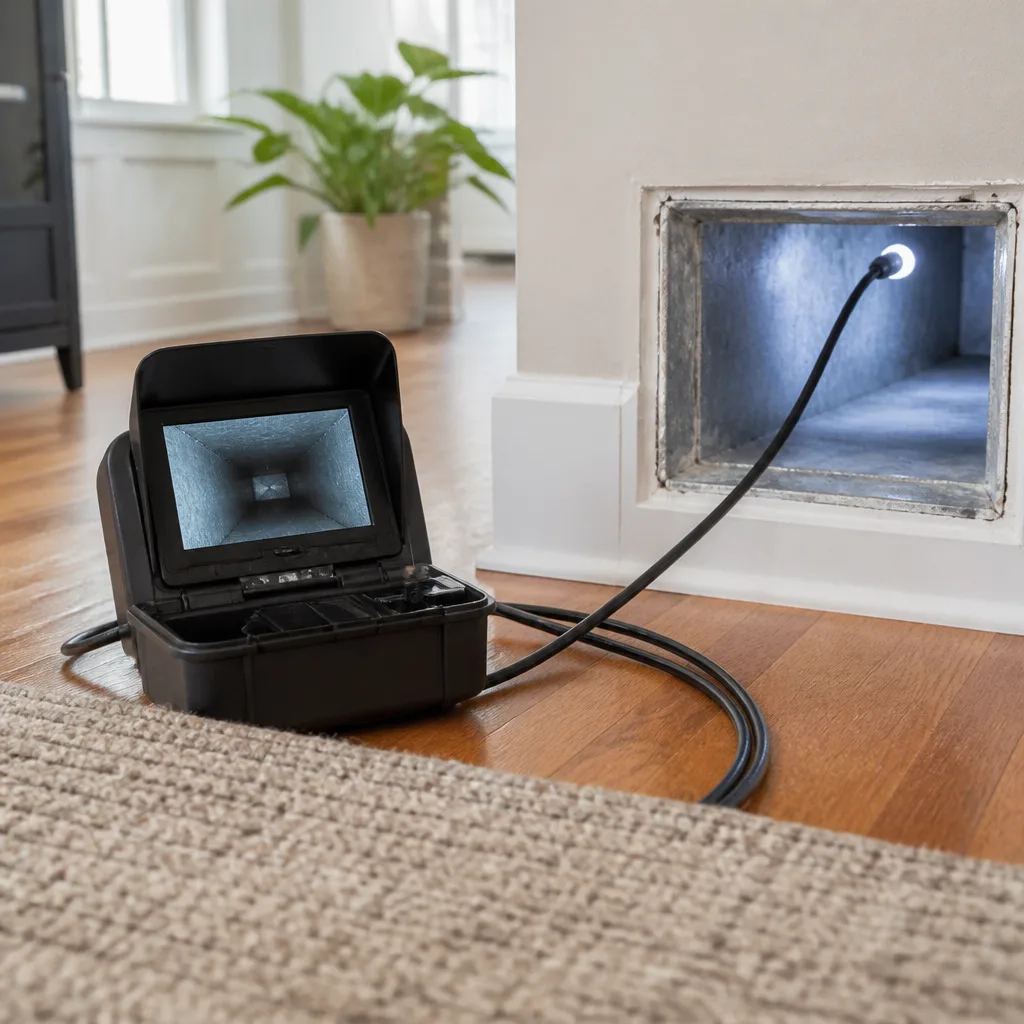
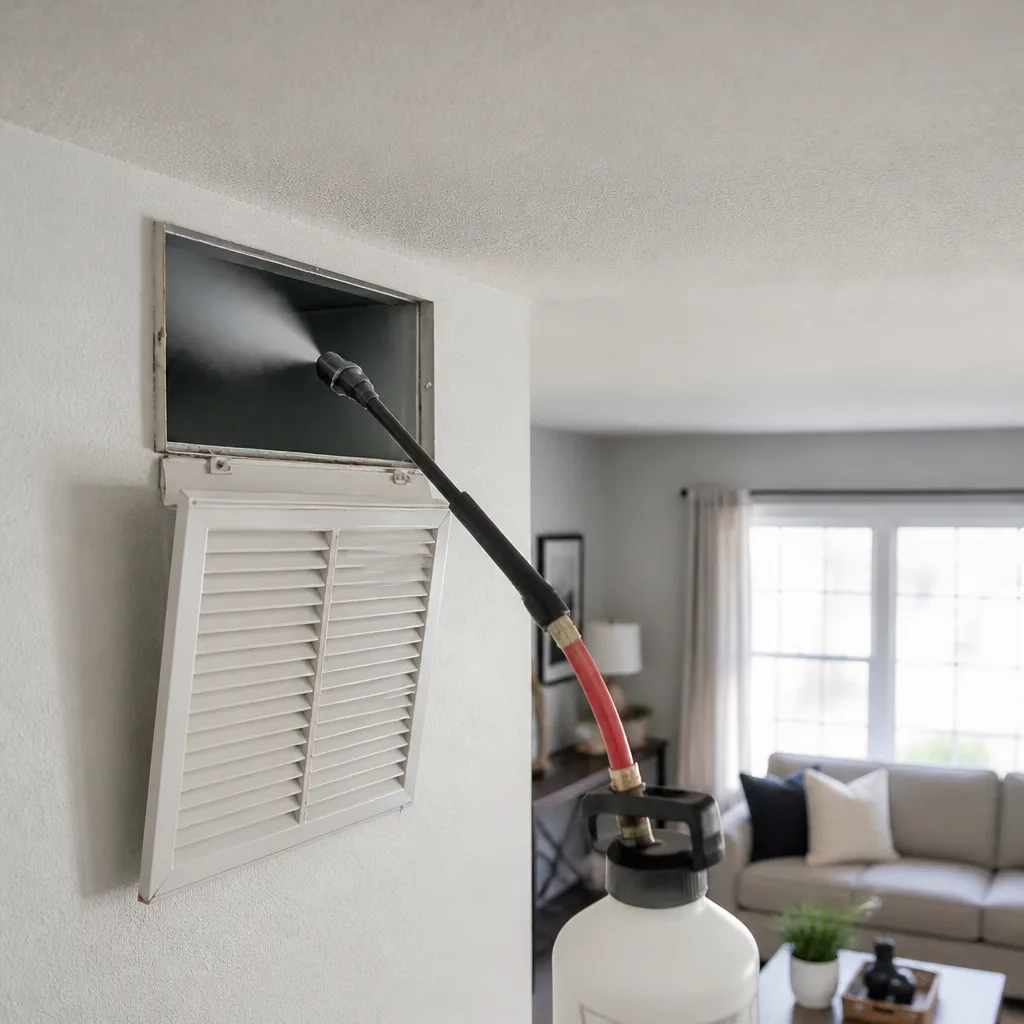
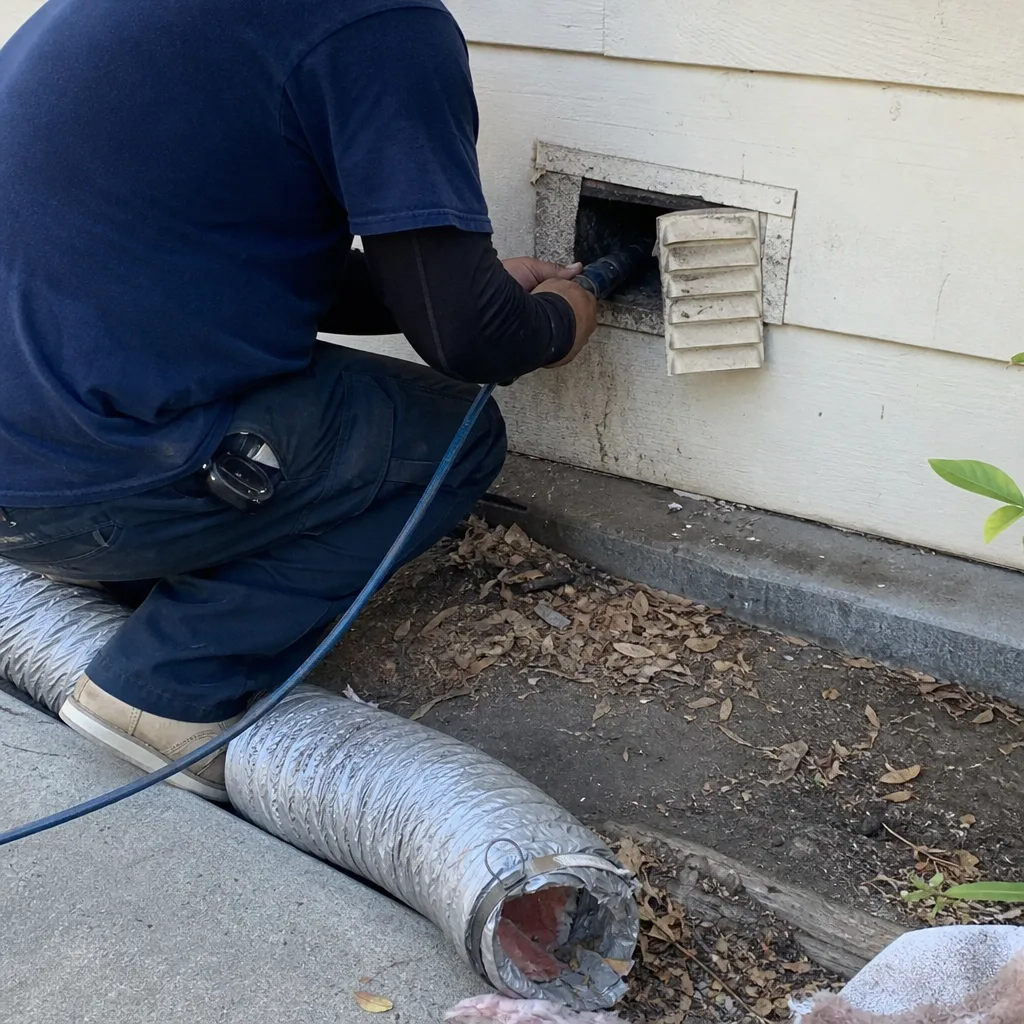 Before
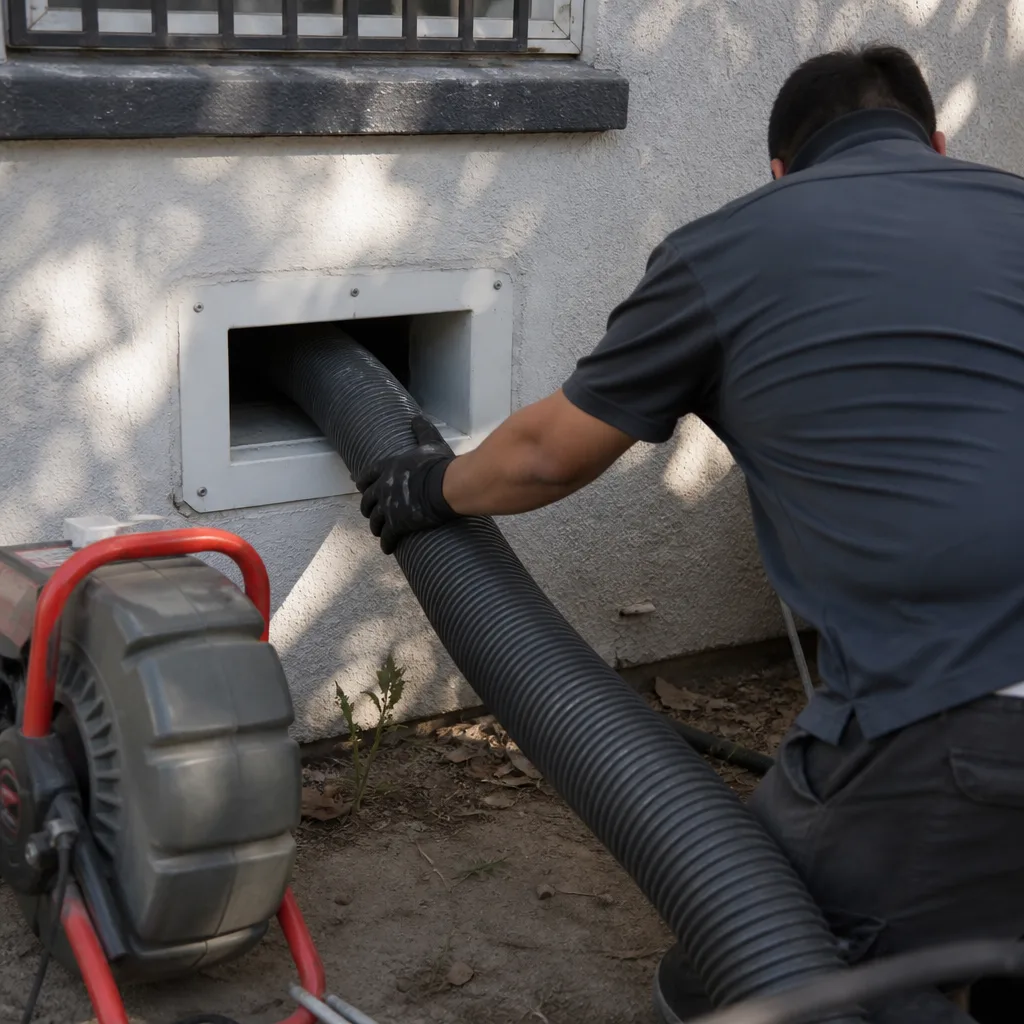 After
After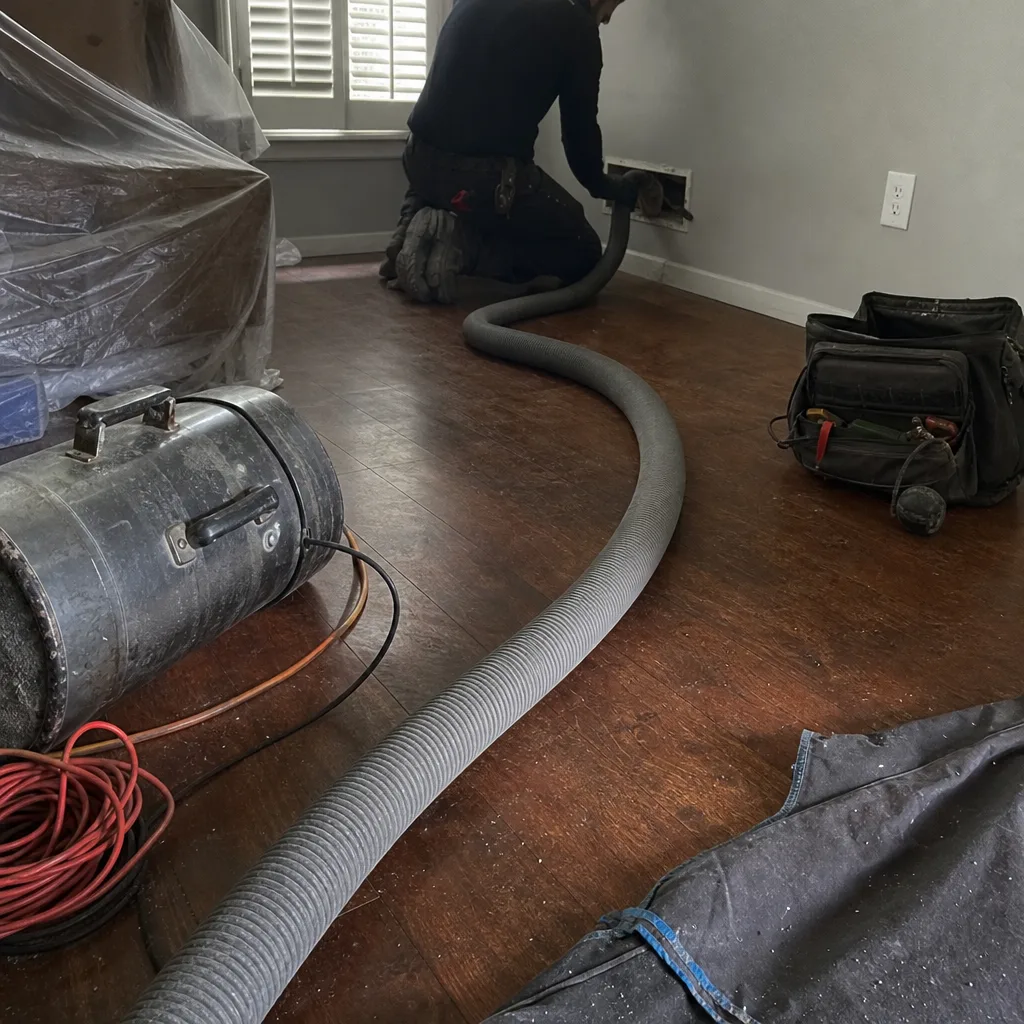 Before
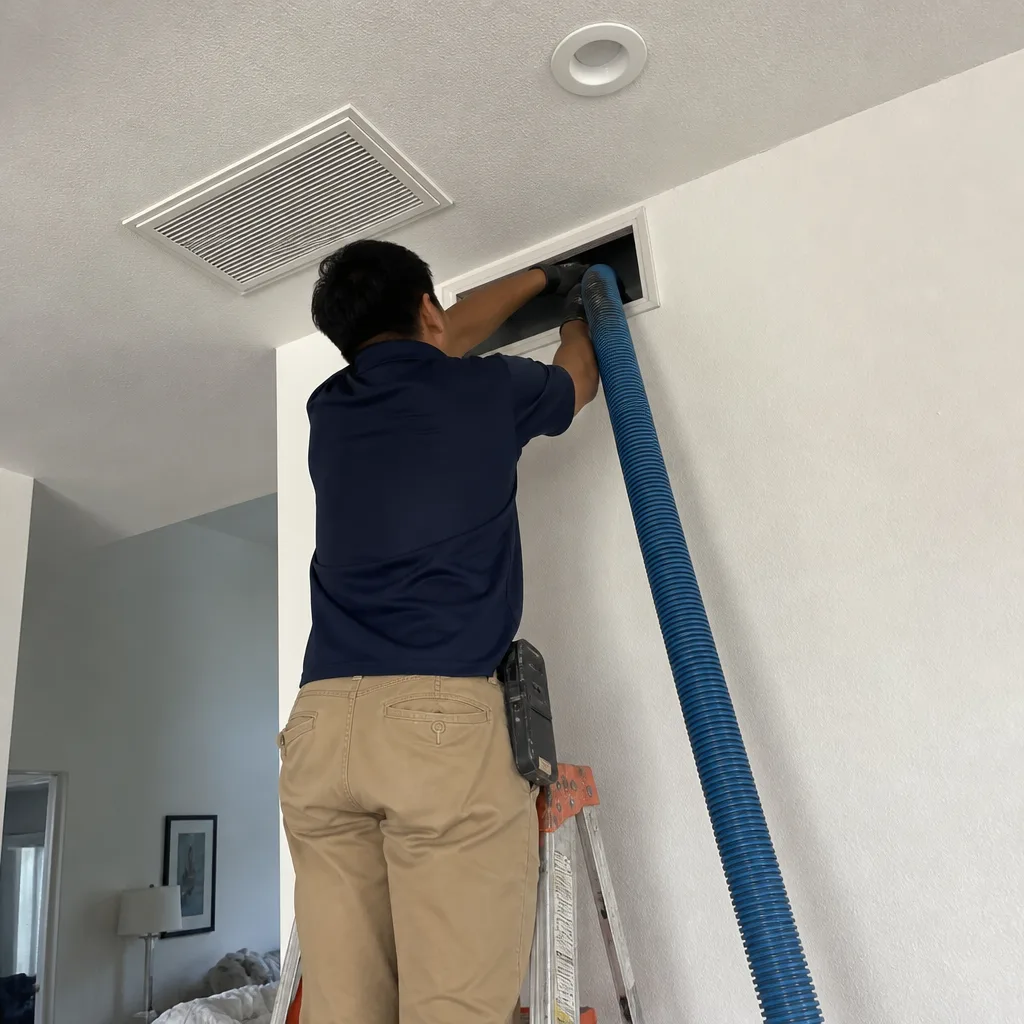 After
After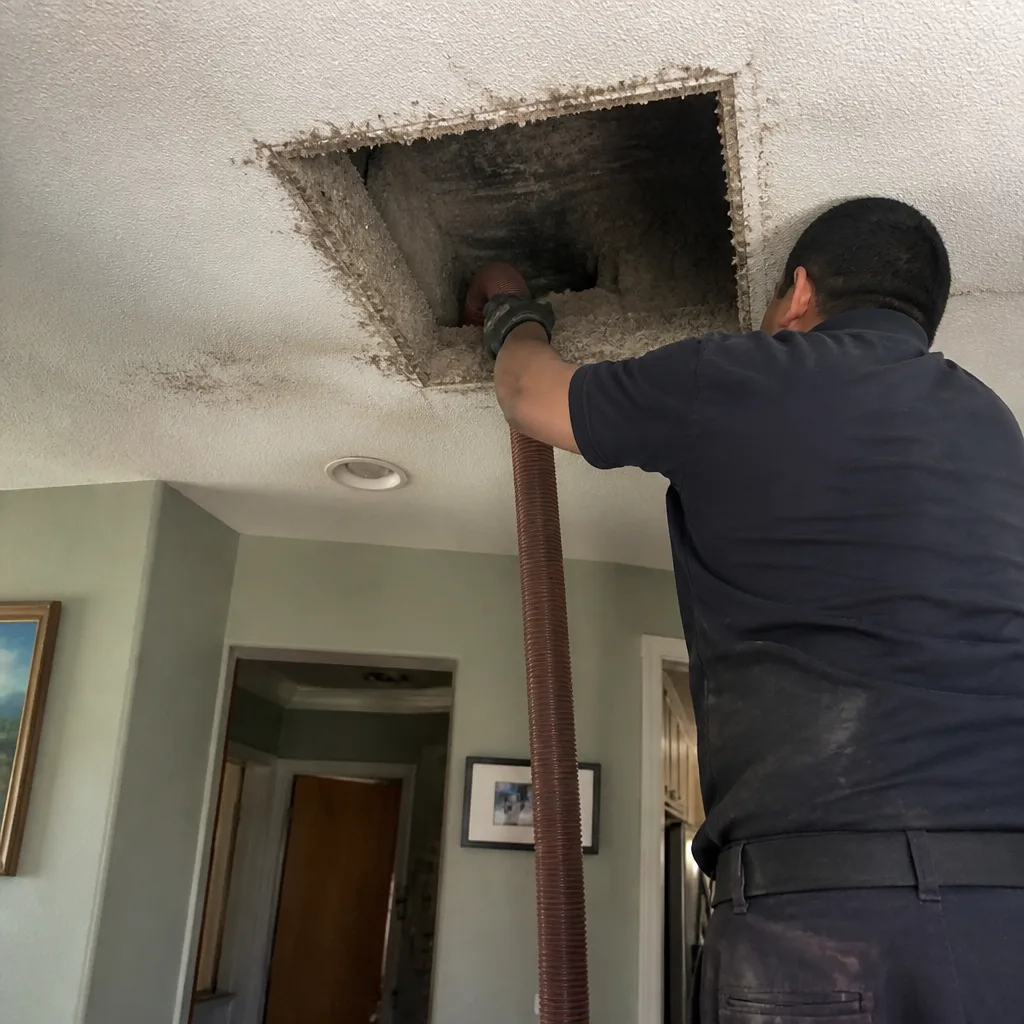 Before
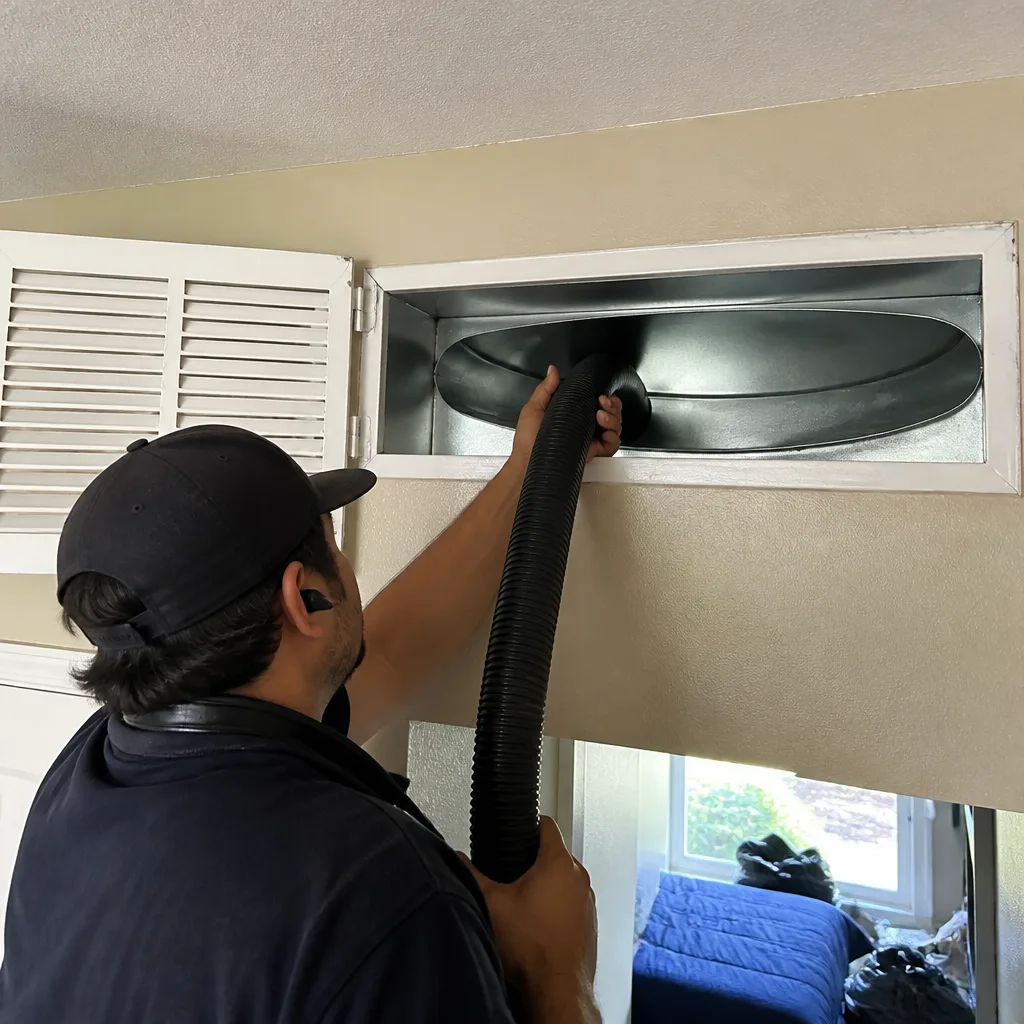 After
AfterRotobrush Coil Cleaning: The Los Angeles Owner’s Guide
We stock and install Rotobrush-compatible coil cleaning components for residential and commercial Rotobrush systems throughout Los Angeles, with most coil cleaning parts and labor running between $180 and $420 depending on your exact model and what failed. Most Rotobrush owners discover a coil cleaning issue the same way: the brush starts binding mid-run, the motor sounds strained, or you’re simply not getting the debris removal you used to. If you’re hearing a whine from the coil housing or seeing hair and dust wrapped tight around the brush assembly, this page will tell you exactly what’s going on and what it costs to fix.
We’re an independent Los Angeles air duct cleaning company that runs Rotobrush equipment daily, so when we talk about coil cleaning failure, we’re talking about something we’ve pulled apart, diagnosed, and rebuilt on real job sites from Santa Monica to Pasadena. Cardinal Air Duct Cleaning is not affiliated with Rotobrush, but we’re one of the few LA shops that genuinely works on these machines week in and week out.
Which Rotobrush Models This Applies To
Rotobrush’s coil cleaning components span three main product generations: the original Ai series, the mid-generation R500/R501 units, and the current-era brush systems found in their duct cleaning packages. The coil – which is the spiral-wound cleaning head that does the actual scrubbing inside your ductwork – wears differently across these lines. On older Ai units, the nylon coil material tends to fray and lose grip after 300 to 500 cleaning cycles. On the R500 series, we see more failures in the coil’s connection collar and drive coupling than in the bristle material itself.
The compatibility gotcha most owners miss: Rotobrush coils are sized by internal diameter of the duct run, not by model year. A 6-inch coil from a 2010 Ai series will physically mount on a newer R501, but the drive engagement is different – it’ll spin, but it won’t clean properly and it’ll chew through the coupling faster. That’s why we always match the coil to the machine’s drive specification and the duct diameter together. When you call, we’ll ask for the serial plate info from the hand unit and the duct size you typically run. If the label’s worn off, we can identify the right coil by measuring the drive shaft diameter and the coil’s pitch with a micrometer – and yes, we keep calipers on the truck for exactly that.
For OEM Rotobrush coils, lead times can run two to three weeks from the distributor. We carry quality aftermarket equivalents that match OEM coil pitch and durometer (that’s the hardness rating of the cleaning material) for most Ai and R-series units, and we’re honest about which jobs warrant spending the OEM premium. On commercial jobs in LA where we’re cleaning 25-plus systems a year, we often recommend OEM for the extended coil life. For a single-family home system that sees cleaning every three to five years, a well-made aftermarket coil is usually the smarter money.
Signs Your Rotobrush Coil Cleaning Is Failing
- Brush binds or stops spinning under load. This is the most common call we get. The coil material has worn down to the point where the drive can’t maintain rotation against duct wall resistance. In LA’s older homes – we’re talking 1940s and 50s construction in neighborhoods like Eagle Rock and Mid-City – decades of hardened debris make this failure mode worse.
- Motor runs hot or smells like warm plastic. When the coil is binding, the drive motor compensates by drawing more amperage. That heat is your coil telling you it’s done. Continuing to run it this way shortens motor life, and a replacement motor costs more than the coil.
- Uneven or streaky cleaning results. You run the brush through the duct and it comes out looking patchy – some sections scraped clean, others barely touched. That’s a coil with inconsistent bristle height, usually from hitting offsets and transitions in the ductwork. Coils don’t wear evenly; they wear at the points where your duct runs make turns.
- Visible fraying or flattened bristles on the coil itself. Inspect the coil after a job. If the cleaning material looks crushed flat against the coil body or you see broken bristle tips, it’s time. A healthy Rotobrush coil should have bristles standing proud of the coil body across the entire length.
- Drive coupling or collet shows wear. On R-series units, the coil connects through a collet that takes a beating when the coil starts to slip. If you’re replacing the coil, inspect the collet at the same time. We’ll always check this because a new coil on a worn collet fails again fast – and that’s the kind of thing that gives parts replacement a bad name.
Replacement Cost & What’s Included
In Los Angeles, expect to pay $180 to $420 for a complete Rotobrush coil cleaning replacement, parts and labor included. The spread comes down to three things: which generation your machine is, whether you need the coil only or the coil plus coupling and collet, and whether we’re doing the swap in our shop or at your location. A simple coil swap on an Ai-series unit with a good collet typically lands around $180 to $240. An R501 that needs the full coil, coupling, and collet assembly will run $340 to $420.
| What You’re Paying For | Typical Los Angeles Range |
|---|---|
| Aftermarket coil (Ai series, common sizes) | $75 – $110 |
| Aftermarket coil (R500/R501) | $90 – $140 |
| OEM Rotobrush coil (when specified) | $160 – $260 |
| Coupling and collet (if needed) | $30 – $70 |
| Shop labor for coil swap and calibration | $75 – $120 |
Every coil replacement includes a written price before any work starts, so you’ll know your total before we touch the machine. We calibrate the replacement coil on the bench, run a test spin, and hand you the old part so you can see exactly what failed. The work is covered by our 365-Day Done Right Promise – if that new coil fails within a year, we replace it at no charge.
DIY or Call Us?
You can absolutely inspect your Rotobrush coil yourself. Pop the coil off the drive shaft (most units twist-lock or use a set screw), check the bristle height against the coil body, and look for cracks in the coupling. That’s smart ownership. But actually replacing the coil and calibrating it so it spins true – that’s where we see DIY jobs go sideways. If the coil isn’t seated square, it’ll wobble inside the duct, chew up the collet, and you’ll be buying another coil in six months. This isn’t a high-tension part like a garage spring, so you’re not risking serious injury working on it. The risk is purely to your equipment, and if you’ve priced out a replacement drive motor for a Rotobrush, you know that’s not a cheap mistake.
If you’re comfortable doing the swap yourself and just need a correctly matched coil, we’ll sell you the part with the spec verified against your serial number. If you’d rather have it done and calibrated, call us at (737) 727-2314 and we’ll handle it from first inspection to final bench test.
FAQs
A Rotobrush coil typically lasts 300 to 500 cleaning cycles in residential use, but in Los Angeles – where many homes go years between duct cleanings and see substantial debris accumulation – we see coils hit the end of their useful life closer to the 300-cycle mark. Commercial operators who run these machines five days a week often replace coils every six to nine months.
Most Rotobrush coils can’t be meaningfully repaired – once the bristle material is worn or the coil body is deformed, replacement is the only fix that actually restores cleaning performance. Some operators try to revive flattened bristles with heat, but that weakens the material and you’ll be replacing it again within weeks. Call (737) 727-2314 and we’ll give you an honest read on whether yours is salvageable.
A standard Rotobrush coil replacement takes one to two hours in our shop, including calibration and a test spin. If we’re doing the swap at your location, you’ll be up and running the same day. We keep common Ai and R-series coils on the truck, so most LA jobs don’t require a second visit.
We stock aftermarket coils for the most common Rotobrush Ai and R-series units and can source OEM Rotobrush coils within a week for units we don’t keep on hand. While you’re at it, we also keep parts for Lennox, Trane, and Carrier systems if your duct cleaning work extends into the HVAC equipment itself.
If your Rotobrush is losing its grip, don’t let a worn coil turn into a burned-out drive motor. Call Cardinal Air Duct Cleaning at (737) 727-2314 for a free estimate on coil replacement. Omar Haddad and our techs will match the right coil to your serial number, hand you a written price before the work starts, and have your machine running true again – backed by the 365-Day Done Right Promise and before-and-after proof of every repair. Clean ducts aren’t a luxury – in an L.A. summer, they’re just how your system breathes.
Written by Omar Haddad, Owner & Lead Technician, Cardinal Air Duct Cleaning at Cardinal Air Duct Cleaning, serving Los Angeles and nearby areas.