
Whole-system duct and dryer vent check with before-and-after photos - you see exactly what came out of your vents
That "$99 whole-house special" is a bait ad - the real number appears once they are in your hallway, or the "clean" is a shop-vac at the register. We photograph the inside of your ducts before and after instead.
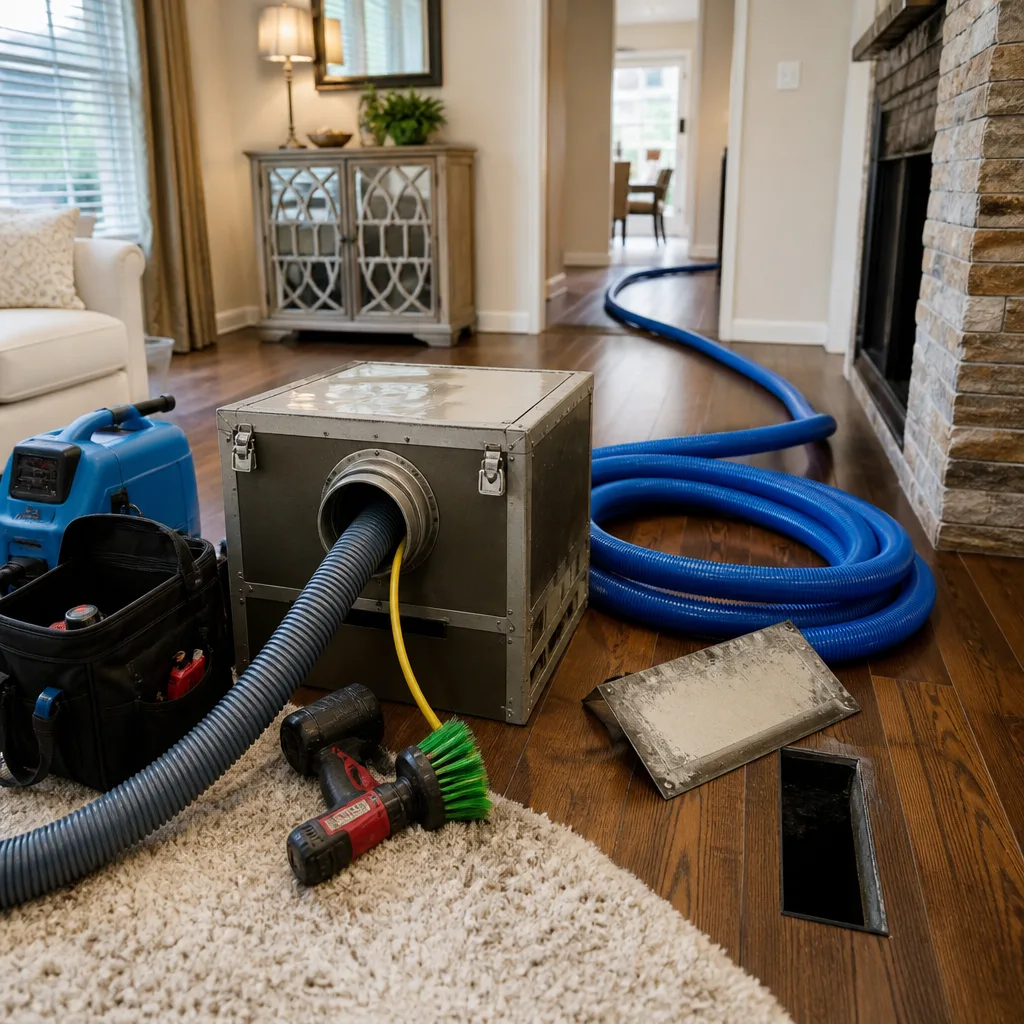
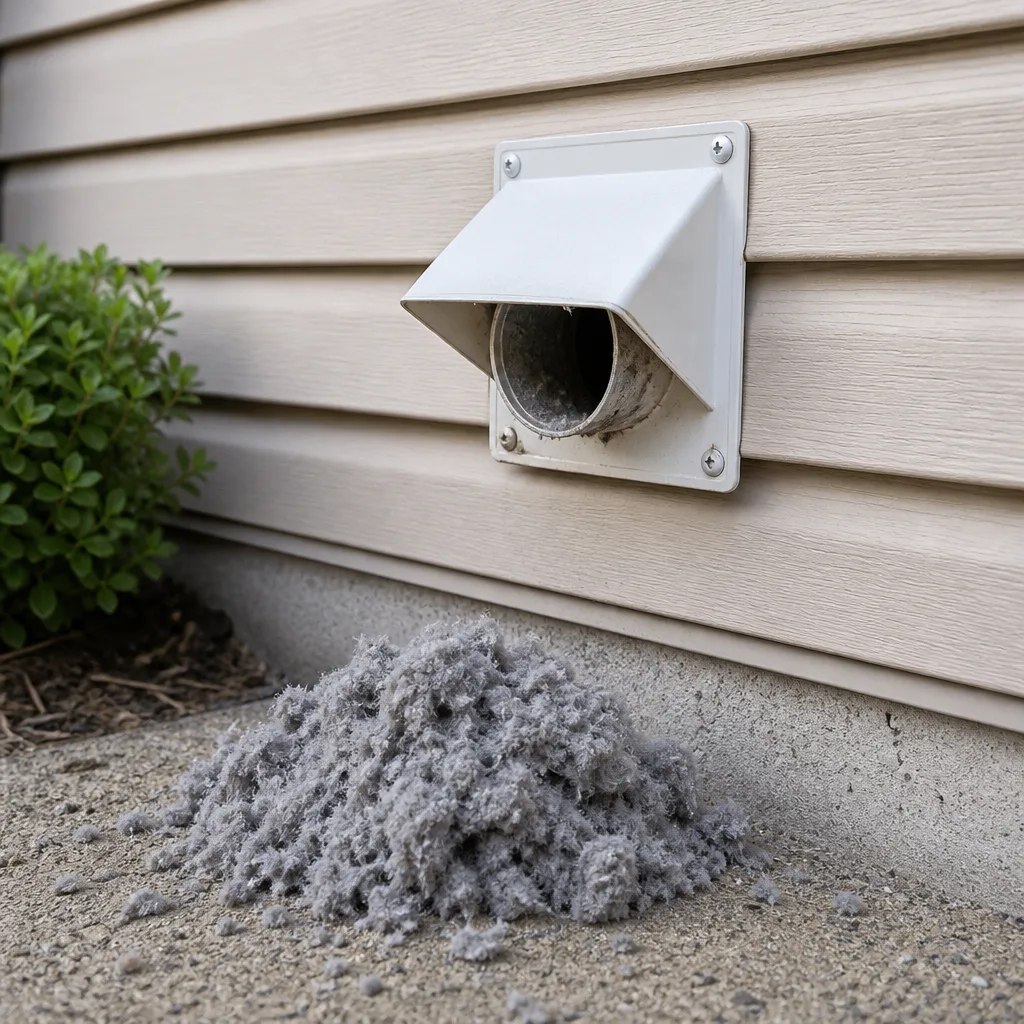
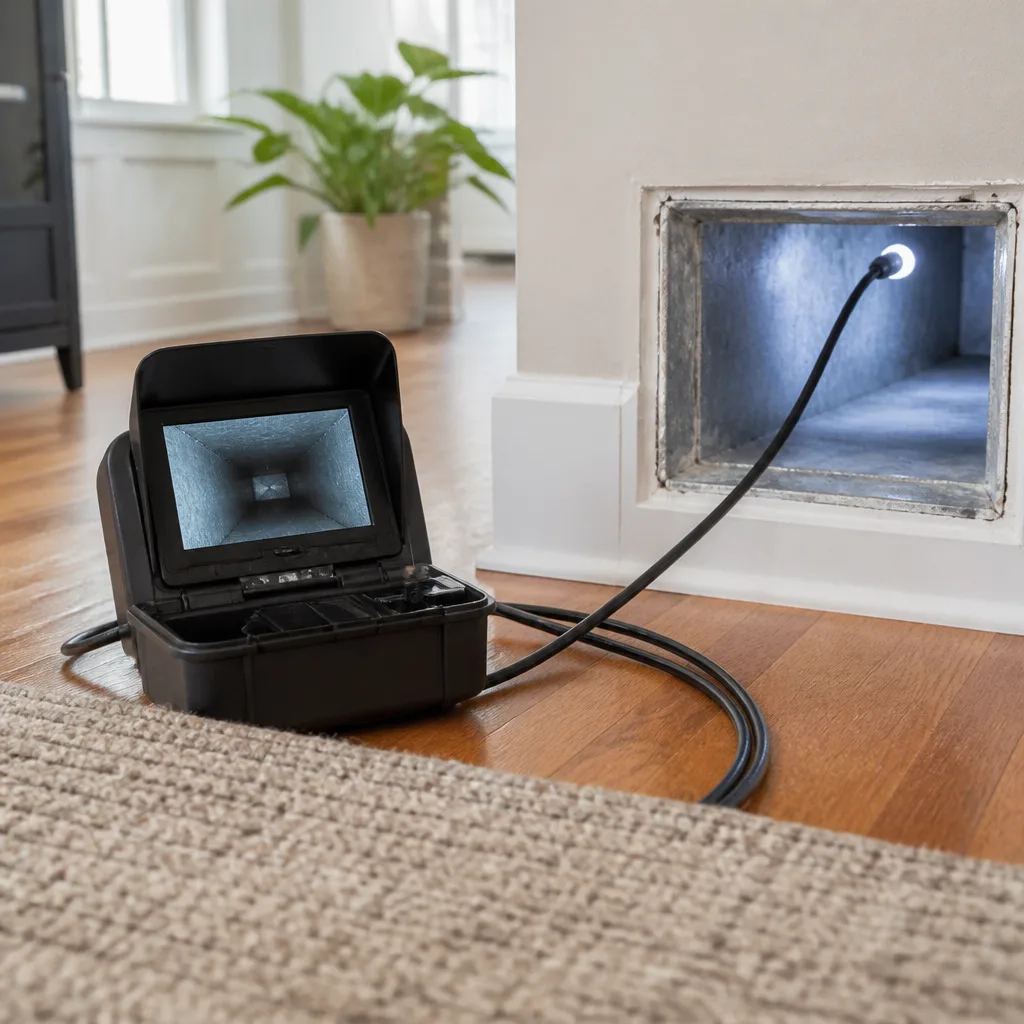
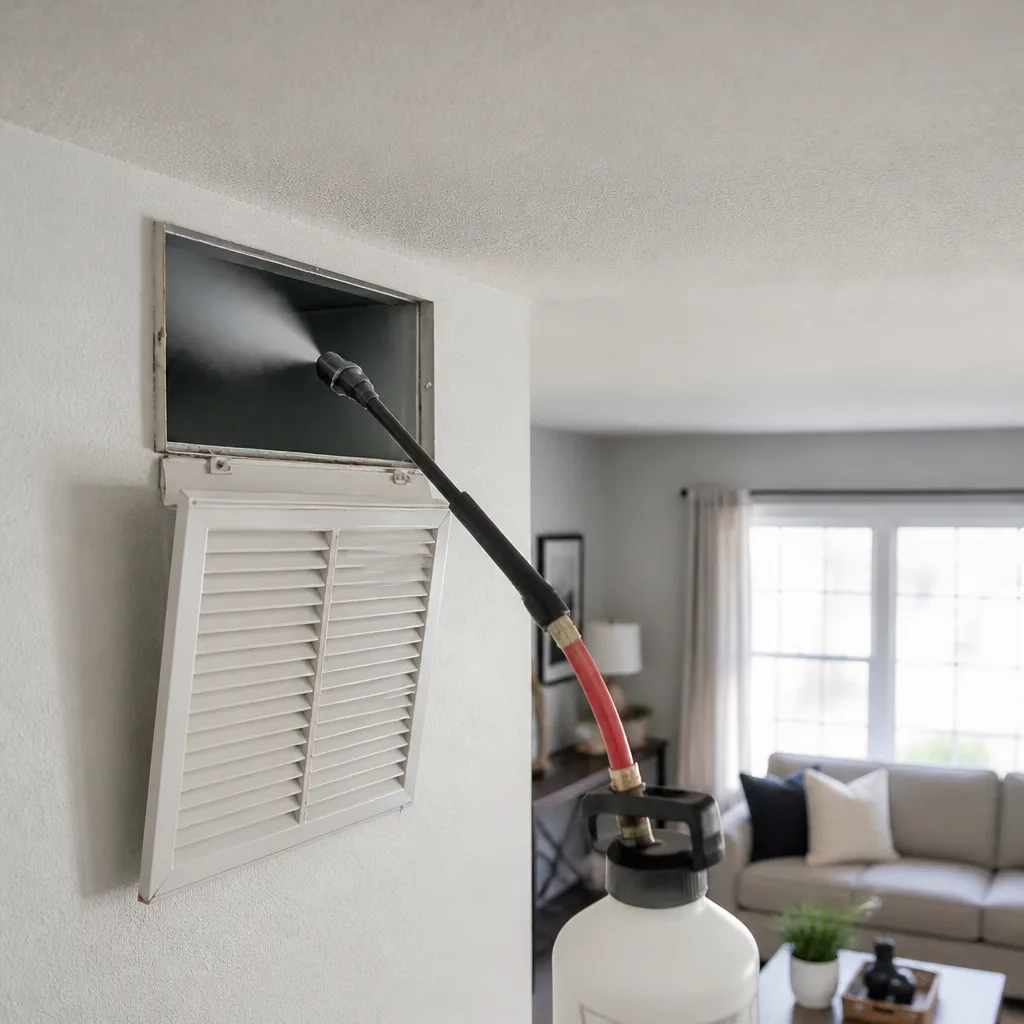
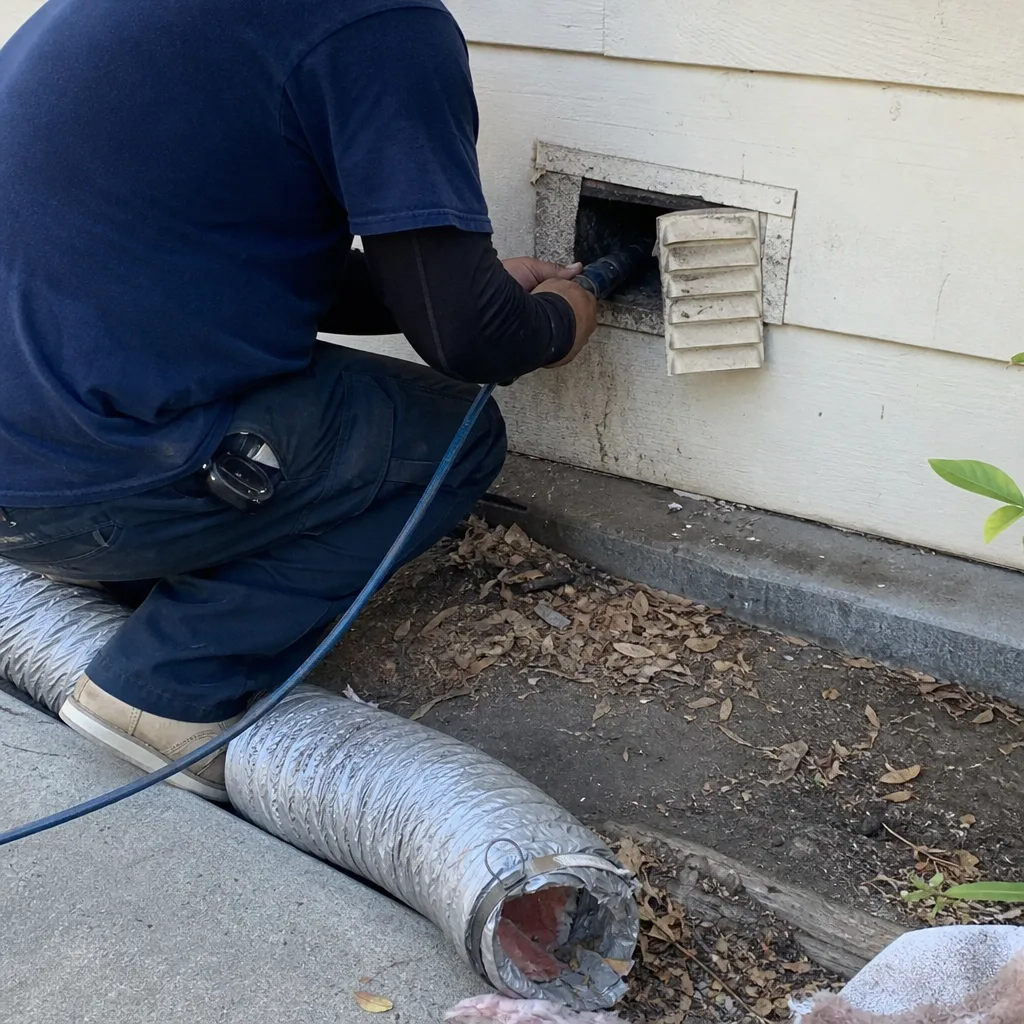 Before
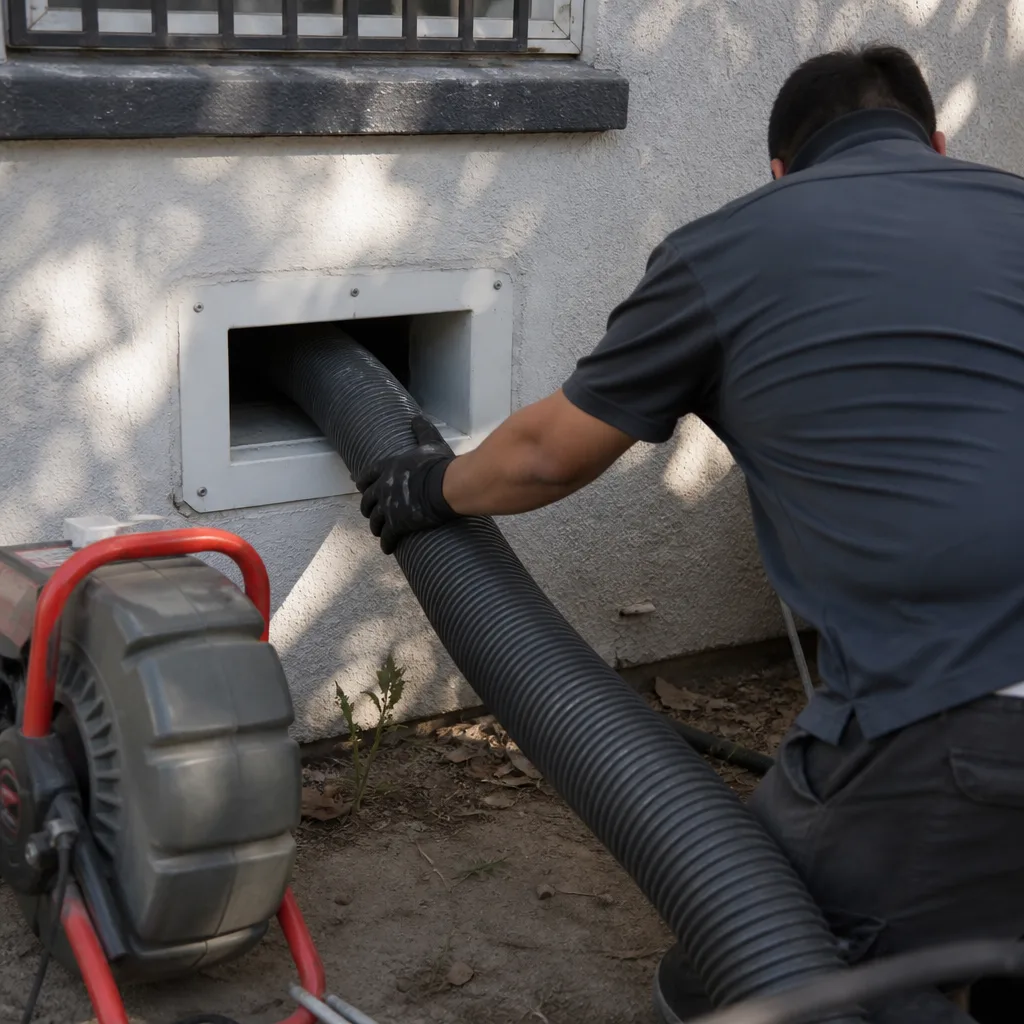 After
After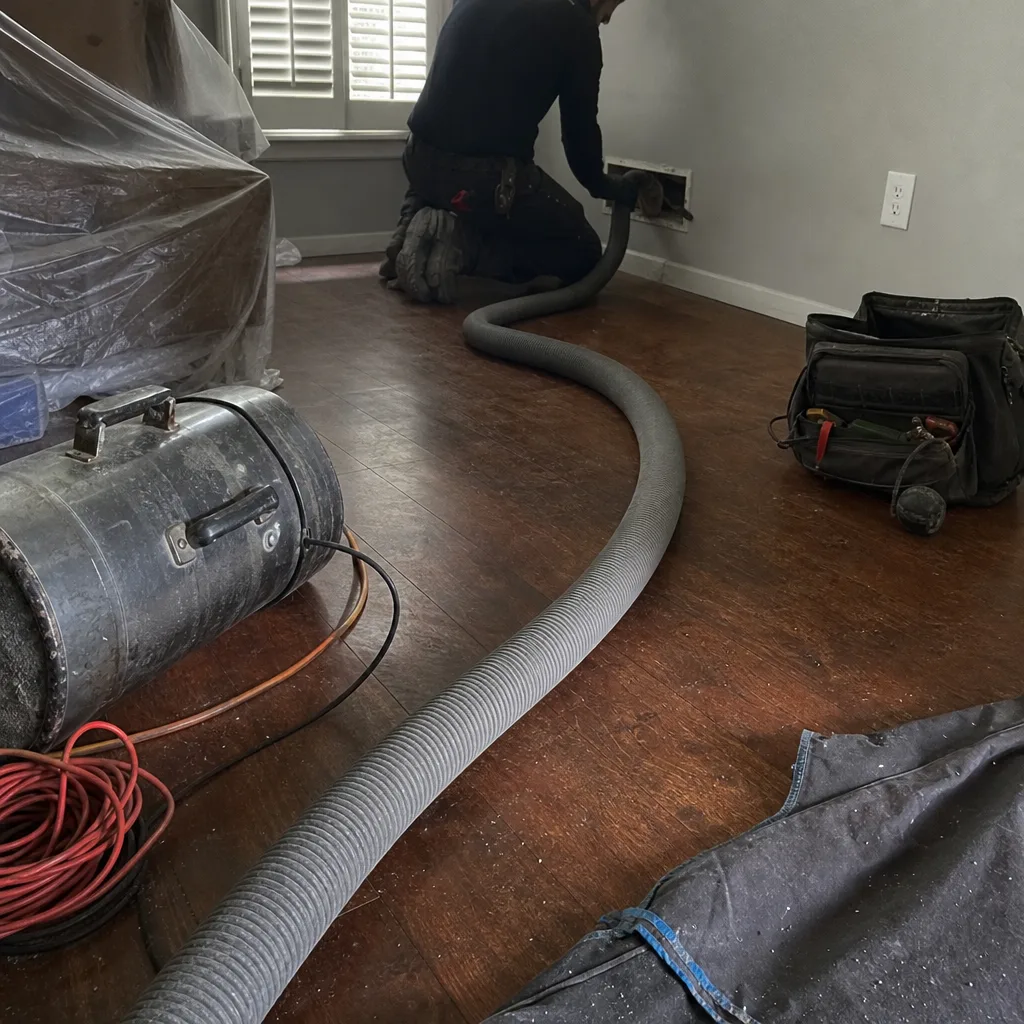 Before
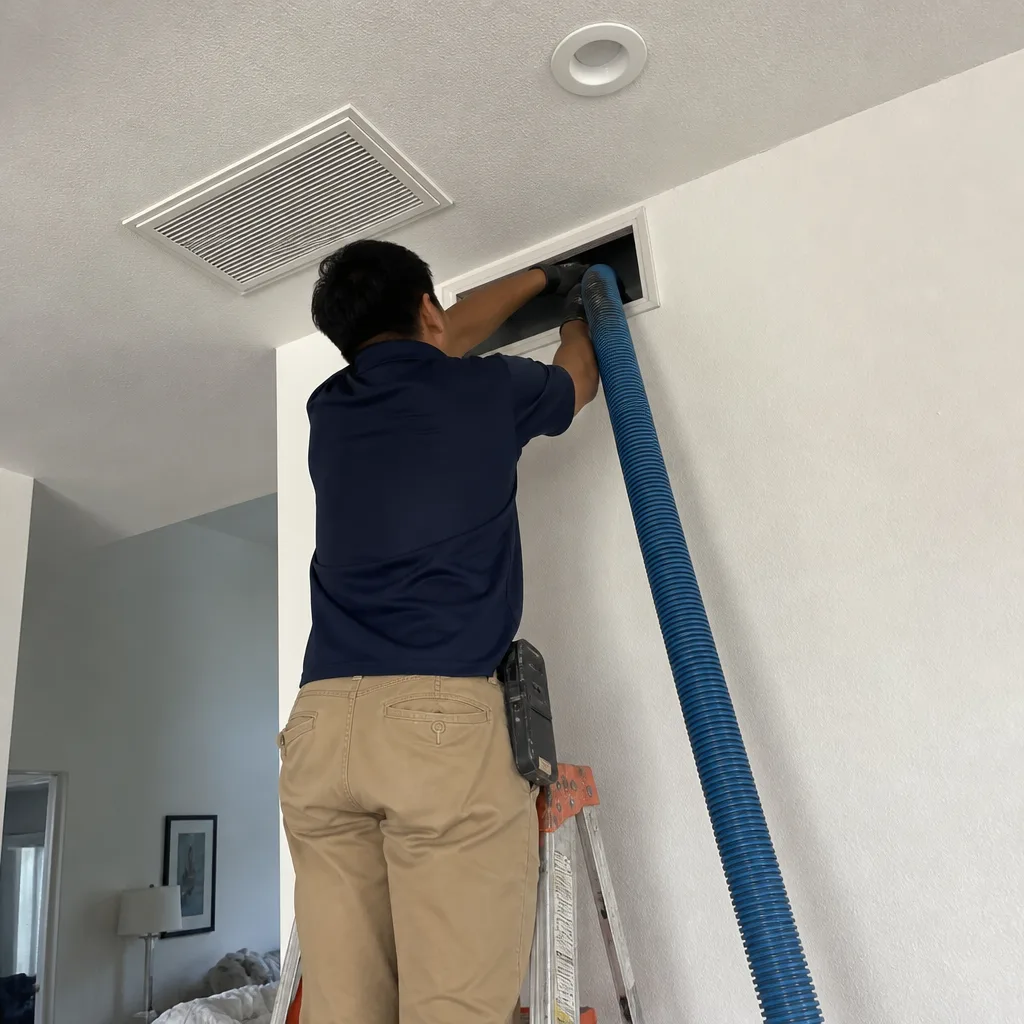 After
After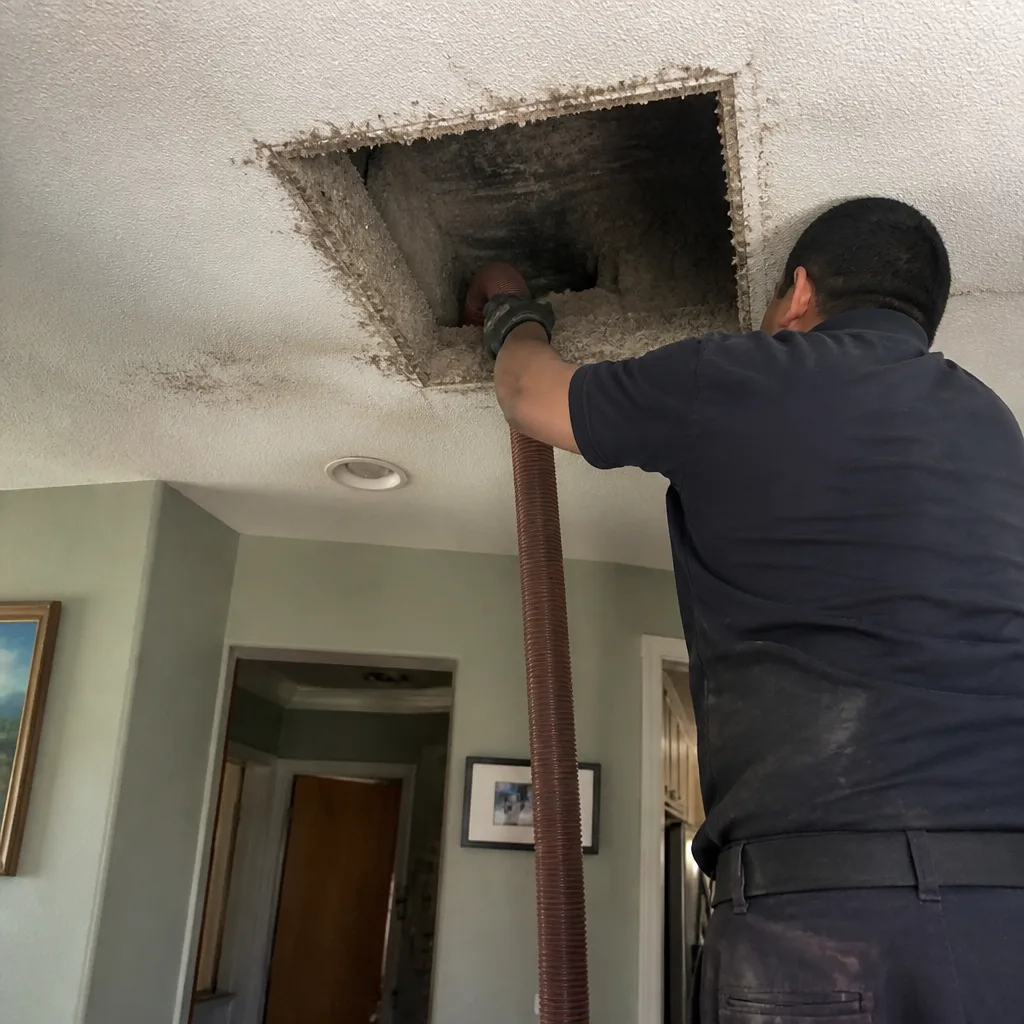 Before
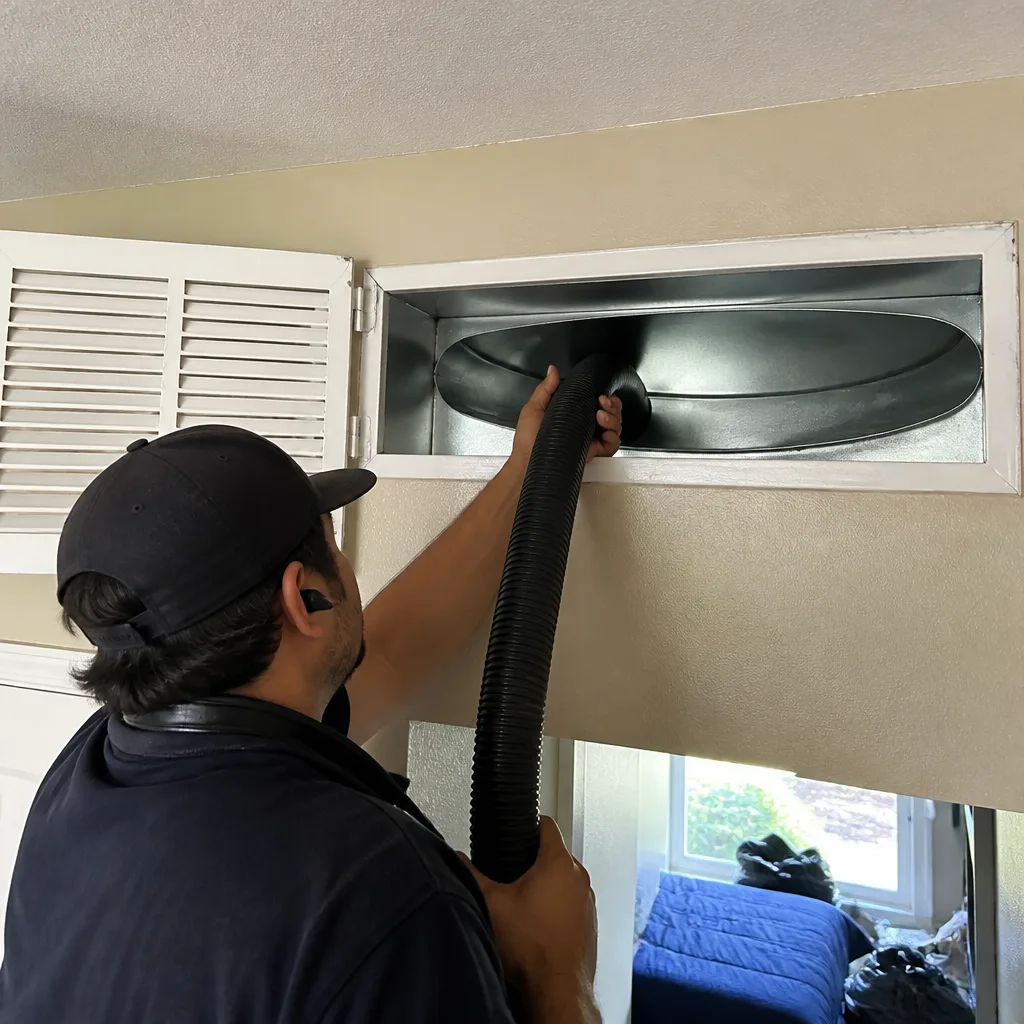 After
AfterHoneywell HVAC Cleaning in Los Angeles: What to Know First
Honeywell HVAC cleaning in Los Angeles typically runs $380 to $680 for a complete system cleaning, depending on unit size and how much buildup has settled on the coils and blower. We’re an independent Honeywell service provider (not authorized by or affiliated with Honeywell), and most Honeywell cleaning jobs we schedule in Los Angeles are completed in a single visit, usually within three to five hours. If you’re noticing weak airflow, musty smells from the vents, or a system that runs constantly without really cooling, call Omar and the team at (737) 727-2314 for a free estimate with a written price before any work begins.
This page is for Los Angeles homeowners and landlords who own a Honeywell HVAC system and want to know exactly what a proper cleaning involves, what it should cost, and why Honeywell units collect the specific buildup they do in our climate.
How Honeywell Products Fail – and How We Fix Them
- Honeywell TrueSTEAM humidifier scale fouling downstream components. The TrueSTEAM line is popular in Los Angeles homes where owners combat dry Santa Ana air, but our hard municipal water leaves heavy mineral deposits. Those minerals migrate through the supply duct and coat the evaporator coil with a fine white crust that acts like insulation, blocking heat transfer. Omar has pulled coils from North Hollywood homes where the crust was thick enough to flex with a fingernail. Our fix: coil-safe descaling followed by negative-pressure extraction, so the loosened material goes into our Nikro HEPA vacuum, not back into your ductwork.
- Honeywell FocusPRO 6000 short-cycling masking a clogged blower wheel. The FocusPRO 6000 thermostat is sharp about controlling cycles, but when the blower wheel gets caked with L.A. dust and pet hair, airflow drops enough that the system overworks while the thermostat compensates with shorter, more frequent cycles. Homeowners notice the unit kicking on and off every ten or fifteen minutes and assume it’s an electrical problem. It’s usually a blower wheel so loaded with debris that it’s lost its cup depth. We remove the blower assembly, hand-clean each fin, and verify static pressure after reassembly.
- Honeywell electronic air cleaner cells losing charge due to dirty collector plates. Honeywell’s electronic air cleaners (the F300 series is common in older Los Angeles homes) rely on collector plates holding a charge to trap fine particles. Once those plates accumulate a coating of smog, dust, and cooking oil residue, the charge weakens and the unit becomes a passive filter at best. Worse, that sticky residue then bakes onto the adjacent evaporator coil. We wash the cells with a non-conductive cleaner, dry them fully, and confirm they’re holding voltage before we call the job done. If a cell is beyond cleaning, we tell you and quote a replacement before touching anything.
- Honeywell UV treatment systems with failed bulbs leaving coils untreated. Many high-end Honeywell systems in Los Angeles include UV lamps positioned over the coil to prevent microbial growth. When those bulbs pass their rated hours (usually 9,000 to 12,000), they quietly stop emitting germicidal wavelengths while still glowing visibly blue. The coil grows mold in the damp darkness of the evaporator case. During cleaning, we check lamp age and hours if the label is legible, and let you know whether the bulb is still doing anything useful. A UV system with a dead bulb is just a $60 tube taking up space, and replacing it at the right time keeps your freshly cleaned coil from regrowing biofilm within a season.
- Honeywell zoning dampers sticky with construction dust and soot. Los Angeles homes built through the 1990s and early 2000s with Honeywell zone control boards and round motorized dampers have a particular problem: flex-duct degradation blowing fiberglass and drywall dust into the damper seals. Once the damper blade can’t seat cleanly, the zone doesn’t close properly, and rooms get airflow they shouldn’t. During an HVAC cleaning on zoned Honeywell systems, we open each accessible damper, clean the blade edges and seal surfaces, and test operation with the thermostat calling for each zone. It’s the kind of step most cleaners skip because they never touch the mechanical side of the system.
Our Honeywell HVAC Cleaning Process
- 1
Walkthrough and system identification. We arrive during the live arrival window you tracked, introduce ourselves, and locate your Honeywell equipment. We note the model numbers, airflow layout, filter situation, and any obvious leaks or corrosion before we open a single panel.
- 2
Pre-cleaning static pressure and temperature readings. We measure the baseline so we have real numbers to compare after the work. That tells us whether the cleaning actually solved the airflow issue or just made things look cleaner.
- 3
Containment and source removal. We set up our Abatement Technologies containment around the work area, then use Rotobrush rotary brushes to mechanically loosen bonded debris on coils, blower wheels, and housing interiors. Simultaneously, our Nikro HEPA vacuum maintains negative pressure, pulling loosened material out of the home rather than letting it resettle.
- 4
Component-level cleaning. The evaporator coil, blower wheel and motor housing, condensate pan, and accessible plenums get cleaned by hand where needed. For Honeywell units with UV systems or electronic air cleaners, we address those components directly during this step.
- 5
Post-cleaning verification. We re-check static pressure, temperature drop across the coil, and airflow at the registers. You see the before-and-after numbers.
- 6
Photos, written guarantee, and payment. Before we leave, you receive before-and-after photos of your own system, a written guarantee covering the cleaning, and a digital invoice you can pay by link. The 365-Day Done Right Promise applies: if the work isn’t right within a year, we return and correct it at no charge.
What Honeywell HVAC Cleaning Costs in Los Angeles
Most standard Honeywell HVAC cleanings in Los Angeles run $380 to $680 for a typical single-zone home with one furnace, one evaporator coil, and one outdoor condenser. A larger two-zone home with multiple Honeywell dampers and an electronic air cleaner runs $550 to $850. If the system needs a full blower assembly removal, has heavy coil buildup from years of deferred filter changes, or includes UV bulb replacement, that moves the number toward the upper end.
What moves price most is access. Townhomes in Silver Lake, older Spanish-style homes in Highland Park with tight closet mechanical rooms, and rooftop units common to commercial conversions in the Arts District all require more labor. The price is always written down and handed to you before any work starts. No per-vent billing, no peeling back a filter and announcing the system “needs more.” Call (737) 727-2314 for an exact quote on your specific Honeywell system. Estimates are free.
Why Los Angeles Homeowners Call Cardinal Air Duct Cleaning for Honeywell Work
We’re part of the Relay Home Co. family, founded 2005, and every booking is held to The Relay Visibility Guarantee: a live trackable arrival time, before-and-after photo documentation, and a digital invoice payable by link. That means no four-hour arrival windows and no wondering whether the cleaning ever actually happened. You get photos of your own coils before and after.
Omar Haddad and our technicians have been cleaning Honeywell systems across Los Angeles County for over a decade, and we carry professional-grade equipment that matters: Rotobrush for mechanical agitation, Nikro for HEPA extraction, and Abatement Technologies for containment. If your system is a Lennox, Trane, or Carrier, we handle those too, but Honeywell jobs come with the benefit of a team that knows where these units collect debris and how to remove it without damaging the equipment or voiding a warranty. Clean ducts aren’t a luxury – in an L.A. summer, they’re just how your system breathes.
FAQs
No, a professional cleaning does not void your Honeywell warranty, and in most cases, documented maintenance is exactly what the warranty expects. Where owners get into trouble is with chemical coil cleaners that corrode aluminum fins or with techs who remove panels and damage wiring harnesses. We use non-corrosive coil treatments and photograph everything before and after. If a repair is needed during cleaning, we provide a written guarantee on the work, and if that repair fails, we return free of charge.
In Los Angeles, a Honeywell HVAC system should be cleaned every 18 to 24 months if you run the system year-round, and every 12 months if you have pets, live near a freeway, or are in a wildfire-adjacent area. The fine particulate smoke and ash from fire season settle on coils and blower wheels, and the combination of dry heat and occasional humidity cycles bakes that layer into the fins. Call (737) 727-2314 and we’ll be straight about whether your system is actually due or not.
Yes. We inspect the UV bulb, check whether it’s still within its rated hours, and if the coil shows microbial buildup, we clean the coil and recommend a bulb replacement if the lamp has expired. A dead UV bulb does nothing but stay warm. We don’t sell you a bulb you don’t need – if the existing one still has useful life, we say so.
The usual reason is scope. A $99 or $149 “whole system” cleaning in Los Angeles almost always means a technician shines a light into the blower cabinet, vacuums the filter slot, and hands you an invoice. The coils, blower wheel, condensate pan, and dampers never get touched because the time required to access them costs more than the ticket price justifies. If the low quote doesn’t include pre-and-post measurements, coil access, and before-and-after photos, you’re paying for a visual inspection. We’d rather give you the real number up front so you can compare honestly.
When a part needs replacing during cleaning, we quote OEM Honeywell parts first. In some older Los Angeles systems, Honeywell no longer manufactures the exact equivalent (certain control boards and damper actuators from the 1990s are discontinued), and in those cases we quote a quality aftermarket part with the same specifications. The choice is always yours, and the quoted price is on the written estimate before anything gets ordered. A free second visit is included if any repair we make fails, regardless of whether the part is OEM or aftermarket.
Written by Omar Haddad, Owner & Lead Technician, Cardinal Air Duct Cleaning at Cardinal Air Duct Cleaning, serving Los Angeles and nearby areas.