
Whole-system duct and dryer vent check with before-and-after photos - you see exactly what came out of your vents
That "$99 whole-house special" is a bait ad - the real number appears once they are in your hallway, or the "clean" is a shop-vac at the register. We photograph the inside of your ducts before and after instead.
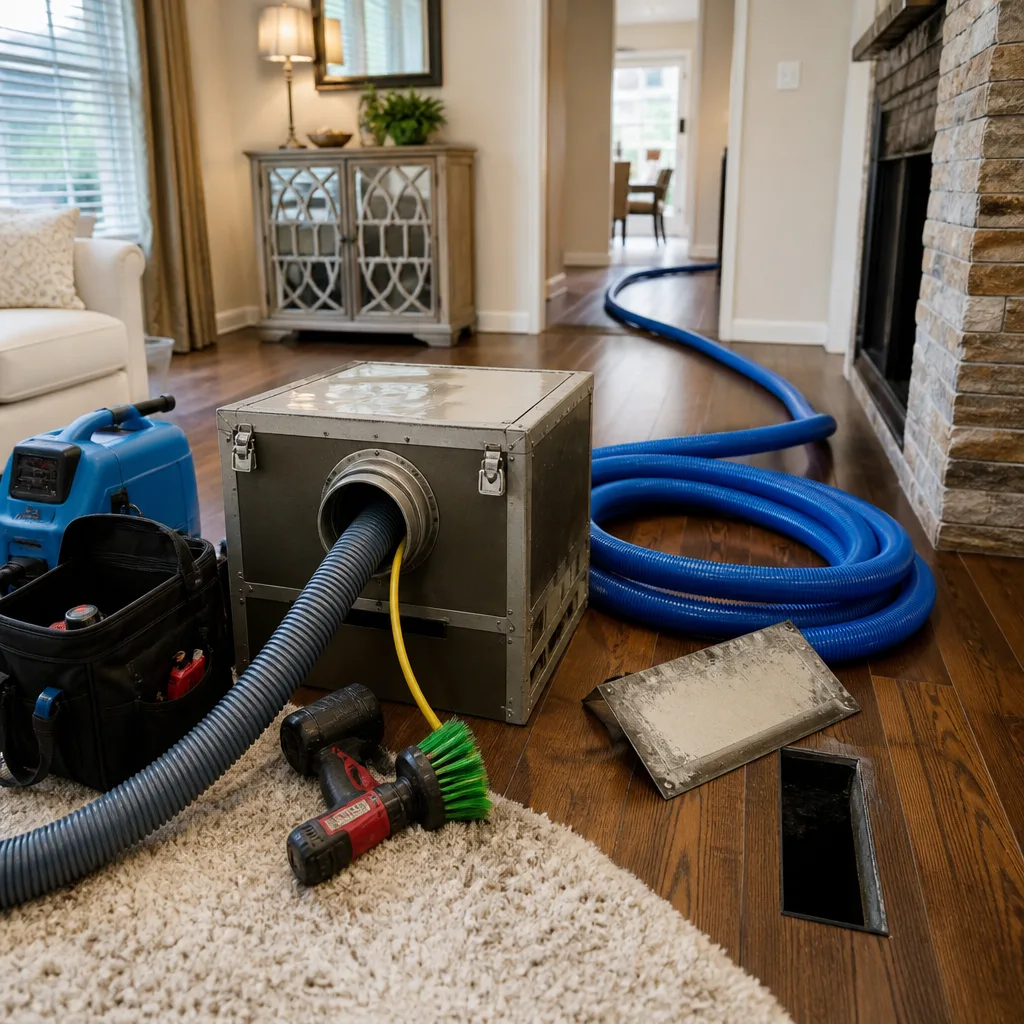
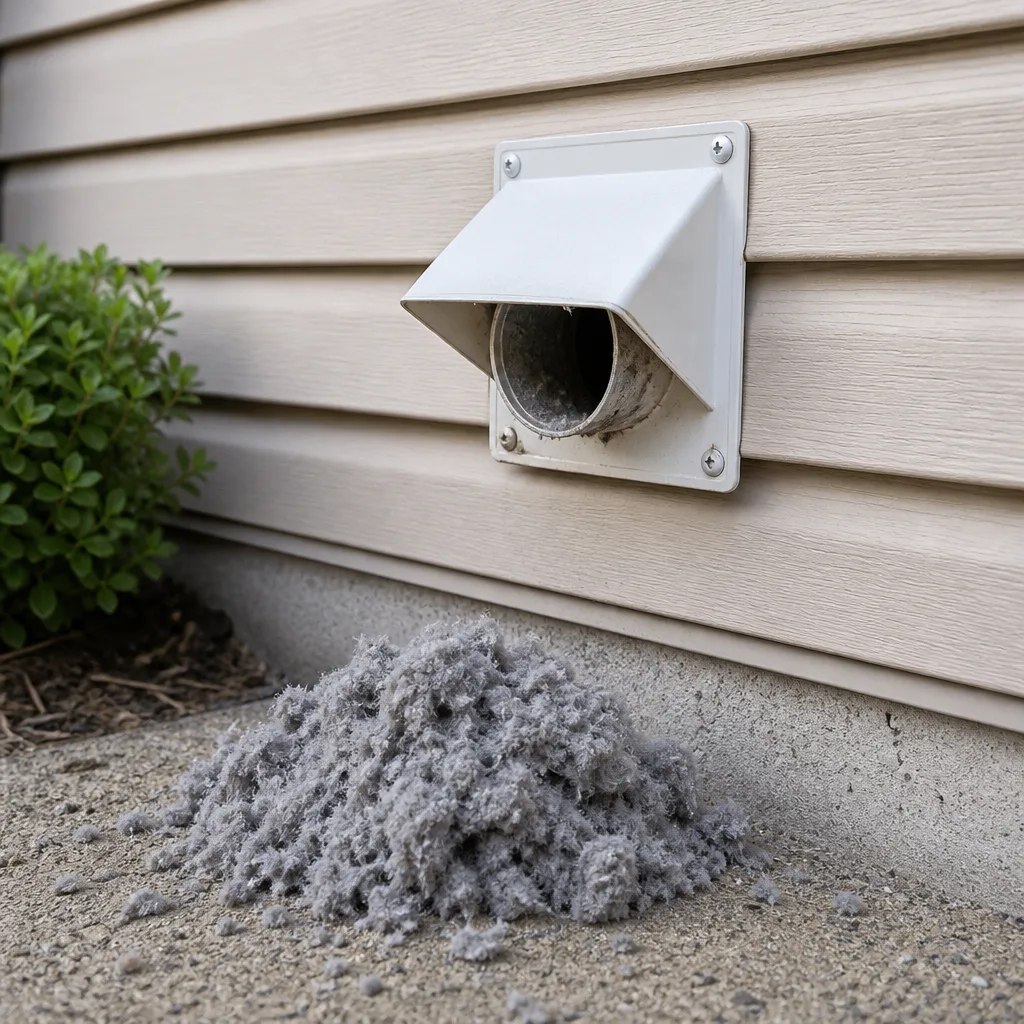
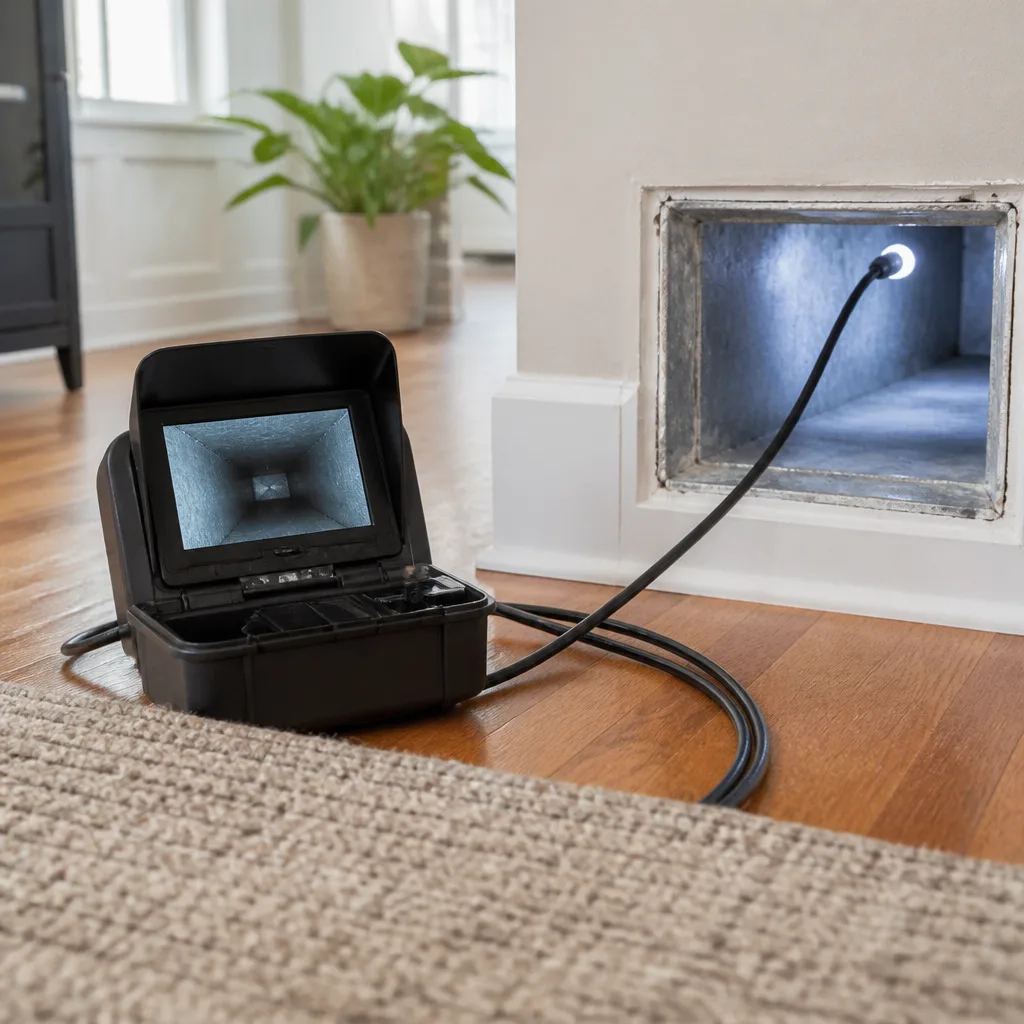
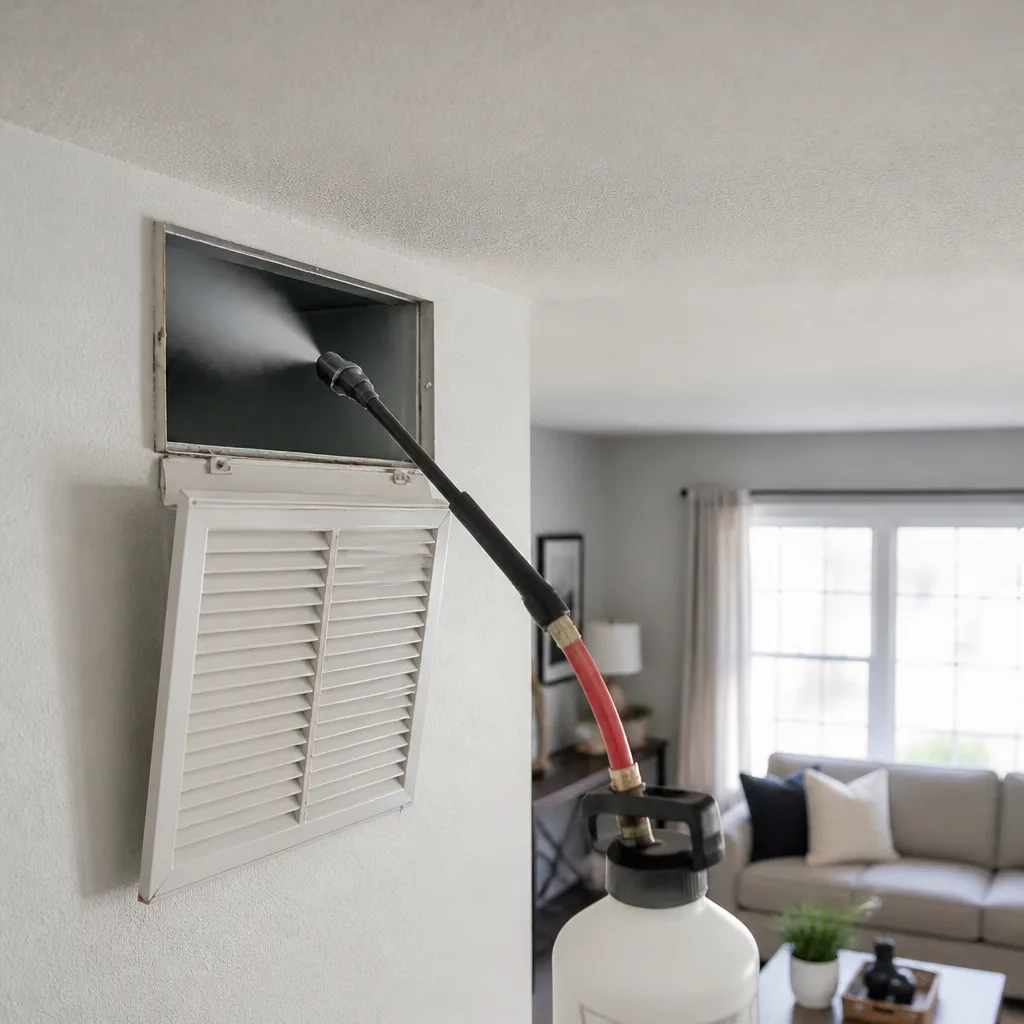
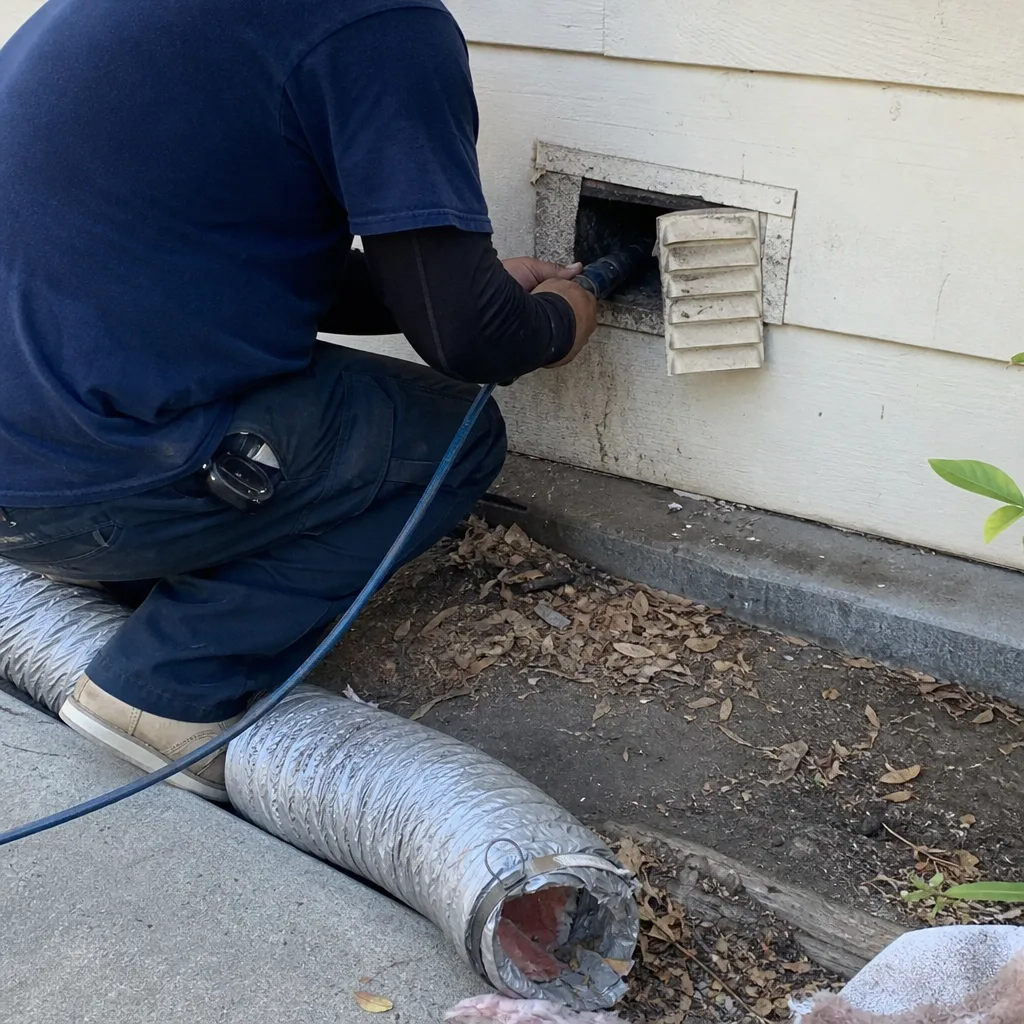 Before
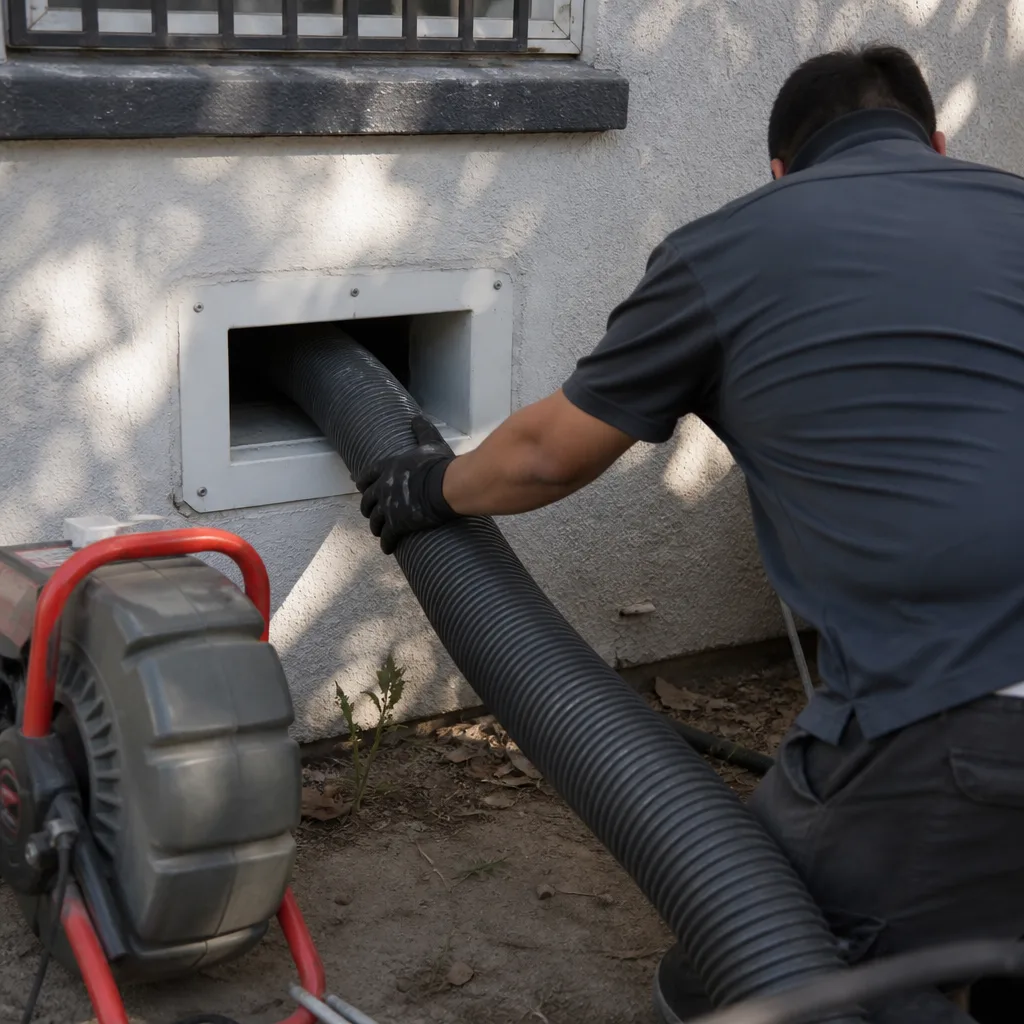 After
After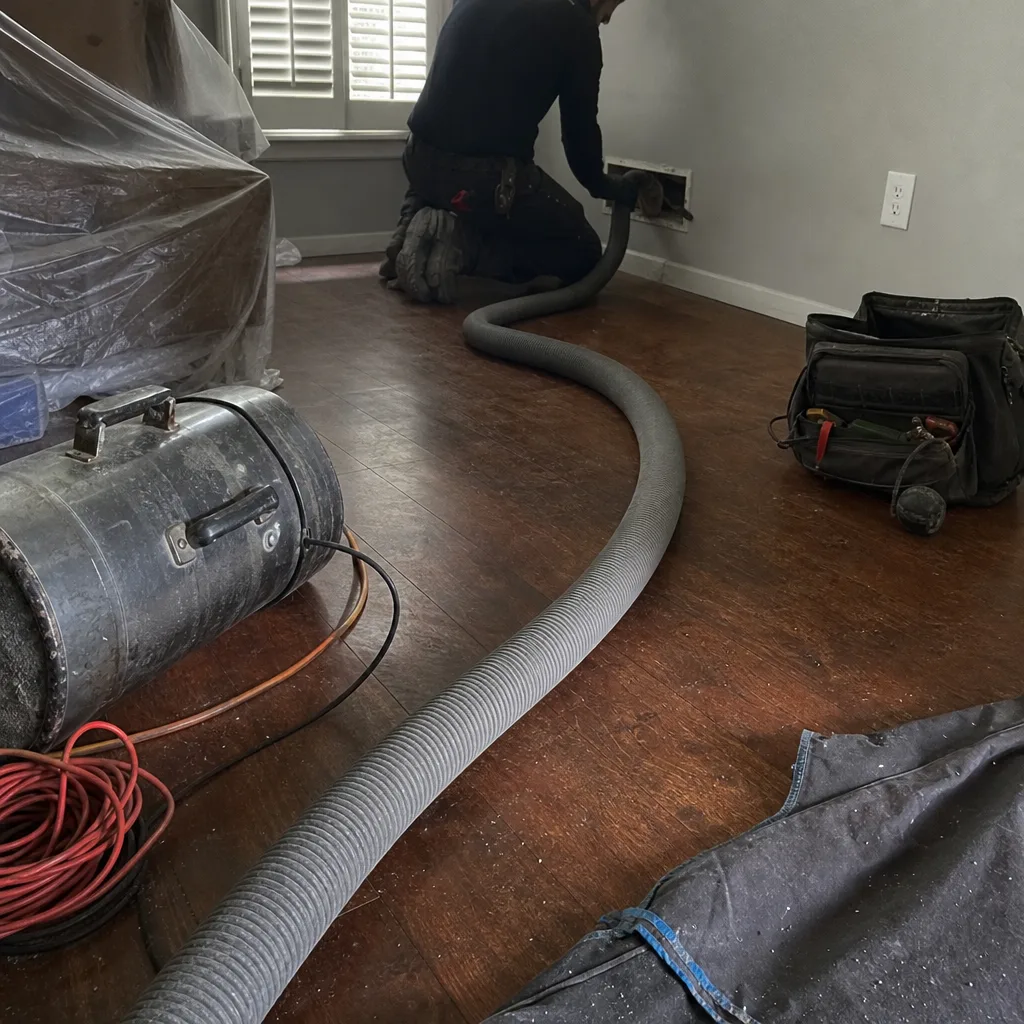 Before
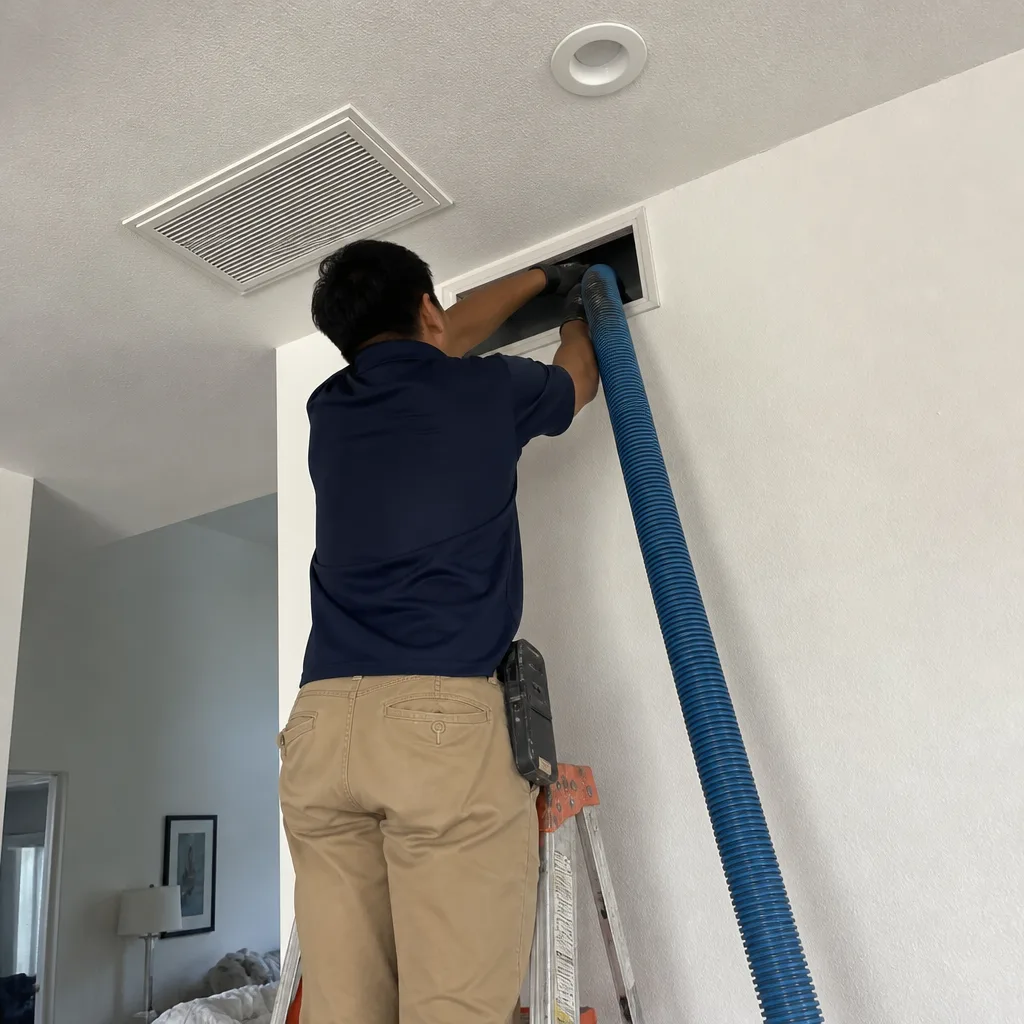 After
After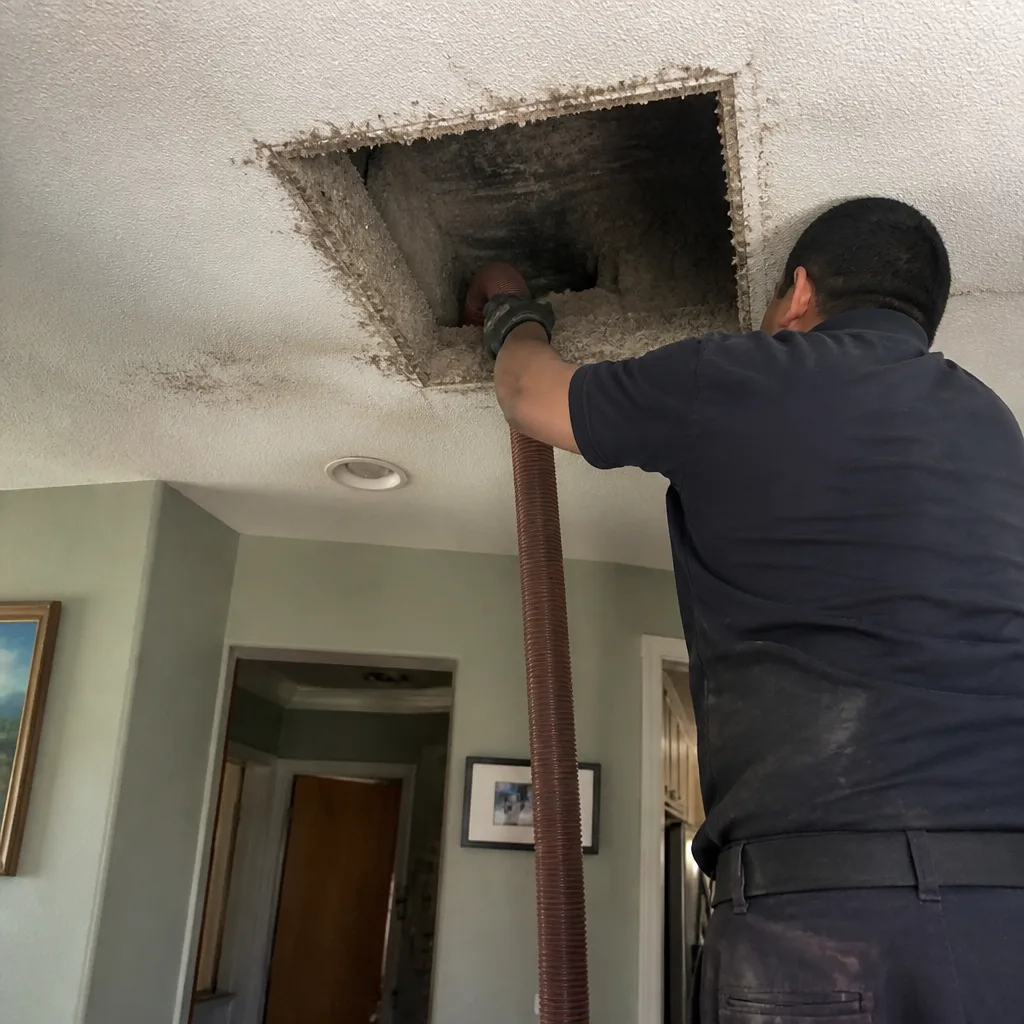 Before
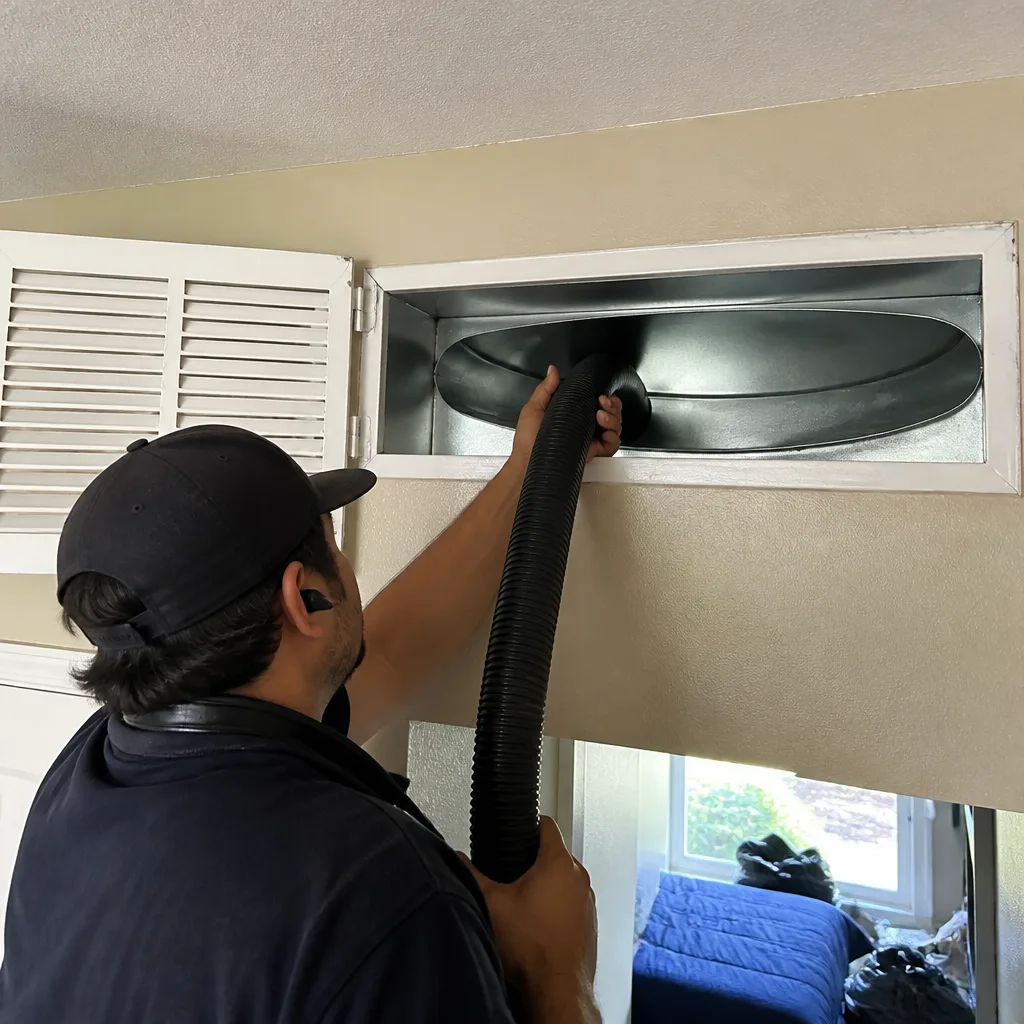 After
AfterGuardsman Vent Sanitizing: The Los Angeles Owner’s Guide
If you’re looking for Guardsman vent sanitizing in Los Angeles, here’s the direct answer: we stock Guardsman-compatible sanitizing components on our trucks and install them same-day for most homes, with complete parts-plus-labor pricing typically running $225 – $485 depending on the sanitizer model and how much of the vent run needs treatment. You’ll know yours has failed when the sanitizing agent no longer distributes evenly through the vents, or when that clean, post-treatment smell fades within days instead of weeks. Most Los Angeles homeowners discover the problem the same way – they schedule a duct cleaning, we run the Guardsman treatment, and the sanitizer reservoir or distribution fitting either won’t seat properly or has cracked from heat exposure in the attic. We fix that.
Omar Haddad and our team at Cardinal Air Duct Cleaning handle Guardsman vent sanitizing as a standard part of our service lineup, not an afterthought. We’re an independent service provider, not affiliated with Guardsman, which means we tell you straight when an OEM part matters and when a quality equivalent does the same job for less.
Key Takeaways
- We stock Guardsman-compatible sanitizing parts on the truck – no waiting on a distributor order in most cases.
- Installed pricing runs $225 – $485 for typical Los Angeles homes, written before we start.
- Same-day installation is available for most vent sanitizing replacements.
- Every Guardsman sanitizing job includes before-and-after photos and our 365-Day Done Right Promise.
- Call (737) 727-2314 for a free estimate – we answer live, 24/7.
Which Guardsman Models This Applies To
Guardsman vent sanitizing systems in Los Angeles homes generally fall into two categories: the older reservoir-style units that attach directly to the main supply plenum, and the newer cartridge-style units that mount inside the duct run itself. The reservoir units use a gravity-fed distribution wick, while the cartridge units rely on a low-pressure spray nozzle or an evaporation pad that wears out over time. Neither type is complicated, but compatibility matters more than most homeowners expect.
Here’s the gotcha we see regularly in Los Angeles: older Guardsman reservoir units from the 2000s and early 2010s use a 3/4-inch mounting collar, while the newer cartridge systems switched to a 5/8-inch compression fitting. The two are not interchangeable, and forcing the wrong fitting is how we see cracked reservoirs and stripped threads. If you’re not sure which one you have, look for a small oval sticker on the sanitizer body – the model number typically starts with “GS-2” for reservoir units or “GS-C” for cartridge units. Or call us and we’ll walk you through identifying it over the phone while one of our techs is en route.
For the part itself: OEM Guardsman sanitizer cartridges and wicks are what we recommend if you’re still inside the first two years of ownership and want the exact factory spec. After that, the aftermarket equivalents we carry perform identically for roughly 30% less, and we back them with the same written guarantee. The one exception is the reservoir seal – always go OEM there. The aftermarket seals we’ve tested don’t hold up to Los Angeles attic temperatures, which routinely hit 140°F in July and August. That’s not a spec we read in a manual; that’s what we’ve learned swapping these out in homes from Sherman Oaks to Pasadena.
If your system is a Guardsman, this page covers it. We also carry parts for Lennox, Trane, and Carrier systems, so if you’ve got mixed equipment, we can handle the whole job in one visit.
Signs Your Guardsman Vent Sanitizing Is Failing
In Los Angeles, a failing Guardsman sanitizing unit usually announces itself gradually. Here are the five symptoms we hear about most, along with what’s actually going on behind the vent:
- The sanitizing scent fades within three to four days. The evaporation pad or distribution wick is clogged with dust and can no longer carry the sanitizing agent into the airflow. Once the pad saturates with particulate, it’s done – cleaning it doesn’t restore even dispersion.
- You notice pooling or dripping around the unit. The reservoir seal has degraded, usually from attic heat cycling. This is the same failure we touched on earlier – the seal rubber hardens over a Los Angeles summer and starts weeping sanitizer down the plenum.
- Uneven freshness – some rooms smell treated, others don’t. The distribution fitting at the plenum is partially blocked, so the sanitizer only follows the path of least resistance. This is common in homes where supply runs branch off at steep angles.
- The unit makes a faint gurgling or bubbling sound when the blower runs. The spray nozzle has developed a partial clog and is fighting the airflow. Left alone, the pump in cartridge-style units will eventually burn out trying to push through the blockage.
- You found black or green residue on the vent grates near the sanitizer. That’s mold growing on the sanitizer residue itself – a sign the unit has been over-applying or the pad has become a food source. This one can’t wait; shut the system down and call us at (737) 727-2314.
Replacement Cost & What’s Included
In Los Angeles, Guardsman vent sanitizing replacement runs $225 – $485 installed, and the spread comes down to three things: which type of unit you have, whether we’re replacing just the internal components or the whole housing, and how accessible your system is. A simple wick and seal replacement on a reservoir unit in an accessible attic closet is the low end. A full cartridge unit swap in a tight crawlspace or a hot summer attic, where we’re also re-seating the mounting collar, lands at the higher end.
Here’s the pricing structure in plain terms:
| Service | Typical Los Angeles Price Range |
|---|---|
| Sanitizer wick/pad replacement (reservoir units) | $225 – $310 |
| Cartridge unit replacement, complete | $350 – $485 |
| Housewide vent sanitizing treatment (post-repair) | Included with the above |
Every quoted price is written down and handed to you before we touch a single tool. That’s not a special offer – it’s standard on every Cardinal job, with no door-price changes ever. And if the new part fails within a year, we come back and replace it at no charge under our 365-Day Done Right Promise. That’s not a limited warranty on select parts; it’s the whole job, every time.
DIY or Call Us?
Here’s our honest take. If you’re just checking the model number or confirming whether the reservoir is empty, that’s safe and straightforward – shut the system off at the thermostat, wait for the blower to stop, and take a look. Residue around the unit, the sticker we mentioned earlier, and obvious cracking are all things you can spot without tools.
Where this gets risky is any attempt to remove the unit yourself. The mounting collar on a plenum is under slight pressure from the supply airflow, and unseating it without properly re-sealing the connection afterward will leave you with a whistle in the ductwork or, worse, a small leak that dumps conditioned air into the attic. In a Los Angeles summer, that’s money literally escaping through your roof. We’ve also seen DIY attempts where the reservoir was removed while still partially full and sanitizer spilled into the duct liner, which means a full replacement of that section rather than a simple swap. If you’re even slightly unsure, call (737) 727-2314 and we’ll walk you through it or send a tech.
FAQs
Realistically, a Guardsman sanitizing unit in Los Angeles lasts five to seven years for the cartridge type and three to five years for the reservoir seal and wick. The big variable is attic heat – the same unit that goes seven years in a shaded, ventilated attic might only last four in a sealed, southwest-facing one. If yours is past the five-year mark, replacement is usually the better call than another repair.
Yes, and about 40% of the units we see in Los Angeles can be saved with a wick, seal, or nozzle replacement rather than a full swap. What usually tips it toward full replacement is cracking in the reservoir housing or a burned-out pump on cartridge units. Repair is always our first recommendation when the housing is intact – it’s cheaper for you and the parts are on our truck. Call (737) 727-2314 and we’ll give you an honest read before any work is quoted.
Most replacements take 45 to 90 minutes from start to finish, depending on the access situation and whether we’re also running the full-house sanitizing treatment afterward. We’ll give you a live arrival window you can track on your phone, and you’ll get before-and-after photos of the work when we’re done. If a repair fails within the year, the second visit is free.
We stock the most common Guardsman-compatible replacement parts on our trucks – wicks, reservoir seals, spray nozzles, and full cartridge housings. For older or uncommon Guardsman model numbers, we can typically source the OEM part within two to three business days. When you call (737) 727-2314, mention your model number and we’ll confirm what’s in stock before we head over.
Written by Omar Haddad, Owner & Lead Technician, Cardinal Air Duct Cleaning at Cardinal Air Duct Cleaning, serving Los Angeles and nearby areas.