
Nikro Dryer Vent Cleaning in Los Angeles: A Homeowner’s Guide
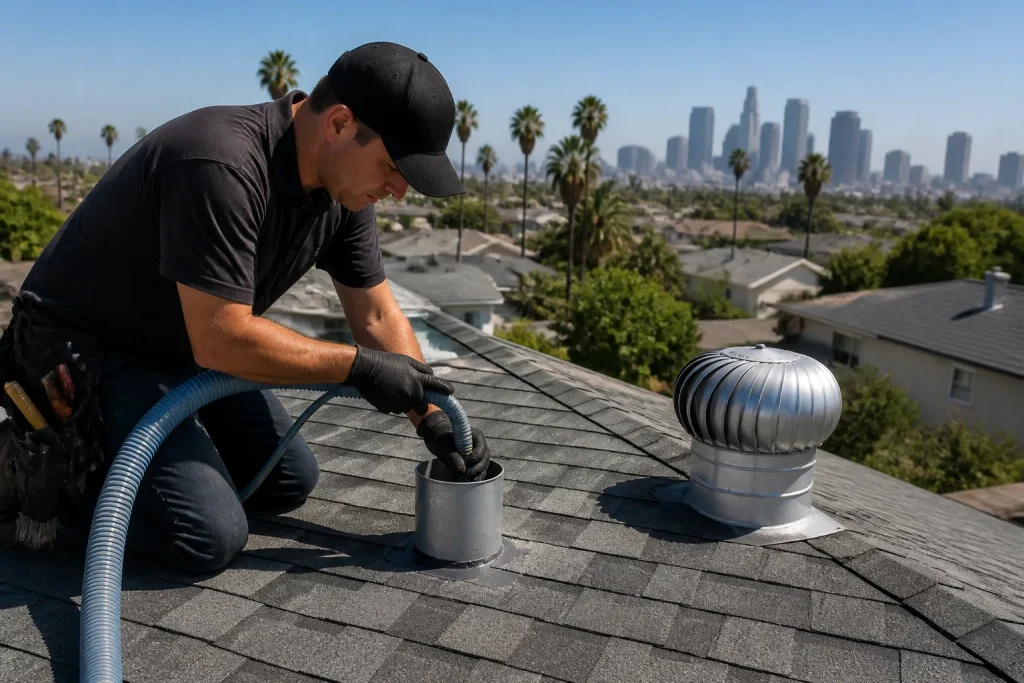
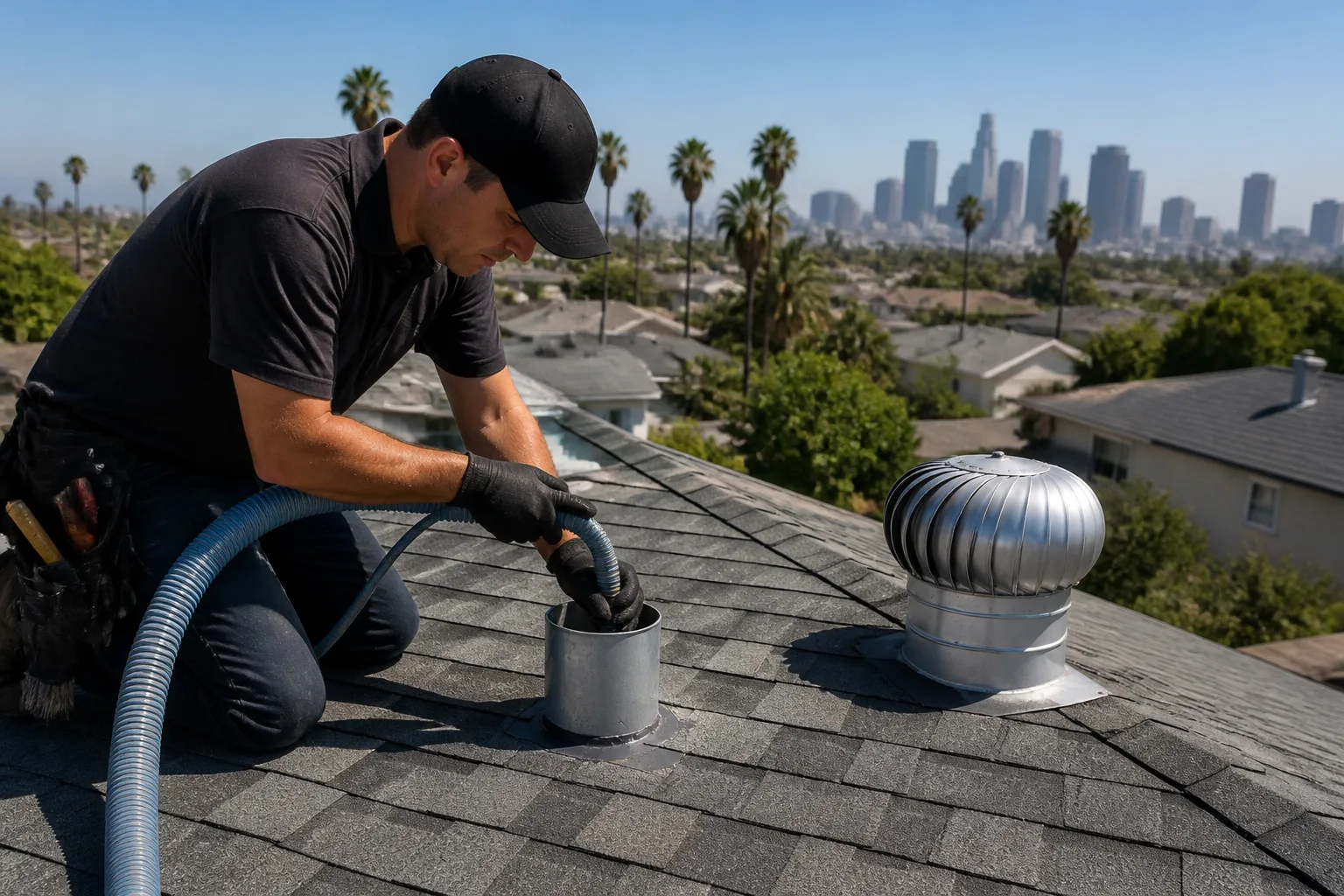
Nikro dryer vent cleaning in Los Angeles uses high-velocity negative pressure, not a spinning brush, to pull lint and debris out of the vent run. That suction-first method matters more than most homeowners realize, especially in LA, where roughly 40% of apartment and condo buildings use semi-rigid aluminum dryer duct that a rotary brush can easily kink or puncture. The result is a cleaner vent without the risk of turning a $200 cleaning into a $600 repair. If you’d rather not sort this out yourself, call (737) 727-2314 for a free estimate.
Why the Equipment Actually Matters: Nikro vs. Rotobrush
Most dryer vent cleaners in Los Angeles fall into one of two camps. They either run a rotary brush system, like the Rotobrush, or they use a vacuum-forward approach, like the Nikro HEPA system. The difference isn’t branding. It’s airflow direction and force.
A Rotobrush spins a nylon or polypropylene brush head at the end of flexible rods, physically scrubbing the duct walls while a vacuum attachment pulls loosened debris back. That’s fine for rigid, straight metal duct with gentle bends. But semi-rigid aluminum, the crinkly foil-looking duct you see snaking through LA laundry closets and condo mechanical rooms, can’t handle that rotating contact. The thin walls catch the brush, kink, or tear. Once that happens, you’re not dealing with a dirty vent anymore. You’ve got a restriction that traps more lint and becomes a fire hazard faster than the original clog did.
Nikro systems flip the approach. They use a powerful HEPA-filtered vacuum to create negative pressure, meaning the air inside the vent is being pulled out harder than the machine is pushing anything in. The loosened lint gets sucked backward through the duct and into a sealed containment bag. There’s no spinning head inside the duct wall. For fragile duct materials, that is the whole game.
CFM capacity is where the practical difference shows. Nikro’s industrial units move substantially more cubic feet per minute than a standard contractor vacuum, which matters on longer runs. A second-story laundry in Silver Lake or a fourth-floor condo in Koreatown can have a vent path running 20 to 35 feet with multiple elbows. The further the lint has to travel, the more air volume you need to move it. A shop vac taped to the vent cap won’t do it.
The Los Angeles Condo and Multi-Family Angle
Los Angeles has a housing stock problem that dryer vent cleaners think about more than anyone else. A huge share of the city’s multi-family buildings, everything from 1950s courtyard apartments in Westwood to newer high-rises downtown, use semi-rigid aluminum or thin-wall rigid metal for dryer vent runs. The reason is simple geometry. In tight mechanical chases, flexible duct is faster and cheaper to install than custom-fabricated rigid pipe.
Those shared dryer vent risers, the vertical shafts that carry exhaust from stacked laundry closets up to a roof cap, are almost always metal. Some are rigid. Many are semi-rigid. Nearly all of them have elbows because the duct has to jog around plumbing, electrical conduit, and structural members. Every elbow is a place where a rotary brush catches, and a place where lint is already collecting.
We’ve worked on condo buildings in Miracle Mile where the HOA requires a specific cleaning method as a condition of allowing access. That’s becoming more common as property managers learn the hard way that a torn vent riser inside a wall means cutting drywall. When we quote a condo job, we always ask about the HOA’s vendor rules upfront. It saves everyone a headache.
Nikro’s vacuum-first method is what we use on these multi-family jobs because it respects the duct. The suction does the work, not the contact. That’s the whole reason we invested in the equipment.
How to Tell if Your Vent Needs Suction-First Cleaning
Not every dryer vent in Los Angeles needs a Nikro-style cleaning. Some are fine with a brush. The question is whether your duct can tolerate physical agitation. Here’s a quick way to think about it.
Check the duct material
- Semi-rigid aluminum (foil-looking, crinkly): Suction-first. No debate. A brush can kink or tear this.
- Rigid galvanized metal: Either method works, but suction-first still pulls more fine lint from seams.
- Flexible white plastic or foil flex hose: This is a code violation in most LA jurisdictions and should be replaced, not cleaned. If you have this, the vent needs a retrofit, and you want a pro to look at it before running anything through it.
Count the elbows
Every 90-degree turn adds resistance. On a vent with three or more elbows, a spinning brush loses contact on the inside curve of each bend while grinding against the outside curve. That’s where tears happen. A suction-first system doesn’t care how many bends you have. The negative pressure follows the path of least resistance, which is exactly what you want.
Look at the vent cap
Los Angeles building codes for dryer vent termination have shifted over the years. Older homes, especially in the Valley, often vent through a wall cap with a flapper. Newer construction and most high-rises terminate on the roof with a low-profile metal hood. Roof caps are harder to reach, which means the cleaning system has to do more work from the laundry room side. A Nikro setup with a long hose and strong CFM can pull from 30 feet away. A brush system can too, but the operator has to add rod sections and maintain rotation the whole way, which is where sloppy work creeps in.
What a Properly Cleaned Vent Should Look Like
After a dryer vent cleaning, you should have more than a vague promise that it’s “done.” Here’s what a real Nikro cleaning should let you verify.
Exit velocity test with an anemometer
An anemometer is a handheld tool that measures airflow speed. A technician holds it at the exterior vent cap while the dryer runs, or at the dryer connection point before and after the cleaning. A healthy dryer vent should push air at a certain minimum speed. If the exit velocity barely moves after cleaning, the clog is elsewhere, usually in the blower housing inside the dryer itself, not the vent. That’s a diagnostic detail a brush-only shop often skips. We don’t.
Drying-cycle time before and after
This is the homeowner-verifiable metric. Time a normal load of towels before the cleaning. Then time the same load after. In Los Angeles, a properly vented dryer should dry a standard load in roughly 40 to 50 minutes. High-efficiency machines run longer by design, but if your post-cleaning cycle time dropped meaningfully, say from 75 minutes to 50, the vent was the bottleneck. If it didn’t change much, the dryer itself needs service, and a thorough technician should tell you that rather than charging you for a second vent cleaning you don’t need.
Before-and-after photos
Every Cardinal Air Duct Cleaning job includes photo documentation of the before and after, as part of The Relay Visibility Guarantee. You should see the lint we pulled out, not just take our word for it. If a company refuses to show you photos, ask yourself what they’re hiding. Usually it’s a shop vac and a wishful attitude.
When to Call a Pro
Dryer vent cleaning isn’t a DIY job despite what the hardware store attachments suggest. The brush kits sold at big box stores are short, low-quality, and usually leave more lint behind than they remove. If your vent run is longer than 10 feet, has more than one elbow, or exits through the roof, you need professional-grade negative pressure equipment. More importantly, if you live in a condo or apartment building in Los Angeles, the vent riser is shared infrastructure. You can’t properly clean a 40-foot riser from your laundry closet with a drill attachment. You need the airflow capacity of a commercial unit, and you need to know the building’s vent path before you start.
If you’re noticing longer dry times, a hot laundry room, or a burning smell when the dryer runs, don’t wait. That’s lint accumulating somewhere it shouldn’t be. Related services in Los Angeles: Dryer Vent Cleaning in Los Angeles and Air Duct Cleaning in Los Angeles.
How Much Does Nikro Dryer Vent Cleaning Cost in Los Angeles?
Dryer vent cleaning in Los Angeles typically runs $150 to $350 for a standard single-family home vent. Multi-family and condo jobs run higher, often $250 to $500 per riser, depending on access, length, and whether HOA coordination is required. Here’s a breakdown of what shapes the price:
| Factor | Typical Range |
|---|---|
| Standard single-family home (up to 25 ft, 1-2 elbows) | $150 – $250 |
| Longer runs or roof terminations | $200 – $350 |
| Condo/apartment shared riser | $250 – $500 per vent line |
| Semi-rigid aluminum duct replacement (if damaged) | $180 – $400 depending on run |
We give a written price before any work starts, and that price doesn’t change when the technician arrives. If your vent is semi-rigid and hasn’t been cleaned in years, there’s a real chance the duct is already compromised and needs replacing. We’ll tell you that before we run anything through it, not after. Call (737) 727-2314 for a free estimate, and we’ll walk you through exactly what your vent setup looks like.
Why We Use Nikro and Not a Shop Vac
Cardinal Air Duct Cleaning runs professional-grade equipment for a reason. We use Nikro HEPA vacuum systems for dryer vent cleaning, alongside Rotobrush rotary brush systems for air duct cleaning and Abatement Technologies containment units for big HVAC jobs. The right tool for the material, always. That’s the rule.
We also stock filtration and air quality products from Honeywell and Aprilaire when a cleaning reveals indoor air problems that need ongoing management. Los Angeles homes fight outdoor dust year-round, and a lot of what you vacuum off the floor came in through the air. A clean dryer vent is one piece of that air quality puzzle.
Every job includes the Done Right Promise. That means if the work isn’t right, we return and correct it at no charge. A full year. Every booking. No exceptions. That’s the Relay Home Co. family standard, and it’s been operating.
The Bottom Line
Nikro dryer vent cleaning in Los Angeles is the safer choice when your vent run uses semi-rigid aluminum, has tight elbows, or terminates in a hard-to-reach roof cap. The negative-pressure method cleans without risking the damage a spinning brush can cause, and it’s verifiable through exit velocity tests and measurable drying-time improvements. If you’re in Los Angeles and need help, Cardinal Air Duct Cleaning home offers free estimates, a written price before work begins, and the Done Right Promise on every job. Call (737) 727-2314.
Frequently Asked Questions
Nikro dryer vent cleaning uses high-velocity negative pressure with HEPA filtration to pull lint and debris out of the vent run without physical brush contact inside the duct. It’s especially suited to semi-rigid aluminum duct and runs with multiple elbows, both common in Los Angeles condos and apartments.
For most LA homes, once a year is the right cadence. If you run the dryer daily for a family of four or more, or you have a longer vent run to a roof cap, twice a year is safer. Multi-family buildings should have shared risers inspected annually, with cleaning scheduled based on measured airflow.
Yes. The suction-first design pulls from the laundry room side regardless of whether the vent exits through a wall cap or a roof cap. Roof terminations are common in newer Los Angeles construction and high-rise buildings, and a commercial negative-pressure system has the CFM capacity to service those longer vertical runs.
Ask for before-and-after photos and a measured exit velocity reading. A proper cleaning will show visible debris removal and an airflow improvement at the exterior cap. If the company won’t provide either, that’s a red flag. Call (737) 727-2314 and we’ll explain exactly what documentation comes with our service.
Written by the team at Cardinal Air Duct Cleaning.
Need Air Duct Cleaning Help?
Call Cardinal Air Duct Cleaning - licensed & insured, here with fast after-hours help in Los Angeles.
(737) 727-2314