
Abatement Technologies Dryer Vent Cleaning in Los Angeles: A Homeowner’s Guide
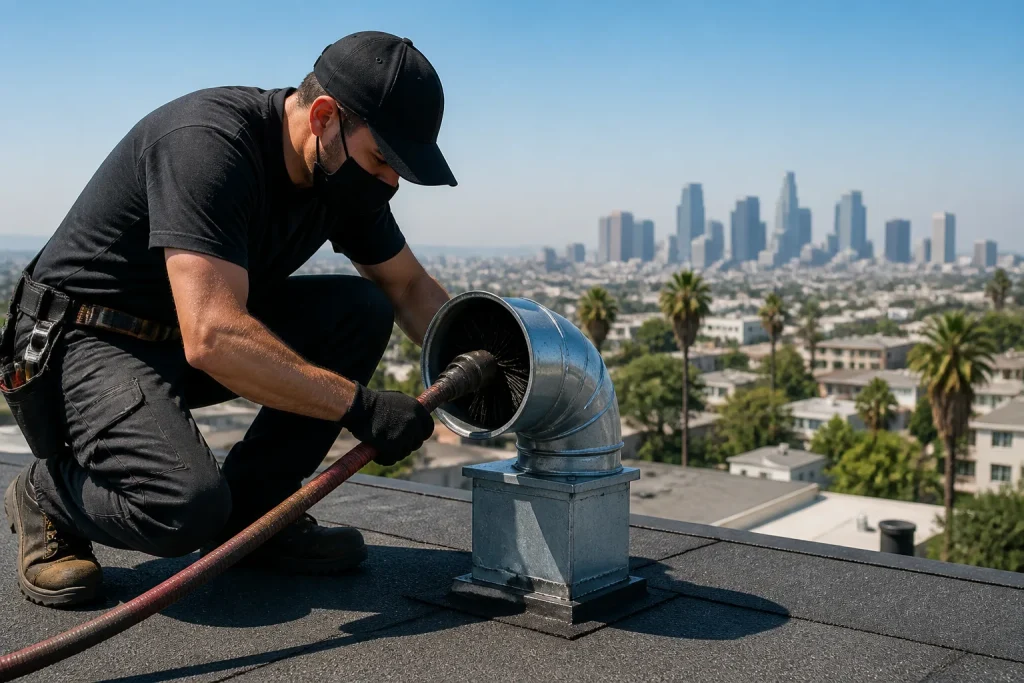
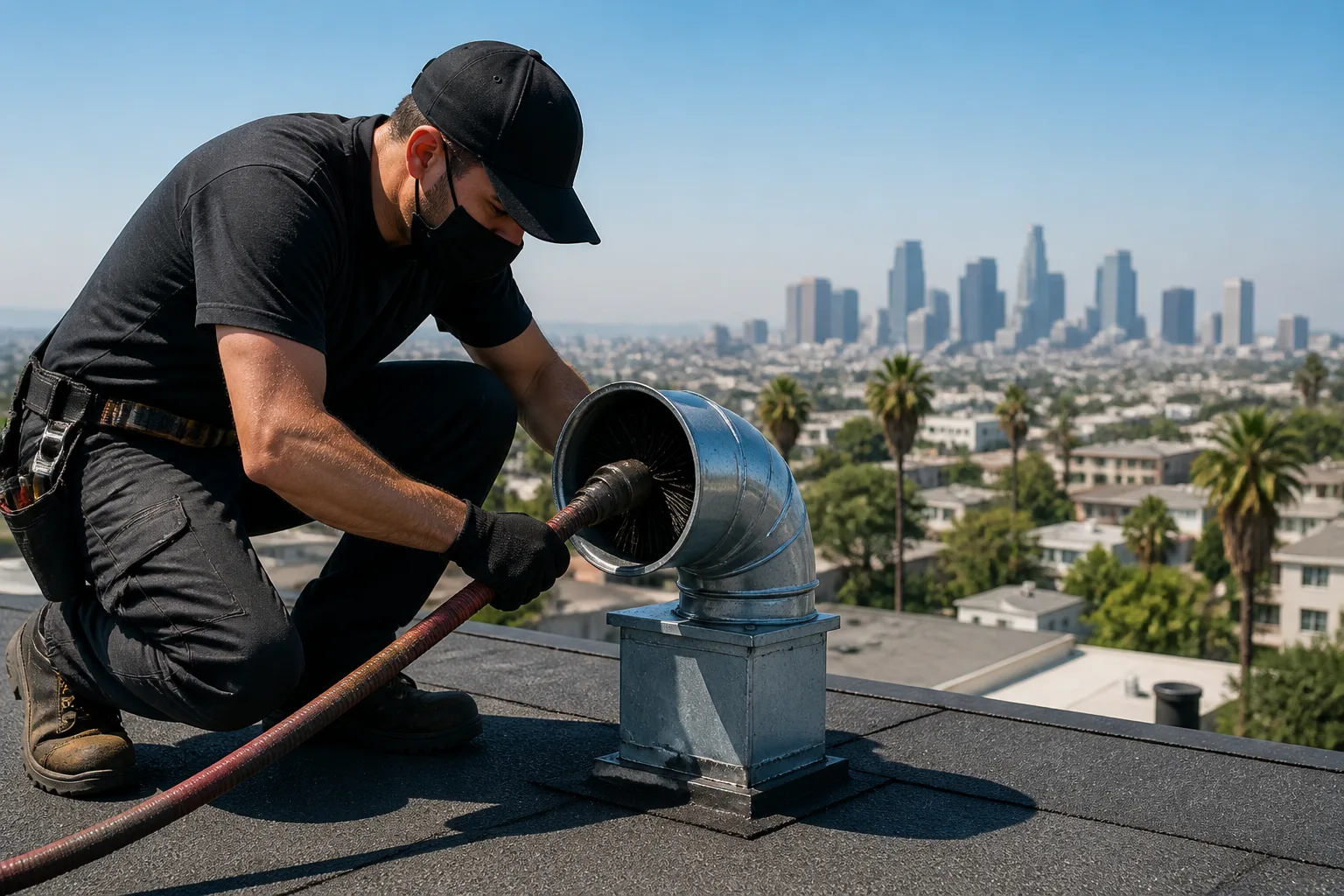
Most dryer vent cleanings in Los Angeles are straightforward jobs. A Rotobrush rotary brush system and a Nikro HEPA vacuum get the lint out, the airflow improves, and you’re done in under an hour. But if your vent has been compromised by rodents, sewage, mold, or wildfire ash, a standard cleaning can actually make things worse by stirring contaminated debris into your living space. That’s when Abatement Technologies negative-air containment matters, and it’s the difference between a clean vent and a safe one.
What Abatement Technologies Equipment Actually Does
Abatement Technologies is known in the restoration industry for mold and asbestos remediation. Their negative-air machines create a sealed pressure zone around the work area, pulling air inward through HEPA filters instead of letting it push outward into the rest of your home. In plain terms, when a technician cleans a contaminated dryer vent with this setup, loosened debris goes straight into the filtration unit rather than drifting into your laundry room and beyond.
Standard dryer vent cleaning uses a vacuum attached at the vent opening. That works fine for normal lint buildup. But contaminated debris carries weight beyond lint. Rodent droppings, mold spores, and post-wildfire ash particles are things you do not want aerosolized in a closed laundry room. The negative-air approach contains them at the source. Most duct cleaning companies in Los Angeles don’t carry this equipment because it’s expensive, specialized, and rarely needed. Cardinal Air Duct Cleaning keeps it on hand for the cases where it matters.
Los Angeles Scenarios Where HEPA Negative-Air Makes Sense
Not every home needs Abatement-grade containment. We tell homeowners that straight. But in Los Angeles, certain conditions come up more often than people expect, and they’re the ones where upgrading the equipment is worth the cost.
- Post-rodent infestations in vent runs. Hillside neighborhoods like Mount Washington, Silver Lake, and parts of the Hollywood Hills see rats and mice nesting in dryer vents every winter. When animals live in a vent, they leave droppings, urine, and nesting material. Cleaning that out with positive-pressure air pushes contaminants into the house. Negative-air pulls them out through filters.
- Water damage near the laundry area. A slow leak behind the washer, a flooded garage in the Valley, or a bathroom above the laundry room can introduce mold into the wall cavity and vent path. If there’s visible mold or a musty smell near the vent termination, you want containment, not just brushing.
- Post-wildfire ash infiltration. LA’s fire seasons leave fine ash everywhere, including inside dryer vents. Ash is abrasive and can be contaminated with whatever burned. A HEPA negative-air setup keeps that residue from recirculating through your home during the cleaning.
If none of these conditions apply, a standard cleaning with a Rotobrush system and Nikro HEPA vacuum does the job well. Part of being honest with homeowners in LA is telling them when they don’t need the premium option.
How to Know Which Level of Cleaning Your Home Needs
Before you book any dryer vent cleaning in Los Angeles, ask yourself a few questions. The answers tell you whether you need negative-air containment or a standard service.
- Have you seen rodent activity? Droppings in the laundry room, scratching sounds in the wall, or a nest visible at the vent cap. If yes, request HEPA negative-air cleaning.
- Is there water damage or mold within a few feet of the dryer vent path? Peeling paint, swollen drywall, or a persistent musty smell. If yes, don’t brush it first. Containment first.
- Did your home sit in a wildfire smoke zone? If ash got inside during fire season, fine particles have settled in the vent. HEPA filtration during cleaning keeps them from becoming airborne again.
- Has it been more than two years since the last cleaning? Heavy lint buildup alone doesn’t need containment, but it may require more time and a more aggressive rotary brush pass.
When you call a company, ask directly: “Do you have the ability to run negative-air HEPA containment for this job?” If they don’t know what you’re talking about, you have your answer. For most cleanings that’s not a dealbreaker. For contaminated vents, it absolutely is.
The Cost Difference: Standard vs. Negative-Air Dryer Vent Cleaning
A standard dryer vent cleaning in Los Angeles typically runs $120 to $220 for a single vent system in a standard home. That covers the rotary brush pass, full HEPA vacuum extraction at the vent opening, and airflow verification. When negative-air containment is added, expect to pay $300 to $500 depending on the level of contamination, the length of the vent run, and whether the setup requires sealing off additional access points.
Is the premium justified? In contaminated scenarios, yes. Here’s the math that matters. If a technician brushes out rodent droppings without containment and those particles become airborne in your laundry room, you’re now looking at professional sanitization, possible drywall remediation, and in some cases medical bills for respiratory irritation. The $180 to $280 premium for negative-air becomes the cheapest part of that equation. In clean, routine situations, skip it. Standard equipment handles the job at the lower price point, and any honest company in LA will tell you that.
How Cardinal Documents Contaminated Vent Cleanings
When a vent requires negative-air containment, documentation stops being optional. It becomes the proof point for insurance claims, landlord disputes, and your own records. Here’s how we handle it at Cardinal Air Duct Cleaning for every contaminated vent job in Los Angeles.
Before we touch anything, we photograph the vent cap, the visible duct interior, and any contamination evidence at the termination point. These images establish baseline conditions. Mid-job, we capture the containment setup and the HEPA filtration unit in operation so there’s a record that proper equipment was used. After cleaning, we photograph the same angles to show the result. Every photo carries a timestamp and is delivered through a digital link you can save, forward to your insurance adjuster, or send to your landlord. Photos end the debate.
The Bottom Line
Abatement Technologies negative-air equipment belongs in a dryer vent cleaning when contaminants are present. Rodent waste, mold-adjacent conditions, and wildfire ash in Los Angeles all justify the upgrade. Routine lint buildup doesn’t. The key is knowing which situation you’re in before you book, and asking the right questions. Most companies can’t offer negative-air containment. If your vent falls into one of the contaminated categories above, find one that can, and insist on before-and-after documentation. If you’re in Los Angeles and not sure what your vent needs, call (737) 727-2314 and describe what you’re seeing. We’ll tell you honestly whether it’s a standard job or a containment job, and give you a written price either way before any work starts.
Frequently Asked Questions
If your dryer vent has been contaminated by rodents, mold, sewage backup, or wildfire ash, standard cleaning methods push those particles into your living space. Abatement Technologies negative-air machines pull contaminated air through HEPA filters and keep it contained. In clean, routine vents, this equipment isn’t necessary.
Expect to pay $300 to $500 for a contaminated vent requiring negative-air containment, compared to $120 to $220 for a standard cleaning. The premium covers setup of the containment zone, HEPA filtration operation, and full documentation. The cost is justified when contaminants are present because aerosolizing them inside your home creates far more expensive problems. Call (737) 727-2314 for an exact quote on your specific vent.
Look for rodent droppings near the vent cap, a persistent musty smell in the laundry room, visible nesting material, water stains or mold on walls adjacent to the vent path, or fine ash residue after wildfire season. Any one of these signs means you should ask for HEPA negative-air containment during cleaning. A reputable HVAC cleaning company in Los Angeles will ask about these conditions before booking and recommend the appropriate equipment level.
Yes, and they should. Before-and-after photos taken from the same angles at the vent cap and accessible duct interior provide documentation that the contamination was removed. Make sure the company uses timestamped photos and delivers them digitally. This record matters for insurance claims, landlord communications, and confirming the job was done properly. If a company won’t provide photo documentation for a contaminated vent job, that’s a red flag.
Written by the team at Cardinal Air Duct Cleaning.
Need Air Duct Cleaning Help?
Call Cardinal Air Duct Cleaning - licensed & insured, here with fast after-hours help in Los Angeles.
(737) 727-2314