
Last updated October 9, 2026
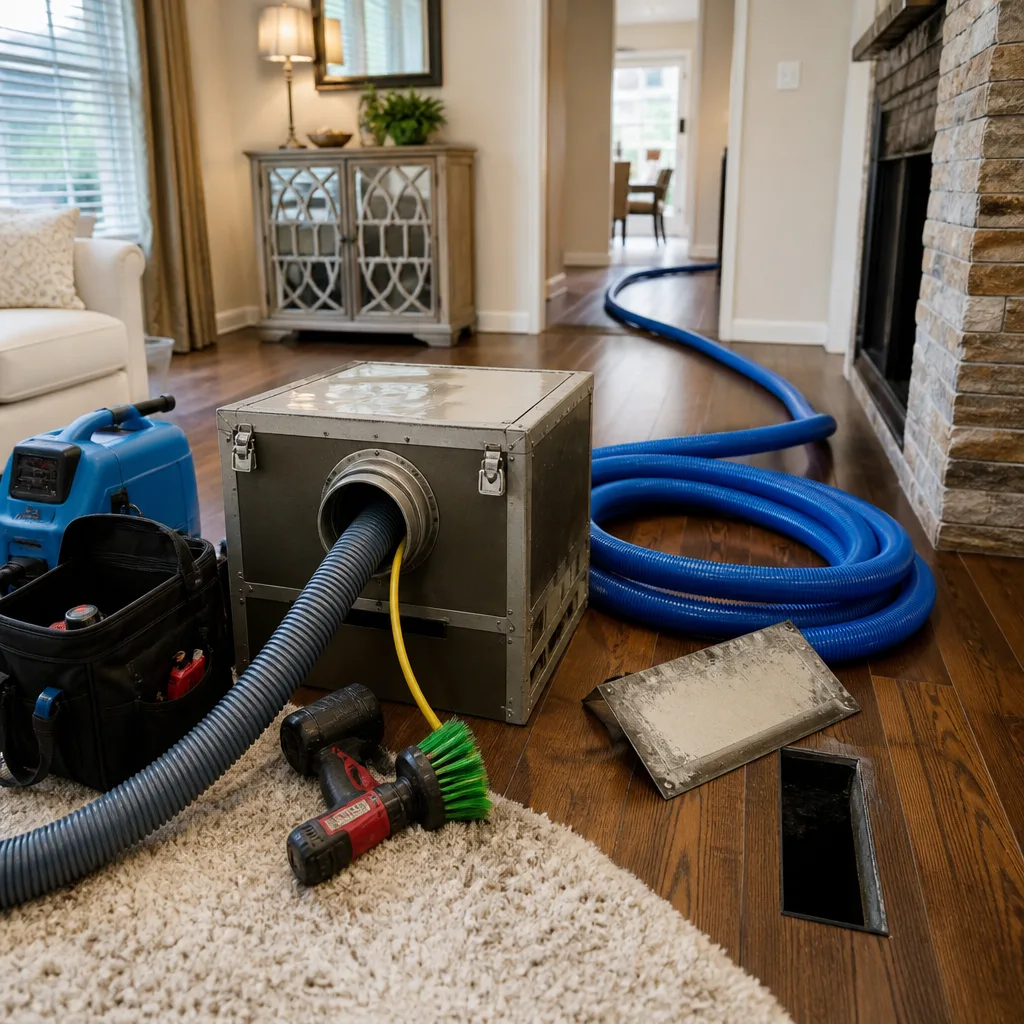
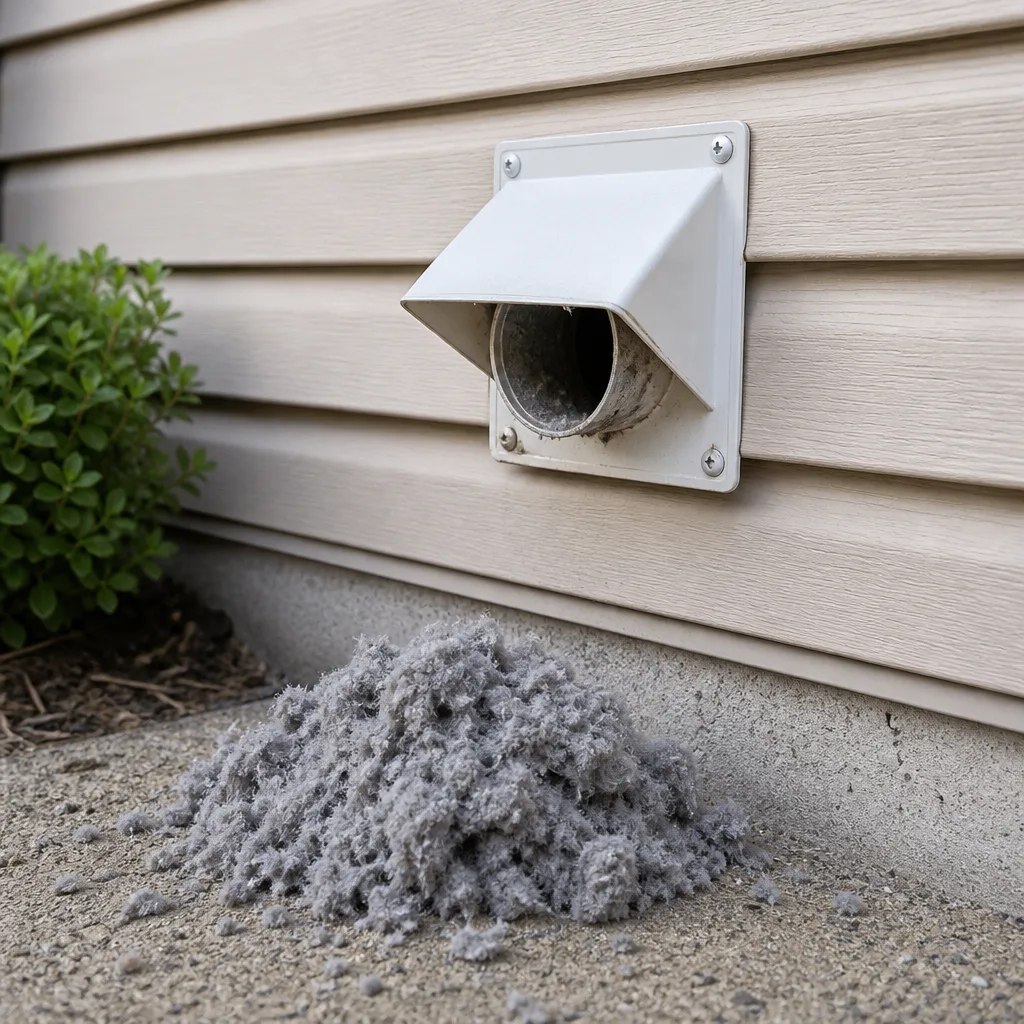
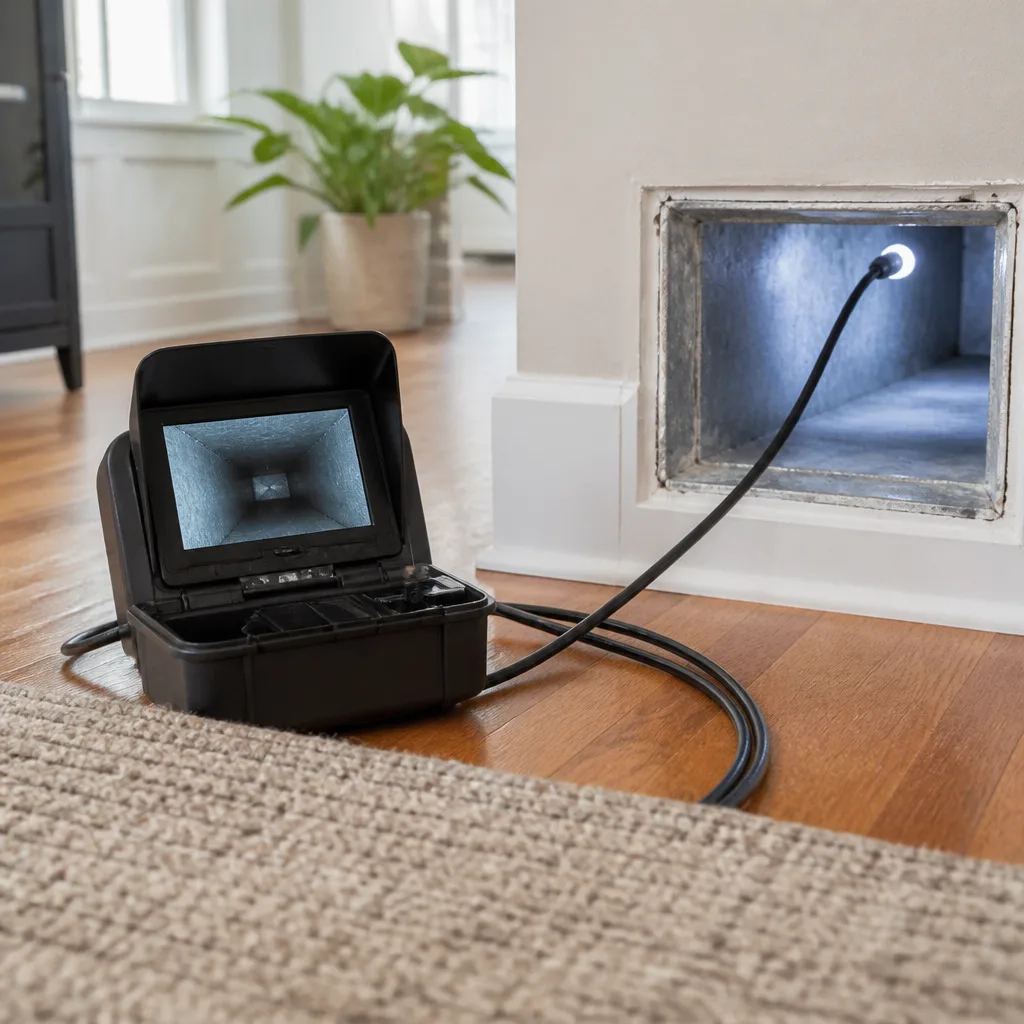
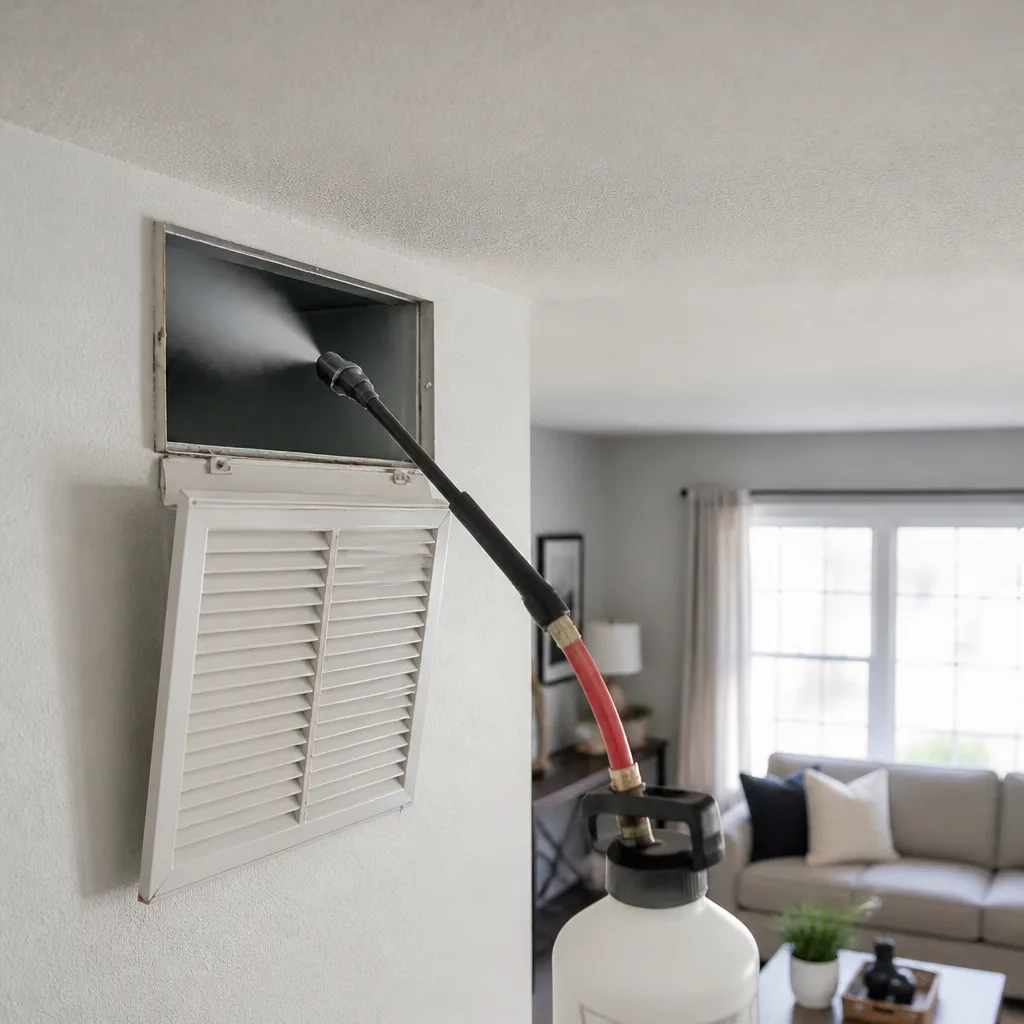
Whole-system duct and dryer vent check with before-and-after photos - you see exactly what came out of your vents
That "$99 whole-house special" is a bait ad - the real number appears once they are in your hallway, or the "clean" is a shop-vac at the register. We photograph the inside of your ducts before and after instead.
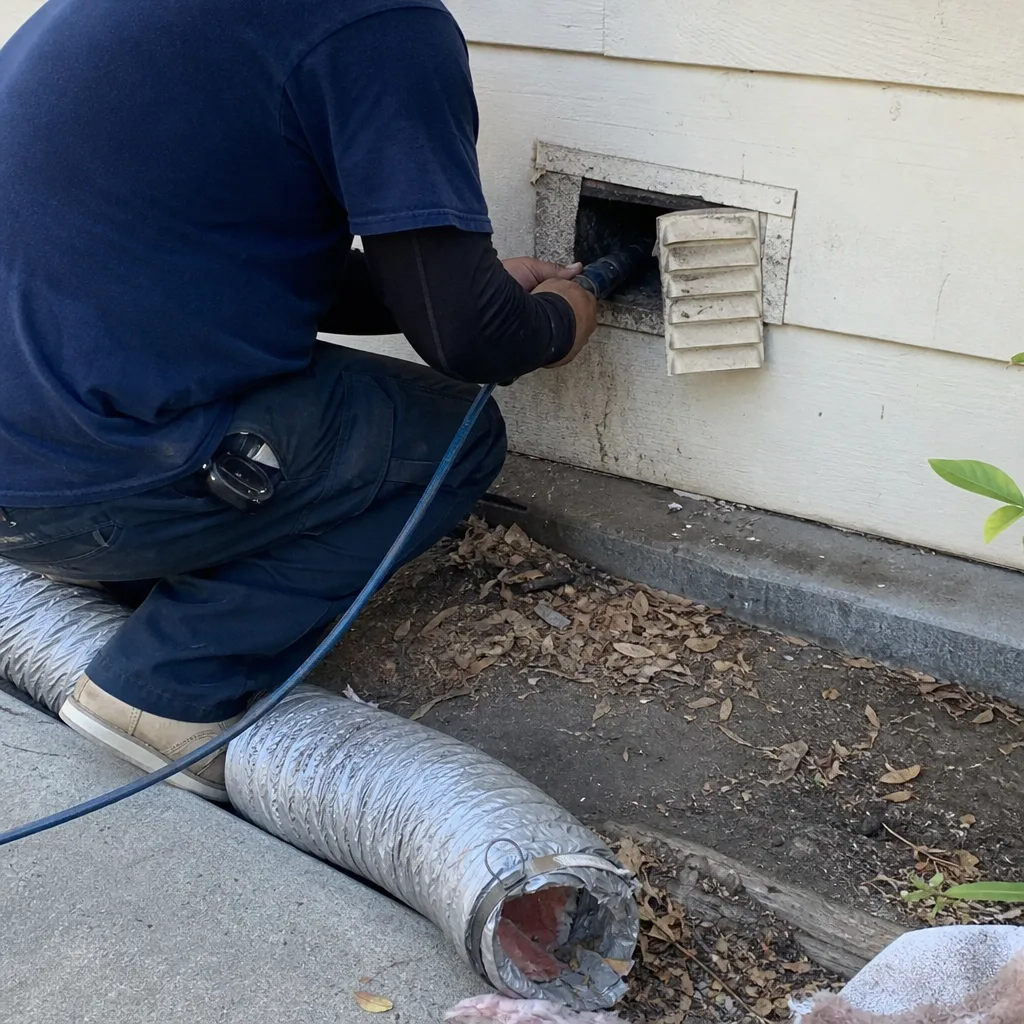 Before
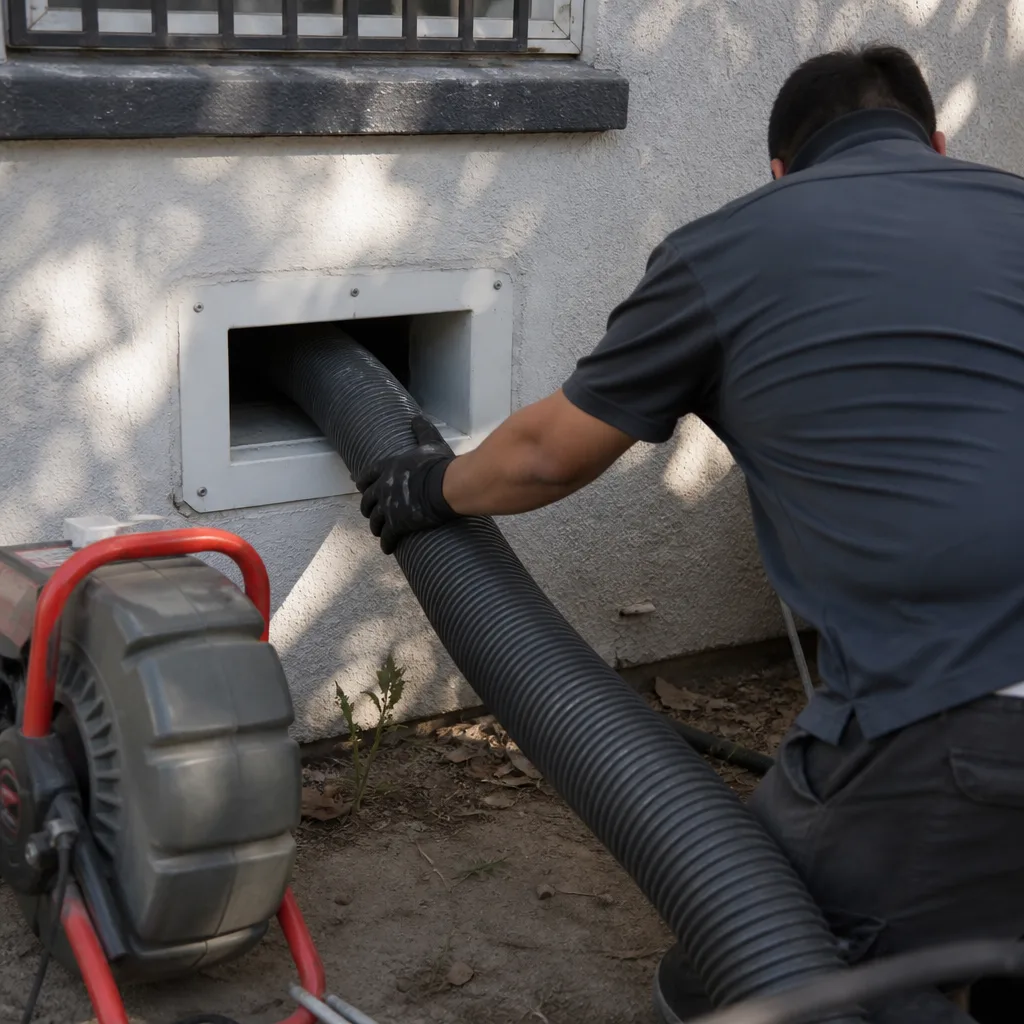 After
After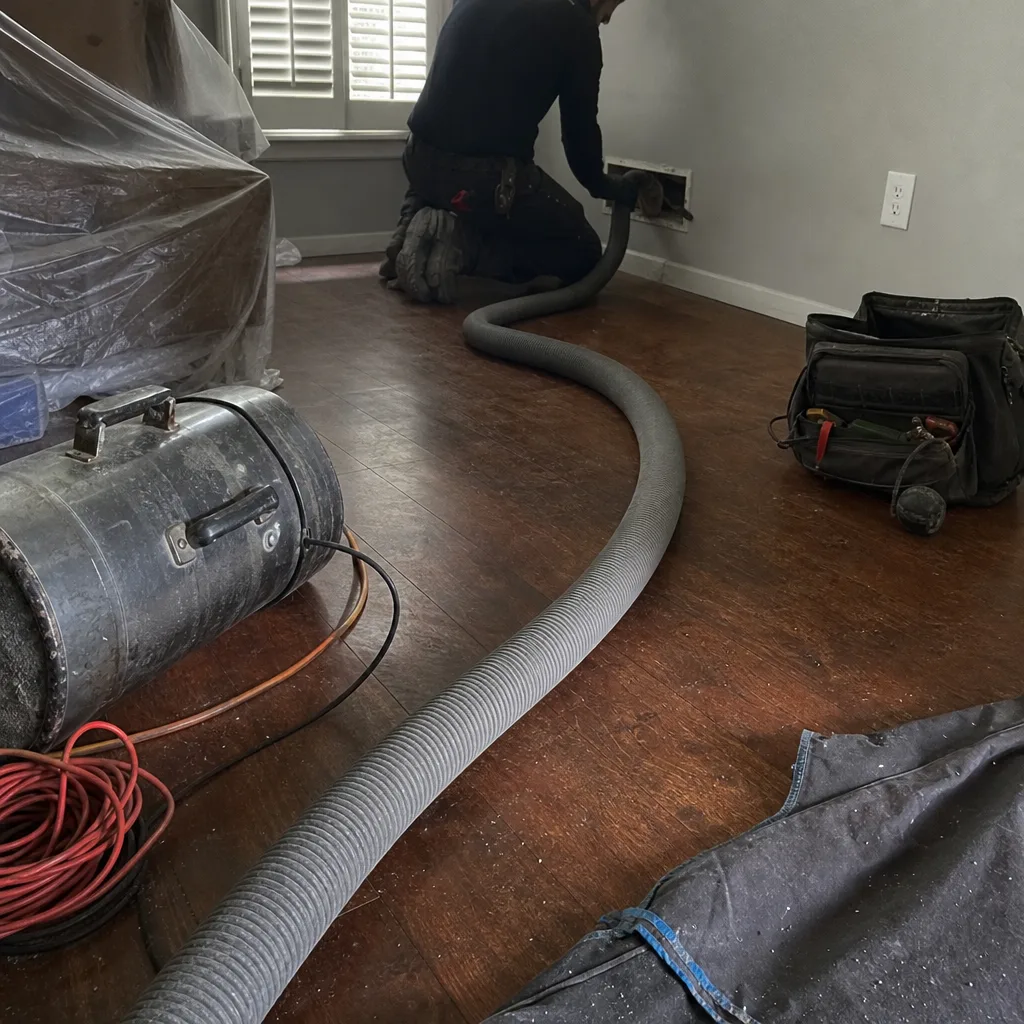 Before
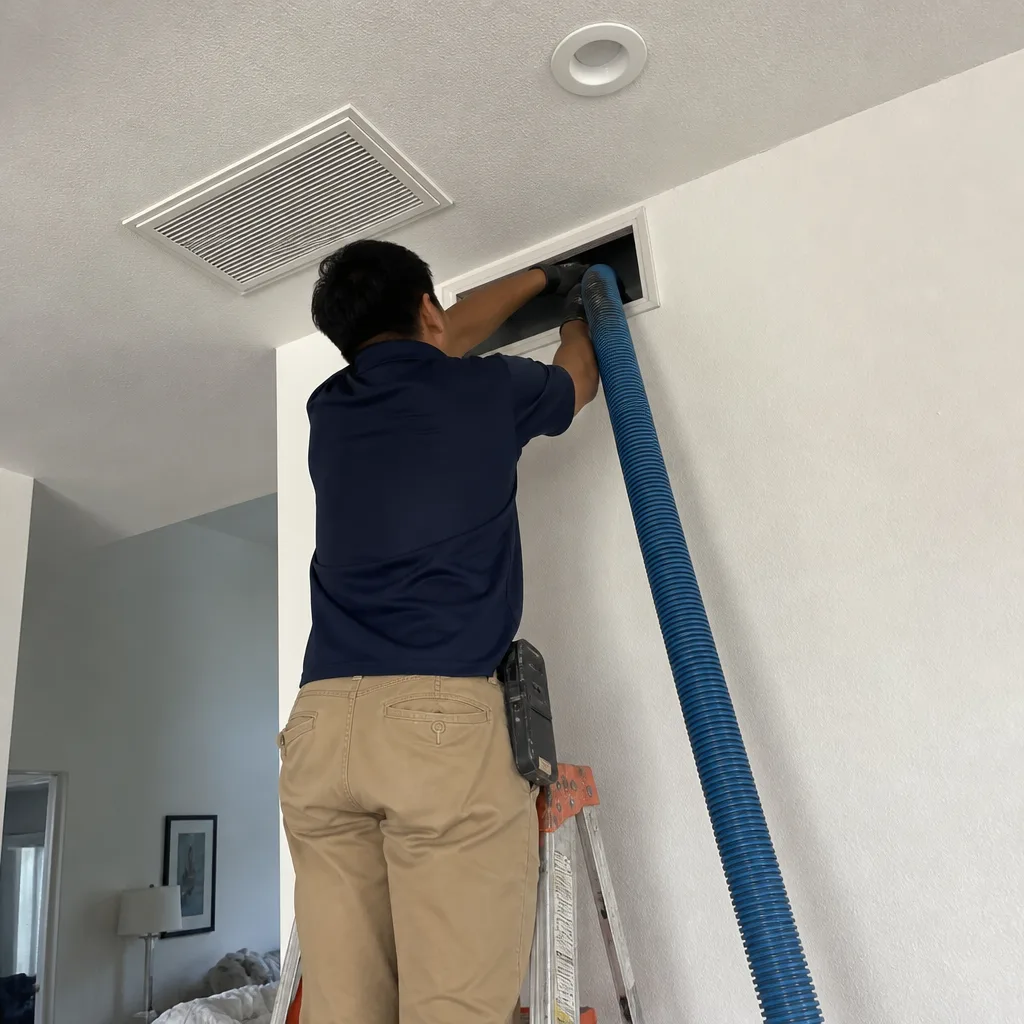 After
After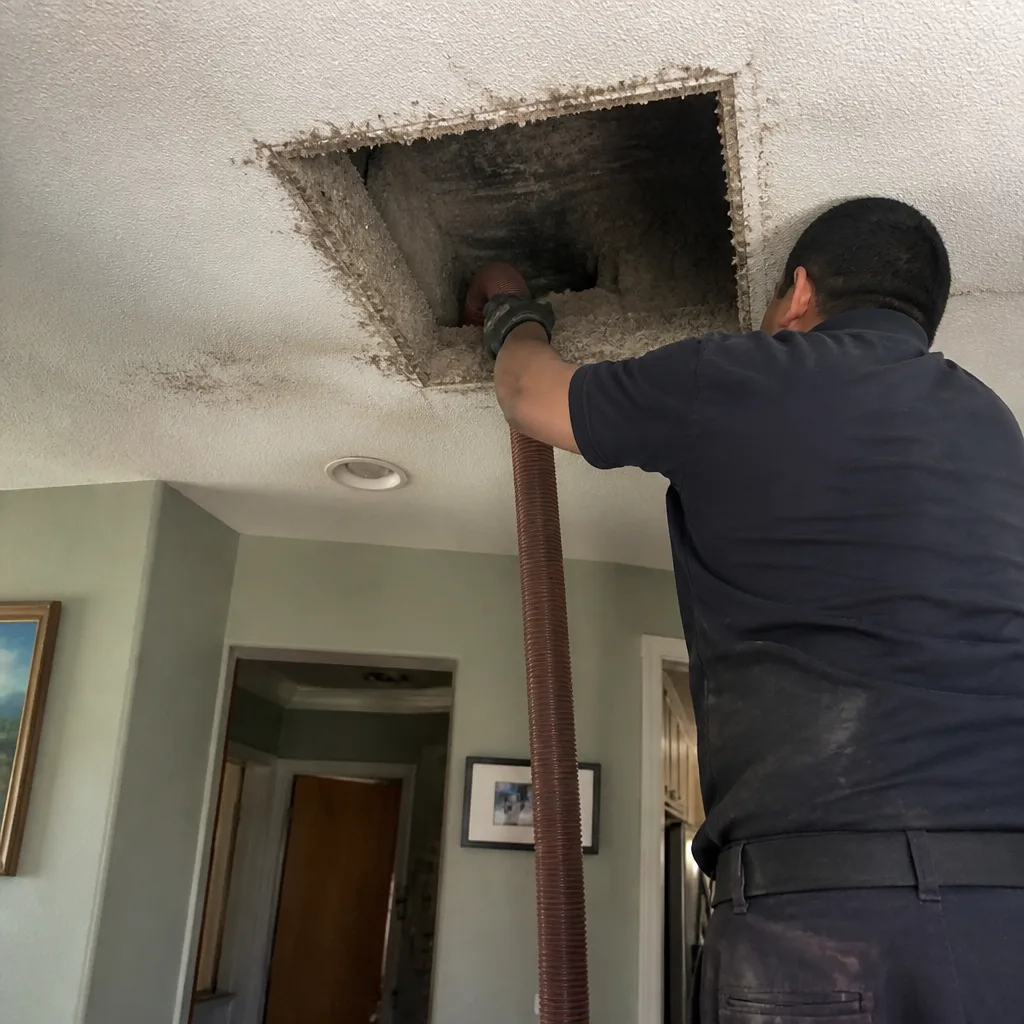 Before
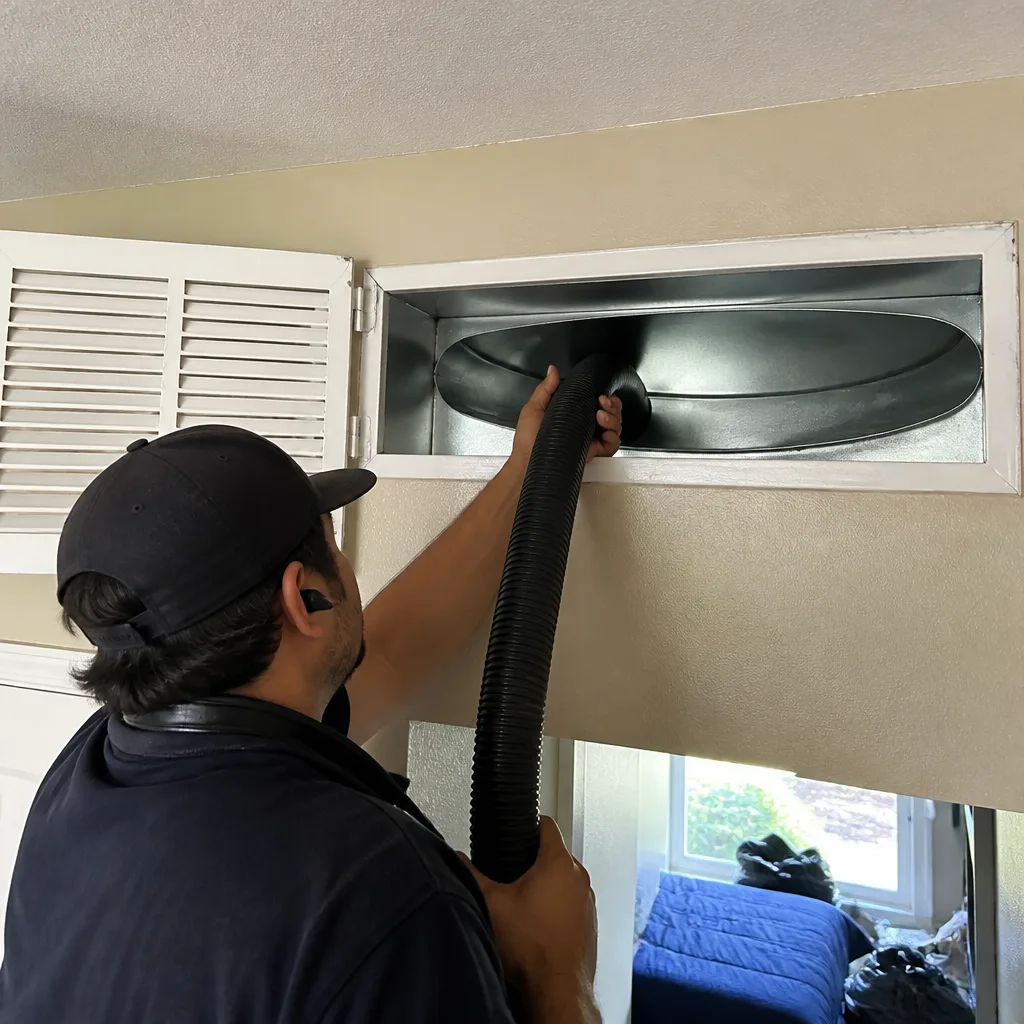 After
AfterDryer Vent Cleaning Troubleshooting: Common Problems and How to Fix Them
Appliance repair calls for “dryer not heating” average $150 to $300 in Los Angeles, but a blocked vent produces identical symptoms and costs far less to fix. Every year, thousands of homeowners pay an appliance technician to replace a heating element when the real problem was four inches of lint packed into a duct behind the dryer. This guide gives you a symptom-to-cause diagnostic tree you can run in under ten minutes, before you spend a dime on any repair professional. We’ve built it from what our technicians see daily across Los Angeles, from Westchester to Woodland Hills, where dryer vents clog faster than almost anywhere else in the country.
Quick Answer
Most dryer problems that look like appliance failure, including long dry times, overheating, error codes, and burning smells, are actually vent blockage problems. You can diagnose a blocked dryer vent at home in about four minutes by checking airflow at the exterior termination cap, inspecting the lint screen, and listening for abnormal dryer sounds. If airflow at the outside vent feels weak or the flap doesn’t move during a cycle, the vent is restricted and needs Dryer Vent Cleaning, not an appliance repair.
Table of Contents
- The Symptom-to-Cause Diagnostic Tree
- The 4-Minute Airflow Test at the Exterior Cap
- Bird Nests and Pest Intrusion in Vent Terminations
- Kinked Flexible Duct vs. Collapsed Rigid Duct
- When a Clean Vent Still Produces Symptoms
- Why Los Angeles Dryer Vents Clog Faster
- Prevention: What Actually Works
The Symptom-to-Cause Diagnostic Tree
Here’s the reality we’ve learned after nearly two decades of working on Cardinal Air Duct Cleaning home jobs across Los Angeles: your dryer is almost never the first thing that breaks. The vent is. A dryer is a simple machine, a motor, a heating element, a drum, and a blower. The vent system is the part that fails silently, building up lint until the dryer can no longer push air through it. When that happens, the dryer’s symptoms look exactly like mechanical failure.
Run through this branching checklist. Start with the symptom you’re experiencing, then follow the likely cause and the fix.
Symptom: Clothes are still damp after a full cycle
- Most likely cause: Restricted airflow from lint buildup in the duct, not a failing heating element. The dryer is generating heat, but the moisture has nowhere to go.
- How to verify: Run the airflow test at the exterior cap (covered in the next section). If airflow is weak, the vent is blocked.
- Fix: Professional dryer vent cleaning in Los Angeles removes the restriction. In most cases, dry times return to normal immediately.
Symptom: Dryer feels hot to the touch or shut off mid-cycle
- Most likely cause: The high-limit thermostat is tripping because heat can’t escape through a clogged vent. This is a safety feature working correctly, not a breakdown.
- How to verify: Check the exterior vent flap during a cycle. If it’s barely moving, the dryer is overheating against a blocked exhaust path.
- Fix: Clear the vent blockage. If the overheating persists after cleaning, then the thermostat itself may need replacement. But clean first, replace parts second.
Symptom: Burning smell during operation
- Most likely cause: Lint is smoldering or the dryer motor is working too hard against a blocked vent. Either way, this is a smoke-alarm-level warning, not a cosmetic issue.
- What to do immediately: Stop the cycle. Do not run the dryer again until the vent has been inspected.
- Fix: Professional cleaning removes the fuel source. Our technicians use Nikro HEPA-filtered vacuums to pull debris out safely without spreading lint dust through your laundry room.
Symptom: Error codes appearing on newer dryers
- Most likely cause: Modern dryers have airflow sensors. Codes like “D80,” “D90,” “AF,” or “blocked vent” are not telling you the dryer is broken. They’re telling you the vent cannot pass air.
- Fix: This is a vent problem, not an appliance problem. The code usually clears once airflow is restored through the duct run.
Symptom: Exterior flap not moving during a cycle
- Most likely cause: The airflow exiting your home is so weak it cannot push the flap open. This means the blockage is substantial.
- Fix: Professional cleaning with a rotary brush system. Rotobrush equipment spins a brush through the full duct run while a Nikro vacuum extracts debris simultaneously, which is how we handle vent lines other companies walk away from.
The 4-Minute Airflow Test at the Exterior Cap
You can diagnose most vent blockages without touching a single tool. Here’s the test we teach every Los Angeles homeowner who calls us asking whether they actually have a problem.
- Locate the exterior termination cap. This is where the dryer vent exits your home, usually on an exterior wall near the laundry room, sometimes on the roof in older Los Angeles houses built before 1990.
- Start an empty dryer cycle on high heat. Go back outside and stand at the cap. You need a full cycle, not just the fluff or air-only setting, because you want maximum blower speed.
- Hold your hand about six inches from the exhaust. What do you feel? A healthy dryer vent pushes air strongly enough that you feel the warmth and movement from half a foot away. It should feel like someone blowing steadily on your palm.
- Watch the flap. The hinged flap on the cap should be held open by the force of the air, lifting 45 to 90 degrees. If it’s fluttering weakly, barely moving, or just closed, the vent is restricted.
- Time it. A blocked vent makes itself obvious in under four minutes. If you finish the test and you’re unsure whether the airflow feels “okay,” that’s already your answer: it should feel obvious.
In our experience across Los Angeles, from condos in Koreatown to single-family homes in the Valley, “weak airflow at the cap” is the single most reliable predictor of a clogged vent. Homeowners who run this test before calling us almost always describe the same thing: “I didn’t realize how weak it was until I thought about it.”
Bird Nests and Pest Intrusion in Vent Terminations
Los Angeles has a pest problem most homeowners never think about until it hits their dryer vent. House sparrows, starlings, and occasionally roof rats build nests inside dryer vent terminations because the warm exhaust creates an ideal nesting environment, especially during our mild winters when other shelter is scarce. This is not a rare occurrence. We remove nests from Los Angeles dryer vents weekly, year-round, because the climate means birds nest on a different schedule than in colder parts of the country. See our guide to Dryer Vent Cleaning Warning Signs Every Homeowner Should Know for additional red flags.
How to identify a nest in your vent
- You can hear scratching or chirping coming from the wall near the dryer, especially in the morning.
- The exterior flap is propped open or missing entirely, a sign that an animal pushed through.
- Dryer performance dropped suddenly, not gradually. A gradual decline means lint buildup. A sudden drop means a physical object, often a nest, is now blocking the passage.
- You see nesting material (twigs, grass, shredded leaves, bits of paper) sticking out from behind or around the cap.
How to handle it safely
Bird nests in dryer vents are a safety issue, not a DIY project. The nest material is dry, highly flammable, and packed directly against the warmest air your home produces. Attempting to pull it out by hand usually pushes it deeper into the duct, and disturbing an active bird nest can also leave you exposed to mites and bacteria. Our technicians remove nests using vent-specific extraction tools and then clean the full duct run because nesting material never sits only at the cap; it gets pulled inward as the dryer cycles. After cleaning, a proper termination cap with a bird guard prevents re-entry. This is standard practice on every dryer vent cleaning in Los Angeles job where we find evidence of pest activity.
Kinked Flexible Duct vs. Collapsed Rigid Duct
Here’s a distinction that saves Los Angeles homeowners real money, because the fix for one costs under $100 and the fix for the other can require cutting into a wall or ceiling. Knowing which problem you have determines whether you’re dealing with a simple re-route or a professional repair.
Kinked flexible duct (the DIY-friendly problem)
Flexible ducts, the silver accordion-style tubing that connects the dryer to the wall and sometimes runs through the entire vent path, kink when a dryer gets pushed back too far. The duct folds over on itself, cutting airflow by 50% or more while leaving the rest of the vent clear. You can often identify a kink without seeing it: pull the dryer away from the wall and inspect the visible section of flexible duct. If it’s crushed, folded, or pinched anywhere, that’s your restriction. The fix is to replace the damaged length or reposition the dryer so the duct has a gentle curve instead of a hard fold.
Collapsed rigid duct (the professional problem)
Rigid ducts, the smooth metal pipe running inside your walls, ceiling, or floor, don’t kink; they collapse. This happens when a joint separates from age, when framing settles, or when a previous homeowner ran too long a span without proper support. A collapsed rigid duct section flattens or disconnects inside the wall cavity, which means hot, lint-filled air is being pushed into your framing rather than outside. You cannot fix this without opening the wall or ceiling. Warning signs specific to a collapse include: suddenly weak airflow even after you’ve cleared the first few feet of duct near the dryer, or visible moisture stains on the ceiling along the vent path. If you suspect a collapsed section, stop using the dryer and call a professional who can run a camera through the line to locate the exact break. In Los Angeles, where many homes from the 1950s and 1960s still run original ductwork through crawl spaces, collapsed sections are more common than homeowners expect.
When a Clean Vent Still Produces Symptoms
Sometimes a vent cleaning reveals a perfectly clear duct, and the dryer still misbehaves. Here’s how to tell vent problems from actual appliance failure so you call the right professional the first time.
Rule out the simplest things first. A clogged lint screen reduces airflow by up to 30% even when the vent itself is clean. Wash the screen with soap and water monthly; dryer sheets leave an invisible film that blocks airflow. Also check that the exterior flap isn’t painted shut, a common issue on repainted Los Angeles homes, and that no landscaping has grown over the cap.
If airflow at the cap is strong but clothes still take two cycles to dry: The problem is likely the dryer itself. A weak blower motor, a stretched drum belt, or a failing moisture sensor produces the same symptom as a blocked vent. This is when an appliance technician is the right call, not a vent cleaner.
If the dryer heats but shuts off after a few minutes even with a clean vent: The high-limit thermostat or cycling thermostat is likely failing. Appliance repair territory.
If the dryer runs but makes a loud squealing or grinding noise: That’s a drum bearing or belt issue, nothing to do with the vent. Appliance technician.
Our position on this at Cardinal Air Duct Cleaning is straightforward: if we come out for a vent cleaning and find the vent is already clean, we tell you. We don’t fabricate a reason to clean it anyway. The 365-Day Done Right Promise means every job is backed for a full year, and it applies to every booking without exception. If the work isn’t right within 365 days, we return and correct it at no charge. That same standard applies to how we diagnose: honest first.
Why Los Angeles Dryer Vents Clog Faster
Los Angeles creates an unusually harsh environment for dryer vents, which is why we recommend more frequent cleaning here than national guidelines suggest. Here’s what’s working against your vent in this city specifically.
- Hard water and mineral dust. Los Angeles tap water leaves mineral residue in clothing fibers. When those fibers shed as lint, the mineral content makes the lint heavier and more likely to stick to duct walls rather than blow through. Lint in LA ducts tends to adhere, not just accumulate.
- Year-round drying weather. In colder climates, dryers work seasonally. In Los Angeles, we run laundry every week of the year, so lint builds on a continuous cycle with no off-season to let the system breathe.
- Older housing stock. A large share of Los Angeles homes were built between 1940 and 1980, when dryer vent standards were looser than they are today. Long duct runs, tight vertical risers, and undersized pipe are common in homes from Atwater Village to West LA to Sherman Oaks.
- Pest pressure. As covered earlier, Los Angeles bird and rodent populations treat vent caps as prime real estate. A nest halves your airflow overnight.
- Urban dust load. Homes near freeways, construction, or heavily traveled arterials pull in airborne particulate that works its way through the laundry system and into the vent. Los Angeles air quality directly affects how fast your duct fouls.
For most Los Angeles homes, an annual dryer vent cleaning is the right interval. Homes with long duct runs over 15 feet, multiple elbows, or pets that shed heavily may need cleaning every six to nine months. If you’re not sure, the airflow test earlier in this guide tells you when it’s time.
Prevention: What Actually Works
Dryer vent blockages are preventable, but only with specific habits, not wishful thinking. Here’s what holds up in the field across thousands of Los Angeles homes.
- Clean the lint screen with soap and water monthly. Fabric softener and dryer sheets leave a film that clogs the screen’s mesh even when it looks clean. Run water through the screen: if water pools on the surface instead of flowing through, it’s due for a scrub.
- Pull the dryer out and check the connection quarterly. Look for kinks, crushed sections, or lint buildup at the wall connection. This is the one maintenance step that catches early problems before they become blockages.
- Make sure the exterior cap has a working flap and bird guard. A flap that doesn’t close invites pests. A cap without a guard invites them even more directly.
- Don’t run the dryer while you’re asleep or away from home. This is a fire-safety habit, not a vent-cleaning habit, but it’s the single most important one. A blocked vent is a fire risk, and you want to be present if a problem develops.
- Schedule professional cleaning at least annually. Professional cleaning reaches lint that no homeowner can access without specialized equipment. Our technicians run Rotobrush rotary brush systems through the full duct run while a Nikro HEPA vacuum extracts debris simultaneously, which means the loosened material goes directly into the vacuum, not back into your laundry room. For homes with longer runs or older ductwork, we also recommend an annual check of the air duct cleaning in Los Angeles scope for the broader HVAC system, since dryer vents and HVAC ducts share the same indoor air environment.
Common Mistakes to Avoid
- Assuming the dryer is broken before checking the vent. The most expensive assumption you can make. A $150 to $300 appliance service call in Los Angeles often finds the dryer works fine and the vent is the problem, which means you’ve now paid for two professionals when one would have done.
- Running a “cleaning” cycle with no external airflow. Some homeowners disconnect the duct from the dryer and let the dryer blow lint into the laundry room, reasoning that it “cleans out” the line. It doesn’t. It just relocates the problem from the duct to your living space.
- Using a leaf blower to clear a dryer vent. Leaf blowers push air in the wrong direction and can blow trapped lint deeper into a collapsed or disconnected section, or worse, pack it tighter. This is a genuinely dangerous shortcut we’ve seen go wrong in homes across Los Angeles.
- Ignoring a burning smell because it “went away.” A burning smell means lint smoldered or the dryer overheated. It doesn’t disappear; it changes form. The next incident may not give you a warning smell.
- Replacing the dryer without checking the vent first. We’ve arrived at homes minutes after a new dryer was delivered to find the old vent so clogged the previous dryer never stood a chance. The new dryer will fail the same way within a year if the vent isn’t cleaned first.
- Skipping the exterior cap check because it’s hard to reach. Roof-mounted vents are common in Los Angeles and almost never get checked until something fails. If you haven’t looked at your cap in a year, you don’t know what’s living in it.
When to Call a Professional
Call a professional when the airflow test shows weak exhaust, when you find evidence of pests in or around the cap, when your dryer keeps tripping its safety thermostat, or when you haven’t had the vent cleaned in over a year and you live in an older Los Angeles home with a long duct run. These are situations where the problem is inside the wall, on the roof, or packed deep into the line, and the right equipment makes the difference between a real fix and a temporary improvement. Cardinal Air Duct Cleaning offers free estimates in Los Angeles; call (737) 727-2314 and a live person answers, any hour, any day. We hand you a written price before any work starts, and it doesn’t change at the door. The dryer vent cleaning we perform in Los Angeles also pairs naturally with HVAC cleaning in Los Angeles, since both systems move air through the same home and both suffer from the same Southern California dust load.
Frequently Asked Questions
Most dryer vent cleanings in Los Angeles run between $90 and $180 depending on duct length, roof access, and whether pest removal is needed. Cardinal Air Duct Cleaning gives you a written price before any work starts, and that price does not change at the door. Call (737) 727-2314 for an exact quote; estimates are free.
Your dryer vent is likely clogged if clothes take two cycles to dry, the dryer feels hot to the touch, the exterior flap barely moves during a cycle, or you smell burning during operation. Run the 4-minute airflow test described earlier in this guide; weak airflow at the cap is the clearest sign.
You can clean the first few feet of duct near the dryer and the lint screen yourself, but the full duct run requires rotary brush equipment to reach deep into the line. For vents longer than a few feet, professional cleaning is the only method that removes all the debris. For vents with a nest or a suspected collapse, do not attempt DIY removal; call (737) 727-2314 for a professional assessment.
Most Los Angeles homes need dryer vent cleaning once a year. Homes with long duct runs over 15 feet, multiple elbows, heavy pet hair, or pest activity should be cleaned every six to nine months. The city’s dust load and year-round drying habits make annual cleaning the practical minimum.
A burning smell usually means lint is smoldering inside the vent or the dryer motor is overheating against a restriction. Stop using the dryer immediately and have the vent inspected. Do not run another cycle until a professional has cleared the line.
Yes. Lint is highly flammable, and a blocked vent traps hot, lint-laden air inside a confined space. The U.S. Fire Administration identifies clogged dryer vents as a leading cause of residential dryer fires. Annual cleaning is the single most effective prevention step a homeowner can take.
The Bottom Line
Your dryer is a simple machine, and its biggest enemy is the vent behind it. Before you schedule an appliance repair, spend four minutes at the exterior cap feeling the airflow. Weak exhaust, a still flap, damp clothes after a full cycle, and burning smells all point to the same root cause: a restriction in the vent line. Los Angeles homes face an especially aggressive lint build-up problem from continuous dryer use, hard water residue, and pest pressure on vent caps. Clean the vent first. In most cases, that’s the entire fix. For more guides & resources, visit our blog. And when you need it done right with a written price before work starts and a full-year guarantee behind the job, call (737) 727-2314.
Written by Omar Haddad, Owner at Cardinal Air Duct Cleaning, serving Los Angeles since 2005.