
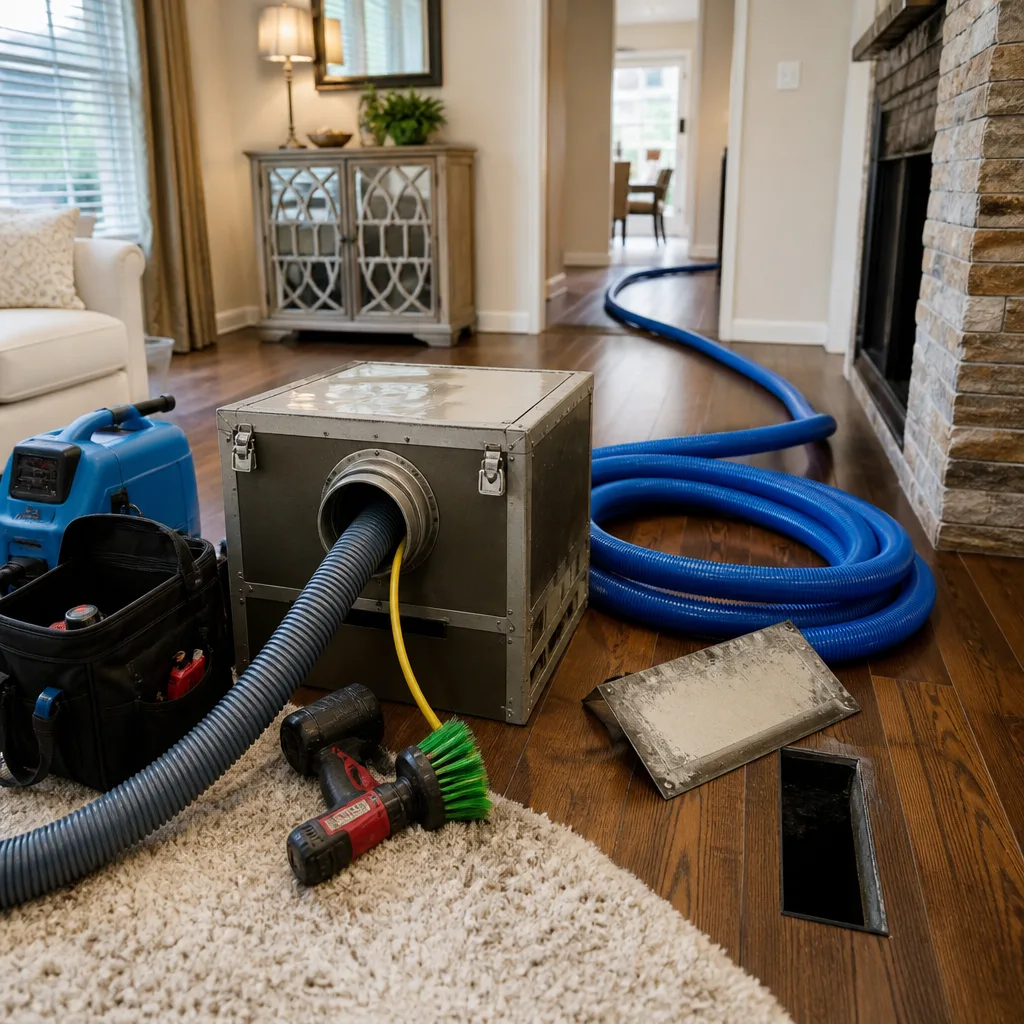
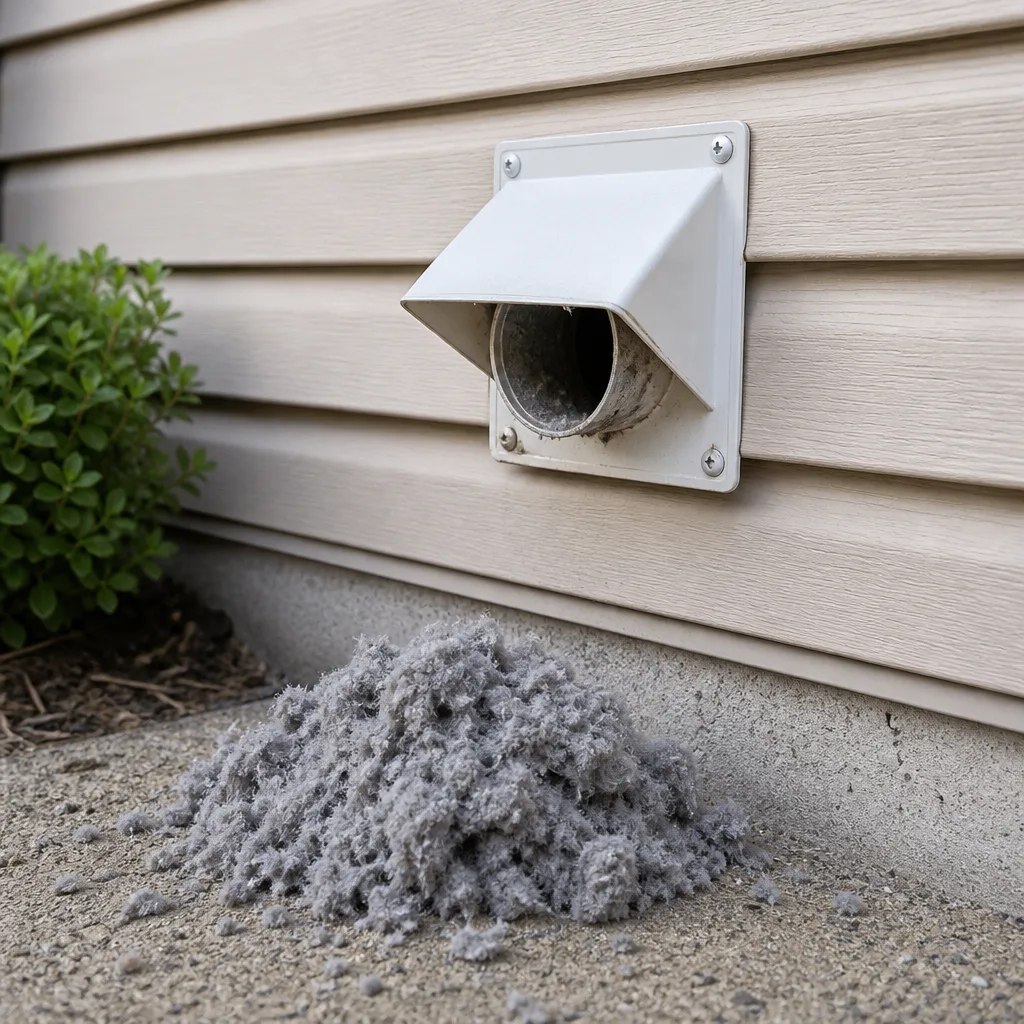
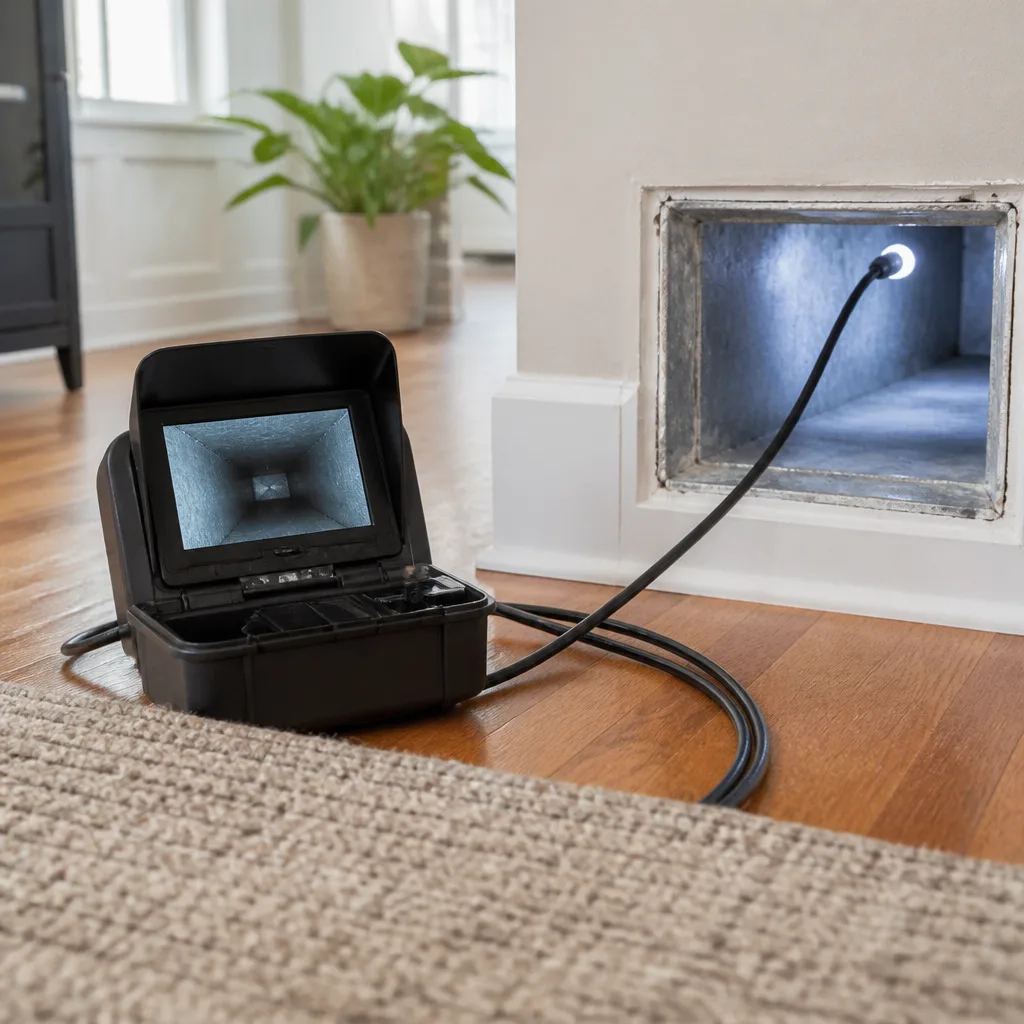
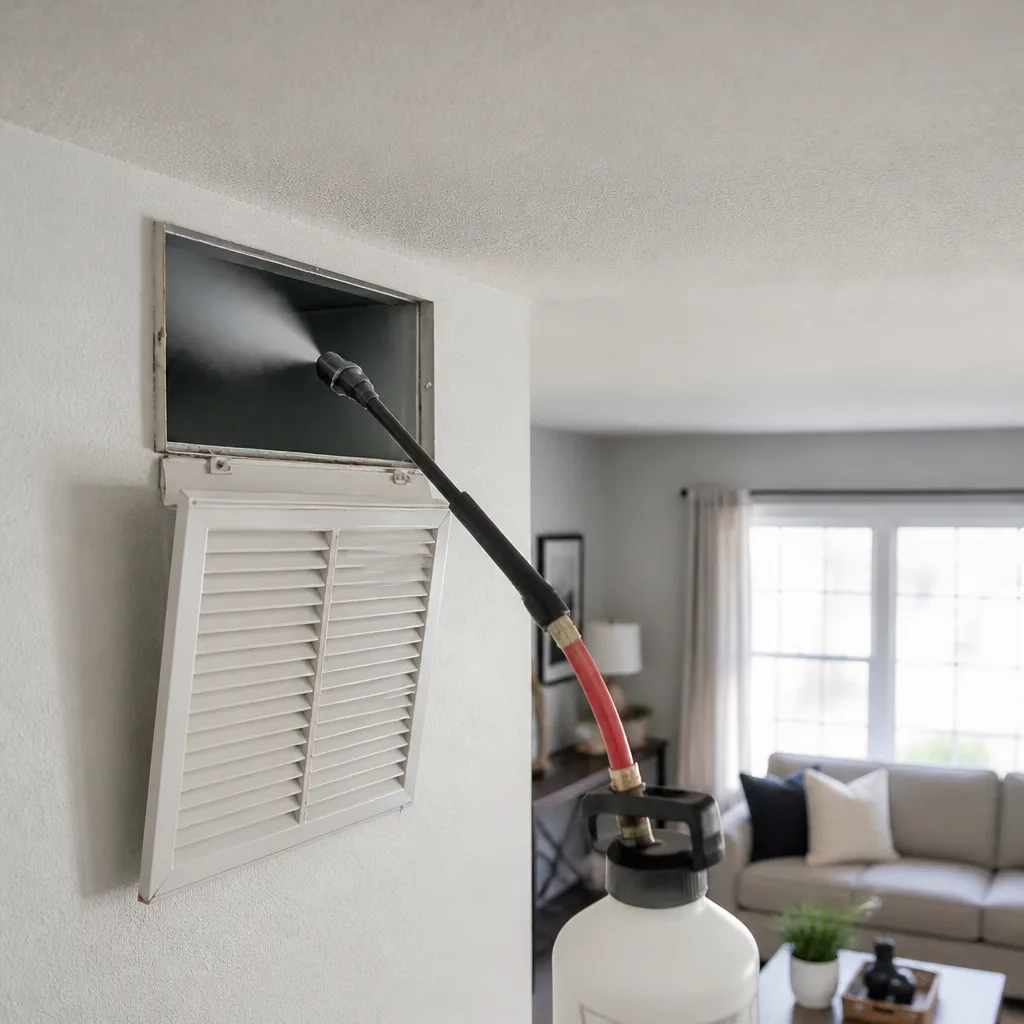
Whole-system duct and dryer vent check with before-and-after photos - you see exactly what came out of your vents
That "$99 whole-house special" is a bait ad - the real number appears once they are in your hallway, or the "clean" is a shop-vac at the register. We photograph the inside of your ducts before and after instead.
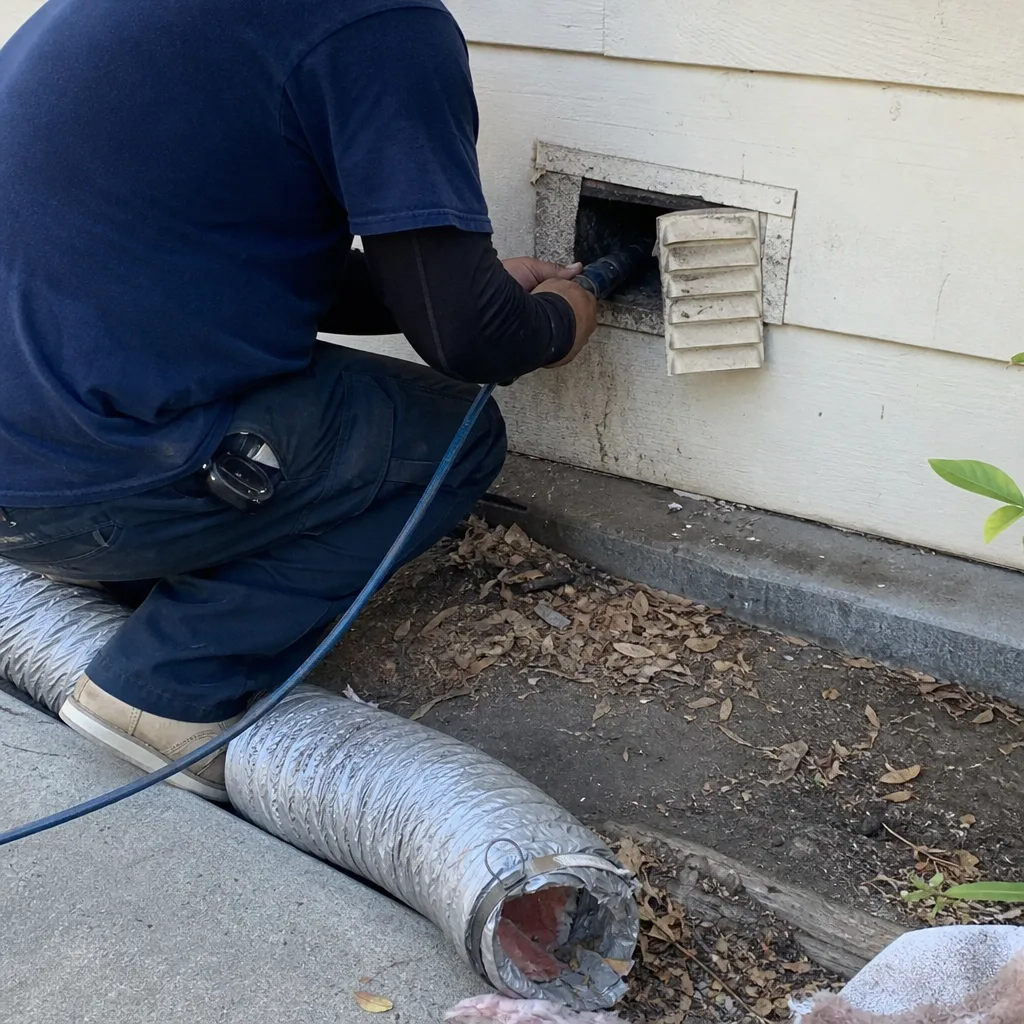 Before
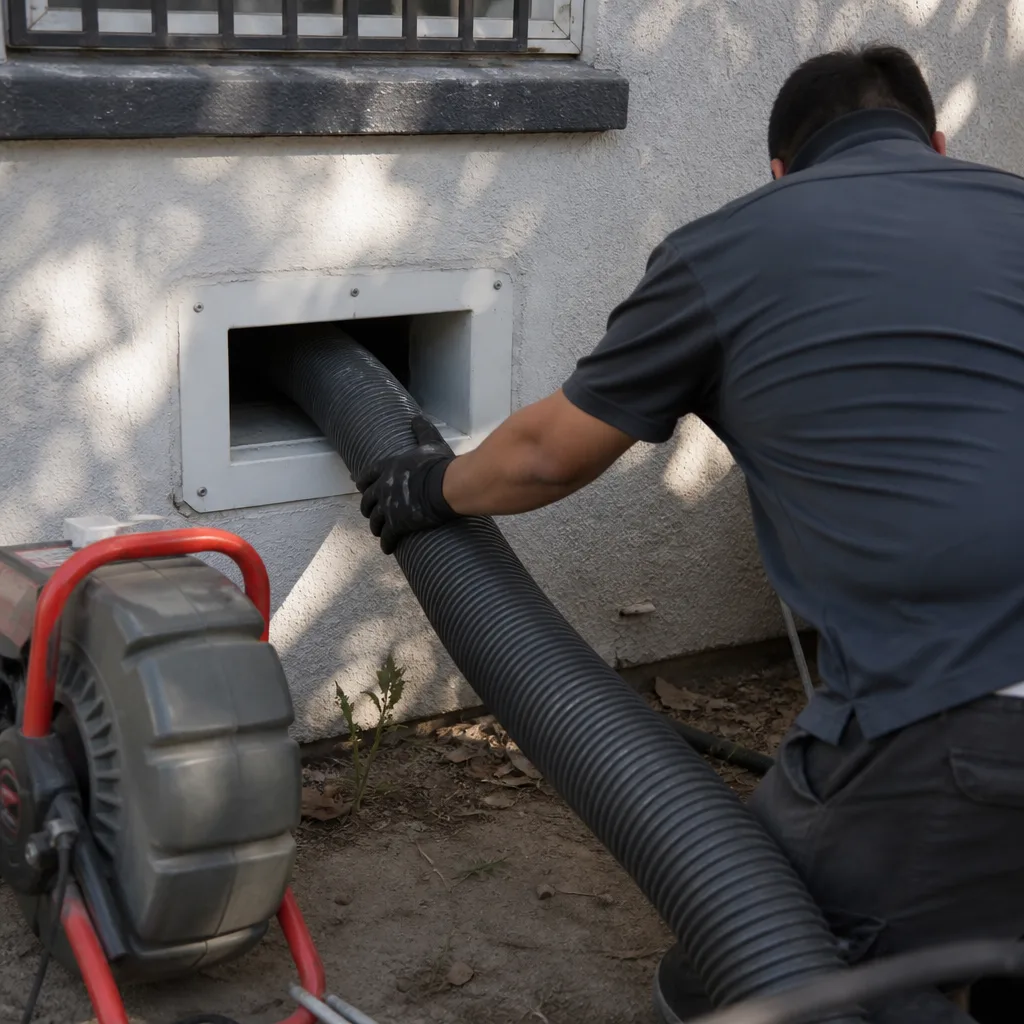 After
After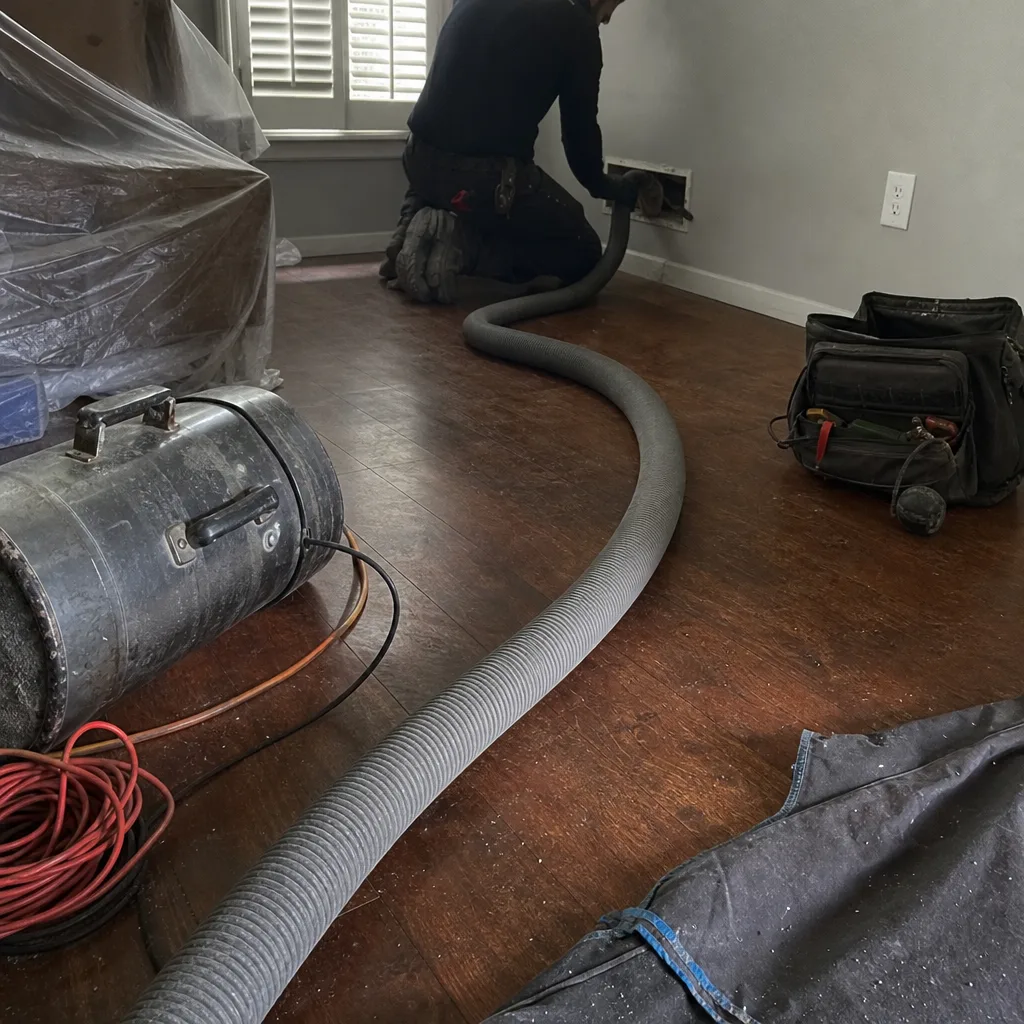 Before
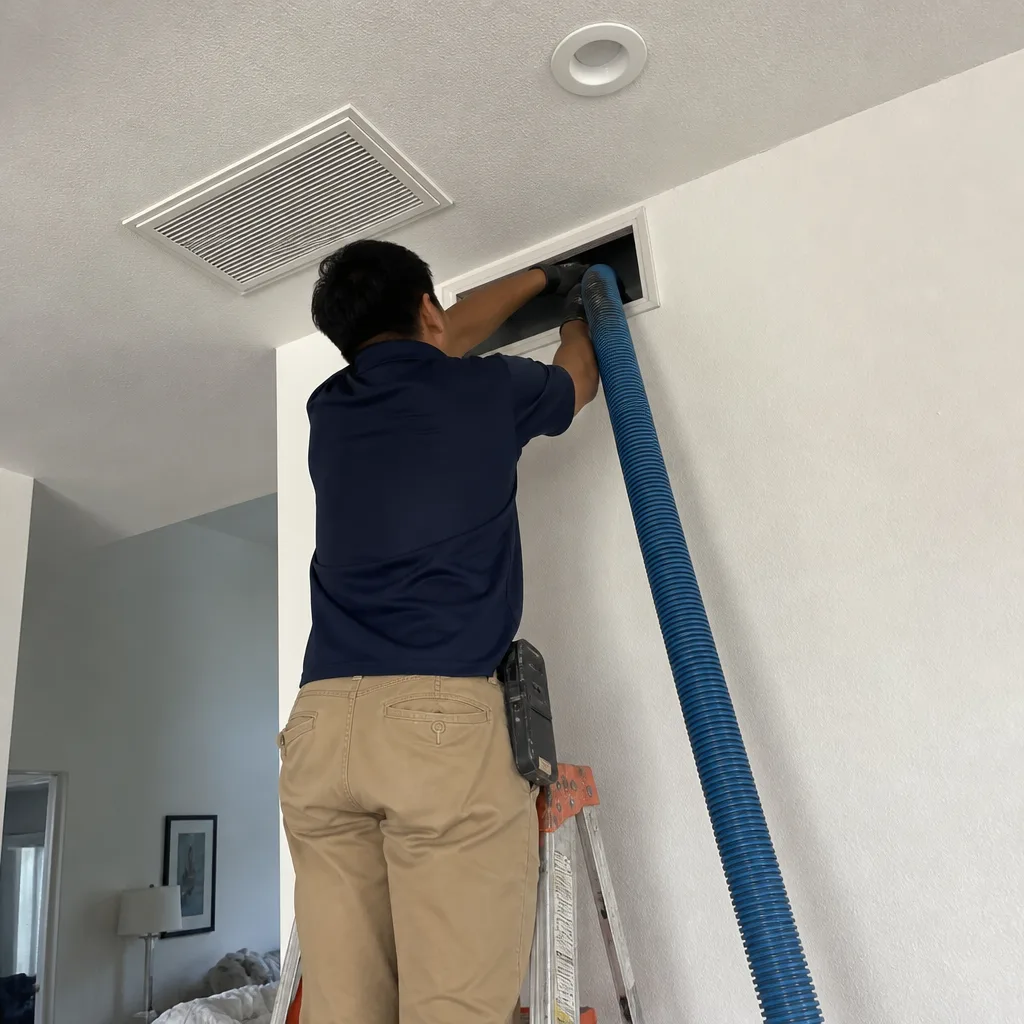 After
After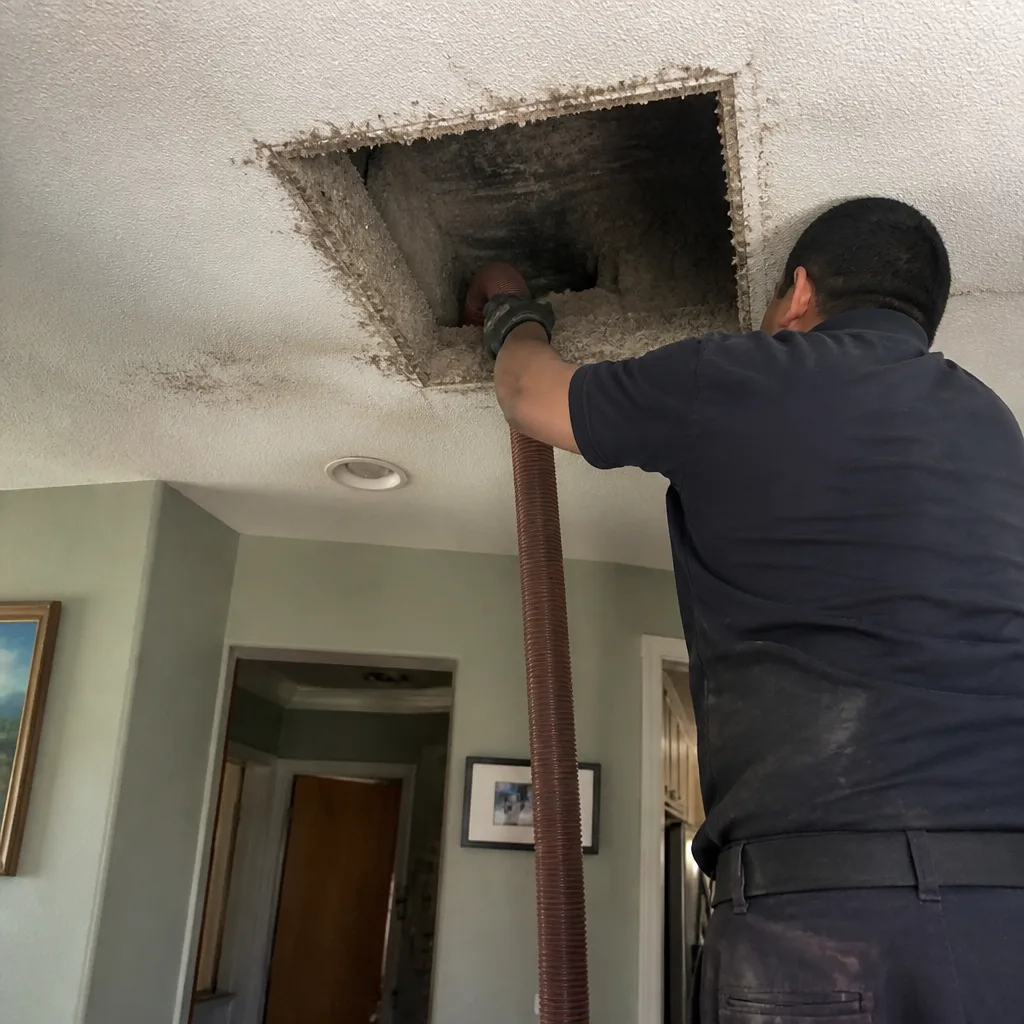 Before
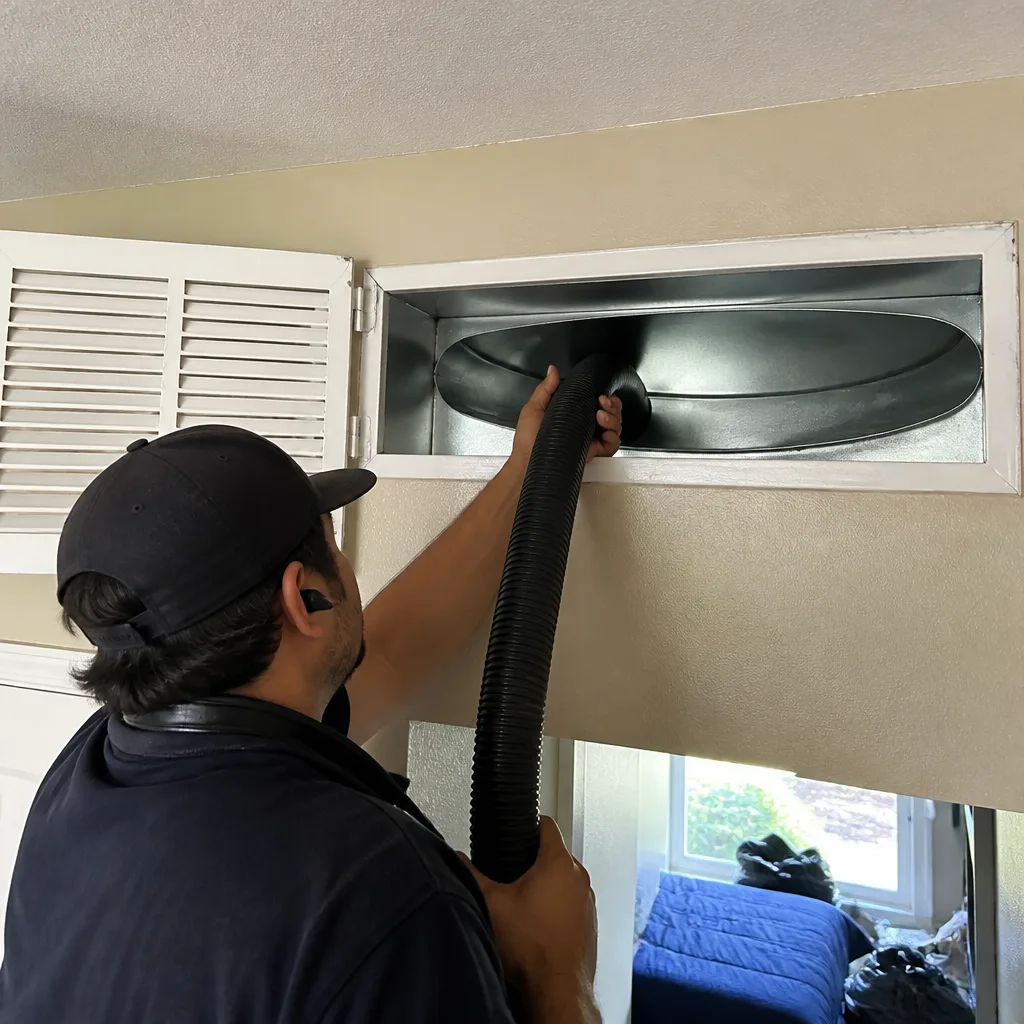 After
AfterHoneywell Coil Cleaning: The Los Angeles Owner’s Guide
If your Honeywell evaporator coil is caked with dust, pet hair, and that gray fuzz L.A. air loves to push through return grilles, here’s the straight answer: we stock Honeywell-compatible coil cleaning parts on our trucks, and a full evaporator coil cleaning on a typical Los Angeles home runs $285 – $490 installed. The job usually takes 90 minutes to two hours, and we can often schedule it within a few days of your call.
Most owners find out their coil needs attention the same way: the AC blows, but it’s not cold. Or the system short-cycles in August and the electric bill climbs while the house stays warm. Omar Haddad, our owner and lead technician, sees it all the time in neighborhoods from Sherman Oaks to Glendale. The coil isn’t a part that “fails” loudly, like a capacitor or a blower motor. It fails quietly, one layer of grime at a time, until your system works twice as hard to move half the air.
Which Honeywell Models This Applies To
Honeywell doesn’t make evaporator coils as a standalone consumer product line the way it makes thermostats and zoning panels. So let’s be clear about what we clean: if your system has a Honeywell-branded thermostat or zoning board, the coil itself is typically a Carrier, Trane, Lennox, or Rheem unit sitting inside the air handler. The Honeywell part of the equation is the control side, and a dirty coil makes those controls work against you.
For Honeywell whole-home humidifiers and media air cleaners (the HE series and the F300 electronic air cleaner line), the coil-adjacent components we service are Honeywell through and through. The F300’s pre-filter and electronic cells trap airborne particles before they reach the coil; when those cells go unwashed, the coil downstream takes the hit. A common compatibility gotcha: the Honeywell F300’s electronic cell spacing is specific to that cabinet, and runnning it with a bent cell frame lets unfiltered air bypass straight to the coil face. We see this in Los Angeles homes where the filter slot gets neglected between service visits.
OEM versus aftermarket for coil cleaning itself isn’t a parts decision, it’s a chemical and method decision. We use professional-grade evaporator coil cleaners that are aluminum-safe and approved for split-system coils, not the foamy orange spray from the hardware store that etches fins if left on too long.
Signs Your Honeywell Coil Cleaning Is Failing
- Warm air at the vents even with the thermostat set low. The coil is insulated by a layer of debris, so it can’t absorb heat from the air passing over it. Your compressor is running full tilt; the air just never gets cold.
- Short cycling on hot afternoons. In Los Angeles heat, a blocked coil causes the system to trip its high-pressure limit switch. It shuts down, waits, restarts, and shuts down again. That on-off-on-off pattern is the coil’s cry for help.
- Ice forming on the indoor coil or refrigerant lines. A dirty coil restricts airflow so much that the coil itself drops below freezing. The ice makes airflow even worse. This is a vicious cycle that can destroy the compressor if left alone.
- A musty, sour smell from the vents when the fan runs. L.A.’s coastal humidity plus organic debris sitting on a cool, wet coil equals mold and bacterial growth. It doesn’t just smell; it’s pumping that into every room.
- Water pooling around the indoor unit or a dripping overflow pan. The condensate that forms on a dirty coil carries dirt with it, and that sludge clogs the drain line. In Los Angeles ranch homes with horizontal air handlers in the attic, this can mean a ceiling stain before anyone notices.
Replacement Cost & What’s Included
For a Honeywell F300 electronic air cleaner cell cleaning paired with an evaporator coil cleaning, Los Angeles owners typically pay between $285 and $490. Here’s what shapes the range:
- Access difficulty. A coil in a hall closet is a quick job. A horizontal coil in a tight attic with no walkway is more labor, and that’s reflected in the price.
- Coil condition. A coil with light surface dust cleans fast. A coil with years of hardened pet hair and cigarette residue needs a longer dwell time for the cleaner and more rinse passes.
- F300 cell condition. If the Honeywell electronic cells are heavily coated, they need a soak and careful hand-washing. Bent plates get straightened. Cracked insulator mounts are flagged for replacement, with the price quoted before we order anything.
Every job includes a written price before we touch anything, and the work is backed by the 365-Day Done Right Promise. If the coil isn’t clean or the airflow problem comes back within a year, we return and correct it at no charge. That’s a full year, not a 30-day warranty with fine print.
DIY or Call Us?
Here’s the honest split. There are things you can check yourself: is the filter installed correctly, and when was it last replaced? Can you see the coil through the access panel, and does it look hairy? In a Los Angeles home with pets, a filter that looks like a vintage shag carpet means the coil behind it is worse. That alone will tell you whether you need professional cleaning.
Here’s where DIY goes wrong. Evaporator coil cleaning means opening the air handler, working around electrical connections, and using chemicals that can damage aluminum fins or your skin if handled carelessly. A foaming cleaner left too long etches the fins and reduces the coil’s efficiency permanently. The coil is also under refrigerant pressure; you’re not just wiping a dirty surface, you’re working around sealed refrigerant lines that should only be disturbed by someone who knows what a pressure gauge is telling them. If you’re not sure, call (737) 727-2314 and we’ll give you a straight answer about what your system actually needs.
FAQs
Every two to three years in most Los Angeles homes, and every year if you have shedding pets, leave windows open often, or live near a busy boulevard where fine particulate loads are higher. If your home has a Honeywell F300 air cleaner, the cells should be washed every three to six months regardless.
No repair is needed if the coil is simply dirty; that’s a cleaning job, not a parts job. But if the coil has pinhole leaks from corrosion or a blockage in the refrigerant circuit, that’s a replacement scenario. We’ll tell you which one you have before any work is approved. Call (737) 727-2314 for an exact assessment.
Ninety minutes to two hours for a standard split-system evaporator coil, including setting up containment, applying the cleaner, rinsing, and re-checking airflow and temperature drop before we leave. If the Honeywell F300 cells need deep cleaning too, add about 30 minutes.
Yes. Our vans carry aluminum-safe evaporator coil cleaner, fin combs, condensate line brushes, and Honeywell F300 compatible replacement prefilters and cells for the most common cabinet sizes. If you need a specific Honeywell part we don’t have onboard, we can source it and return to install it, usually within a few days. Call (737) 727-2314 and we’ll confirm what’s in stock for your model.
Written by Omar Haddad, Owner & Lead Technician, Cardinal Air Duct Cleaning at Cardinal Air Duct Cleaning, serving Los Angeles and nearby areas.