
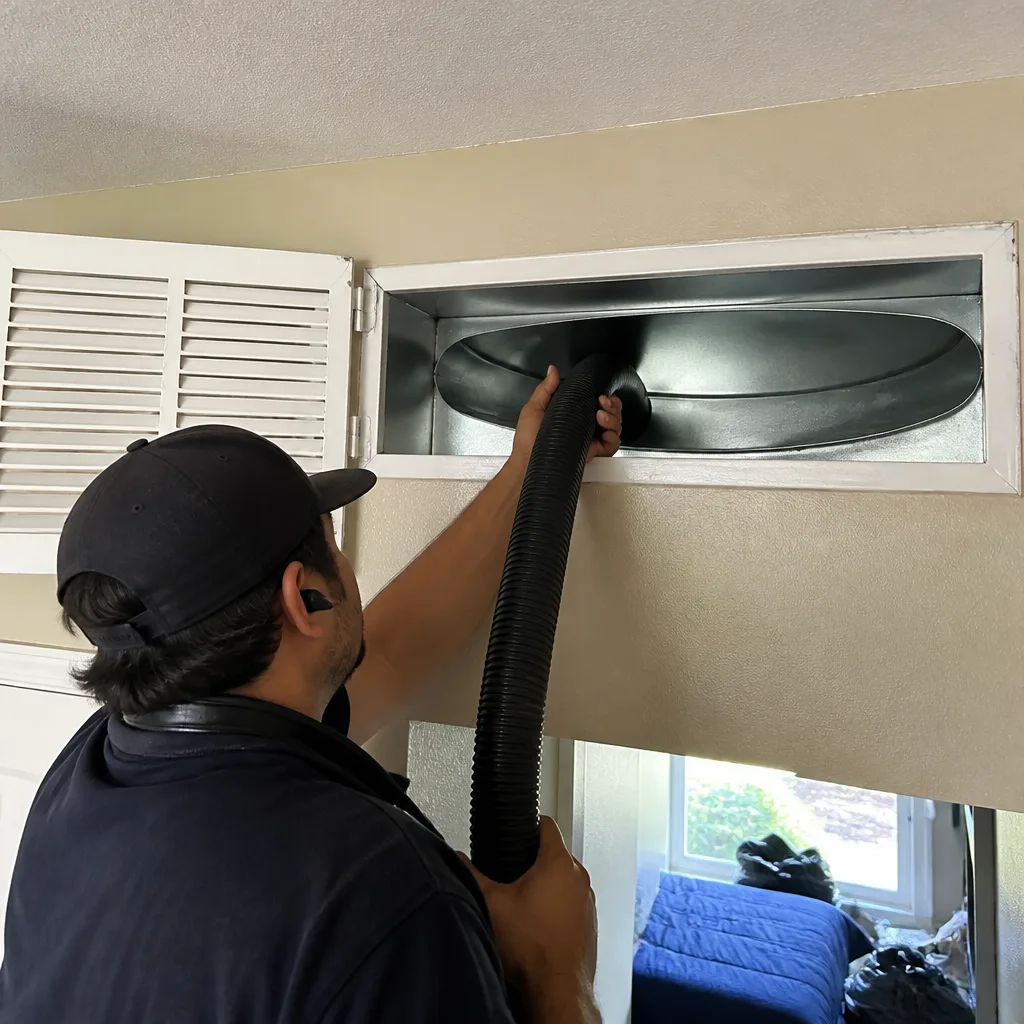
Whole-system duct and dryer vent check with before-and-after photos - you see exactly what came out of your vents
That "$99 whole-house special" is a bait ad - the real number appears once they are in your hallway, or the "clean" is a shop-vac at the register. We photograph the inside of your ducts before and after instead.
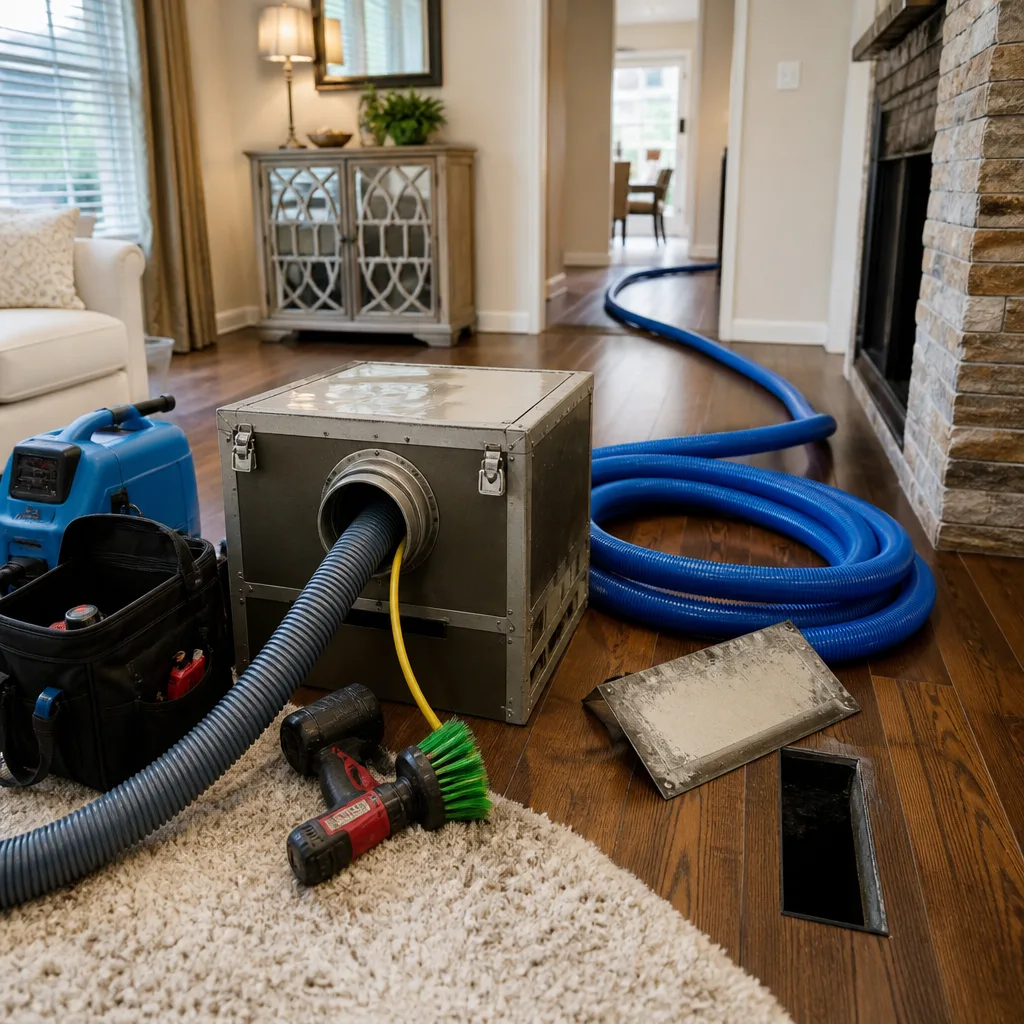
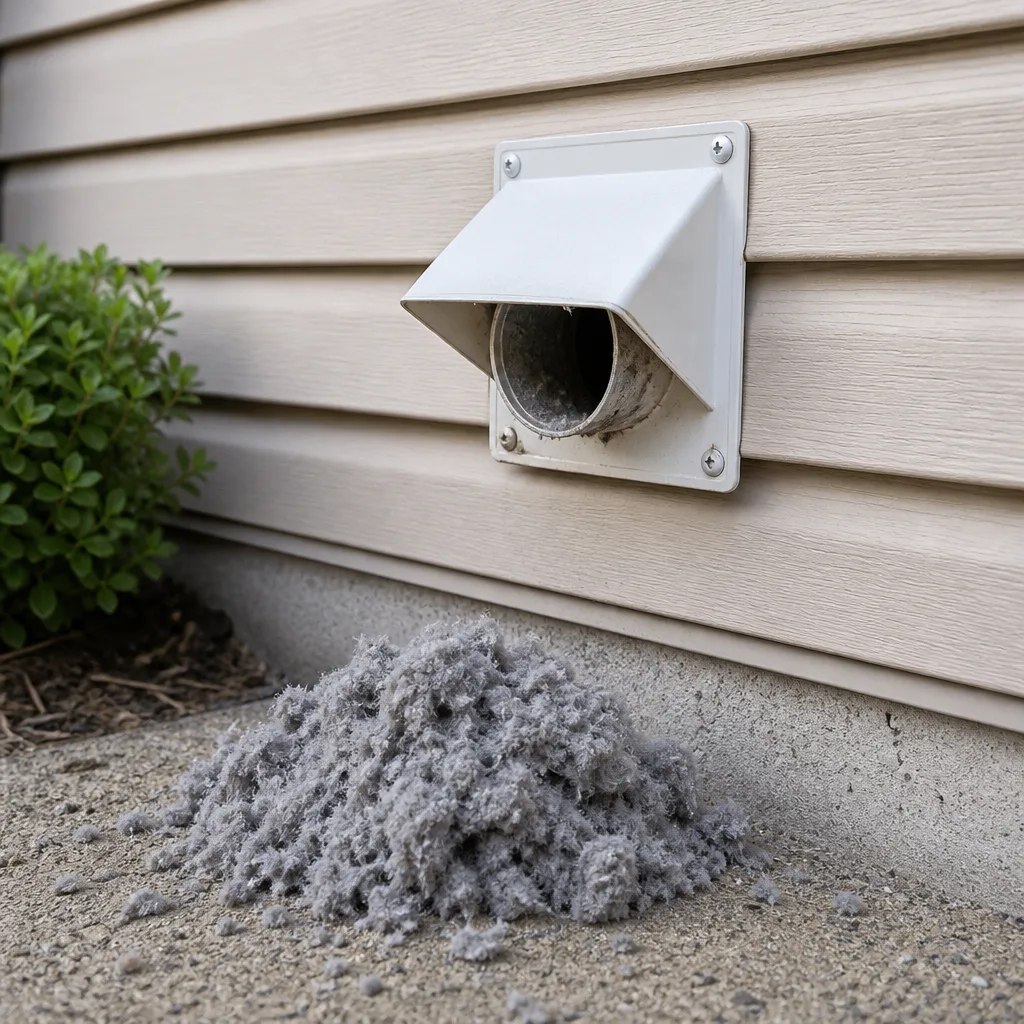
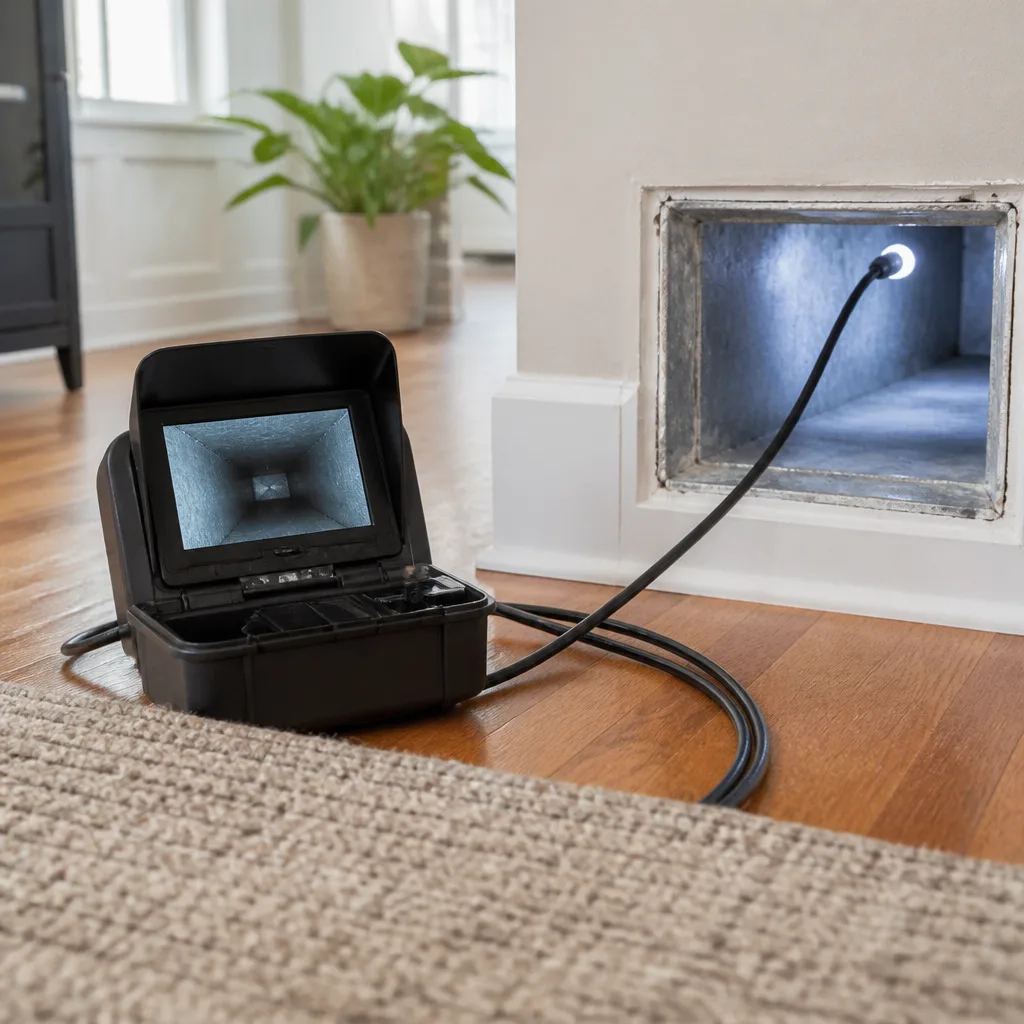
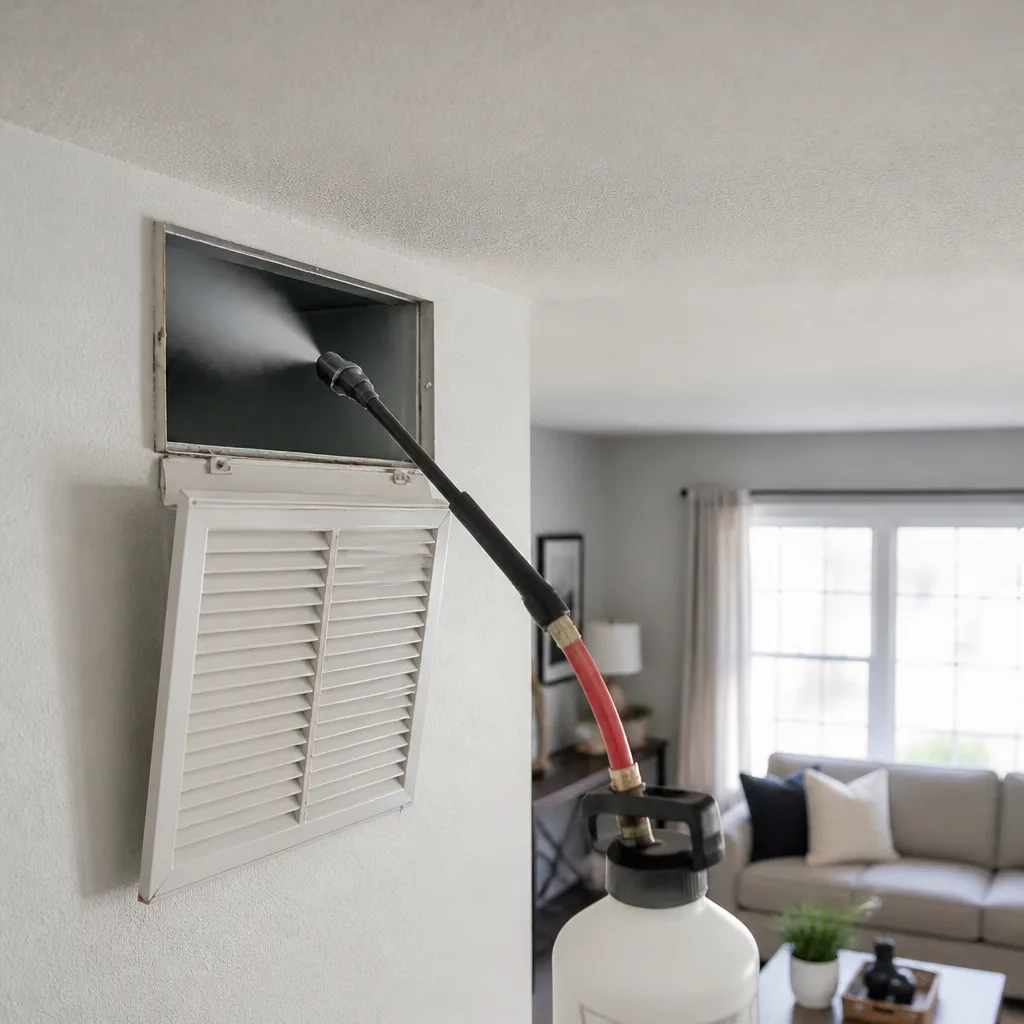
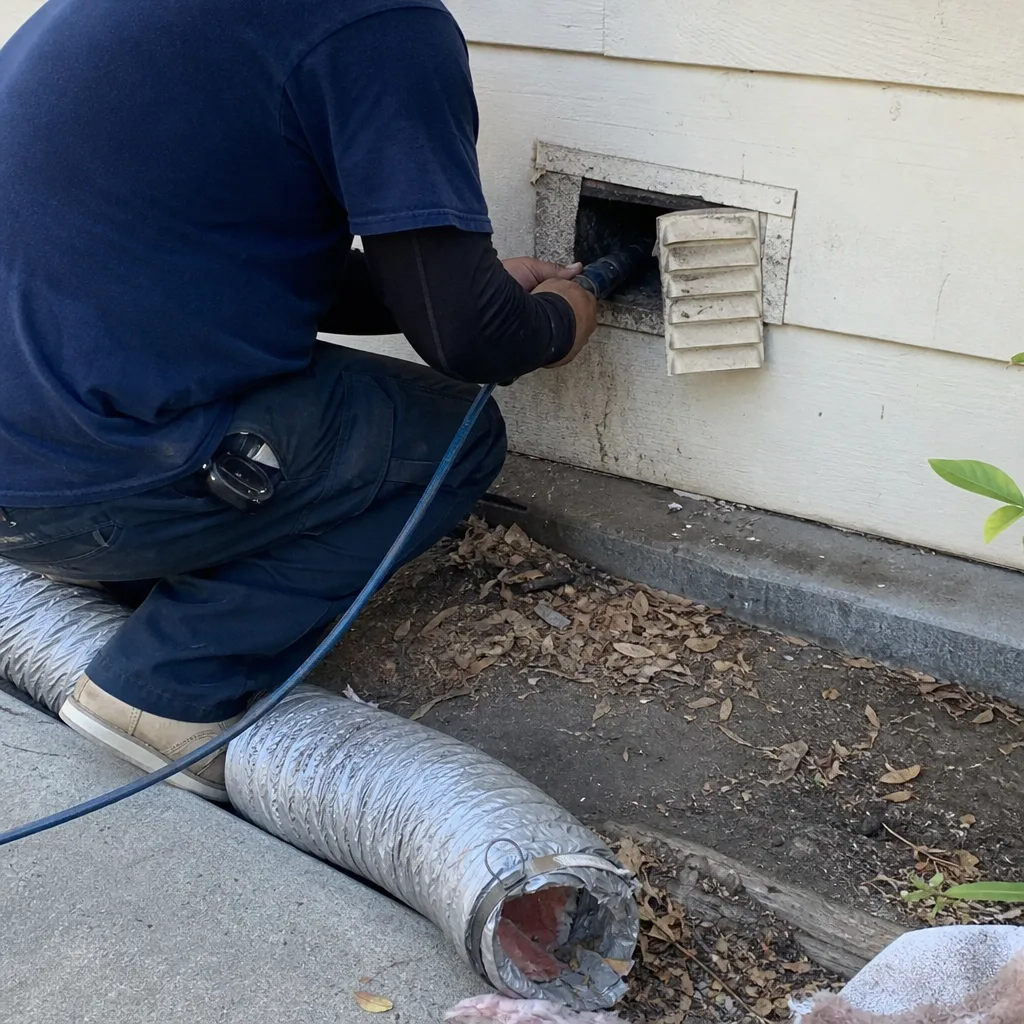 Before
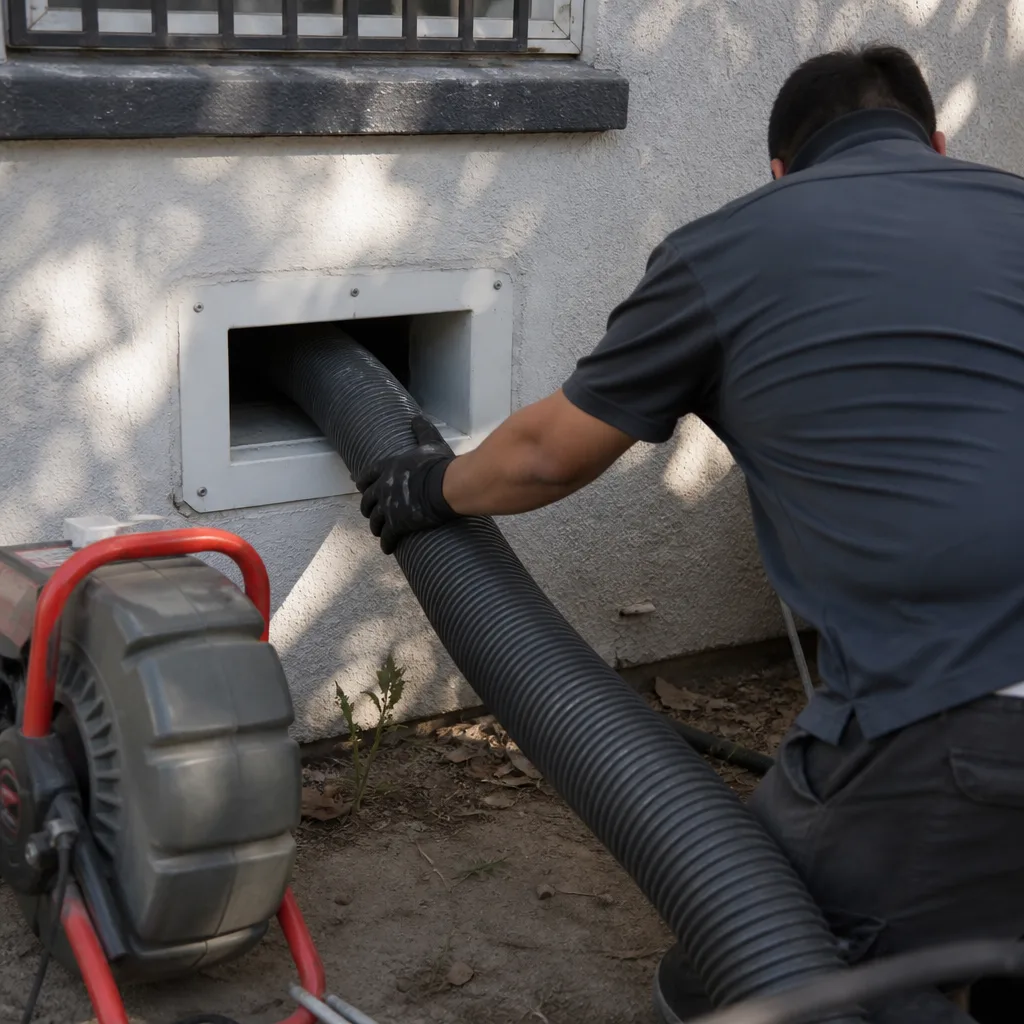 After
After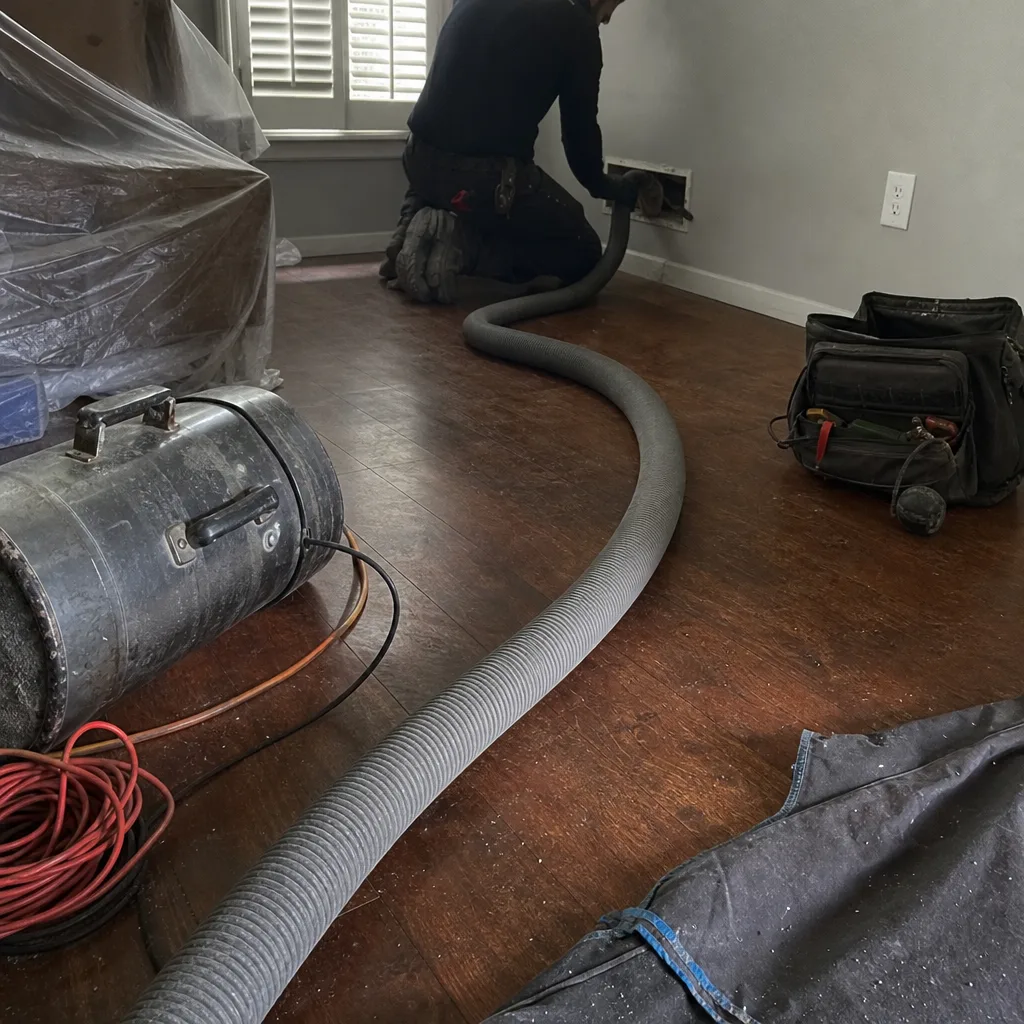 Before
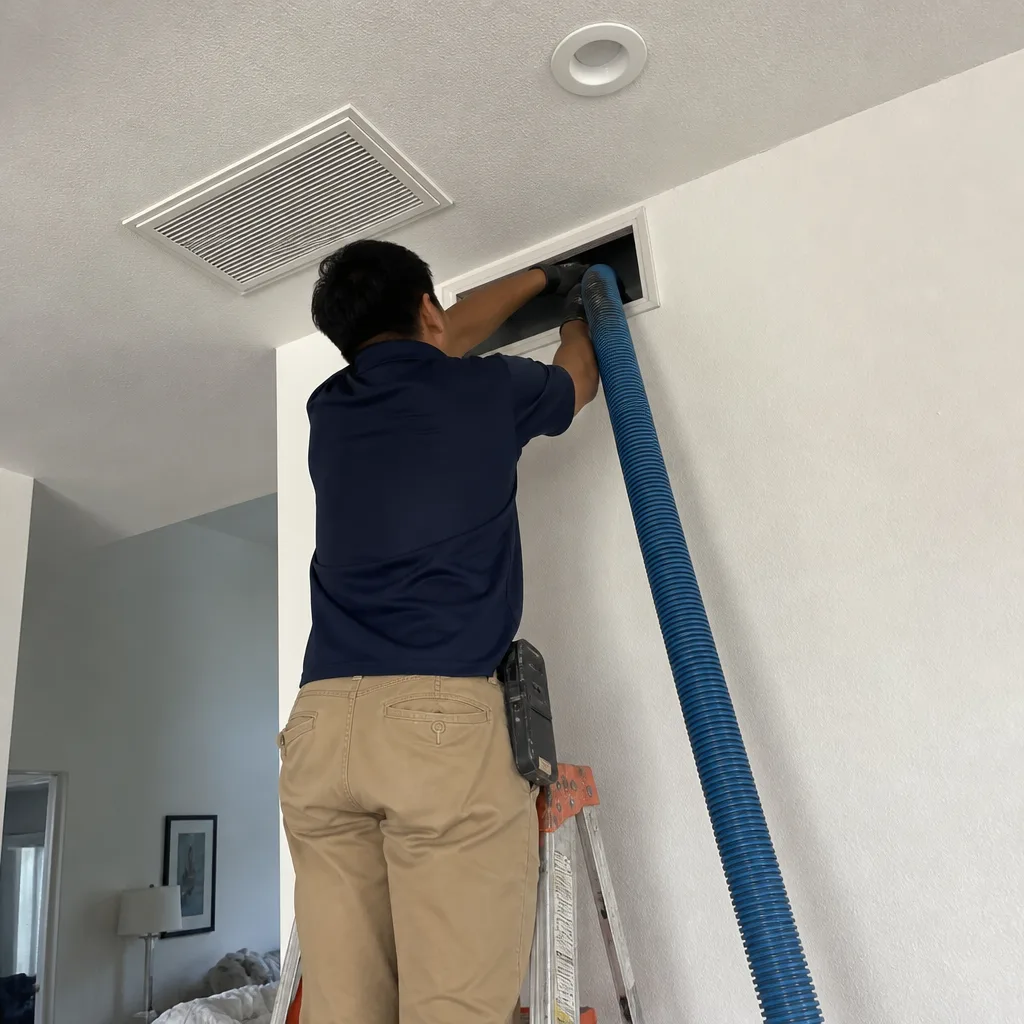 After
After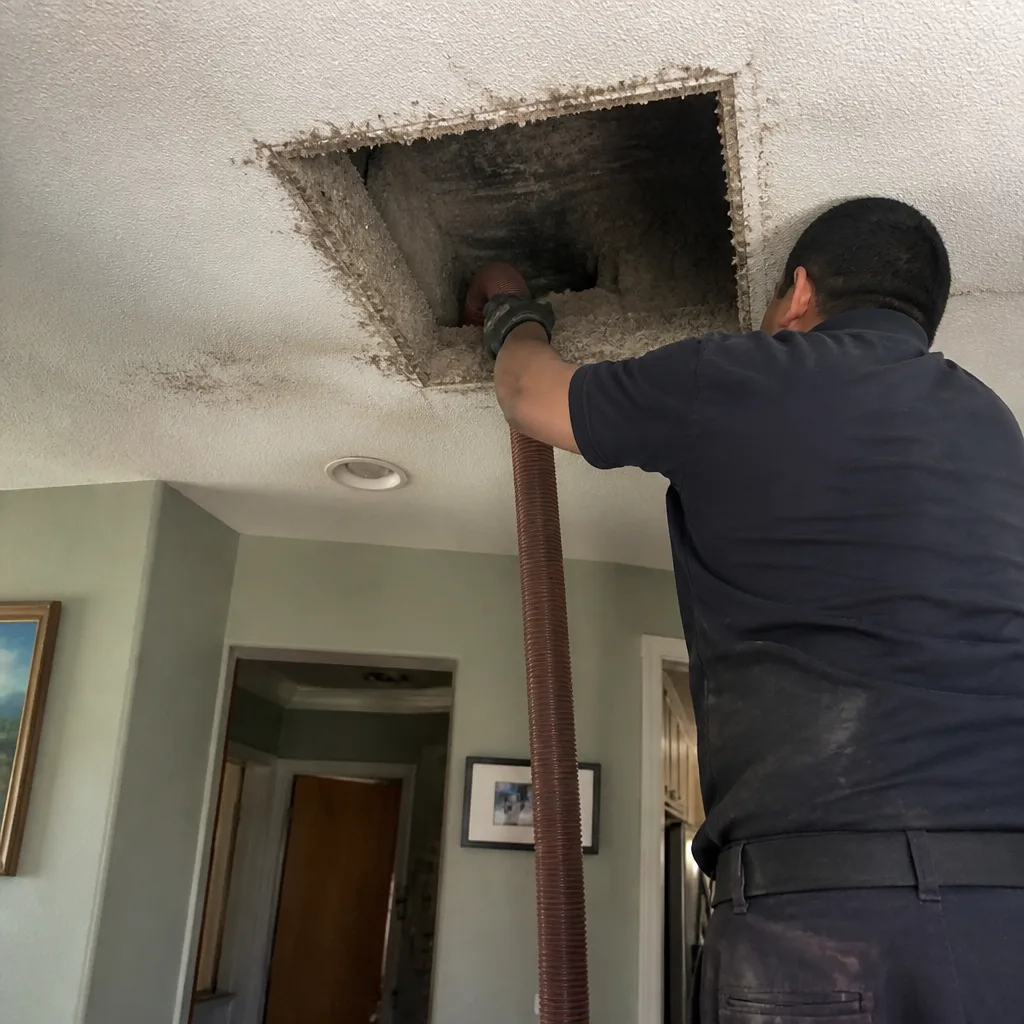 Before
 After
AfterHoneywell Duct Sealing & Repair: The Los Angeles Owner’s Guide
We stock and install Honeywell-compatible duct sealing and repair components across Los Angeles, with most jobs running between $350 and $850 installed depending on your system’s configuration and the extent of the damage. Most failures show up the same way: you notice a room that never quite reaches the temperature you set, or you smell dust whenever the blower kicks on, or your utility bill creeps up month over month without a change in usage. Those are the classic signs that conditioned air is leaking into your attic or crawlspace instead of reaching your living room.
Honeywell duct sealing products are built to handle the temperature swings and air velocity of a central HVAC system, but like every mechanical component, they have a lifespan. In Los Angeles, where we run air conditioning six to eight months out of the year, that lifespan tends to be shorter than the manufacturer’s optimistic average because the system cycles more frequently. The good news is that replacement is straightforward when you work with a company that stocks the right parts and does the job with proper source-removal equipment first.
Key Takeaways:
- Honeywell duct sealing and repair in Los Angeles typically costs $350 – $850 installed
- We carry OEM and quality aftermarket Honeywell-compatible sealing materials on our trucks
- Most repairs are completed in a single visit lasting 2 – 4 hours
- Every job includes a written price before work begins and our 365-Day Done Right Promise
Which Honeywell Models This Applies To
Honeywell manufactures duct sealing products that work across most residential central air systems, including their TrueZONE damper assemblies, HZ series zone control panels, and the expanding line of aftermarket duct mastic and tape products they distribute through HVAC supply houses. The compatibility gotcha most Los Angeles homeowners run into is this: Honeywell’s older TrueZONE systems from the late 2000s use a different damper seal material than the current generation, and the two are not interchangeable, even though the damper housings look nearly identical at a glance.
Here’s what we check to match the right part: the model number stamped on the zone control panel, the date code on the damper motor (it’s a four-digit code, first two digits are the year), and whether your system uses round or rectangular duct runs at the sealing points. If you have the paperwork from your original install, great. If not, our technicians can identify what you have in about ten minutes. OEM Honeywell seals are still our first choice because the material spec matches what the system was engineered for, but there are two aftermarket equivalents we’ve tested extensively and will confidently install when OEM is backordered: the International Aire line and certain SKUs from Hardcast. Both perform well in Los Angeles heat and dry air, and both come with a material warranty that’s within a year of OEM coverage.
One more thing worth knowing: Cardinal Air Duct Cleaning is an independent service provider. We’re not affiliated with Honeywell, and we don’t present ourselves as a factory-authorized shop. We stock and install their components because they’re good products and our customers ask for them by name.
Signs Your Honeywell Duct Sealing & Repair Is Failing
Most homeowners don’t discover a duct sealing problem until it’s been failing for a while. Here are the symptoms we hear about most often on service calls across Los Angeles:
- One room is always five degrees off. Whether it’s a bedroom in Encino or a bonus room in Silver Lake, the cause is usually the same: a damper seal that’s lost its integrity and is letting conditioned air slip past even when the damper is supposed to be closed.
- Dusty smell when the blower starts. A compromised duct seal pulls attic air (and whatever’s in it: insulation fibers, dust, the occasional rodent deposit) directly into the airstream. This is also a red flag for indoor air quality beyond just comfort.
- Audible whistling or hissing near registers. Air finding an escape route through a failing seal creates turbulence and noise. It’s most noticeable at night when the house is quiet and the system cycles on.
- Your energy bill climbs while your comfort drops. A residential system leaking 20 – 30% of its conditioned air into an attic is working harder and running longer to hit the same setpoint. In a Los Angeles summer, that translates to real money, not a rounding error.
- Zones that used to work independently now heat and cool together. If your TrueZONE system used to keep the upstairs cool while the downstairs stayed warmer, and now every room changes temperature at the same time regardless of zone settings, you’re almost certainly looking at seal failure at the damper level.
If any of these sound familiar, the right move is a duct inspection with photographic documentation, not a guess.
Replacement Cost & What’s Included
The honest range for Honeywell duct sealing and repair in Los Angeles looks like this:
- Single damper seal replacement: $350 – $500, including parts, labor, and verification
- Multi-zone seal replacement (2 – 3 dampers): $500 – $750, depending on damper size and access
- Full system reseal with duct cleaning: $600 – $850, including source-removal cleaning before sealing (which matters, because sealing over debris permanently locks it into the system if you skip it)
Your price depends on what you have installed, not on what the technician feels like charging when they arrive. We hand you a written price before any work starts, and that number does not move at the door. The written quote covers parts, labor, verification testing after the repair, and our documentation. Every repair also carries our 365-Day Done Right Promise: if the seal fails or the original symptom returns within a year, we come back and correct it at no charge. That’s a written guarantee on paper, not a verbal promise.
DIY or Call Us?
Here’s what you can safely do yourself: check your system’s zone control panel for error codes, feel around accessible duct joints for obvious air movement, and note which rooms are underperforming and when. That’s useful diagnostic information that helps us quote accurately. What you should not attempt as a DIY project: opening up duct runs to reseal them. The materials (duct mastic, foil tape, sealing compound) are accessible at any big-box store, but the work becomes dangerous quickly when it involves ladders in tight attic spaces, working around exposed electrical connections at the zone board, and handling sheet metal edges. We’ve also seen more than a few DIY seal jobs that ended up costing more to undo than the original repair would have cost.
Omar Haddad, our owner and lead technician, will tell you the same thing he tells his neighbors in Glendale: the diagnostic is free, the repair is honest, and if it’s not right, we’re back within the year. Call (737) 727-2314 and we’ll get you a real answer, not a sales pitch.
FAQs
In Los Angeles’s dry heat and with our long cooling season, expect 7 – 10 years from an OEM Honeywell damper seal before you start noticing performance degradation. Homes running systems year-round at high static pressure may see failures closer to the 5-year mark. The material degrades faster here than in coastal climates because the combination of heat, low humidity, and constant cycling accelerates the breakdown of the seal’s flexibility.
Sometimes, but not usually. If the failure is a seam separation at an accessible joint, a professional re-application of mastic and proper tape can restore the seal’s integrity. If the seal material itself has stiffened, cracked, or pulled away from the damper housing, patching is a temporary bandage that will fail again within a year or two. We’ll tell you which situation you have, and we’ll show you photos of the condition before we recommend anything.
Most single-zone seals take 2 – 3 hours from arrival to verification testing. A multi-zone job with two or three dampers typically runs 3 – 4 hours. You’ll know your technician’s name before they arrive, and they’ll arrive in uniform with the specific parts your system needs to be on the truck.
We stock the most common Honeywell TrueZONE damper seals, zone panel connectors, and sealing materials on our trucks, along with compatible aftermarket options. If your system uses an uncommon size or an older-generation component, we’ll typically have it within 1 – 2 business days through our local Los Angeles supply partners. We also work with Lennox, Trane, and Carrier systems, so we’re familiar with cross-brand compatibility questions. Call (737) 727-2314 with your model number and we can confirm availability before we even schedule the visit.
Call Cardinal Air Duct Cleaning for Honeywell Duct Sealing in Los Angeles
If your Honeywell system is showing any of the signs above, don’t wait until the middle of a Los Angeles heatwave to address it. We’ll confirm the diagnosis, hand you a written price before any work begins, and stand behind the repair for a full year. Clean ducts aren’t a luxury – in an L.A. summer, they’re just how your system breathes. Call (737) 727-2314 for a free estimate, and a live person will answer. Not a voicemail loop, not a call center. A person who can actually help.
Written by Omar Haddad, Owner & Lead Technician, Cardinal Air Duct Cleaning at Cardinal Air Duct Cleaning, serving Los Angeles and nearby areas.