
Whole-system duct and dryer vent check with before-and-after photos - you see exactly what came out of your vents
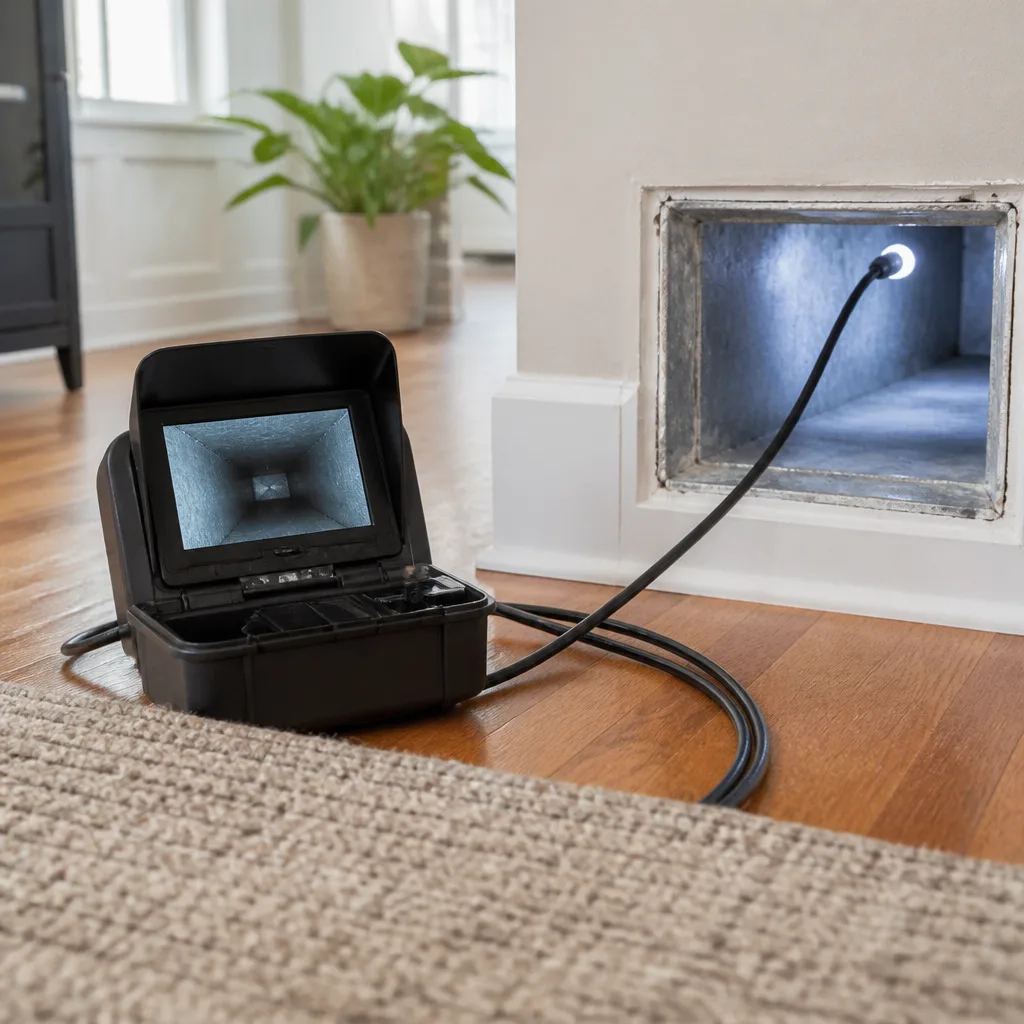
That "$99 whole-house special" is a bait ad - the real number appears once they are in your hallway, or the "clean" is a shop-vac at the register. We photograph the inside of your ducts before and after instead.
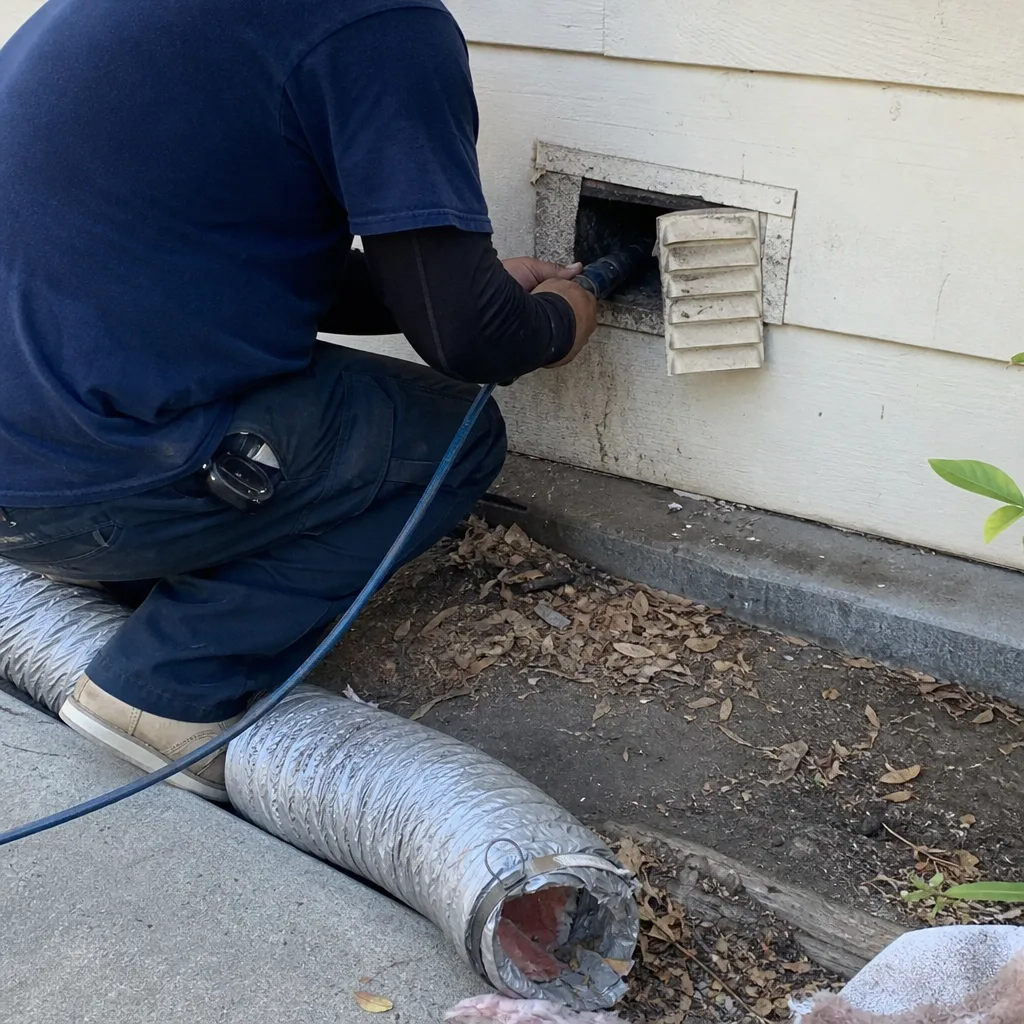 Before
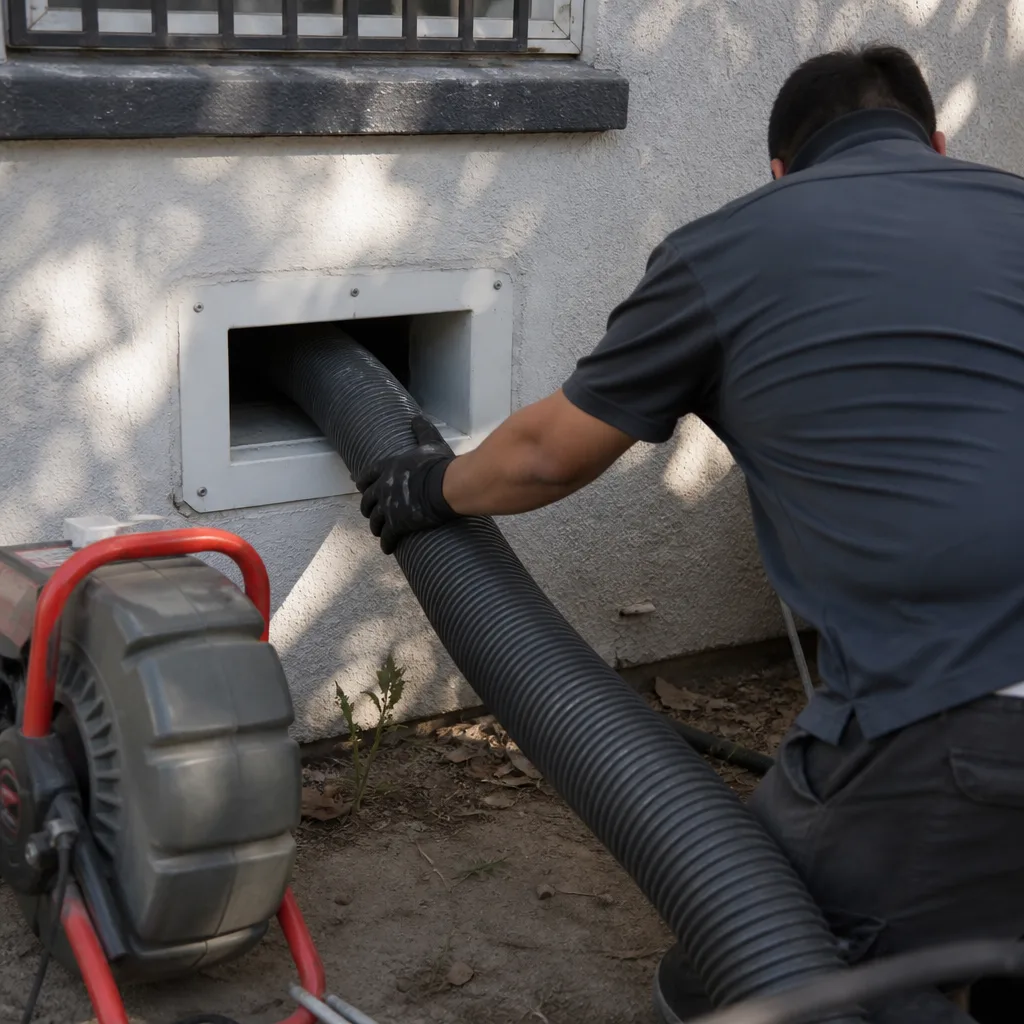 After
After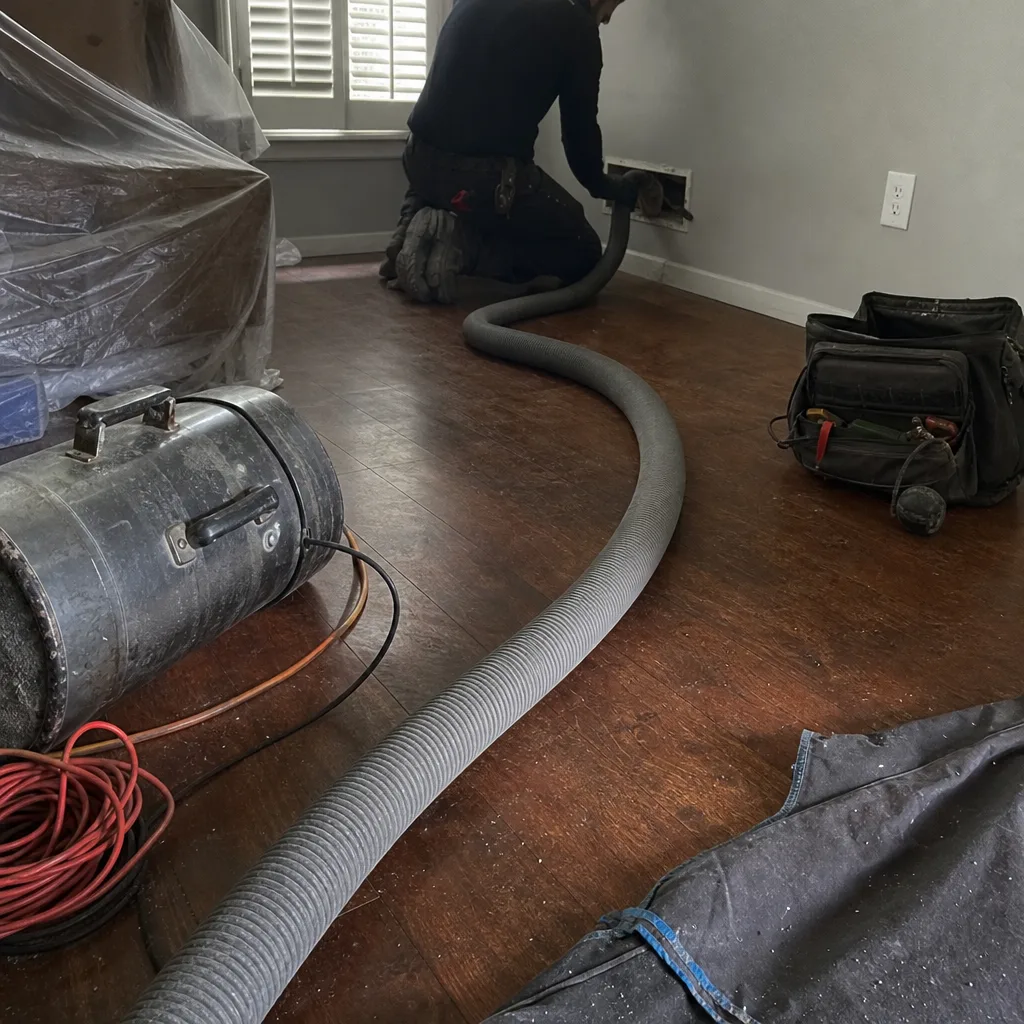 Before
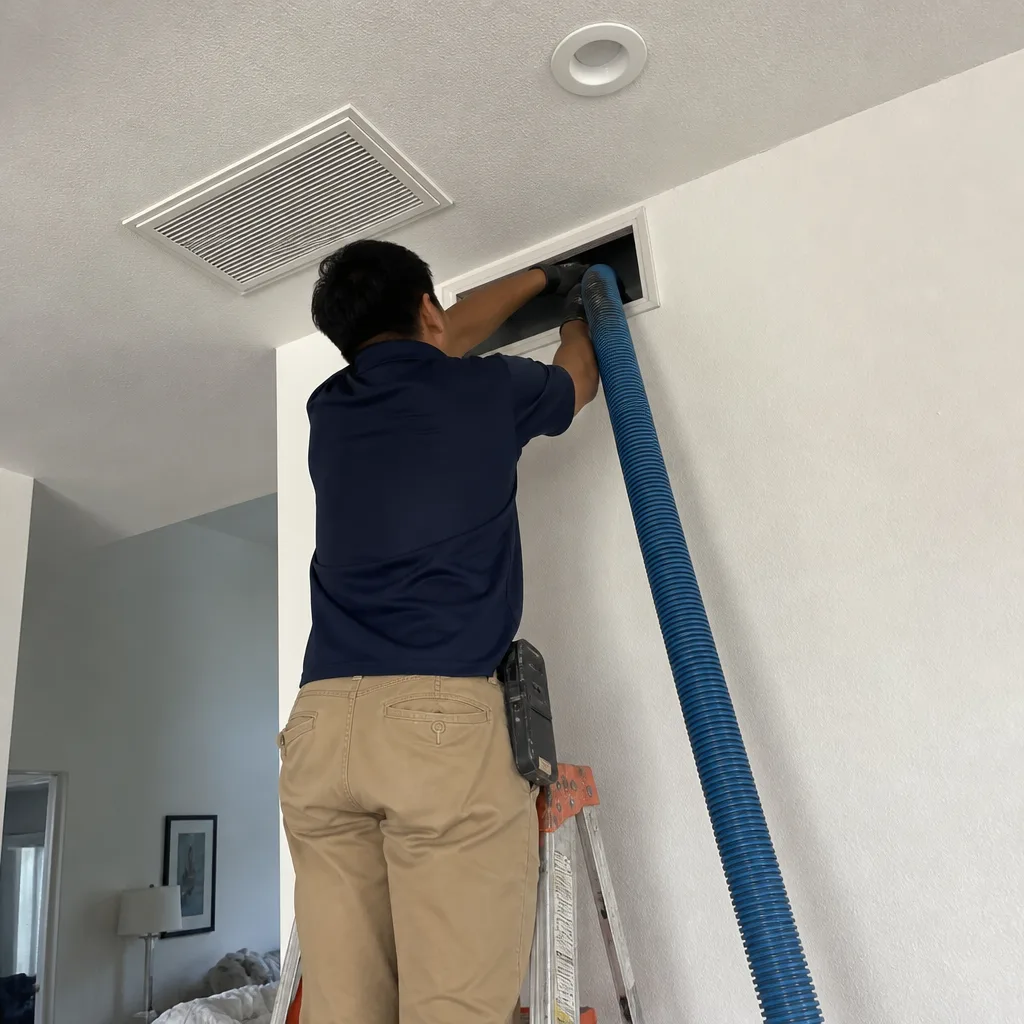 After
After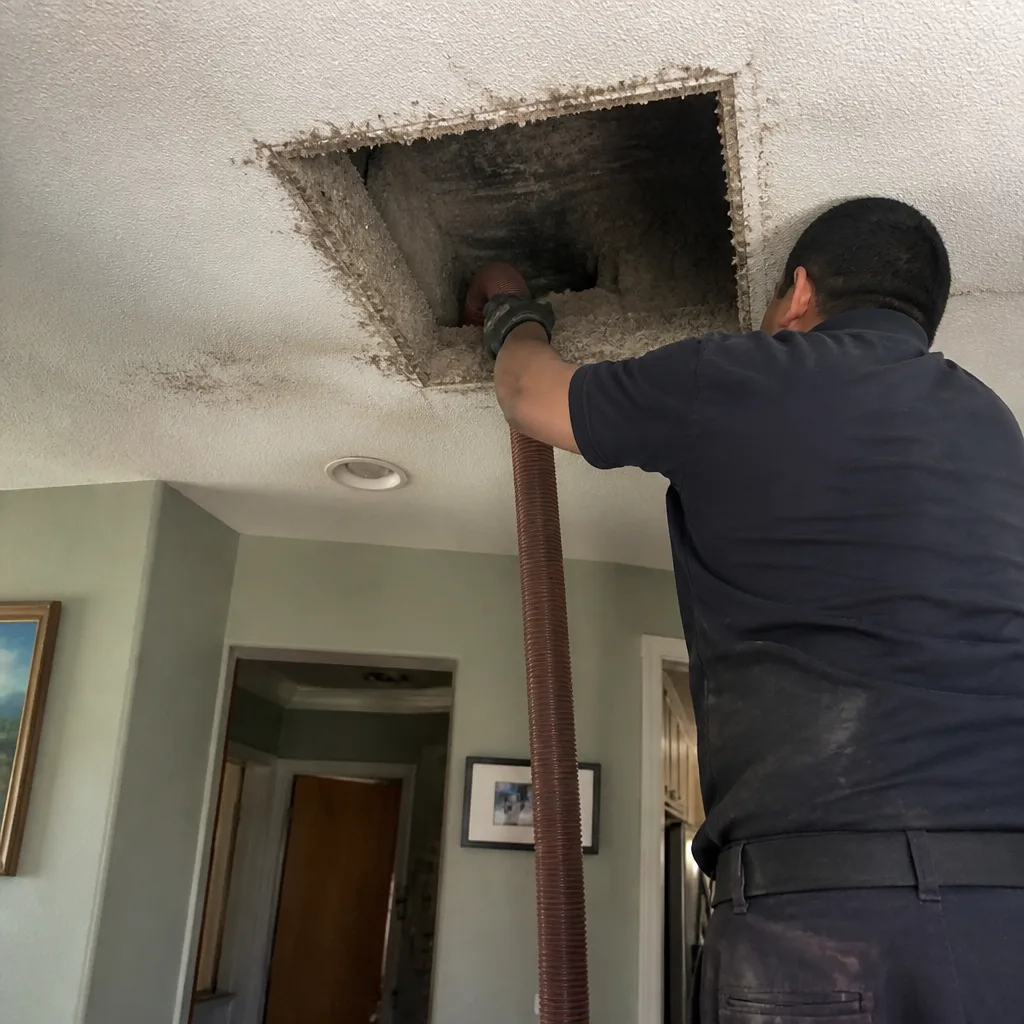 Before
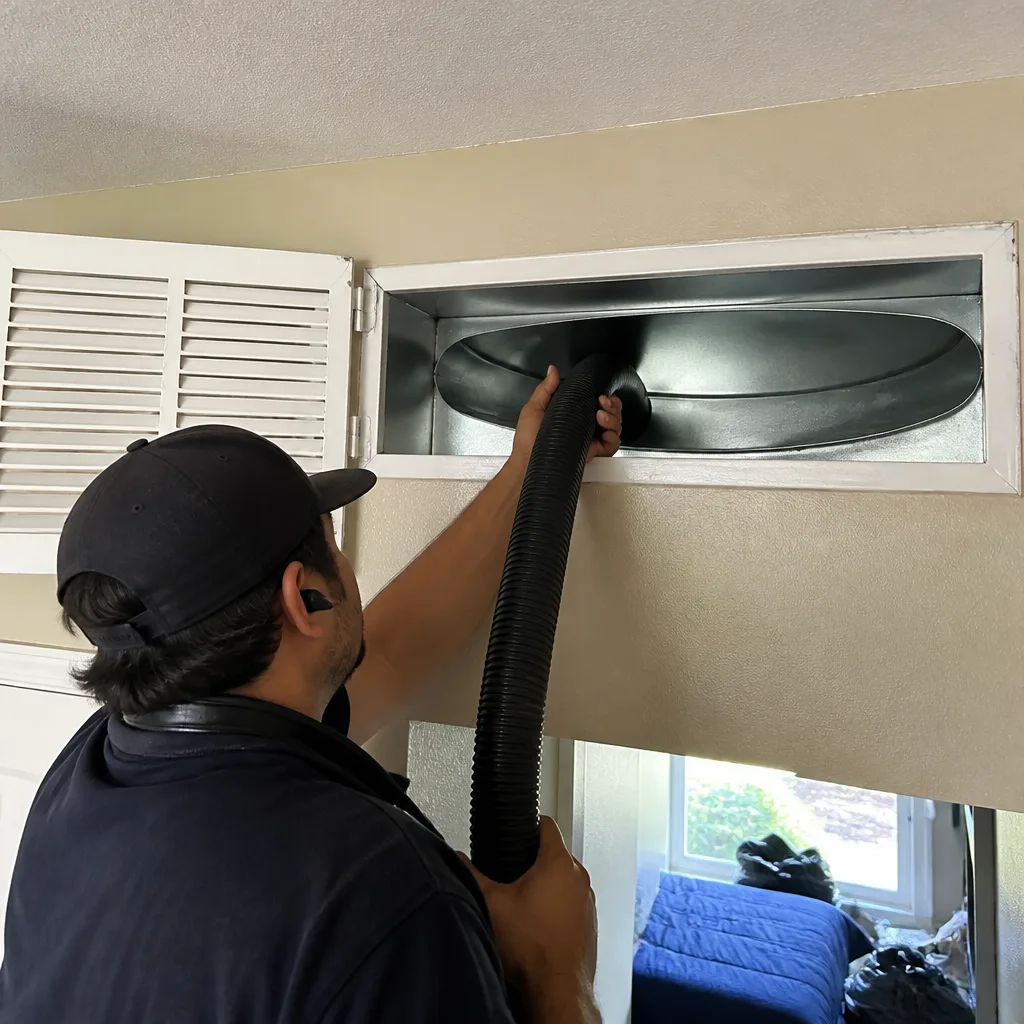 After
AfterHoneywell Register & Grille Cleaning: The Los Angeles Owner’s Guide
We clean Honeywell registers and grilles across Los Angeles every week, and a standard full-home register and grille cleaning typically runs $180 to $320 depending on how many vents your system has and how much buildup we’re dealing with. Most homes in L.A. have 10 to 14 registers, so if you’re seeing gray dust rings around your ceiling vents or noticing that one room always smells stale, your Honeywell grilles are likely holding years of dust, pet dander, and cooking residue that your filter never caught. The good news: this is a same-visit job for us, and we bring the right tools to do it without scratching the finish or sending debris back into your ductwork.
Here’s the thing most owners don’t realize until they pull a grille off: Honeywell registers aren’t just passive covers. They’re engineered to direct airflow, and when the internal dampers and fins get coated with baked-on L.A. dust (we’re talking the fine stuff that drifts in from the 405 and settles on everything), they stop doing that job. You lose throw distance, your system works harder, and the rooms farthest from the unit start feeling stuffy. The register itself may still look fine from the couch, but the underside tells a different story.
Key Takeaways:
- Honeywell register and grille cleaning in Los Angeles typically costs $180 – $320 for a full home
- We clean, degrease, and sanitize each register without removing more than the face plate
- The job takes 60 – 90 minutes for an average L.A. home
- We’re an independent provider, not affiliated with Honeywell, but we work on their products daily
Which Honeywell Models This Applies To
If your home has Honeywell registers and grilles, you’re most likely working with one of three lines: the standard stamped-steel residential series (the ones with the adjustable curved blades), the commercial-grade aluminum series (common in newer condo and townhome builds across Los Angeles), or the premium decorative series with powder-coated finishes in white, bronze, and nickel. The stamped-steel units are the ones we see most often in San Fernando Valley homes built in the 80s and 90s, while the aluminum ones show up a lot in newer Westside construction.
Here’s the compatibility gotcha every owner should know: Honeywell changed their damper design around 2012, and the newer internal dampers don’t always seat correctly in older register boots. If you have a pre-2012 Honeywell register and you’re thinking about just swapping in a new face plate, check the damper pivot points first. We’ve seen newer face plates that technically fit but rattle because the damper geometry shifted slightly. When we clean your registers, we’ll tell you if you’re better off cleaning the originals or replacing them entirely. For most homes, an OEM Honeywell register runs $12 – $28 depending on size, and quality aftermarket equivalents from Hart & Cooley or Shoemaker run $8 – $18. For cleaning purposes, what matters more than the brand is whether the damper mechanism still moves freely after we degrease it.
Signs Your Honeywell Register & Grille Cleaning Is Overdue
- Visible dust rings around the register perimeter. This is the classic tell. What you’re seeing is airborne dust that’s been drawn toward the register by the airflow pattern and then stuck to the wall or ceiling surface by static and moisture. It usually signals that the grille’s internal fins are coated and no longer directing air cleanly.
- Rooms that never quite match the thermostat setting. Honeywell registers use directional vanes to push conditioned air into the room. When those vanes are coated with residue, the air spills out at the register instead of reaching across the room, so the far corner stays warm while the vent feels cold.
- Musty or stale odor that comes and goes. L.A. humidity swings plus dust buildup on register surfaces create a perfect environment for microbial growth, especially in coastal neighborhoods like Playa del Rey or Marina del Rey where salt air adds to the mix. If the smell gets stronger when the system cycles on, that’s your grilles and nearby duct runs holding organic material.
- Damper levers that are stuck or move in jerky steps. The damper on a Honeywell register is a basic metal flap, but dust, pet hair, and cooking grease can seize the pivot points over time. Forcing a stuck damper usually bends the mechanism, and then the register never adjusts properly again.
- Whistling or rattling at specific airflow speeds. Debris on the vane edges creates turbulent airflow, and turbulence is what you hear. A clean Honeywell register is quiet. A dirty one whistles at high fan speed, especially in homes with variable-speed blowers.
Replacement Cost & What’s Included
Let’s talk numbers, because nobody in Los Angeles should be guessing what a register cleaning costs. For a standard single-family home with 10 to 14 Honeywell registers and grilles, cleaning runs $180 to $320. That includes removing each face plate, degreasing the frame and vanes, cleaning out the register boot as far as our tools reach, sanitizing the surface, and reinstalling with clean fasteners. Larger homes with 16 or more registers, or homes with high-ceiling registers that need extension ladders, land in the $340 to $450 range.
If you need actual replacements rather than cleaning, here’s the honest math: an OEM Honeywell stamped-steel register runs $12 to $28 per unit depending on size (4×10, 4×12, 6×12, etc.), and labor is bundled into the service call. Our written price is handed to you before we touch a single register, and it does not change at the door. Every job is backed by the 365-Day Done Right Promise: if the work isn’t right within a full year, we come back and make it right at no charge. That applies to register cleaning and replacement, no exceptions.
| Service | Typical Range (L.A.) | What’s Included |
|---|---|---|
| Full-home register & grille cleaning (10 – 14 vents) | $180 – $320 | Remove, degrease, sanitize, reinstall all face plates; boot cleaning as accessible |
| Large home (16+ vents) or high-ceiling registers | $340 – $450 | Same as above, plus extension ladder work and extra time |
| OEM Honeywell replacement register (per unit) | $12 – $28 | Part cost; labor included with service call |
| Quality aftermarket register (Hart & Cooley, Shoemaker) | $8 – $18 | Part cost; labor included with service call |
For exact pricing on your home, call (737) 727-2314. You’ll get a live person, not a voicemail, and we’ll give you a written quote before anyone shows up.
DIY or Call Us?
Register and grille cleaning is one of the few duct-related jobs where a careful homeowner can make real progress without professional equipment. If your Honeywell registers are the stamped-steel type with visible screws, you can remove the face plate, wash it in warm water with a mild degreaser, dry it thoroughly, and reinstall it. That handles the visible surface grime, and it’s something Omar Haddad, our owner and lead technician, has walked many Los Angeles homeowners through over the phone.
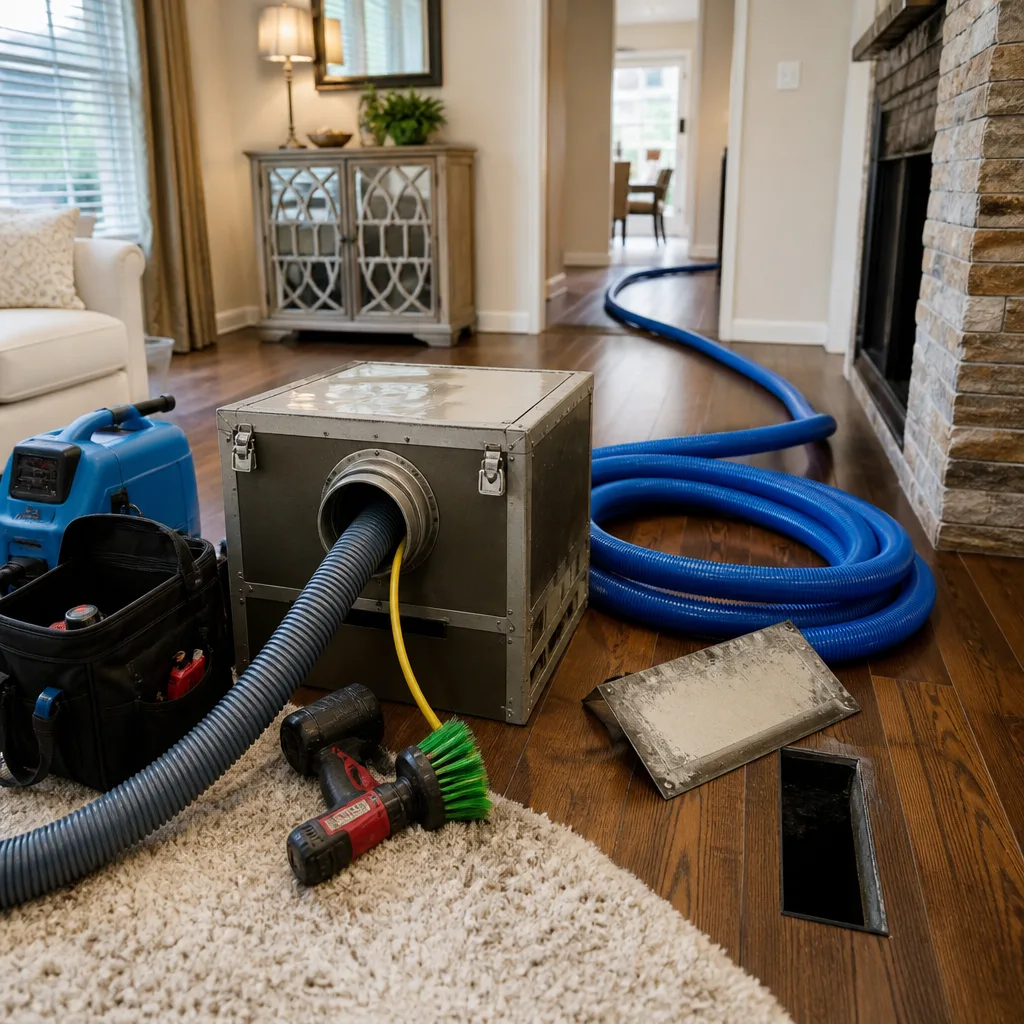
Where DIY goes sideways: the register boot and the first few inches of ductwork beyond it. That’s where the dust that would have ended up on your register actually comes from, and you need a HEPA-rated vacuum and proper agitation tools to get it out without pushing it deeper into the system. We run Nikro HEPA extraction units and Rotobrush agitation tools on every job, and the boot cleaning is where the real difference between a surface wipe and a source-removal job becomes obvious. If you can see dust caked on the underside of your register, the boot behind it is usually worse. That’s when you call (737) 727-2314.
FAQs
Every 3 to 5 years is right for most L.A. homes, but houses near wildfire zones, major boulevards, or construction corridors may need it every 18 to 24 months because the fine particulate load is so much higher. If you have pets that shed heavily or you cook often, err on the shorter side. Call (737) 727-2314 and we’ll give you an honest read on your timeline based on what we find.
Over 90 percent of the Honeywell registers we see in Los Angeles can be restored with degreasing and sanitizing rather than replaced. We recommend replacement only when the damper mechanism is physically bent, the finish is corroded through, or the register is a pre-2012 unit with a jammed damper that won’t respond to cleaning. An honest technician will tell you which camp yours falls in before any money changes hands.
A standard full-home register and grille cleaning takes 60 to 90 minutes from start to finish for most Los Angeles homes. Add 20 to 30 minutes if you have high ceilings, oversized registers, or if we’re doing boot cleaning on every drop. You’ll get a live trackable arrival window through the Relay Standard, so you’re not waiting around wondering when we’ll show.
We keep common Honeywell sizes (4×10, 4×12, 6×10, 6×12) in white, almond, and nickel on our trucks, plus quality equivalents from Hart & Cooley and Shoemaker for homes where an aftermarket option makes sense. If you need a specialty size or a bronze decorative finish, we can source it usually within 48 hours from our Los Angeles suppliers. Either way, we’ll show you the exact part and price before installing it.
Clean ducts aren’t a luxury – in an L.A. summer, they’re just how your system breathes.
If your Honeywell registers have been quietly collecting dust since the last time you thought about them, give us a call at (737) 727-2314. We serve Los Angeles and the surrounding areas, we answer the phone when you call, and you’ll know exactly what it costs before we start.
Written by Omar Haddad, Owner & Lead Technician, Cardinal Air Duct Cleaning at Cardinal Air Duct Cleaning, serving Los Angeles and nearby areas.