
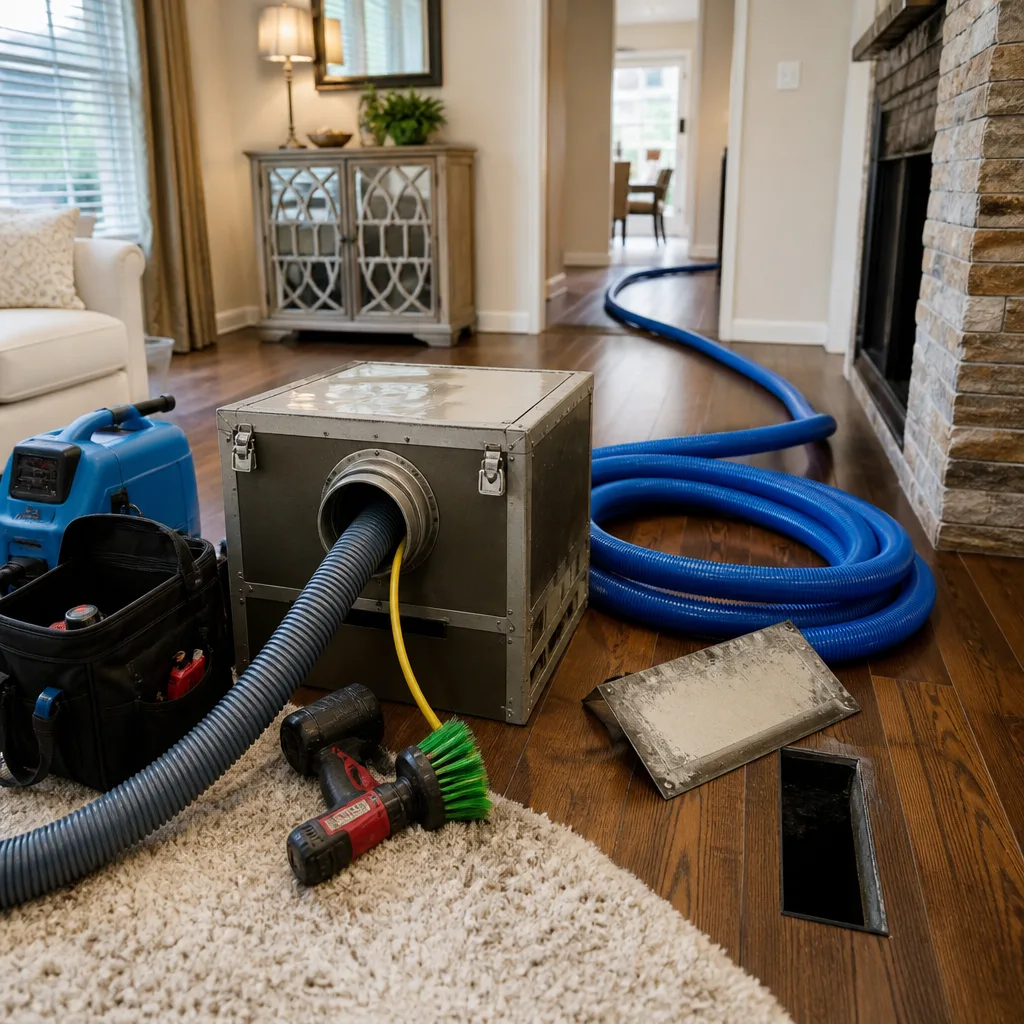
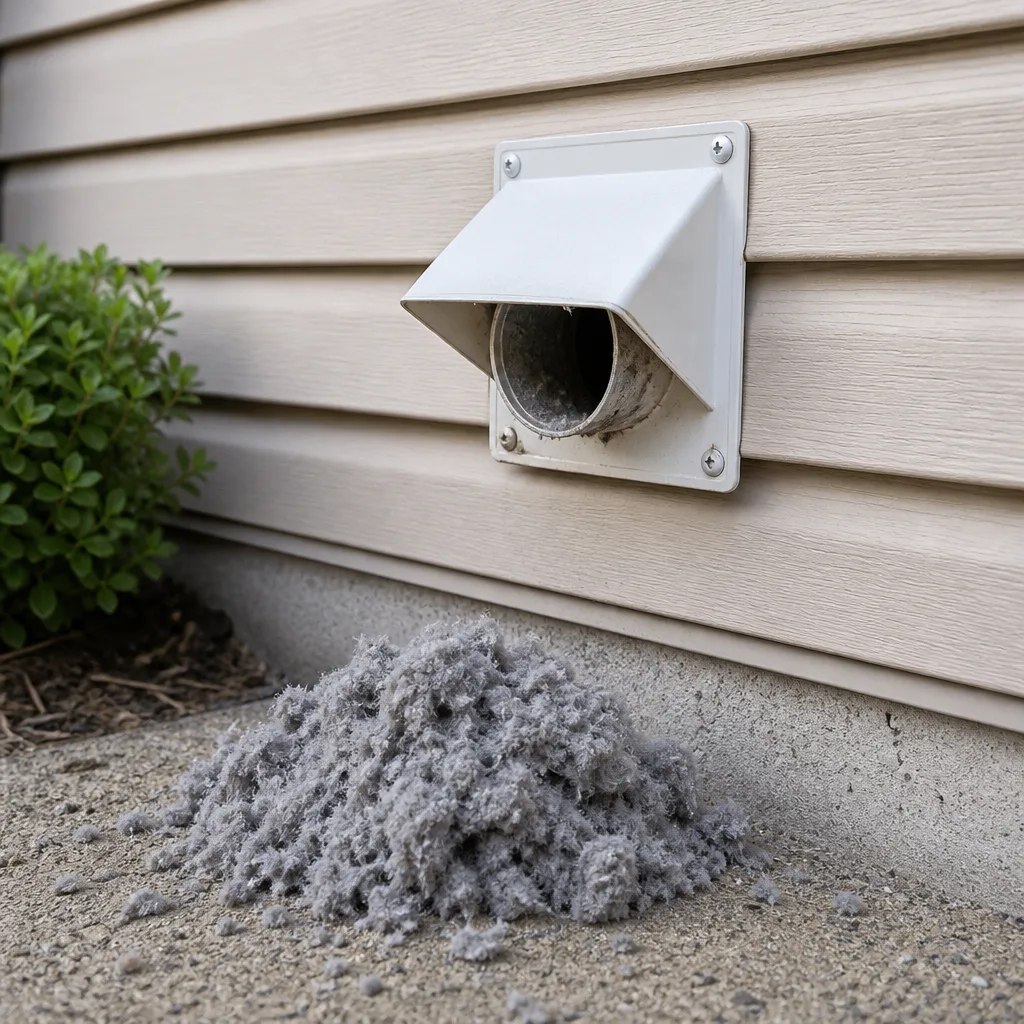
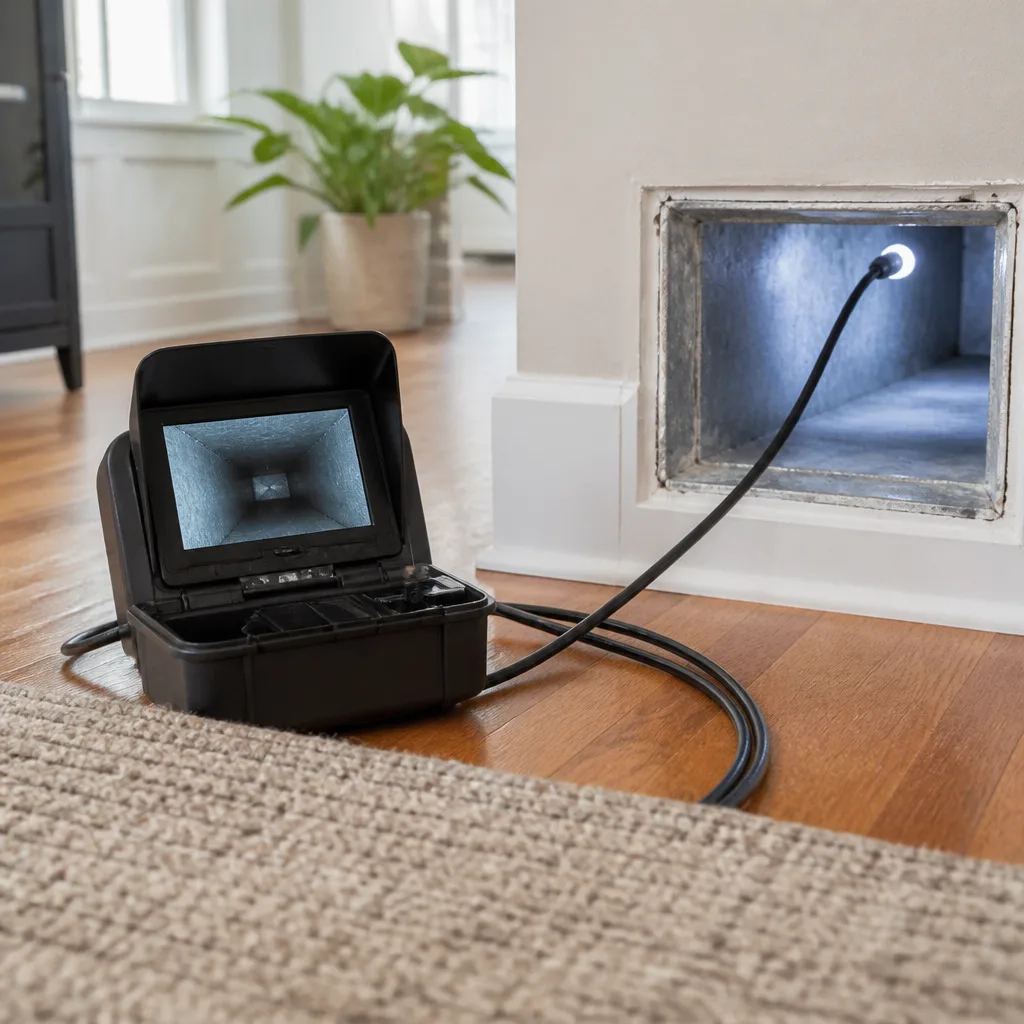
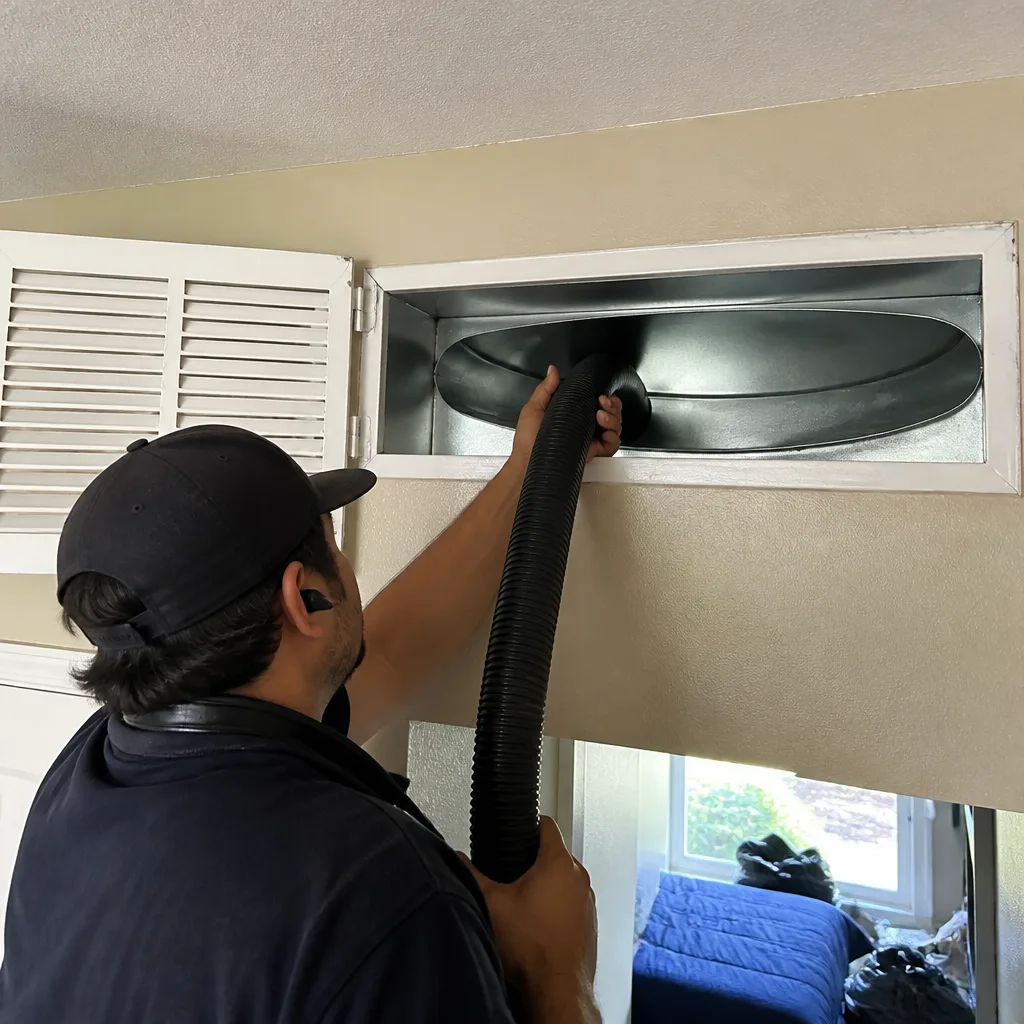
Whole-system duct and dryer vent check with before-and-after photos - you see exactly what came out of your vents
That "$99 whole-house special" is a bait ad - the real number appears once they are in your hallway, or the "clean" is a shop-vac at the register. We photograph the inside of your ducts before and after instead.
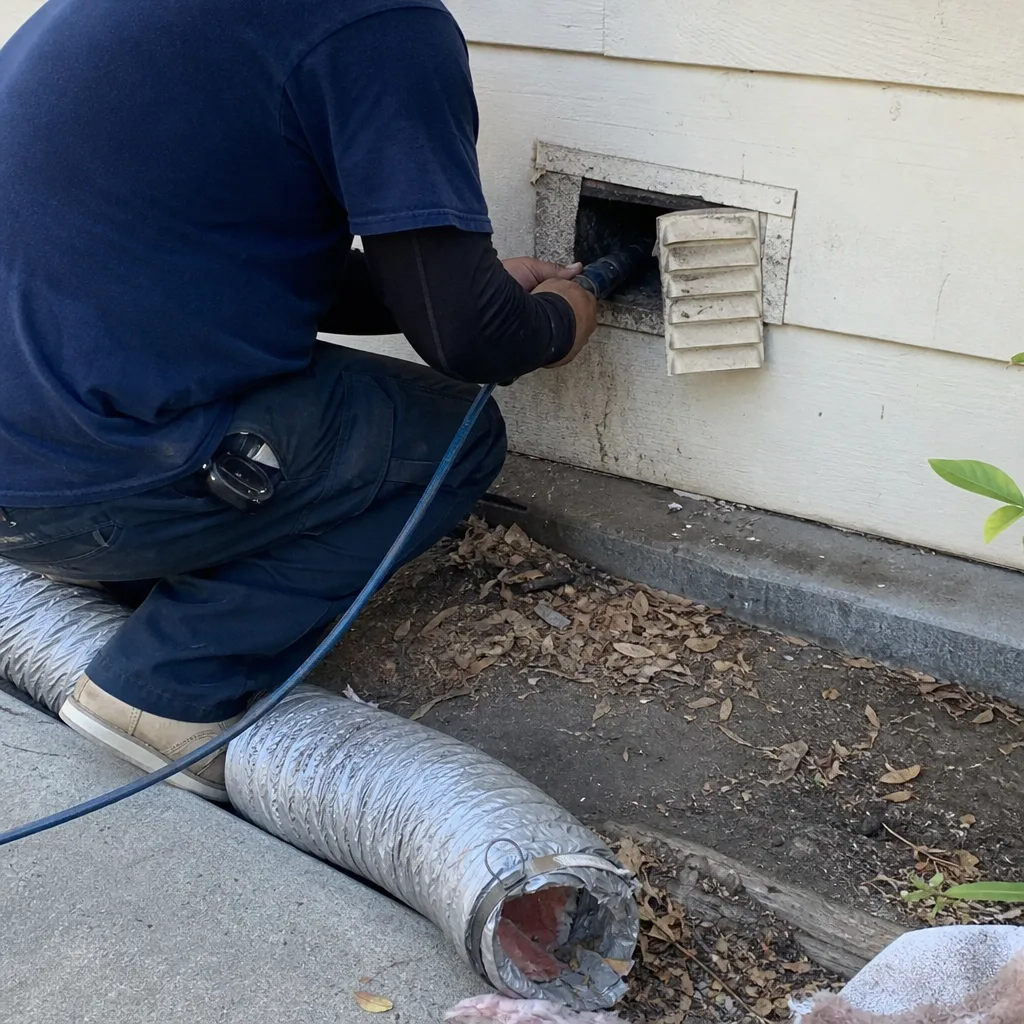 Before
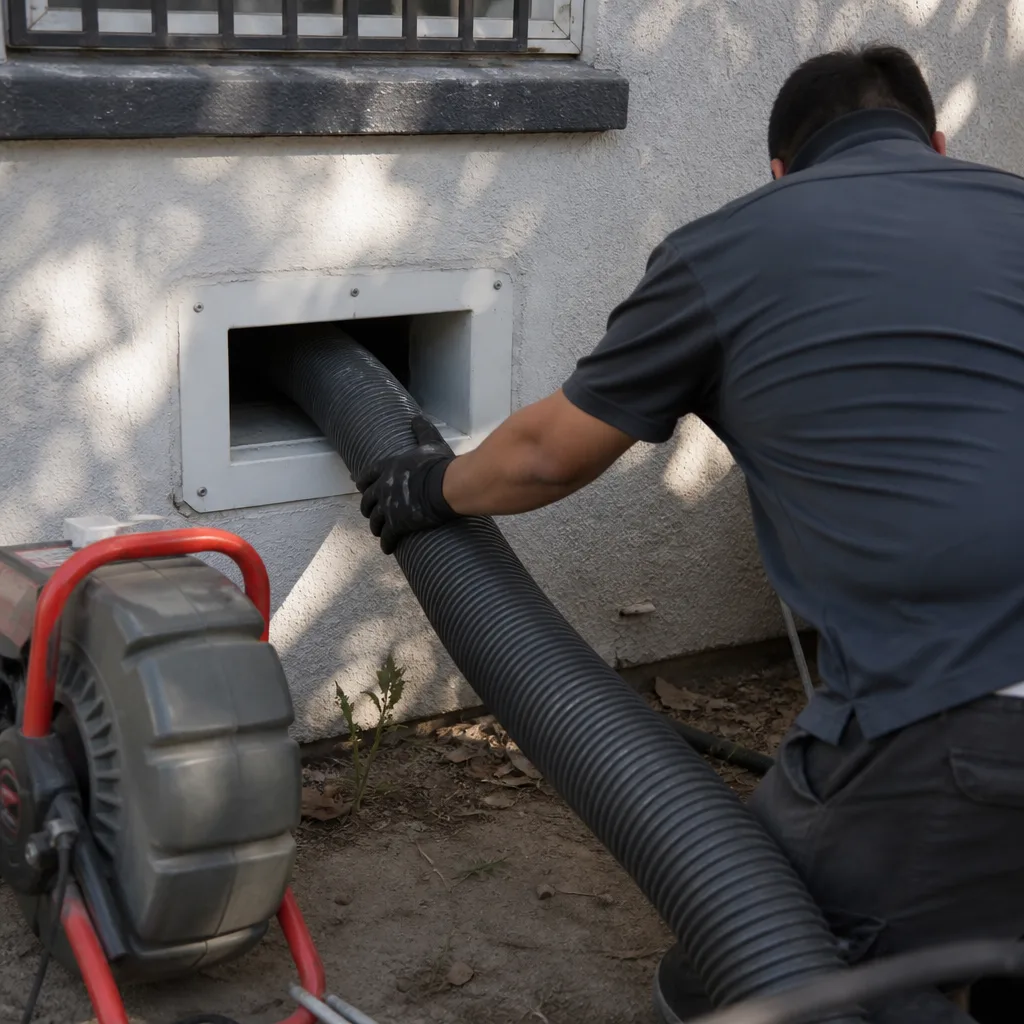 After
After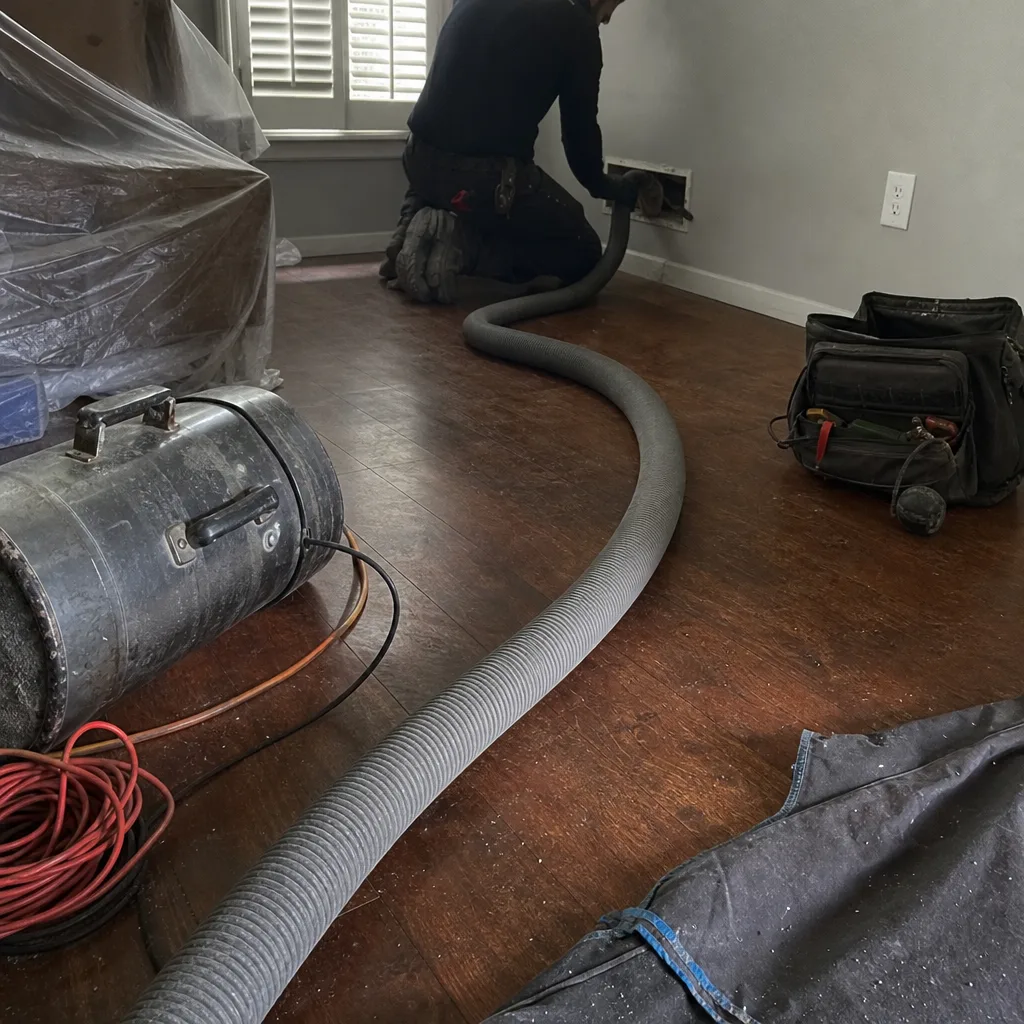 Before
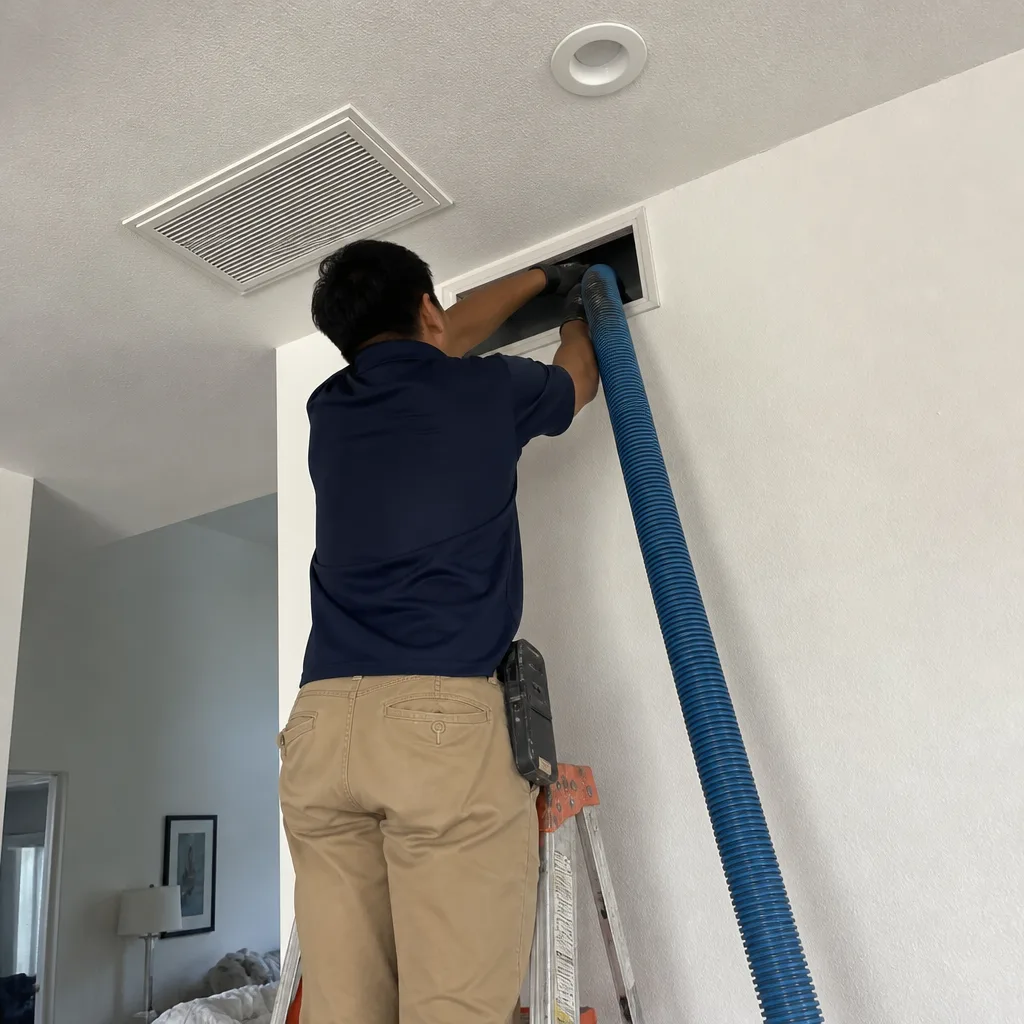 After
After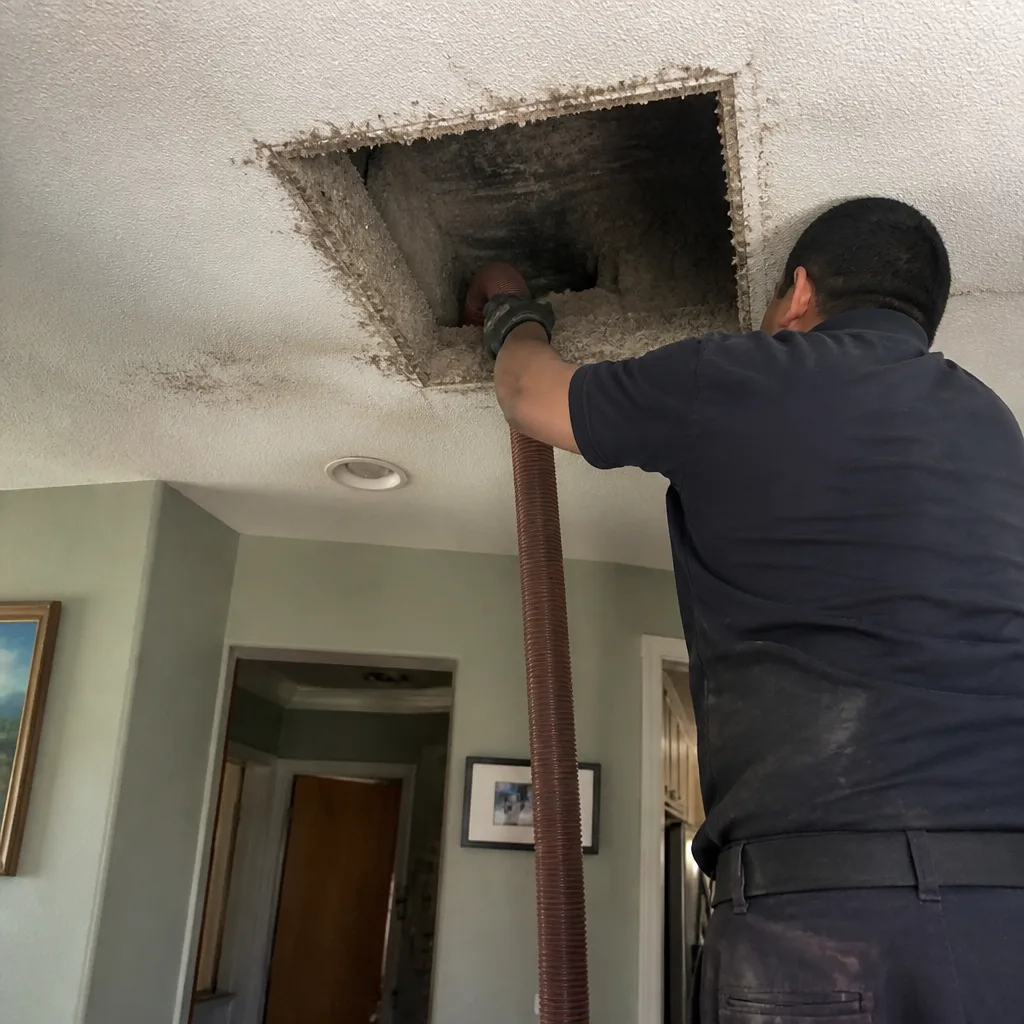 Before
 After
AfterRotobrush Vent Sanitizing: The Los Angeles Owner’s Guide
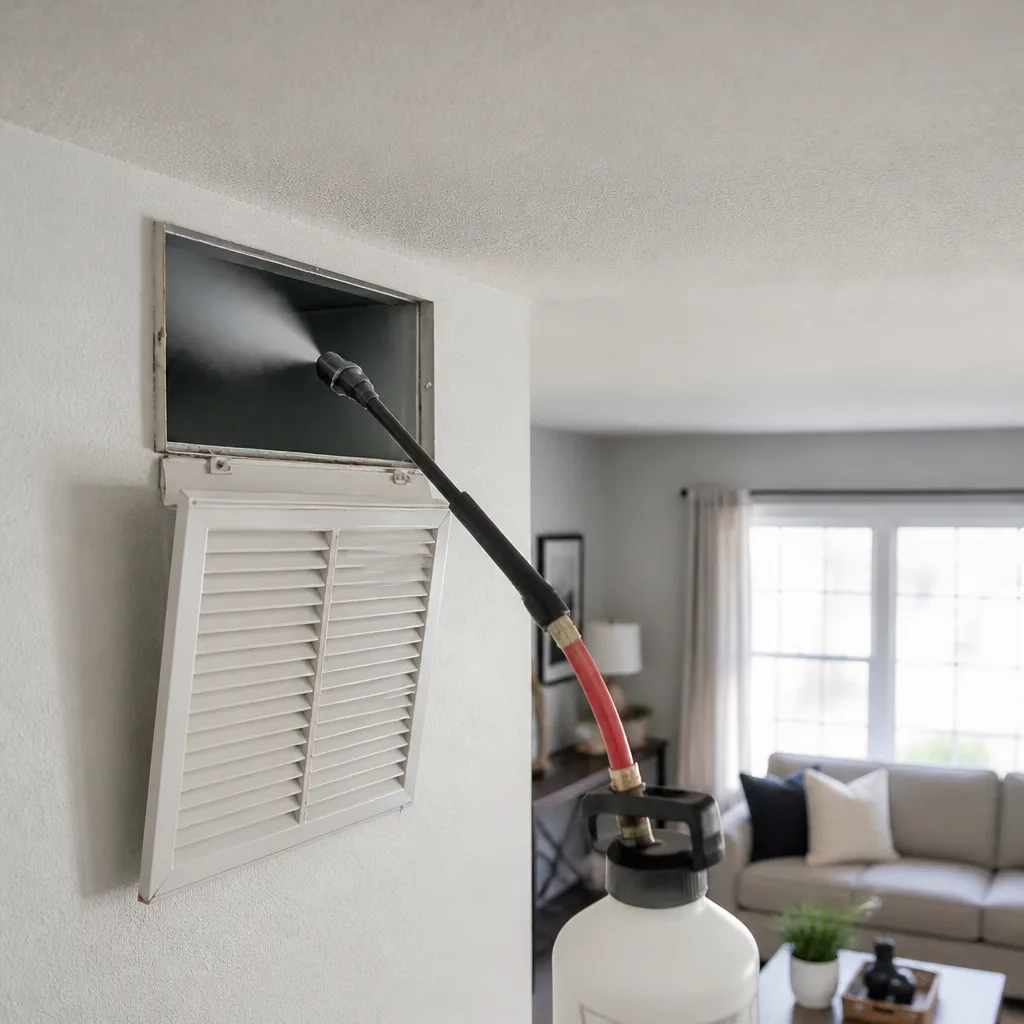
If you run a Rotobrush system for vent sanitizing in Los Angeles, we stock and install the replacement parts you’re looking for, and most swaps run $145 – $385 installed depending on your model and the specific component that failed. We carry OEM Rotobrush parts plus quality aftermarket equivalents on our trucks, so we can usually complete the swap the same visit we diagnose it. The way most owners discover a part has failed is simple: the sanitizer stops fogging evenly, the pressure drops mid-job, or the unit starts spitting liquid instead of producing a fine mist.
We’re an independent service provider, not a Rotobrush affiliate. That matters because we aren’t tied to one parts channel. When you call us about a Rotobrush vent sanitizing issue in Los Angeles, we’ll tell you honestly whether an OEM part is worth the premium or whether a proven aftermarket equivalent gets you back to work for less.
Which Rotobrush Models This Applies To
Rotobrush has produced several sanitizing attachments and standalone foggers over the years, and parts compatibility is not as simple as matching a brand name. The sanitizing components on the aiR+ series, the Roto-Shield, and the older portable foggers each use different fittings, hose diameters, and nozzle threads. If you grab a part off a random shelf because it says “Rotobrush compatible,” you can end up with a fogger that leaks at the coupler or a nozzle that produces droplets instead of mist. We’ve seen it happen on jobs across Los Angeles County, from Santa Clarita down to Long Beach.
Before you order anything, check the label on your unit. Rotobrush stamps or prints the model number near the tank fitting or on the body of the fogger. If the label’s worn off, measure the hose barb outer diameter and the nozzle thread pitch. Write those down before you call us. That one step saves us both a wasted trip and saves you a wrong part.
On the OEM versus aftermarket question for Rotobrush specifically: Rotobrush OEM sanitizing nozzles and diaphragm pumps are well made, but they price them like they’re the only option. For most units, a quality aftermarket diaphragm pump with matching pressure specs (typically 40 – 70 PSI for portable fogger applications) performs identically. The one place we consistently recommend sticking with OEM is the tank itself, because aftermarket tanks often have seam-weld issues that show up as cracks within a year, especially with the heat cycling we get in Los Angeles garages and service vans. Hoses and fittings? Aftermarket is fine if the inner diameter matches exactly.
Signs Your Rotobrush Vent Sanitizing Is Failing
- No mist, just drips. The fogger runs but liquid trickles out of the nozzle. This almost always points to a worn diaphragm in the pump or a clogged nozzle orifice. Los Angeles water with its mineral content accelerates nozzle scaling if you’re mixing sanitizer concentrates with tap water instead of distilled.
- Weak or uneven fog output. The mist sputters or comes out in pulses. Usually a pump that’s losing pressure or a check valve that’s letting air back into the line. We see this most often on units that sit unused for months between jobs.
- Sanitizer leaking around the tank seal. The gasket hardens over time, especially in hot van interiors during a Los Angeles summer. If your truck’s parked in Sunland-Tujunga or Woodland Hills in August, that tank is cooking.
- Motors runs hot or shuts off mid-cycle. This is the diaphragm pump overheating from increased resistance. A clogged nozzle or a kinked hose makes the pump work double. Keep running it like that and you’ll replace the pump instead of just clearing the line.
- Nozzle pattern has bare spots. The fog comes out heavy on one side, light on the other. A partially clogged nozzle or a bent spray tip does this. Sometimes it’s just mineral buildup; we’ve also seen people drop the wand and never notice the tip warped.
Replacement Cost & What’s Included
Here’s what we charge in Los Angeles for common Rotobrush vent sanitizing replacements, parts and labor together:
- Nozzle replacement: $45 – $95 installed
- Diaphragm or pump replacement: $145 – $260 installed
- Tank gasket or seal kit: $35 – $80 installed
- Full sanitizing assembly rebuild (pump, hose, nozzle, gaskets): $275 – $385 installed
What drives the range is your Rotobrush model and whether we go OEM or aftermarket on the pump. We’ll give you the written price before we touch a single fitting, and that price does not change at the door. Every repair we do carries the 365-Day Done Right Promise: if that part fails or the work isn’t right within a full year, we come back and fix it, no charge. That’s not a limited warranty on select parts. It’s every vent sanitizing repair we perform in Los Angeles.
DIY or Call Us?
There are things you can safely check yourself before you pay anyone. Inspect the hose for kinks or cracks. Look at the nozzle orifice for visible mineral buildup. Check the tank gasket for flattening or cracking. Those are eyeball-level checks that cost you nothing and take five minutes.
Where DIY goes sideways is opening up the diaphragm pump or replacing internal seals without the right specs. The pump is the heart of the fogger, and a misaligned diaphragm will either under-pressure the system or tear within weeks. We’ve had customers bring us units they tried to rebuild with a generic kit off a marketplace listing, and the pump housing was scored badly enough that the whole assembly needed replacing. That $40 kit became a $260 pump. If you’re not sure, call us at (737) 727-2314 before you open the case. We’ll tell you over the phone whether it’s a check-it-yourself fix or a bring-it-in job.
FAQs
With regular use, the pump and nozzle on a Rotobrush sanitizing unit typically last 3 to 6 years before a component fails, but that lifespan shortens noticeably if the unit is stored in a hot van or garage through Los Angeles summers. Heat is the silent killer here. We’ve seen diaphragm pumps from San Fernando Valley service vans fail two years earlier than identical units kept in climate-controlled storage. When a part does fail, call (737) 727-2314 and we’ll diagnose it over the phone before you spend a dollar.
Nozzles can often be cleaned rather than replaced, especially if the issue is mineral scale from tap water. Diaphragm pumps, torn gaskets, and cracked tank fittings are replacement items. Repairing a diaphragm tears isn’t commercially viable. The material is thin and flexible by design, and any patch changes the pressure dynamics. Call (737) 727-2314 and describe what your unit is doing; we’ll give you a straight answer on whether it’s a clean-it or swap-it situation.
Most Rotobrush vent sanitizing part replacements, from a nozzle swap to a full pump replacement, take 30 to 90 minutes once we’re on site in Los Angeles. We carry the common Rotobrush-compatible parts on our trucks, so we typically handle the fix in a single visit rather than scheduling a follow-up. If your model needs a part we don’t stock, we’ll tell you before we schedule anything and give you an honest timeline.
We stock Rotobrush-compatible sanitizing nozzles, pumps, gaskets, and replacement hoses on our service vehicles for the repairs we perform, but we aren’t a parts counter for walk-in sales. And we don’t want to upsell you a part you don’t need. If you’re looking for a specific component for your Rotobrush, call (737) 727-2314; we’ll match it to your model and give you a written installed price. We also stock parts that work with Lennox, Trane, and Carrier units, so if your sanitizing setup runs on a mixed fleet, we can help there too.
Clean ducts aren’t a luxury – in an L.A. summer, they’re just how your system breathes. If your Rotobrush vent sanitizing equipment is down, don’t run it limping along. Call Cardinal Air Duct Cleaning at (737) 727-2314 for a free estimate on the part and the labor. You’ll get a written price before work starts, a live arrival window you can track, and after photos proving the fix. That’s The Relay Standard, and it applies to every job we do in Los Angeles.
Written by Omar Haddad, Owner & Lead Technician, Cardinal Air Duct Cleaning at Cardinal Air Duct Cleaning, serving Los Angeles and nearby areas.