
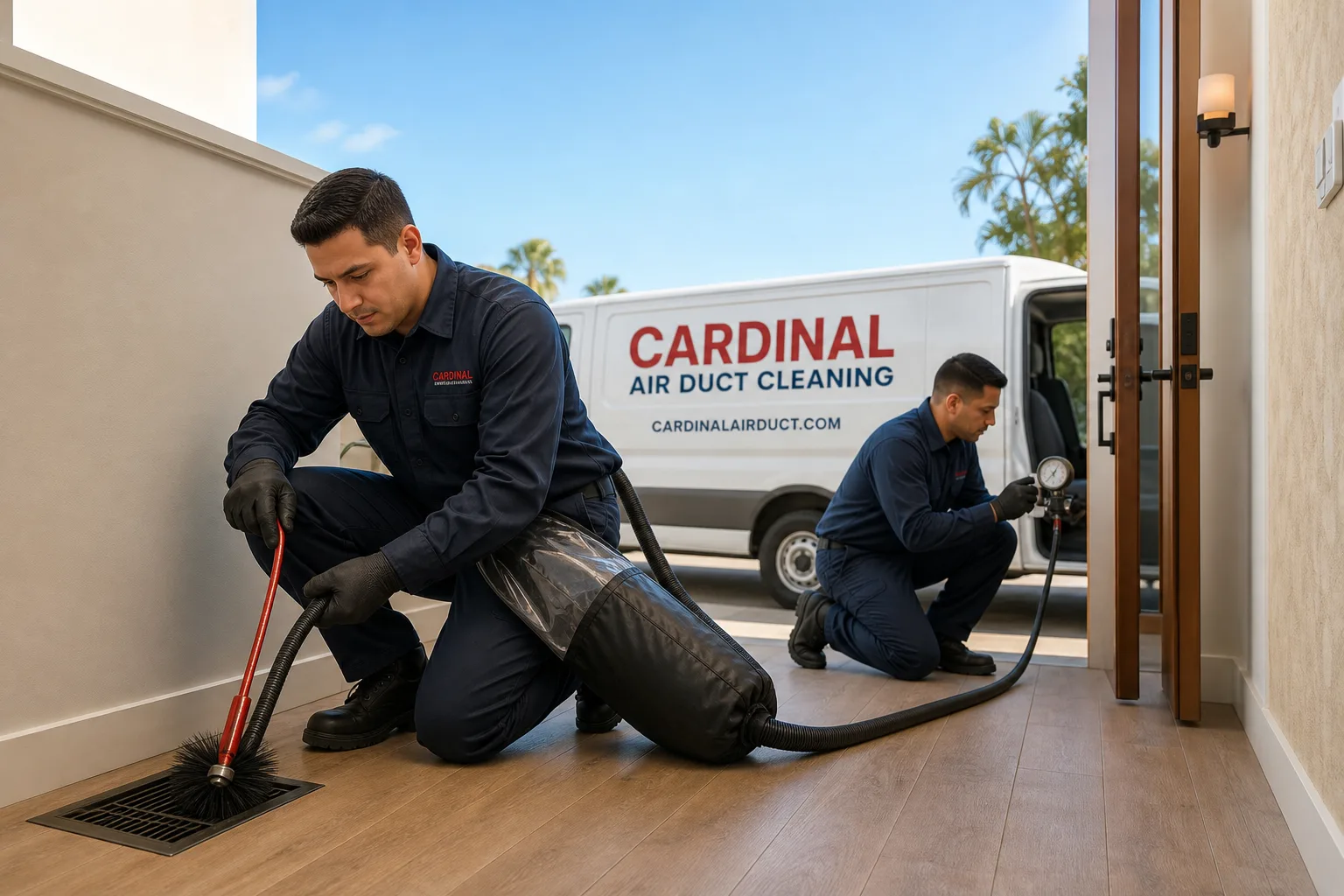
Whole-system duct and dryer vent check with before-and-after photos - you see exactly what came out of your vents
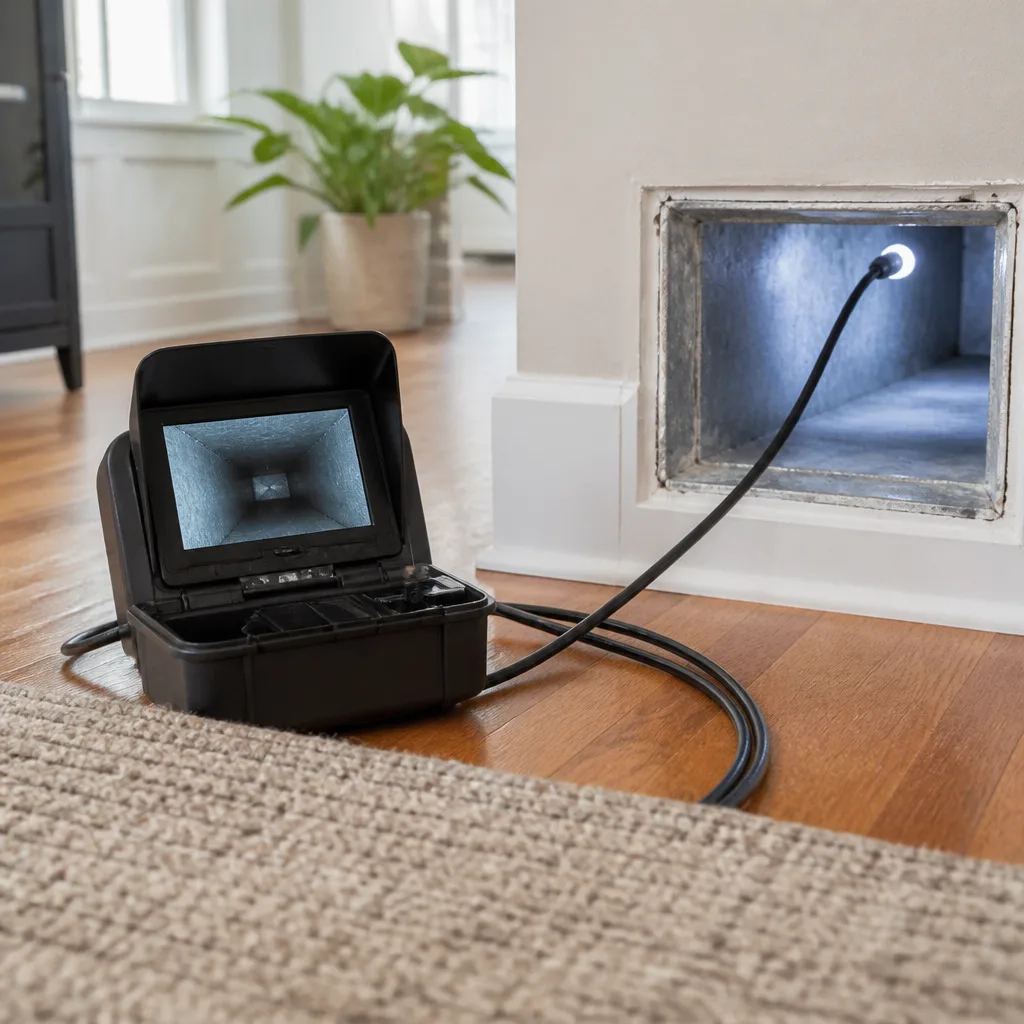
That "$99 whole-house special" is a bait ad - the real number appears once they are in your hallway, or the "clean" is a shop-vac at the register. We photograph the inside of your ducts before and after instead.
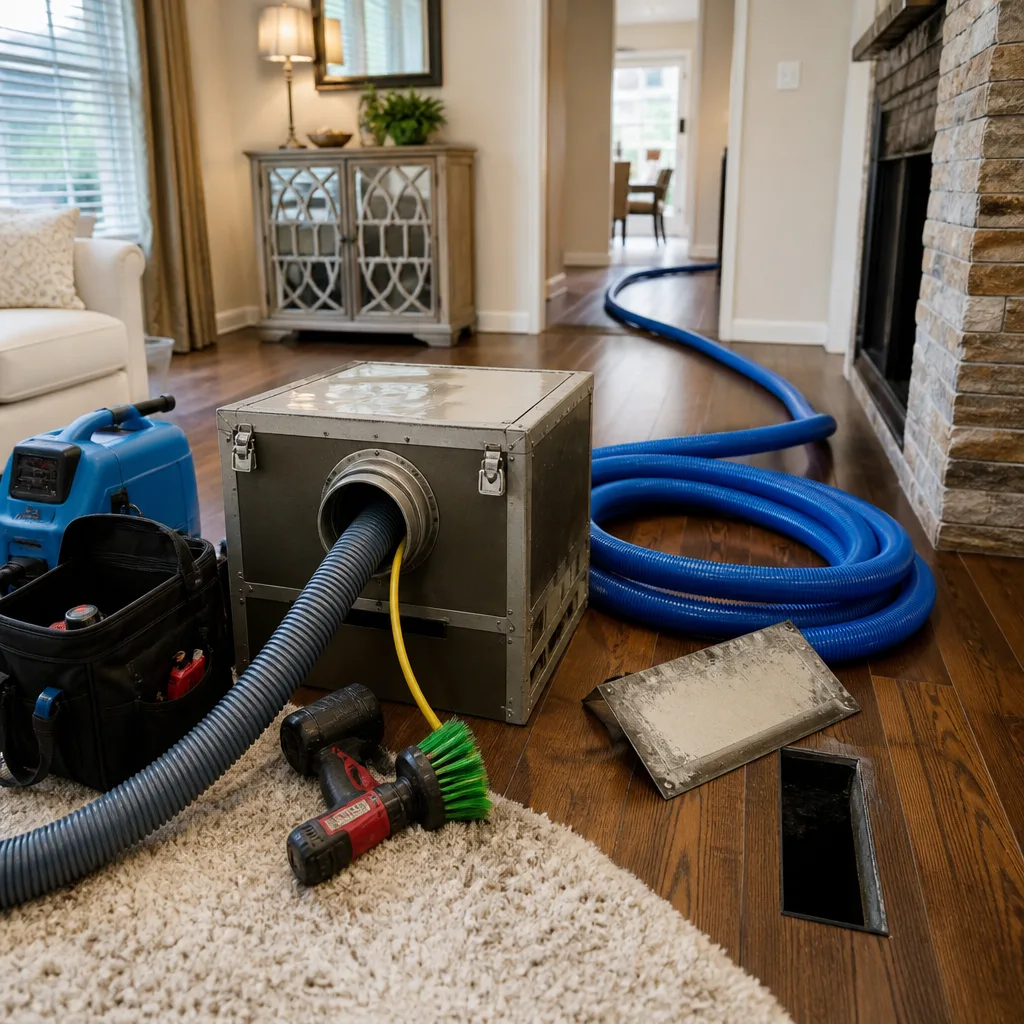
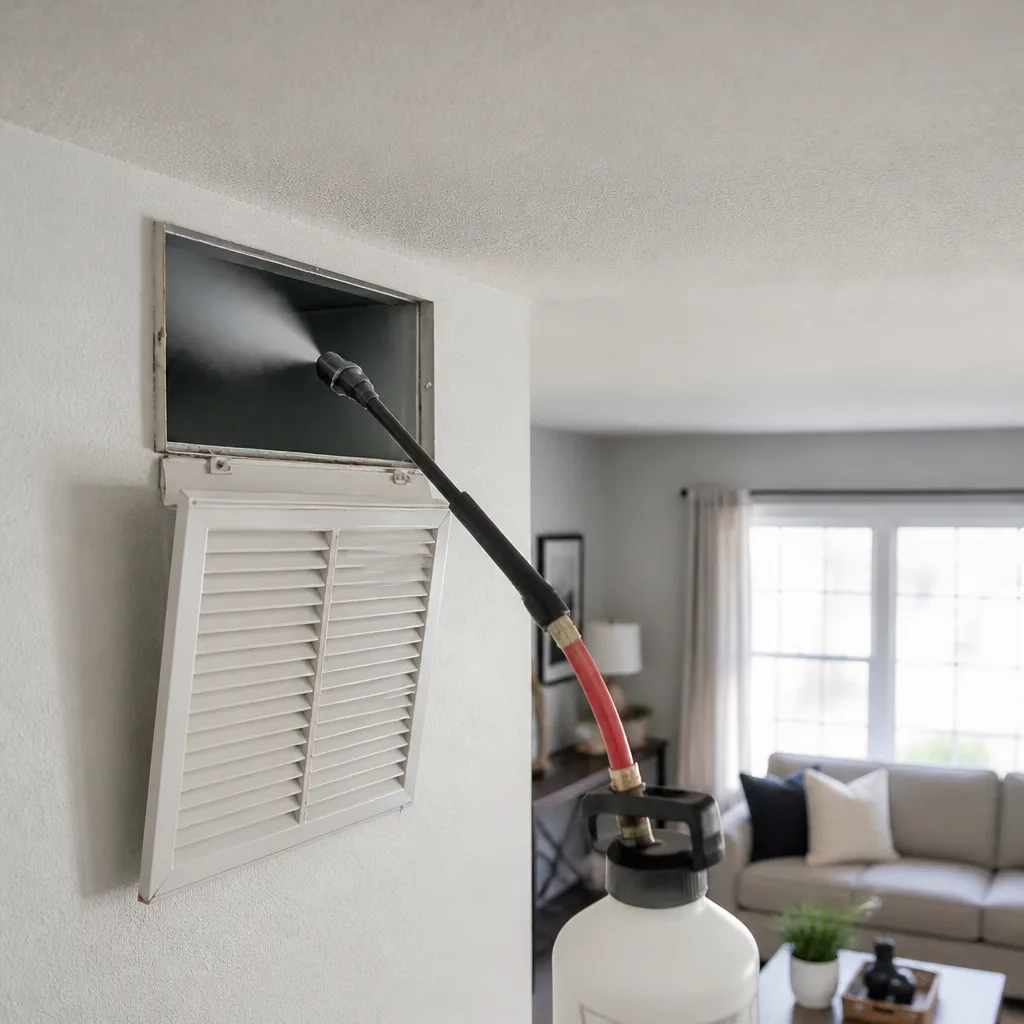
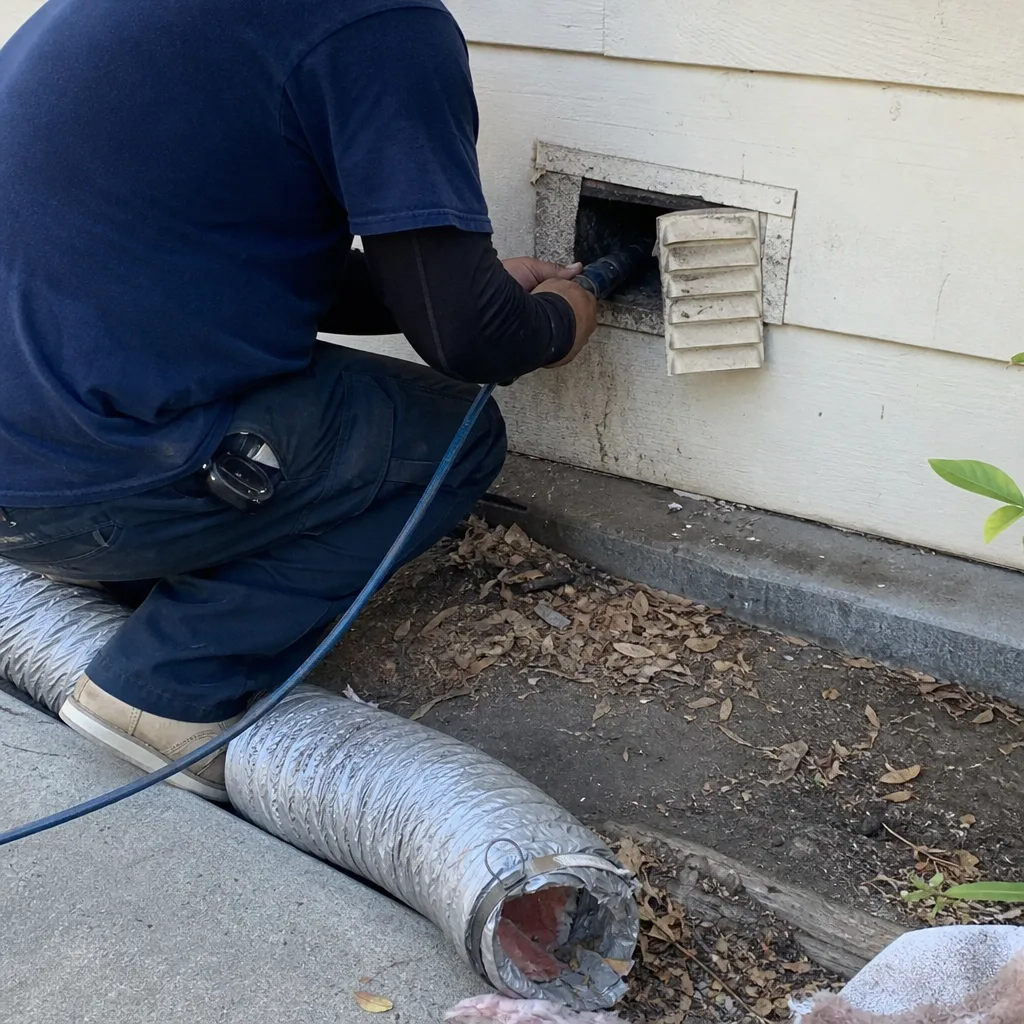 Before
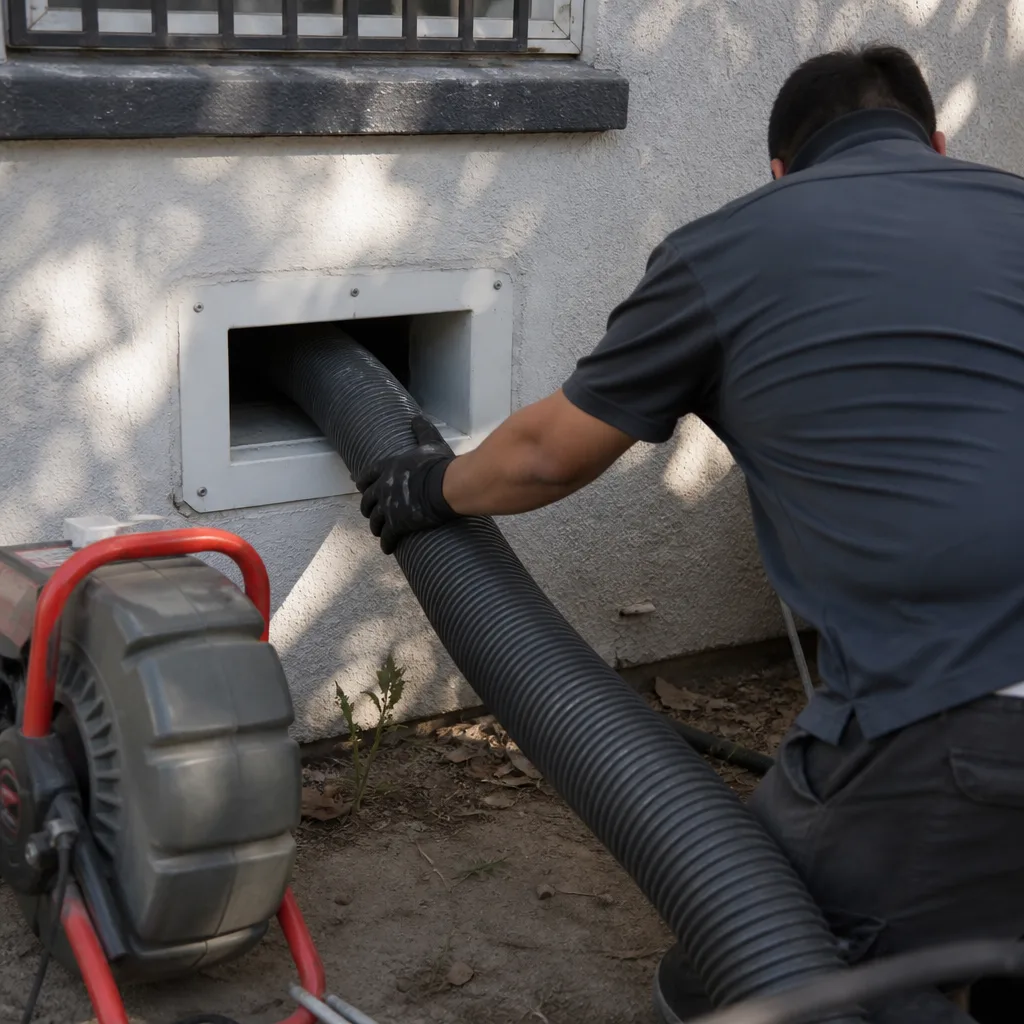 After
After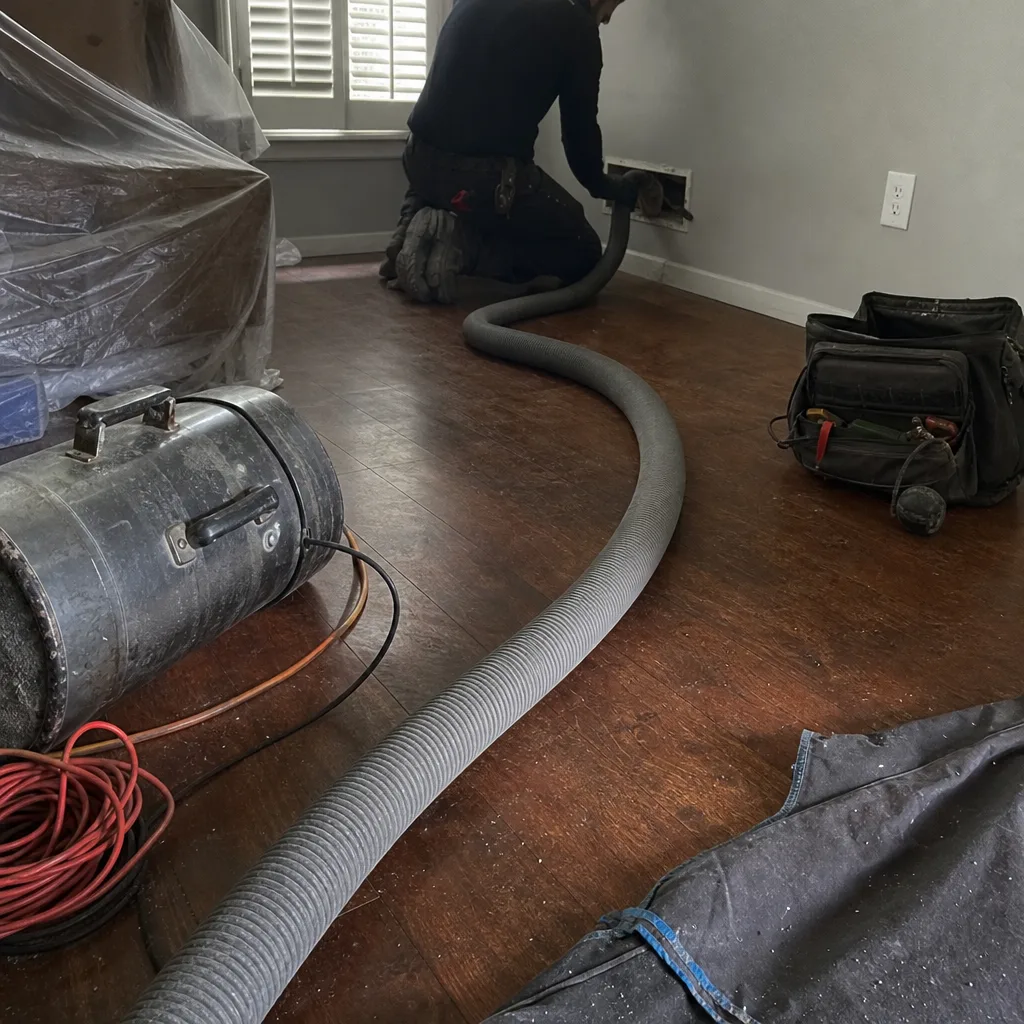 Before
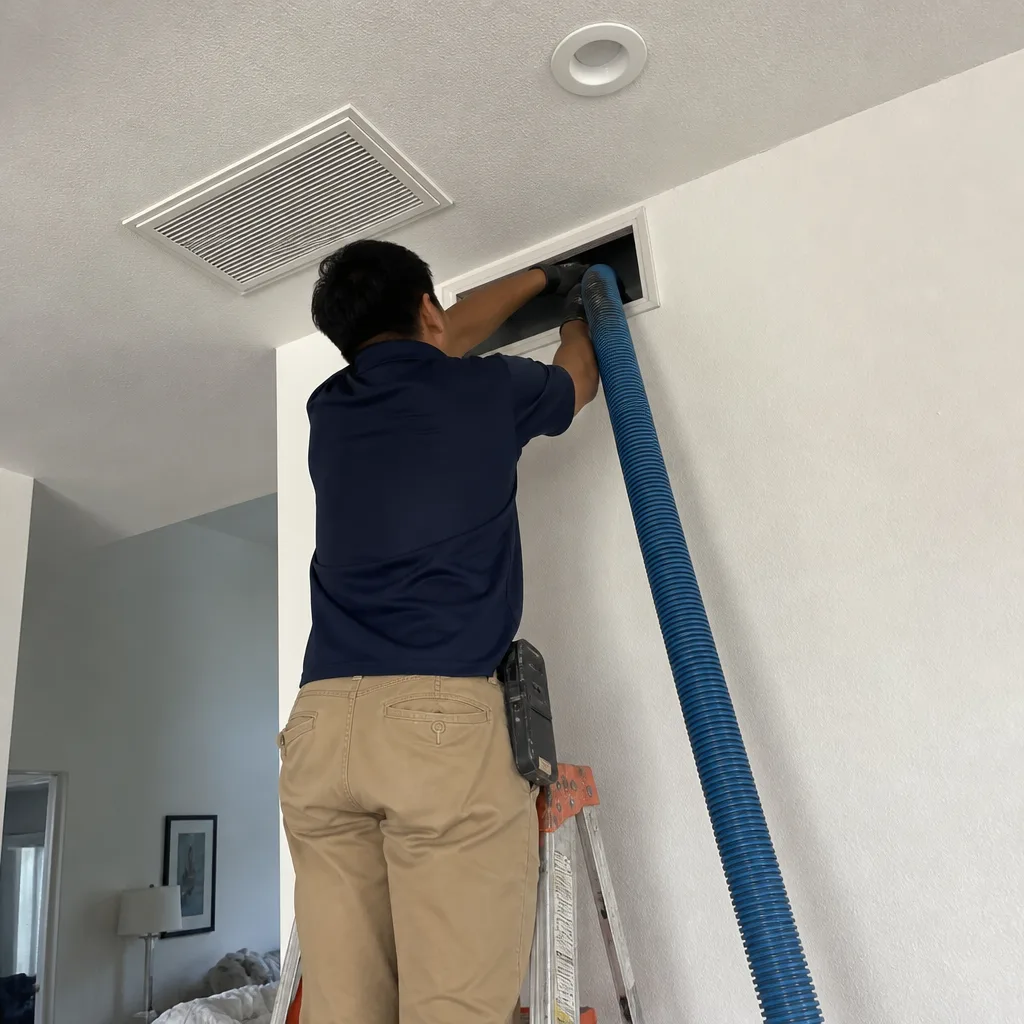 After
After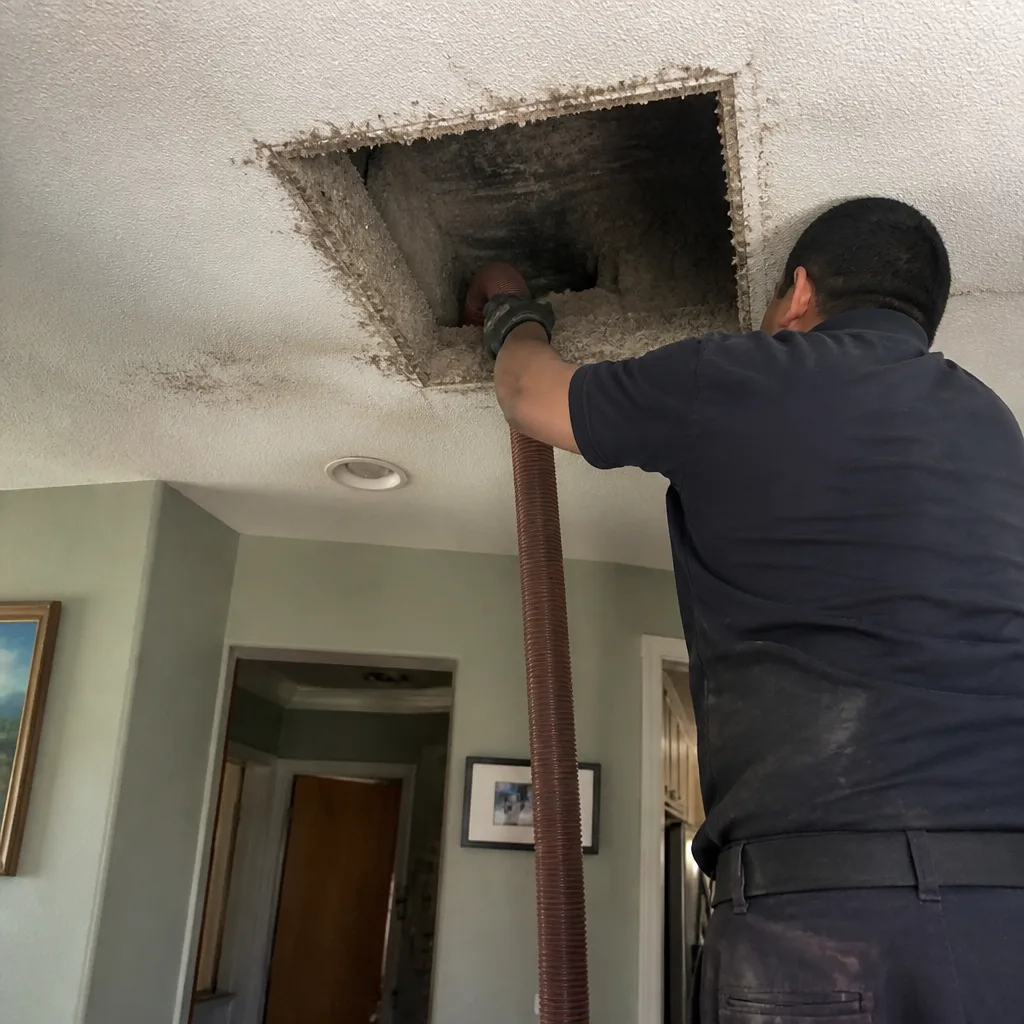 Before
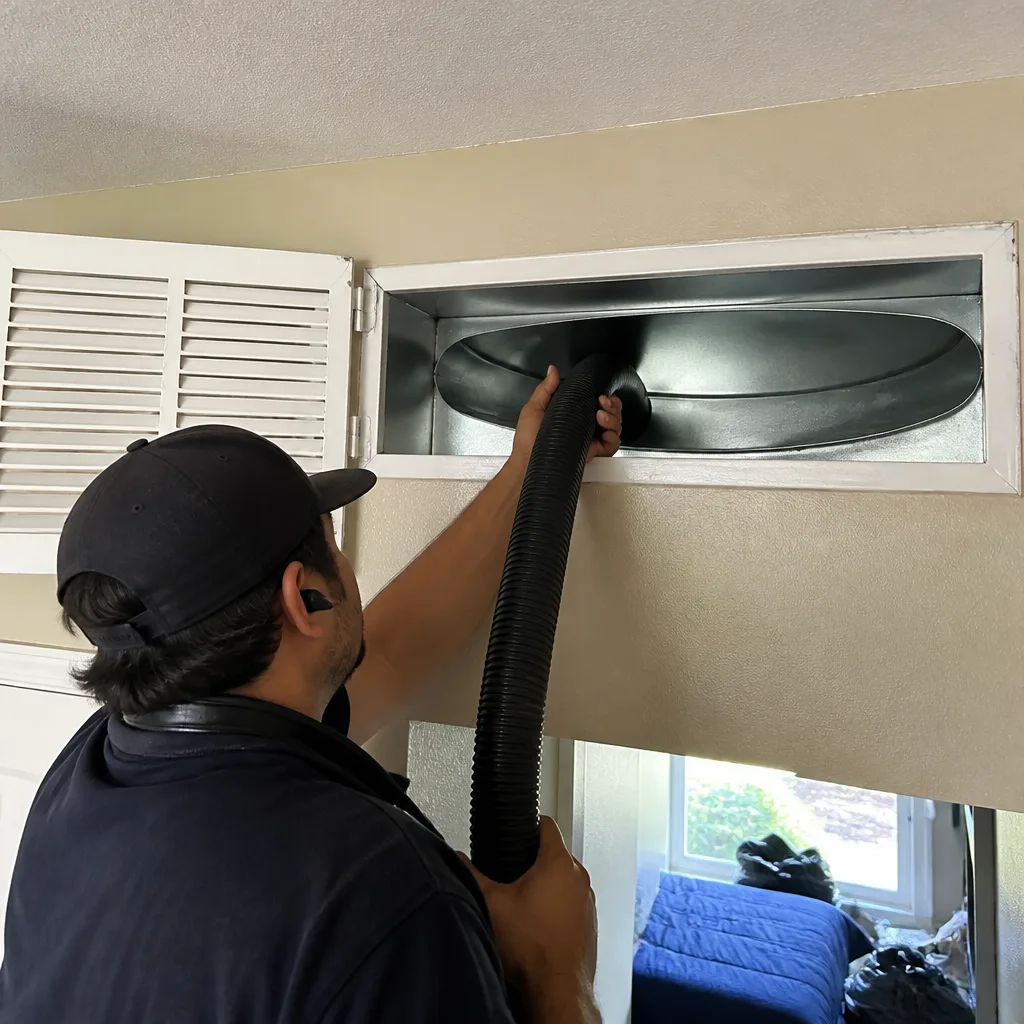 After
AfterClothes Take Two Cycles to Dry
If your dryer is running fine but your clothes are still damp after a full cycle, a blocked dryer vent is almost certainly the cause. Lint builds up inside the vent line over time and chokes off the airflow the dryer needs to push hot, moist air outside. Once that airflow is restricted enough, the dryer can’t do its job in one cycle – no matter how new or powerful the machine is.
This isn’t a dryer problem. It’s a duct problem. The dryer is working; the air just has nowhere to go. A clogged vent forces the dryer to run longer and hotter to move the same load, which means higher energy bills, premature wear on your clothes and your machine, and – more seriously – a genuine fire risk. Lint is highly flammable, and the Consumer Product Safety Commission has documented thousands of dryer fires every year tied to blocked vents. The longer you wait, the worse all three of those outcomes get.
Why It Happens
1. Lint Buildup in the Vent Line
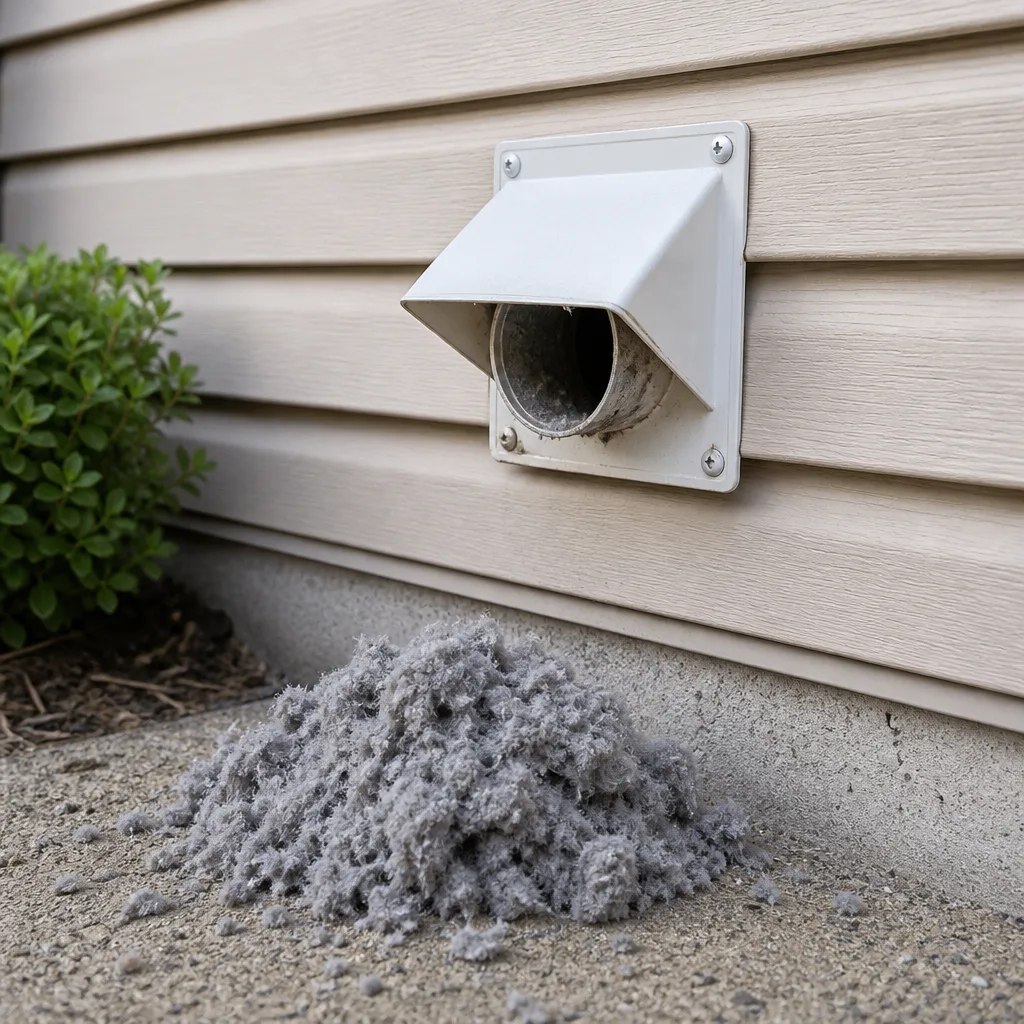
This is the most common reason by a wide margin. Lint passes through your lint trap with every load and slowly coats the inside walls of the vent duct that runs from your dryer to the exterior of your home. Over time, that coating thickens, narrows the passage, and eventually restricts airflow enough that drying times double. You can get a rough sense of severity by stepping outside and holding your hand near the exterior vent cap while the dryer runs – if you feel little to no air movement, the line is significantly blocked.
2. A Kinked, Crushed, or Sagging Duct
Many dryers sit close to a wall, which puts a sharp bend in the flexible duct section right behind the machine. That bend can kink like a garden hose and cut airflow almost completely. Foil accordion-style duct is especially prone to this. Pull the dryer out from the wall a few inches and look at the duct connection – if it bends at a hard angle or is visibly compressed, that’s likely a major contributor to the problem.
3. A Blocked or Malfunctioning Exterior Vent Cap
The flap or louvered cap on the outside of your home is supposed to open when the dryer runs and close when it doesn’t, keeping pests out. Lint can jam the flap in the closed or partially closed position, and birds occasionally nest directly inside the cap. From outside, look at the vent cover while a load is running – the flap should be visibly open and you should be able to feel warm air pushing out. If it isn’t moving or you can’t feel any airflow, the cap is the choke point.
4. Vent Line That’s Too Long or Has Too Many Turns
Dryer vents have a maximum effective length, and every 90-degree elbow in the line reduces that effective length further. Homes where the laundry room is far from an exterior wall, or where the duct was routed around obstacles during construction, sometimes have vent lines that are simply longer than the dryer can push air through efficiently – even when the duct is perfectly clean. If your dryer has always been slow and you’ve never had the vent professionally cleaned or inspected, this could be the baseline problem underneath everything else.
What to Do Right Now
- Stop using the dryer until you know the vent is clear. Running a dryer with a blocked vent isn’t just inefficient – it creates real fire risk. Lint inside a hot, restricted duct is exactly the condition dryer fires start from. Park the load in the washer or hang things to dry for now.
- Check your lint trap and clean it if it isn’t already. A clogged trap isn’t usually the whole problem, but a matted trap on top of a restricted vent line makes everything worse. Hold the clean trap up to a light – if you can’t see light through the mesh, wash it with warm water and a soft brush.
- Go outside and check the exterior vent cap while the dryer isn’t running. Look for visible lint blockage, a stuck or missing flap, or any sign of a bird nest. If you can see a blockage at the cap, you can sometimes remove surface debris by hand – but don’t push anything back into the duct, and don’t reach into a cap you can’t fully see.
- Pull the dryer out gently and inspect the flexible duct behind it. Look for kinks, tears, or compression. Do not attempt to work on any wiring connections or the dryer’s power supply – leave the machine plugged in or on its gas supply and simply look at the duct itself. If you see damage, note it for the technician.
- Take a photo of the exterior vent cap and the duct behind the dryer before anyone arrives. It takes 30 seconds and gives the technician useful baseline information. Under The Relay Visibility Guarantee, your local Cardinal Air Duct Cleaning team will also document the work with before-and-after photos of their own – but your photos add context.
How We Fix It
When your local Cardinal Air Duct Cleaning technician arrives, they’ll start with a full assessment of the vent line from the dryer connection to the exterior cap – measuring airflow, checking the duct path, and identifying where the restriction is worst. Before any cleaning starts, you’ll have a written price in hand. That number doesn’t change at the door.
The cleaning itself uses a Rotobrush rotary brush system to break up compacted lint inside the duct walls, combined with a Nikro HEPA-rated vacuum to pull everything out cleanly without blowing debris back into the laundry room. If the exterior cap is jammed or damaged, the technician will address it directly. For longer or more complicated vent runs, Abatement Technologies containment equipment keeps the work area clean.
Most dryer vent cleanings are completed in under two hours. If any repair is needed – a damaged duct section, a cap replacement – it comes with a written guarantee, and the 365-Day Done Right Promise covers the entire job. If something isn’t right within that year, we come back and make it right.
Frequently Asked Questions
A blocked dryer vent is a fire hazard and shouldn’t wait. Lint is one of the most flammable materials in a home, and a restricted vent traps heat inside the duct with nowhere to go. The longer a dryer runs in that condition, the higher the risk. If your clothes are taking two cycles to dry, the blockage is already significant. Call (737) 727-2314 and get it scheduled – this is one of those situations where waiting doesn’t make anything cheaper or safer.
If the dryer runs, produces heat, and tumbles normally but the clothes come out damp, the dryer itself is almost certainly fine – the problem is airflow. A dryer that produces no heat, stops mid-cycle, or makes unusual sounds is a different issue that points to the appliance. The two-cycles-to-dry symptom, especially if it’s gotten worse gradually over time, points to the vent almost every time.
Your local Cardinal Air Duct Cleaning team handles scheduling and availability for your area. Call (737) 727-2314 and a live person will pick up – no voicemail, no phone tag – and get you on the calendar. Calls are answered 24/7, so you don’t have to wait until Monday morning to find out when someone can come.
The price depends on the length and configuration of your specific vent run, which is why we give you a written estimate before any work starts – not a ballpark, a real number for your actual job. There’s no per-foot pricing revealed at the door and no surprise add-ons. Call (737) 727-2314 or book online to get your free written estimate.
Get It Fixed
Call (737) 727-2314 – a live person picks up around the clock. Or book online and your local Cardinal Air Duct Cleaning team will send you a written price, a trackable arrival window, and before-and-after photos of the work. One call. No guesswork.
Written by Omar Haddad, Owner and Lead Technician at Cardinal Air Duct Cleaning, part of the Relay Home Co. family since 2005.
What Our Customers Say
"Booked a slot in the app, got a reminder text, and watched the crew's van on the map as it came. Cleaned all the vents and the main trunk. Easy from start to finish."
- Rob J."Cleaning plus HVAC coil clean. Tech texted when he was ten minutes away. No surprises on the price."
- Evan S."Dryer vent fix fixed the burning smell. The clog was behind the elbow and the whole laundry room smells normal now."
- Dennis K.