
Last updated October 9, 2026
Whole-system duct and dryer vent check with before-and-after photos - you see exactly what came out of your vents
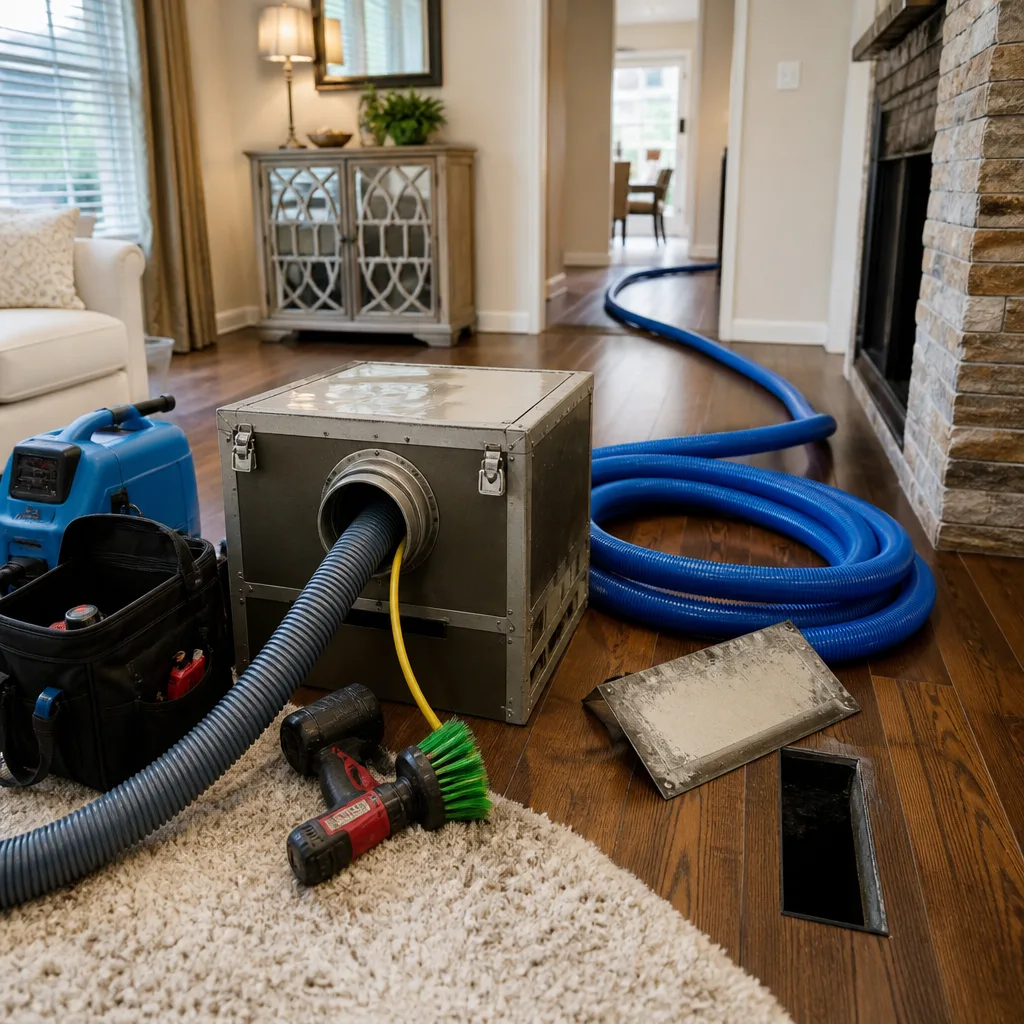
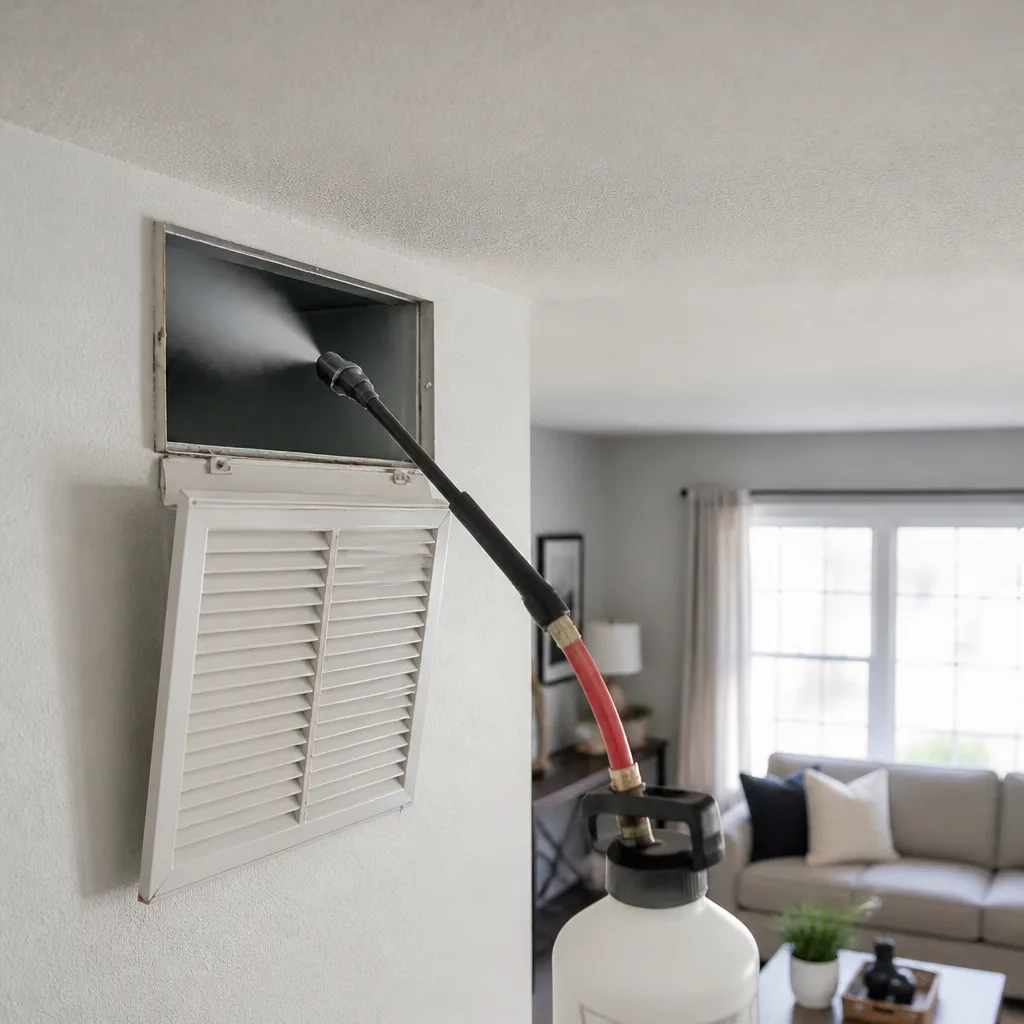
That "$99 whole-house special" is a bait ad - the real number appears once they are in your hallway, or the "clean" is a shop-vac at the register. We photograph the inside of your ducts before and after instead.
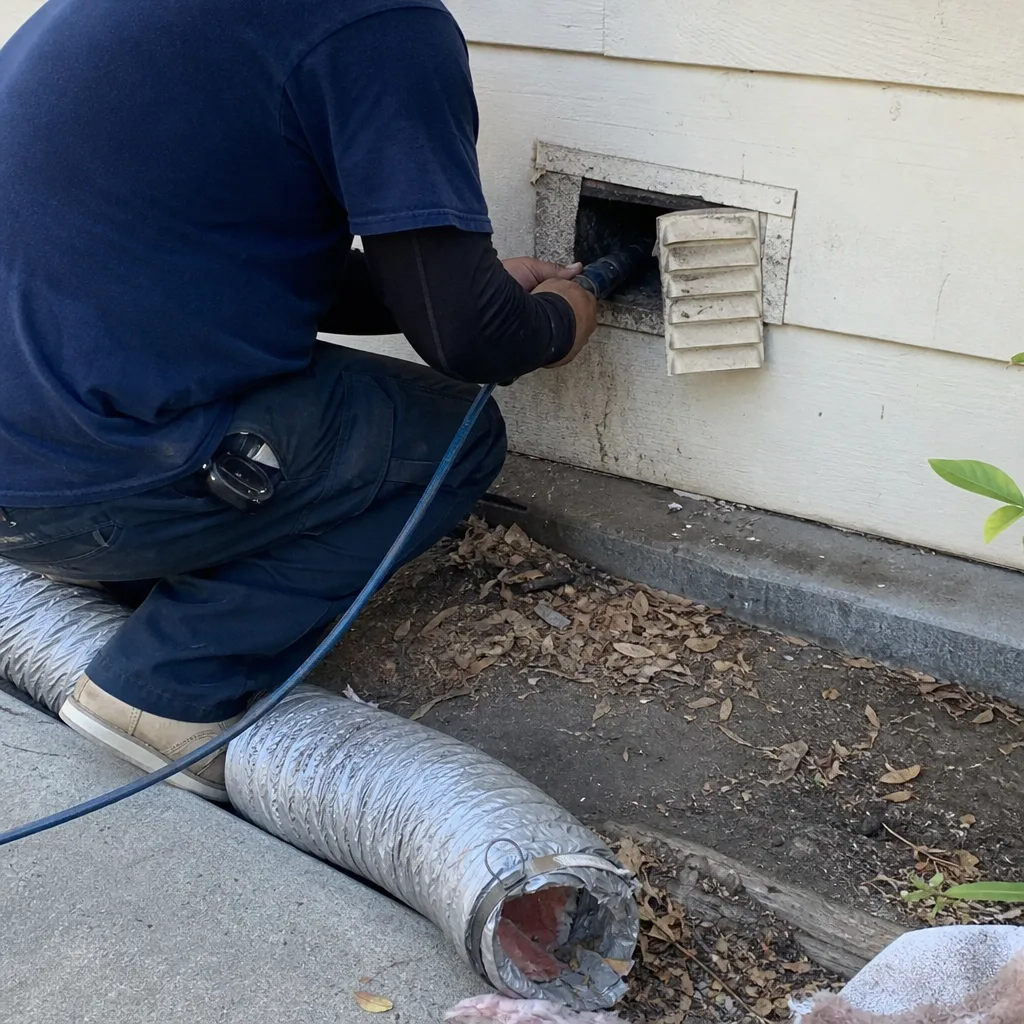 Before
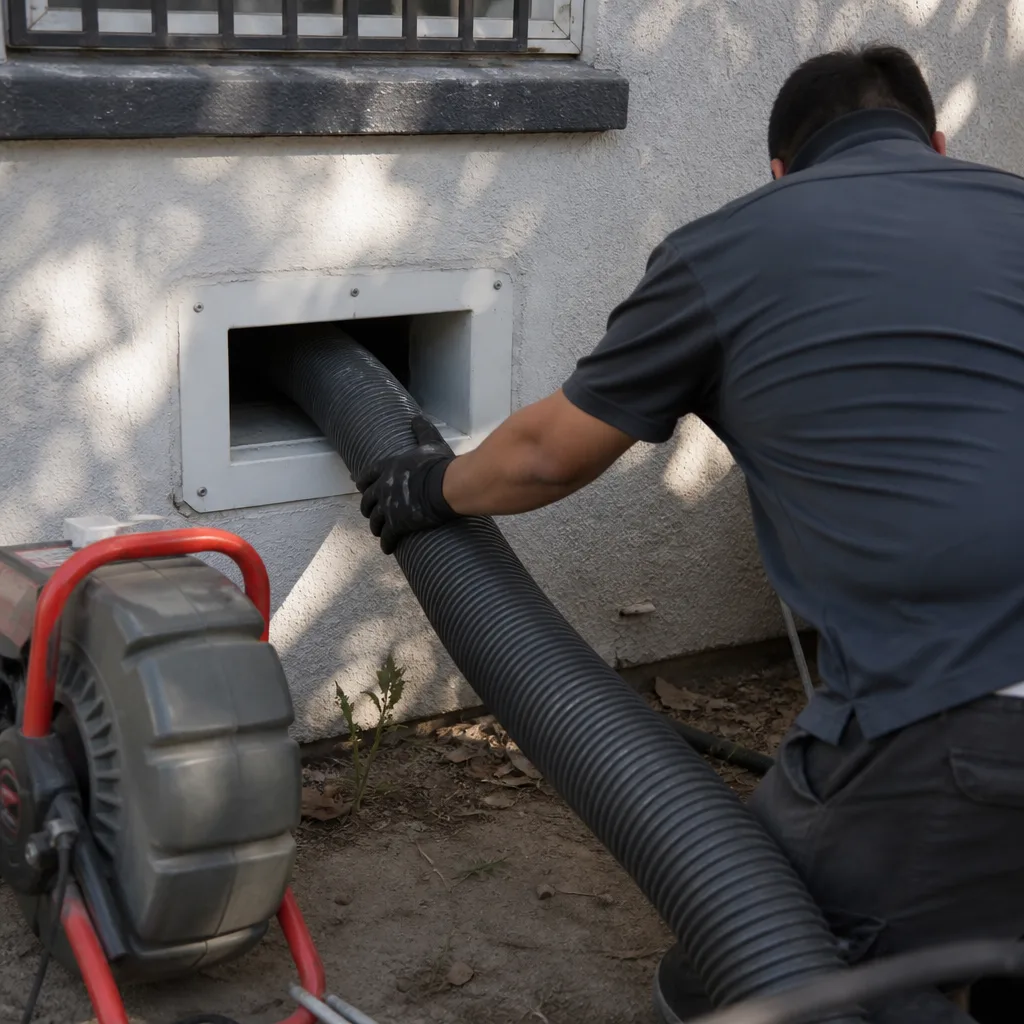 After
After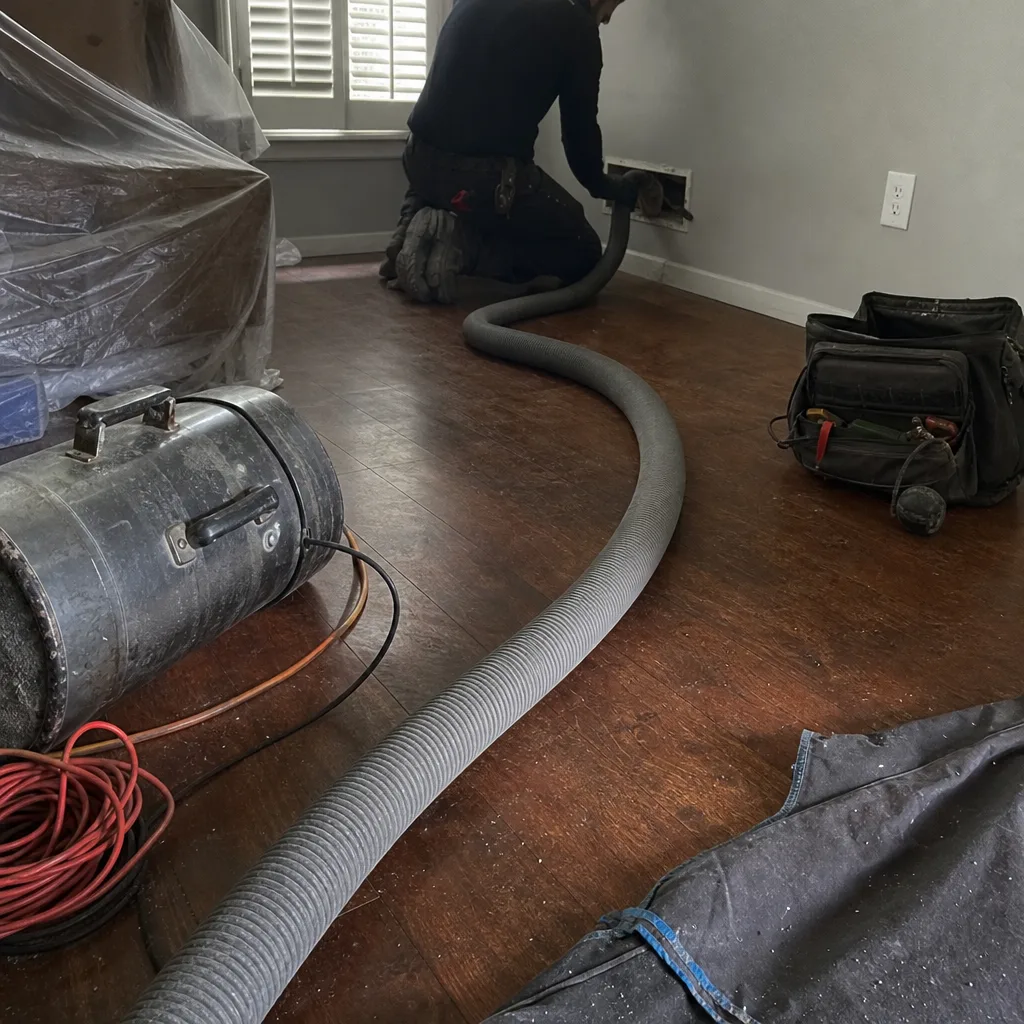 Before
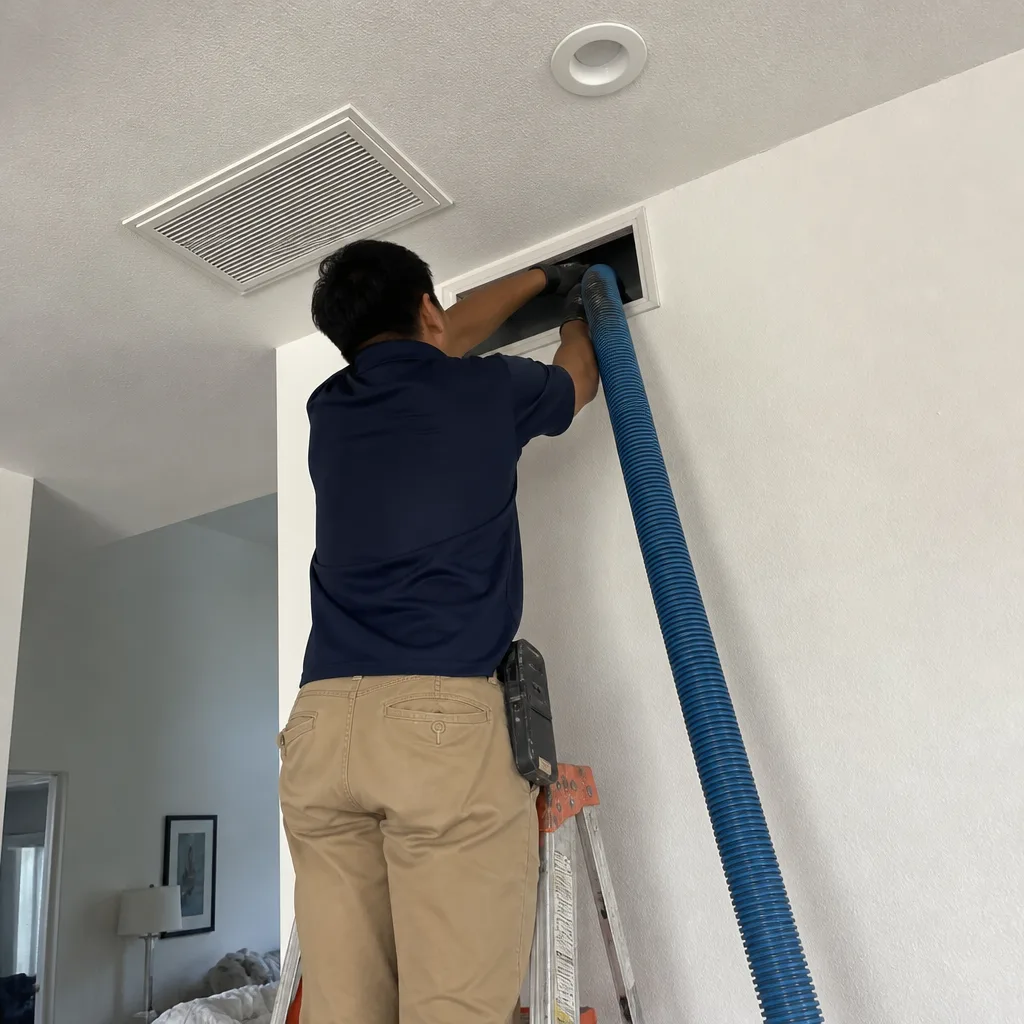 After
After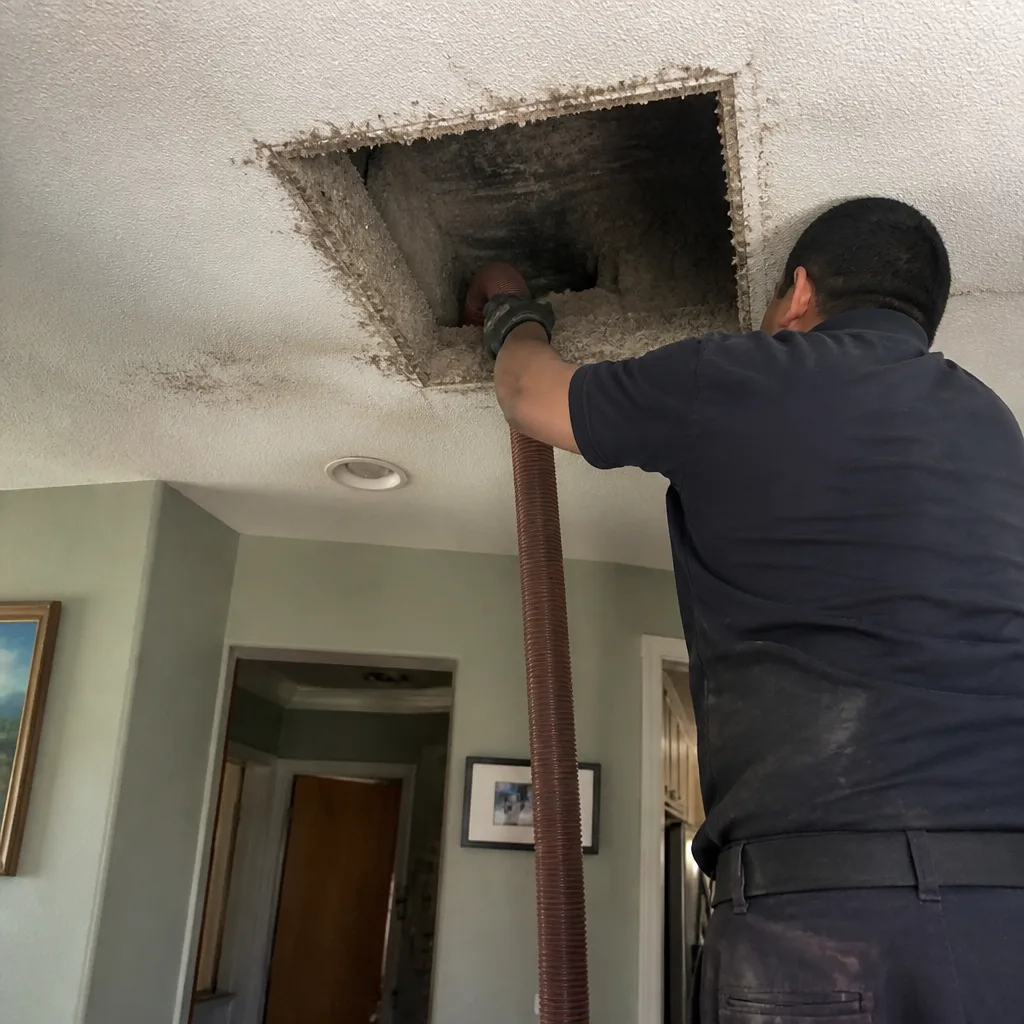 Before
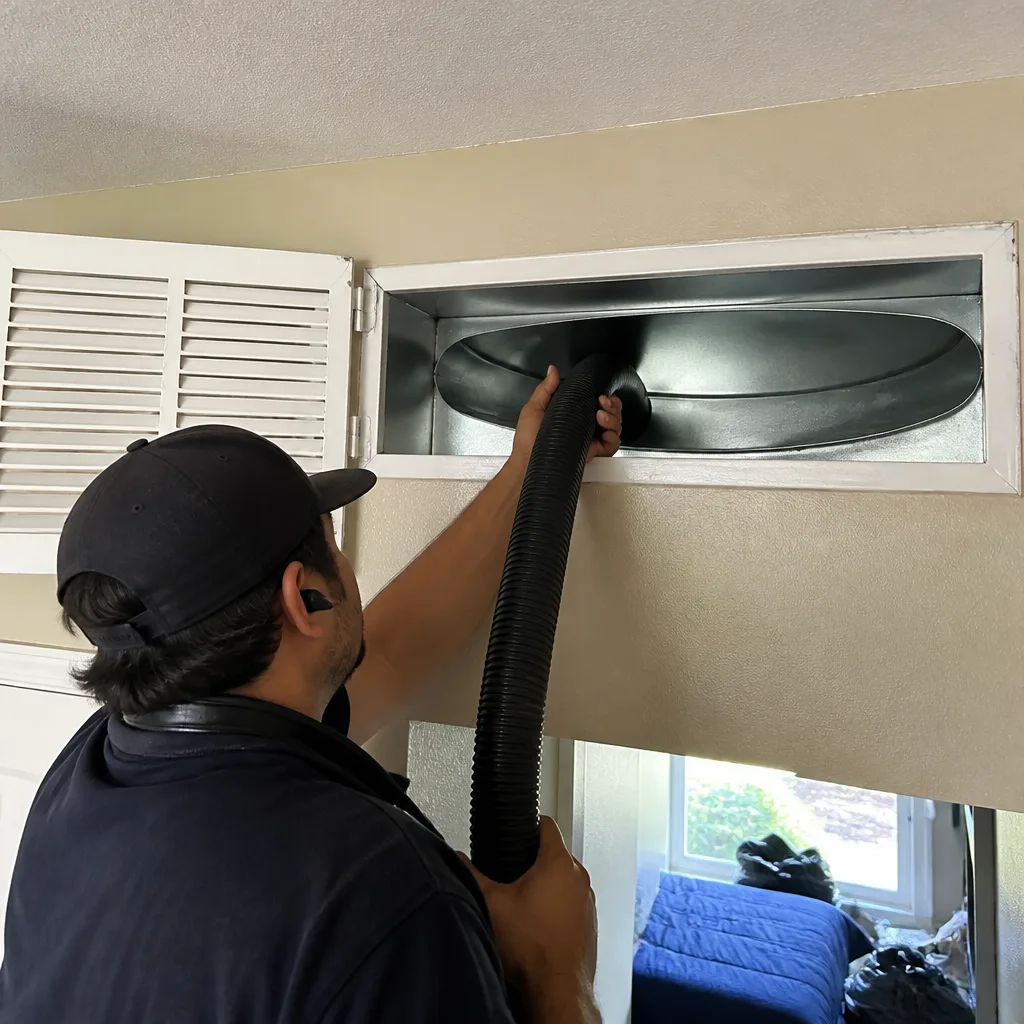 After
AfterHow Long Does Dryer Vent Cleaning Take? Timelines and What to Expect
A technician who finishes your Dryer Vent Cleaning in 15 minutes almost certainly did not clean it. Yet plenty of Los Angeles homeowners hear that exact promise, then wonder why their dryer still takes two cycles to dry a load of towels. A proper rotary brush pass on an average Los Angeles home takes 45 to 75 minutes when done correctly, and the variables that stretch that window are almost never explained honestly. Here is exactly what happens during that hour, why vent length and elbows matter more than you expect, and how to spot the difference between a real cleaning and a quick vacuum pass that leaves lint packed behind the wall.
Quick Answer
Dryer vent cleaning for a typical single-family home in Los Angeles takes 45 to 75 minutes. Short vents under 10 feet with easy roof or wall access can run closer to 30 minutes, while long runs over 20 feet, multiple elbows, or complications like bird nests will push the job past 90 minutes. Any company quoting a flat 20 minutes regardless of your home’s layout is not doing a full rotary brush cleaning.
Table of Contents
- The Real Time Breakdown by Task
- How Vent Length and Elbows Add Time
- Legitimate Complications vs. Red Flag Upsells
- Using Timing as a Quality Check
- What a Cardinal Job Timeline Looks Like
- How Duct Material Changes the Clock
- Common Mistakes to Avoid
- When to Call a Professional
- Frequently Asked Questions
- The Bottom Line
The Real Time Breakdown by Task
Most homeowners picture a guy shoving a hose into the dryer outlet for five minutes and calling it done. That is exactly what a lowball operation does, and it leaves the majority of the lint inside the pipe. A complete dryer vent cleaning involves six distinct steps, each with a realistic time range. In Los Angeles, where many laundry rooms sit on the second floor or in converted garages, access setup often takes longer than the actual brushing.
- Access setup and floor protection (5-10 minutes): The technician pulls the dryer out from the wall, disconnects the transition hose, and lays down a drop cloth. If the dryer sits in a tight alcove or stacked laundry closet, this step takes the full 10 minutes.
- Transition hose inspection and cleaning (5-8 minutes): The short flexible hose connecting the dryer to the wall outlet gets inspected for kinks, holes, or lint blockage. It is cleaned or replaced depending on condition.
- Rotary brush passes through the vent run (15-30 minutes): This is the core of the job. A spinning brush rod fed through the vent pipe scrubs the walls. The number of passes depends on vent length and how much lint has been compacted. Most runs require two to three passes of the full length to break loose years of buildup.
- Negative-pressure vacuum extraction (10-15 minutes): A HEPA-rated vacuum like our Nikro unit runs at the vent opening while brushing happens, pulling loose debris out rather than pushing it back into the room. After brushing, the vacuum runs alone for several minutes to catch anything still suspended. That means the loosened debris goes straight into the vacuum, not back into your living room.
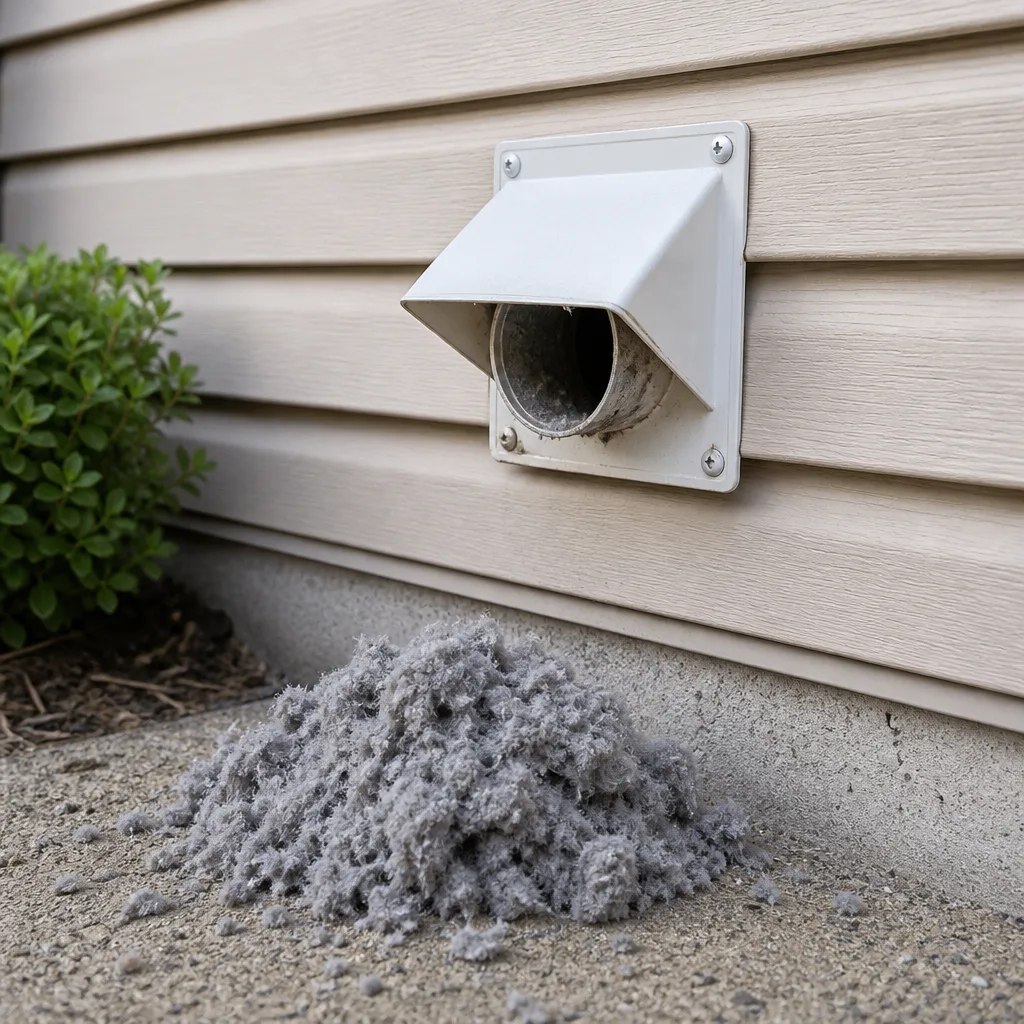
- Cap inspection and cleaning (5-10 minutes): The exterior termination cap on the wall or roof gets cleared of lint crust, checked for proper flap operation, and washed if accessible. In Los Angeles, where many vents exit through stucco walls or Spanish tile roofs, this step involves more than a quick glance.
- Reconnection and airflow verification (5-8 minutes): The dryer is reconnected, pushed back, and the technician runs a quick airflow check. Many pros also measure the time needed for a tissue to be pulled against the exterior cap as a basic pull test.
Add those up and you get 45 to 75 minutes for a standard residential job. A 20-minute service skipped at least three of these steps.
How Vent Length and Elbows Add Time
The single biggest variable in dryer vent cleaning time is how far the air travels from your dryer to the outside. A 6-foot straight shot through the wall takes one brush pass and a short vacuum run. A 25-foot vent that twists through a floor cavity, up an interior wall, and exits through the roof takes three to four times as long.
The industry standard is roughly one brush pass per 3 feet of run. So a 10-foot vent needs three to four passes. A 30-foot vent needs ten or more. Each pass takes a minute or two of actual brushing, but the technician also pauses to inspect the brush head for debris buildup and to check that the rod is not getting hung up.
Elbows are the other multiplier. Every 90-degree turn cuts airflow and catches lint. A vent with four elbows and a 25-foot total run takes meaningfully longer than a straight 25-foot vent, because the brush has to negotiate every corner and the technician must slow down at each turn to avoid snapping a flexible rod inside the pipe. In older Los Angeles homes built in the 1940s and 1950s, especially in neighborhoods like Silver Lake, Echo Park, and the San Fernando Valley, it is common to see dryer vents with three or four elbows because the original floor plans never accounted for a dryer location. Those houses consistently run toward the longer end of the cleaning window.
Legitimate Complications vs. Red Flag Upsells
Some jobs genuinely take longer than expected, and a good technician tells you before starting the extra work. Specific things that add time include:
- Bird or rodent nests: In Los Angeles, dryer vents that exit through the roof or a stucco wall are prime nesting spots for finches and house sparrows. Nest removal can add 10 to 25 minutes, and the debris often requires a second vacuum pass.
- Disconnected duct section inside the wall: Older foil ductwork can separate at a joint, dumping lint into the wall cavity. If the technician discovers this, the fix involves pulling the separated section back together or replacing it. That legitimately adds 20 to 40 minutes, and it is a real safety issue worth fixing.
- Damaged termination cap: A cracked or missing exterior flap lets rain and bugs into the vent. Replacing a cap adds 5 to 15 minutes. This is standard maintenance, not an upsell.
- Plastic or foil transition hose replacement: Many older Los Angeles homes still have flammable plastic or thin foil transition hoses. Replacing one with rigid metal duct takes 10 to 20 minutes.
The red flags to watch for are different. If a technician suddenly claims your entire vent pipe is “collapsed” and needs $400 in replacement after a 10-minute inspection, ask for a camera scope proof. If the upcharge appears before any work has been done and the justification is vague, get a second opinion. A collapsed vent is a real thing, but it should be verifiable with a photo or live camera feed. In our experience, the honest complications show up after the cleaning starts, not as a printed menu handed to you at the door.
Using Timing as a Quality Check
Timing is one of the few quality metrics a homeowner can evaluate without training. When you get a quote, ask two questions: how long will the job take, and how will you handle elbows?
If a company says 20 minutes flat for any home and does not mention elbows at all, they are planning a vacuum-only job. A vacuum-only pass removes loose lint at the end of the pipe but does not scrub the packed layer on the walls. That layer is what increases drying time and creates the bulk of the fire risk. Lint buildup inside a dryer vent is the leading cause of dryer fires in the United States, and a clear pipe with a thin coating on the walls is not the same as a clean pipe.
A legitimate company will vary its answer based on your vent length and layout, or at minimum explain that the final time depends on access. They should also be able to tell you exactly what tool they run: a rotary brush system like our Rotobrush setup, a HEPA vacuum for negative pressure, and containment equipment that keeps the laundry room from filling with lint dust. If they cannot name their equipment or describe their process in one sentence, that is a red flag before they ever arrive.
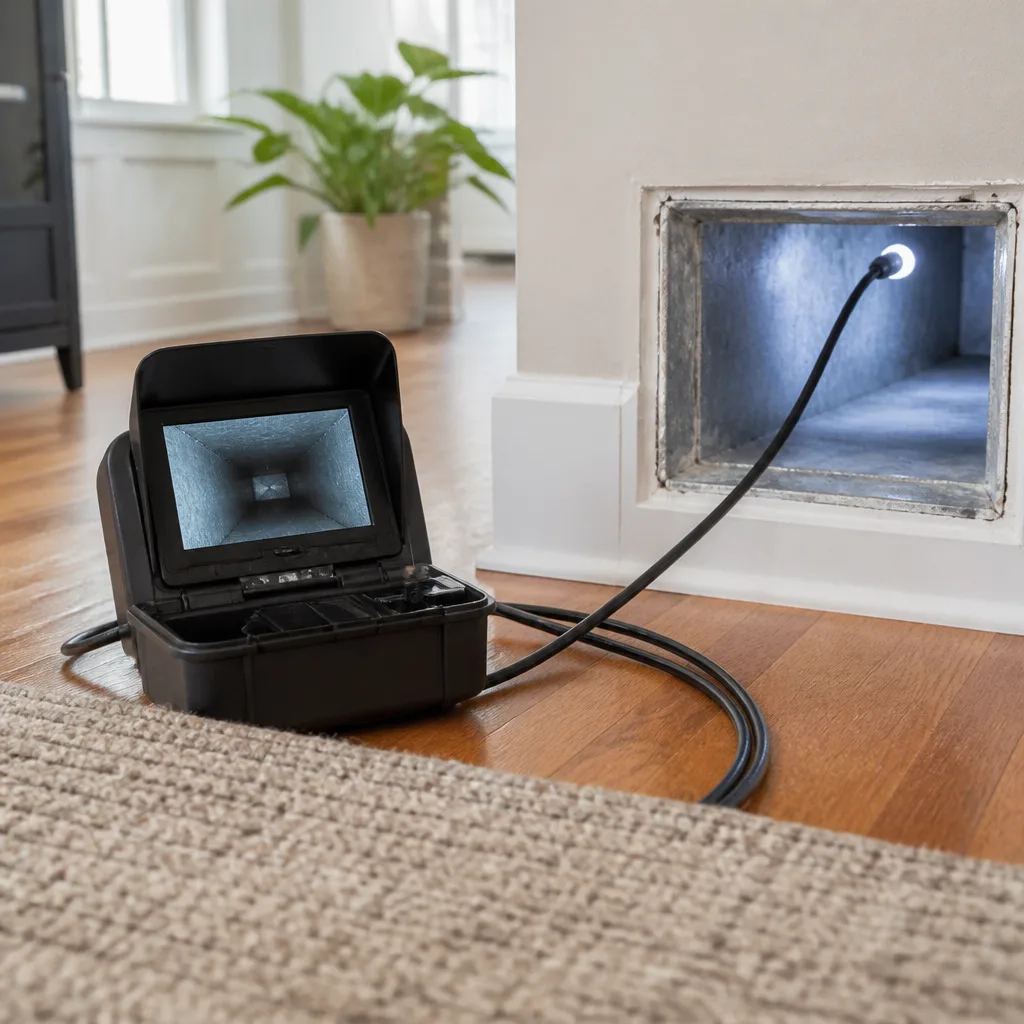
Also pay attention to what they document. Before-and-after photos are the single best proof that a full cleaning happened. A company that takes photos of the interior of your vent before and after the brush pass is showing you their work. A company that refuses or has no camera is asking you to trust that a 20-minute job was thorough. Our Cardinal Air Duct Cleaning home standard includes photo documentation of the vent interior as part of every dryer vent job.
What a Cardinal Job Timeline Looks Like
If you book a dryer vent cleaning with us in Los Angeles, here is what the total time commitment looks like from your side, as detailed in our guide on How Long Does HVAC Cleaning Take? Timelines and What to Expect. Block off 90 minutes of your day for the full experience, including the technician’s arrival.
- Booking (5 minutes, phone or online): You get a written price before any work starts, not an estimate range that shifts after the technician walks in. The price is tied to your vent configuration and is confirmed before the visit.
- Live arrival window (day of job): The Relay Standard gives you a trackable arrival time from your phone, so you are not stuck in a four-hour waiting window. You will know the technician’s name and photo before they ring the bell.
- The cleaning itself (45-75 minutes): The breakdown above applies: access, brush passes, vacuum extraction, cap inspection, reconnection, airflow check. You are welcome to watch, and the tech will show you the vent interior photos before and after.
- Before-and-after photo review (5 minutes): You see actual images of your vent interior, not a stock photo or a pretend “cleaned” certificate. The photos are taken with a camera probe inside the pipe.
- Digital invoice and payment (2 minutes): A phone-native link lets you pay from the invoice. No paper, no calling the office back.
Total time on your calendar: roughly 90 minutes from arrival to receipt. Not two hours of phone tag, not a four-hour arrival window, and not a price that changes at the door. If you are comparing us to a 20-minute quote, ask yourself which steps they are skipping to get there.
How Duct Material Changes the Clock
The material your vent pipe is made from affects the cleaning approach and the time it takes. Los Angeles housing stock runs the full range, from 1920s bungalows in Highland Park to 1990s tract homes in Valencia, and each era has its typical duct materials.
Rigid metal duct (best): Smooth interior walls, least lint accumulation, fastest to clean. The brush moves through quickly and the vacuum extraction is efficient. Most newer Los Angeles construction and permitted retrofits use rigid metal, and these homes are usually at the shorter end of the cleaning window.
Semi-rigid flexible metal duct: The corrugated spiral walls catch more lint than smooth metal, requiring slower brush passes and more vacuum time. These are common in mid-century Los Angeles homes where the vent had to navigate around framing. Expect 15 to 20 minutes more than a rigid metal run of the same length.
Plastic or thin foil duct: These should be replaced, not cleaned. Flexible plastic dryer vent is flammable and is against California building code for new installations, but thousands of older Los Angeles homes still have it. If we find plastic duct, we flag it immediately and recommend replacement as part of the service. The cleaning itself may be faster because we are not scrubbing a pipe we intend to replace, but the replacement adds 20 to 30 minutes. This is a legitimate safety upgrade, not an upsell. Plastic duct burns, and when a dryer fire starts inside a plastic vent, it does not stay contained for long.
Common Mistakes to Avoid
- Accepting a flat 20-minute quote without asking about elbows or vent length. That is a vacuum-only pass, not a rotary brush cleaning. You are paying for about a third of the job.
- Skipping before-and-after photos. Without interior photos, you cannot verify anything was removed. A clean exterior cap means nothing about the 20 feet of pipe behind it.
- Not asking what equipment the company runs. Shop-vac rigs and truck-mounted shortcuts do not produce the agitation needed to break loose years of compacted lint. A rotary brush system and HEPA negative-pressure vacuum are the standard for a real cleaning.
- Waiting for the dryer to stop working before cleaning the vent. Long drying times are an early warning sign. An annual cleaning for a household of three or more in Los Angeles keeps the vent clear and catches cap damage before it becomes a roof leak or a fire hazard.
- Believing a low coupon price and ignoring the “additional services” line. The bait-and-switch model in this trade works by quoting $49 for a vent cleaning, then “discovering” problems that add $300. Get the total written price before the technician arrives.
- Ignoring the exterior cap. In Los Angeles, stucco walls and tile roofs make cap access annoying, so some companies skip it. A blocked or broken cap defeats the whole cleaning. Ask whether cap inspection is included.
When to Call a Professional
Dryer vent cleaning is not a DIY job, and the risks are specific. Lint is extremely flammable, and the vent pipe runs inside your walls or through your attic. A torn flex rod left inside the pipe becomes a new blockage. A disconnected joint inside a wall cavity dumps wet lint into your insulation, where it slowly molds. If you have not cleaned your vent in more than 18 months, if your dryer takes two cycles to dry a load, if you smell burning or see lint accumulating around the exterior cap, or if you have purchased a home and do not know its vent history, call a professional who carries the right equipment and documents the work. Cardinal Air Duct Cleaning offers free estimates in Los Angeles – call (737) 727-2314 and we will give you a written price before any work begins. For more on our full service area, see our Dryer Vent Cleaning in Los Angeles page.
Frequently Asked Questions
The range reflects real variables: vent length, number of elbows, duct material, access difficulty, and whether complications like bird nests or disconnected sections are present. A 6-foot rigid metal vent in a garage laundry room takes 30 minutes. A 30-foot vent through a two-story wall with three elbows and a roof cap can take 90 minutes or more. Timing is not a pricing game when the technician explains it this way.
Dryer vent cleaning in the Los Angeles market typically ranges from $110 to $220 as a standalone service, with the price driven by vent length and access. A full service with a rotary brush, HEPA vacuum, cap inspection, and before-and-after photos should land in that range. Quotes under $60 are almost always a loss leader designed to sell you something else at the door.
Once a year for households that run three or more dryer loads weekly. Homes with two people and light laundry usage can often go 18 to 24 months. Los Angeles homes with roof exits or visible exterior lint buildup should stay on the annual schedule. If you have never had it cleaned and the home is more than five years old, do it now and then set a regular annual reminder.
Those kits can handle a short, straight, single-story vent with easy access, but they are designed for homeowner-scale jobs and they often leave partial debris behind. The risks come with longer runs: a drill-powered brush can separate inside the pipe, and you have no way to verify cleaning results without a camera probe. DIY is reasonable for a 6-foot through-the-wall vent. Anything longer, with elbows, or with roof access is worth a professional cleaning.
Ask four questions: How long will the job take on my vent? What equipment do you run? Do you take before-and-after photos of the vent interior? Is the price you quote now the price I pay? The answers separate professional cleaning from a vacuum-only pass. A company that answers directly and includes photos and a written price is doing honest work.
Yes. As a specialist in the Air Duct Cleaning in Los Angeles space, we also handle full HVAC system cleaning and HVAC Cleaning in Los Angeles, including dryer vents, air ducts, and furnace components. If your dryer vent is clogged, your HVAC ducts likely need attention too, and we can handle both in a single visit.
The Bottom Line
Dryer vent cleaning takes 45 to 75 minutes when done correctly. Shorter quotes skip essential steps; longer ones should be justified by specific complications, not vague upsells. The variables that matter are vent length, elbow count, duct material, and access difficulty. Los Angeles homes present a wider range than most markets because of older construction, roof exits, and stucco or tile terminations. For more guides & resources, ask for written pricing, named equipment, and before-and-after photos. If they give you all three, the time on the clock takes care of itself.
Written by Omar Haddad, Owner at Cardinal Air Duct Cleaning, serving Los Angeles since 2005.