
Last updated October 9, 2026
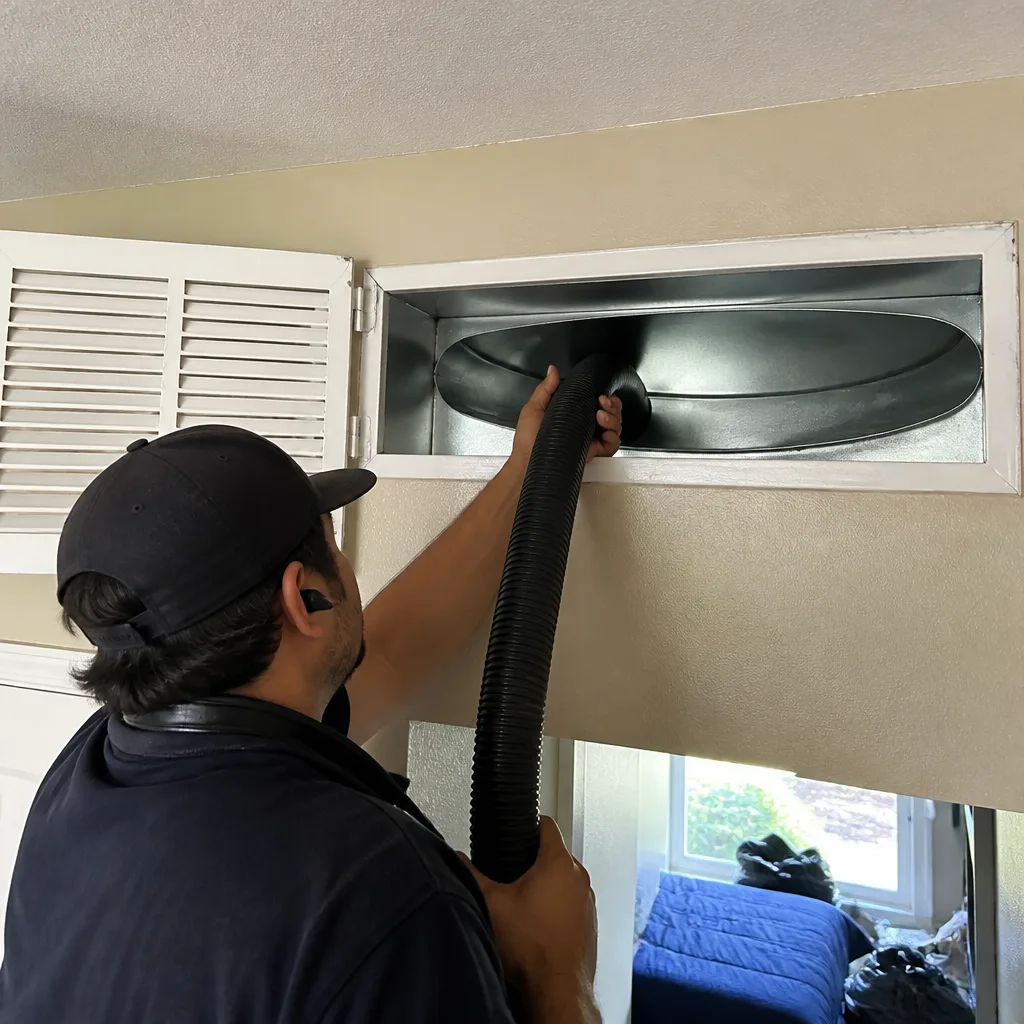
Whole-system duct and dryer vent check with before-and-after photos - you see exactly what came out of your vents
That "$99 whole-house special" is a bait ad - the real number appears once they are in your hallway, or the "clean" is a shop-vac at the register. We photograph the inside of your ducts before and after instead.
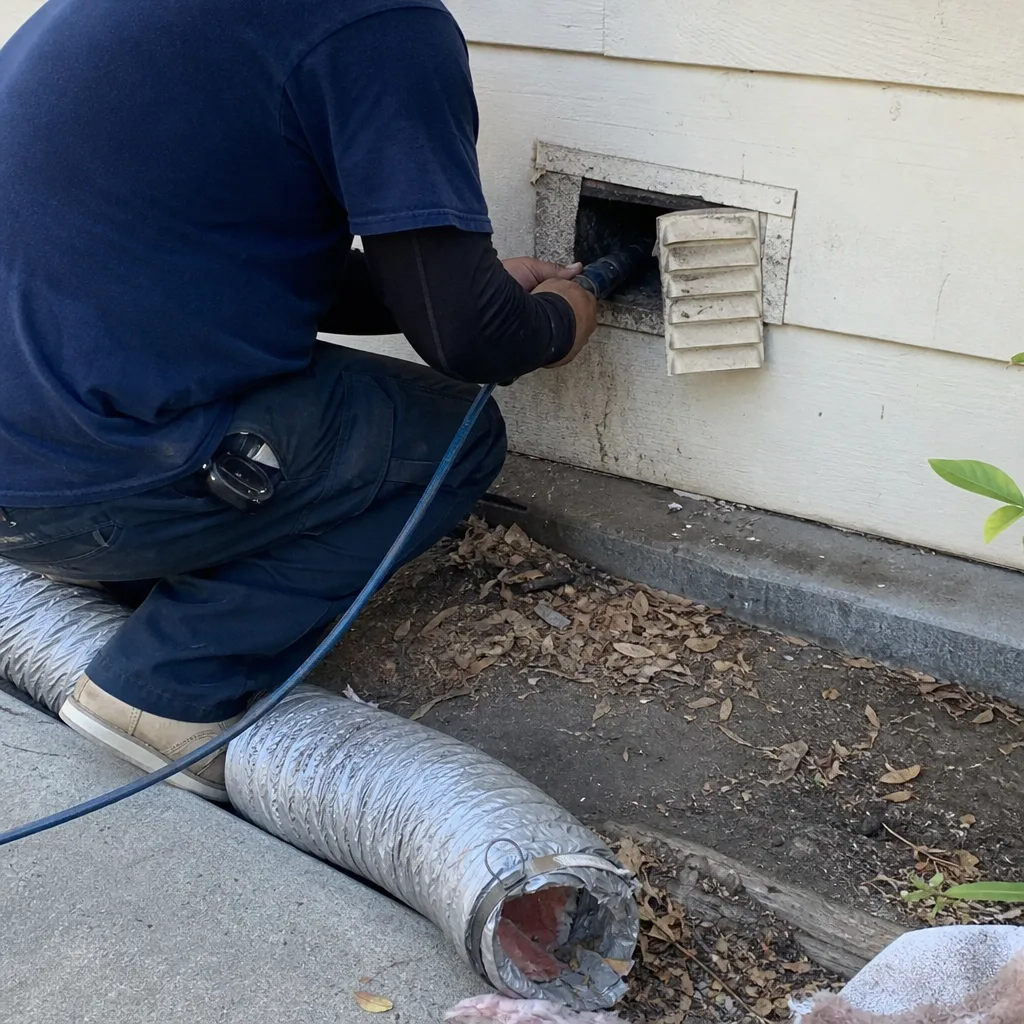 Before
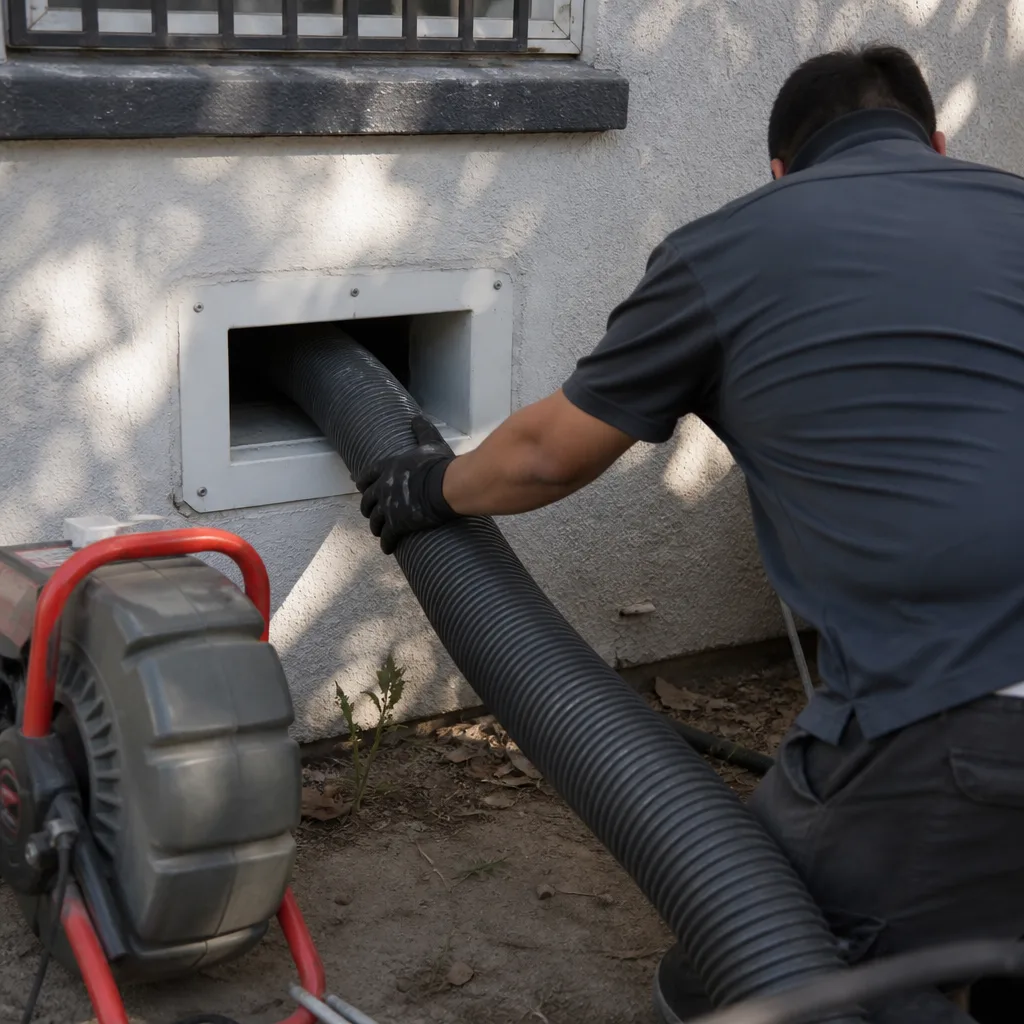 After
After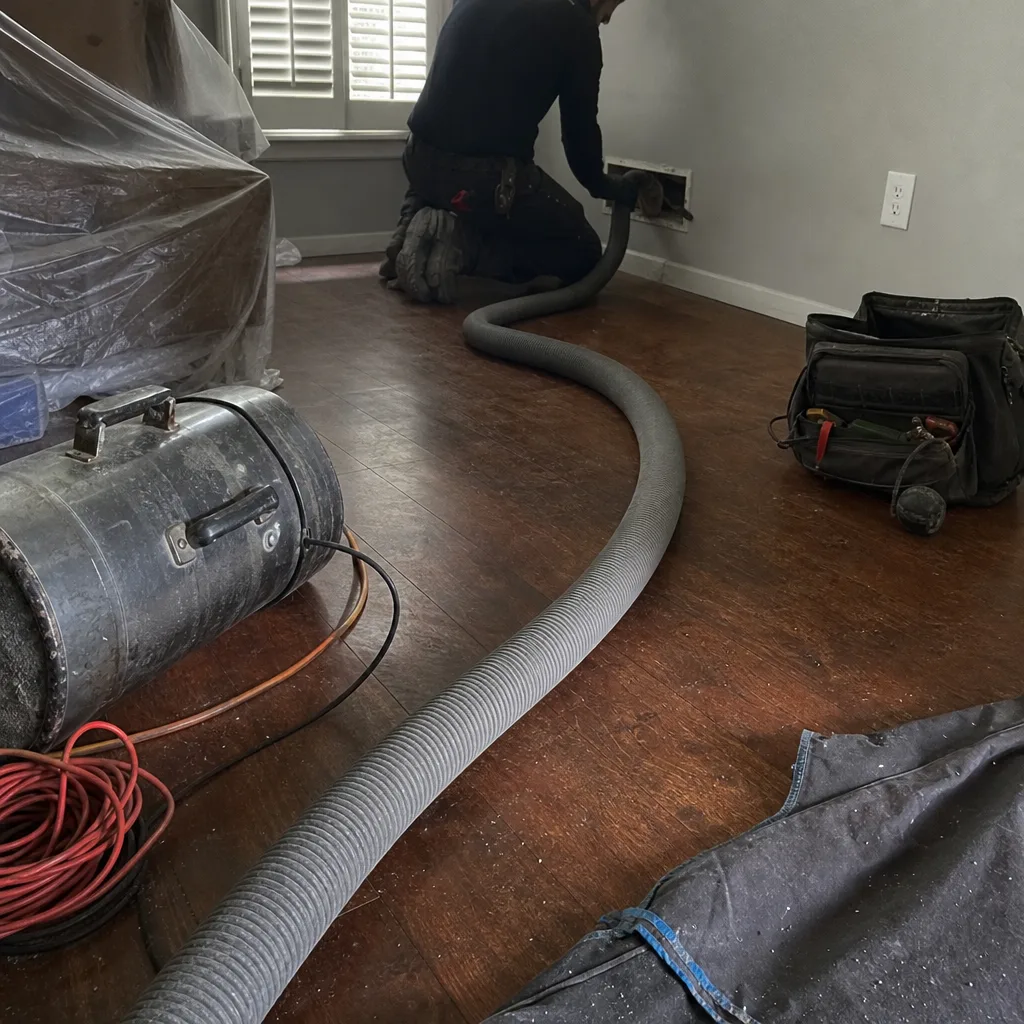 Before
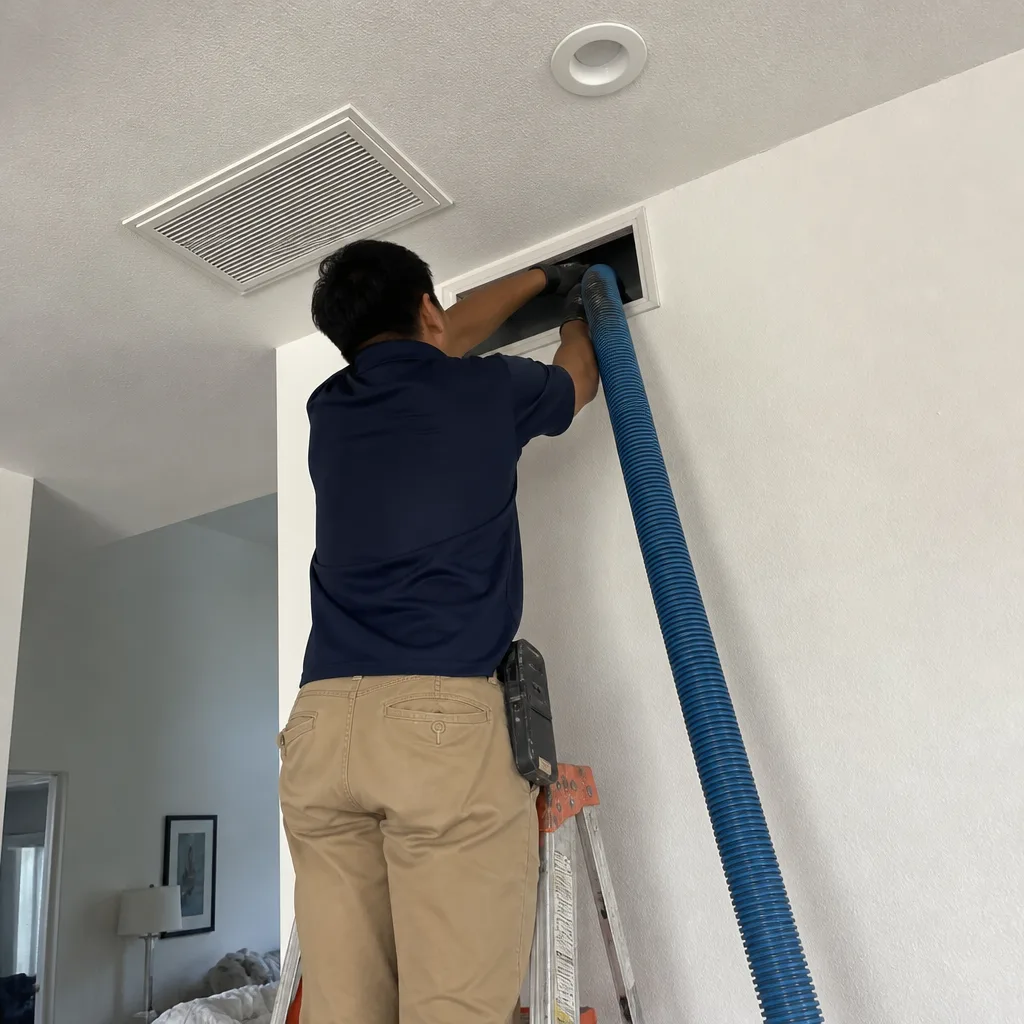 After
After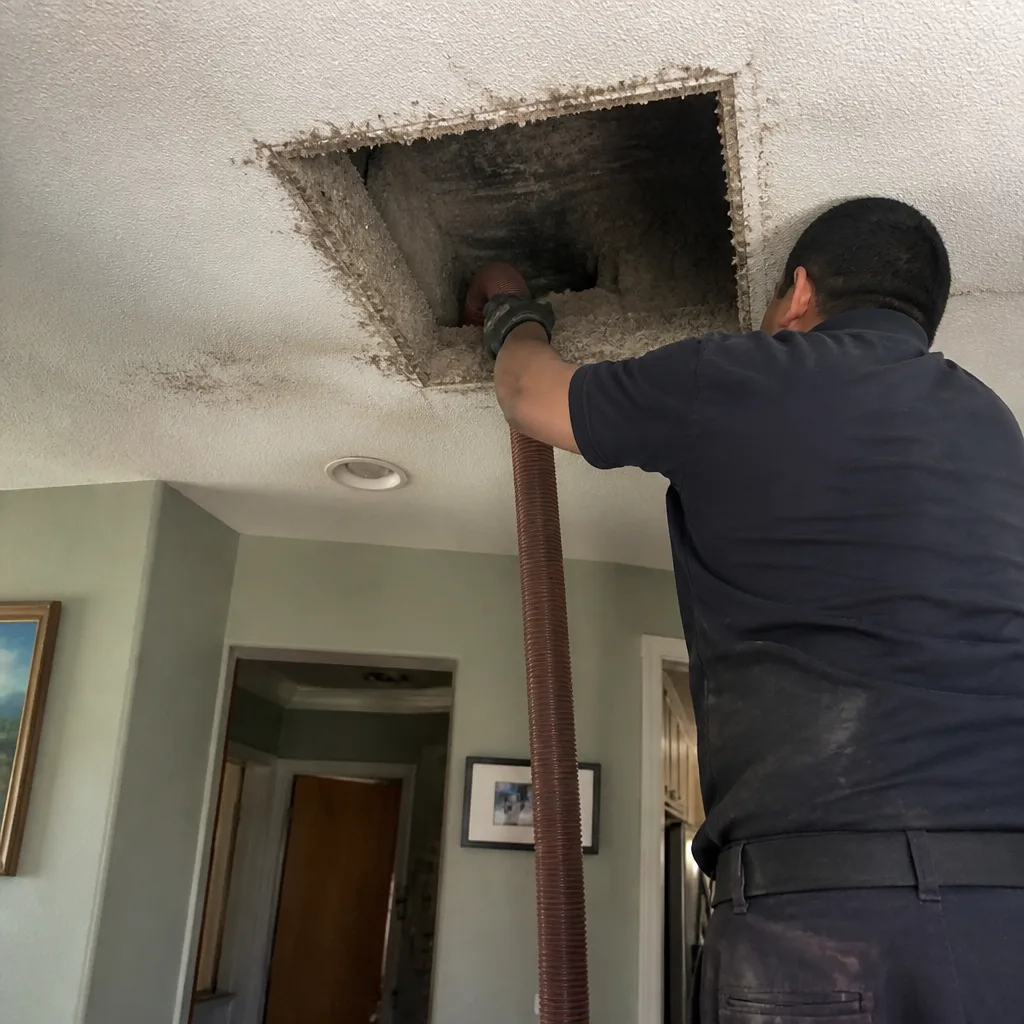 Before
 After
AfterHVAC Cleaning Maintenance Schedule: What to Do and When
Here’s a number most homeowners in Los Angeles never hear: a house with two dogs, a basic MERV-8 filter, and a driveway within a mile of the 405 can need HVAC Cleaning services twice as often as a pet-free home in the same neighborhood running a MERV-13. We’ve seen it play out in West Adams, Sherman Oaks, and everywhere in between. This guide gives you a schedule that actually fits your house, not a generic calendar someone in a marketing office invented. You’ll learn which tasks are monthly DIY, which are annual professional work, and which events in LA specifically, from fire season to Santa Ana winds, should trigger an immediate call.
Quick Answer
Your HVAC cleaning schedule depends on four factors: your filter’s MERV rating, how many pets you have, local air quality events, and the age of your ductwork. Most Los Angeles homes need professional air duct cleaning every 2 to 5 years, with monthly filter checks and annual HVAC inspections in between; for HVAC Cleaning Warning Signs Every Homeowner Should Know, watch for the indicators below. A home with pets, a low-grade filter, or ducts within a few miles of a freeway or fire zone should lean toward the 2-year end of that range.
Table of Contents
- The Four Factors That Actually Determine Your Schedule
- The Point System: Build Your Own Cleaning Interval
- Monthly DIY Tasks (15 Minutes or Less)
- Annual Professional Tasks
- Event-Triggered Cleaning: When LA Weather Changes the Timeline
- How an Aprilaire Media Filter Changes Your Interval and Cost
- A Seasonal LA Calendar: What to Do in Each Quarter
- Using Before-and-After Photos as Your Maintenance Log
The Four Factors That Actually Determine Your Schedule
Any company that hands you a one-size-fits-all “clean your ducts every 3 years” schedule is either guessing or hoping you’ll book more often than you need. The truth is messier and more useful. In our experience cleaning systems across Los Angeles, from Echo Park bungalows to Calabasas estates, four variables explain almost all the variation in how quickly ducts get dirty.
Filter type. A basic fiberglass or MERV-8 filter catches large particles but lets fine dust, pollen, and smoke particulate sail through into your ductwork. A MERV-13 or a media-style filter like an Aprilaire captures most of what would otherwise coat your ducts. The difference in duct contamination after two years is visible in any before-and-after photo set we capture.
Pet count and type. Dogs and cats shed dander and hair constantly, even short-haired breeds. Every time your system cycles, some of that hair skips the return grille and settles inside the duct runs. Two dogs roughly doubles the rate of buildup compared to a pet-free home. One long-haired cat is worse than two short-haired dogs.
Local air quality events. Los Angeles has a distinct air quality rhythm that most of the country doesn’t share. Wildfire smoke in late summer and fall, Santa Ana wind dust events, construction dust from the constant teardown-and-rebuild cycle, and the general baseline of freeway exhaust all push particulate into your system through the fresh air intake and any small leaks in the return side.
Age of your ductwork. Ducts installed before roughly 2000 often have gaps at joints, disconnected sections, or deteriorating seals. Poorly sealed returns pull dirty air from attics and crawlspaces directly into the system. A 40-year-old duct system in a Silver Lake hillside home will load up with debris far faster than a tight, modern installation in a newer Playa Vista build, even with identical filters and pet counts.
The Point System: Build Your Own Cleaning Interval
Here’s a framework we’ve developed after years of watching which Los Angeles homes show up dirty at the 2-year mark and which ones look nearly clean at 5. Assign yourself points in each category, add them up, and use the total to set your professional cleaning interval.
- Filter grade: MERV-8 or lower: 3 points. MERV-11: 2 points. MERV-13 or Aprilaire media filter: 0 points.
- Pets: Two or more dogs or cats: 3 points. One pet: 2 points. No pets: 0 points.
- Location: Within 1 mile of a freeway (the 405, 10, 110, 101, 5, or 210 all count): 2 points. Within 5 miles of a recent wildfire burn area or in a smoke-prone canyon: 2 additional points. Otherwise: 0 points.
- Ductwork age: Original ducts installed before 2000, or known leaky returns: 2 points. Ducts replaced or sealed within the last 10 years: 0 points.
- Renovation activity: Any drywall work, flooring removal, or major remodeling in the past 2 years: 2 points. No recent renovation: 0 points.
Scoring: 0 to 3 points: clean every 5 years. 4 to 6 points: clean every 3 to 4 years. 7 to 9 points: clean every 2 to 3 years. 10 or more points: clean every 2 years, and consider a filter upgrade to extend that interval.
This isn’t a sales tool. It’s a realistic model of how fast particulate accumulates in ductwork. The home near the 405 with two dogs and a MERV-8 filter scores a 10, and we see exactly that profile every single week across Los Angeles, from Westchester up through the Valley.
Monthly DIY Tasks (15 Minutes or Less)
Professional cleaning is not a substitute for these. They’re separate jobs with separate purposes, and skipping the monthly work only shortens the interval between professional visits.
- Check and replace your filter. In Los Angeles, with the particulate load we deal with, a standard 1-inch filter should be checked every 30 days during summer and fall. Hold it up to a light. If you can’t see light through it, replace it regardless of the calendar.
- Clear all supply and return grilles. Vacuum the visible surface of every vent cover in the house. If a supply vent has a layer of dust on the louvers, the inside of that duct run has ten times more.
- Walk the outdoor condenser unit. Clear leaves, grass clippings, and any trash that’s gathered around the unit. Keep at least 2 feet of clearance on all sides. In neighborhoods with heavy tree cover, like parts of Pasadena or Sherman Oaks, this is a year-round job, not just in fall.
- Listen for changes in system sound. A new rattle, whistle, or thump usually means a loose register, a dying blower motor bearing, or a filter that’s been installed backwards. Catching these early is cheap. Ignoring them for six months is expensive.
None of these tasks requires tools beyond a vacuum, a flashlight, and five minutes of attention. Set a phone reminder for the first Saturday of each month and it becomes a 10-minute ritual.
Annual Professional Tasks
Once a year, your system needs a trained set of eyes and hands on it. This is separate from duct cleaning. It’s about the mechanical components that move and condition the air.
- HVAC inspection and tune-up. A technician should check refrigerant levels, clean the evaporator and condenser coils, test the capacitor and contactor, inspect the blower motor, and measure temperature drop across the coil. In Los Angeles, schedule this in April, before the first real heat wave pushes your system to its limit.
- Blower wheel inspection. A dirty blower wheel reduces airflow by up to 30 percent, which means higher energy bills and uneven room temperatures. If your blower wheel has never been pulled and cleaned, it’s time.
- Drain pan and condensate line check. In LA’s dry climate, this gets overlooked. But when humidity spikes in late summer, a clogged condensate line can overflow and cause water damage around the air handler. Most techs will flush the line with a mild cleaner during a standard tune-up.
- Duct system visual inspection. This means looking at accessible sections of ductwork for visible gaps, crushed flex runs, or signs of rodent activity. Rodents in ducts are a Los Angeles reality, especially in older hillside homes and anywhere near open land.
The annual tune-up and the professional duct cleaning are not the same thing. One keeps the machine healthy. The other clears the accumulated particulate. Both belong in your schedule, but they run on different clocks.
Event-Triggered Cleaning: When LA Weather Changes the Timeline
Los Angeles has a seasonal rhythm that most national maintenance guides completely ignore. These are the events that, in our experience, should move your professional cleaning date forward regardless of what your point total says.
Wildfire season aftermath. When a fire burns within 10 to 15 miles of your home, smoke particulate infiltrates ducts through the fresh air intake, through attic vents, and through any return-side leakage. Even with the system off during the worst of the smoke, particles settle and linger. If your house smelled like smoke for more than a day during fire season, schedule a cleaning that fall.
Santa Ana wind events. Sustained 30 to 60 mph winds carry dust from the high desert into the LA basin. After a multi-day Santa Ana event, you’ll often find a fine layer of gritty dust on window sills and floors. That same dust is settling in your ductwork. One event won’t justify a full cleaning, but two or three in a single season, combined with an already-dirty system, often tips the balance.
Post-renovation. Drywall dust is extremely fine and gets pulled into returns during any project that involves sanding, cutting, or demolition. If you’ve remodeled a kitchen or bathroom without sealing off the registers, schedule a cleaning after the contractors leave. Waiting until the 3-year mark means living with that dust in the air supply for years.
New pet adoption. Adding a second dog or cat changes your point total immediately. If you were at the 4-year mark and adopt, your interval shortens. Recalculate and adjust your schedule.
Moving into a new home. You have no idea what the previous owner’s filter habits were, whether they had pets, or when the ducts were last cleaned. Unless the seller provides documentation, treating the ducts as uncleaned and scheduling a cleaning within the first six months is the safest move. This is one of the most common calls we get in Los Angeles, and the before-and-after photos from these jobs are often the most dramatic we capture all year.
How an Aprilaire Media Filter Changes Your Interval and Cost
Here’s a simple economic argument most duct cleaning companies won’t make, because it reduces their repeat business. Upgrading from a basic 1-inch filter to a media-style filter like an Aprilaire cabinet unit does three things to your maintenance schedule.
It extends your professional cleaning interval. A media filter, typically 4 to 5 inches thick, has far more surface area than a 1-inch filter. It catches more fine particulate without restricting airflow, and it loads up far more slowly. In practical terms, a home that would need cleaning every 2 years with a MERV-8 filter can often stretch to 4 or 5 years with an Aprilaire MERV-13 media filter installed. The filter upgrade drops your point total by 3 in the framework above.
It changes your annual cost calculation. Let’s spread this out over five years for a typical Los Angeles home. Professional duct cleaning for a standard single-family house runs roughly $500 to $1,200 depending on system size, number of returns, and accessibility. That’s our honest range, not a teaser price. If you need cleaning every 2 years with a basic filter, that’s $1,500 to $3,600 over five years. A media filter cabinet, including installation, typically runs $400 to $700. Add one cleaning in year five, and your total is $900 to $1,900. The filter upgrade pays for itself within one skipped cleaning cycle.
It improves day-to-day air quality. This is the part that doesn’t show up in a cost table. A MERV-13 media filter removes significantly more fine particulate from the air your family breathes every day. In a city with Los Angeles’ air quality profile, that’s not a luxury. That’s the baseline.
The trade-off: media filters require professional installation because they need a proper cabinet mounted at the return. It’s not a drop-in replacement. The installation cost covers the cabinet, the filter element, and the labor to mount and seal it correctly.
A Seasonal LA Calendar: What to Do in Each Quarter
Here’s how the year actually plays out for HVAC maintenance in Los Angeles. This is the schedule we’d give a friend in Eagle Rock or Mid-City.
January through March: The Reset Quarter
This is the quietest stretch for your system. Rain clears some particulate from the air, though it also drives humidity up and can surface any leaks or drainage issues. Use this quarter to replace filters, inspect grilles, and schedule any major work before the cooling season rush. If you skipped a post-fire-season cleaning the previous fall, do it now before contractors across Los Angeles book up for spring.
April through June: The Pre-Cooling Quarter
April is the month for your annual HVAC tune-up in Los Angeles. Temperatures are still mild, technicians have schedule availability, and you want the system confirmed healthy before the first 90-degree week. This is also when you should verify that your outdoor condenser unit has clearance and that the condensate drain line is clear. If your filter has been running since January, replace it now.
July through September: The Peak Load Quarter
Your system runs hardest during these months. Check the filter monthly, not quarterly. Listen for new sounds. Watch for temperature differences between rooms, which often indicate a partially collapsed flex duct or a damper that’s shifted. Fire season typically peaks in late summer into fall. If smoke reaches your neighborhood, plan on a post-season professional cleaning.
October through December: The Fire Aftermath Quarter
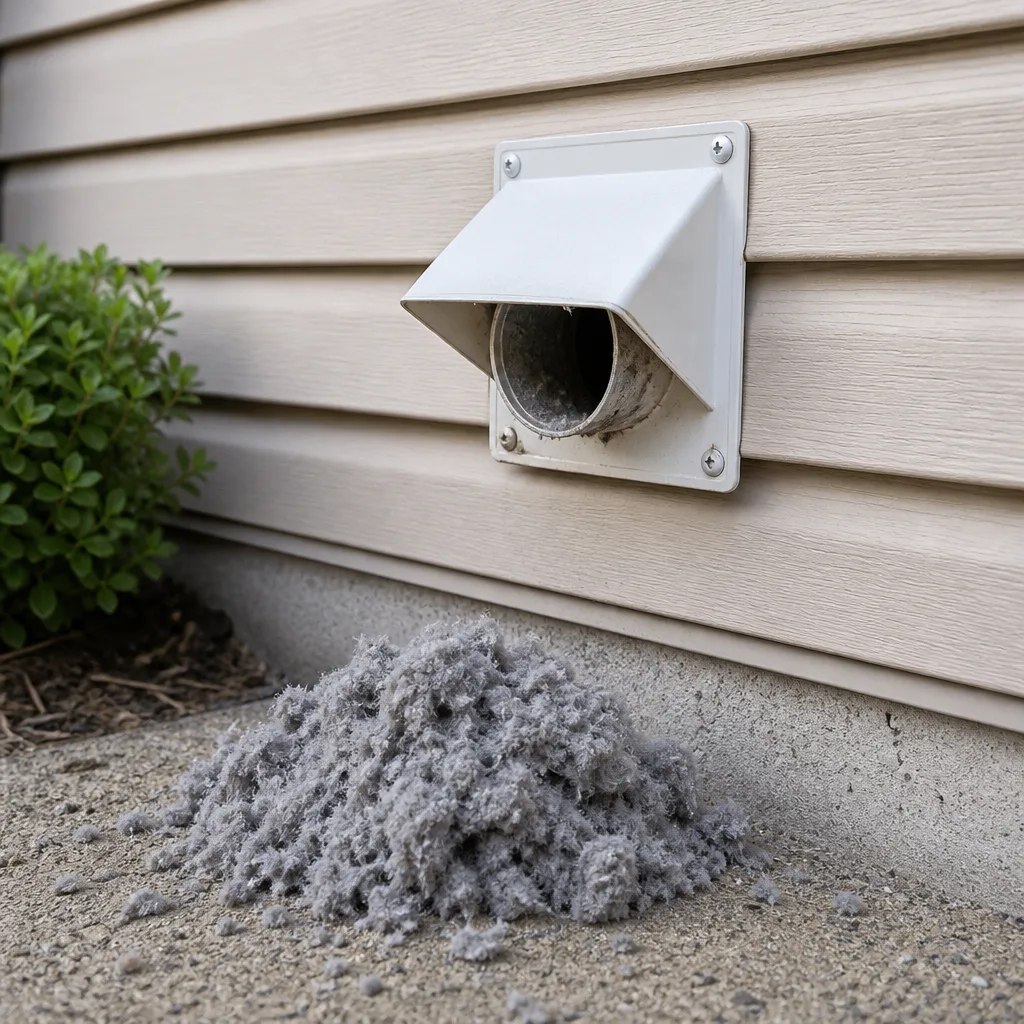
This is the most consequential quarter for duct cleaning in Los Angeles. After the wildfire season ends with the first significant rains, usually in November, schedule a professional inspection and cleaning if your point total says you’re due, or if smoke infiltrated your home at any point. Also check your dryer vent, which accumulates more lint during the cooler months when you’re running longer, heavier loads. For dryer vent cleaning in Los Angeles, fall is the ideal time before holiday laundry volume spikes.
Using Before-and-After Photos as Your Maintenance Log
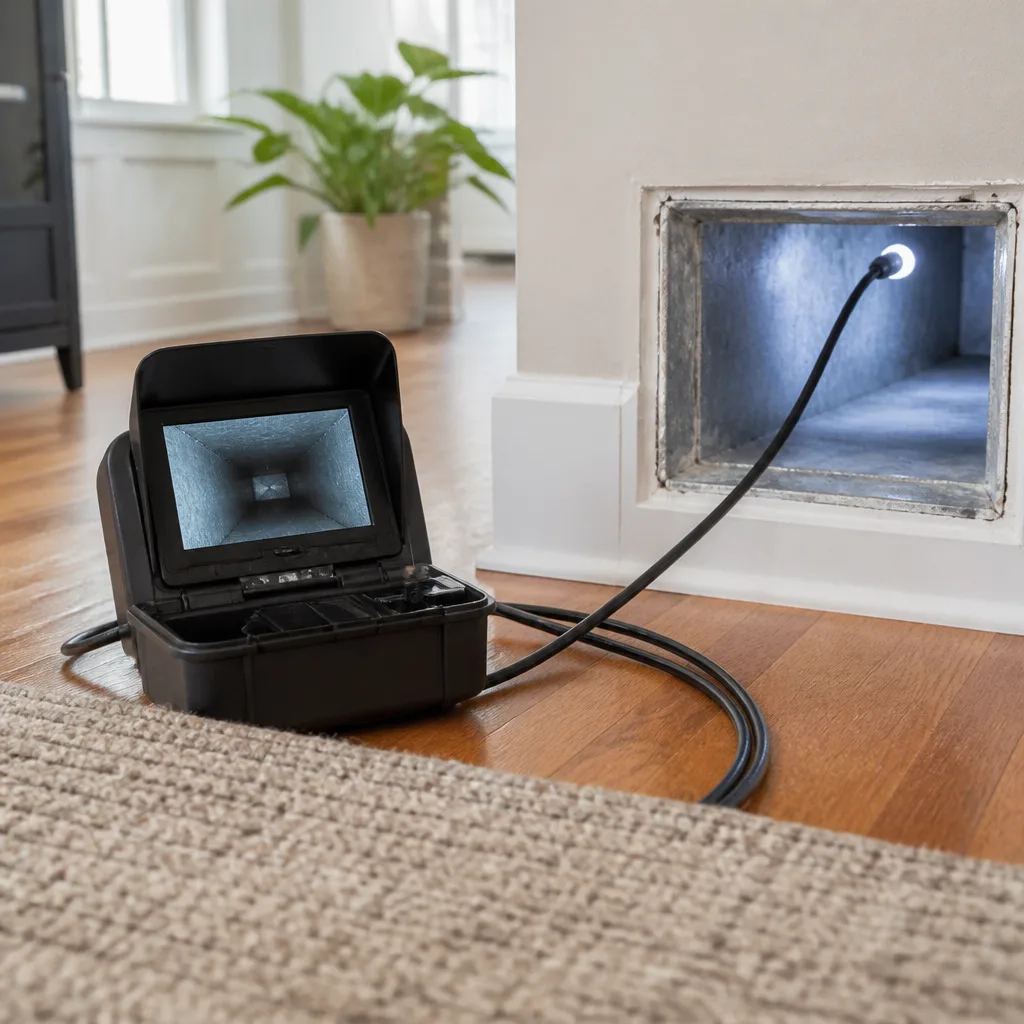
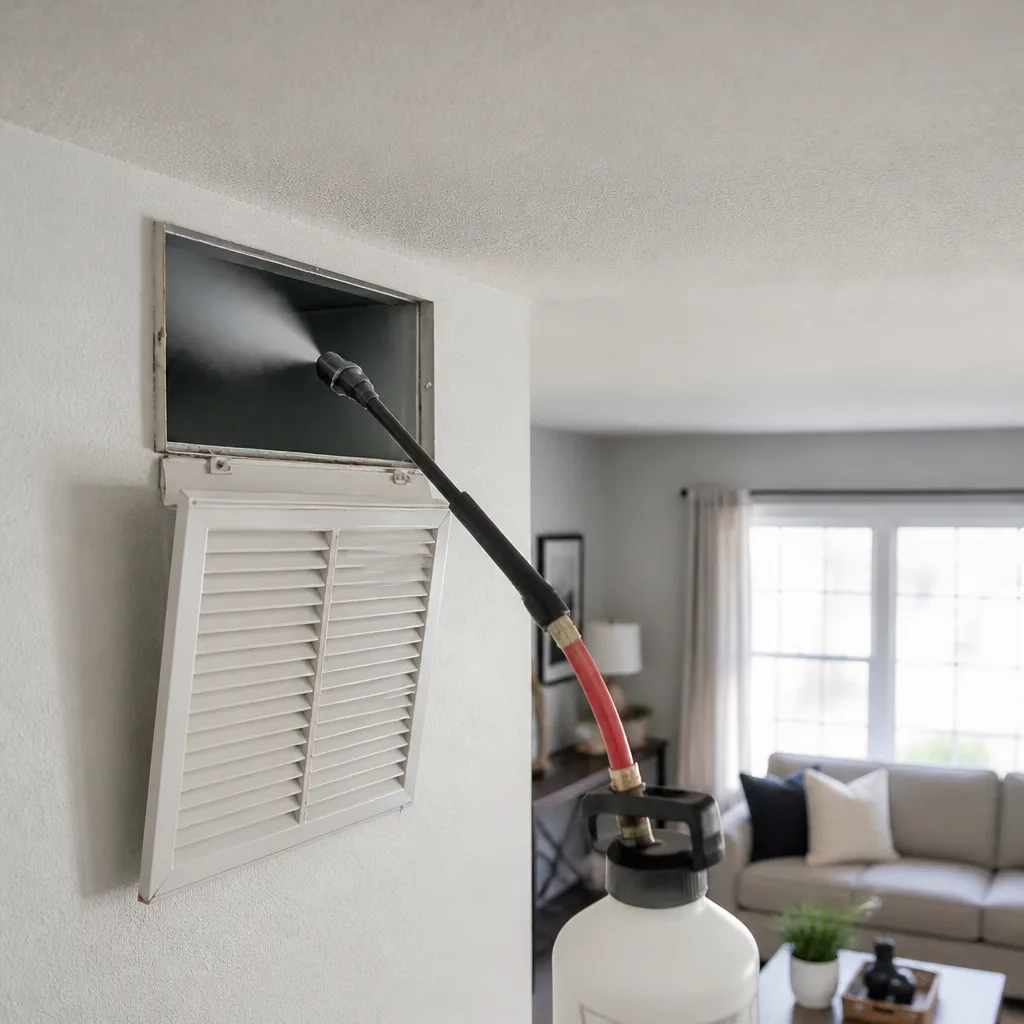
Here’s a practice we’ve built into every job we do, and it turns out to be genuinely useful for scheduling future cleanings. Every time we clean a system, we capture before-and-after photo documentation of the duct interiors. The photos are timestamped and delivered with the invoice. They are not marketing material. They’re a record of exactly what the inside of your ducts looked like on a specific date.
This changes how you schedule future cleanings in three ways.
You can measure buildup, not guess. If your ducts looked like they do in a typical 3-year accumulation photo, and your next cleaning is three years later, compare the before photos. If the new buildup is worse, move your interval shorter. If it’s cleaner, extend it. The comparison is empirical, not a hunch.
You have proof of the work. The before-and-after photos are your documentation that the cleaning actually happened and the ducts actually looked clean afterward. This matters if you sell your home, if you have a tenant dispute, or if you simply want to verify the work was done properly. A clean-looking return grille on the outside tells you nothing about the 30 feet of duct behind it.
You can identify recurring problem areas. If the photos show the same branch line caked with debris every time, that’s diagnostic information. It usually means a specific return leak, a disconnected section, or an air handler that’s pulling from an unusually dusty location. A good technician can use the photo history to trace the problem and fix the root cause, not just clean around it.
This is part of what we call The Relay Standard, the booking and service experience that covers every job we do. A live trackable arrival time, so you’re not waiting through a four-hour window. Background-checked, uniformed technicians whose names you know before they arrive. A written price before any work starts, and before-and-after photos delivered with a digital invoice you can pay from your phone. If you’re comparing duct cleaning companies in Los Angeles, ask each one what documentation you’ll receive after the job; for more guides & resources, see our blog. The answers are revealing.
For the full breakdown of what air duct cleaning in Los Angeles involves, including pricing and process, see our dedicated service page. If you’re specifically concerned about coil cleaning and air handler maintenance, our HVAC cleaning in Los Angeles page covers the mechanical side in detail.
Common Mistakes to Avoid
- Trusting the filter’s “90-day” label. Those ratings are tested in clean, controlled laboratories, not in a house three blocks from the 405 with two shedding dogs. In Los Angeles, a 90-day filter often needs replacing at 60 days, and sometimes 30 during fire season.
- Using the cheapest filter you can find. A fiberglass filter that costs $2 is better than no filter, but it’s doing almost nothing for the fine particulate that clings to duct walls. The money you save on filters you’ll spend on more frequent professional cleanings.
- Sealing registers closed in unused rooms. Closing too many registers raises static pressure in the system, which increases duct leakage and forces air through any gaps in the return. It’s one of the most common mistakes we see in larger Los Angeles homes where one or two bedrooms go unused.
- Skipping the annual tune-up because the system “runs fine.” Every HVAC failure we see in August was preventable in April. A capacitor that’s running at 70 percent capacity doesn’t announce itself. It fails on the hottest day of the year, and then you’re paying emergency rates.
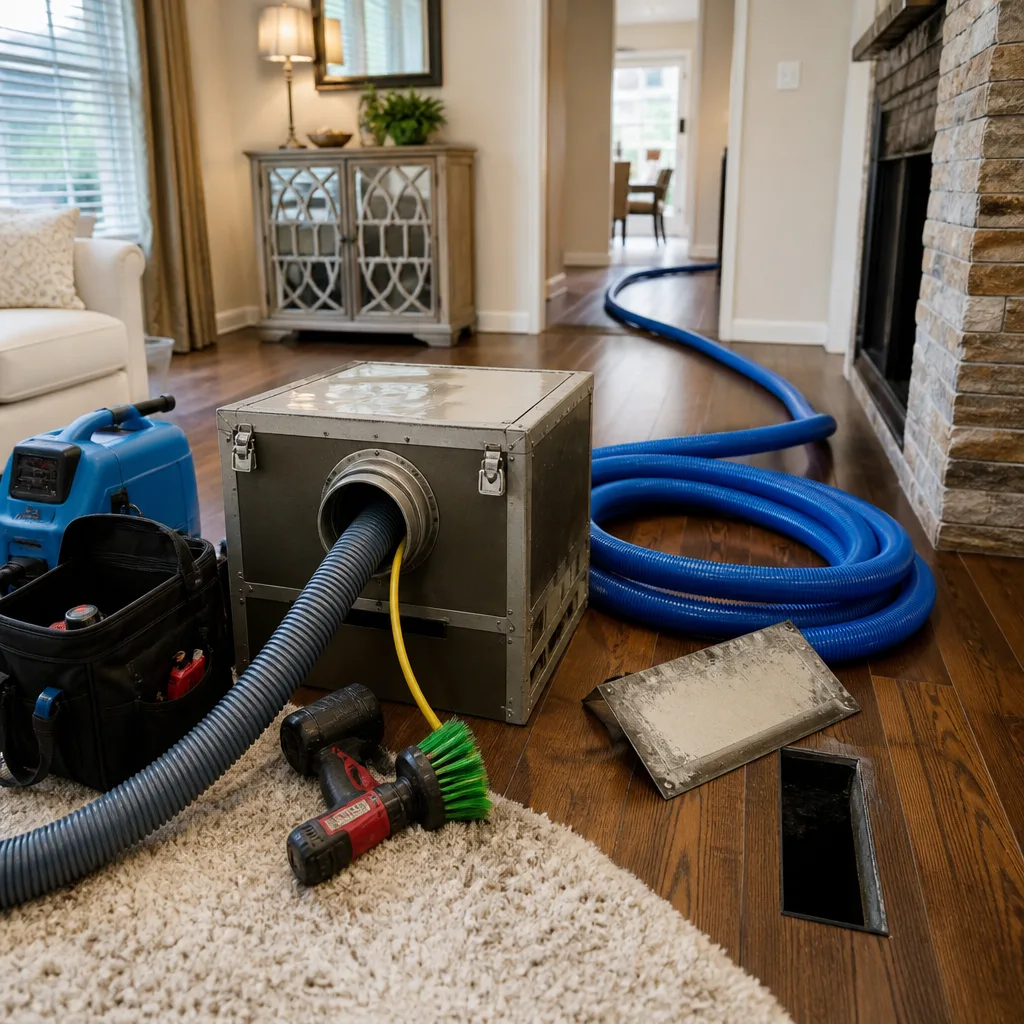
- Cleaning ducts too aggressively as DIY. Sticking a leaf blower or a shop vac into a supply register doesn’t clean your ducts. It loosens debris and pushes it deeper into the system, or worse, damages flex duct. Proper duct cleaning requires negative-pressure extraction, meaning a professional-grade vacuum system like the Nikro HEPA units we run, pulling loosened debris out of the system rather than blowing it around. For Cardinal Air Duct Cleaning home visitors, the full process is documented step by step.
- Ignoring dryer vent lint as part of HVAC health. Your dryer vent is technically part of your home’s air system, and a clogged vent forces your dryer to work harder, leaking warm, humid, lint-filled air into the surrounding space. In older Los Angeles homes where the laundry is in a closet or hallway, this lint contaminates the same air the HVAC system circulates.
When to Call a Professional
Some situations shouldn’t wait for your scheduled cleaning window. If you see visible dust blowing from supply registers when the system starts, that’s a clear sign. If rooms at the end of long duct runs never reach the same temperature as the rest of the house, you may have crushed flex duct or a disconnected branch. If your energy bills rise without a corresponding change in usage, a dirty blower wheel or coil is likely restricting airflow. If you smell musty air when the system runs, mold or rodent activity may be present in the ductwork. And if you’ve lived with wildfire smoke, post-renovation dust, or a newly adopted pet since your last cleaning, recalibrate your schedule. Cardinal Air Duct Cleaning offers free estimates in Los Angeles. Call (737) 727-2314 and a live person answers, any hour, any day.
Frequently Asked Questions
Most Los Angeles homes need professional duct cleaning every 2 to 5 years, depending on filter grade, pet count, proximity to freeways or fire zones, and ductwork age. Homes with multiple pets and standard MERV-8 filters near a freeway often fall at the 2-year end of the range, while pet-free homes with MERV-13 media filters can go 5 years between cleanings. Call (737) 727-2314 and we’ll help you calculate your specific interval based on your home’s actual conditions.
Yes, and the effect is measurable. A MERV-13 media filter, like the Aprilaire units we install, captures far more fine particulate before it enters your ductwork, which directly extends the interval between professional cleanings. The filter upgrade typically pays for itself within one or two skipped cleaning cycles. We’ll give you exact numbers for your system size during a free estimate.
If your home smelled like smoke for more than a day during a Los Angeles wildfire event, a professional cleaning is advisable regardless of when your last one was done. Smoke particulate settles inside duct runs and continuously recirculates whenever the system runs. A post-fire-season inspection in November catches the damage before holiday entertaining and the winter heating season.
Ask for before-and-after photo documentation of the duct interiors, not just the visible register covers. Every Cardinal Air Duct Cleaning job includes timestamped before-and-after photos, a written guarantee on every repair, and a free second visit if any repair fails, covered by our 365-Day Done Right Promise. If the work isn’t right within 365 days, we return and correct it at no charge.
Most standard air duct cleanings run $500 to $1,200 for a typical single-family home in Los Angeles, depending on system size, number of returns, and accessibility. You’ll receive a written price before any work starts, and that price does not change at the door. Call (737) 727-2314 for an exact quote based on your home’s system. Estimates are free.
No. An HVAC tune-up addresses the mechanical components, the coils, blower motor, refrigerant levels, capacitors, and drainage. Duct cleaning addresses the accumulated dust, debris, pet hair, and particulate inside the duct runs themselves. Both belong in your maintenance schedule, but they run on different clocks. Tune-ups are annual. Duct cleaning follows the point system above.
The Bottom Line
Your HVAC cleaning schedule should be built from your house’s actual conditions, not a generic industry average. Filter grade, pet count, local air quality, and ductwork age are the four variables that matter. Use the point system to set your interval, keep up with the monthly DIY tasks, schedule annual professional tune-ups in April, and treat wildfire season as a schedule reset if smoke reaches your home. Document every cleaning with photos, and adjust your interval based on evidence, not guesswork. In a city with Los Angeles’ air profile, clean ducts aren’t a luxury. They’re the difference between breathing recirculated particulate and breathing air your system was designed to deliver.
Written by Omar Haddad, Owner at Cardinal Air Duct Cleaning, serving Los Angeles since 2005.