
Last updated October 9, 2026
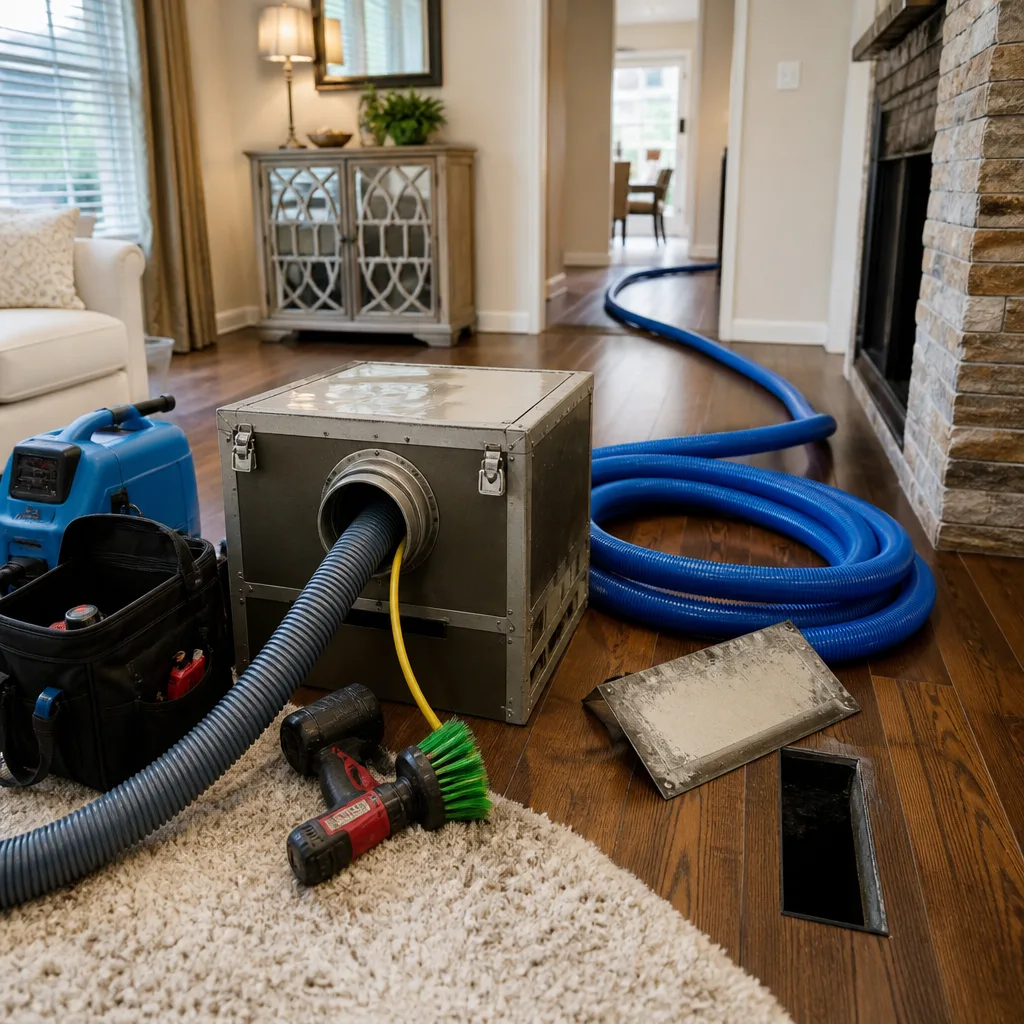
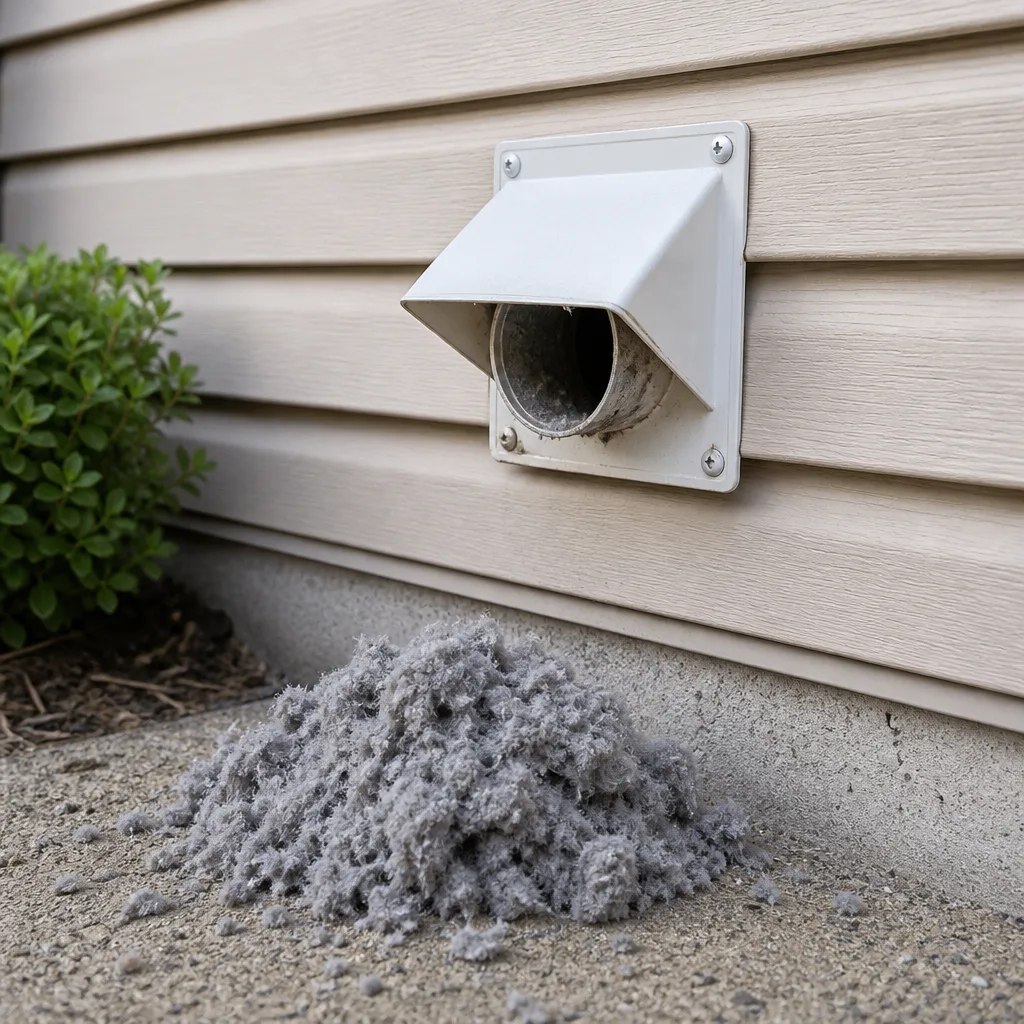
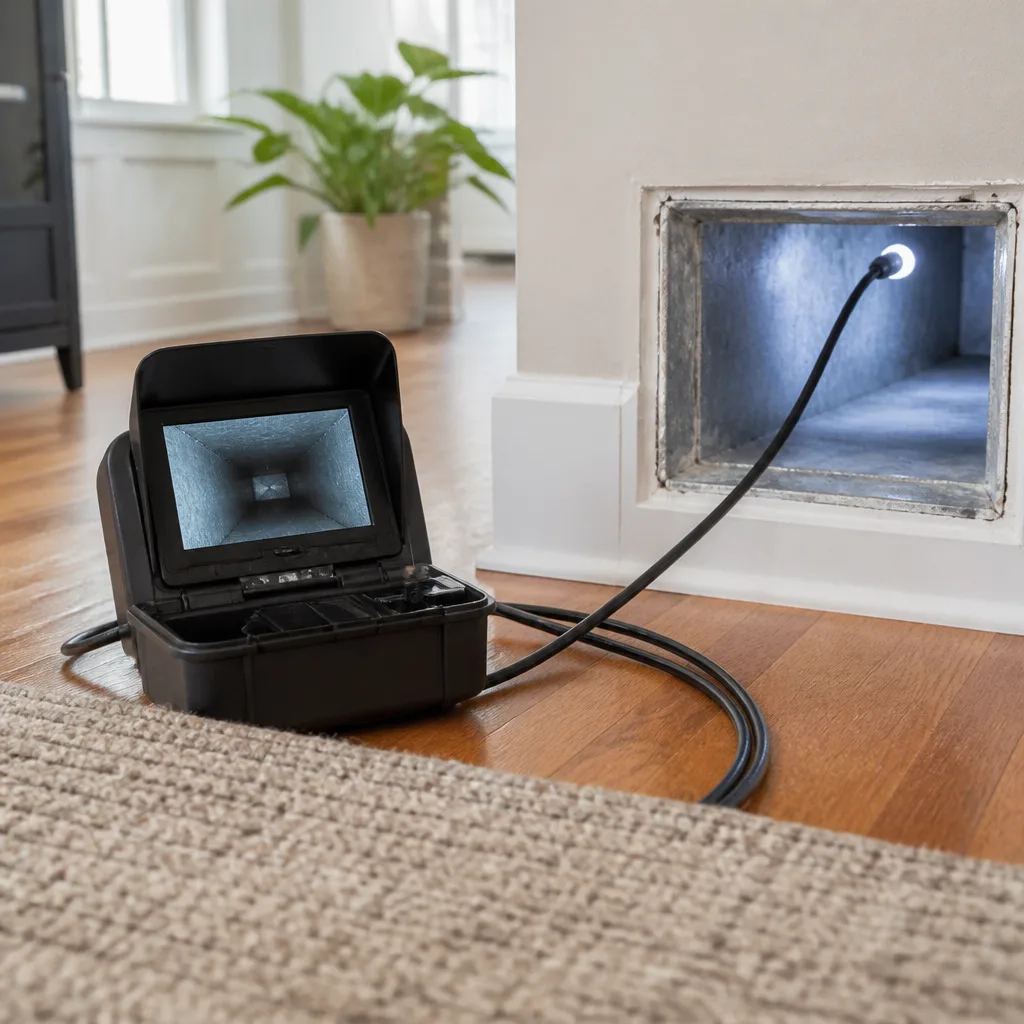
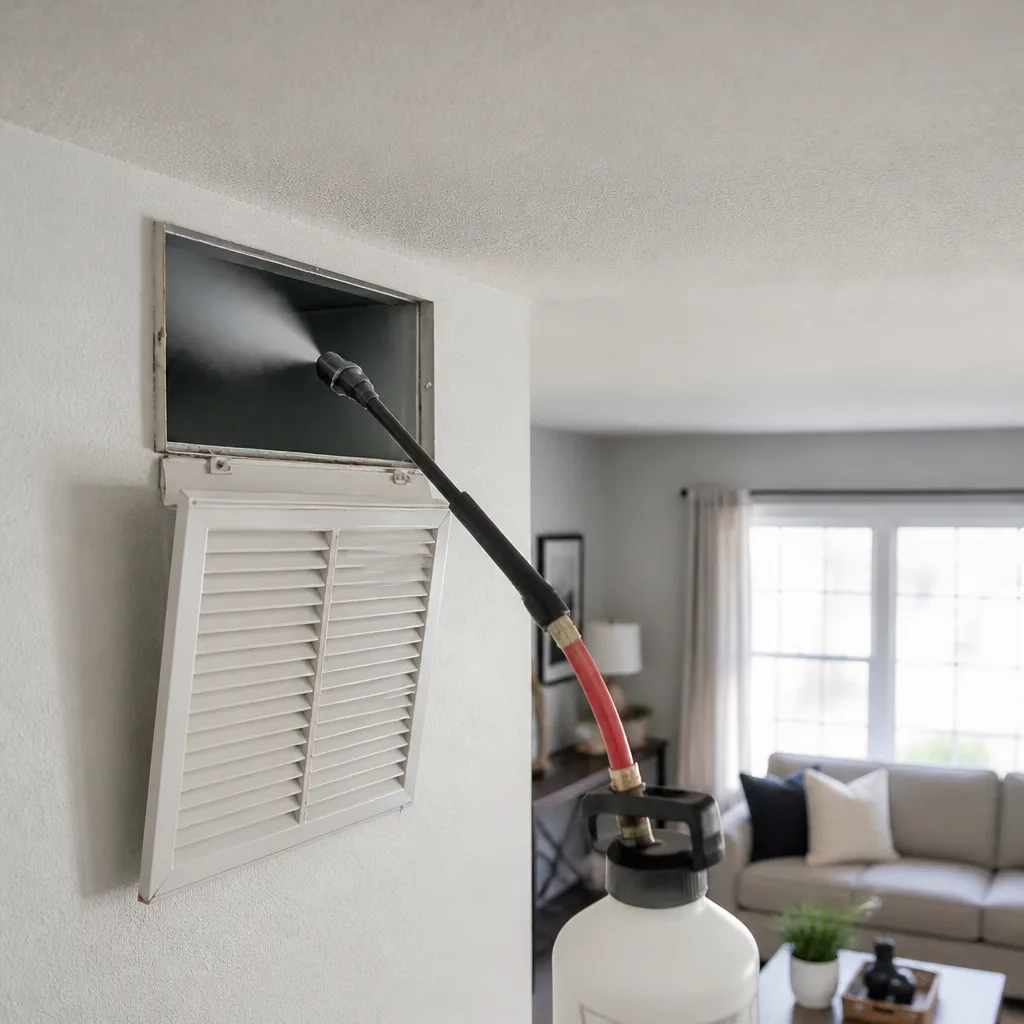
Whole-system duct and dryer vent check with before-and-after photos - you see exactly what came out of your vents
That "$99 whole-house special" is a bait ad - the real number appears once they are in your hallway, or the "clean" is a shop-vac at the register. We photograph the inside of your ducts before and after instead.
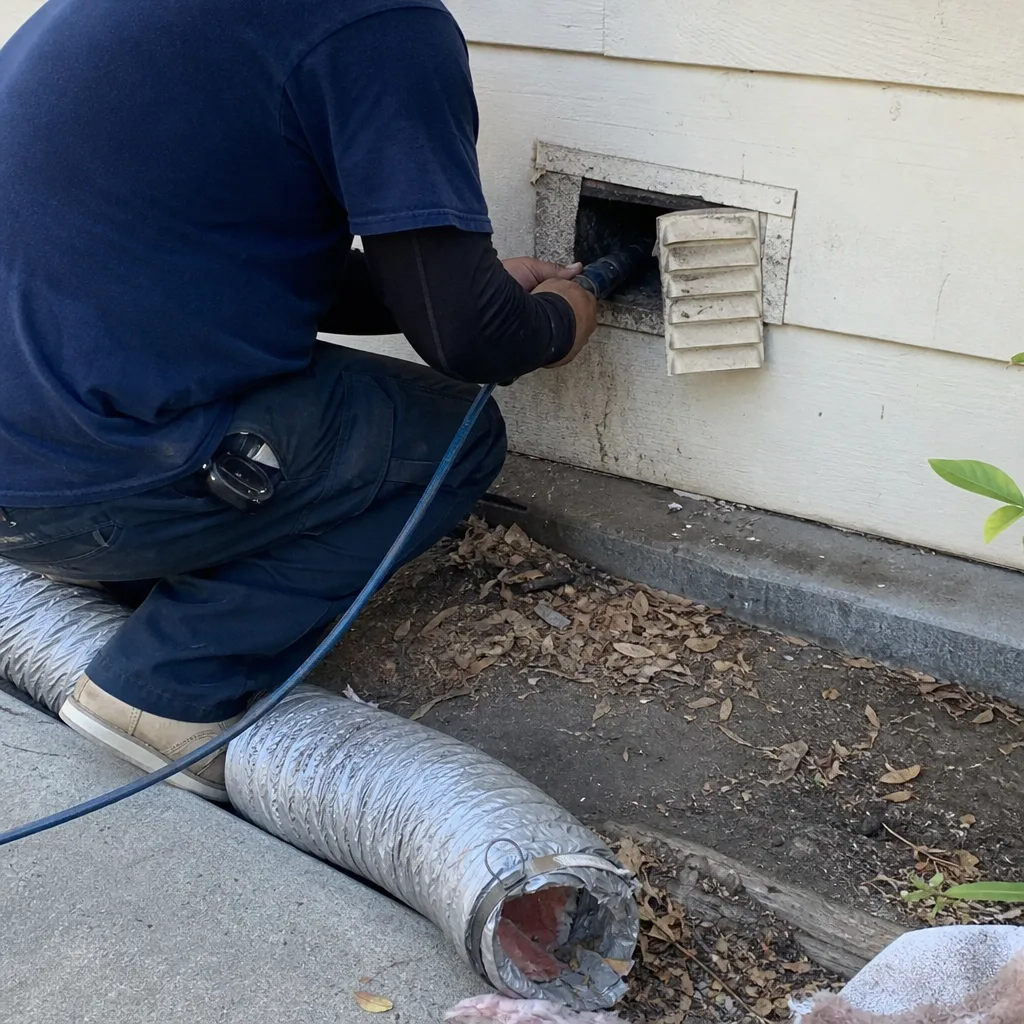 Before
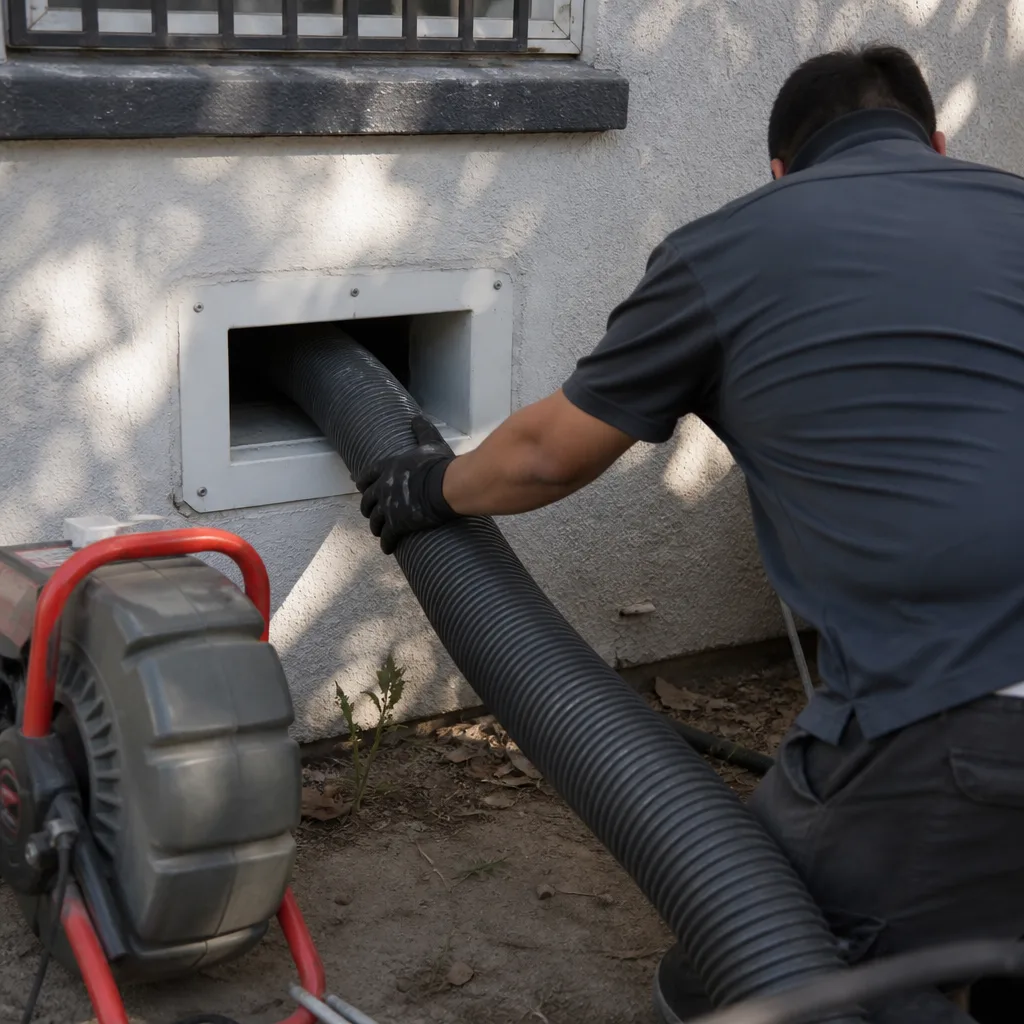 After
After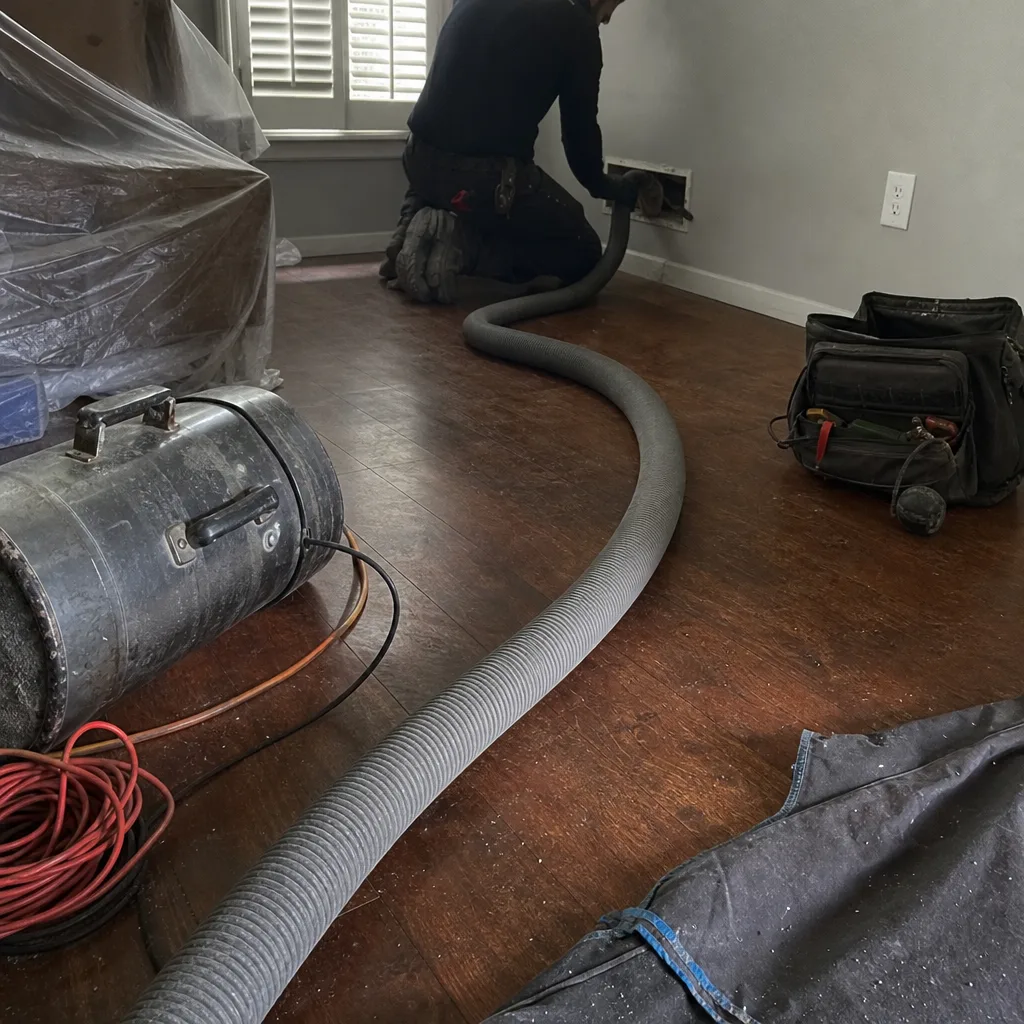 Before
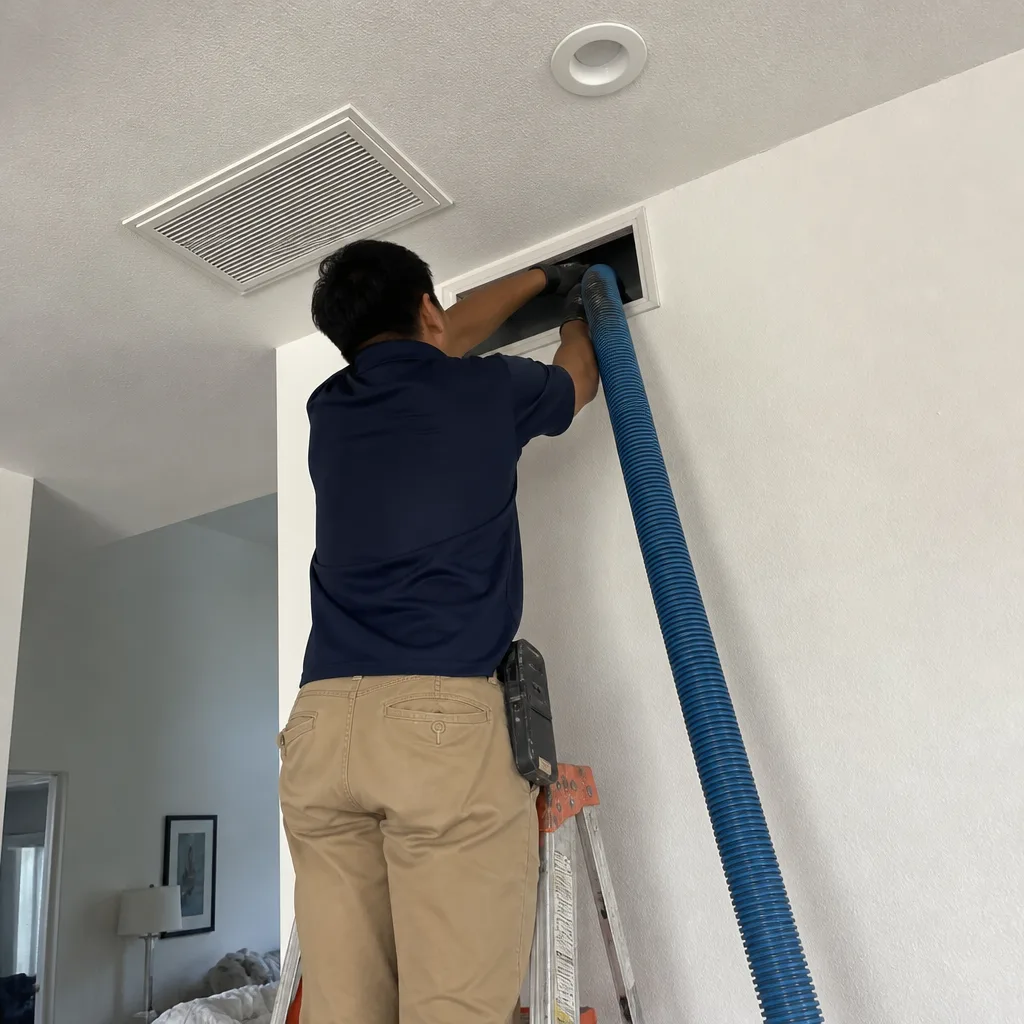 After
After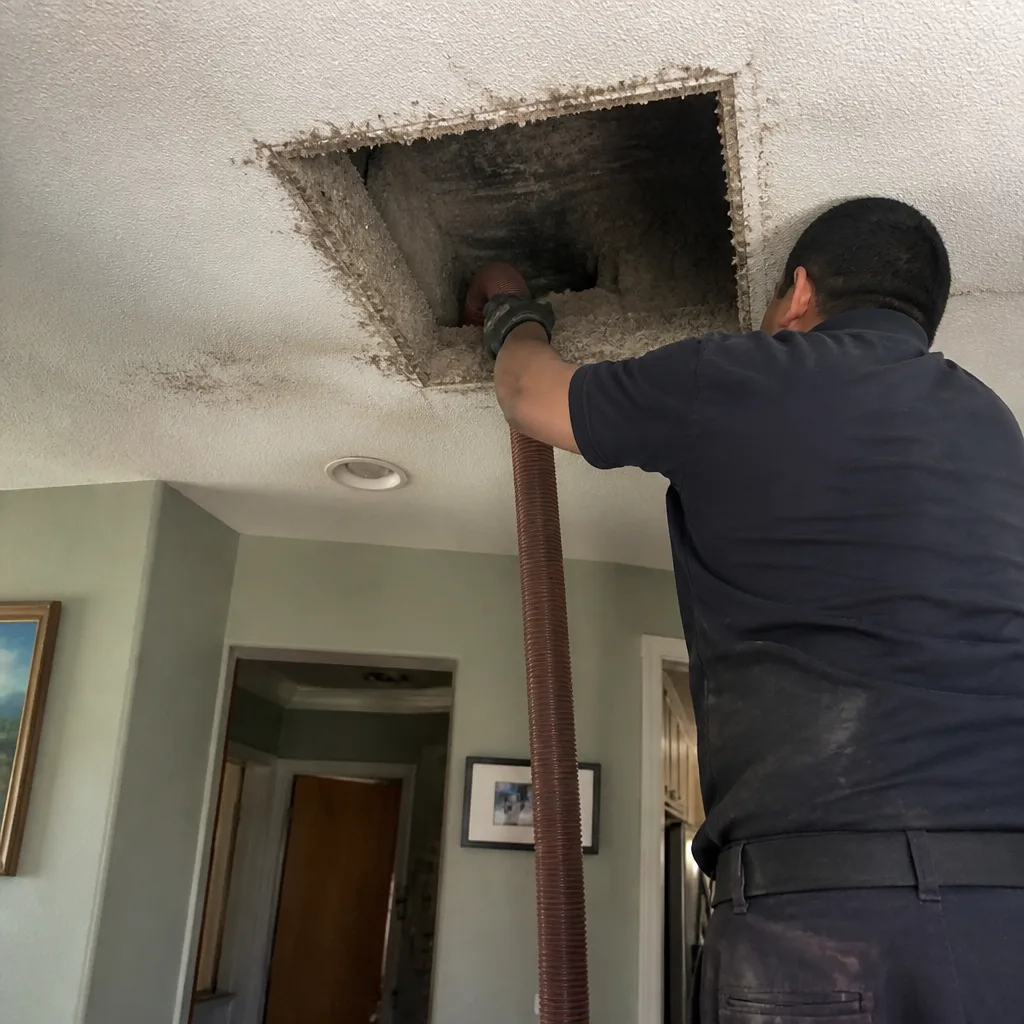 Before
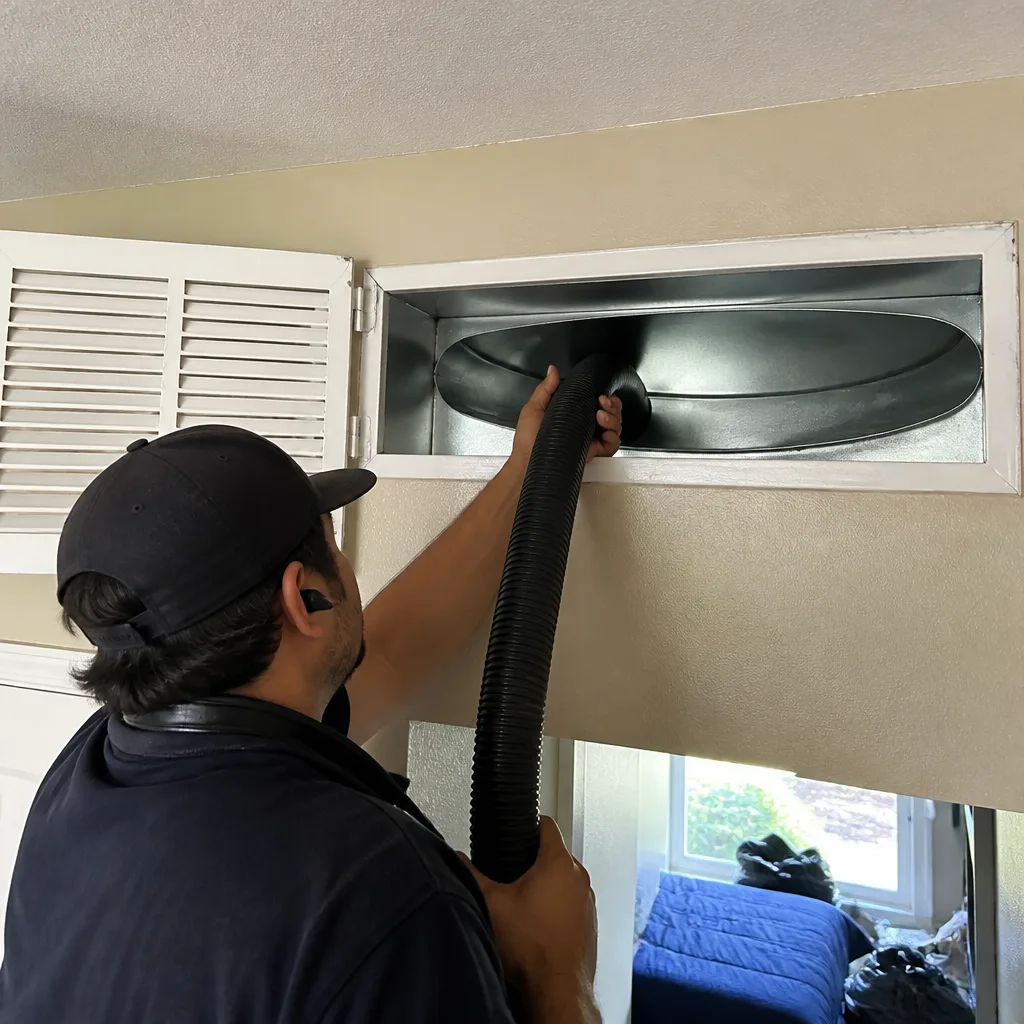 After
AfterHVAC Cleaning Warning Signs Every Homeowner Should Know
A frozen evaporator coil in the middle of a Los Angeles heat wave is a cleaning problem roughly 40% of the time. Dirty coil fins restrict airflow, the coil drops below freezing, and ice forms. Yet most homeowners call a refrigerant technician first, pay a service fee, and hear the same thing we would have told them over the phone: the coil needs cleaning, not a recharge. This guide separates the warning signs by component so you book the right service the first time and stop paying for misdiagnoses.
Quick Answer
Your HVAC system needs cleaning when you see ice on the indoor coil, smell burning or musty odors from the vents, find water pooling around the air handler, notice weak airflow from multiple rooms, or watch your energy bill climb without a change in usage. These point to dirty coils, a clogged blower wheel, or a blocked drain pan. If you see these signs, schedule a professional HVAC cleaning before the problem damages the compressor or grows mold.
Table of Contents
- The Symptom-to-Component Map Most Guides Skip
- Ice on the Indoor Unit: A Cleaning Problem, Not a Refrigerant Problem
- The Burning Smell That Isn’t Electrical
- Water Around the Air Handler: The Drain Pan Story
- Rising Energy Bills Without a Usage Change
- The White Tissue Test: Monitoring Particulate Load Without Tools
- Why Post-Wildfire Smoke Is an HVAC Emergency in Southern California
- Which Signs You Can Monitor vs. Which Need Same-Week Service
The Symptom-to-Component Map Most Guides Skip
Most HVAC cleaning advice lumps everything together under “your system is dirty.” That is not useful. A dirty blower wheel and a clogged condensate drain produce completely different symptoms, require different fixes, and cost different amounts. In Los Angeles, where systems run near-continuously from June through October, the distinction matters because one problem left alone can destroy the other component.
Here is the map we use when a homeowner calls us describing what they are seeing:
- Ice on the indoor coil or the copper line outside → dirty evaporator coil fins restricting airflow.
- Burning or hot dust smell when the system kicks on → lint and debris caked on the blower wheel or heat strips.
- Water pooling around the air handler or dripping from the ceiling → clogged condensate drain pan or line.
- Weak airflow from vents in every room → restricted coil, dirty blower wheel, or collapsed duct section.
- Musty smell that gets stronger when the fan runs → microbial growth on the coil or in the drain pan.
- Constant dust on furniture within days of cleaning → duct leakage or a filtration gap pulling attic or crawlspace air into the living space.
Each symptom points to a specific component. When you know which component is failing, you know which service to book and which questions to ask.
Ice on the Indoor Unit: A Cleaning Problem, Not a Refrigerant Problem
When a homeowner in Los Angeles sees ice on the indoor coil or a frozen copper line running to the outdoor unit, the first instinct is to call an HVAC company and ask for a refrigerant check. We get it. Ice looks like a cooling problem, not a dirt problem. But the physics is straightforward: the evaporator coil absorbs heat from the air passing over it. When coil fins are coated in dust, pet hair, and the grime that accumulates after years of running with a weak filter, they cannot exchange heat efficiently. The coil temperature drops below freezing, condensation turns to ice, and the system starts working against itself.
Here is the sequence to check before you pick up the phone:
- Turn the system off at the thermostat. Running it with a frozen coil starves the compressor of refrigerant flow and can destroy it within days.
- Look at the filter. If it is clogged, replace it. A clogged filter alone can reduce airflow enough to freeze a coil in Los Angeles summer temperatures.
- Check the coil itself. If you can access it, look for a gray or brown felt-like coating on the fins. That is the dirt restricting airflow.
- Let the ice melt completely. This can take a few hours. Place towels under the air handler if water will drip.
- Call a professional for a coil cleaning. If the coil is visibly dirty, the fix is cleaning, not adding refrigerant. Adding refrigerant to a dirty coil masks the problem and wastes money.
The good news: most standard HVAC cleanings in Los Angeles run $350 to $650 for a typical single-family home, depending on system size, access difficulty, and how long it has been since the last cleaning. For a detailed breakdown, see our Air Duct Cleaning Cost Breakdown: The Los Angeles Homeowner’s Reference for 2026. That price should include the coil, blower wheel, drain pan, and accessible ductwork. If a company quotes you $99 for the whole system, ask what is actually included. In our experience, that number usually buys a visual inspection and a filter change, not a cleaning.
The Burning Smell That Isn’t Electrical
You turn on the heat for the first time in November and smell something like burning dust. Most Los Angeles homeowners know the classic first-run smell of the season: dust that settled on the heat exchanger over eight months of cooling burns off in the first few minutes. That is normal, if unpleasant. But when the burning smell persists for more than a few cycles, or when it appears during summer cooling mode, you are dealing with something different.
A persistent burning or hot-dust smell usually points to the blower wheel. Here is why: the blower wheel is the fan that pushes air past the coil and through your ducts. In most Los Angeles homes, it sits right after the filter. If the filter has been neglected or cheap fiberglass filters have been used for years, fine dust and lint slip through and coat the blower wheel blades. The wheel becomes unbalanced, less efficient, and the built-up debris can actually scorch against the housing as the motor runs hot. That is the smell.
We have seen blower wheels in Los Angeles apartments and older homes so caked with lint they lose 30 to 40 percent of their airflow capacity. The motor overheats. The system runs longer to hit the same temperature. And the smell signals that the motor is working too hard and the lint is accumulating. This is not a DIY fix. The blower wheel must be pulled, cleaned with professional equipment, and reinstalled. A proper cleaning with a rotary brush system like Rotobrush or a Nikro HEPA vacuum gets the wheel clean without sending the debris back into your living room through negative-pressure extraction, meaning the loosened debris goes straight into the vacuum, not back into the air you breathe.
Water Around the Air Handler: The Drain Pan Story
Water pooling around the base of your indoor air handler is the most common warning sign homeowners ignore until it becomes a bigger problem. In Los Angeles, where air handlers are often installed in closets, garages, or attics, a slow-drip condensate leak can go unnoticed for weeks. By the time you see the stain on the ceiling or the warped flooring, mold has had time to establish.
Here is what is happening: as your system cools air, it pulls moisture from the air. That moisture condenses on the coil and drips into a drain pan below. From there, it flows through a drain line to the outside or into a plumbing drain. When the drain line clogs with algae, dust, and the biofilm that thrives in dark, wet environments, the pan overflows. Water backs up around the air handler. And in an attic installation, that water finds the path of least resistance, which is usually through your ceiling.
The cleaning connection is direct: a clogged drain pan and line are almost always caused by the same neglect that dirties the coil and blower wheel. When dust and debris cycle through the system, they end up in the wet pan and feed the clog. An HVAC cleaning that includes the drain pan, drain line, and a proper flush prevents the backup before it starts.
If you see water around the air handler this week, do not wait. The fix might be simple, but the damage from waiting is not. A soaked drywall ceiling in a Los Angeles home can mean a repair that costs more than the HVAC cleaning itself.
Rising Energy Bills Without a Usage Change
The energy bill conversation is tricky. Los Angeles Department of Water and Power rates shift. Summer usage spikes. The bill itself fluctuates. But when you compare year-over-year usage in kilowatt-hours rather than dollars, the signal gets clearer.
Here is the test we recommend: pull your last 12 months of bills and look at the actual kWh usage for the same month a year apart. If your usage in August is 20 percent higher than last August with the same thermostat settings, the same number of people in the house, and no new appliances, the HVAC system is the most likely culprit. And the most common cause of a silent efficiency drop is a dirty blower wheel and restricted coil.
The reason is mechanical. A dirty blower wheel moves less air per revolution. The system compensates by running longer. A dirty coil cannot transfer heat as effectively, so the system runs longer still. In a Los Angeles summer, where systems already run hard for months, a 15 percent efficiency loss compounds into a noticeable bill increase. A professional cleaning restores airflow and heat transfer, and most homeowners see the difference in the same billing cycle after the service.
We have had customers in the San Fernando Valley, Pasadena, and the Westside report usage dropping 10 to 15 percent after a full HVAC cleaning that included the blower wheel and coil. Your mileage will vary, but the pattern holds: a clean system runs less to produce the same comfort.
The White Tissue Test: Monitoring Particulate Load Without Tools
You do not need an air quality monitor to get a rough read on how much particulate your HVAC system is moving. A simple tissue test, done monthly during cooling season, gives you a baseline to notice changes early. Here is the method:
- Turn the system fan to ON at the thermostat. This runs the blower continuously, even when the system is not cooling.
- Hold a clean white tissue against the largest return register in the house. The return is the vent where air is pulled in, usually larger, often in a hallway ceiling or wall.
- Observe how strongly the tissue is held against the grill. A strong, steady pull means good return airflow. A weak or fluttering pull means something is restricting the airflow, likely a dirty filter, dirty coil, or blower issue.
- Check the tissue after 30 seconds. If the tissue is visibly gray or coated with fine dust, the return air is carrying a heavy particulate load. Your current filter is not catching it, and the coil and blower are likely coated with the same material.
Run this test monthly. If the tissue pull gets noticeably weaker month over month, or if the tissue discoloration gets worse, you have a developing airflow or filtration problem. This is an early warning sign you can monitor yourself, and it costs nothing. In a city like Los Angeles, where outdoor air carries dust from the desert, soot from traffic, and seasonal wildfire ash, the particulate load on your system is higher than most of the country. We recommend checking every month from May through October, and after any significant wind event or wildfire smoke episode.
Why Post-Wildfire Smoke Is an HVAC Emergency in Southern California
Wildfire smoke is not just a duct cleaning item. In Los Angeles, where the Santa Ana winds push wildfire smoke into the basin every few years, the consequences for an HVAC system are chemical and immediate. Smoke byproducts settle on evaporator coil fins and chemically etch the aluminum. Once the coil surface is chemically etched, it holds dirt more aggressively and corrodes faster. A coil that would have lasted 15 years can degrade in half that time if smoke residue is not removed quickly after exposure.
Here is the sequence we recommend after a smoke event:
- Replace the filter immediately, regardless of how new it is. Smoke saturates the filter media and it cannot be cleaned. Use the highest MERV rating your system can handle, typically MERV 11 to 13 for most Los Angeles residential systems.
- Run the fan continuously for 24 to 48 hours after the smoke clears. This helps move any residual particulates through the new filter, not through the coil.
- Schedule an HVAC cleaning within two to four weeks of the smoke event. The window matters because smoke residue becomes stickier and harder to remove as it cures. The sooner the coil and blower are cleaned with professional equipment like a Rotobrush rotary brush or a Nikro HEPA vacuum, the less chemical damage the fins sustain.
- Check the drain pan. Smoke residue mixes with condensation and forms a sludge that can clog the drain line within weeks. This is why post-smoke drain backups are common in Los Angeles homes even when the system was cleaned recently.
If you had visible smoke inside the house or the HVAC ran during the worst of the smoke, treat it as a service urgency, not a seasonal maintenance item. The cost of a proper cleaning is a fraction of a coil replacement down the road.
Which Signs You Can Monitor vs. Which Need Same-Week Service
Not every warning sign demands an immediate call. Some are worth tracking yourself for a month or two. Others are time-sensitive and waiting makes the repair more expensive. Here is the split, drawn from what we tell Los Angeles homeowners on the phone every week.
Signs You Can Monitor
- Mild dust accumulation around supply registers. Note when it appears and whether it worsens week to week. Run the tissue test monthly.
- A slight musty smell that comes and goes with humidity. Monitor whether it appears consistently when the fan runs. If it persists for more than two weeks, call.
- Energy usage trending slightly upward over two to three months. Compare kWh, not dollars. If the trend continues into the next billing cycle, schedule a cleaning.
- The first heat cycle smell of the season. Normal if it disappears within the first few minutes. If it lingers for days, that is a blower wheel issue.
Signs That Need Same-Week Service
- Ice on any part of the indoor unit or the copper line. Every day the system runs with a frozen coil risks compressor damage. A compressor replacement in Los Angeles can run $2,500 to $5,000.
- Water actively leaking from the air handler or a wet ceiling stain. Mold establishes in 48 to 72 hours in a moist, dark environment. Once it establishes in drywall or insulation, the remediation cost exceeds the HVAC service.
- Burning smell that persists after the first few minutes or appears in cooling mode. This indicates the blower wheel is severely loaded or the motor is overheating. An overheated motor can fail, taking the control board with it.
- Post-wildfire smoke exposure while the system ran. The coil damage is chemical and time-sensitive. Do not wait for the next seasonal tune-up.
- Airflow so weak that some rooms cannot reach the thermostat setpoint. This usually means a severely restricted coil, a failing blower wheel, or a collapsed duct. Each has a different fix, but all require a professional to diagnose.
Common Mistakes to Avoid
- Calling a refrigerant tech before checking the coil for dirt. In Los Angeles, we see this every summer. A dirty coil freezes, the tech adds refrigerant, the coil refreezes, and the homeowner pays twice. Check the filter and coil condition first. Ask the technician to show you the coil before they touch anything.
- Assuming a burning smell is electrical. Most persistent burning smells from the vents are blower wheel lint, not wiring. Electrical burning smells are sharper and more acrid. If you smell hot dust that persists, the blower needs cleaning, not an electrician.
- Ignoring water stains until the drywall is soaked. In Los Angeles, where air handlers in attics are common, a small drip stain on the ceiling is the first visible sign of a clogged drain pan. By the time the stain darkens, mold has a foothold. If you see any new ceiling stain near or below the air handler location, get it checked this week.
- Buying the cheapest filter and forgetting it for a year. A $2 fiberglass filter catches almost nothing. A cheap filter changed monthly protects the coil better than an expensive filter changed annually. Match the filter to your system and change it on a calendar schedule, not when you remember.
- Treating post-wildfire smoke as a normal maintenance item. Smoke residue is chemically different from regular dust. Waiting for the next annual tune-up after a smoke event allows the residue to etch the coil fins permanently. Schedule the cleaning within a month of the smoke clearing.
- Focusing only on ducts when the problem is the coil or blower. Duct cleaning addresses the ductwork, not the mechanical components. If your symptom is ice, burning smell, or water around the air handler, the problem is in the HVAC unit itself. Book the right service for the symptom.
When to Call a Professional
You should call when the symptom points to a component you cannot access safely. That includes any coil inspection inside the air handler, any blower wheel service, any drain pan cleaning, and any post-smoke coil assessment. These are not DIY jobs. The coil fins are delicate, the blower wheel is buried deep in the cabinet, and the electrical connections around the air handler are live. If you see ice, persistent burning smells, water leaks, or a sharp jump in energy usage without explanation, the diagnostic is free at most companies, including us. Cardinal Air Duct Cleaning offers free estimates in Los Angeles and the surrounding areas. Call (737) 727-2314 and ask for a system assessment. A live person answers every call, and the written price is handed to you before any work starts.
Frequently Asked Questions
Replace the filter first and run the system for 24 hours. If the symptom persists, whether it is weak airflow, a burning smell, or frost on the coil, the problem is deeper than the filter. A dirty filter looks visibly clogged when you remove it. A coil that needs cleaning looks coated in gray or brown felt-like debris even after the filter is changed. If you are unsure, a professional assessment costs nothing and answers the question in one visit.
A dirty HVAC system smells like hot dust, burning lint, or a persistent musty odor that gets stronger when the fan runs. The hot dust smell comes from debris on the blower wheel or heat strips. The musty smell comes from microbial growth on the coil or in the drain pan. A smoky or chemical smell after a wildfire event is a separate issue and should be addressed with a professional cleaning within a month of exposure.
Standard HVAC cleaning in Los Angeles typically runs $350 to $650 for a single-family home, depending on system size, access, and time since the last cleaning. That price should include the coil, blower wheel, drain pan, and accessible ductwork. If you receive a quote well below that range, ask for a written scope of work. A very low price often covers only a visual inspection and filter change. For an exact quote on your system, call (737) 727-2314. Estimates are free and the written price is finalized before any work begins.
A dirty HVAC system circulates whatever grows or accumulates inside it. That can include mold spores from a wet drain pan, dust mite particles from accumulated debris, and smoke residue after a wildfire event. For people with asthma, allergies, or respiratory conditions, the effect is real. Even for people without respiratory issues, breathing the same recirculated particulate load month after month is not healthy. The system that keeps you comfortable should not be the system making the air worse.
In Los Angeles, we recommend a full HVAC cleaning every 3 to 5 years for most single-family homes. Homes with pets, homes near wildfire zones, and homes with residents who have respiratory conditions benefit from cleaning every 2 to 3 years. The Los Angeles climate means systems run hard for months at a time, and the outdoor air carries desert dust, traffic soot, and seasonal smoke that loads the coil and blower faster than in many other regions. For a seasonal maintenance schedule, see our guide to Seasonal Air Duct Cleaning Care for Los Angeles: Year-Round Homeowner’s Guide. If you have not had a cleaning in more than 5 years, schedule one before the next cooling season.
No. HVAC cleaning addresses the mechanical components: the evaporator coil, blower wheel, drain pan, and the inside of the air handler cabinet. Air duct cleaning in Los Angeles addresses the ductwork that carries air to and from the rooms. They are related but separate services. The warning signs in this guide, ice, burning smells, water leaks, point to the HVAC unit itself. If your symptom is dust blowing from the vents, the ducts are the likely culprit. And if you are seeing lint around the laundry area or your dryer takes longer than 45 minutes per load, that is the dryer vent cleaning in Los Angeles conversation, not the HVAC conversation. The symptoms map to the component, and the component maps to the service.
The Bottom Line
The warning signs your HVAC system needs cleaning are specific and readable if you know where to look. Ice on the coil means dirty fins. Persisting burning smells mean a loaded blower wheel. Water around the air handler means a clogged drain pan. And rising kWh usage without a lifestyle change means the system is working harder than it should. Monitor what you can with the tissue test and monthly filter checks. Act fast on ice, water, and post-wildfire smoke. If you are in Los Angeles and need a professional assessment, HVAC cleaning in Los Angeles from Cardinal Air Duct Cleaning includes a written price before any work starts and a 365-Day Done Right Promise. If the work is not right within a year, we return and correct it at no charge. Call (737) 727-2314 for a free estimate.
Written by Omar Haddad, Owner at Cardinal Air Duct Cleaning, serving Los Angeles since 2005. For more guides & resources, visit our blog.