
Last updated October 9, 2026
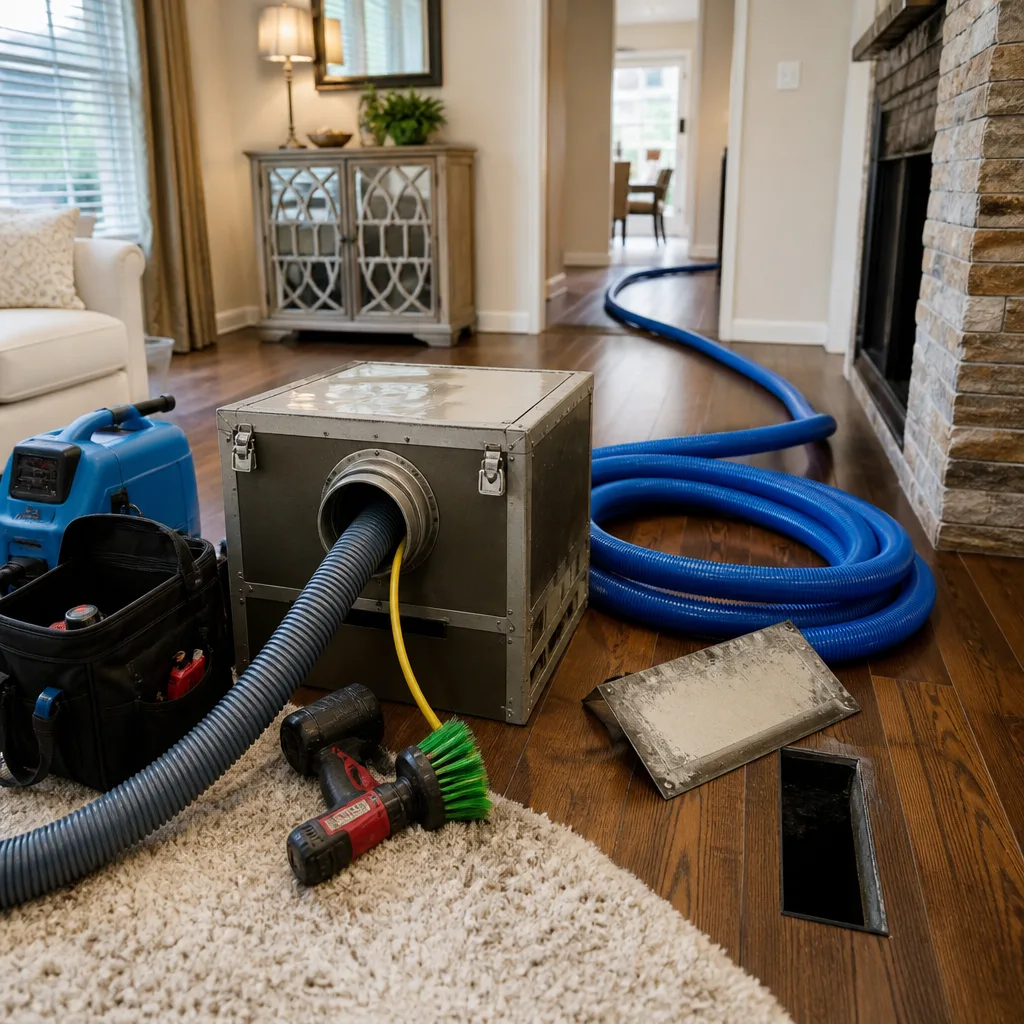
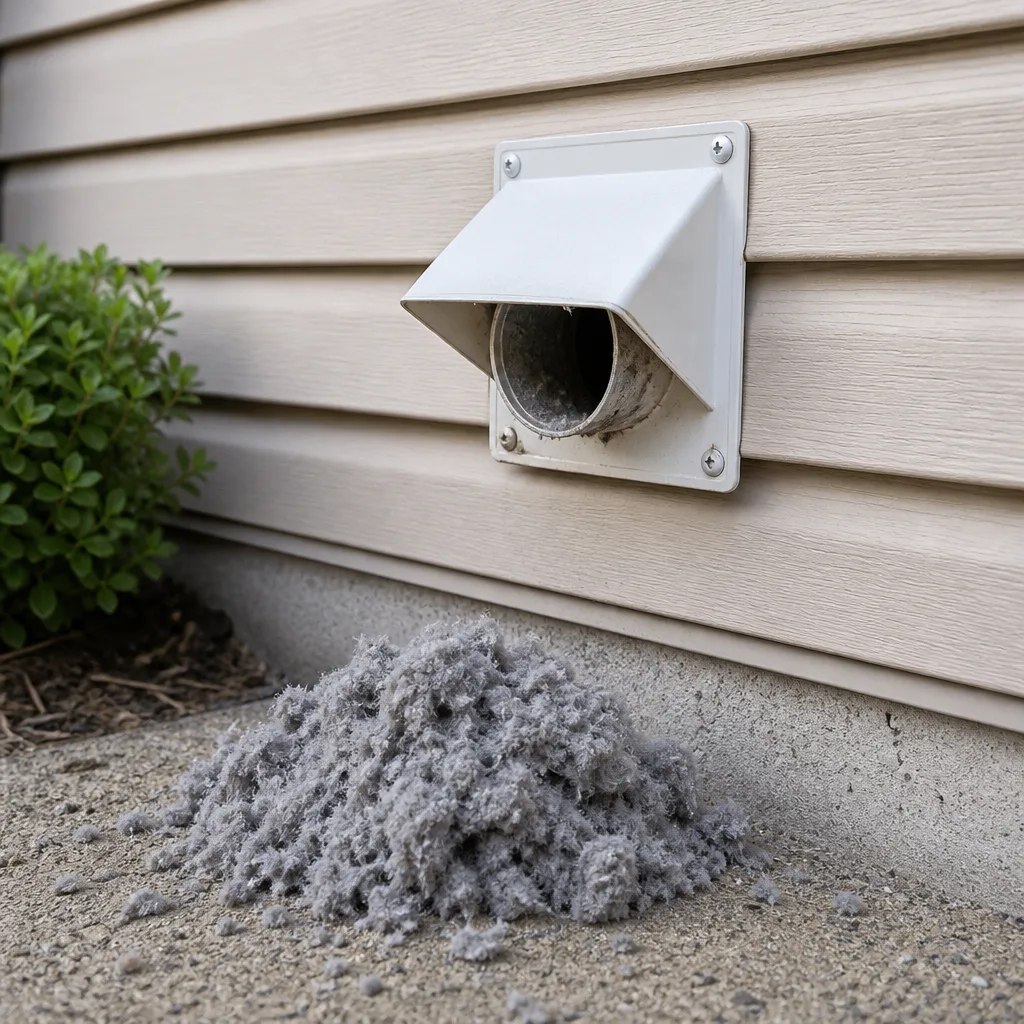
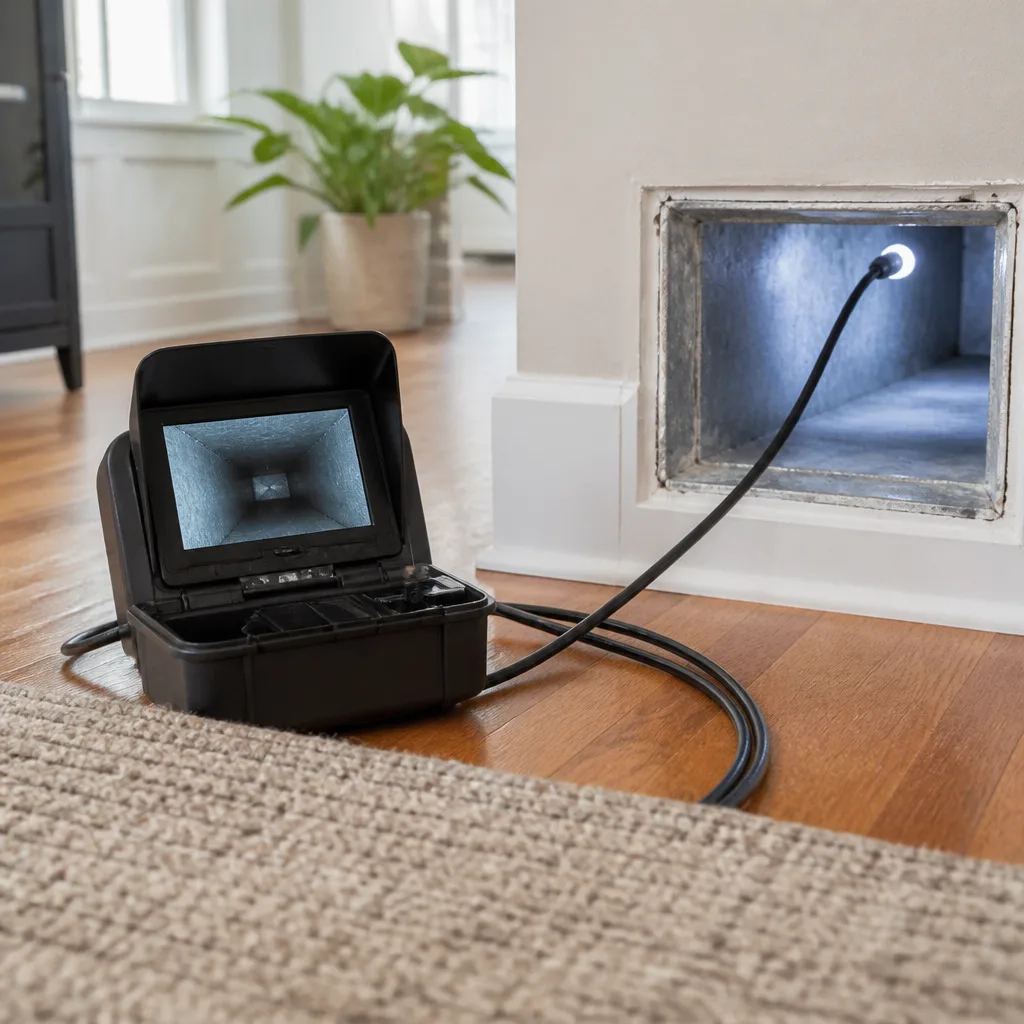
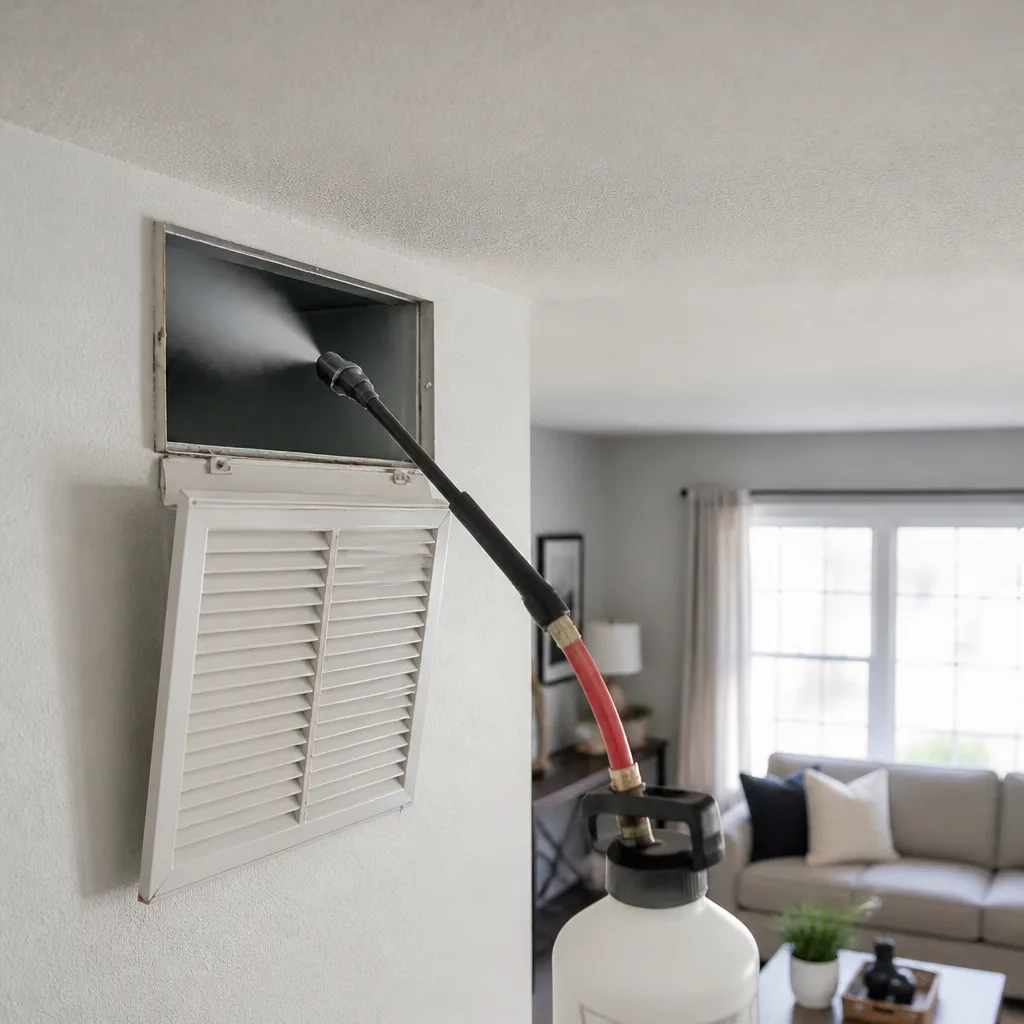
Whole-system duct and dryer vent check with before-and-after photos - you see exactly what came out of your vents
That "$99 whole-house special" is a bait ad - the real number appears once they are in your hallway, or the "clean" is a shop-vac at the register. We photograph the inside of your ducts before and after instead.
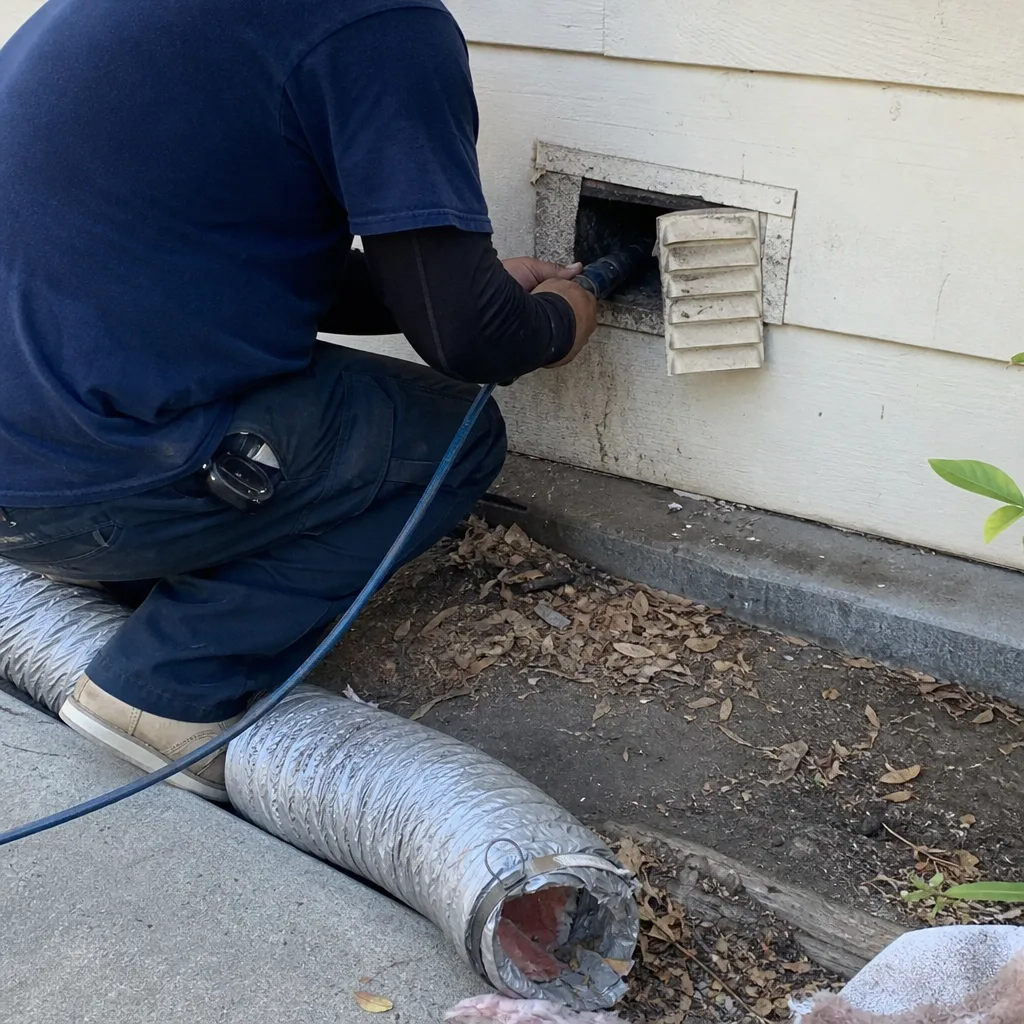 Before
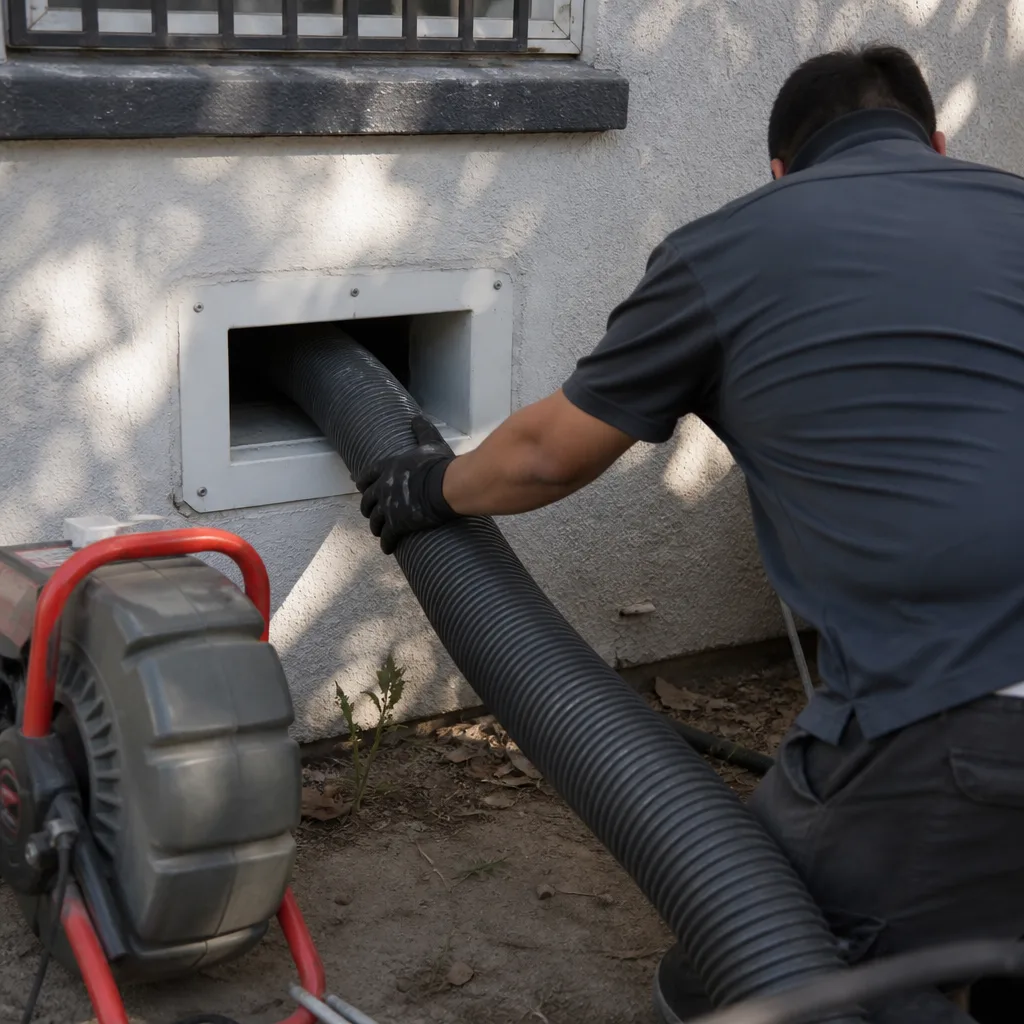 After
After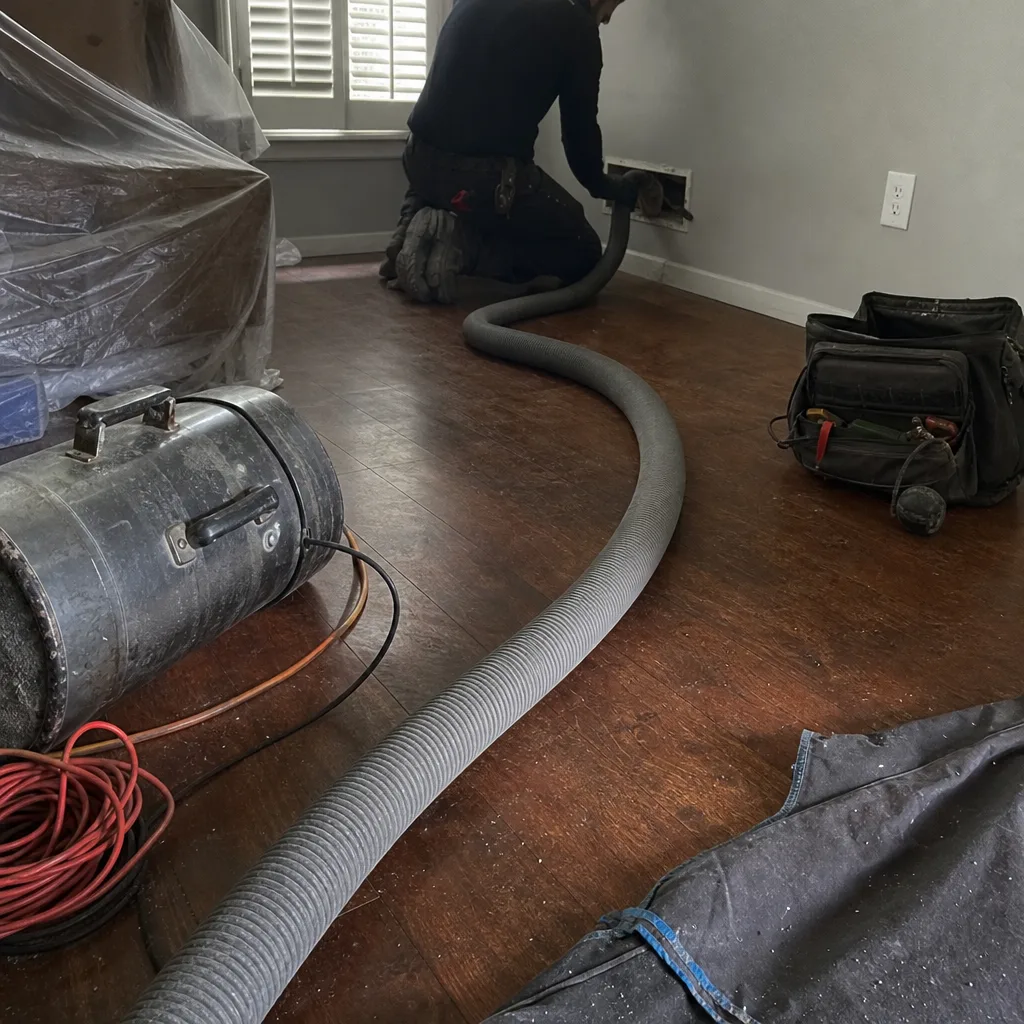 Before
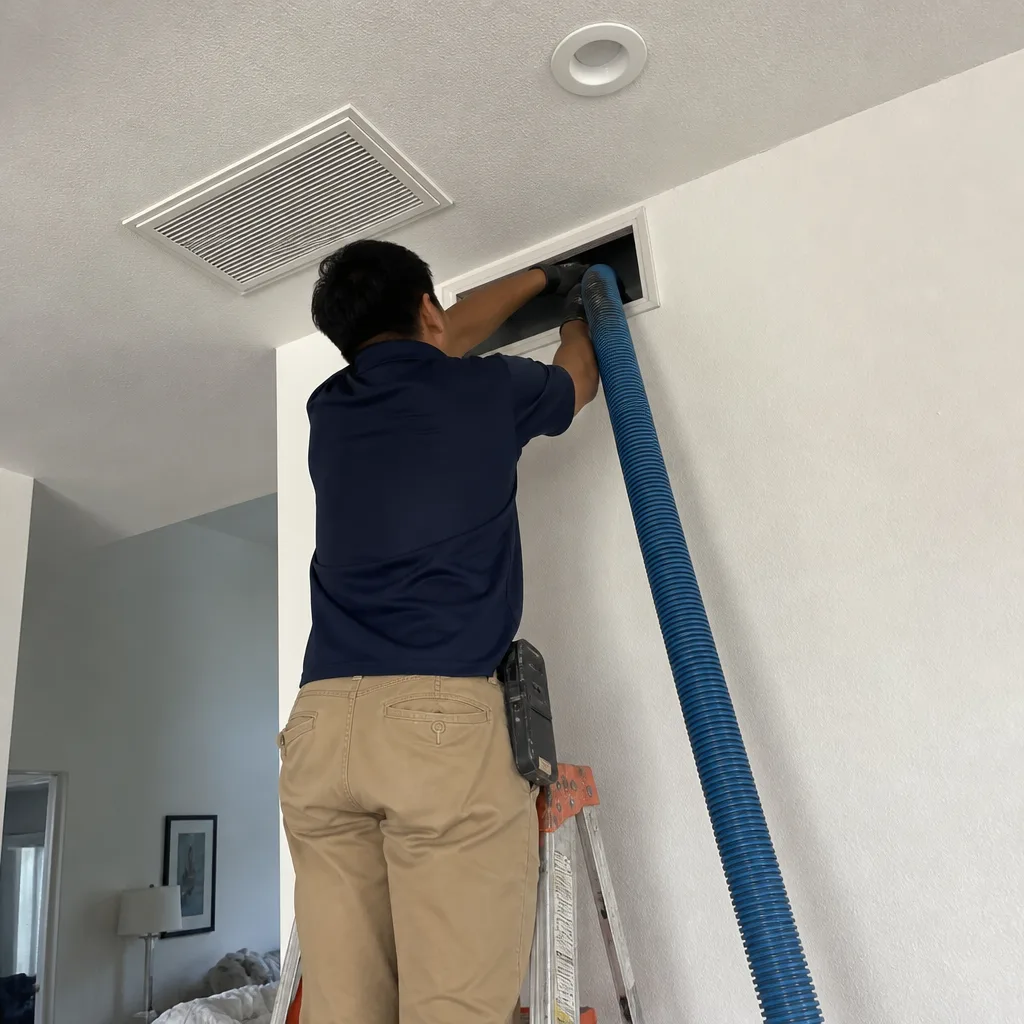 After
After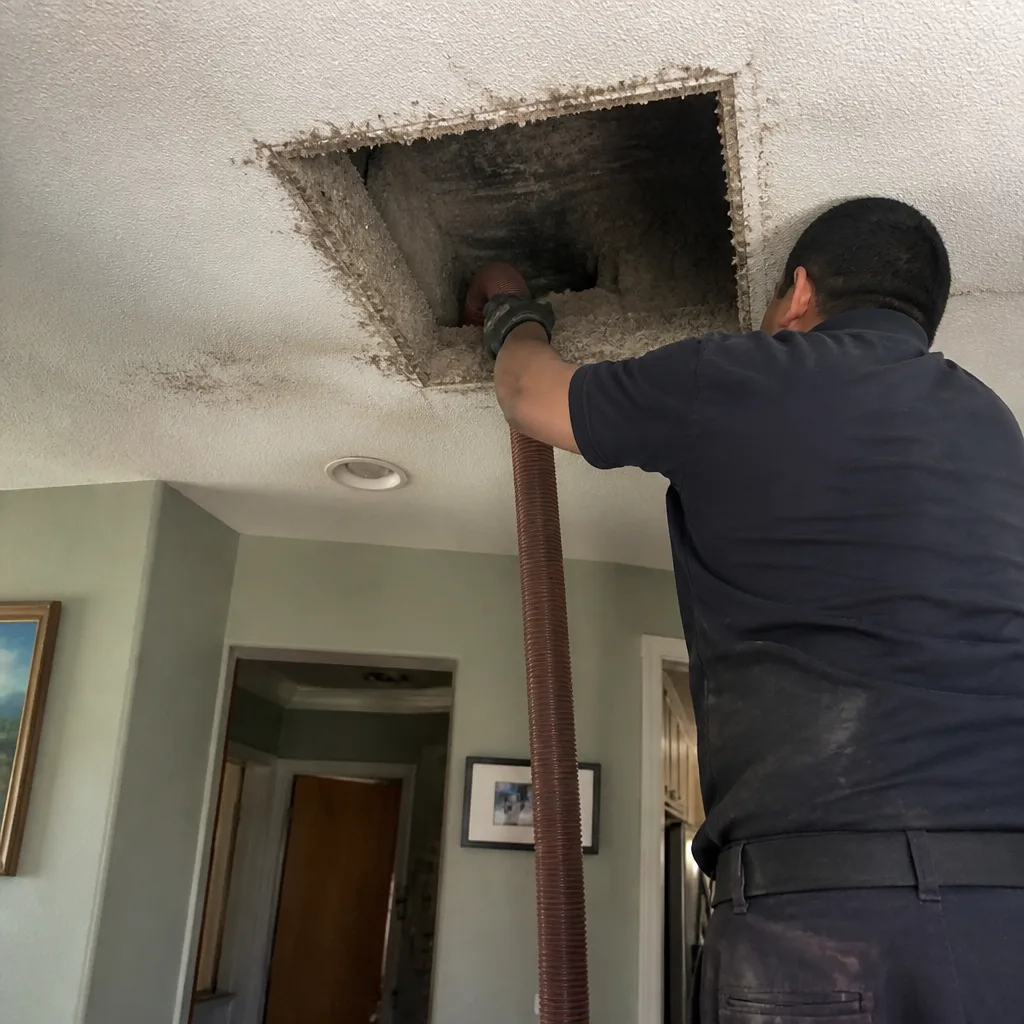 Before
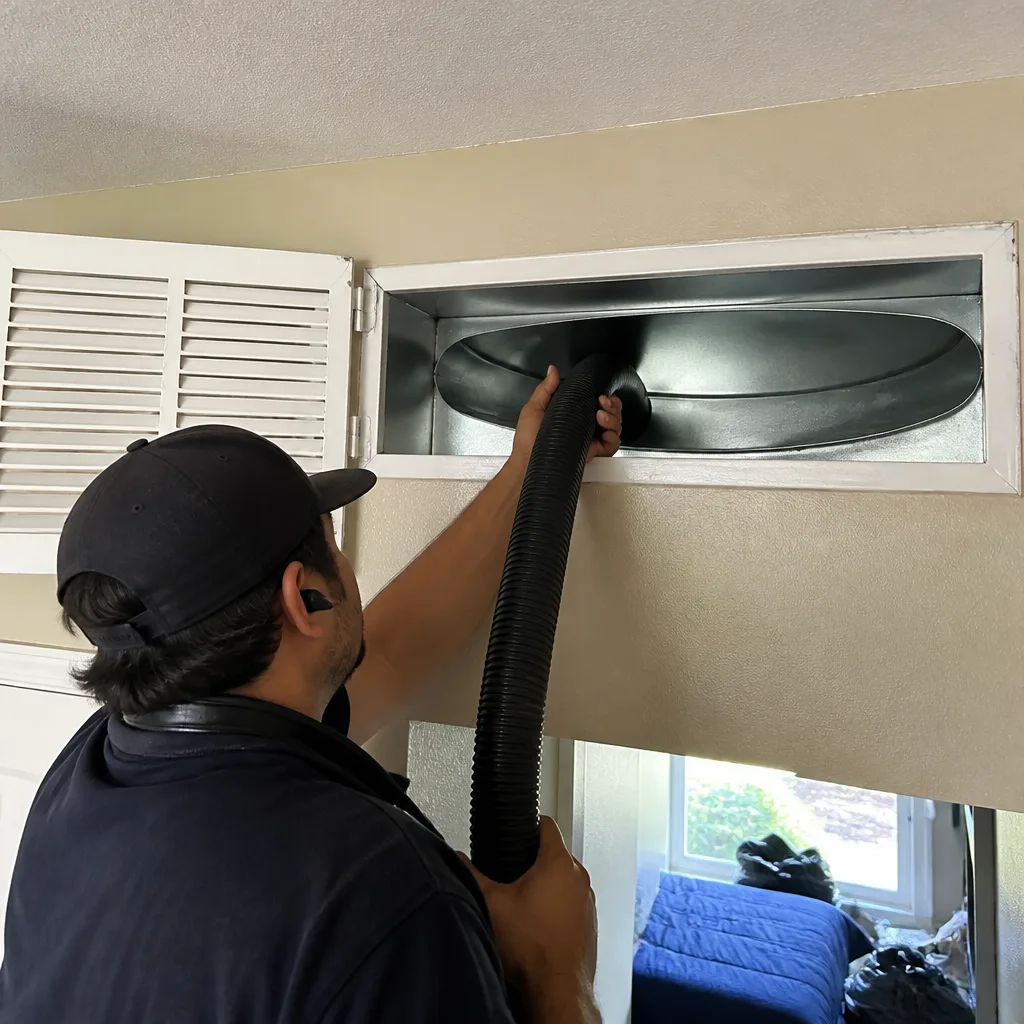 After
AfterAir Duct Cleaning Troubleshooting: Common Problems and How to Fix Them
A room that never gets cool enough in LA summer might need a bigger AC unit. Or it might have a disconnected duct section in the attic losing 30% of conditioned air into open space. One costs $4,000 to fix; the other costs a duct inspection. This guide maps the three symptoms homeowners Google most – uneven room temperatures, mystery odors, and allergy flare-ups – to their most likely duct-related causes and the specific fixes that solve the root problem, not just the surface complaint. For Air Duct Cleaning Warning Signs Every Homeowner Should Know, see our dedicated resource. Written for Los Angeles homeowners dealing with everything from Santa Ana dust infiltration to crawlspace humidity, this is the troubleshooting framework we’ve developed from nearly two decades of duct work across the city.
Quick Answer
The most common air duct problems fall into three buckets: airflow issues (uneven temperatures, weak registers), air quality issues (odors, visible dust), and system efficiency issues (high bills, short cycling). Each points to a different underlying cause – disconnected duct sections, mold or pest contamination, or excessive leakage – and each requires a different fix, from simple filter upgrades to professional Air Duct Cleaning with HEPA-rated extraction equipment.
Table of Contents
- The Three-Symptom Diagnostic Framework
- How to Do a Register-by-Register Airflow Check at Home
- Uneven Room Temperatures: Mapping the Real Cause
- Musty Smells: Mold vs. Dead Pest – Two Different Protocols
- Visible Dust Blowing from Registers: Startup vs. Continuous
- High Energy Bills and Short Cycling: The Leakage Connection
- The Post-Cleaning Performance Test You Should Ask For
- Common Mistakes to Avoid
- When to Call a Professional
- Frequently Asked Questions
- The Bottom Line
The Three-Symptom Diagnostic Framework
We start every Los Angeles duct inspection with the same question: what does the problem actually look like from inside the house? The answer almost always lands in one of three categories – and each category points to a different part of the duct system being the culprit.
Airflow problems show up as uneven temperatures room-to-room, registers that barely push air, or rooms that never reach the thermostat setting. These symptoms usually mean a physical obstruction or disconnection somewhere between the furnace and the register – collapsed flex duct, a damper stuck shut, a disconnected section, or debris accumulation. Airflow problems are mechanical, and they typically get worse over time as ducts shift and connections loosen.
Air quality problems show up as odors (musty, sour, or acrid), dust accumulation faster than normal, or allergy symptoms that spike when the system runs. These symptoms point to what’s inside the ducts – mold growth, pest contamination, or years of accumulated dust and skin cells being circulated through the living space. Air quality problems are environmental, and they don’t typically resolve with HVAC repairs alone.
System efficiency problems show up as rising energy bills, a system that short cycles (turns on and off rapidly), or an AC unit that runs constantly without reaching temperature. These symptoms usually indicate duct leakage – conditioned air escaping through gaps, holes, and poorly sealed joints before it ever reaches the rooms. The U.S. Department of Energy estimates that typical duct systems lose 20-30% of conditioned air to leakage, and in older Los Angeles homes with original ductwork, that number can climb higher.
How to Do a Register-by-Register Airflow Check at Home
Before you call anyone, do this 20-minute diagnostic. It gives you a map of exactly which zones are underperforming – and it gives any technician you call a head start on the diagnosis. You’ll need a tissue or a stick of incense, a notepad, and access to every register in the house.
- Set the thermostat to fan-only mode. You want the blower running without the AC or heat cycling, so you’re measuring pure airflow, not temperature.
- Wait five minutes. Let the system reach steady state before you start testing.
- Test each register systematically. Hold the tissue (or incense) about six inches from the register. Note whether the tissue lifts visibly, barely wavers, or stays still. Write down the result for every register.
- Compare rooms on the same floor first. A bedroom register that barely moves air while the hallway register flutters the tissue points to a ducting issue on that branch line, not a system-wide problem.
- Repeat with the AC on. Some airflow issues only appear under cooling load – especially in Los Angeles summer, when thermal expansion can separate duct sections.
- Rank your findings. Sort registers into “strong,” “weak,” and “dead.” The pattern will tell you a lot: one dead room suggests a disconnected or collapsed run; uniformly weak airflow on the second floor suggests a balancing or duct-sizing issue; weakness throughout suggests a blower or filter problem.
This register-by-register map is the first thing we ask for when a Los Angeles homeowner calls about uneven temperatures. It narrows the diagnosis before the technician even arrives.
Uneven Room Temperatures: Mapping the Real Cause
Uneven temperatures are the number-one duct complaint in Los Angeles, and the cause is rarely what homeowners assume. If one room runs hot year-round, the ductwork feeding that room is usually the problem – not the AC unit itself. Here’s the diagnostic sequence we use, in order of likelihood:
First, disconnected or collapsed duct sections. Flex duct in Los Angeles attics endures extreme heat. Over time, the plastic outer jacket degrades, and the inner liner can separate at connection points. The result is a room that loses most of its conditioned air into the attic. We regularly find this in homes in the Valley, where attic temperatures hit 150 degrees in August and accelerate duct deterioration.
Second, closed or stuck dampers. Many duct systems have manual dampers on branch lines, buried in the attic or crawlspace. If a previous owner or a pest shifted one, the entire branch gets starved of air. This is a five-minute fix once the damper is located.
Third, undersized duct runs. This is especially common in Los Angeles homes with additions or converted garages. The original duct system wasn’t sized for the extra square footage, so the far rooms never get enough air. This one typically requires duct replacement or rebalancing, not cleaning.
Fourth, accumulated debris in the branch line. Years of dust, skin cells, and construction debris – we’ve found everything from drywall chunks to old toys in duct runs – can reduce a register’s airflow by half or more. This is where professional air duct cleaning in Los Angeles directly solves an airflow problem.
Musty Smells: Mold vs. Dead Pest – Two Different Protocols
A musty or sour smell from the vents means something organic is growing or decaying in the duct system. But the fix depends entirely on which it is – and the two protocols look very different.
Mold growth typically smells earthy, damp, and persistent. It gets worse after rain or during humid periods, and it’s often accompanied by allergy symptoms in the household. Mold in Los Angeles ducts usually originates from one of three sources: condensation on the evaporator coil that’s wicked into the duct insulation, a crawlspace moisture problem that’s drawn up into the return ducts, or a previous water event (roof leak, plumbing leak) that saturated duct material. This requires remediation-grade cleaning with HEPA filtration – we run Abatement Technologies containment units on mold-contaminated ductwork to prevent spore spread during the cleaning process. A standard duct cleaning without HEPA containment on mold-contaminated ducts can actually make the indoor air quality worse by releasing spores into the living space.
Dead pest contamination smells different – more acrid, more organic, more “something died.” Los Angeles attics and crawlspaces see steady rat and mouse traffic, and ductwork is a common nesting site. The protocol here is removal of the carcass and nesting material, thorough cleaning of the affected section, and sealing of the entry point that allowed the pest in. Cleaning alone without sealing means the problem returns with the next tenant.
The distinction matters for a practical reason: mold requires HEPA containment; pest contamination requires access and sealing. A company that treats both identically is guessing, not diagnosing.
Visible Dust Blowing from Registers: Startup vs. Continuous
Dust coming from your registers looks alarming, but the timing of that dust tells you almost everything about whether it’s normal or not.
Dust only at startup – when the system first kicks on after being off – is usually normal. It’s the accumulation of household dust that settled into the register boots while the system was idle, being pushed out when the blower starts. This is especially common in Los Angeles during seasonal transitions, when the system sits unused for weeks and then fires back up. A simple fix: check your return-air filters. If they’re clogged, the system is starving for air and pulling harder through every gap. Upgrading to a quality filter – we stock and recommend Aprilaire filtration for homes with allergy concerns – often reduces startup dust significantly.
Continuous dust – visible particles blowing every time the system runs – means the dust is coming from inside the ductwork itself. Years of accumulated debris are being steadily circulated through the house. Continuous dust also often means the ducts are pulling air from somewhere they shouldn’t be: a leaky return duct in a dusty attic or crawlspace will suck in insulation particles and dust and distribute them throughout the house. This scenario is where cleaning alone may not be enough – the leaks need sealing too, or the problem just rebuilds.
Filter upgrade vs. full cleaning: if dust is startup-only and your filter is dirty, replace the filter first and see if the issue resolves. If dust is continuous, or if startup dust persists with a clean filter, you’re looking at internal duct contamination that requires professional extraction – and likely sealing.
High Energy Bills and Short Cycling: The Leakage Connection
A duct system that leaks 25% of its conditioned air into the attic doesn’t just waste energy – it changes how the entire HVAC system behaves. The blower pushes air through ducts designed for a certain volume; when a portion of that air escapes through leaks, the rooms don’t reach temperature, the thermostat keeps calling for more, and the system runs longer and harder.
Short cycling – the system turning on and off every few minutes – is often the thermostat sensing a rapid temperature swing near a leaky return duct. The return pulls hot attic air directly into the system, the thermostat reads a temperature spike, and the AC kicks on again. The rooms never get comfortable, and the bill climbs.
What to look for in a Los Angeles home: age of ductwork. Original ductwork in Los Angeles homes built in the 1980s or earlier was often sealed with duct tape that has long since dried and failed. Visible gaps at boots and joints – if you can get into the attic and see gaps, those are leaking. Rooms that never cool despite the system running constantly. A professional duct inspection with pressure testing can quantify leakage precisely, and sealing with mastic or aluminum tape plus cleaning restores the system’s designed performance. This is where HVAC cleaning in Los Angeles and sealing work together to cut the energy bill.
The Post-Cleaning Performance Test You Should Ask For
Here’s the question most Los Angeles homeowners never know to ask: “What was the static pressure before and after?” Static pressure – measured in inches of water column – is the objective measure of how much resistance the air is facing as it moves through the duct system. Higher static pressure means the blower is working harder to push air through a restricted system.
A professional duct cleaning should include a before-and-after static pressure reading. If the cleaning removed significant debris, the after number should be measurably lower – meaning the airflow improved. If the numbers don’t change, the cleaning didn’t address the actual problem, and something else is going on – a damper issue, an undersized return, or a duct design flaw.
Some companies skip this step because it exposes when their cleaning didn’t accomplish much. Others include it because they’re confident in the work. When you’re comparing duct cleaning quotes in Los Angeles, ask each company: “Do you take a static pressure reading before and after?” The answer tells you a lot about how thorough the work will be. At Cardinal, it’s standard practice – because a written price and a written guarantee both depend on proving the work actually improved your system’s performance. Rotobrush rotary brush systems paired with Nikro HEPA vacuums are designed for this kind of verifiable extraction, and the pressure readings confirm it.
Common Mistakes to Avoid
- Upgrading the AC unit before checking the ducts. If your ductwork leaks 30%, a bigger AC unit still loses 30% of its output. In Los Angeles, where AC upgrades run $4,000 – $8,000, get a duct inspection first. The cheaper fix might resolve the problem entirely.
- Treating mold with a standard cleaning. Mold-contaminated ducts require HEPA containment during cleaning. Without it, you’re distributing mold spores throughout the home. Ask specifically about containment equipment – Abatement Technologies units are designed for this application.
- Ignoring persistent startup dust. Occasional dust at startup is normal. Persistent dust every time the system cycles, even with a clean filter, means the contamination is inside the ducts. Letting it ride means the system keeps distributing that debris through your living space.
- Sealing ducts without cleaning them first. Sealing debris into the ductwork traps the contamination permanently. Clean first, then seal. The order matters.
- Accepting a duct cleaning quote without a scope of work. In Los Angeles, duct cleaning quotes vary wildly – some cover the full system including return plenums and register boots, others only push a rotating brush through the main trunk. Get the scope in writing.
- Skipping the post-clean airflow verification. A cleaning that doesn’t include before-and-after static pressure readings gives you no objective proof the work improved airflow. Ask for the numbers.
- Sealing pest entry points after cleaning but skipping the pest exclusion. If rodents got in once, they’ll get in again. Clean the ducts, remove the contamination, and seal the entry – all three steps, in that order.
When to Call a Professional
Here’s the line: if your register-by-register check shows two or more weak or dead registers, if you smell something that wasn’t there a month ago, or if dust persists with a clean filter, these are duct-system problems – not thermostat tweaks. You need someone who can access the attic or crawlspace, inspect the full run, diagnose the actual cause, and document the fix. For Los Angeles-specific concerns, read our Air Duct Cleaning Warning Signs: A Los Angeles Homeowner’s Reference Guide. Cardinal Air Duct Cleaning offers free estimates in Los Angeles – call (737) 727-2314. Every inspection includes a written scope of work and a written price before anything starts, so you know exactly what you’re getting and what it costs. No bait pricing, no van-door surprises, no phantom upcharges. If the work isn’t right within 365 days, we come back and make it right – that’s the 365-Day Done Right Promise, and it applies to every booking without exception. Part of the Relay Home Co. family, founded 2005, with every location independently owned and operated under the Relay Visibility Guarantee: live trackable arrival time, before-and-after photo documentation, and a digital invoice payable by link.
Frequently Asked Questions
Most standard air duct cleanings in Los Angeles run from $350 to $700 for a typical single-family home, depending on the number of returns, the accessibility of the ductwork, and whether the system has been cleaned recently. Homes with extensive mold remediation, pest contamination, or multiple systems will run higher. Cardinal Air Duct Cleaning provides a written price before any work starts – no per-vent pricing, no changes at the door. Call (737) 727-2314 for an exact quote; estimates are free.
Cheaper quotes typically mean a narrower scope – a brush pushed through the main trunk line only, with the branch ducts, return plenums, and register boots left untouched – or inferior extraction equipment that doesn’t actually remove loosened debris. When you compare quotes in Los Angeles, ask each company what exactly is included and whether they use HEPA-rated extraction. A lower price for half the work isn’t a deal. We hand you a written scope and price before work begins so there’s no ambiguity about what you’re paying for.
Ask for before-and-after photo documentation and a static pressure reading. Photos of the interior of your ducts before and after show the physical difference; a static pressure measurement (in inches of water column) shows the airflow improvement objectively. Every Cardinal Air Duct Cleaning booking includes before-and-after photo proof under the Relay Visibility Guarantee. If the numbers and photos don’t demonstrate the work was done, the work wasn’t done.
The National Air Duct Cleaners Association recommends cleaning every 3 – 5 years, but Los Angeles conditions – Santa Ana dust, wildfire smoke, and the sheer amount of particulates in the air – can accelerate accumulation. Homes with pets, allergy-sensitive occupants, or recent renovation work may need service more frequently. If your airflow is dropping, your dust is continuous, or your energy bills are climbing, those are stronger signals than a calendar date. When in doubt, an inspection costs nothing; call (737) 727-2314 for a free estimate and we’ll tell you honestly whether cleaning is warranted.
Yes. Ducts that contain accumulated dust, pet dander, pollen, and mold spores distribute those particles directly into your living space every time the system runs. For Los Angeles residents with seasonal allergies – which is most of the county, given our year-round pollen calendar – contaminated ducts can make symptoms measurably worse. A professional cleaning with HEPA-filtered extraction removes the reservoir of particles inside the ductwork, and pairing it with a quality filtration upgrade like Aprilaire can reduce the allergen load further.
Yes, and the distinction matters for pricing and expectations. Duct cleaning addresses the ductwork itself – the supply and return runs, register boots, and plenums. HVAC cleaning in Los Angeles goes further, including the evaporator coil, blower motor assembly, drain pan, and other components inside the air handler. A residential system that hasn’t been serviced in years typically benefits from both, since contamination in the coil or blower will re-contaminate clean ducts. At Cardinal, we scope both clearly so you know exactly what’s included in your written estimate.
The Bottom Line
Most duct problems in Los Angeles fall into three categories: airflow, air quality, and efficiency – and each points to a specific cause with a specific fix. The 20-minute register-by-register check is your best free diagnostic tool. Mold and dead pests require different protocols, so identify which you’re dealing with before hiring anyone. Dust timing tells you whether a filter upgrade resolves the problem or you need full extraction. And after any duct cleaning, ask for the static pressure numbers – objective proof the work actually improved your system. A trustworthy company volunteers that proof. For a free estimate, call (737) 727-2314. Part of the Relay Home Co. family, founded 2005. Cardinal Air Duct Cleaning home. Need dryer vent cleaning in Los Angeles while we’re there? We’ll scope both in the same estimate.
Written by Omar Haddad, Owner at Cardinal Air Duct Cleaning, serving Los Angeles since 2005. Explore our more guides & resources for additional home maintenance tips.