
Last updated October 9, 2026
Whole-system duct and dryer vent check with before-and-after photos - you see exactly what came out of your vents
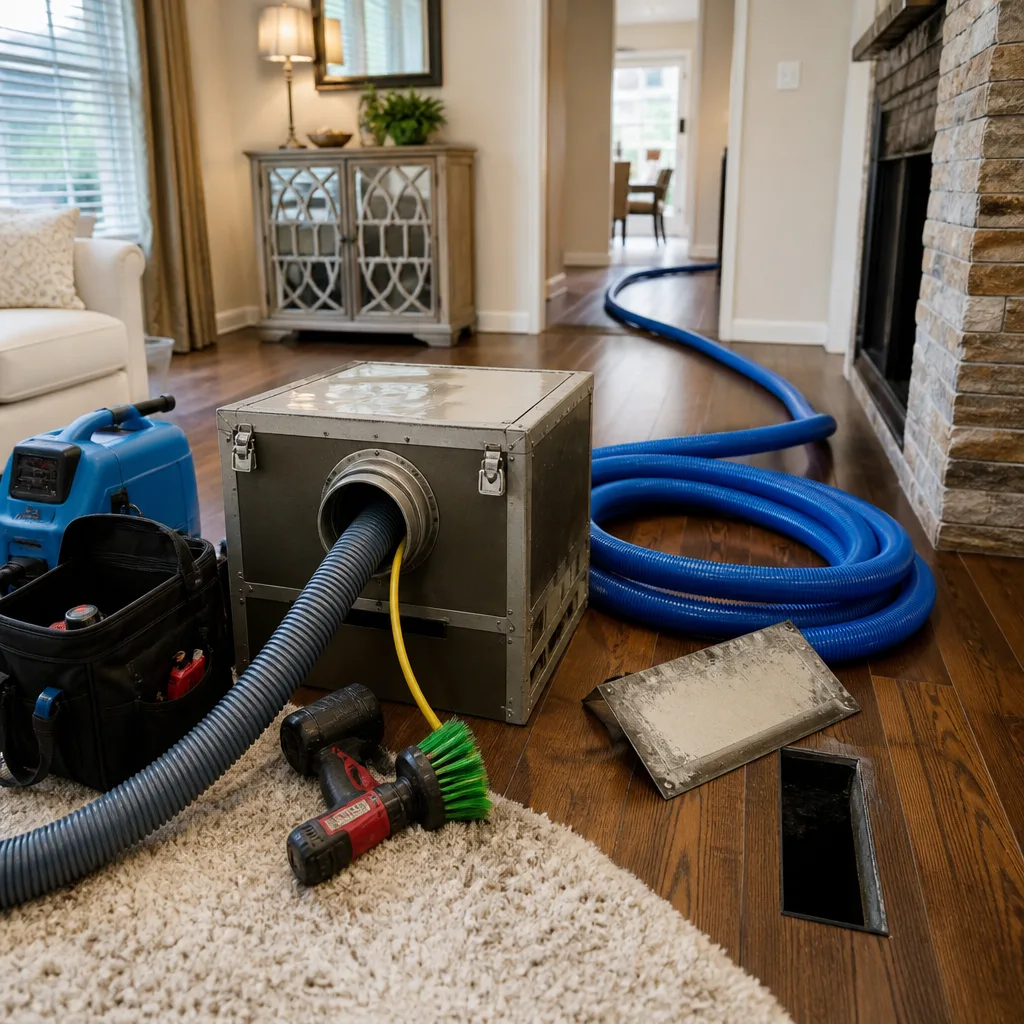
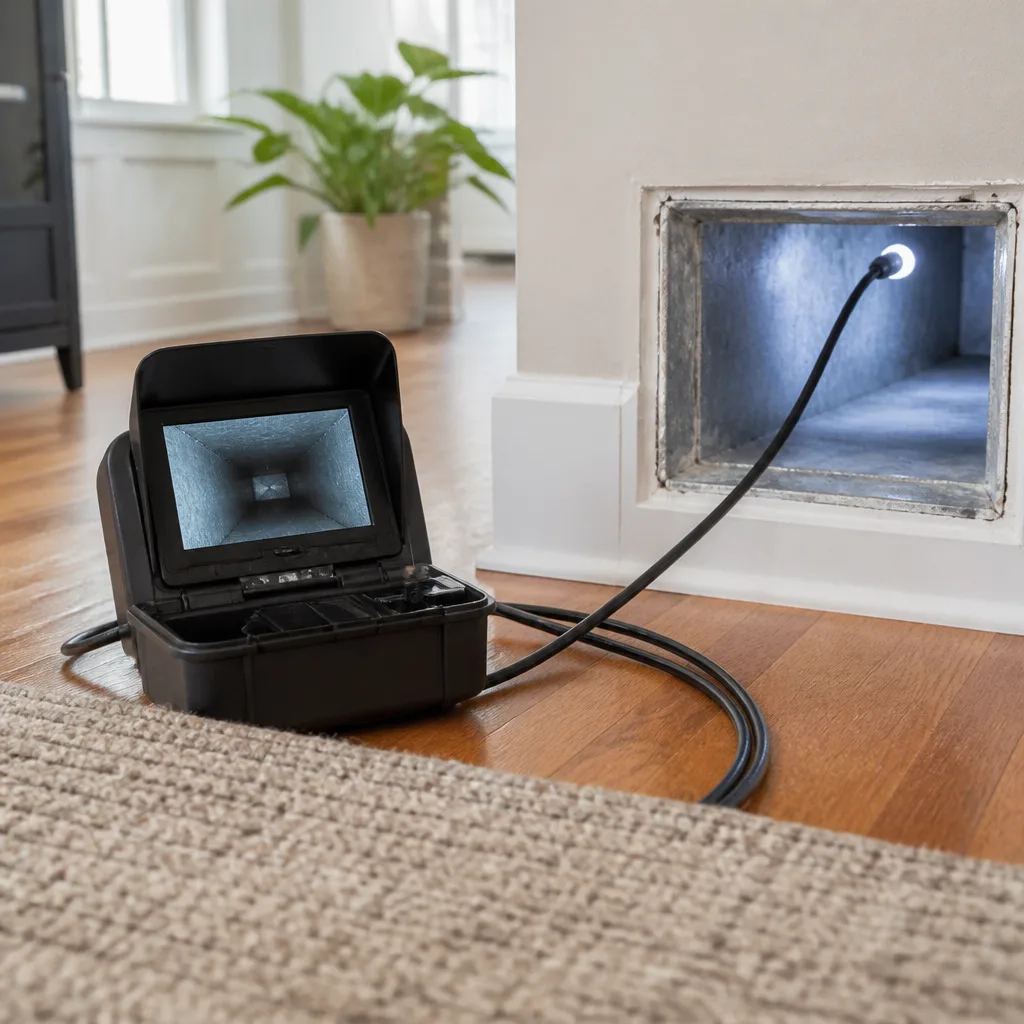
That "$99 whole-house special" is a bait ad - the real number appears once they are in your hallway, or the "clean" is a shop-vac at the register. We photograph the inside of your ducts before and after instead.
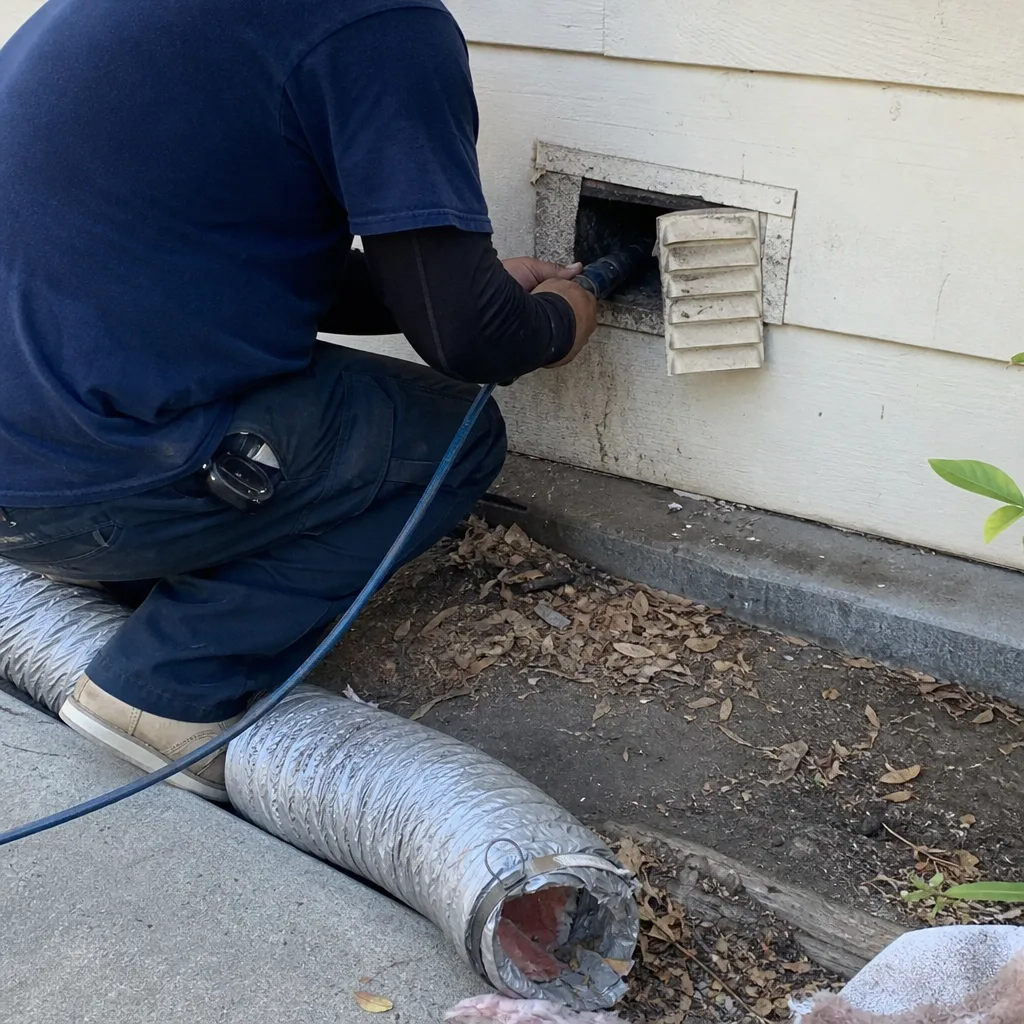 Before
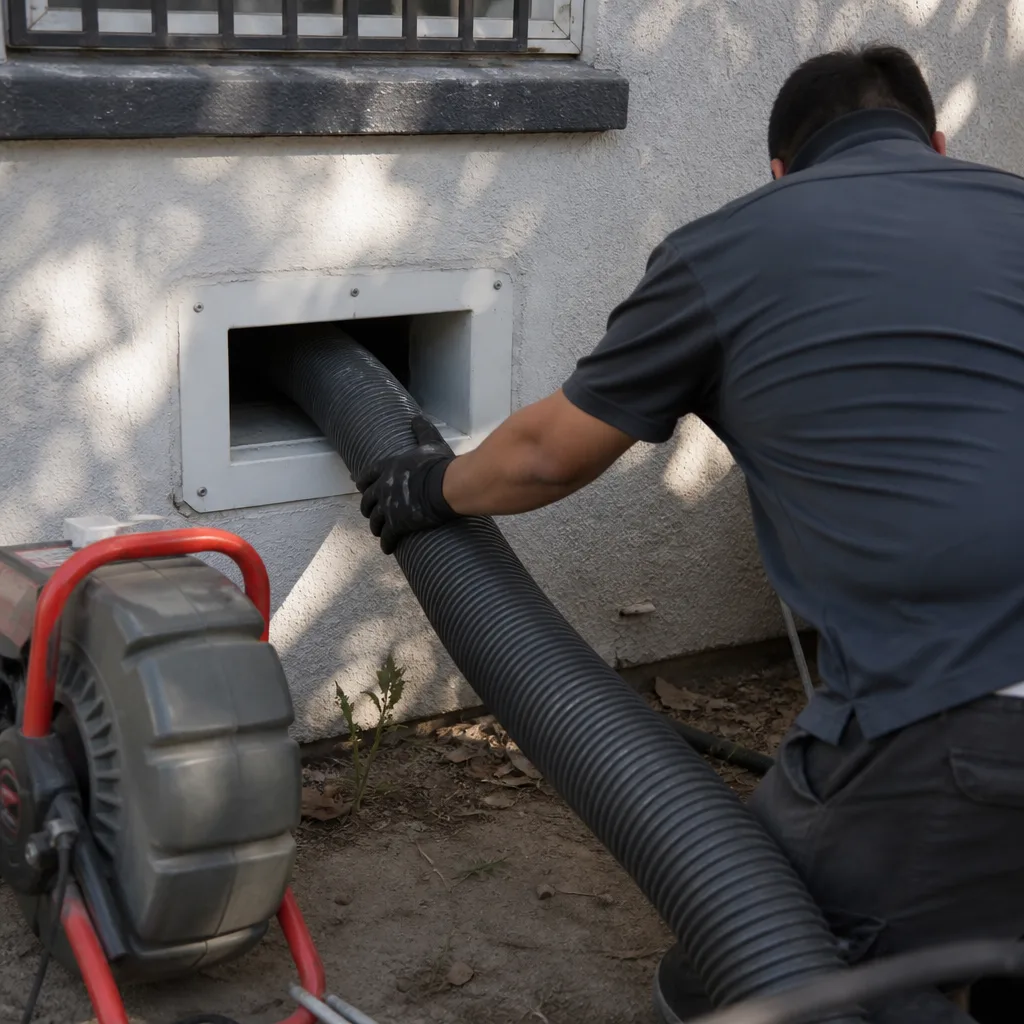 After
After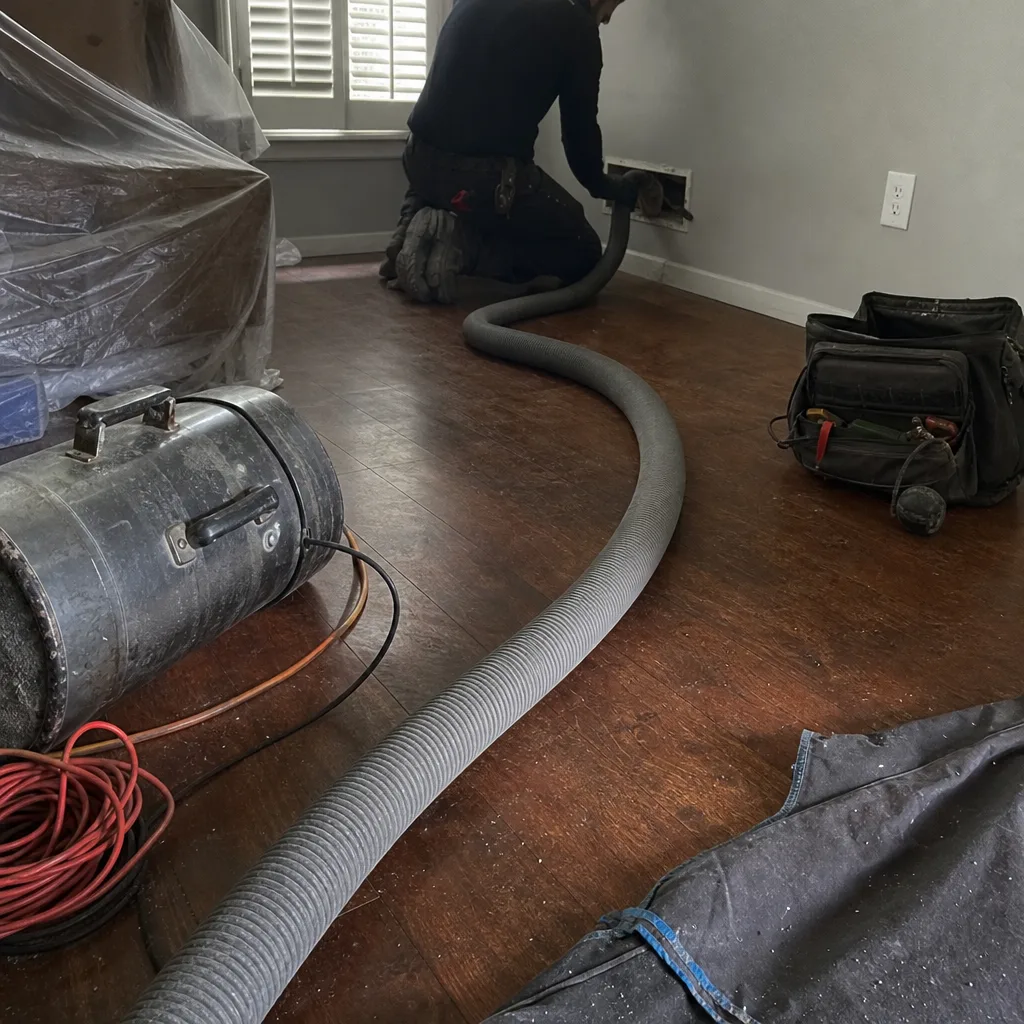 Before
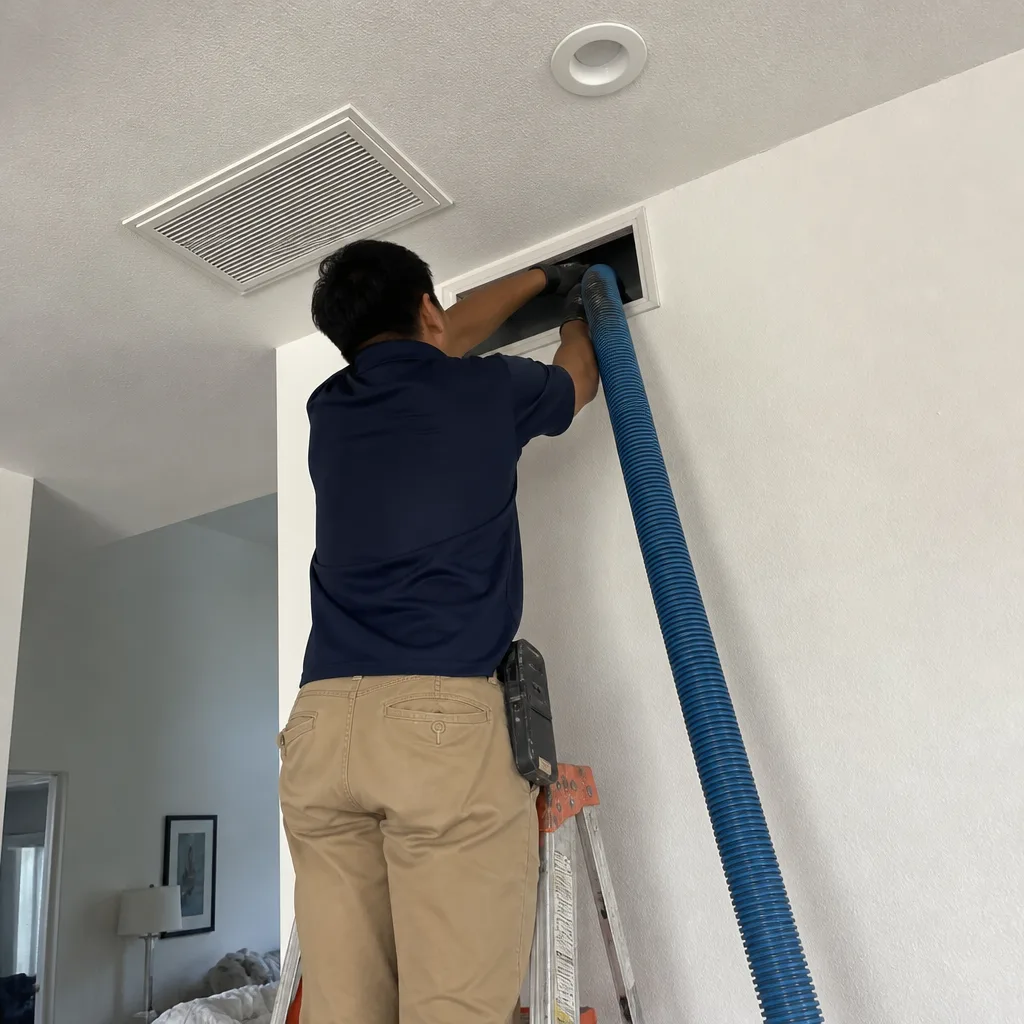 After
After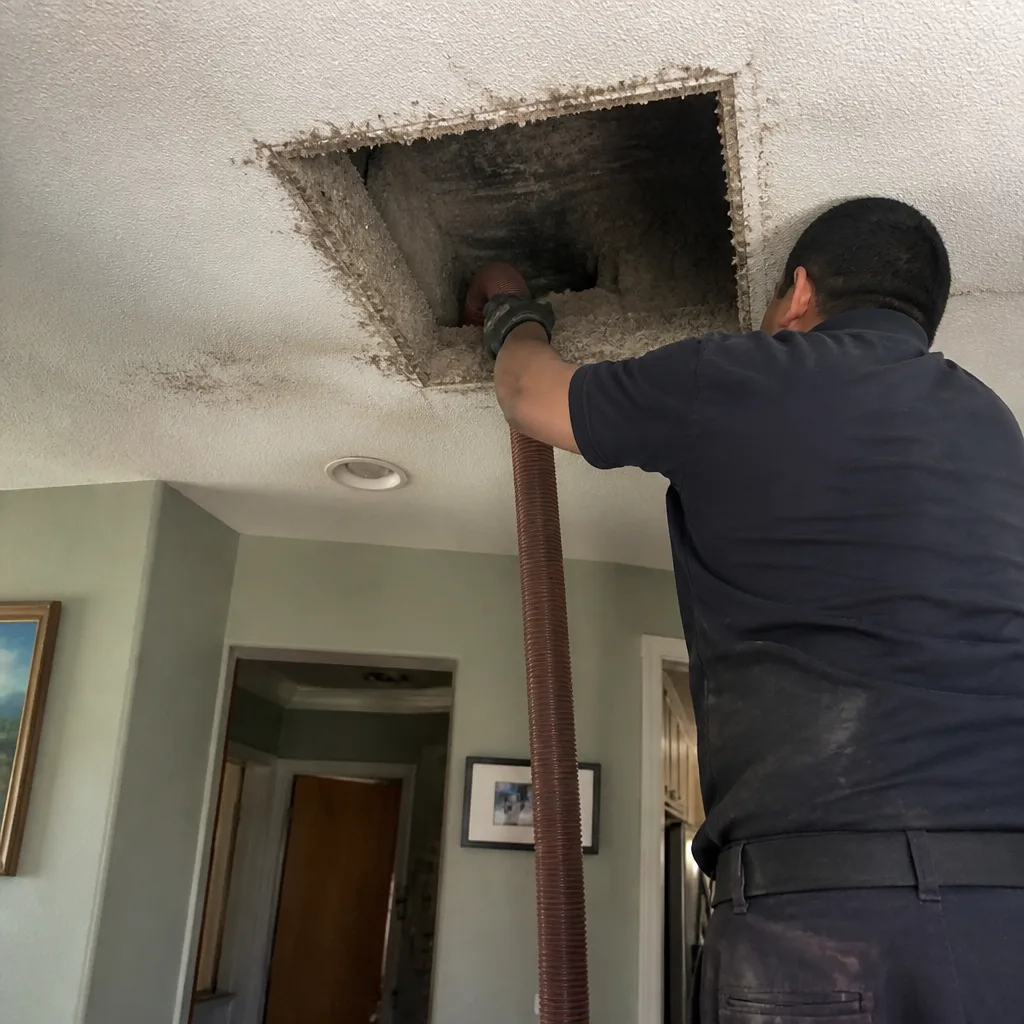 Before
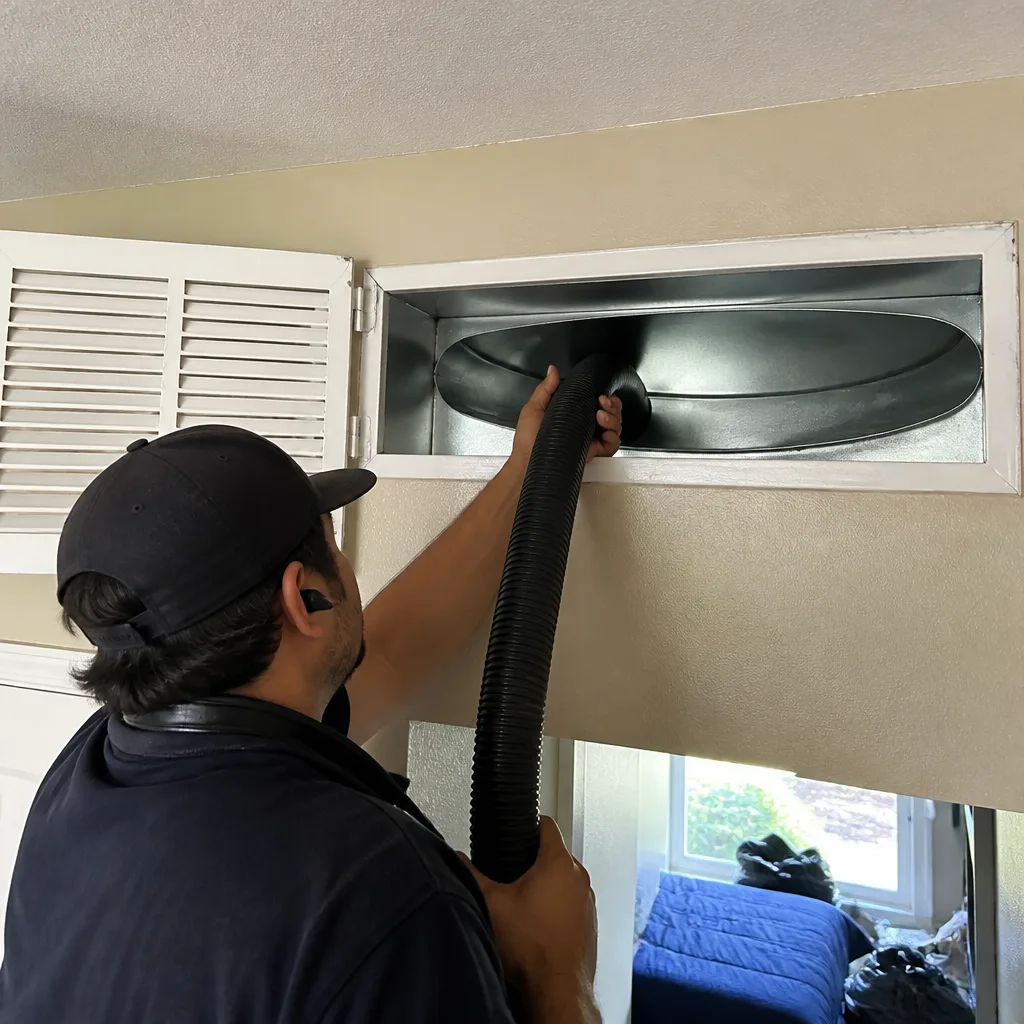 After
AfterAir Duct Cleaning Warning Signs Every Homeowner Should Know
Here’s the thing about duct warning signs: most articles tell you to look for dust puffing out of your registers. But in Los Angeles, where windows stay open half the year and pollen settles on everything, visible dust on a grille tells you almost nothing. The signs that actually predict a real problem are odor patterns and HVAC behavior. This guide trains you to read those signals like a technician would, so you’ll know whether you’re looking at a simple cleaning or a deeper mechanical issue before you spend a dime.
Quick Answer
The warning signs you need air duct cleaning are a musty or burning smell that appears when your HVAC runs, visible dust buildup inside the duct boots (not just on the grille), uneven room temperatures, rising energy bills without a rate change, and any history of recent renovation or water damage. If you smell mold or rodent odor, that’s a duct contamination problem that needs professional HEPA vacuuming, not a spray or a filter change.
Table of Contents
- Why Odor Patterns Beat Visible Dust Every Time
- The First-Heat-of-Season Smell Test
- Uneven Room Temperatures as a Duct Problem (Not Just an HVAC Sizing Issue)
- How to Self-Inspect Your Registers with a Phone Flashlight and a Mirror
- Post-Renovation: The Highest-Risk Trigger Point
- Cleaning Problem vs. Mechanical Problem: Knowing the Difference
- Rising Energy Bills and Restricted Airflow
- Allergy Symptoms That Track with HVAC Use
- Common Mistakes to Avoid
- When to Call a Professional
- Frequently Asked Questions
- The Bottom Line
Why Odor Patterns Beat Visible Dust Every Time
Your nose is a more reliable diagnostic tool than your eyes when it comes to ducts. Here’s why: visible dust settles on register grilles within days of cleaning, even in a spotless system. Los Angeles air carries fine particulates from traffic, wildfire ash, and dry desert winds. A grille with dust on it simply means air moved through it. That’s baseline, not a warning sign.
Odor, though, is chemical. It tells you what’s happening inside the duct walls, on the coil, and in the return plenum where you can’t see. A musty smell is organic material. A burning smell is particulates cooking on the heat exchanger or coil. A greasy or acrid odor is often a motor issue. These smells don’t lie, and they don’t appear on a grille. They appear only when the system runs, because that’s when air moves across the source.
In our experience cleaning ducts across Los Angeles, from Sherman Oaks to Echo Park, the homes with the worst buildup rarely look dirty at the register. The homeowners who catch problems early are the ones who notice when a smell appears, not whether dust is visible.
The First-Heat-of-Season Smell Test
Every fall, Los Angeles homeowners turn on the heat for the first time and many notice a brief burning smell. The standard explanation is “it’s just dust burning off.” Sometimes that’s true. But different odors mean different things, and learning to distinguish them tells you whether you need a cleaning or a repair.
Here’s the breakdown:
- Dusty, paper-like burn (lasts 5 – 15 minutes): This is normal. Fine household dust settled on the heat exchanger or coil fins over months of AC-only use. The first heat cycle burns it off. If it returns every time the heat cycles on, though, you have an accumulation problem worth cleaning.
- Musty, damp, or wet-sock smell when heat kicks on: This is mold or mildew growth somewhere in the system, usually on the evaporator coil or in the drain pan. Heat changes the humidity around the growth, releasing odor compounds. A filter change will not fix this. The coil and duct surfaces need professional cleaning, and the moisture source needs to be identified.
- Urine, ammonia, or dead-animal odor: Rodents or other pests have nested or died in the ductwork or near the air handler. This is both a health hazard and an airflow issue. The carcass or nest must be removed, the area sanitized, and entry points sealed. A HEPA vacuum from a professional-grade unit, like the Nikro systems we run, is required here because it traps and contains the contamination rather than blowing it into the living space.
Run the test: turn on the heat after the system has been off for at least four hours. Stand near a supply register. If the smell lingers past 15 minutes or returns on subsequent cycles, call for an inspection rather than waiting it out.
Uneven Room Temperatures as a Duct Problem (Not Just an HVAC Sizing Issue)
When one bedroom in a Los Angeles house stays hot in summer or cold in winter, the typical advice is to blame the HVAC system’s zoning or sizing. But often the real culprit is physical blockage inside the branch ducts feeding that room.
Here’s the airflow math: your system’s blower is designed to push a specific volume of air, measured in cubic feet per minute (CFM), through every leg of the duct network. When one branch is partially blocked, air takes the path of least resistance. The blocked room gets starved. The other rooms get overfed. You feel the difference as temperature swings of six to ten degrees between rooms.
What causes that blockage? In our experience, it’s usually one of three things:
- Collapsed or crushed flex duct: In attics we’ve seen across Los Angeles, from the San Fernando Valley to the Westside, rodents chew through flex duct, or someone crushing it during a roof or solar install collapses a section. Airflow drops immediately.
- Debris accumulation at a transition point: Right angles, T-junctions, and boot connections collect dust and clumps of insulation over years. The narrow throat of a branch duct is the most common choke point.
- Closed or blocked return registers: If the return path from that room is blocked by furniture, a rug, or a door that’s always shut, supply air can’t move through the room efficiently.
The takeaway: before you spend money on a new HVAC system or a zoning retrofit, have the ducts inspected for blockages. A few hundred dollars of cleaning beats a five-figure equipment change when the real problem is a collapsed run or a decade of dust at the transition.
How to Self-Inspect Your Registers with a Phone Flashlight and a Mirror
You don’t need tools or technical training to get a basic look at your ductwork. A phone flashlight and any small mirror will do. Here’s the step-by-step process we recommend to Los Angeles homeowners who want a quick check before calling anyone.
- Turn off the system at the thermostat. You want still air so dust doesn’t blow back in your face. Wait two minutes for the blower to stop.
- Remove the register grille. Most unscrew with a flathead or Phillips screwdriver, though many newer grilles just lift off. If it’s painted to the wall or floor, run a knife around the edge first to avoid chipping paint.
- Shine the flashlight into the duct boot. The boot is the metal box sitting inside the wall or floor opening. Look at the inner walls of the boot. A light film of gray dust is normal. A thick fuzzy layer, clumps, or visible debris like pet hair, construction dust, or leaves means the system has buildup.
- Use the mirror to see past the boot into the first few inches of the duct run. Angle it downward for floor registers, sideways for wall registers. This is where we find the transition-point accumulation mentioned earlier. If you see a rim of compacted material at the mouth of the duct, airflow is already restricted.
- Check for anything that shouldn’t be there. Black or green speckling suggests moisture and possible mold. Rodent droppings, nesting material, or a musty smell means pests. White or gray fibrous clumps could be broken-down fiberglass insulation from inside older ducts.
- Repeat at two or three registers on different floors. If every register shows similar buildup, the whole system likely needs cleaning, not just one room.
This inspection takes ten minutes. It costs nothing. And it puts you in a much stronger position when you call a professional: you can describe what you actually saw rather than saying “the air feels stale.”
Post-Renovation: The Highest-Risk Trigger Point
If your Los Angeles home has been renovated in the last two years, consider your ducts a serious contamination risk even if you covered registers during construction. Here’s what most homeowners don’t know: drywall dust is not the same as household dust.
Household dust is mostly skin cells, fabric fibers, and tracked-in dirt. It’s relatively heavy and settles quickly. Drywall dust is ground gypsum and silica. It’s dramatically finer, around 10 microns or less. It stays suspended in air for hours, drifts through plastic sheeting and tape seams, and penetrates into ductwork even when registers are covered. We see it on nearly every post-renovation inspection we do in Los Angeles.
The real problem is what drywall dust does once inside your system. It coats the evaporator coil fins with a fine chalky layer. Coils rely on direct metal-to-air contact to transfer heat. A dust coating acts like insulation, cutting efficiency. We’ve pulled filters caked white with drywall dust months after a project finished, the dust still cycling through the system because it’s too fine for standard fiberglass filters to trap.
If you’ve renovated, plan on a full air duct cleaning as part of the project. Every reputable general contractor in Los Angeles knows this, but few mention it. The sequence matters: clean the ducts after all drywall work, painting, and flooring are complete, and ideally before you move back in or resume full-time living.
For a broader look at what full-system cleaning involves in our service area, see our guide to Air Duct Cleaning in Los Angeles.
Cleaning Problem vs. Mechanical Problem: Knowing the Difference
Not every duct symptom points to a cleaning. Some odors and sounds indicate a mechanical failure that requires an HVAC technician, not a duct cleaner. Knowing the difference saves you money and gets the right fix faster.
Here’s our decision rule: if the problem is what’s inside the ducts, cleaning solves it. If the problem is a component that generates or moves air, you need a mechanical repair.
Signs that point to cleaning:
- Musty smell from multiple registers, not just one
- Visible dust or debris buildup inside the boots
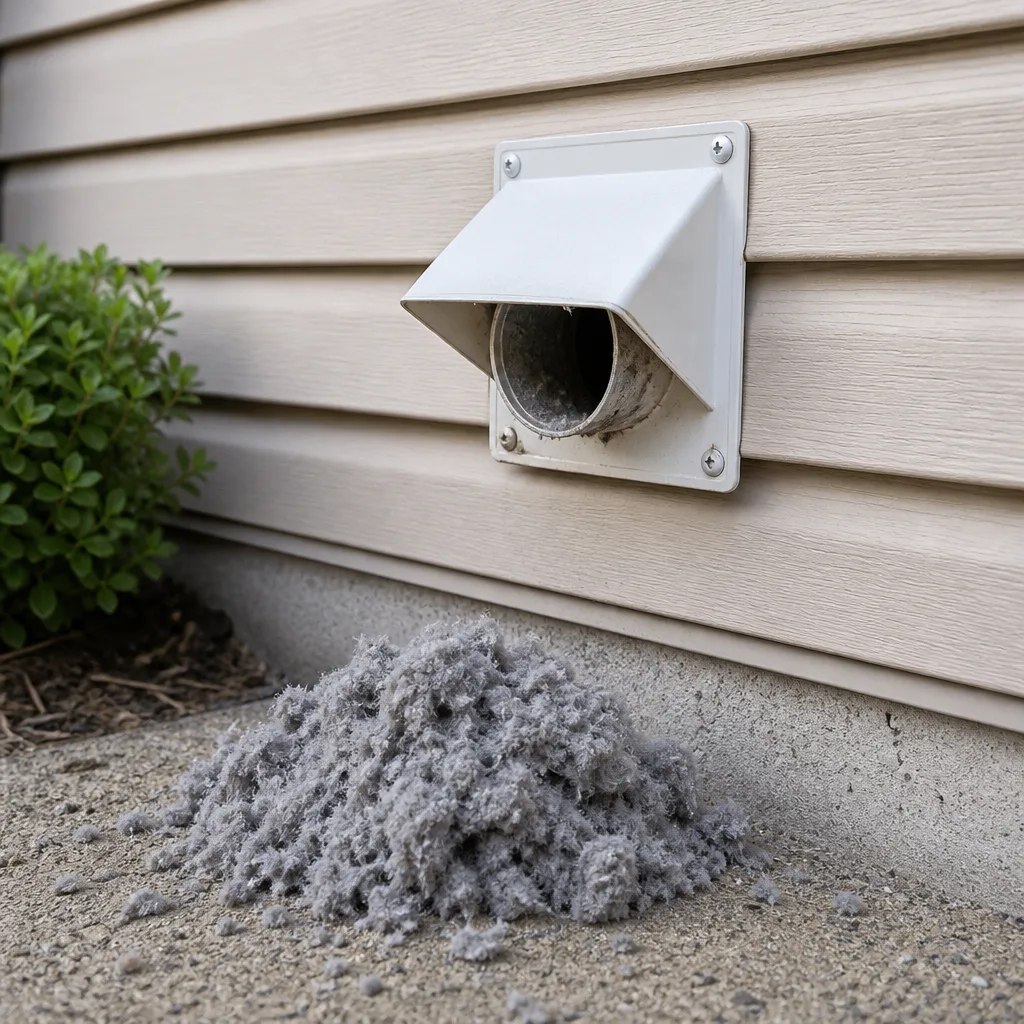
- Dryer takes multiple cycles to dry clothes (a vent restriction, not the dryer itself)
- Dust reaccumulating on surfaces days after wiping down
- Allergy symptoms that ease when you leave the house and worsen when HVAC runs
Signs that point to a mechanical issue needing an HVAC tech:
- A burning smell that persists after 15 minutes and returns every cycle: could be a failing blower motor or overheating electrical component.
- Screeching, grinding, or metallic rattling from the air handler: moving parts wearing out, not debris.
- Water pooling around the indoor unit: a condensate drain clog or refrigerant issue, not a duct cleaning problem.
- One register blowing almost nothing while others blow strong: could be a collapsed duct run, which a cleaning will not fix. It may need repair or replacement.
Here’s where the distinction matters in practice. A month ago our team in Los Angeles inspected a home in Atwater Village where the owner was convinced a cleaning would fix low airflow in her back bedroom. We found the flex duct run was crushed flat between the ceiling joists by a previous cable installer. No amount of vacuuming fixes that. It needed a duct repair. A reputable company tells you the difference instead of selling you a cleaning that won’t address the problem.
If you’re also dealing with dryer performance issues, our Dryer Vent Cleaning in Los Angeles page covers how vent restrictions are diagnosed and cleared.
Rising Energy Bills and Restricted Airflow
You can’t see restricted airflow, but you pay for it every month. Here’s the mechanism: when debris builds up inside duct walls, coil surfaces, and the blower wheel, your system has to work harder to move the same volume of air. The blower motor runs longer. The compressor cycles more. Your LADWP bill climbs, and you’re getting worse comfort for more money.
The telltale signs of airflow restriction:
- Your energy bill is 15 – 20% higher this summer than last summer, adjusted for the same usage pattern.
- The system runs constantly on hot days and never quite reaches the set temperature.
- Rooms furthest from the air handler are noticeably warmer, while rooms closest over-cool.
- You hear a whistling or rushing sound at certain registers, which usually means a partially closed damper or a restriction increasing velocity at that point.
In Los Angeles, where summer temperatures routinely push into the 90s and air conditioning runs for months, a restricted system costs more than just comfort. It ages equipment faster. A blower motor working against high static pressure will fail sooner than one operating within design parameters. A compressor that never gets a break burns through its service life. The $300 – $600 cost of a professional air duct cleaning for a typical Los Angeles home looks a lot better than a $2,000+ blower motor replacement or a $10,000 system changeout.
Most standard air duct cleanings run $300 – $600 for a typical single-family home in the Los Angeles market, depending on the number of systems, accessibility, and condition. Anything dramatically below that usually means the company is using a shop-vac approach or a bait price that escalates at the door. We’ll come back to pricing honesty later.
Allergy Symptoms That Track with HVAC Use
Here’s a self-diagnostic pattern that tells you more than any visible dust: track your allergy symptoms against when your HVAC runs.
If you wake up congested, start sneezing within an hour of the AC cycling on, or feel better when you leave the house for the day, your system may be distributing irritants through the duct network. Common allergens we find inside Los Angeles ducts include pollen tracked in from canyons and hillsides, pet dander from indoor pets, dust mite waste in accumulated dust, and mold spores from moisture events in the coil area.
The distinction that matters is whether the problem is the air in the room or the air being delivered to the room. If your symptoms spike only when the system runs, that’s a delivery problem. The ducts and coil are the distribution network. Cleaning them removes the accumulated reservoir of allergens. A filter upgrade alone won’t do it, because the allergens are already on the downstream side of the filter, sitting in the supply ducts.
After a proper cleaning using negative-pressure extraction (that means the loosened debris goes straight into the vacuum, not back into your living room), the symptom pattern should change quickly. If it doesn’t, the problem may be elsewhere: an air leak in the duct run pulling attic air into the system, or humidity in the house feeding mold growth separate from the ducts.
Common Mistakes to Avoid
- Assuming the quote is the final price. Too many Los Angeles homeowners take a $79 or $99 “whole house special” offer and end up with an invoice for $900 after the technician “discovers” mold or extra vents. Ask whether the quoted price covers the entire system before the van arrives. We hand you a written price before a single duct is touched, and that number doesn’t change at the door.
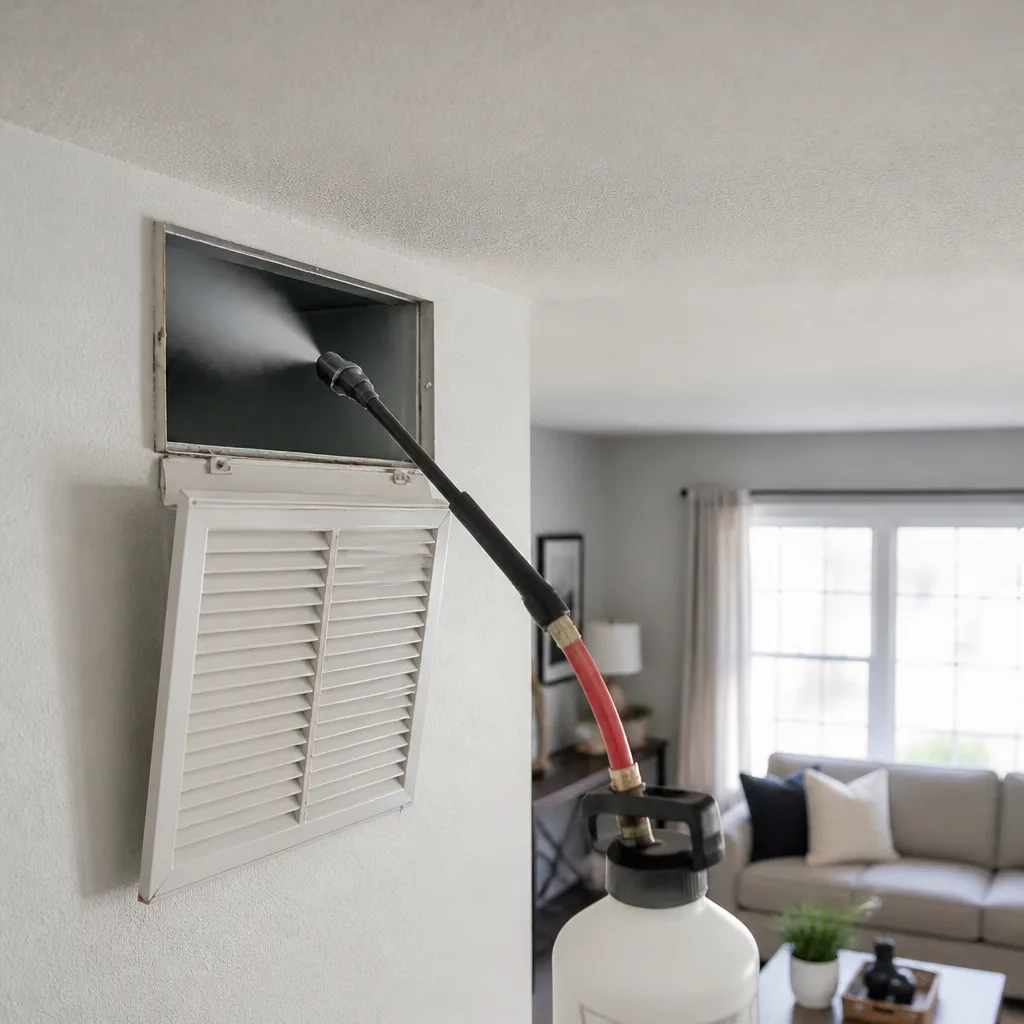
- Cleaning only the registers. Wiping down grilles is cosmetic. The actual buildup lives along the duct walls and on the coil. A surface wipe changes nothing about the air quality in the room.
- Ignoring a first-heat smell because “it’s normal.” The first cycle of the season will often have a brief dusty smell. A smell that lingers, recurs, or gets stronger is not normal.
- Upgrading the filter and expecting the ducts to stay clean. Filters capture what enters the system. They do nothing for what’s already inside the ductwork downstream. If your ducts are loaded with renovation dust from a remodel, a new MERV 13 filter just makes the system work harder against the same restriction.
- Hiring based on price alone. Air duct cleaning has a wide quality range. A technician with a truck-mounted HEPA system like the Nikro units we run will extract dust and allergens. A cheap service uses a brush on a drill and a shop vac, which pushes more dust into the living space than it removes.
- Assuming every room gets equal treatment. Some companies quote per vent but then only actually clean the supply side, leaving return ducts untouched. Ask what’s included: supply runs, return runs, the main trunk line, the coil, the blower, and the plenums.
When to Call a Professional
Call a professional if you’re experiencing any of these: a musty or rodent odor that returns when HVAC runs, visible debris inside more than one register boot, uneven temperatures you can’t explain, a renovation in the past two years, or a dust film that reforms within days of cleaning. Call sooner if anyone in the home has asthma, allergies worsened by HVAC use, or a compromised immune system. These are the scenarios where a professional inspection with HEPA-rated equipment is the lower-risk path, not a can of coil spray from the hardware store. Cardinal Air Duct Cleaning offers free estimates in Los Angeles – call (737) 727-2314.
Frequently Asked Questions
You need air duct cleaning if you smell musty or burning odors when your HVAC runs, see visible dust or debris inside the duct boots at multiple registers, experience uneven room temperatures without an obvious cause, or have had renovation work done in the last two years. Any one of these is enough to warrant an inspection; two or more makes cleaning very likely necessary.
Most standard air duct cleanings in Los Angeles run $300 – $600 for a typical single-family home with one HVAC system. Larger homes, multiple systems, or severe contamination run higher. Be wary of quotes under $200 – they usually cover only a fraction of the system or escalate once the technician is inside. Call (737) 727-2314 for an exact quote on your home; estimates are free and we put the price in writing before any work starts.
Cheaper quotes usually come from companies using brush-and-shop-vac methods rather than professional HEPA equipment like Rotobrush rotary systems or Nikro negative-pressure vacuums. They may also only clean supply registers while skipping returns, coils, and blowers. The result is a partial clean that leaves allergen reservoirs in place and pushes debris into the living space. Cheap duct cleaning is often more expensive in the long run because you pay twice.
Ask for before-and-after photo documentation of the ducts, coil, and blower, not just the registers. A company that photographs the actual duct interiors before and after has nothing to hide. We provide before-and-after photo proof with every job we do in Los Angeles, along with a digital invoice you can pay by link. It’s called The Relay Standard, and it exists because too many companies count on customers never looking inside their own ducts.
For most Los Angeles homes, every 3 – 5 years is a reasonable interval. Homes with pets that shed heavily, residents with allergies, or a recent renovation may benefit from more frequent cleaning. Homes with no pets, no allergies, and no recent construction can go longer. The honest answer is that frequency depends on your specific conditions, not a calendar.
Yes, if your system has visible buildup, restricted airflow, or post-renovation contamination. Even without allergy symptoms, a loaded duct network forces your HVAC system to work harder, raising energy bills and shortening equipment life. Cleaning can pay for itself in reduced energy consumption and extending the years before you need major equipment replacement.
You can inspect them yourself using a phone flashlight and a mirror as described above, and you can wipe down register grilles safely. Professional cleaning of the full duct system, coil, and blower requires HEPA vacuum equipment and containment methods that prevent dust from spreading through your home. A home shop vac cannot pull the fine particulate from deep inside branch ducts, and without negative-pressure containment, it can actually make your indoor air dirtier for weeks afterwards.
Air duct cleaning focuses on the duct network itself: supply runs, return runs, trunk lines, and boots. HVAC cleaning takes the whole system: the coil, blower wheel, blower housing, drain pan, and plenums in addition to the ducts. A full-system cleaning is the more thorough option because the coil and blower are where debris actually impacts equipment performance. We break down both approaches on our HVAC Cleaning in Los Angeles page.
The Bottom Line
Most duct problems announce themselves through smell and behavior long before they’re visible on a register grille. Learn to read the first-heat-of-season odor, track allergy symptoms against HVAC cycles, check your energy bills for unexplained jumps, and inspect your boots with a flashlight and mirror twice a year. If you’ve renovated recently, treat duct inspection as mandatory, not optional. And when you do call a professional, insist on a written price before the work starts, defined scope that includes returns and the coil, and photo proof of the finished job. Your ducts move the air you breathe. Knowing when they’re failing is a skill worth having. For more guides & resources, visit our blog.
Written by Omar Haddad, Owner at Cardinal Air Duct Cleaning, serving Los Angeles since 2005.