
Last updated October 9, 2026
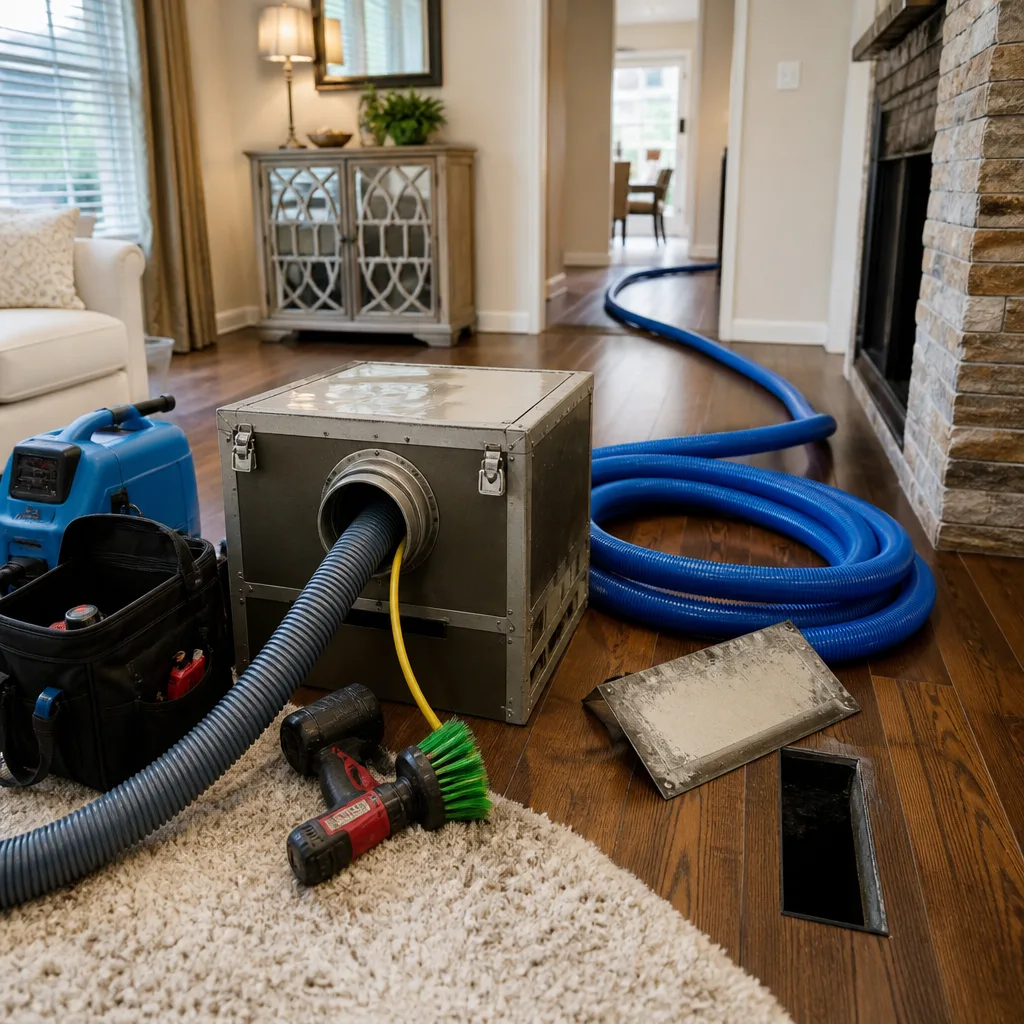
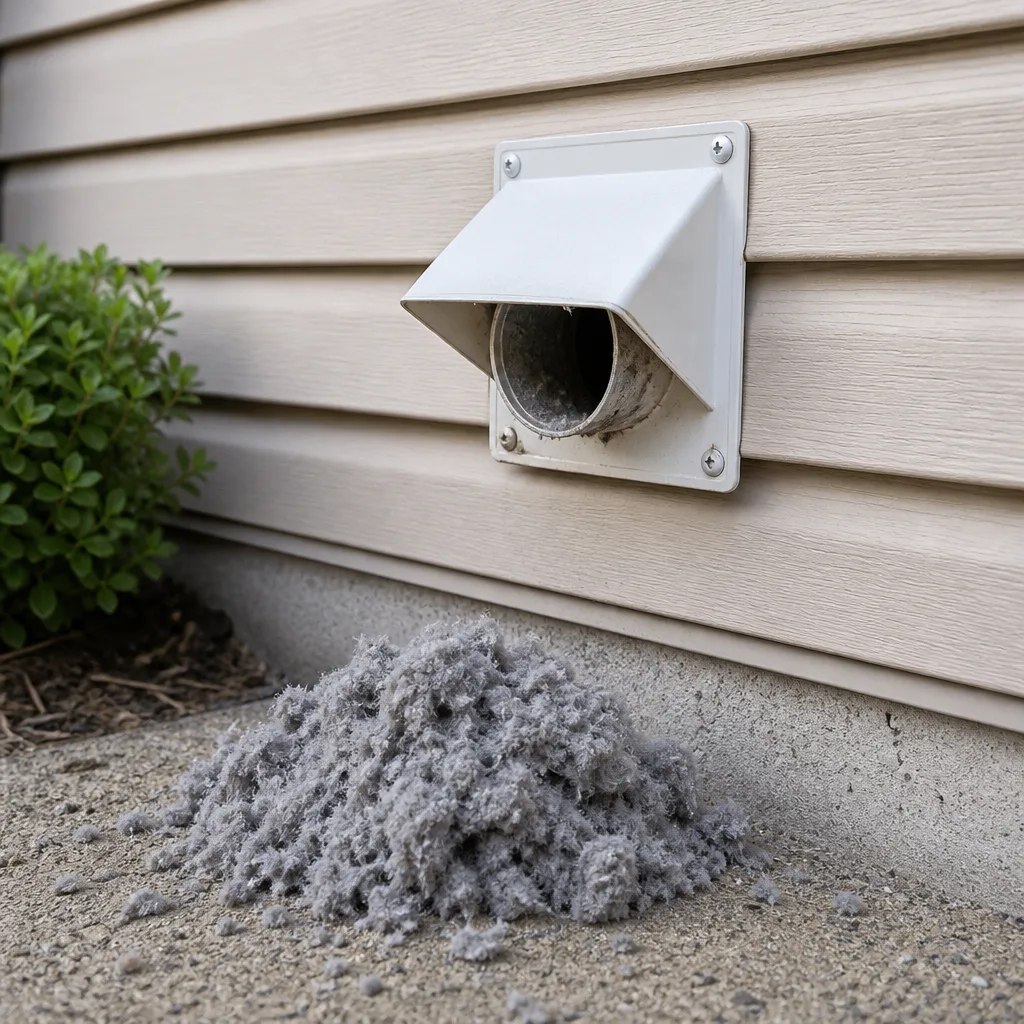
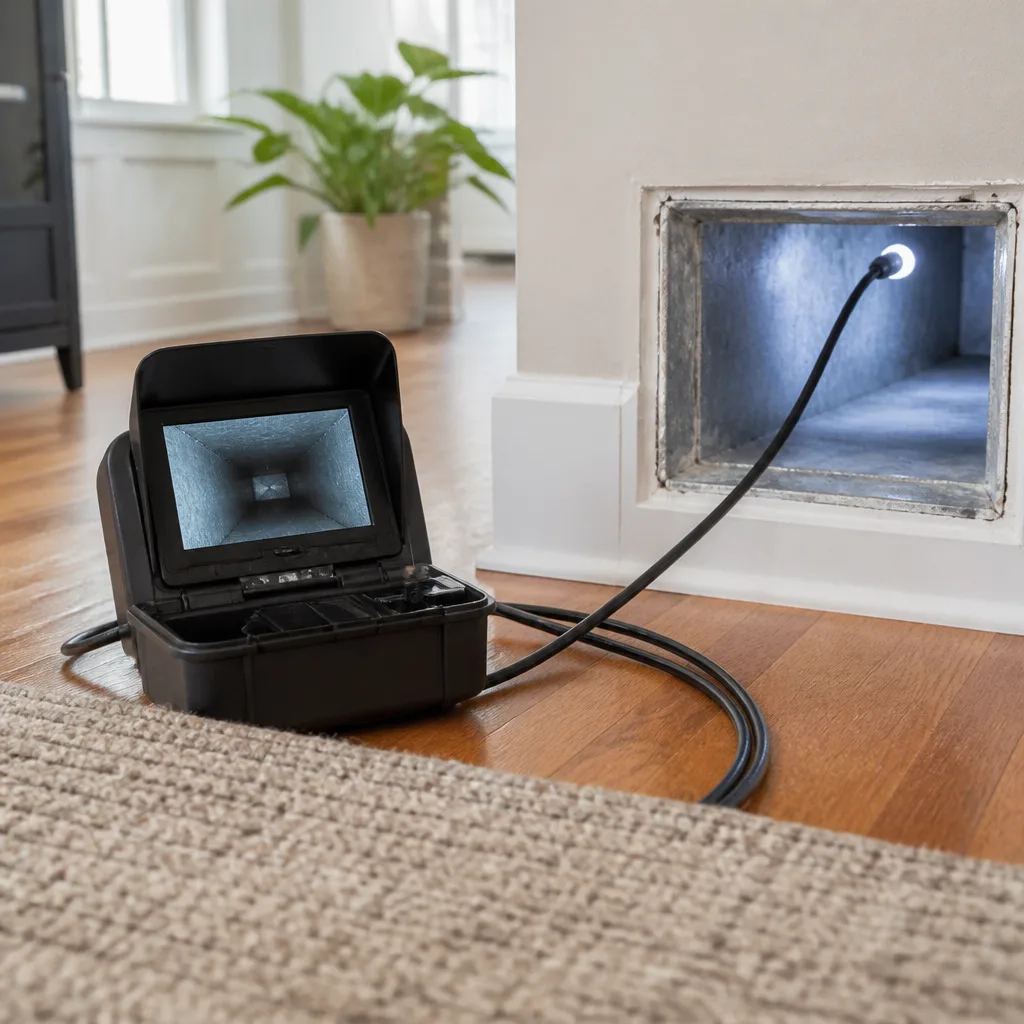
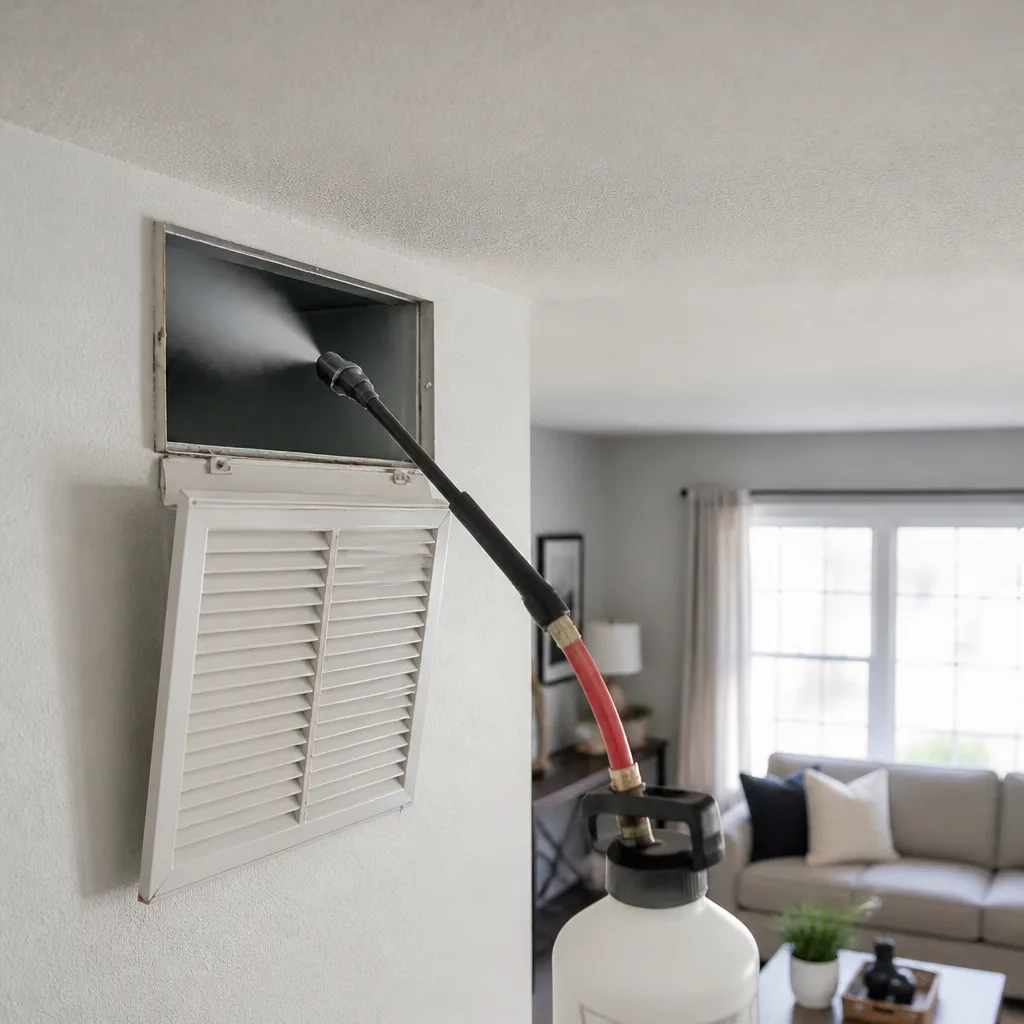
Whole-system duct and dryer vent check with before-and-after photos - you see exactly what came out of your vents
That "$99 whole-house special" is a bait ad - the real number appears once they are in your hallway, or the "clean" is a shop-vac at the register. We photograph the inside of your ducts before and after instead.
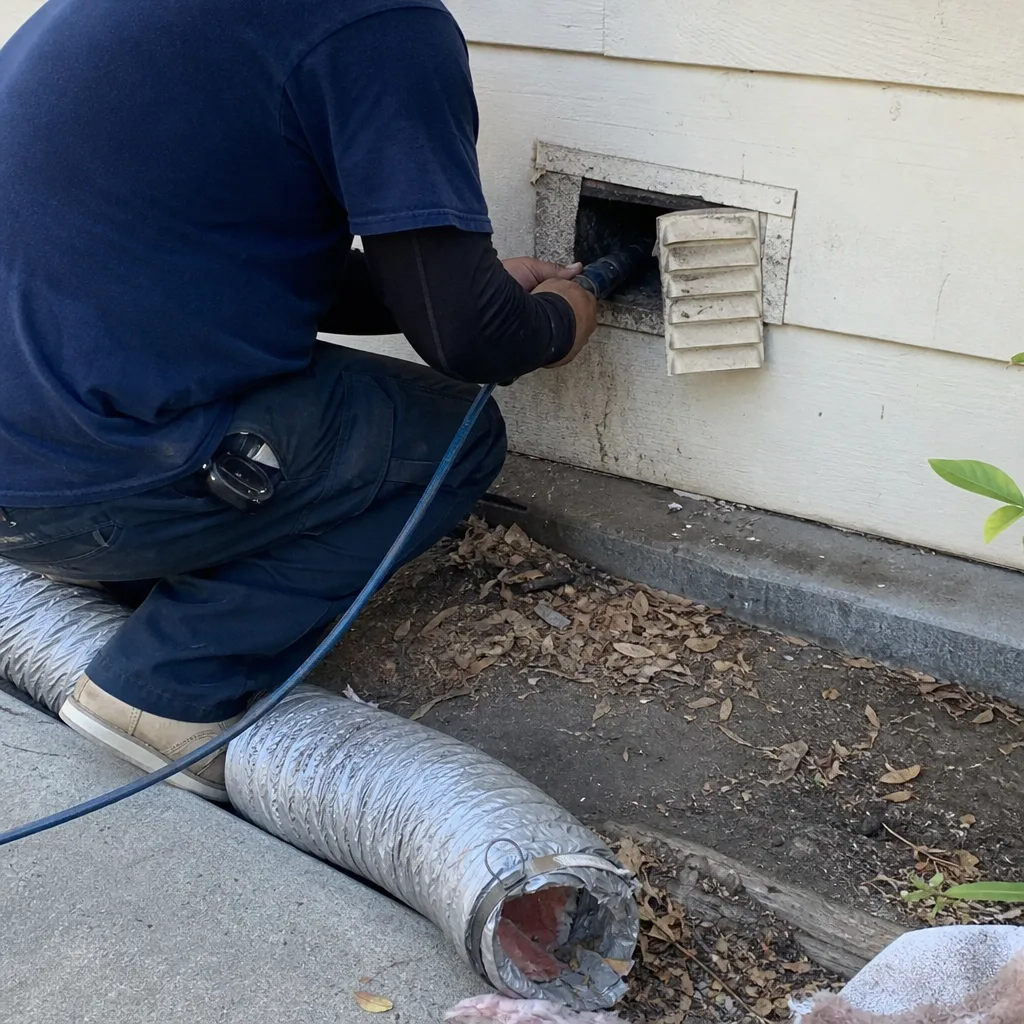 Before
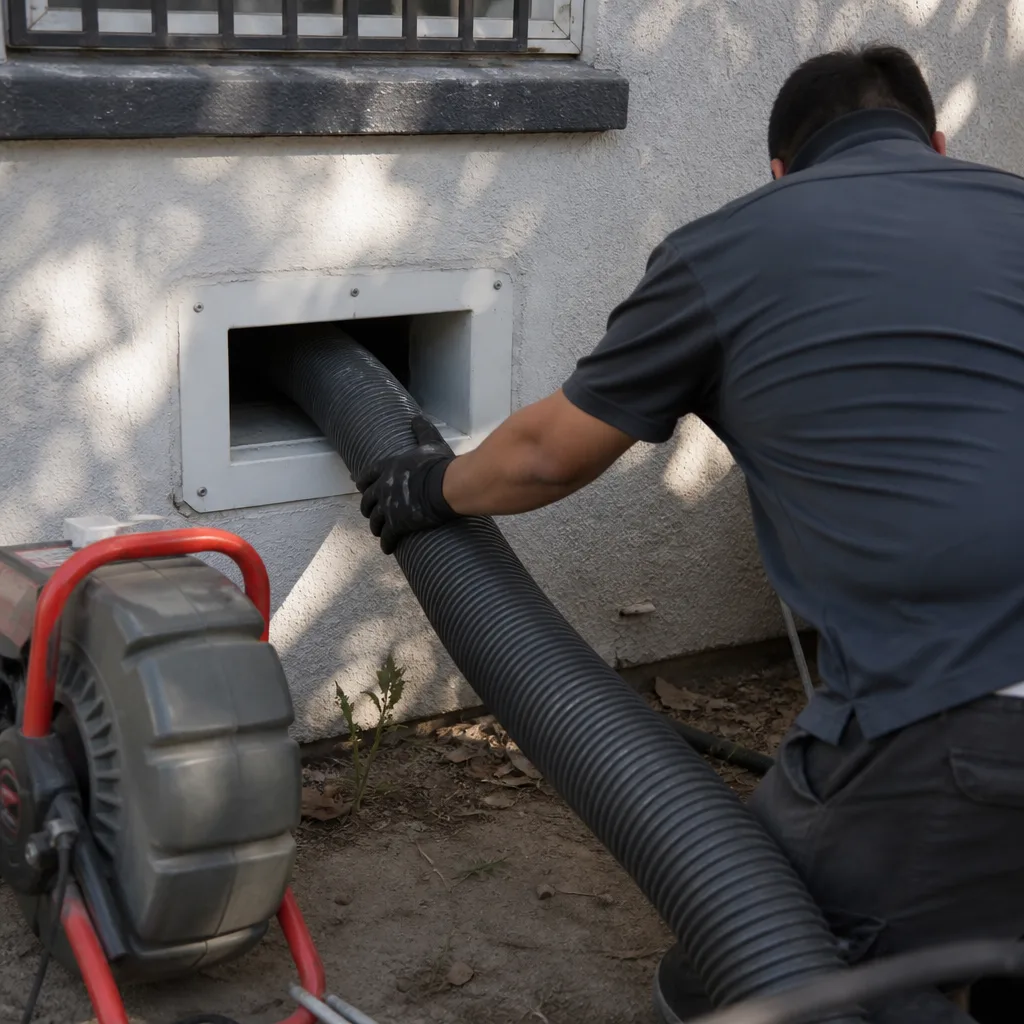 After
After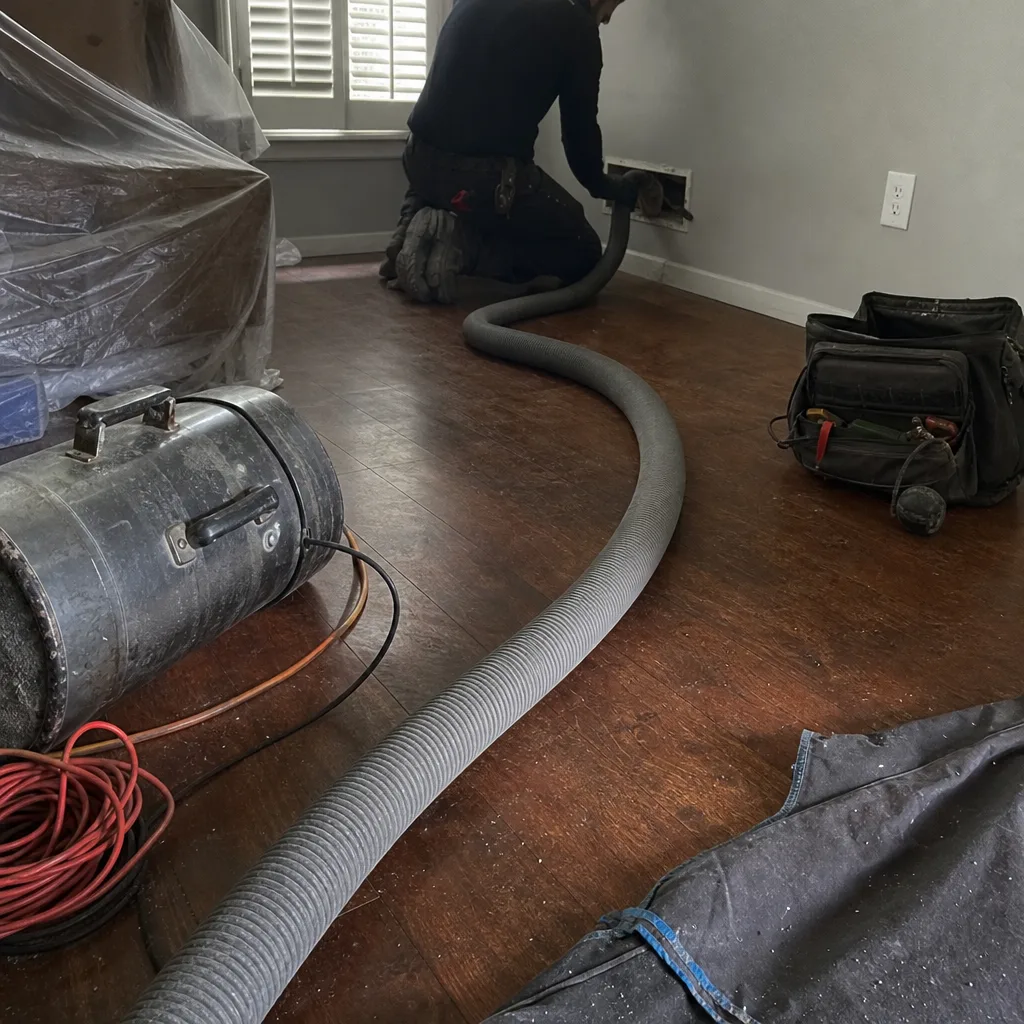 Before
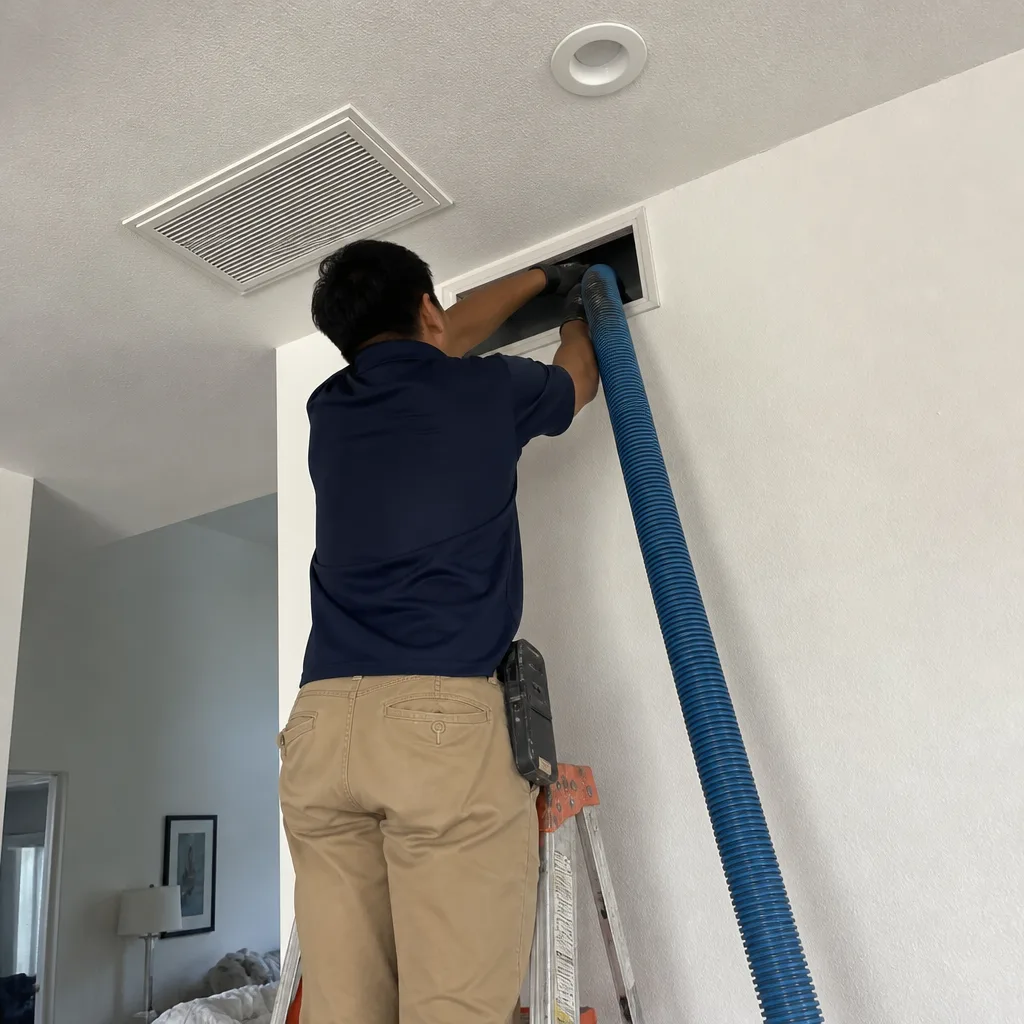 After
After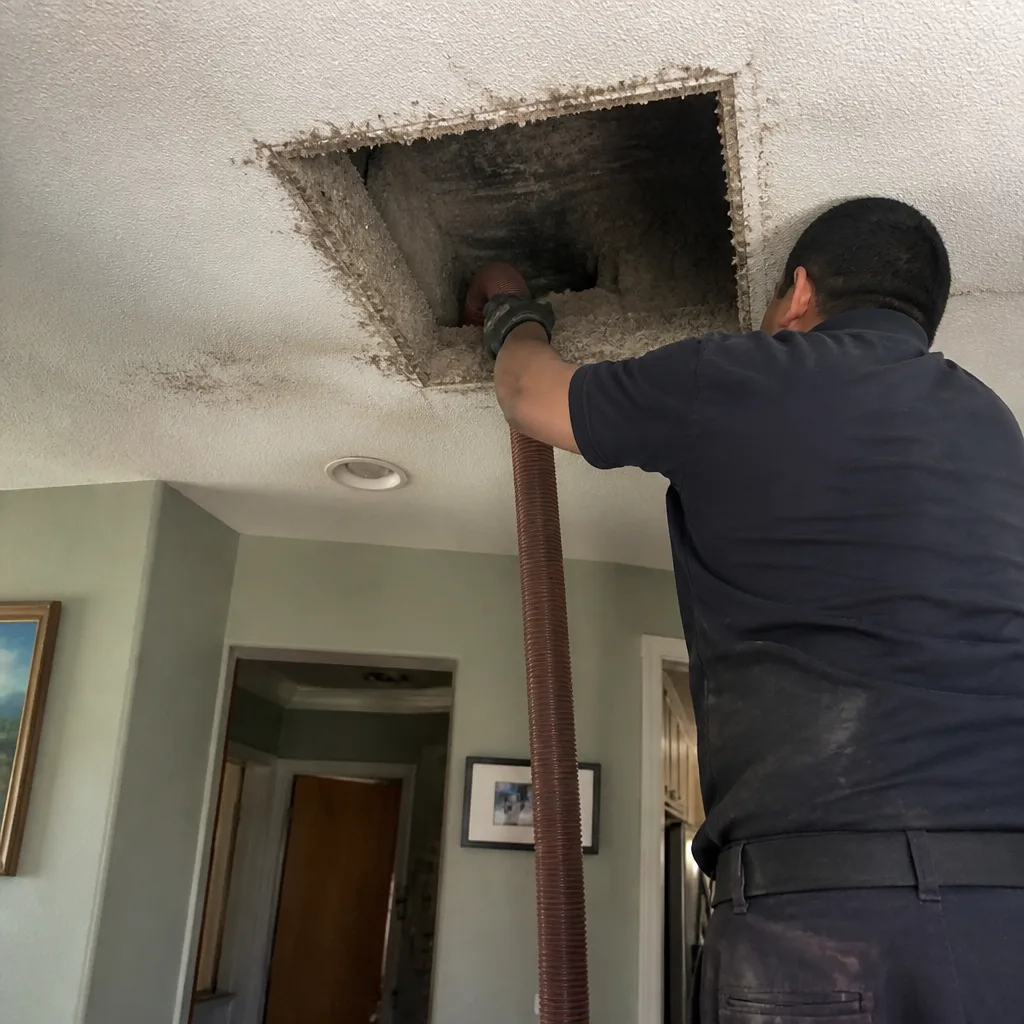 Before
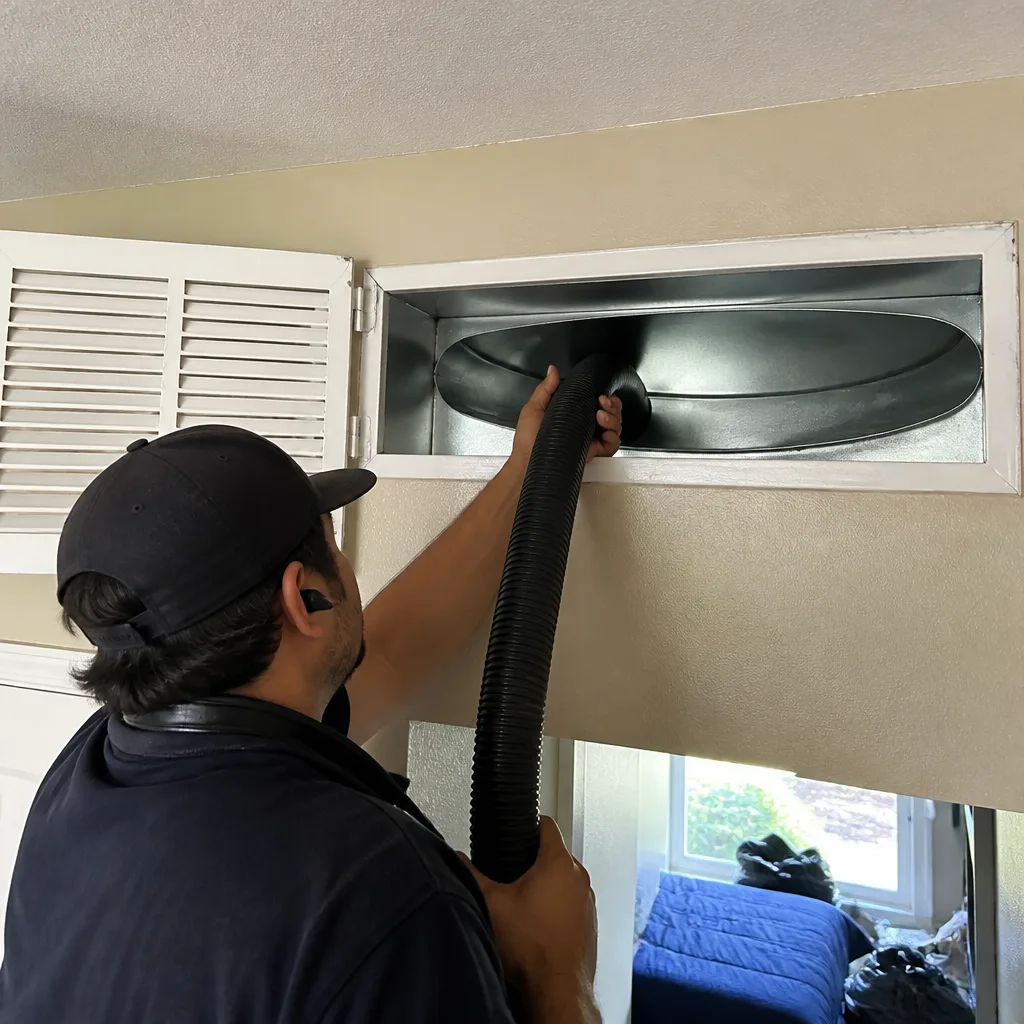 After
AfterDIY vs Professional Air Duct Cleaning: What’s Safe to Do Yourself
Here’s a truth most duct cleaning websites won’t tell you: renting a shop vac and running it through your air ducts doesn’t just fail to clean them. It can actively push debris that was sitting harmlessly in branch ducts into your main trunk line and straight into the air you breathe. The physics of residential HVAC systems work against the DIY approach in ways that aren’t obvious until you understand how air actually moves through ductwork. In Los Angeles, where homes run AC for months at a time and wildfire ash season is now an annual reality, getting this wrong has real consequences. This guide covers exactly what you can safely do yourself, what you shouldn’t attempt, and how to tell the difference before you make an expensive mistake-drawing on our DIY vs Professional Air Duct Cleaning: The Los Angeles Homeowner’s Decision Guide.
Quick Answer
Safe DIY air duct maintenance is limited to wiping down register grilles, vacuuming the first 12 inches inside accessible supply registers, and replacing HVAC filters on schedule. Everything deeper than that, including cleaning the trunk line, branch ducts, return cavities, or any situation involving suspected mold, requires professional equipment that creates negative-pressure extraction and mechanical agitation. Attempting full-system cleaning with consumer gear typically redistributes debris rather than removing it.
Table of Contents
- What DIY Legitimately Covers (And Why It’s Still Worth Doing)
- Why Shop Vac Cleaning Fails on the Duct System as a Whole
- What Professional Equipment Does That Consumer Gear Physically Cannot
- The Mold Scenario: Why DIY Is Genuinely Hazardous Here
- The Honest Cost-Effectiveness Analysis
- Step-by-Step: The Safe DIY Maintenance Routine
- How to Evaluate Whether a Professional Quote Represents Real Value
What DIY Legitimately Covers (And Why It’s Still Worth Doing)
Let’s be clear about something upfront: DIY air duct maintenance is not a substitute for professional cleaning. It’s a supplement. The two things exist on different levels of the system, and conflating them is how homeowners end up either paying for work they could have done themselves or, more commonly, skipping professional cleaning because they think wiping grilles is enough.
Here’s what falls squarely in the DIY category:
- Wiping down register grilles and vent covers. These collect dust, pet hair, and cooking grease on their surfaces. A damp microfiber cloth removes what’s visible.
- Vacuuming the first 12 inches inside accessible supply registers. If you remove a register grille and see dust accumulation right at the opening, you can vacuum that out with a standard household vacuum and a crevice tool. This is surface debris at the entry point, not system-wide contamination.
- Replacing your HVAC filter. This is the single highest-impact thing you can do for your indoor air quality. In Los Angeles, where wildfire smoke and construction dust are seasonal realities, a clogged filter forces your system to work harder and allows more particulate to circulate.
- Cleaning return air grilles. Same principle as supply registers. Remove the cover, vacuum what’s immediately accessible, wipe the cover down, reinstall.
None of this requires special training, and doing it regularly genuinely extends the time between professional cleanings. If you’re running Aprilaire or Honeywell filtration media, swapping filters on schedule is even more important because those higher-MERV filters trap more particulate, which means they load up faster. In our experience providing our Air Duct Cleaning services across Los Angeles, from Santa Monica to Pasadena, homes that maintain filters and keep register grilles clean typically need professional attention every 3 to 5 years rather than every 2 to 3.
But here’s the line: the moment you’re considering anything beyond what your arm can reach through an open register, you’ve left DIY territory. The geometry of ductwork changes things. A 6-inch supply branch that runs 15 feet through a wall cavity to a bedroom across the house is not accessible from the register. Whatever is sitting along that span stays right where it is until professional equipment addresses it.
Why Shop Vac Cleaning Fails on the Duct System as a Whole
The most common DIY mistake we see in Los Angeles homes starts with a rental or a big-box store purchase. Homeowners get a shop vac with a long hose, maybe a dryer vent brush kit, and attempt to clean the system themselves-similar to the risky approach outlined in our DIY vs Professional Dryer Vent Cleaning: What’s Safe to Do Yourself. The logic seems sound: suction plus agitation equals removal. But the physics don’t cooperate.
The core problem is CFM, or cubic feet per minute. This is the measurement of how much air a vacuum moves. A standard shop vac moves somewhere between 100 and 200 CFM through a 2-inch hose. A professional negative-pressure duct cleaning system, like the Nikro units we run, moves thousands of CFM through a duct-sized connection. That difference is not a matter of degree. It’s the difference between creating enough negative pressure to pull debris from the entire system toward a single collection point, and simply slurping up whatever happens to be right at the hose tip.
Residential HVAC systems are designed to distribute air, not to be cleaned from a single access point. When you run a shop vac hose into the trunk line and start pulling, here’s what actually happens:
- You create localized suction, not system-wide negative pressure. The vacuum only affects the immediate area around the hose opening. Branch ducts leading to other rooms remain untouched.
- Debris redistributes toward the vac hose. Fine dust that was attached to the bottom of the trunk line gets pulled into the airstream the shop vac creates. Some of it reaches the vac. The rest gets airborne in the duct system and resettles elsewhere, including farther down branches that were relatively clean before you started.
- No mechanical agitation occurs. Professional cleaning combines suction with rotary brushing. Debris that has adhered to duct surfaces over years, especially in humid coastal areas of Los Angeles like Venice or Playa del Rey, won’t release from negative pressure alone. The shop vac does nothing to break the bond between dust and ductwork.
- Leaks around the hose connection pull particles into the living space. A shop vac hose does not seal to a duct opening. The gap between hose and duct edge creates a venturi effect that sprays fine particulate back into the room you’re standing in.
We’ve walked into homes in Culver City and Echo Park where a well-intentioned weekend shop vac session left visible dust bloom on furniture near the registers. The homeowner thought they were cleaning. They were actually aerosolizing what had been sitting inert in the ductwork.
What Professional Equipment Does That Consumer Gear Physically Cannot
Professional air duct cleaning in Los Angeles operates on two simultaneous principles: negative-pressure extraction and mechanical agitation. Understanding these terms in plain English matters, because they’re what separate a real cleaning from a truck-mounted shop vac dressed up with a uniform.
Negative-pressure extraction means the entire duct system is placed under vacuum, not just one point in it. A professional-grade unit, whether truck-mounted or a high-powered portable like the Nikro systems we use, connects to the main trunk line and pulls air through the system at thousands of CFM. This creates directional airflow from every branch duct back toward the collection point. Debris that gets loosened anywhere in the system has one path: into the vacuum’s HEPA-filtered containment. It does not resettle, because there’s no competing airflow pushing it elsewhere.
Mechanical agitation is the second half of the equation. Negative pressure provides the airflow, but the airflow alone won’t remove what’s adhered. That’s where rotary brush systems like Rotobrush come in. A rotating brush head travels through the ductwork, physically scrubbing the walls while the vacuum pulls everything it releases toward the collection point. The brush agitates; the negative pressure extracts. One without the other is incomplete, and that’s exactly why DIY fails: a shop vac provides weak, localized suction with zero agitation, so adhered debris never releases, and what does release goes in the wrong direction.
There’s also the containment piece. When professional companies clean ducts, they seal off supply registers and return grilles to maintain the negative pressure seal across the entire system. Abatement Technologies containment units are the industry standard for this. The vacuum is creating airflow that moves from every sealed opening toward the collection point. This is controlled, directional, and complete in a way that consumer equipment cannot replicate.
For Los Angeles homeowners specifically, this matters more than in many other markets. Our HVAC systems run longer and harder than most of the country. A typical LA home sees 2,000 to 3,000 hours of HVAC runtime per year. That’s a lot of air movement through ductwork, which means a lot of dust deposition over time. The particulate load in LA air, from freeway proximity to wildfire smoke to the general dryness of Southern California, is consistently high. All of that lands in your ductwork and settles there. Professional cleaning removes it. DIY redistributes it.
The Mold Scenario: Why DIY Is Genuinely Hazardous Here
If you suspect mold in your air ducts, stop. Do not pass go. Do not rent a shop vac. Do not open the register to take a look. This is the one scenario where DIY moves from ineffective to actively dangerous.
Mold in ductwork does not sit as a solid mass you can vacuum out. It exists in colonies that release spores, and those spores are microscopic, lightweight, and designed to travel on air currents. When you disturb a mold colony without proper containment, you’re not removing it. You’re triggering a spore release event directly into your home’s air distribution system. The same HVAC system that’s been quietly and slowly introducing spores into your air at a low rate is now being used as a dispersal mechanism. Every room connected to that duct run receives a concentrated dose.
Professional mold remediation in duct systems follows a fundamentally different process than duct cleaning:
- Isolation and containment. The affected portion of the system is sealed off from the rest of the home. Abatement Technologies containment units create negative pressure zones so nothing escapes during the work.
- Mechanical removal with HEPA extraction. The mold is scrubbed and simultaneously pulled into HEPA-filtered collection, not blown around. Nikro systems are built for exactly this level of filtration.
- Antimicrobial treatment. After physical removal, the duct surfaces are treated to prevent regrowth. This is a remediation step, not a cleaning step.
- Verification. Air and surface sampling confirms the colony is gone before the system is put back into regular service.
The DIY version of this, which typically involves a shop vac, bleach sprays, and hope, fails on every count. The spores that don’t get vacuumed get aerosolized. Bleach applied to porous duct surfaces doesn’t penetrate, and in many cases its moisture content makes future mold growth more likely, not less. And there’s no verification step at all, so you’re left with contaminated ductwork that you’ve now disturbed and dispersed, plus a false sense of resolution.
In Los Angeles, the mold question comes up most often in beach communities and canyon areas. Homes in Venice, Marina del Rey, Topanga, and Malibu deal with marine layer moisture that finds its way into uninsulated duct runs. Condensation forms on the interior, and that moisture plus dark conditions plus accumulated dust equals a mold-friendly environment. If you’ve noticed a musty smell that changes with your HVAC cycles, or dark staining visible at register openings, treat it as a mold situation. Get it inspected by a professional before you touch anything.
The Honest Cost-Effectiveness Analysis
Let’s talk about money, because vagueness around pricing is one of the most frustrating things about the duct cleaning industry, and it’s a big reason people turn to DIY in the first place. Professional duct cleaning in Los Angeles for a standard single-family home typically runs between $350 and $700 for a full system clean. That range covers homes up to roughly 2,500 square feet with standard accessible ductwork. Larger systems, multi-story homes, or systems with extensive contamination push the price higher. Always get the number in writing before work starts.
What does that $350 to $700 actually buy you? A complete cleaning of the supply trunk line and branches, return ducting, the return air cavity, register grilles, and the blower compartment, performed with professional rotary brush agitation and negative-pressure HEPA extraction. It’s typically a 3 to 5 hour job for two technicians. The result is a measurable reduction in the particulate load your system is distributing through your home, better airflow to every room, and less dust landing on your furniture.
Now compare that to the DIY alternative. A shop vac rental runs $40 to $60 per day. You’ll spend a full Saturday, deal with the mess, risk spreading debris into your living space, and achieve maybe a 5% improvement in system cleanliness. That’s not an exaggeration. The inaccessible 90% of your ductwork remains untouched. The parts you can reach, the first foot of each supply register, are the easiest parts of the system for a technician to clean thoroughly during a professional job anyway.
There’s a second cost consideration: filter performance and equipment lifespan. A system with heavily contaminated ductwork pushes that particulate through your HVAC filter faster, which means you replace filters more often, and a clogged filter reduces airflow to the evaporator coil, which makes your AC work harder in Los Angeles summers month after month. That’s real money in energy consumption, and it compounds. A clean system doesn’t just feel better. It runs cheaper.
The honest calculation is that professional air duct cleaning every 3 to 5 years, at $350 to $700 per visit, is a smaller annual cost than the filter waste and efficiency losses from a badly contaminated system. The DIY approach costs almost nothing in dollars but delivers almost nothing in results, and it carries real risk of making things worse.
Step-by-Step: The Safe DIY Maintenance Routine
Between professional cleanings, here’s the maintenance routine we recommend to our Los Angeles customers who want to do what’s genuinely theirs to do. This is everything that’s safe and effective on the consumer side, in the order it should be done.
- Turn off the HVAC system at the thermostat. Working on any register or return while the blower is running means you’re fighting active airflow. Turn it off first.
- Remove register grilles and return covers. Most are held in place by two screws or simply fit into the opening. Set them aside and note which openings they came from. Grilles are not interchangeable; a supply register from one room may not fit another.
- Vacuum the accessible opening with a crevice tool. Reach in as far as your vacuum’s hose allows, which is typically 6 to 12 inches. Use slow passes and let the vacuum do the work. This is surface debris removal at the entry point, not deep cleaning.
- Wipe down the grille and cover with a damp microfiber cloth. For kitchen-adjacent supplies, you may need a degreaser. Cooking vapor deposits a fine film that dust adheres to aggressively. Dish soap and warm water handle most cases.
- Check the filter. Slide out the current filter and hold it up to a light. If you can’t see light through it, it’s overdue. Replace with the correct size and MERV rating for your system. In Los Angeles, we recommend MERV 8 to MERV 11 for standard residential systems. Higher-MERV options from manufacturers like Honeywell or Aprilaire provide better filtration but may restrict airflow on older equipment, so check your system’s specs before jumping to MERV 13.
- Reinstall grilles and covers, then turn the system back on. Confirm each grille is properly seated. Loose grilles rattle and allow unfiltered air to bypass the register seal, which pulls attic or wall cavity air into the airstream.
Do this every 3 to 6 months, more often during wildfire season if you’re in a smoke-exposed part of Los Angeles. It’s genuinely useful maintenance. It keeps visible dust down, keeps return airflow unobstructed, and extends filter life. But understand what it is and isn’t. This routine handles surface accumulation at access points. It does not clean the interior of your duct system and was never designed to.
How to Evaluate Whether a Professional Quote Represents Real Value
When you do decide to hire professional duct cleaning in Los Angeles, the range of quotes you’ll receive varies more than almost any other home service. $99 whole-house specials exist. $1,500 premium packages exist. The difference between them is not marketing. It’s equipment, scope, and time on site.
Here’s what separates a real cleaning from a truck-mounted shop vac operation:
- Equipment named in the quote or on the company’s site. Rotary brush systems like Rotobrush, negative-pressure extraction units like Nikro, and containment equipment from Abatement Technologies are the professional standard. These brand names indicate real professional-grade cleaning equipment, not shop vacs with long hoses.
- A written price before work starts. This should be non-negotiable. The price you’re quoted for the system cleaning is the price you pay, period. If a company won’t put the number in writing first, that’s a signal they plan to adjust it once they’re in your home.
- Scope clarity. The quote should specify supply ducts, return ducts, return cavity, registers, and blower compartment. Vague “full system” language without a breakdown means you’re paying for an undefined service.
- Before-and-after photographs. You should receive photo documentation of the work. The Relay Standard, which is the standard every independently owned Cardinal Air Duct Cleaning location operates under, includes before-and-after photo proof of the work as a core requirement. If a company can’t or won’t provide visual documentation, how do you know what was done?
- Time on site expectation. A legitimate full-system residential cleaning takes hours, not 45 minutes. Two technicians, 3 to 5 hours for a typical Los Angeles home. Companies advertising 60-minute whole-house cleanings are running a vacuum through your trunk line and calling it done.
At Cardinal Air Duct Cleaning, our approach to pricing is simple: we hand you a written price before a single duct is touched, and that number doesn’t change at the door. Every cleaning includes before-and-after photos, and every job is backed by the 365-Day Done Right Promise. If the work isn’t right within a year, we return and make it right at no charge. That’s the standard we hold ourselves to, and it’s the standard you should demand from any company quoting the job.
Common Mistakes to Avoid
- Running a shop vac through your ducts and calling it cleaned. You’ve redistributed debris and likely aerosolized fine particulate into your living space. The branch ducts you couldn’t reach still hold everything they held before.
- Using duct fogging or scented sprays to “freshen” the system. Adding fragrance to ductwork doesn’t clean anything. It just adds a chemical layer that masks whatever’s actually in there, and in Los Angeles homes with occupants who have respiratory sensitivities, those sprays can trigger reactions.
- Removing mold with bleach and a scrub brush. Disturbing the colony aerosolizes spores. Bleach doesn’t penetrate porous duct surfaces. You’ve made a bad situation materially worse.
- Relying on a $99 whole-house special. At that price, the company cannot afford professional equipment, trained techs, or enough time to clean the system. You’re paying for a vacuum pass and a sales pitch for add-ons.
- Skipping filter changes because “the ducts are clean anyway.” Filter maintenance and duct cleaning are independent variables. One doesn’t substitute for the other. A dirty filter on clean ducts negates the cleaning within weeks.
- Believing duct cleaning is unnecessary because you can’t see dust at the registers. The visible portion of your register is the least informative part of the system. The trunk line and branch runs, which you cannot see without camera access, are where debris accumulates.
When to Call a Professional
Call a professional if you’ve lived in your Los Angeles home for more than 3 years and have never had the ducts cleaned, if you’ve completed renovations that generated drywall dust, if anyone in the household has unexplained allergy or respiratory symptoms that worsen when the HVAC runs, if you notice visible dust trails or staining around supply registers, or if you suspect mold of any kind, anywhere in the system. All of these indicate accumulation that requires negative-pressure extraction with mechanical agitation, not a household vacuum. Cardinal Air Duct Cleaning offers free estimates in Los Angeles. Call (737) 727-2314 and we’ll give you a written price before any work starts.
Frequently Asked Questions
It’s safe to clean the accessible outer portions: register grilles, vent covers, and the first 6 to 12 inches inside each supply opening, provided the system is off and you use a standard household vacuum with a crevice tool. It is not safe or effective to attempt deeper cleaning with consumer equipment, and attempting to address mold yourself is genuinely hazardous.
DIY maintenance addresses surface accumulation at access points only. Professional cleaning combines negative-pressure extraction across the entire sealed system with mechanical rotary brush agitation, removing adhered debris from the trunk line, branch ducts, and return cavity that no amount of shop vac work can reach.
Most Los Angeles homes benefit from professional cleaning every 3 to 5 years, depending on HVAC runtime, pet ownership, proximity to freeways or wildfire smoke exposure, and whether recent renovations generated significant dust. Homes with residents who have asthma, allergies, or other respiratory conditions may benefit from shorter intervals.
Cheap quotes typically reflect consumer-grade equipment, limited scope, and minimal time on site. A legitimate professional cleaning in Los Angeles runs $350 to $700 for a standard home, requires professional rotary brush and negative-pressure equipment, and takes 3 to 5 hours. Quotes far below that range usually represent a vacuum pass through the trunk line, not a system clean. Call (737) 727-2314 for an exact quote on your system.
Insist on before-and-after photographs of the duct interior. Professional companies with camera-equipped equipment can document the condition of the trunk line and branch ducts before and after cleaning. At Cardinal Air Duct Cleaning, this documentation is part of The Relay Standard, included with every job, and it’s the only way to verify the work actually happened in the places you can’t see.
No. A shop vac cannot create the system-wide negative pressure required to pull debris from branch ducts toward a single collection point, cannot agitate adhered material off duct surfaces, and its hose connections allow fine particulate to escape into the living space while you work. The physics don’t change based on the quality of the shop vac.
The Bottom Line
Safe DIY air duct maintenance is real, useful, and limited to what your arm can reach through an open register: wipe grilles, vacuum the first foot of supply openings, swap filters on schedule. Everything beyond that requires professional equipment and the physics it enables. Los Angeles homes run HVAC hard, deal with consistently high particulate loads, and need system-level cleaning every few years to stay healthy and efficient. The smart play is straightforward: do the DIY maintenance, skip the DIY cleaning, and get a written price from a company with professional equipment and documentation standards before anyone touches your ductwork. For additional guidance, see more guides & resources.
Cardinal Air Duct Cleaning home is your starting point for understanding what professional air duct service includes. If you’re dealing with a similar decision for your laundry exhaust, read about Dryer Vent Cleaning in Los Angeles, which has different safety considerations entirely. For the full scope of what system cleaning involves, see Air Duct Cleaning in Los Angeles and HVAC Cleaning in Los Angeles.
Written by Omar Haddad, Owner at Cardinal Air Duct Cleaning, serving Los Angeles since 2005.