
Last updated October 9, 2026
Whole-system duct and dryer vent check with before-and-after photos - you see exactly what came out of your vents
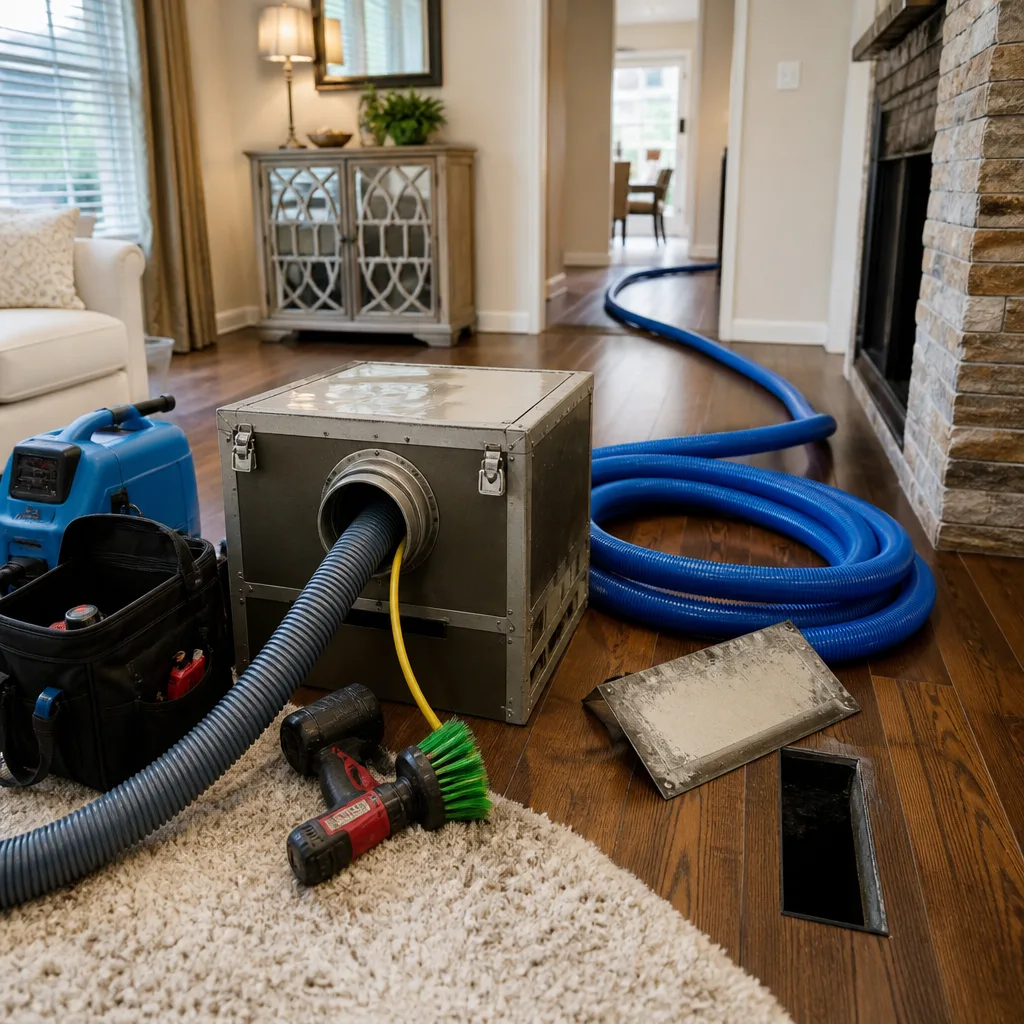
That "$99 whole-house special" is a bait ad - the real number appears once they are in your hallway, or the "clean" is a shop-vac at the register. We photograph the inside of your ducts before and after instead.
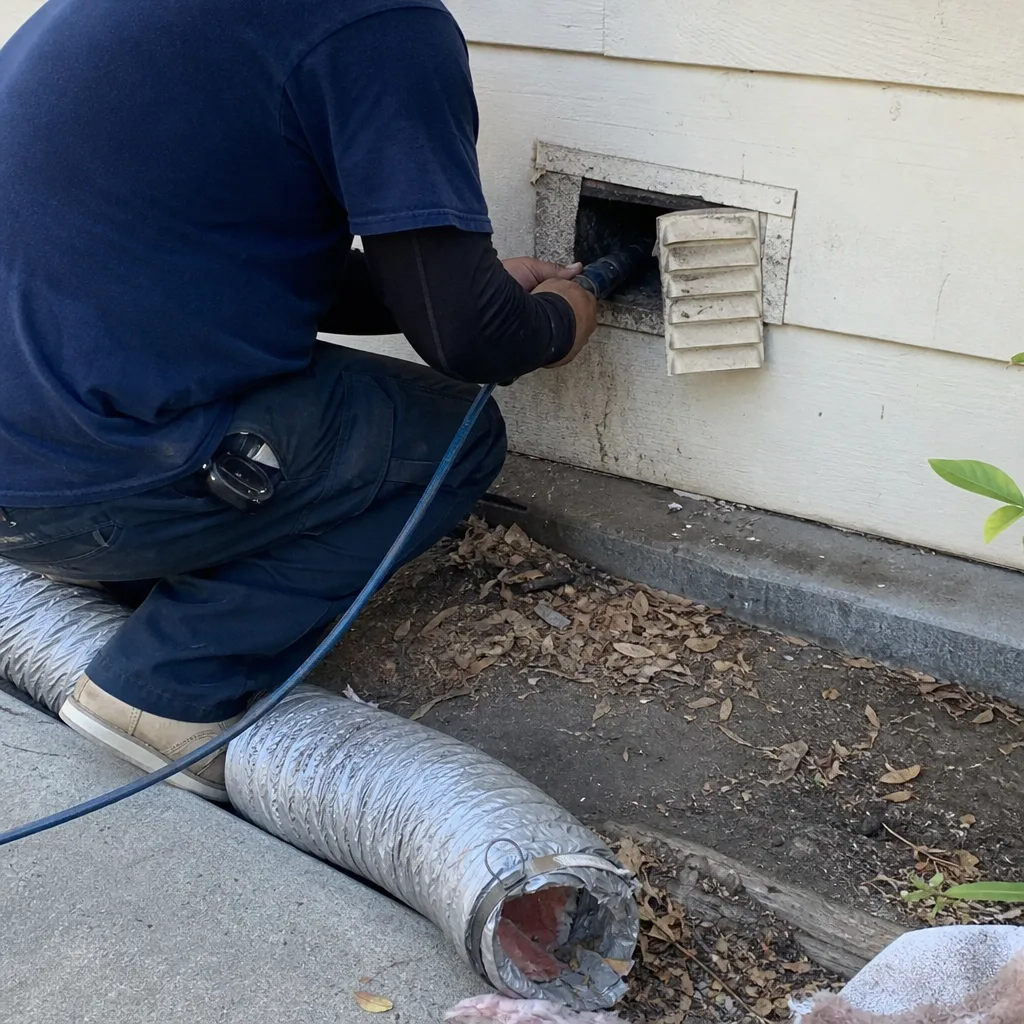 Before
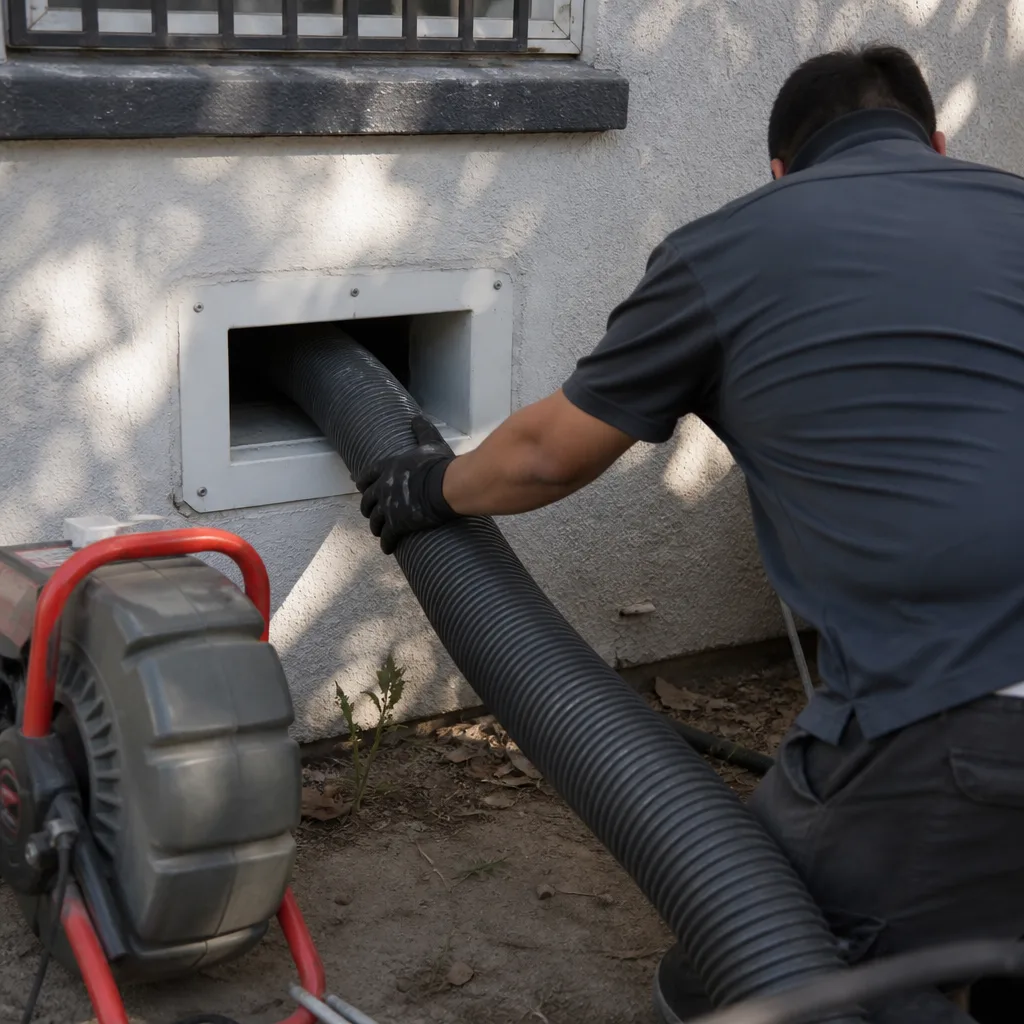 After
After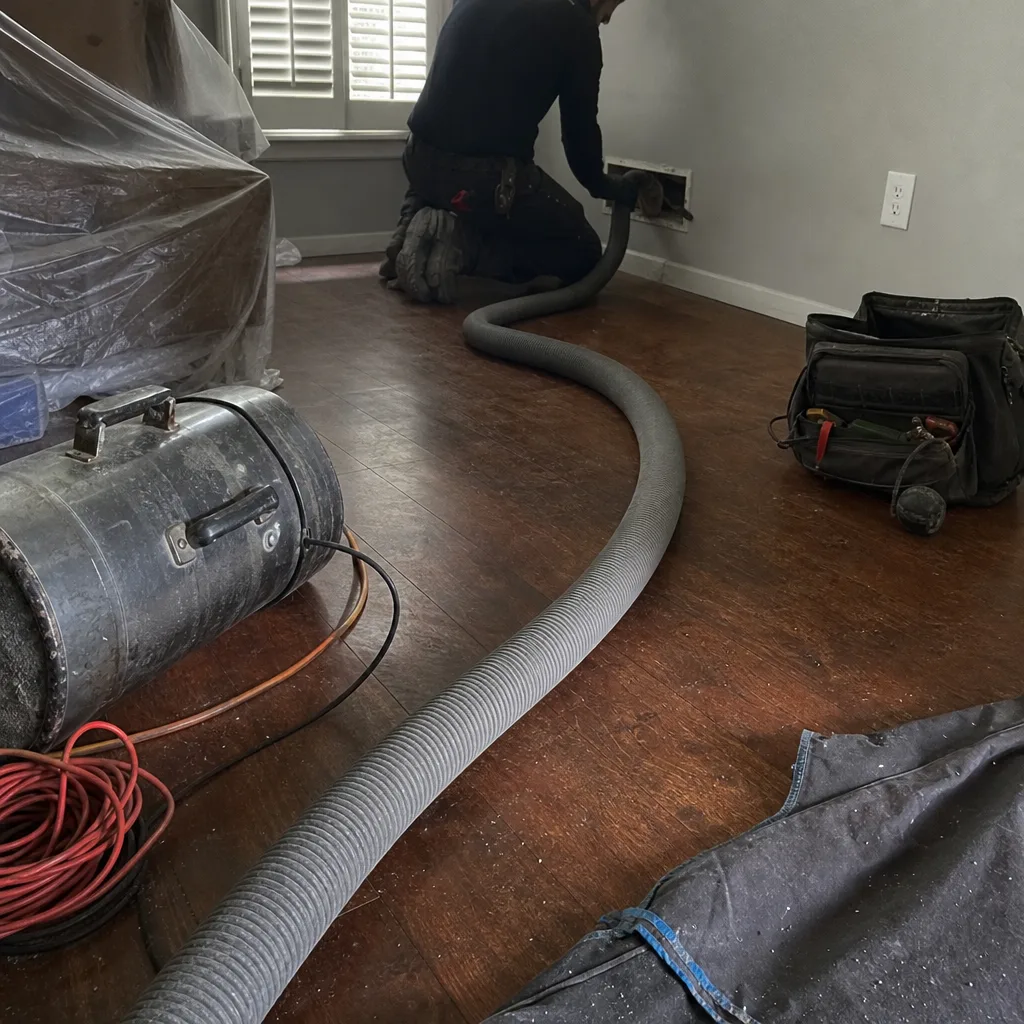 Before
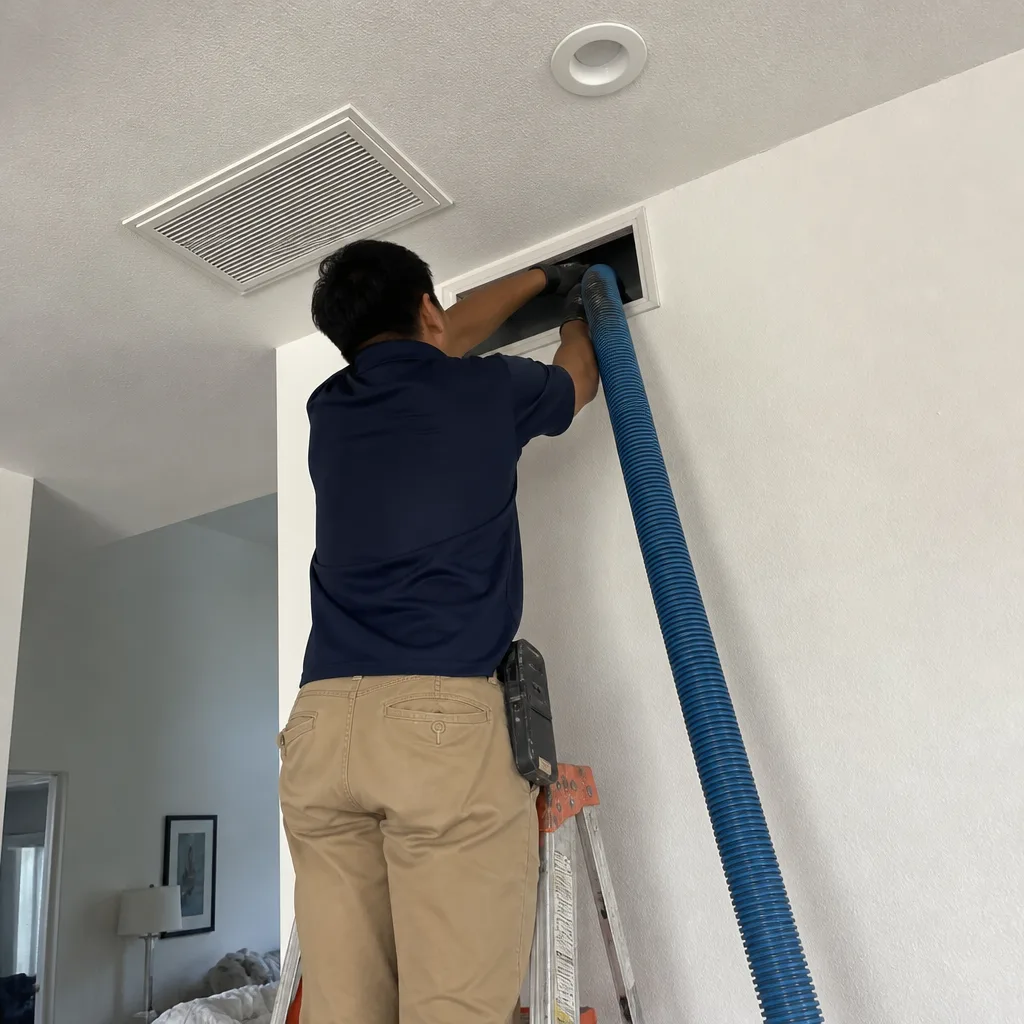 After
After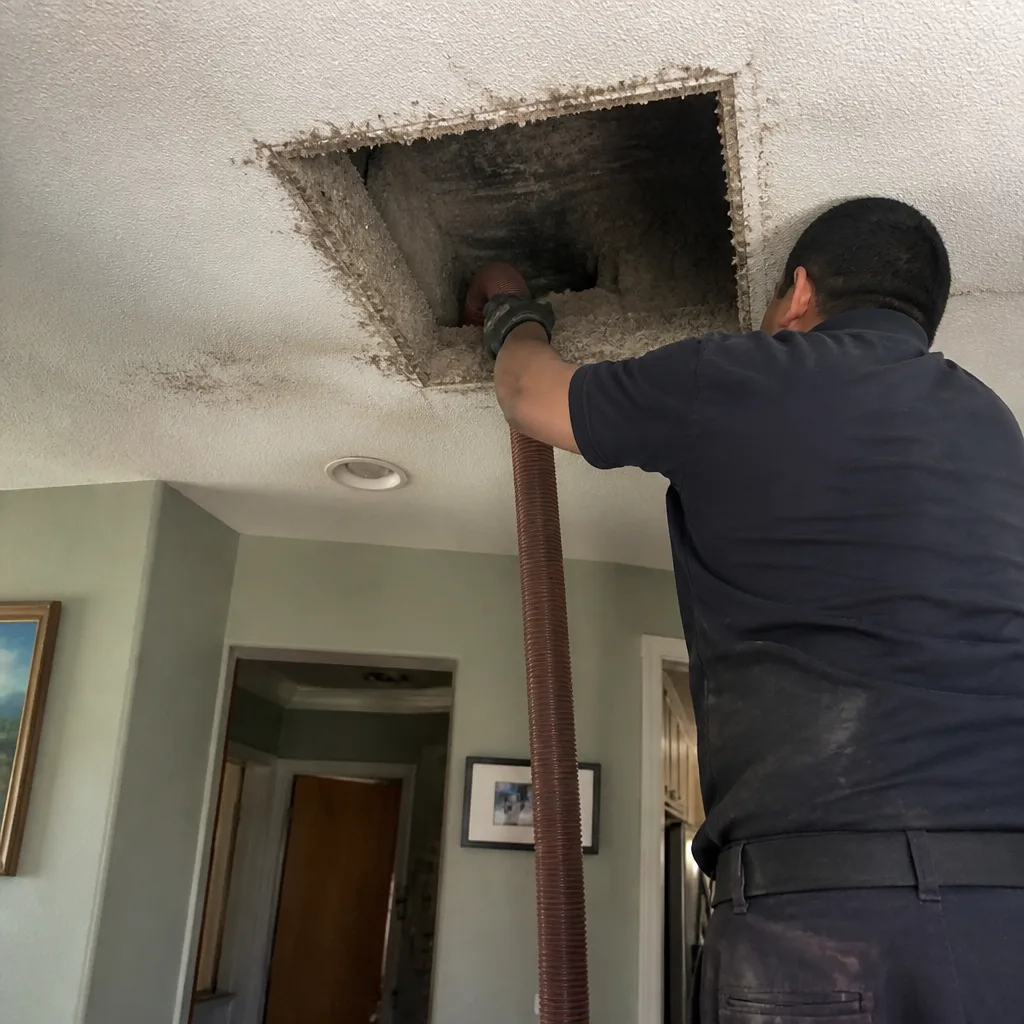 Before
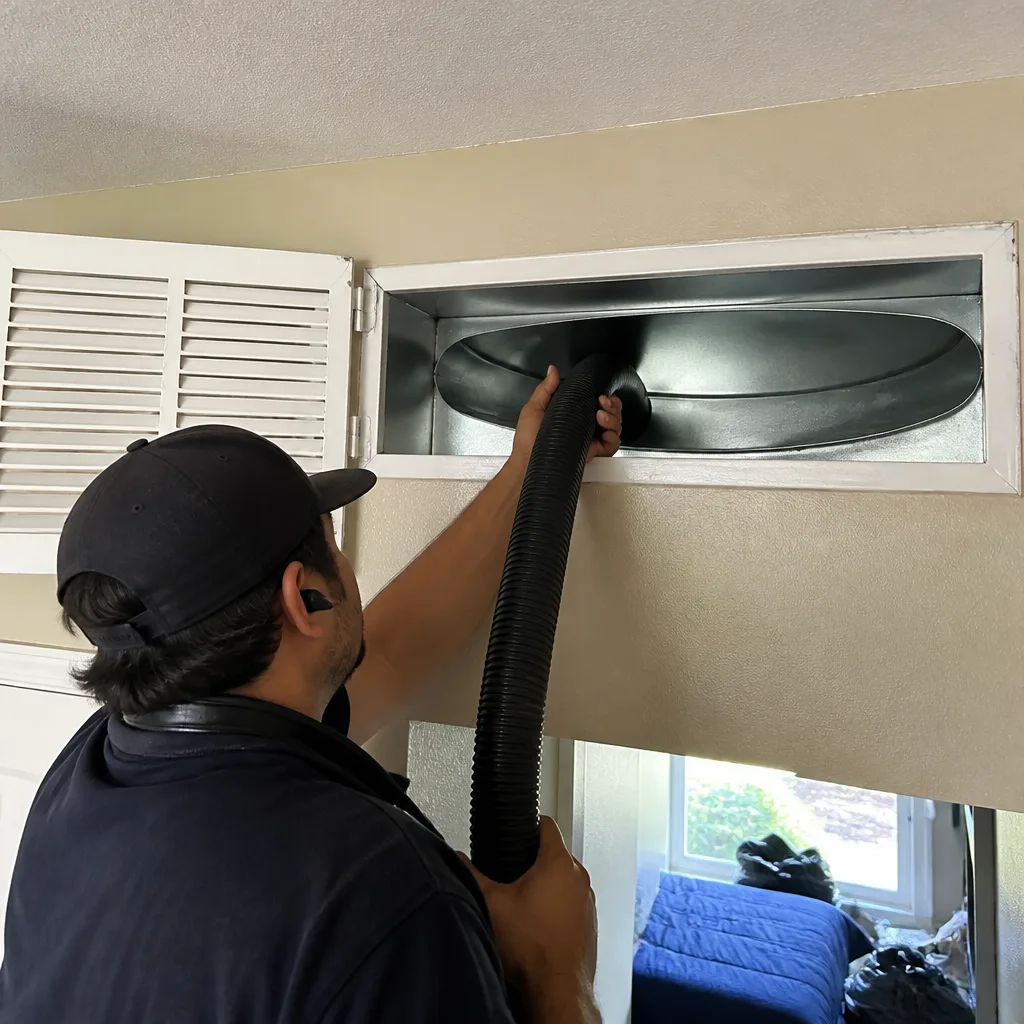 After
AfterDryer Vent Cleaning Maintenance Schedule: What to Do and When
Here’s a number that should reframe how you think about dryer vents: a family of five with two dogs can pack a dryer vent to dangerous restriction in under six months. The same vent in a single person’s condo might run safely for two years. Yet most maintenance advice lumps both households into the same “clean it annually” bucket, which is why you get homes in Los Angeles running blocked vents they think are fine, and others paying for cleanings they don’t need yet. This guide replaces the calendar guess with a load-volume formula you can calculate in five minutes, plus the monthly and quarterly checks that catch a problem before it becomes a fire hazard or a $400 repair.
Quick Answer
How often you should clean a dryer vent depends on how many loads you dry per week, how long your vent run is, and whether pets share your laundry. Most Los Angeles households need professional Dryer Vent Cleaning every 12 to 18 months. Homes with 5+ loads per week, pets that shed heavily, or vent runs over 15 feet often need service every 6 to 12 months. The easiest early warning system is already in your laundry room: if your drying time creeps up by 10 minutes or more per cycle, schedule a cleaning now rather than waiting for the calendar to say so.
Table of Contents
- The Load-Volume Formula: Calculate Your Real Cleaning Interval
- Monthly Maintenance Checklist: 5 Minutes That Prevent Most Problems
- Quarterly Checks: Tracking Drying Time and Vent Performance
- The Annual Professional Inspection: Why It Still Matters
- Los Angeles-Specific Risks: Santa Anas, Remodeling Dust, and Vent Termination
- Maintenance Logging: Why Documentation Matters for Insurance and Resale
- Common Mistakes to Avoid
- When to Call a Professional
- Frequently Asked Questions
- The Bottom Line
The Load-Volume Formula: Calculate Your Real Cleaning Interval
Forget the calendar. Your dryer vent’s actual need for cleaning is driven by three variables: how much lint you generate, how far that lint has to travel, and what else is moving through the vent alongside it. You can estimate your household’s interval like this:
Step 1: Determine your base interval by loads per week.
- 1 to 3 loads per week: base interval of 24 months
- 4 to 6 loads per week: base interval of 12 months
- 7 to 10 loads per week: base interval of 9 months
- 11+ loads per week (large families, home daycares, vacation rentals): base interval of 6 months
Step 2: Adjust for your vent run length.
Most building codes allow dryer vents to run up to 35 feet, with each 90-degree elbow counting as 5 feet of equivalent length. The longer the run, the more surface area lint has to accumulate on, and the more airflow drops even with moderate buildup. If your vent run is under 10 feet, you can add 3 months to your base interval. If it’s over 20 feet, subtract 3 months. If it’s over 30 feet or has three or more elbows, subtract 6 months. In many older Los Angeles apartment buildings and mid-century homes, vents terminate through the roof with a 20-foot-plus run and two elbows, which puts them squarely in the accelerated schedule.
Step 3: Adjust for pets and household composition.
Pet hair travels through the washer, but a surprising amount of it stays in the fabric and releases during drying. If you wash pet bedding, blankets from dog beds, or heavily fur-covered clothing at least once a week, subtract 3 months from your interval. Two or more shedding pets? Subtract another 3. Households with people who wear uniforms or work clothes that collect dust and fibers (construction, landscaping, film crew work that’s common in Los Angeles) can subtract 3 months as well. Lint from work uniforms is finer and stickier than household lint and builds up faster on vent walls.
So a family of five doing 8 loads per week with a 15-foot vent and one Labrador that sleeps on the couch is looking at: 9 months base, minus 0 for vent length, minus 3 for the dog. That’s a professional cleaning every 6 months. Compare that to a single person doing 2 loads per week with a 8-foot vent and no pets: 24 months base, plus 3 for short run. That’s every 27 months. Same house size, wildly different schedules. If anyone ever gives you a single cleaning interval without asking about your loads, pets, and vent configuration, they’re guessing.
Monthly Maintenance Checklist: 5 Minutes That Prevent Most Problems
Monthly maintenance isn’t cleaning. It’s verification. You’re confirming the system still works the way it’s supposed to and catching the earliest signs of restriction. Here’s the full task list, and none of it requires tools or professional help.
- Clean the lint trap after every load, but inspect it monthly. Hold the screen up to a light after pulling the lint off. If the mesh is coated with a waxy film that blocks the light, wash it with warm water and dish soap. This film comes from dryer sheets and fabric softener residue and it restricts airflow even when the screen looks clean. A coated lint screen can reduce airflow enough to simulate a partially blocked vent.
- Check the exterior vent hood while the dryer runs. Go outside to where the vent terminates and confirm the flap opens fully during a cycle. If you have a roof termination, you can check this from the ground with binoculars or during your quarterly inspection. A flap that only opens halfway, or one that stays closed entirely while the dryer runs, means airflow pressure is too low. That’s either a blockage or a kinked transition hose.
- Verify the flap closes when the dryer stops. A flap that stays open after the cycle becomes an entry point for birds, rodents, and air pollution. In Los Angeles, this matters more than in most places because the dry, warm air inside the vent is inviting to nesting animals, and the Santa Ana winds push debris into any opening that doesn’t seal.
- Visually check the transition hose behind the dryer. Pull the dryer out about a foot and look at the flexible or semi-rigid hose connecting it to the wall. You’re looking for kinks, crushed sections, or gaps at either connection point. A kink that reduces the hose’s internal diameter by half effectively doubles the restriction of your entire vent run.
- Note the cycle time on a regular load. Pick a load you do consistently, like towels or jeans, and note how long it takes to dry. No need to be precise. You’re establishing a baseline for the quarterly trend check that comes next.
This whole routine takes under five minutes once it’s a habit. It won’t prevent all vent blockages, but it will catch most problems while they’re still small enough for a $150 professional cleaning instead of a $400 emergency call or a fire claim.
Quarterly Checks: Tracking Drying Time and Vent Performance
The cheapest and most reliable early warning system for a restricted dryer vent is already installed in your laundry room. It’s the timer on your dryer. Lint accumulates gradually, which means drying time rises gradually. A 10-minute increase in average cycle time over a quarter is a measurable signal that your vent is filling and airflow is dropping, even if the outside flap still opens and the lint trap still catches debris-one of the Dryer Vent Cleaning Warning Signs Every Homeowner Should Know.
Here’s how to track it without turning your life into a spreadsheet:
- Pick a recurring load type. Towels and jeans are the best candidates because you probably dry them on the same settings every time. Note the dry time you’re used to.
- Time the same load type once per quarter. Write the number on a sticky note and stick it on the side of the dryer or log it in your phone. A simple note: “Towels: 45 min, March.” Next quarter: “Towels: 52 min, June.”
- Compare the trend. A 5-minute increase within normal laundry variables doesn’t mean much. Lint levels in different fabrics vary. But a 10-minute or greater increase on the same load type with the same settings tells you something has changed in the airflow chain, and the vent is the most likely culprit.
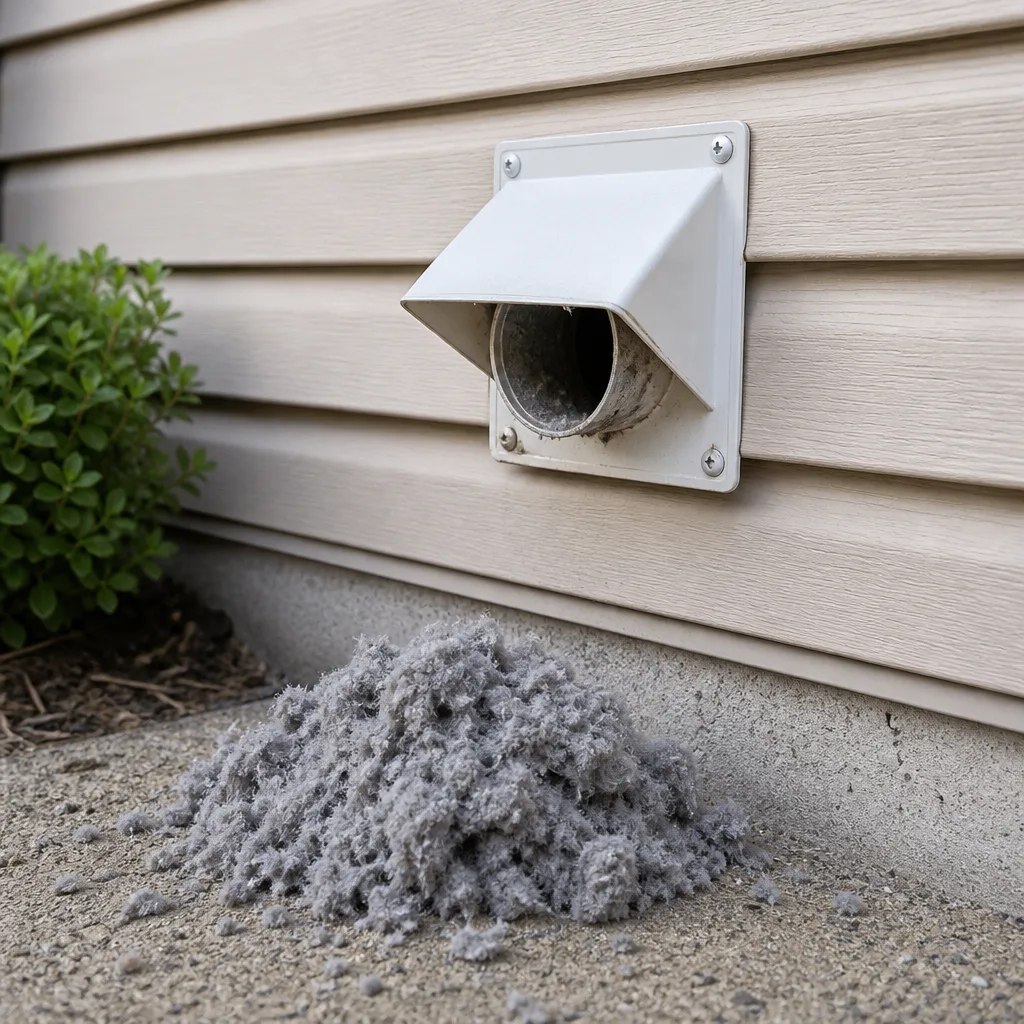
- Check the exterior vent hood for visible accumulation. While you’re tracking time, do a visual check of the termination point. In many Los Angeles neighborhoods, roof terminations collect bird droppings, twigs, and pollen, and wall terminations can accumulate landscaping debris. If you see visible lint on the hood or around the flap, schedule a cleaning even if your times haven’t changed yet. The outside is where you’ll see the mark of a growing problem first.
This method works because dryer vent restriction is almost always progressive. It doesn’t jump from “fine” to “blocked” overnight. The gradual increase in cycle time is the accumulation curve showing itself. If you track it quarterly, you’ll see the curve moving before it becomes a wall, and you can schedule service on your timeline, not in the middle of a panicked week when you’ve got a house full of damp laundry and a dryer that won’t dry.
The Annual Professional Inspection: Why It Still Matters
Even a household with a light load schedule should have a professional inspection at least once every 24 months, and most Los Angeles homes do better on an annual schedule. A professional inspection does three things your monthly and quarterly checks can’t:
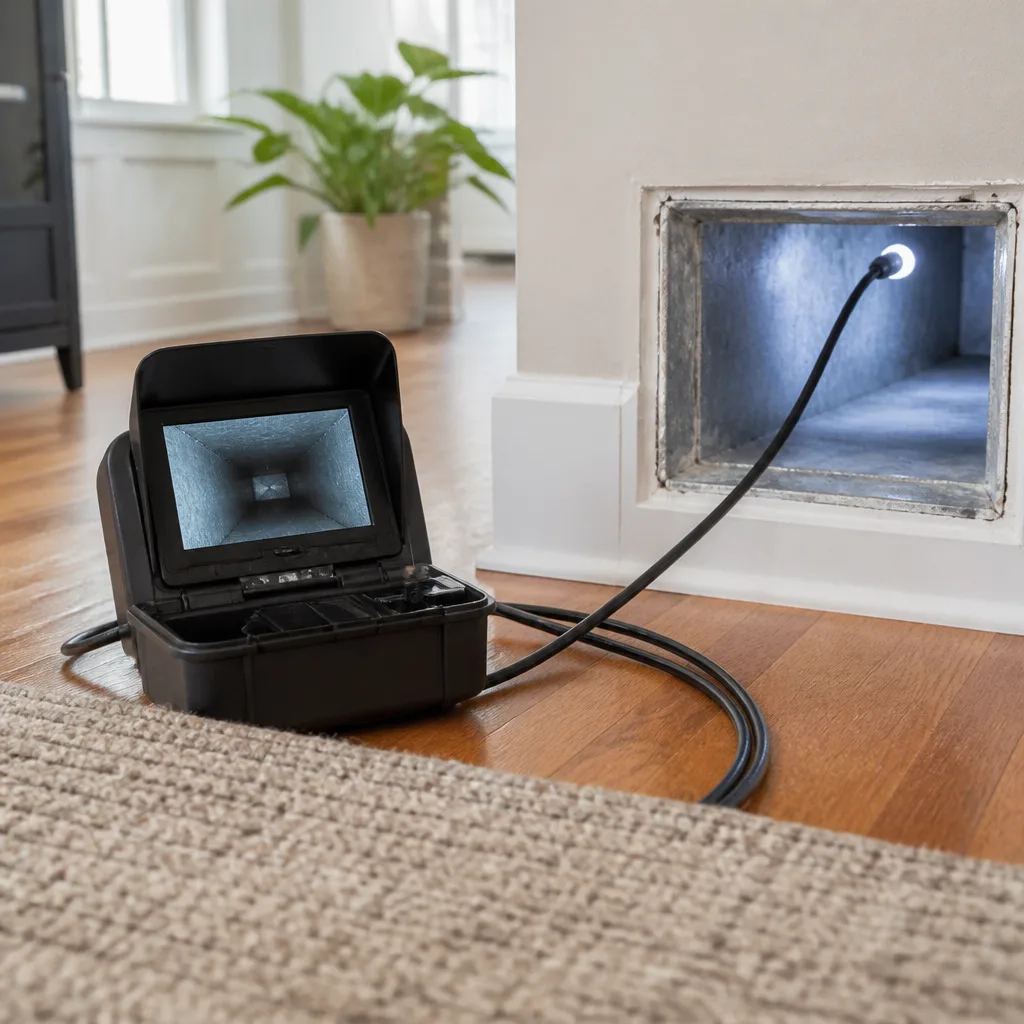
First, it sees the inside of the vent. Your visual inspections confirm the exterior flap opens and the lint trap catches debris. They don’t tell you what’s happening in the 15 or 20 feet of duct inside your walls or ceiling. A professional inspection uses a camera or visual inspection during cleaning to check for partial obstructions, disconnected joints, crushed sections, or rust-through that would be invisible from either end. In our experience cleaning vents across Los Angeles, we regularly find things homeowners had no way to know about: a disconnected joint in an attic that had been venting humid air into the insulation for a year, a bird nest built on top of a roof termination that kept the flap from closing, a length of flexible hose crushed behind a newly installed water heater.
Second, it verifies the vent is actually safe. Building code requires dryer vents to terminate outside and to be made of rigid metal duct, not flexible foil or plastic. Many older Los Angeles homes were built or retrofitted with flexible plastic ducts that are no longer code-compliant and that trap lint far more aggressively than smooth metal. A professional inspection flags these code problems before they become fire hazards or fail a home inspection during a sale.
Third, it documents the condition of your vent. If you ever file an insurance claim related to a dryer fire, or if you sell a home in California where your disclosure statement mentions the dryer vent system, having a record of professional inspection and cleaning carries weight. More on that in the logging section below.
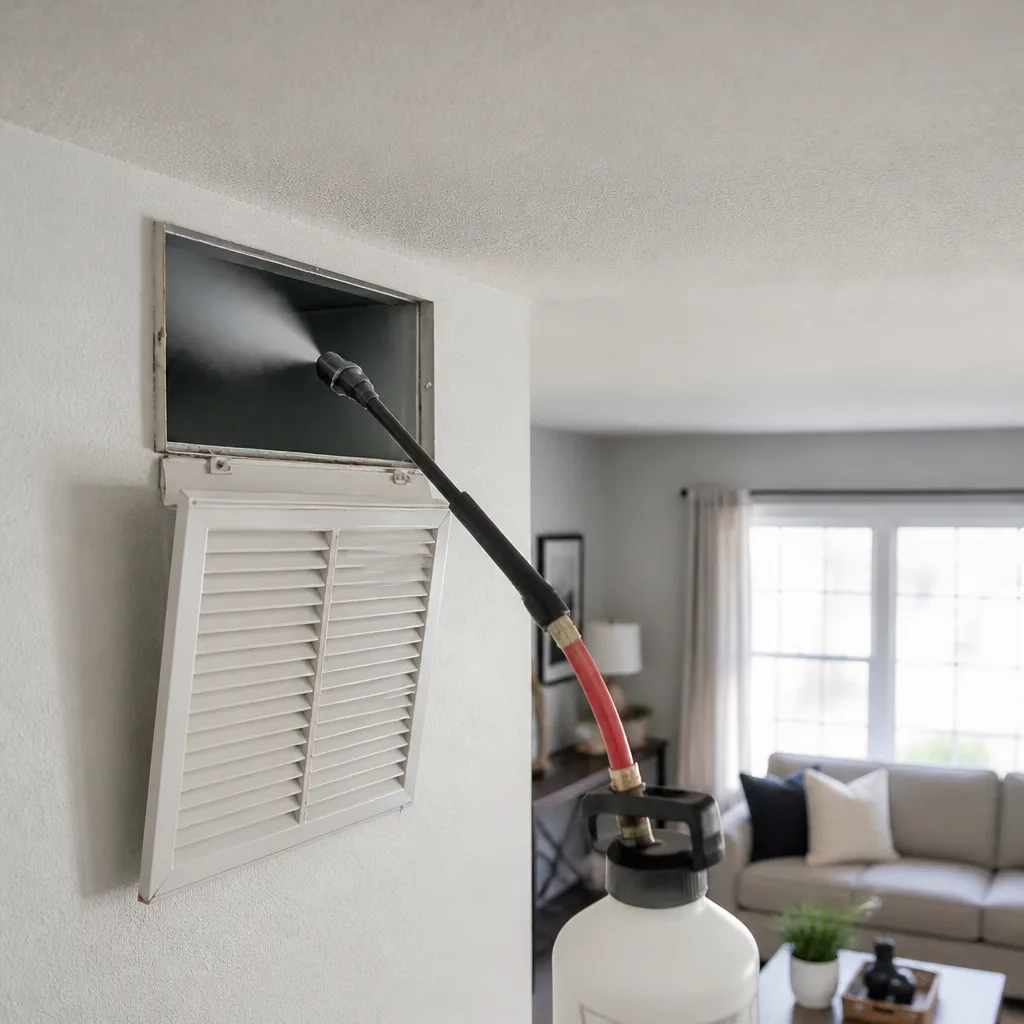
At Cardinal Air Duct Cleaning, a professional dryer vent cleaning in Los Angeles typically includes a full inspection of the duct run, cleaning with professional-grade equipment like Rotobrush rotary brush systems and Nikro HEPA vacuum extraction, and before-and-after photos so you can see exactly what was removed. The written price comes before any work starts, which means the inspection and cleaning don’t surprise you at the door.
Los Angeles-Specific Risks: Santa Anas, Remodeling Dust, and Vent Termination
Los Angeles puts unique demands on dryer vents that a generic maintenance guide won’t account for. Here are the three local factors we see affecting vent schedules most often.
Santa Ana wind season and debris intrusion. The Santa Anas, typically from October through March, push dry air, dust, and fine debris through any outdoor opening in the Los Angeles basin. If your vent flap doesn’t seal properly or your termination cap is damaged, this is the season when fine particulate gets driven into your vent and mixes with lint to form a denser, heavier blockage. We see more exterior vent hood damage after Santa Ana events than in the rest of the year combined. After any significant wind event, check your exterior flap for damage and confirm it still closes flush.
Post-renovation lint spikes. Los Angeles has one of the most active renovation and remodeling markets in the country. Construction dust behaves differently than lint. It’s finer, more abrasive, and it coats the inside of a vent quickly. If you’ve had drywall work, flooring sanding, painting, or any kind of construction inside your home in the past 6 months, your dryer has been pulling some of that dust through its filter and into the vent. Add that to the lint load of a normal schedule and you get accelerated restriction. This is also true after a move-in to a newly renovated condo or apartment, where dust lingers in the air and in the dryer’s internal components. If you’ve remodeled, subtract 6 months from your cleaning interval for the first year afterward.
Roof terminations in older construction. A large percentage of Los Angeles homes built before 1980 vent dryers through the roof rather than a side wall. Roof terminations bring three additional risks: the vertical run is usually longer, gravity works against lint removal, and the termination is exposed to birds and nesting. Pigeons are the primary culprit in much of Los Angeles and they can build a nest in a roofline opening within days. Check roof terminations with binoculars during your quarterly routine and after any period when you’ve noticed unusual bird activity near your home.
Maintenance Logging: Why Documentation Matters for Insurance and Resale
Your dryer vent maintenance history isn’t just about safety. It’s documentation that matters if you file an insurance claim or sell your home, and in California, it matters more than in most states. Here’s what to log and why.
For insurance claims: If a dryer fire or water damage related to a dryer vent occurs, your insurer will ask when the vent was last cleaned and whether you can document it. A folder with invoices or receipts from professional cleanings, plus notes on your monthly and quarterly checks, changes the conversation. Without documentation, you’re arguing from memory, and the claim process gets harder. Keep at least five years of history.
For home sales: California requires sellers to disclose known material facts about their property. Clogged or damaged dryer vents are a known contributor to house fires, and a buyer’s inspector will often flag an unmaintained vent. If you can show a maintenance log with professional cleanings and inspection records, the inspection goes differently. If you can’t, you may be asked to clean or replace the vent as a condition of sale, and that’s demand pricing, not schedule pricing.
For your own sanity: Memory is unreliable where maintenance cycles are concerned. A simple note on your phone or a line in a home maintenance journal with the date, what was done, and who did it removes all ambiguity. When you’re asked “when was the last time the dryer vent was cleaned?” by a buyer, an insurance adjuster, or even a technician trying to figure out why your drying time is suddenly climbing, you’ll have the answer.
What to log:
- Date and result of each monthly lint trap inspection
- Date and result of each quarterly drying time trend check
- Date, provider, and summary of each professional cleaning or inspection
- Any unusual event that could affect the vent: a wind storm, a nearby wildfire that blanketed your neighborhood in ash, a remodel, a pest sighting near the termination
- Photos of before-and-after from each professional cleaning if provided
Professional services should provide before-and-after photos as part of their standard service. If your provider doesn’t offer documentation of the work, that’s a signal to look elsewhere. A vent cleaning that leaves no visual proof and no written record is a vent cleaning you can’t verify was done.
Common Mistakes to Avoid
- Using dryer sheets without washing the lint screen. The residue from dryer sheets coats the mesh and restricts airflow even when the screen is visually clear. Hold the screen up to a light monthly and wash it when it looks glazed.
- Ignoring the flap because “the dryer still dries.” A partially blocked vent often still dries a load, just slower. By the time the dryer stops drying entirely, the vent can be more than 70% blocked. The quarterly drying time trend catches this mistake before it becomes expensive.
- Cleaning the transition hose yourself with a shop vac and calling it done. The hose behind the dryer is the shortest part of the system. The vent run inside the wall or ceiling is where the restriction builds. Vacuuming the first 3 feet does nothing for the other 15.
- Treating annual cleaning as a universal answer. As established above, a two-person household with a short vent and no pets needs much less frequent service than a six-person household with two dogs and a 30-foot roof vent. Picking a schedule based on a video you watched rather than your actual load volume is how you end up either under-serviced or paying for work you don’t need.
- Using an unlicensed or fly-by-night cleaning deal. The duct cleaning industry has a reputation for bait-and-switch pricing, and dryer vent cleaning is no exception. Low teaser prices that balloon once the technician arrives are common. Always get a written price before any work begins.
- Waiting until the dryer stops drying to act. The failure mode for a clogged vent isn’t sudden inconvenience, it’s elevated temperature and fire risk. The dryer keeps running longer and hotter. That’s not “still working.” It’s working harder than it should and with a higher temperature at the dryer end than the system is rated for.
When to Call a Professional
Some maintenance tasks are DIY. Dryer vent cleaning beyond the transition hose is not one of them, and for good reason. The vent run inside your walls or ceiling requires professional-grade tools to clean thoroughly. At Cardinal’s dryer vent cleaning service in Los Angeles, our technicians run Rotobrush rotary brush systems and Nikro HEPA vacuum extraction to remove the full length of accumulated lint, not just the first few feet. Here’s when to skip the monthly checks and call directly: your drying time has increased by 10 minutes or more on a standard load, you see visible lint at the exterior termination, the exterior flap no longer opens or closes properly, you smell a musty or burning odor while drying, or you’ve remodeled within the last six months. Los Angeles homeowners can call Cardinal Air Duct Cleaning at (737) 727-2314 for a free estimate. The written price comes before any work starts, and it does not change at the door.
Frequently Asked Questions
Professional dryer vent cleaning in Los Angeles typically runs $120 to $250 for a standard single-dryer vent up to 25 feet. Most homes fall in this range when the vent is accessible from either the interior transition point or the exterior termination. Vents over 25 feet, roof terminations requiring ladder work, or vents with significant blockages like bird nests can push the price to $300 or more. Every Cardinal Air Duct Cleaning quote includes a written price before work begins, so you know the total before a technician touches anything. Call (737) 727-2314 for a free estimate specific to your home.
You can and should clean the lint trap after every load and the transition hose periodically, but the vent run inside the wall is not a realistic DIY job. A shop vac and a brush from the hardware store will remove some loose lint from the first few feet, but they can’t reach the full length of the run, and they can’t remove lint that’s compacted or stuck to the duct walls. Pushing a brush through a long run without professional equipment also risks disconnecting joints inside the wall, which makes the problem worse. Leave the full-length cleaning to trained technicians with proper equipment.
The three most reliable indicators are: drying time on a standard load has increased by 10 minutes or more, the exterior vent flap doesn’t open fully while the dryer is running, or you see visible lint accumulating at the termination point. A strong burning smell or an unusually hot dryer surface are emergency signals that warrant shutting the dryer off and calling a professional immediately. The quarterly drying time trend check in this guide will catch most clogs before they reach that point.
The duct cleaning industry has a well-earned reputation for low teaser prices that turn into much larger invoices once the technician is on site. Quotes that advertise $49 or $79 for a full dryer vent cleaning are almost always bait for upselling. A legitimate professional cleaning requires equipment, insurance, training, and time, and that costs money. The reasonable range for Los Angeles is $120 to $250 for a standard vent. When you compare quotes, ask for a written price before work begins and confirmation that the price covers the entire vent run. Every Cardinal Air Duct Cleaning booking includes a written price before any work starts, and it doesn’t change at the door.
Yes, and measurably. When a vent is restricted, the dryer runs longer and hotter to achieve the same result. The additional heat accelerates wear on the heating element, the thermal fuse, and control components. The extra run time also increases total revolutions on the drum bearings and belt. Professional dryer vent cleaning restores airflow to its designed level, which brings cycle times back down and reduces the temperature your dryer operates at. That translates directly into a longer service life for the machine.
Yes. The U.S. Fire Administration reports that dryer fires cause thousands of structure fires each year, and the leading contributor is failure to clean dryer vents. Lint is highly combustible, and a restricted vent allows the dryer to heat to temperatures that can ignite it. The risk is especially relevant in Los Angeles, where dry air and long vent runs in older construction create conditions that allow lint to ignite more easily. This is not a theoretical risk. It’s the reason regular cleaning matters as much as your smoke detector battery.
The Bottom Line
Dryer vent maintenance is not a calendar event. It’s a load-volume problem. The right schedule for your home comes from how many loads you dry per week, how long your vent run is, and whether pets share your laundry. Most Los Angeles homes land somewhere between every 6 months and every 2 years. The monthly and quarterly checks in this guide take minutes and will catch most problems before they become emergencies. The annual professional inspection verifies what you can’t see and documents what you’ve done. If your drying time has crept up, or if you haven’t had your vent looked at in over a year, schedule a professional inspection. For related advice, explore more guides & resources. The cost is small compared to what a blocked vent can do.
Written by Omar Haddad, Owner at Cardinal Air Duct Cleaning, serving Los Angeles since 2005.