
Last updated October 9, 2026
Whole-system duct and dryer vent check with before-and-after photos - you see exactly what came out of your vents
That "$99 whole-house special" is a bait ad - the real number appears once they are in your hallway, or the "clean" is a shop-vac at the register. We photograph the inside of your ducts before and after instead.
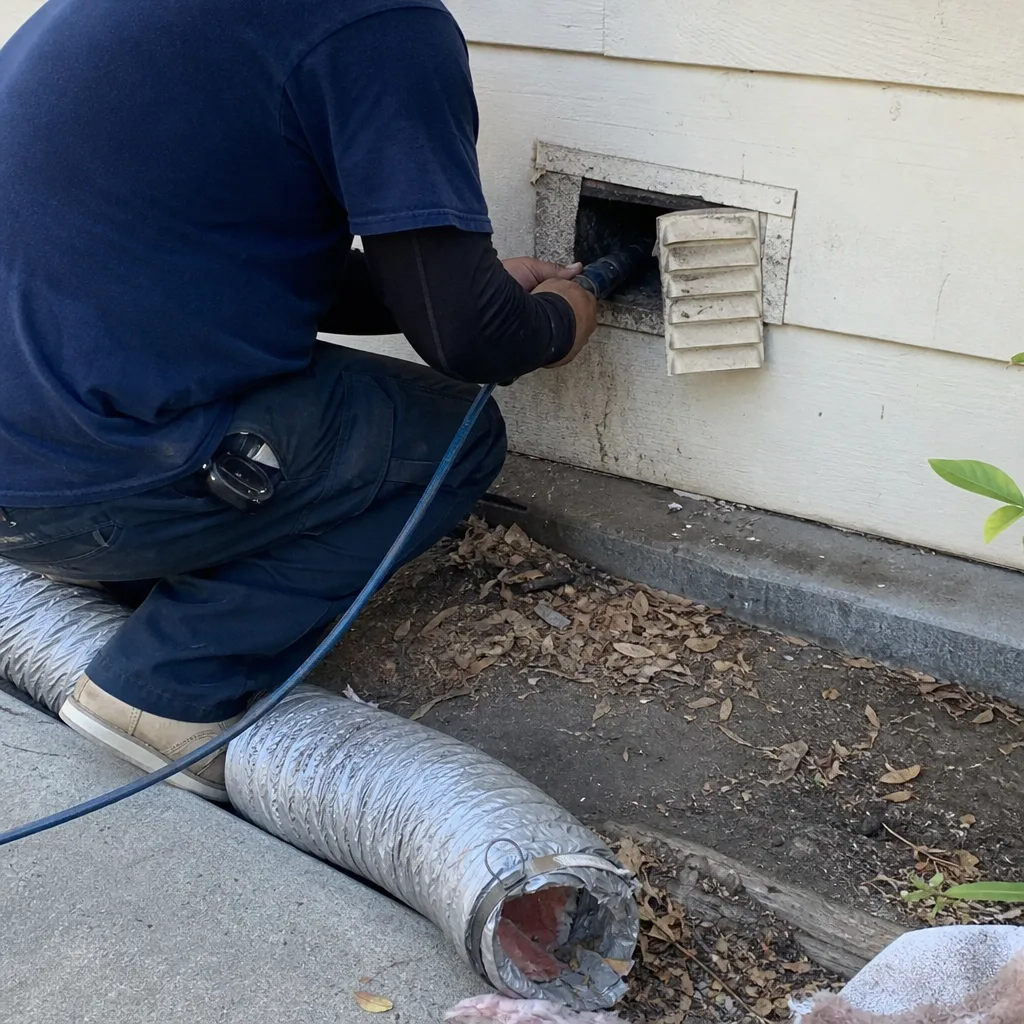 Before
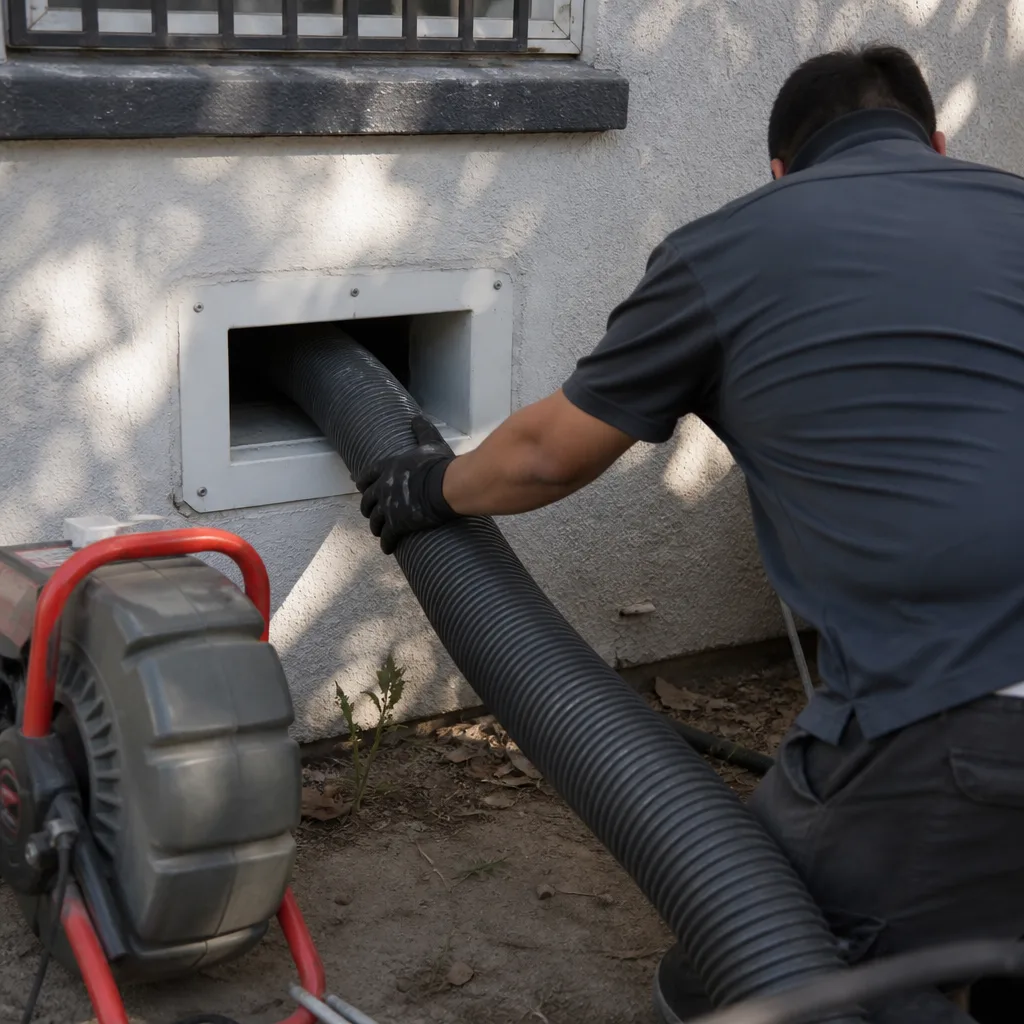 After
After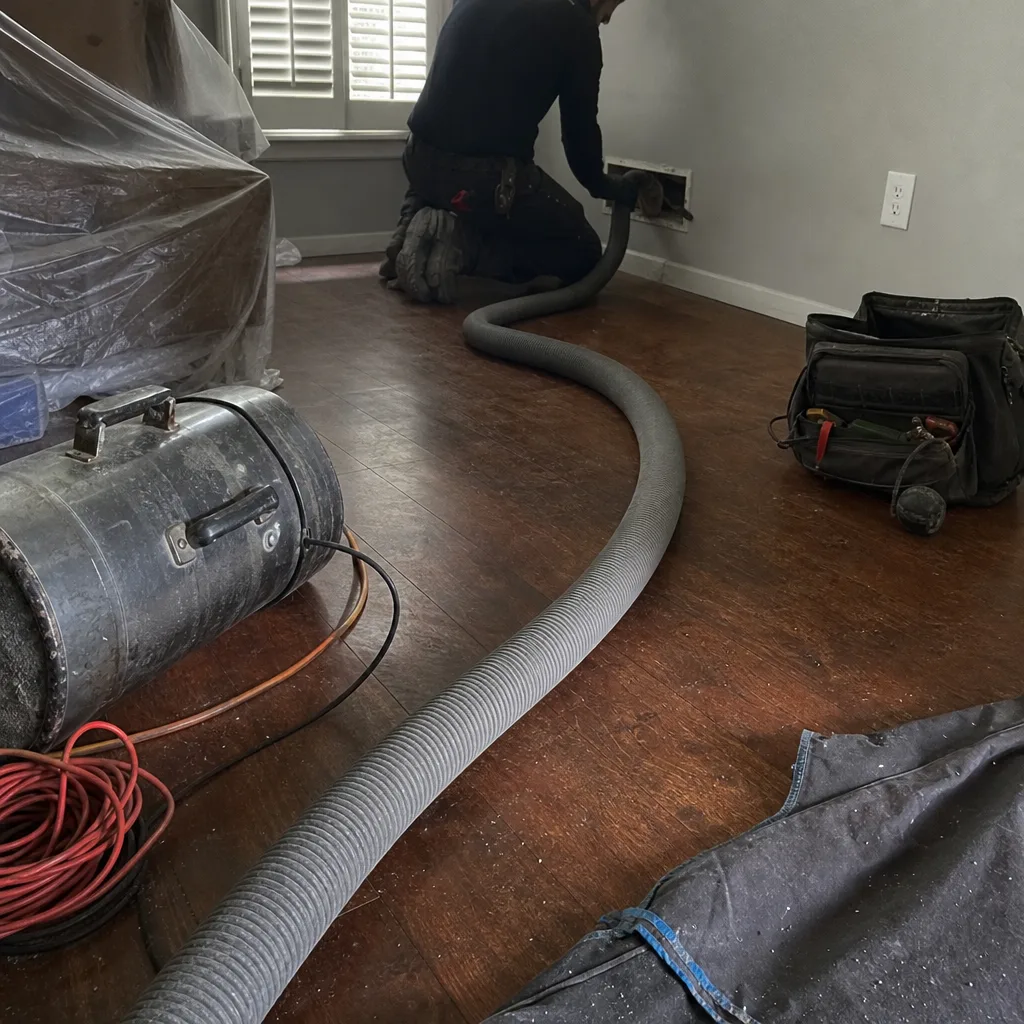 Before
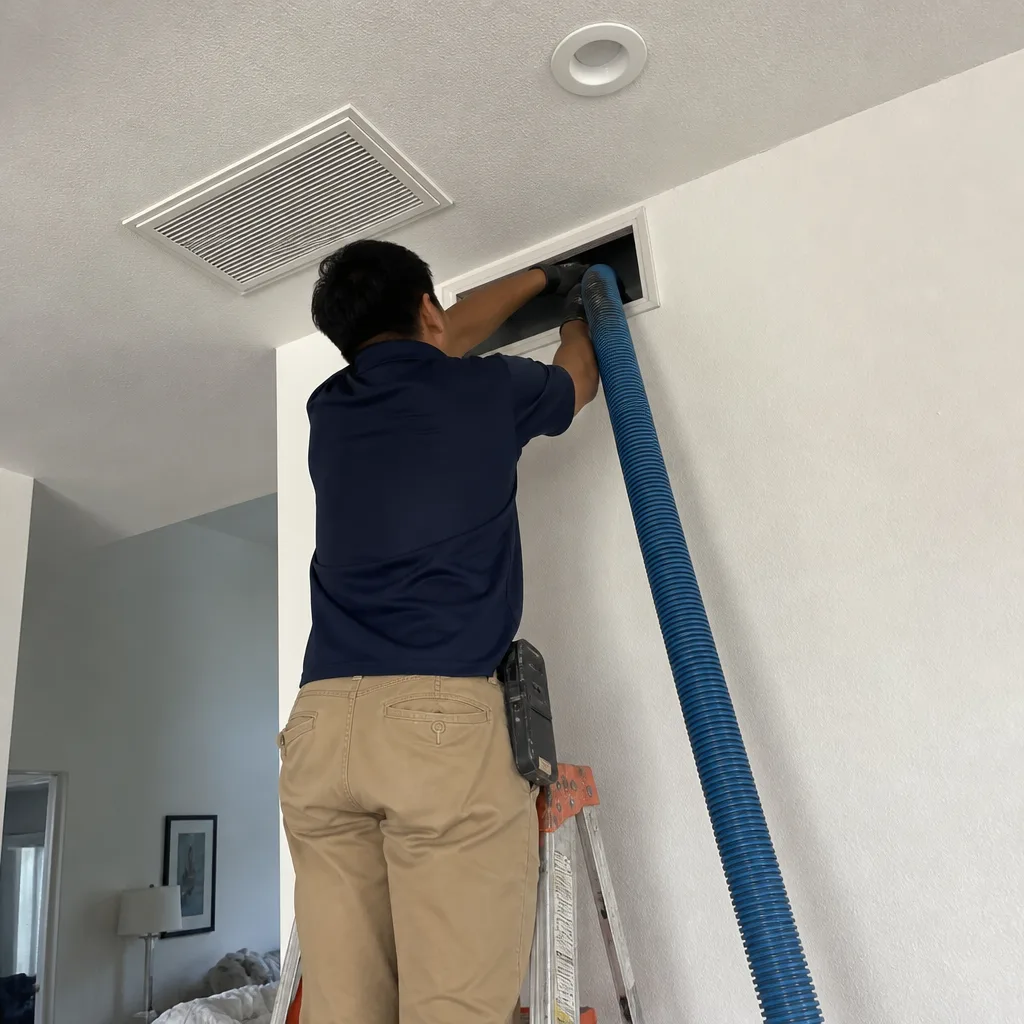 After
After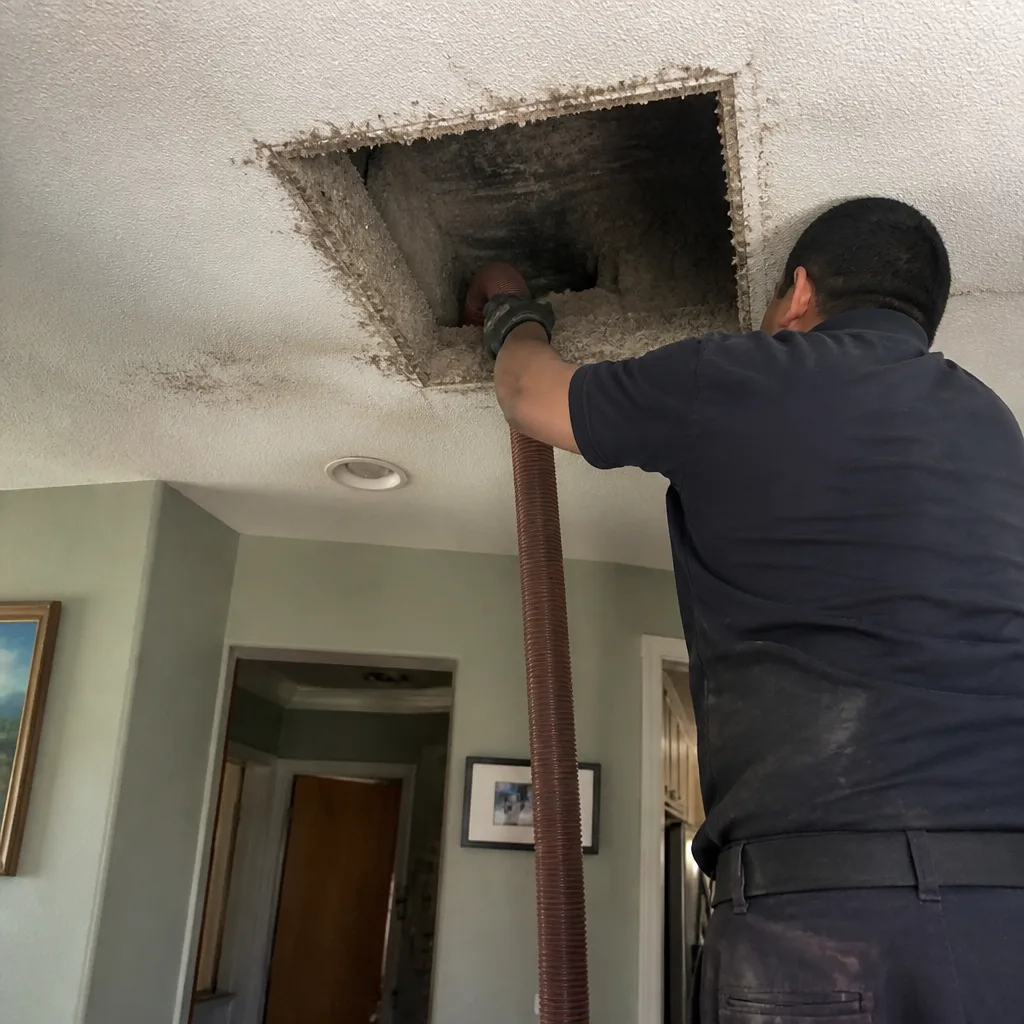 Before
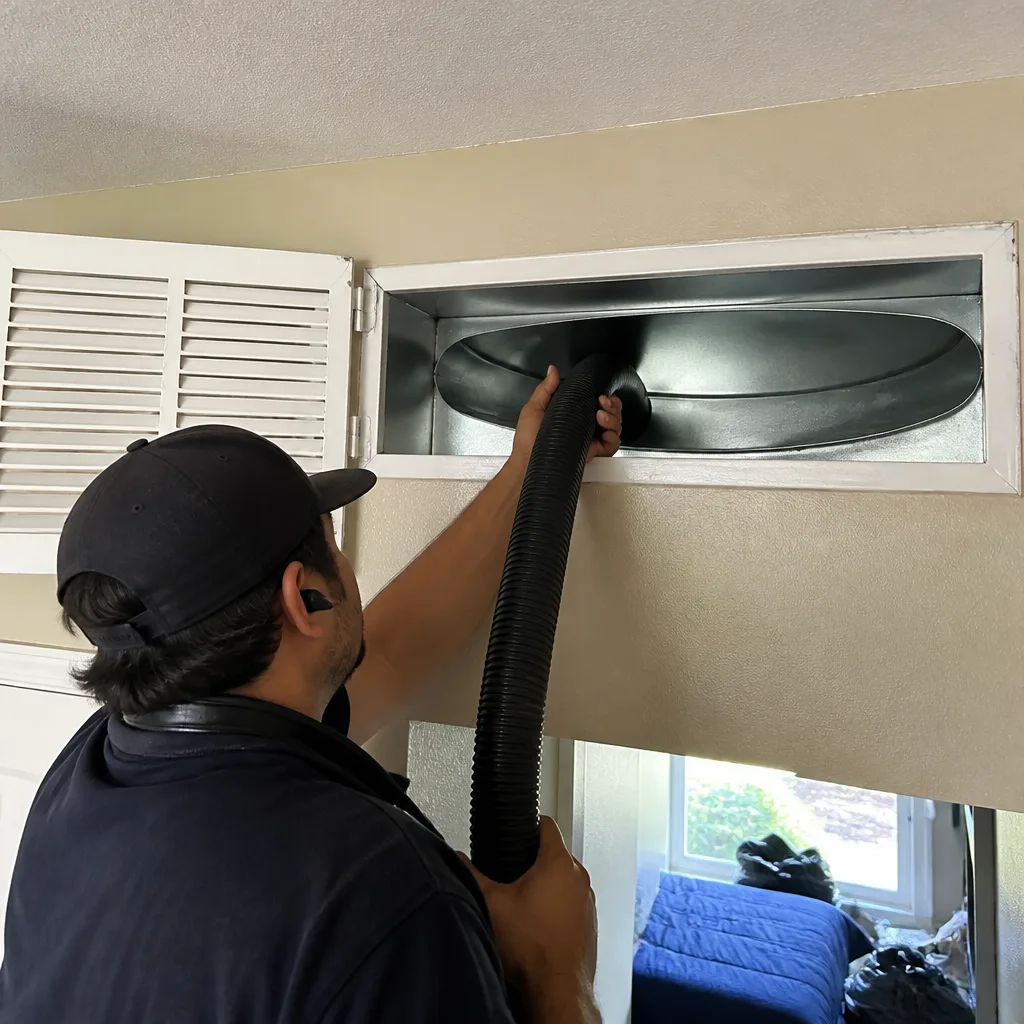 After
AfterThe Complete Dryer Vent Cleaning Guide for Los Angeles Homeowners
The U.S. Consumer Product Safety Commission links clothes dryers to roughly 2,900 home fires every year. Those figures are national, though, and they don’t account for what makes Los Angeles different: flat rooflines, stucco walls, long horizontal vent runs, and a climate dry enough to turn lint into something closer to kindling than fluff. This guide will walk you through exactly how dryer vents work in LA homes, what a proper Dryer Vent Cleaning actually involves, what it should cost, and how to avoid the shortcuts that leave half the lint behind. If you own a home in Los Angeles and you’ve never thought about your dryer vent, this is where you start.
Quick Answer
Dryer vent cleaning in Los Angeles typically costs $120 to $250 for a standard single-family home and should be done every 12 to 24 months. The job takes 45 to 90 minutes, uses a rotary brush system paired with HEPA vacuum extraction, and should include before-and-after airflow readings plus photo documentation of the termination point. Homes with rooftop vents, long horizontal runs through stucco, or second-floor laundry rooms need it more often.
Table of Contents
- Why LA Homes Are Different: The Dryer Vent Risk Profile
- What Dryer Vent Cleaning Actually Involves
- What Should It Cost in Los Angeles?
- How LA Housing Types Affect Your Vent
- How to Find Your Vent Termination Point Before Calling
- What a Legitimate Quote Should Include (And What the Red Flags Look Like)
- Airflow: The Number That Actually Matters
- Seasonal Considerations for Los Angeles Dryer Vents
- Common Mistakes to Avoid
- When to Call a Professional
- Frequently Asked Questions
- The Bottom Line
Why LA Homes Are Different: The Dryer Vent Risk Profile
National dryer vent guides assume a certain kind of house: a two-story suburban build with a short, straight vent run through a side wall, terminating at a flapper cap about three feet off the ground. That describes maybe 15 percent of the housing stock in Los Angeles. The rest of us are dealing with something far more complicated, and the difference is measured in lint accumulation rates.
Los Angeles homes, particularly those built between 1950 and 1985, are overwhelmingly stucco over wood frame. Stucco is a fine exterior surface, but it complicates dryer vent routing in predictable ways. Builders didn’t want to run a four-inch duct through a lath-and-plaster wall if they could avoid it, so vents got longer, with more elbows, often routed through the attic or along the roofline. We’ve seen single-story bungalows in Eagle Rock with 35-foot vent runs that snake from a central laundry closet, up through the attic, and out a rooftop termination. That same house would have had an eight-foot straight shot in a typical Midwestern frame build with a side-wall exit.
Then there’s the climate. Los Angeles averages about 15 inches of rain per year and relative humidity that routinely sits below 40 percent. Lint in a humid climate stays somewhat soft and matted; moisture acts as a damper. Lint in a dry climate bakes. After months of SoCal summers, the accumulated lint inside a vent line becomes brittle and highly friable, meaning it crumbles and ignites faster under the same conditions. This is why a vent run that would be merely “dirty” in Atlanta is a genuine hazard in Van Nuys after the same amount of time.
Add in the fact that Los Angeles homeowners do laundry year-round (no seasonal slowdown in drying demand, beach towels every weekend in June through September, sheets and comforters year-round) and you have a system that sees constant use in conditions ideal for rapid lint compaction. This is the part generic guides miss: your vent might be exactly as dirty as a comparable home in Houston, but the material in it is more dangerous.
What Dryer Vent Cleaning Actually Involves
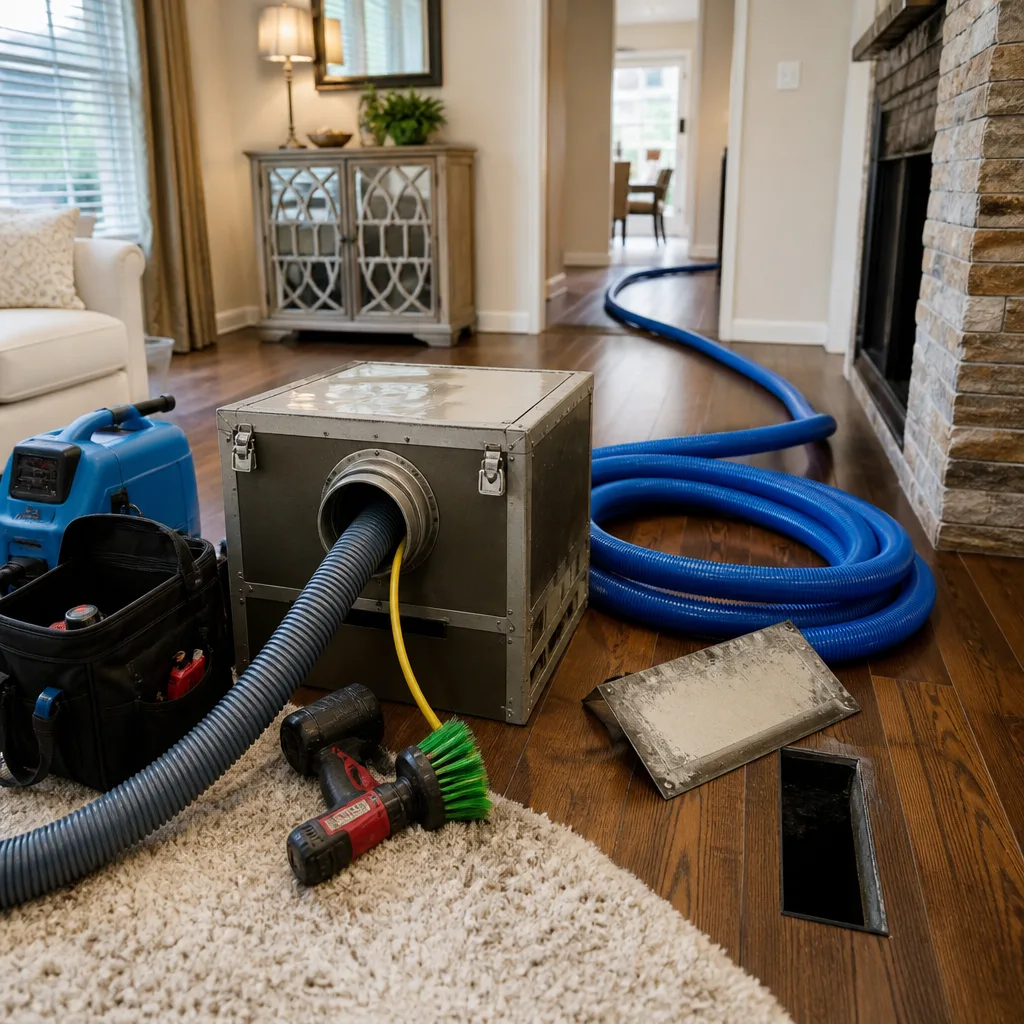
A proper dryer vent cleaning starts with locating and inspecting the termination point, then running a rotary brush line through the full length of the duct, then extracting loosened debris with a HEPA-filtered negative-pressure vacuum. That third step matters more than most people realize. In our experience, the single biggest variable between a good cleaning and a bad one is whether the vacuum runs continuously while the brush is working. Negative-pressure extraction, to use the trade term, means the loosened debris goes straight into the vacuum, not back into your living room. The Complete Guide to Air Duct Cleaning in Los Angeles covers NADCA standards in more detail, but plenty of cut-rate operators run a brush without vacuum, then chase the cloud of lint with a shop vac at the wall opening. That’s not cleaning. That’s redistribution.
The tools themselves matter, too. Rotary brush kits from manufacturers like Rotobrush spin stiff nylon or steel bristles inside the duct, scrubbing the walls as they advance. They’re reverse-powered, meaning the rotation whips debris backward toward the vacuum source. For longer runs and rooftop terminations, which are common in Los Angeles, this backward-pulling action is essential. Forward-pressure systems, which push air and debris through the vent, fail on long runs because the force dissipates before it reaches the exit, leaving the last 10 feet practically untouched. If your LA home has a long vent run, make sure the contractor uses a rotary system, not just compressed air or a leaf blower.
What Should It Cost in Los Angeles?
For a standard single-family home in Los Angeles with a single dryer and a vent run under 25 feet, expect to pay between $120 and $250. That includes the full rotary brush cleaning, HEPA vacuum extraction, termination cap inspection, and before-and-after airflow verification. If your run exceeds 25 feet or includes rooftop access, expect the higher end of that range or slightly beyond, since it adds time and ladder work.
Here’s a breakdown of the component costs you should understand:
- Standard vent cleaning, single run under 25 feet: $120 – $180
- Extended run (25 – 40 feet) or multiple elbows: $180 – $250
- Rooftop termination access: typically adds $40 – $75
- Termination cap replacement (if damaged): $35 – $90 including the part
- Transition duct replacement (the flexible section behind the dryer): $30 – $60
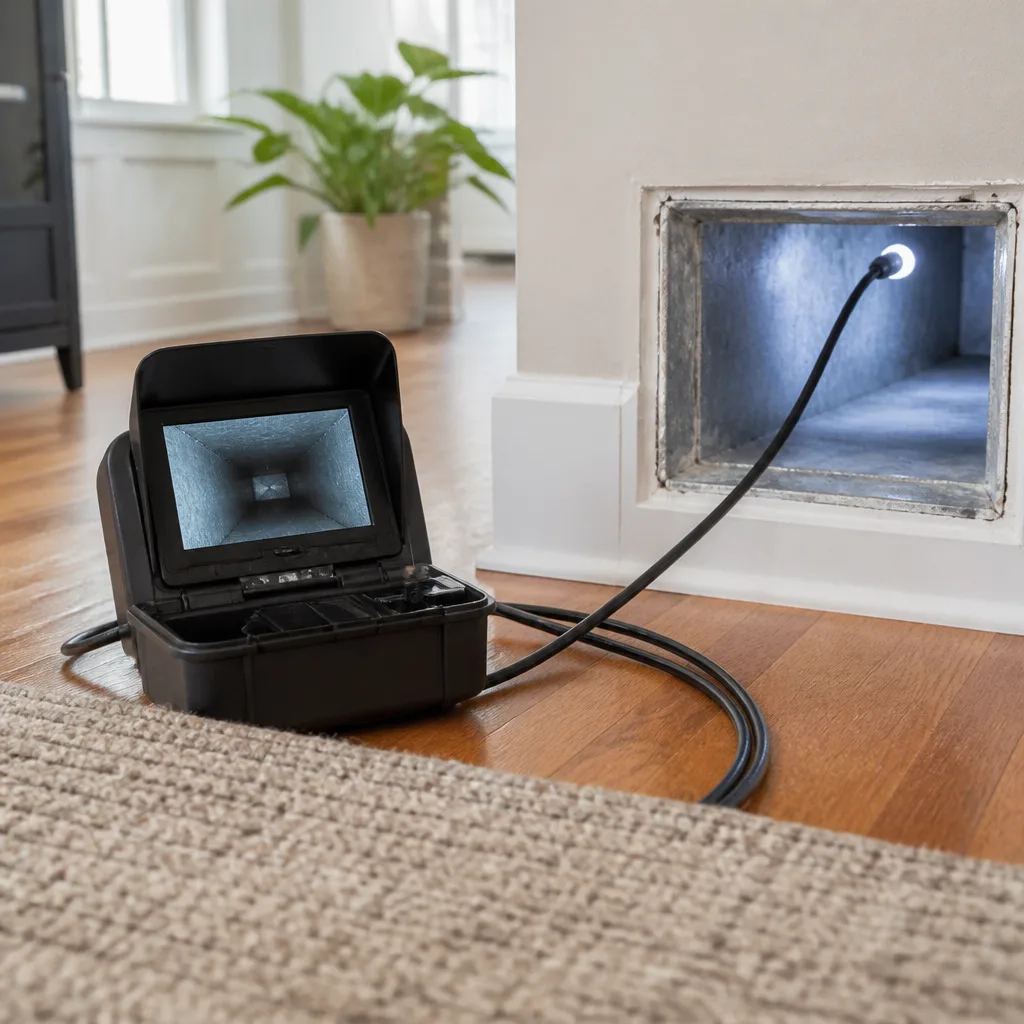
- Whole-system inspection with a borescope camera: usually included, but ask
If someone quotes you $49 for a dryer vent cleaning in Los Angeles, you can be certain of two things: they’re not using professional equipment, and they’re going to upsell you hard once they’re inside. The economics simply don’t work at that price point in this market. Our model at Cardinal Air Duct Cleaning home is different: a written price before any work starts, and it doesn’t change at the door. No per-vent pricing, no surprise “transit fees” added at the end, no bait-and-switch.
How LA Housing Types Affect Your Vent
Los Angeles housing falls into roughly four categories, and each one shapes the dryer vent problem differently:
The 1950s – 70s Stucco Bungalow
These are the classic LA starter homes, found everywhere from Lakewood to Reseda. Laundry rooms in these homes were often afterthoughts, carved out of a kitchen pantry or a hallway closet. The vent run frequently goes up through the roof or takes two or three 90-degree turns before it exits. Long vents with multiple elbows collect lint at every turn, and the rooftop termination (often a simple flapper cap) bakes in direct sun, which weakens the plastic and lets pests in. If you live in a bungalow with a rooftop vent, annual cleaning is not a luxury. In neighborhoods like North Hollywood and Glassell Park, where these homes dominate, we consistently measure the longest vent runs and the highest airflow restriction readings in the city.
Hillside and Canyon Homes
Homes in Laurel Canyon, Mount Washington, Silver Lake’s hillside streets, and the Santa Monica Mountains often feature split-level or downhill-sloping floor plans. A laundry room might be on the street level at the front while the vent exits at the rear, 15 feet lower. Slope matters because condensation and any moisture inside the duct naturally migrates downward, pooling at low points where lint collects. These homes also tend to have vent terminations in awkward, hard-to-reach places: under decks, behind retaining walls, or on roof pitches a casual handyman won’t touch without proper ladder equipment.
Condos and Townhomes (1990s – 2010s Construction)
High-density condo buildings in places like Playa Vista, Downtown LA, and the Warner Center area have a different problem: shared vent stacks and vertical runs. Some older condo buildings, particularly pre-2000 construction, combine multiple dryer vents into a single chase. That’s a significant code and safety problem, and it’s common enough in LA that we mention it specifically. Vertical vent runs also fight against gravity; lint doesn’t fall down a vertical duct, it clings and builds up on the walls, especially at the bottom elbow. Condo owners should check whether their vent is a dedicated, individually terminating line. If it’s not, cleaning is more urgent, not less.
New Construction (2015 – Present)
The Complete HVAC Cleaning Guide for Los Angeles Homeowners covers how modern LA builds are more likely to use rigid metal ducting (a good thing) but often place laundry rooms in interior mechanical closets, which means the vent run has to travel farther. A second-floor laundry room in a new build in Culver City might have a 40-foot run that traverses three interior walls before exiting. Newer doesn’t always mean cleaner; it means the system is more complex and the cleaning requires more care. Flexible foil or plastic transition ducts, which are banned by California building code for use inside walls but still legal for the short section behind the dryer, are another common fault point on new construction. A crushed or kinked transition duct can cut airflow by 50 percent or more, and many newly built homes have them installed incorrectly from day one.
How to Find Your Vent Termination Point Before Calling
Before you call any dryer vent cleaning company in Los Angeles, know where your vent exits. It saves time on the phone and helps you evaluate whether the company knows what they’re doing. Here’s how to locate it:
- Start outside at the wall directly behind your dryer. Walk out the nearest exterior door and look at the wall that’s immediately behind the dryer’s location inside. Most side-wall terminations are low, between 18 and 48 inches off the ground, with a flapper cap or a louvered metal grill.
- Look for a flapper cap, louvered vent, or a small metal hood. These come in a few shapes: a round plastic or metal flapper cap (looks like a small spinning top), a square louvered grille with angled slats, or a low-profile metal box with a louvered face. Any of these could be a dryer vent, though similar-looking fixtures might also serve bathroom or kitchen exhaust fans.
- Check the roof if nothing’s on the side wall. In Los Angeles, especially on bungalows and mid-century builds, the termination is often on the roof. Look for a metal cap or gooseneck pipe poking through the shingles, usually not far from where the laundry room sits inside. On flat commercial-style roofs common to some LA duplexes and condos, the vent might be a short vertical pipe with a cap.
- Look behind bushes, under eaves, and near the foundation. LA landscaping loves to hide things. We’ve found vent terminations behind bougainvillea, under decks, behind window planter boxes, and once behind a faux rock. If you see what looks like a small door or grille that’s been painted over, probe gently; it might be your vent, long ago stuccoed or painted into near invisibility.
- If you have an accessible crawl space or basement (rare in LA but common in some older Pasadena and Altadena homes), look there. The vent might route down through the floor and exit at the foundation level, or run horizontally beneath the house to a gravel-bed or foundation-wall exit.
If you can’t find it, that’s fine. A professional tech knows how to trace a line, often using a sonde or a borescope, and will locate it in under 15 minutes. But knowing where it is helps you understand what you’re paying for when a quote lists “rooftop access” or “extended run” as line items.
What a Legitimate Quote Should Include (And What the Red Flags Look Like)
A legitimate Los Angeles dryer vent cleaning quote should itemize these basic components:
- Line length measurement. The tech should measure, or at least estimate based on the building plan, the total linear feet from dryer to termination. This drives the time estimate and the price.
- Termination cap inspection and cleaning. The cap gets just as clogged as the line. A good cleaning removes the cap, cleans it, and re-seats it properly.
- Before-and-after airflow reading. This is the single most important metric. An anemometer reading at the termination point tells you how much air is actually moving. After cleaning, that number should be dramatically higher. If the company doesn’t offer this, ask why.
- Transition duct inspection. The short flexible section behind the dryer is the most failure-prone part of the system. It should be inspected for kinks, tears, and excessive lint, and replaced if necessary.
- Written price before work starts. This is the Cardinal standard and it should be the industry standard. No surprises. If a company won’t give you a number on the phone or in writing before the tech arrives, walk away.
Red flags to watch for:
- Quotes under $60. These are almost always bait. The tech arrives, tells you the vent is “dangerously clogged,” and presents an upcharge. Or worse, they do a surface-level cleaning that leaves the real blockage in place.
- No airflow measurement. A cleaning without a before-and-after airflow number is a guessing game. If they can’t tell you how many cubic feet per minute moved before and after, they didn’t verify the work.
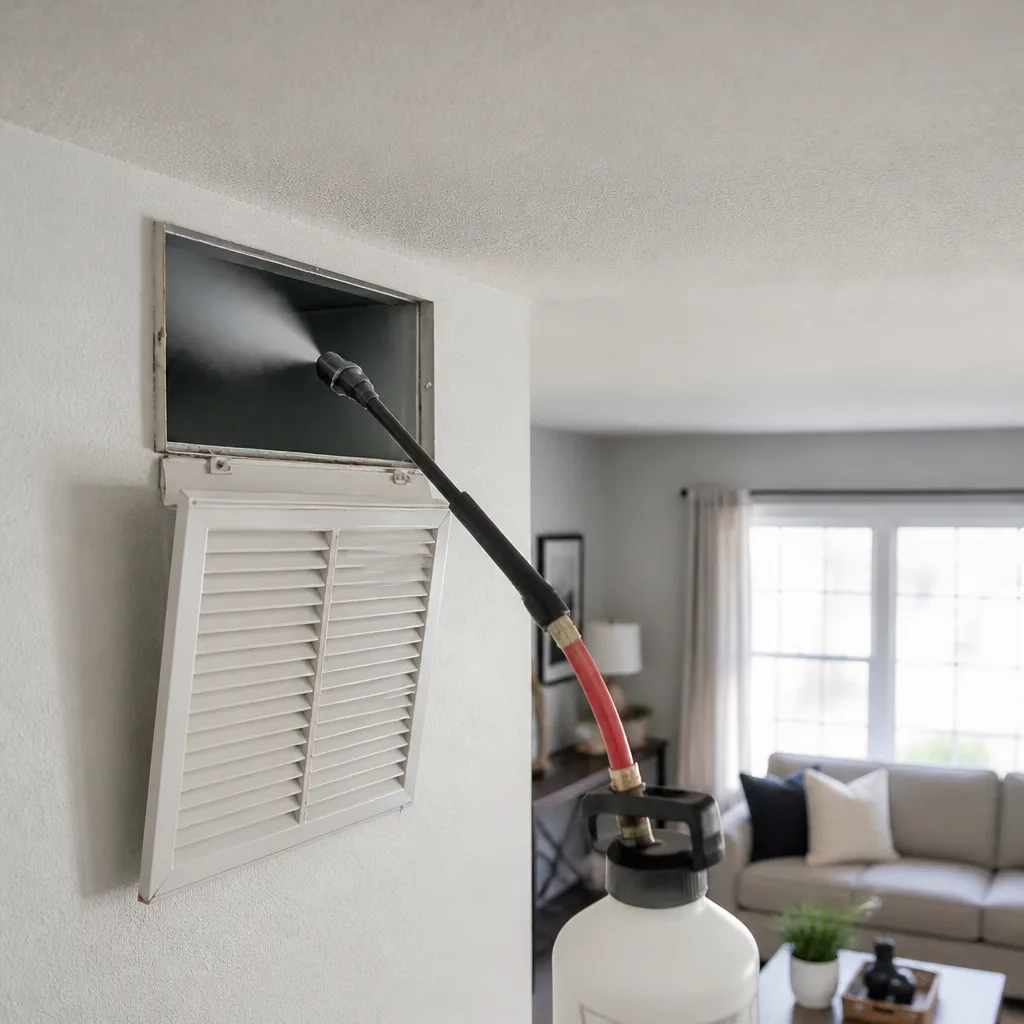
- Pressure to add unrelated services. Some companies use the dryer vent as a foot in the door to sell whole-house air duct cleaning, sanitizer fogging, or “HVAC tune-ups.” Be wary of aggressive add-on sales that weren’t part of the original quote.
- “We don’t do rooftop access.” In Los Angeles, where rooftop terminations are commonplace, any dryer vent cleaner who won’t get on a ladder is not equipped to serve most of the city’s housing stock. This is a hard pass.
As an LA homeowner, you want the full picture: dryer vent cleaning in Los Angeles should be handled by a company that documents its own work. Before-and-after photos should be standard, not an upsell. If a company balks at showing you photos of your own vent, that’s a signal.
Airflow: The Number That Actually Matters
Airflow is the closest thing to an objective truth in dryer vent cleaning. Before cleaning, a clogged vent might move 20 to 40 cubic feet per minute (CFM) at the termination point. A properly functioning system moves 120 to 180 CFM. After a good cleaning, your reading should land in that healthy range. If it doesn’t, something else is wrong: a crushed transition duct, a disconnected segment in the wall, or a vent cap that’s been painted shut.
We’ve seen homes in the San Fernando Valley with airflow readings of 15 CFM that the homeowner swore were “fine.” The dryer was taking 90 minutes per load, the laundry room felt like a sauna, and the exterior wall behind the machine was noticeably warm to the touch. These are the signs that precede a vent fire. If your dryer takes more than one cycle to dry a standard load, or if the machine feels hot to the touch on the top or sides after a normal cycle, your airflow is compromised. This isn’t opinion; it’s physics.
Manufacturers generally recommend 30 to 40 minutes as the maximum for a standard cotton load in a properly vented dryer. If your towels take 70 minutes, that’s not a quirky appliance; that’s a duct obstruction. Period.
Seasonal Considerations for Los Angeles Dryer Vents
Los Angeles has two seasons that matter for dryer vent maintenance: Santa Ana season and everything else. Santa Ana winds, which typically blow from October through February, do more than raise fire risk on the hillsides. They also push fine dust into every exterior opening on your home. A dryer vent termination with a poorly sealing flapper will suck in dust, leaves, and even ash during Santa Ana events, directly increasing the debris load inside the duct. If you rely on a side-wall termination, inspect the flapper after any major wind event. If it’s stuck open or missing, that’s an immediate call to have it replaced.
The heat of July through September matters too, though more subtly. Lint already in the vent line continues to dry and desiccate through the summer, becoming progressively more combustible. If your vent is due for a cleaning in June, don’t push it to October. The three or four hottest months of the year are the worst possible time to leave a dry, brittle lint plug in place.
Why DIY Dryer Vent Cleaning Is a Bad Idea in LA
The hardware store sells a “dryer vent cleaning kit” for about $25. It’s a flexible brush you attach to a drill, with rods that screw together to reach maybe 12 feet. Here’s the problem: in a typical Los Angeles home with a long vent run, multiple elbows, and a rooftop termination, that $25 kit reaches about 40 percent of the duct. The rest of the blockage, the packed lint at the far end and the accumulated crust near the termination, stays exactly where it was. Worse, spinning a brush in a duct without a continuous vacuum can dislodge lint and push it further up the line, making the blockage worse than before.
There is also a genuine safety issue. Getting onto an LA rooftop to access a vent termination is not a weekend task for most homeowners. Steep pitches, tile roofs that crack under foot, and no fall protection are a bad combination. We recommend against DIY rooftop access for any reason. The cost of a professional cleaning is a fraction of the medical bill from a ladder fall. If you’re going to do anything yourself, replace the transition duct behind the dryer with a UL-listed metal one, and install a new flapper cap at a low, accessible termination. Leave the rest to someone with the equipment and training.
Common Mistakes to Avoid
- Skipping the airflow test before and after. Without a baseline number, you have no way to verify the cleaning did anything at all. Insist on it every time.
- Trusting a “we do it from the inside” pitch. Some companies clean from inside the house only, never accessing the termination point. On an LA home with a rooftop or inaccessible vent cap, that’s like sweeping half a hallway and calling it done.
- Using flexible foil or plastic ducting anywhere it’s hidden. California code requires rigid metal duct inside walls and ceilings. Flexible transition duct is legal only for the short visible section behind the dryer. If a previous owner or handyman stuffed flex duct into a wall cavity, it needs to be replaced.
- Cleaning on a fixed schedule without checking airflow. Some homes need cleaning every 9 months; others can go 24. The right interval depends on your vent run length, how much laundry you do, and your climate. Airflow testing, not the calendar, should drive your schedule.
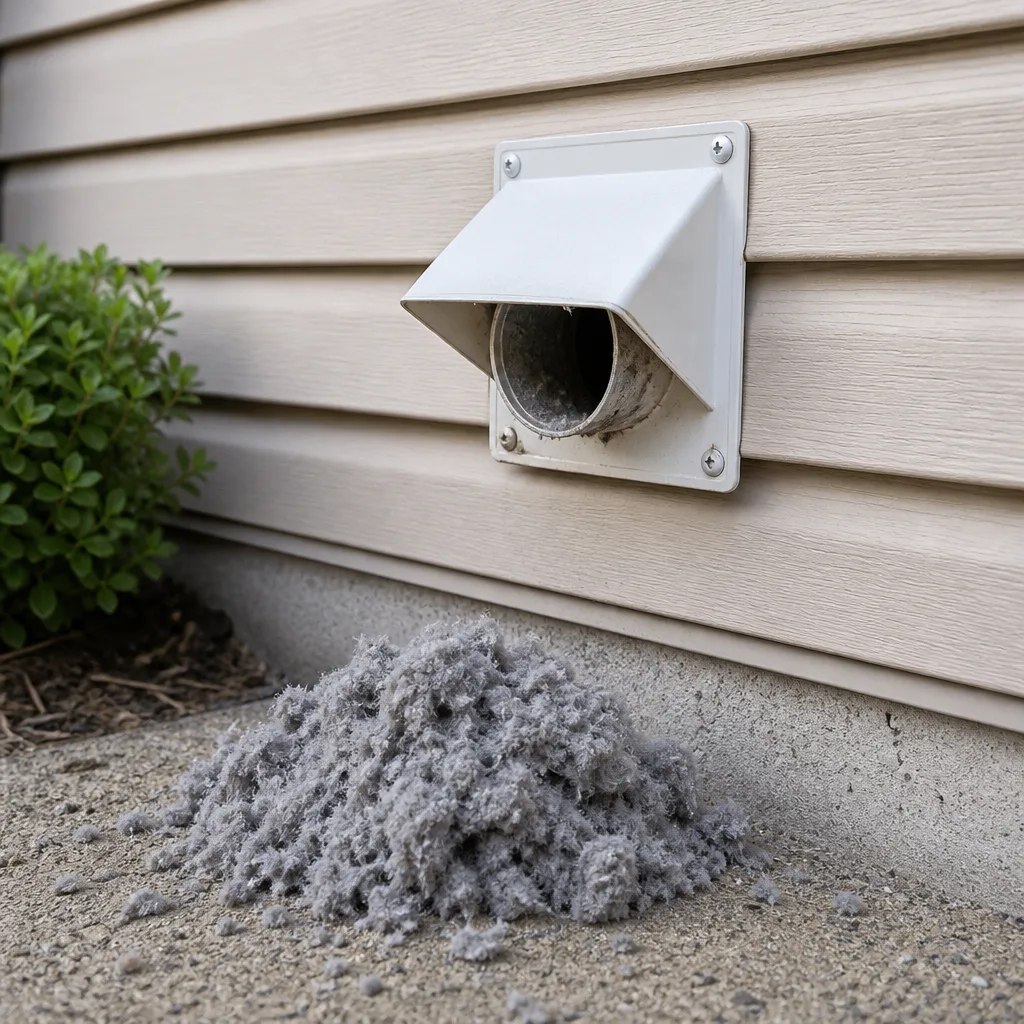
- Ignoring the termination cap. The cap is the most common point of failure: broken flappers, pest ingress, bird nests, paint overspray sealing it shut. A cleaning that doesn’t inspect and clean the cap isn’t a complete job.
- Running the dryer while you’re not home. This is the one piece of advice that never changes: never run a dryer while the house is unoccupied or while you’re asleep. If a vent fire starts, you want to know immediately.
When to Call a Professional
Call a professional if any of these apply: your dryer takes more than 45 minutes to dry a normal load, the exterior of the machine runs hot, the laundry room smells musty or slightly burned, you haven’t had the vent cleaned in over two years, you just bought the home and don’t know its maintenance history, or your termination point is on a roof or in another hard-to-access location. All of these are signals that the vent is compromised and needs attention sooner rather than later.
Cardinal Air Duct Cleaning offers free estimates in Los Angeles, and our technicians arrive with the full equipment line: Rotobrush rotary systems, Nikro HEPA vacuums, and Abatement Technologies containment setups where needed. Call (737) 727-2314 to schedule, or visit our air duct cleaning in Los Angeles page for related services. And for the larger HVAC system beyond the vent, our HVAC cleaning in Los Angeles service extends the same standards to your full ductwork.
Frequently Asked Questions
Every 12 to 24 months for a typical single-family home. Homes with long vent runs (over 25 feet), rooftop terminations, or multiple elbows should clean annually. Homes with short, straight runs and side-wall vents can stretch to 24 months, but only if airflow testing confirms the vent is still moving air at a healthy rate. Call (737) 727-2314 for an exact assessment for your specific home.
You can clean the first few feet from behind the dryer, but you cannot clean a long vent run with a hardware store brush kit. Those kits reach only a fraction of a typical LA vent line, and without a vacuum running, they often push lint deeper into the duct. Rooftop access is dangerous for anyone without proper equipment and training. Professional cleaning costs less than most people expect.
Three factors combine: an older housing stock dominated by stucco construction with long, improvised vent runs; rooftop terminations instead of simple side-wall exits; and a dry climate that turns lint into a highly combustible, brittle material. LA homes were never built with modern venting standards in mind, and the dry air makes whatever lint does accumulate more dangerous than the same amount in a humid climate.
Run a standard load of cotton towels. If they aren’t fully dry after 45 minutes, your vent is significantly obstructed. Other tells: the dryer top gets hot to the touch, the laundry room feels humid, you smell a slightly musty or dusty odor when the dryer runs, and lint is visible around the exterior termination point. Any two of these symptoms together mean it’s time to schedule a cleaning.
Expect to pay $120 to $250 for a standard single-family home. If your vent run is longer than 25 feet, includes rooftop access, or has multiple elbows, the higher end applies. Any quote under $60 should be treated as a red flag; the economics don’t work and the upsell pressure will be intense. Get a written price before any work starts, and make sure airflow testing and photo documentation are included.
Dryer vent cleaning addresses only the exhaust line from your clothes dryer to the outside. Air duct cleaning addresses the supply and return ducts that circulate conditioned air through your home. They are separate systems, use different equipment, and are cleaned at different intervals. Many companies in Los Angeles offer both, but make sure whoever you hire is clear about which service you’re booking. For the full picture on whole-home ductwork, see our guide to air duct cleaning in Los Angeles.
The Bottom Line
Los Angeles homes present a unique dryer vent challenge: long runs through stucco walls, rooftop terminations, dry-lint fire risk, and housing types that range from 1950s bungalows to glass condo towers. The single most important thing you can do is know your vent, know its length and termination point, and verify airflow before and after any cleaning. A good cleaning costs $120 to $250 and includes line length measurement, termination cap inspection, before-and-after airflow readings, and photo documentation. For more guides & resources, skip the DIY kit, avoid the sub-$60 bait quotes, and if the work isn’t verifiable, don’t pay for it. In Los Angeles, the stakes are higher than the national average suggests, and the fix is more affordable than most homeowners expect.
Written by Omar Haddad, Owner at Cardinal Air Duct Cleaning, serving Los Angeles since 2005.