
Last updated October 9, 2026
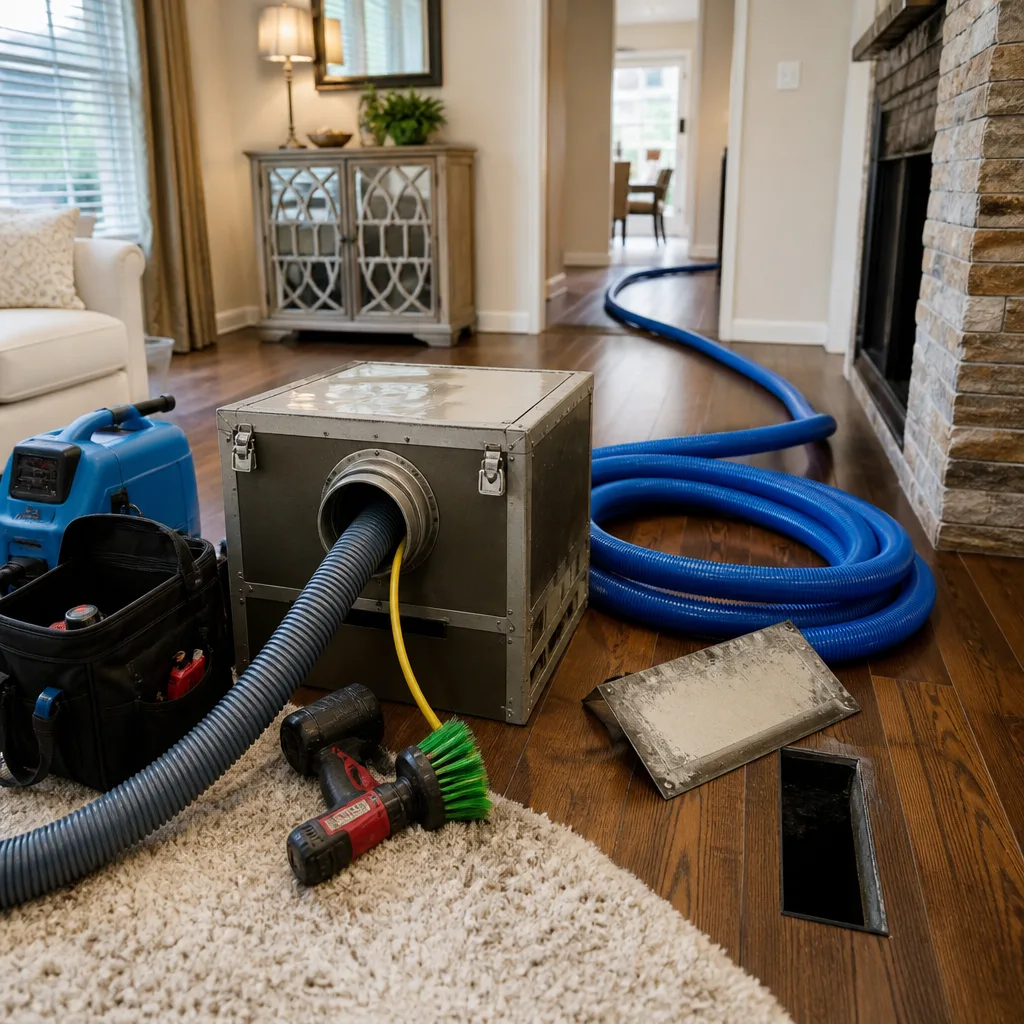
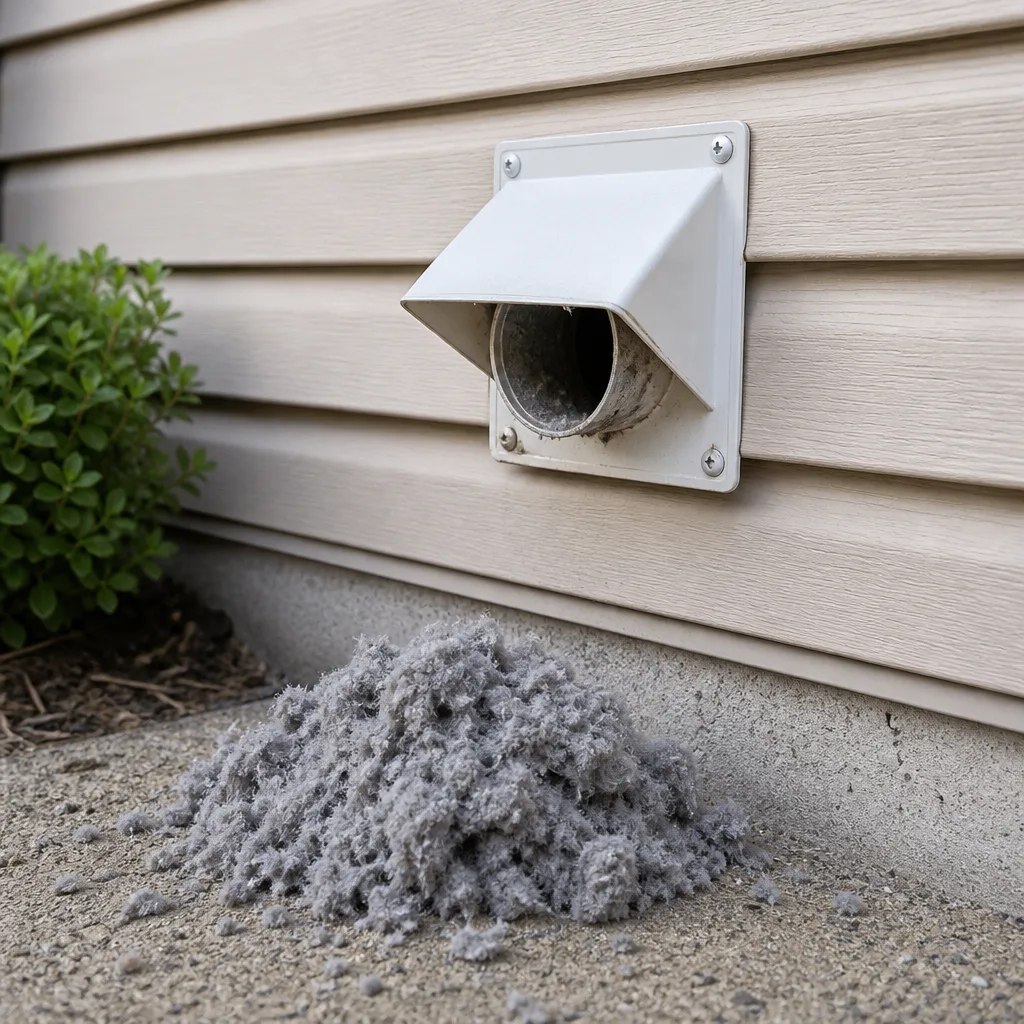
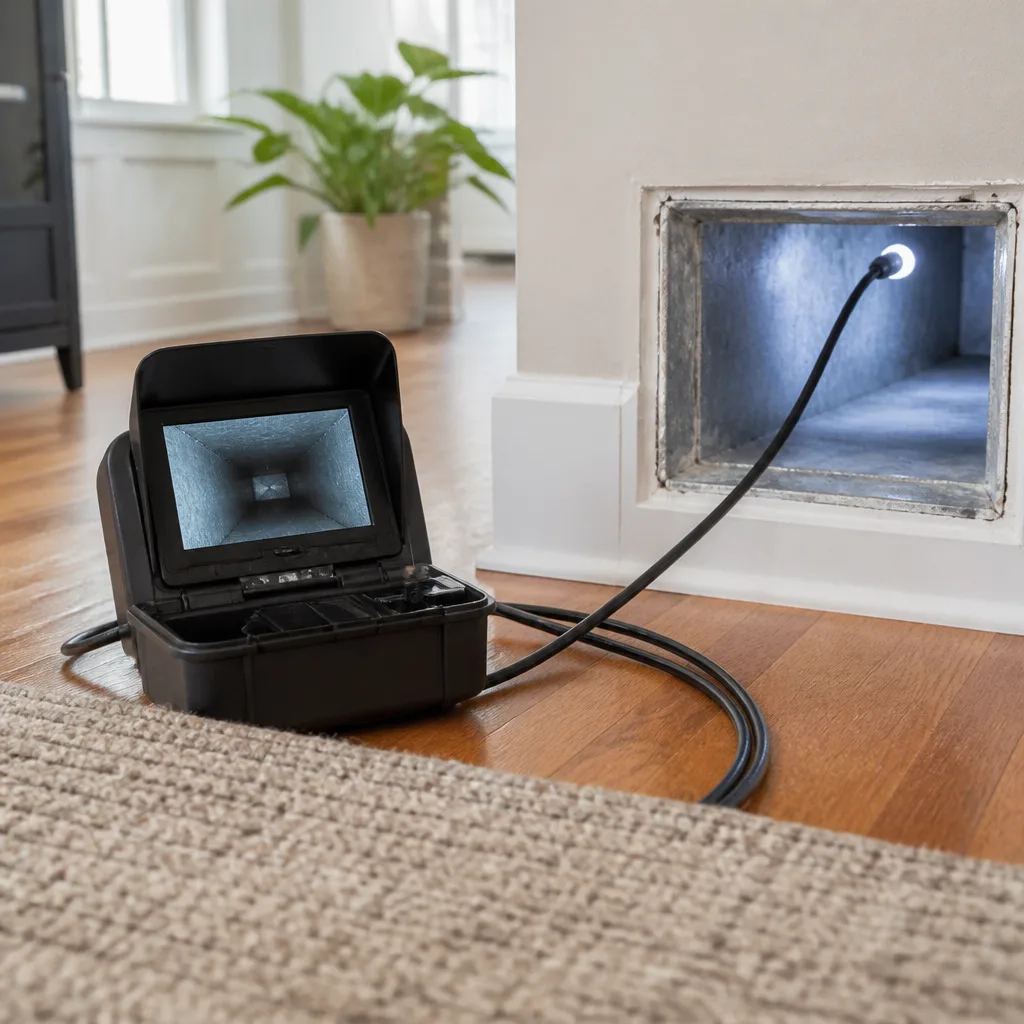
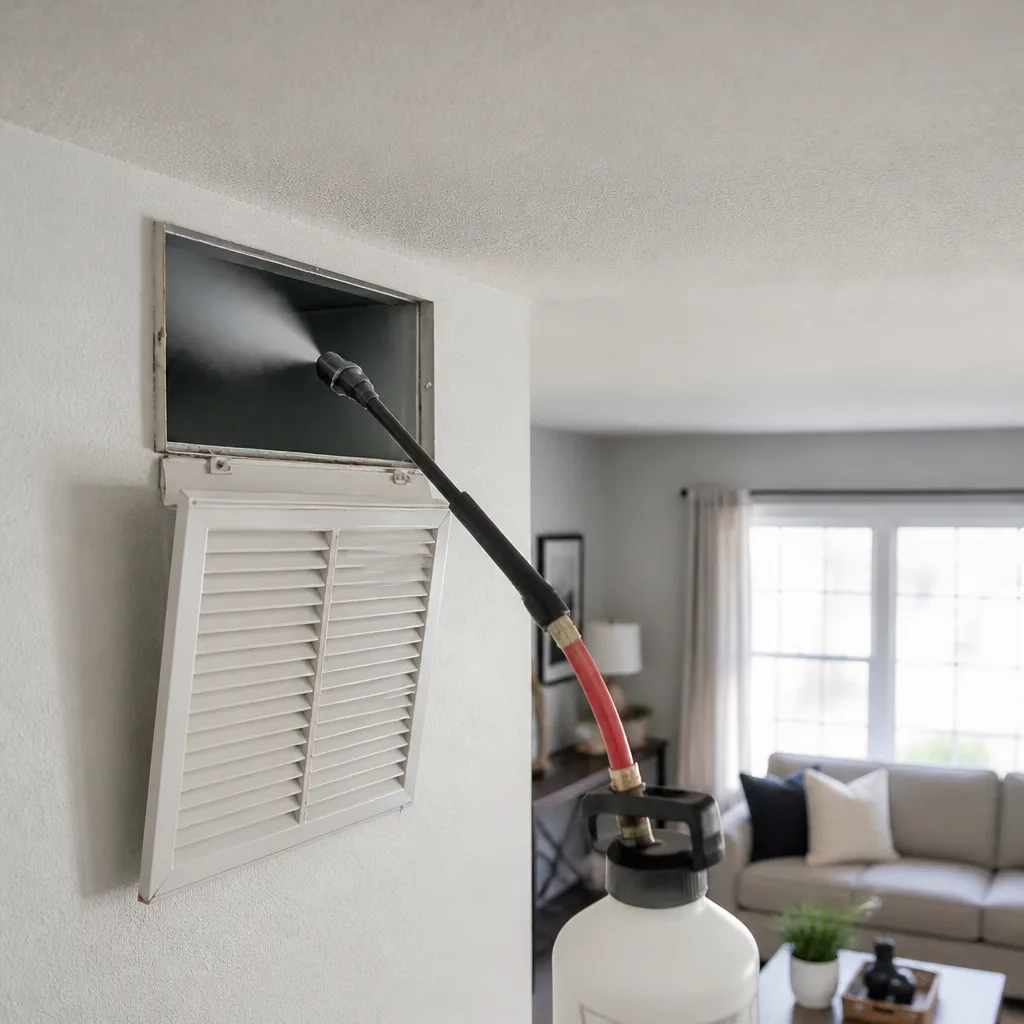
Whole-system duct and dryer vent check with before-and-after photos - you see exactly what came out of your vents
That "$99 whole-house special" is a bait ad - the real number appears once they are in your hallway, or the "clean" is a shop-vac at the register. We photograph the inside of your ducts before and after instead.
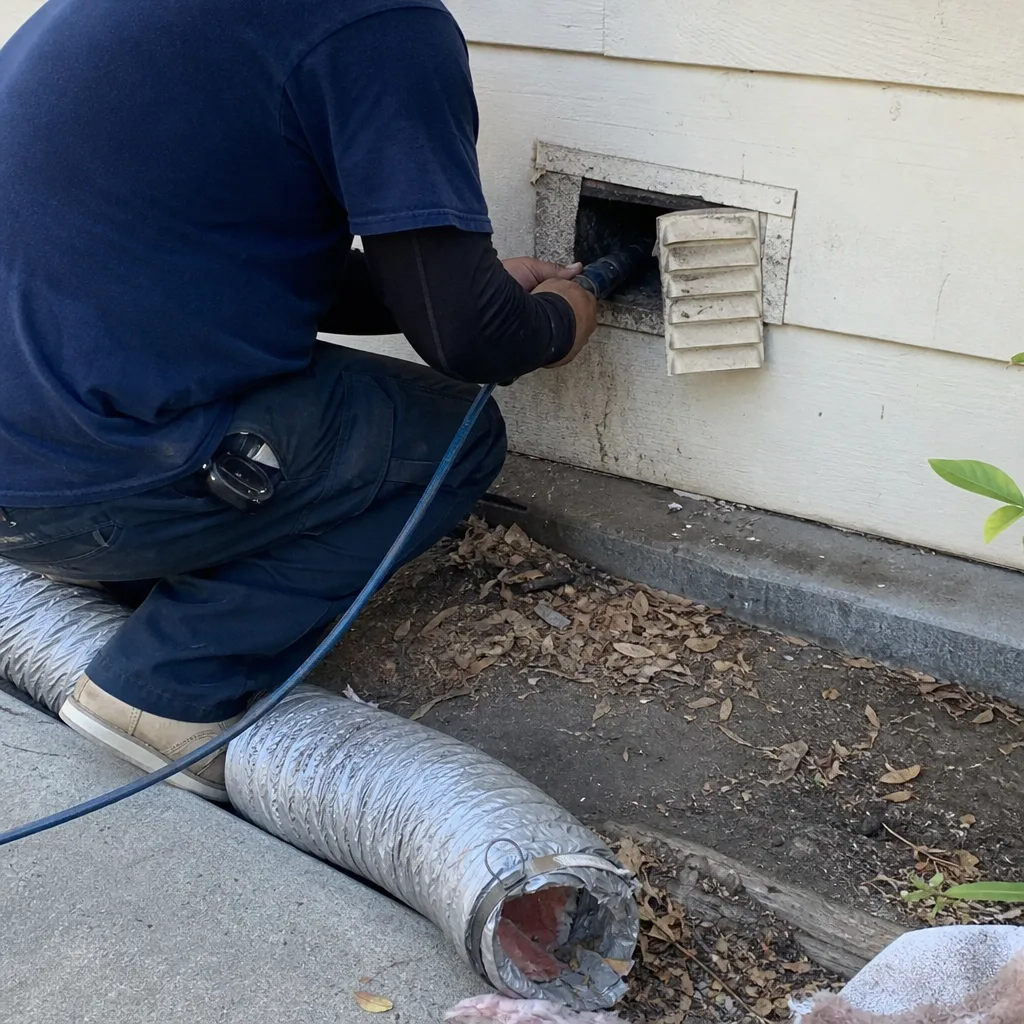 Before
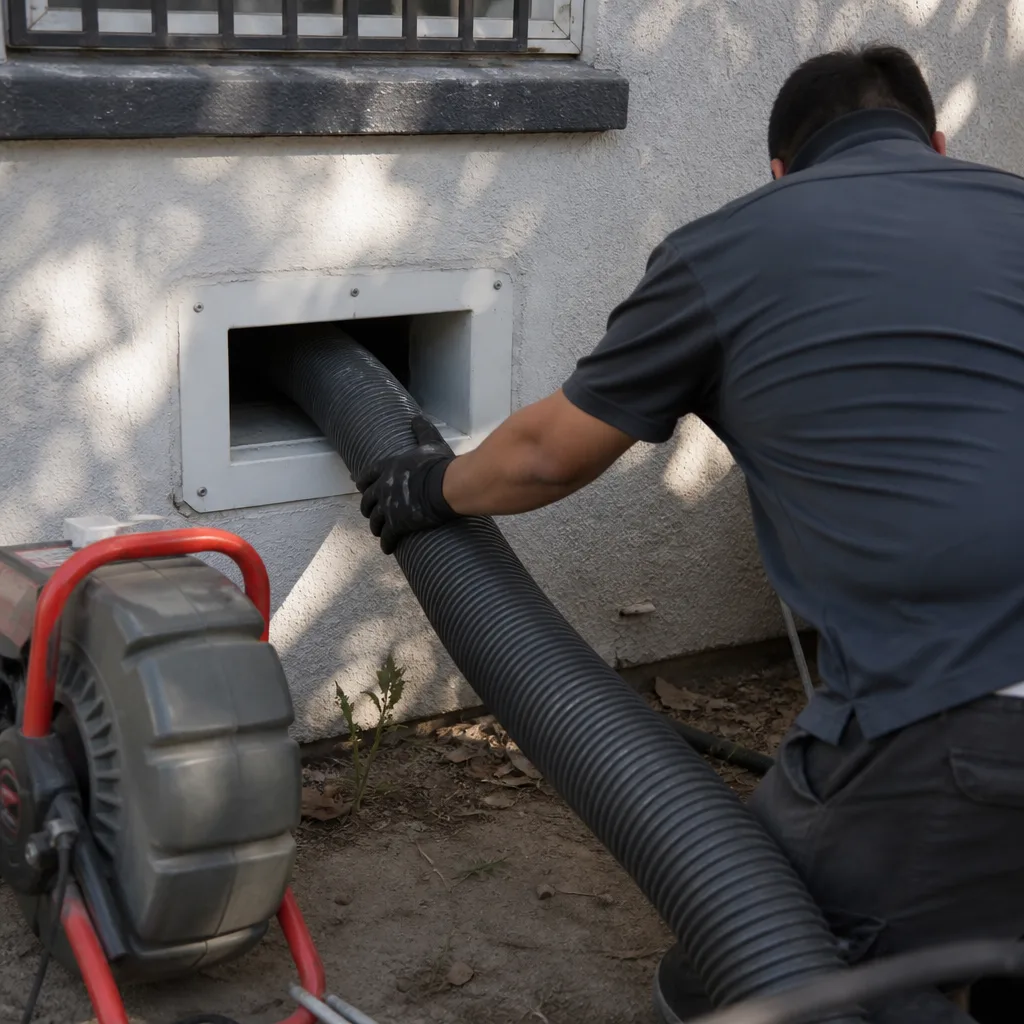 After
After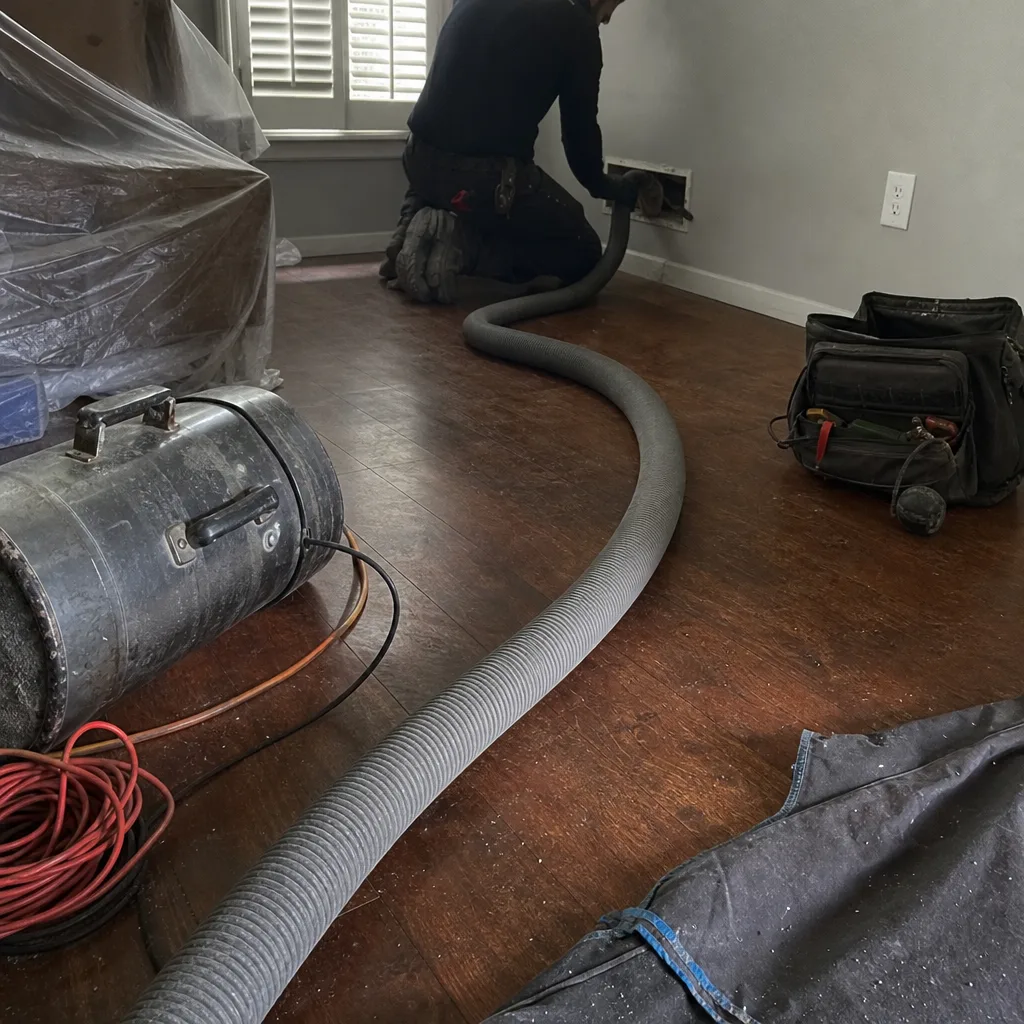 Before
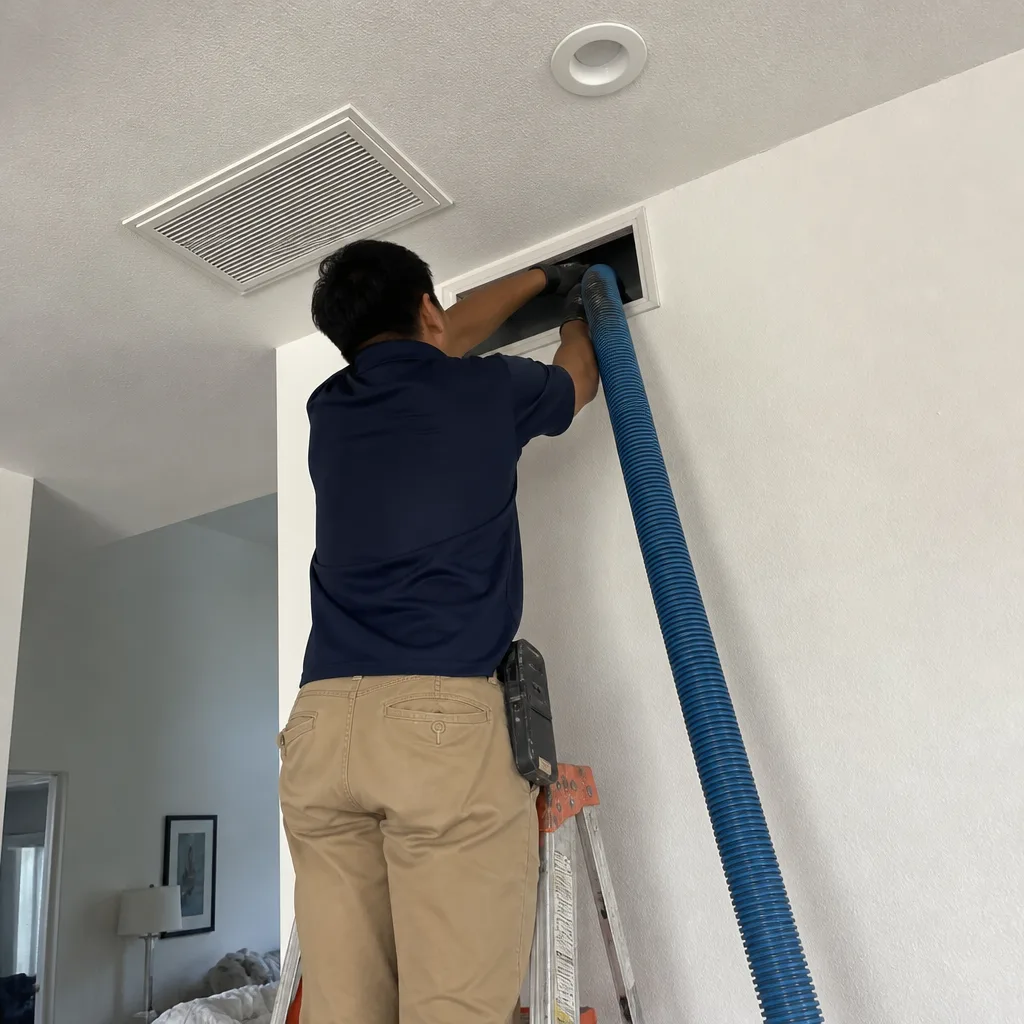 After
After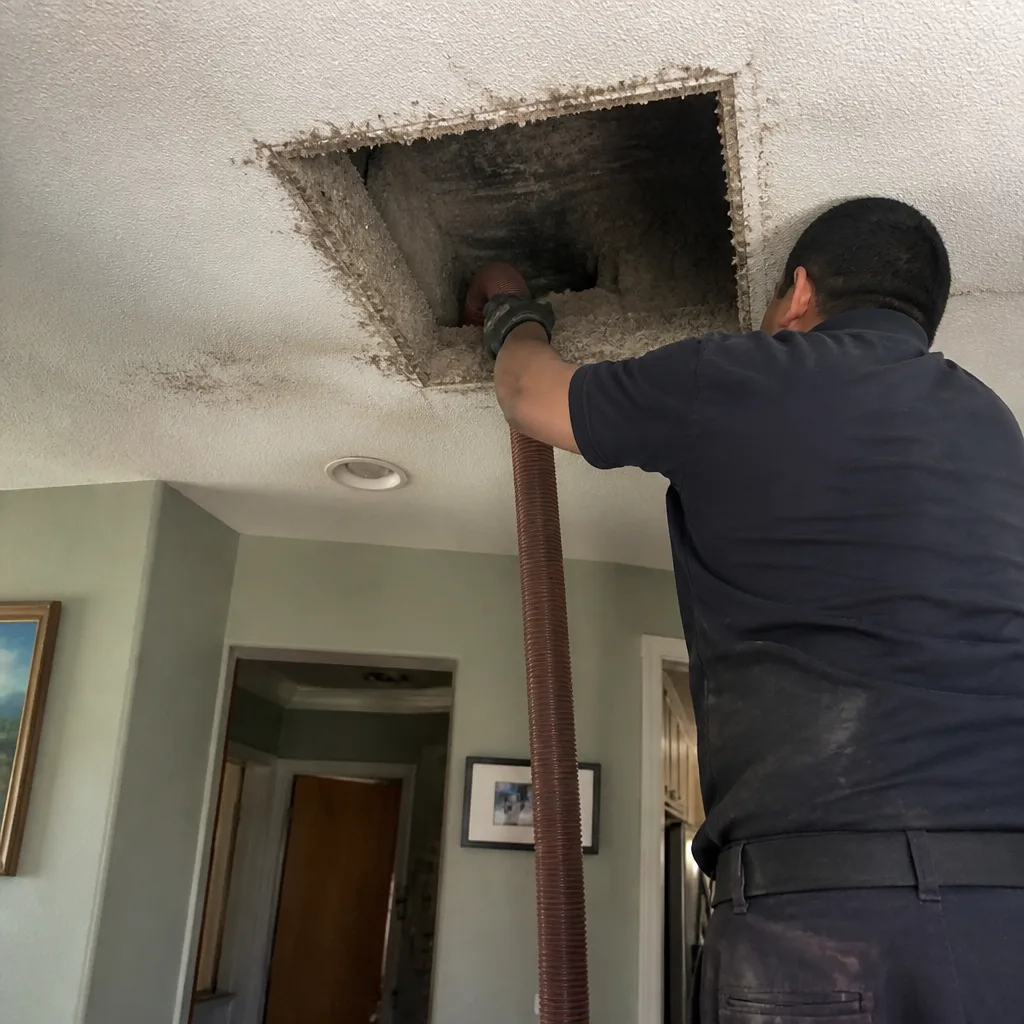 Before
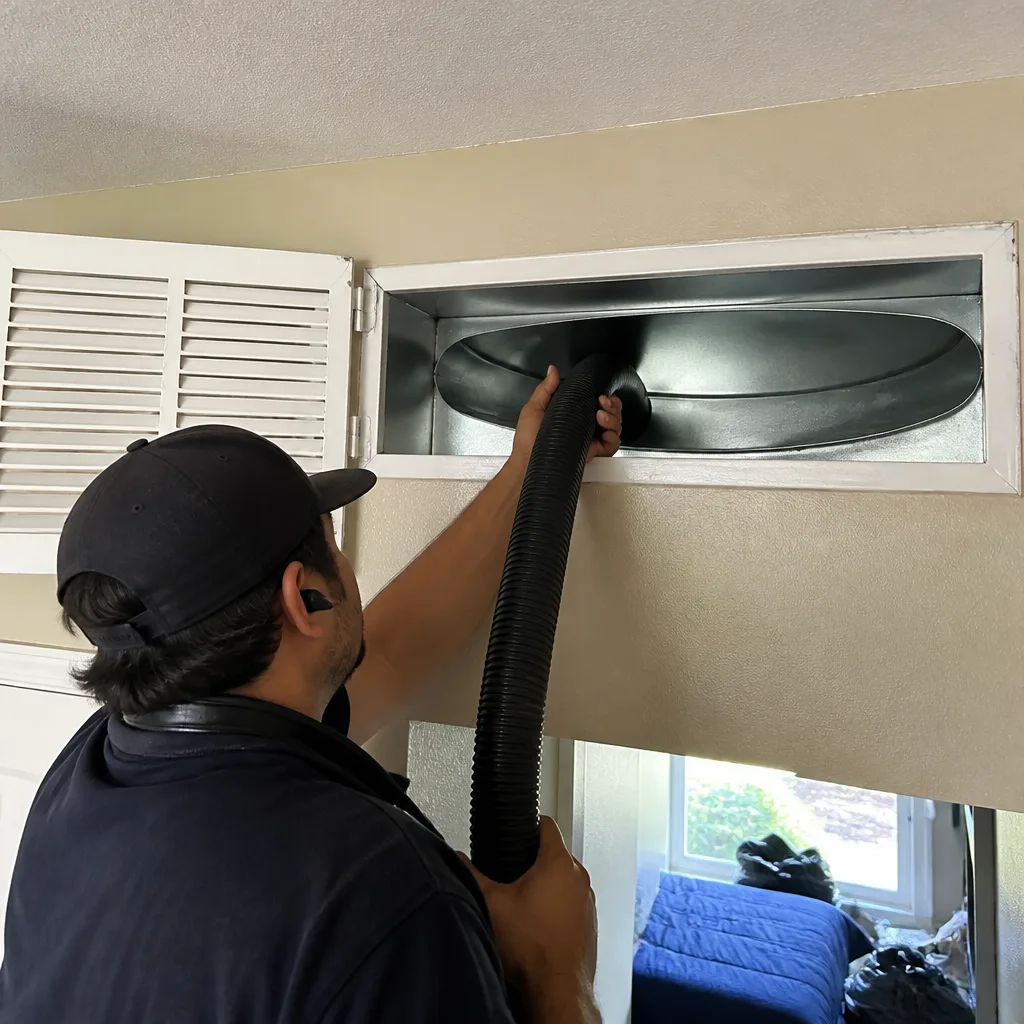 After
AfterAir Duct Cleaning Permits, Codes & Inspections in CA: What You Need to Know
Most homeowners assume duct cleaning is permit-free and move on. Then the technician finds a disconnected return, a mold patch behind the register, or crumbling ductboard under the house, and suddenly the job scope changes. What started as a $400 cleaning becomes a $4,000 repair package, and nobody mentioned whether the new work needed a permit or a licensed contractor. In Los Angeles, where pre-1978 housing stock meets some of the strictest building codes in the state, this scenario plays out daily. This guide walks you through what actually requires a permit, what requires a license, and what belongs on your paper trail when the work is done. For related reading, see our Air Duct Cleaning Warning Signs Every Homeowner Should Know.
Quick Answer
Basic air duct cleaning does not require a permit anywhere in California, including Los Angeles. However, duct sealing, duct replacement, mold remediation, and any HVAC access work that involves structural or mechanical changes often require CSLB-licensed contractors and local building permits. The line between cleaning and repair is where homeowners get burned.
Table of Contents
- The Permit Reality: What Actually Requires One in CA
- C-20 vs. Duct Cleaner vs. Mold Specialist: Who Can Do What
- Title 24 and Duct Sealing: Why Aeroseal Triggers Paperwork
- LA County vs. City of LA: Where Jurisdictions Diverge
- Cal/OSHA, Containment, and Pre-1978 Homes
- Your Paper Trail: What to Keep for a Future Home Sale
- Common Mistakes to Avoid
- When to Call a Professional
- Frequently Asked Questions
- The Bottom Line
The Permit Reality: What Actually Requires One in CA
Let’s be direct: cleaning the inside of your air ducts with a rotary brush and a HEPA vacuum does not require a permit in California. Not in Los Angeles, not in Sacramento, not in San Diego. The California Building Standards Code (Title 24) does not treat routine maintenance of existing ductwork as construction. You will not find a permit application for “brushing and vacuuming.”
But here’s where homeowners in Los Angeles get into trouble. The moment the work crosses from maintenance into modification, the permit conversation begins. Replacing a section of crushed duct under a crawlspace? That’s mechanical work under the California Mechanical Code. Sealing duct joints with mastic or Aeroseal to fix leakage? That’s an alteration to the mechanical system. Cutting a new return opening? That’s structural modification. The Continental Flats of the San Fernando Valley and the hillside homes of Mount Washington have different duct configurations, but the code line is the same: if the work changes the system’s design, flow, or structure, a permit may be required.
Contractors sometimes wave this off. A Department of Building and Safety inspector in Los Angeles won’t. If an unpermitted duct modification is discovered during a later remodel or home sale, the homeowner owns the correction cost, not the contractor who skipped the paperwork.
C-20 vs. Duct Cleaner vs. Mold Specialist: Who Can Do What
California’s Contractors State License Board (CSLB) divides HVAC-adjacent work into distinct license classes, and the distinctions matter more in Los Angeles than most homeowners realize.
A C-20 Warm-Air Heating, Ventilating and Air-Conditioning Contractor holds the license required to install, modify, or repair duct systems. If a duct cleaner finds a disconnected joint, crushed duct, or needs to cut an access panel into the plenum, that repair work legally belongs to a C-20 holder. A standalone duct cleaning company without C-20 licensing can brush and vacuum. It cannot cut, patch, seal, or replace.
Mold remediation is a third category entirely. California does not have a standalone mold remediation license, but the CSLB requires that any contractor performing mold removal above 10 square feet hold a valid contractor’s license in a relevant class (typically C-22 Asbestos Abatement or C-2 Insulation and Acoustical, depending on scope). In Los Angeles, where coastal moisture and older construction create mold conditions in ductwork regularly, this distinction is not academic. A tech who sprays a bleach solution into your ducts and calls it remediation may be creating a bigger liability than the mold itself.
Related reading: our Air Duct Cleaning in Los Angeles page covers what a proper cleaning scope looks like versus repair work.
Title 24 and Duct Sealing: Why Aeroseal Triggers Paperwork
California’s Title 24 Building Energy Efficiency Standards are the strictest in the nation, and they have teeth. Under Title 24, any duct sealing work that alters the thermal envelope of the system falls under energy code compliance. This includes Aeroseal polymer injection, mastic sealing at accessible joints, and any insulation wrap added to ductwork.
In Los Angeles, the Department of Building and Safety enforces Title 24 through its mechanical inspection process. When a contractor seals ducts as part of an HVAC upgrade or repair, the work typically requires a permit and a post-work test (often a HERS duct leakage test) to verify the results meet code. A basic duct cleaning does not trigger this. A “cleaning plus sealing” package does.
Here’s the part homeowners miss: some duct cleaners offer sealing as an add-on without telling you it changed the permit status of the job. We use Rotobrush rotary brush systems and Nikro HEPA vacuums for extraction as part of our Air Duct Cleaning services because that equipment is designed for cleaning, not modification. When we see sealing work that needs to happen, we tell you upfront that it crosses into licensed contractor territory and what that means for permits in your Los Angeles jurisdiction.
LA County vs. City of LA: Where Jurisdictions Diverge
Los Angeles County and the City of Los Angeles do not always agree on inspection requirements for HVAC-adjacent work, and the difference can catch homeowners off guard.
Within the City of Los Angeles, LADBS (Los Angeles Department of Building and Safety) is the authority. It requires permits for duct replacement, duct sealing that alters system design, and any mechanical modification that touches Title 24 compliance. Inspections are typically required at rough-in and final stages.
In unincorporated Los Angeles County areas like Marina del Rey, Altadena, and parts of the Santa Clarita Valley, the County’s Building and Safety Division handles permits. The County generally follows the same California codes, but its inspection scheduling and enforcement patterns differ. Some unincorporated areas operate with fewer field inspectors and longer timelines, which means unpermitted work can sit undiscovered for years, then surface during a sale or remodel.
If your home sits in a city within LA County that has its own building department (Burbank, Glendale, Pasadena, Long Beach, Santa Monica), that city’s rules apply, not the County’s. These cities sometimes add local amendments to the California codes. Pasadena, for example, has historically been aggressive on energy code enforcement. A duct cleaning that stays purely within the cleaning scope avoids all of this local variance. Add repair or sealing, and the local jurisdiction matters.
Cal/OSHA, Containment, and Pre-1978 Homes
California’s Division of Occupational Safety and Health (Cal/OSHA) regulates how workers handle hazardous materials, and in pre-1978 Los Angeles homes, that intersects with duct cleaning in ways homeowners rarely think about.
Homes built before 1978 may contain asbestos in duct insulation, tape, or wrap. If a duct cleaning company begins cutting into or disturbing that material without proper containment, they are violating Cal/OSHA requirements and exposing the household to airborne asbestos fibers. This is why professional duct cleaning in older Los Angeles homes should begin with an assessment of the duct material condition before any aggressive brushing starts.
Containment matters. Abatement Technologies manufactures negative-pressure containment units designed to keep disturbed particulates from spreading into living spaces. In our work on older Los Angeles homes, we have used Abatement Technologies containment setups when the inspection suggested friable material present. That is not standard for every cleaning, but it is standard when conditions call for it. A tech who shows up with only a shop vac cannot provide that level of protection, and in a 1950s West Adams bungalow or a 1960s Valley rancher, that gap is a safety issue.
Your Paper Trail: What to Keep for a Future Home Sale
California’s real estate disclosure requirements (C.A.R. Form TDS) ask sellers to disclose known material facts about the property, including any work performed on the HVAC system. If you are selling a Los Angeles home and you had duct cleaning, sealing, repair, or remediation done, the buyer’s inspector may ask for documentation. Here is what to keep.
- The original scope of work document. This should state exactly what was done: cleaning only, cleaning plus sealing, mold treatment, duct replacement. Vague language raises flags during disclosure.
- Before-and-after photos. Every professional duct cleaning in Los Angeles should include photo documentation. We provide before-and-after photos as part of Cardinal Air Duct Cleaning home service standard, because a buyer’s inspector will want visual evidence of what was addressed.
- Any permit numbers and inspection sign-offs. If the work crossed into permit territory, keep the permit number, the inspecting jurisdiction, and the final sign-off date. Unpermitted work discovered during escrow is a deal killer in Los Angeles.
- Contractor license number. If a C-20 or other licensed contractor performed repair work, their CSLB license number should appear on the invoice. Buyers and their agents can verify it through the CSLB database.
- A written statement of any limitations. If cleaning revealed a problem that was not addressed (e.g., a mold patch that needs separate remediation), that limitation should be documented in writing. Disclosure laws favor the seller who documented what they knew.
Common Mistakes to Avoid
- Assuming the $79 coupon covers the whole system. In Los Angeles, bait-priced duct cleaning offers are common, and the final invoice often lands much higher. Ask for a written whole-system price before anyone enters the home, and do not accept per-vent pricing.
- Letting a duct cleaner perform repair work without a C-20 license. If the tech says “we can fix that while we’re in there,” ask for the license class. Cleaning companies without C-20 licensing are not legally authorized to modify or repair duct systems in California.
- Ignoring the permit question on sealing work. Aeroseal and mastic sealing are energy-code-triggering alterations under Title 24. If a contractor says “we don’t need a permit for this,” confirm with your local building department. In the City of Los Angeles, LADBS answers permit questions directly.
- Not checking for mold before cleaning starts. In pre-1978 Los Angeles homes, mold and asbestos can hide behind registers. Disturbing those materials without containment creates a health hazard. A professional assessment should precede any aggressive brushing.
- Failing to keep documentation. When you sell your home, the buyer’s inspector will ask about the HVAC system. No photos, no scope document, no permit numbers means disclosure trouble.
- Hiring anyone who refuses a written price. In Los Angeles, the market is saturated with duct cleaners who quote over the phone and adjust on-site. A written price before work starts should be non-negotiable. Our HVAC Cleaning in Los Angeles page explains what a proper cleaning scope covers and what it should cost.
When to Call a Professional
If your duct inspection reveals disconnected sections, crushed ductwork, visible mold beyond surface dust, or the need to cut an access panel, call a professional who can route the work correctly. That means a C-20 licensed contractor for repairs, a qualified remediation specialist for mold, and a duct cleaning company that knows where its scope ends. If you live in a pre-1978 Los Angeles home and have never had the duct material assessed, a professional evaluation should come before any cleaning. Cardinal Air Duct Cleaning offers free estimates in Los Angeles and can tell you over the phone whether your situation is cleaning, repair, or remediation territory. You can also explore Air Duct Cleaning Troubleshooting: Common Problems and How to Fix Them for additional guidance. Call (737) 727-2314.
For dryer vent work, our Dryer Vent Cleaning in Los Angeles page covers the separate code and fire-safety requirements that apply to that system.
Frequently Asked Questions
No permit is required for basic air duct cleaning in Los Angeles or anywhere in California. A permit becomes necessary when the work crosses into duct sealing, duct replacement, or mechanical modification under Title 24.
A C-20 Warm-Air Heating, Ventilating and Air-Conditioning Contractor license from the CSLB is required for duct repair, modification, replacement, and sealing work in California. A duct cleaning company without C-20 licensing can clean but cannot repair.
Yes, Aeroseal and other duct sealing methods that alter the mechanical system’s thermal envelope typically require a permit under Title 24 energy code requirements, and in the City of Los Angeles that means LADBS mechanical inspection.
Mold remediation in ducts is a separate service from duct cleaning and falls under different CSLB license requirements. In California, mold removal above 10 square feet requires a licensed contractor in a relevant class, and pre-1978 Los Angeles homes may also involve asbestos considerations.
Most standard air duct cleanings in Los Angeles run $400 to $900 for a typical single-family home, depending on system size, number of returns, and accessibility. Whole-system written pricing should be provided before work starts. Call (737) 727-2314 for an exact quote, free of charge.
Yes, unpermitted duct modifications can surface during escrow and become a disclosure liability under California’s transfer disclosure statement requirements. If any duct work crossed into repair or sealing territory, keep the permit number and final inspection sign-off in your records.
The Bottom Line
Duct cleaning is a permit-free service in California. The problems start when cleaning reveals repair work, sealing opportunities, or mold that requires licensed, permitted contractors. In Los Angeles, where pre-1978 housing stock, strict Title 24 enforcement, and a saturated market of low-price duct cleaners converge, knowing the difference between cleaning and modification protects your home, your health, and your future sale. Get a written scope before work begins, verify licenses when work crosses into repair territory, and keep every document. Visit our blog for more guides & resources on protecting your home. That is the entire game.
Written by Omar Haddad, Owner at Cardinal Air Duct Cleaning, serving Los Angeles since 2005.