
Last updated October 9, 2026
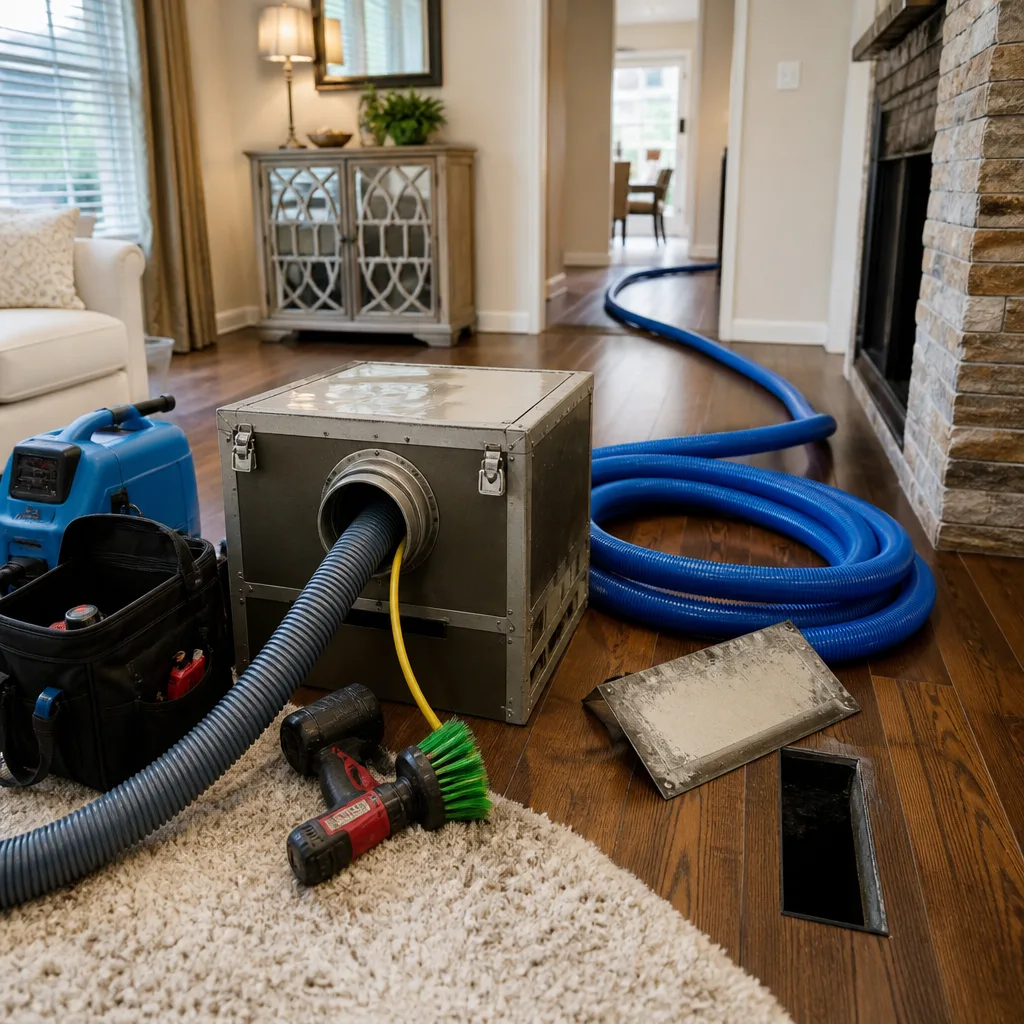
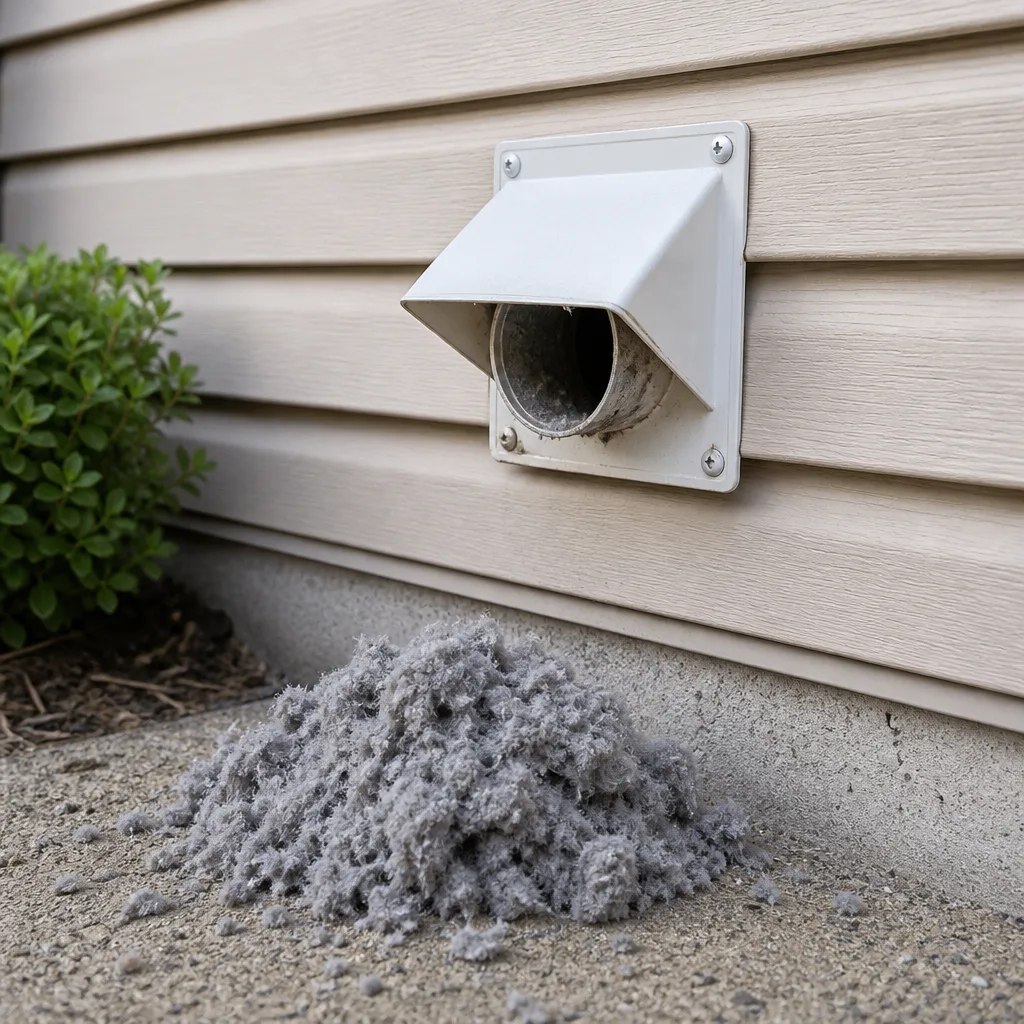
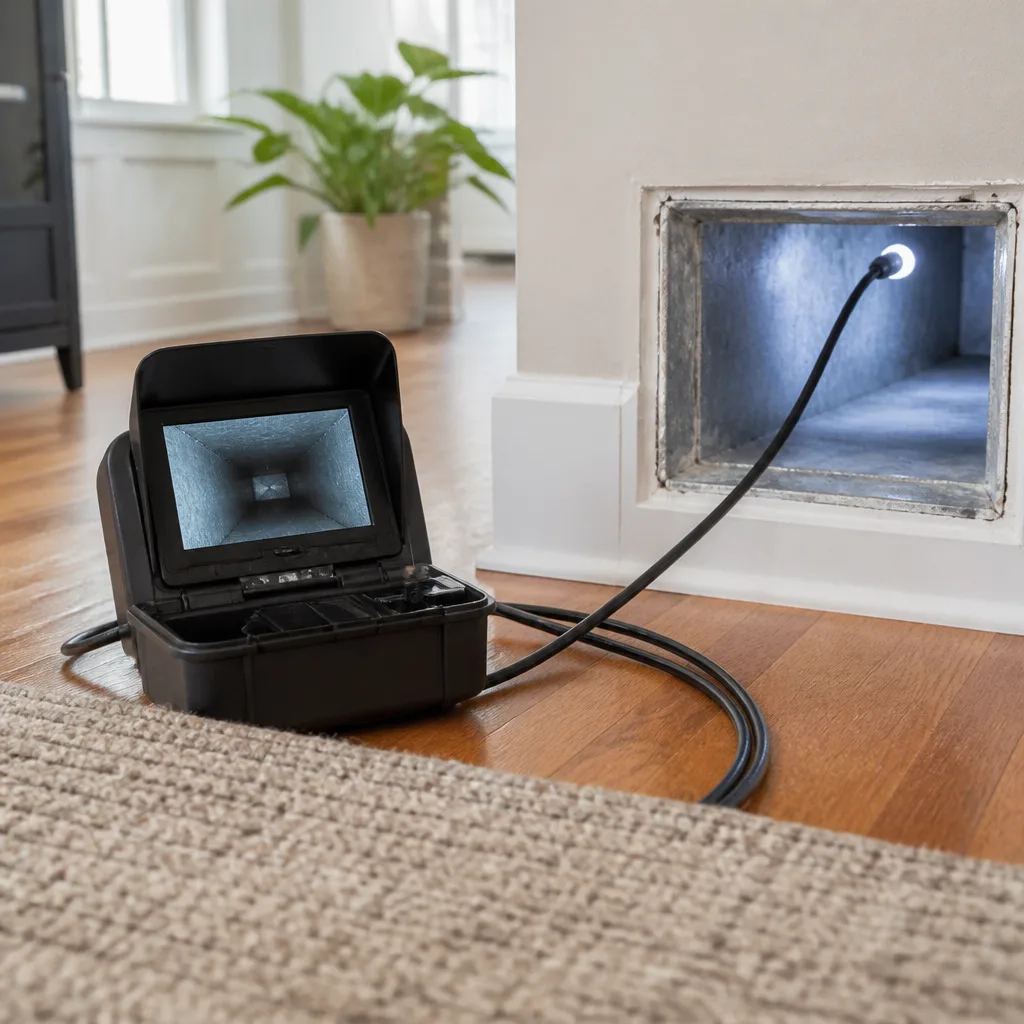
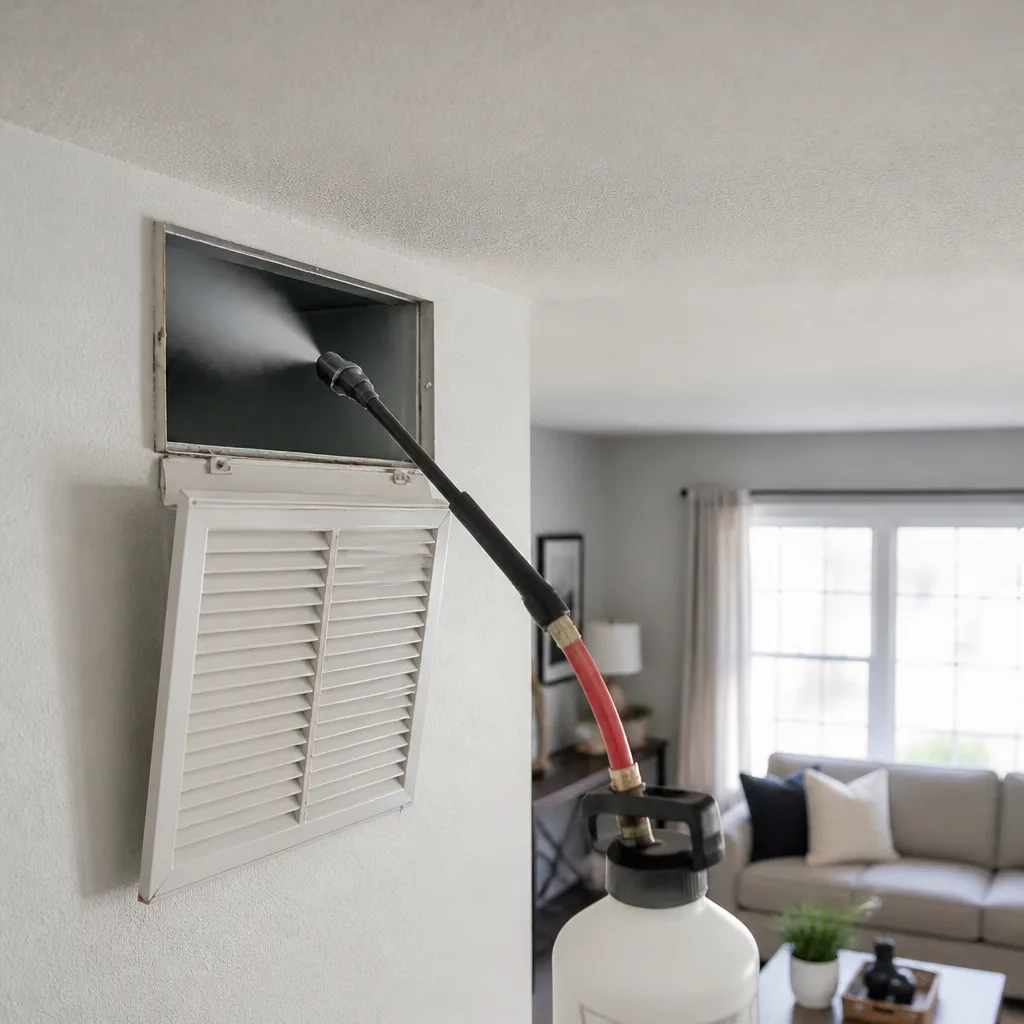
Whole-system duct and dryer vent check with before-and-after photos - you see exactly what came out of your vents
That "$99 whole-house special" is a bait ad - the real number appears once they are in your hallway, or the "clean" is a shop-vac at the register. We photograph the inside of your ducts before and after instead.
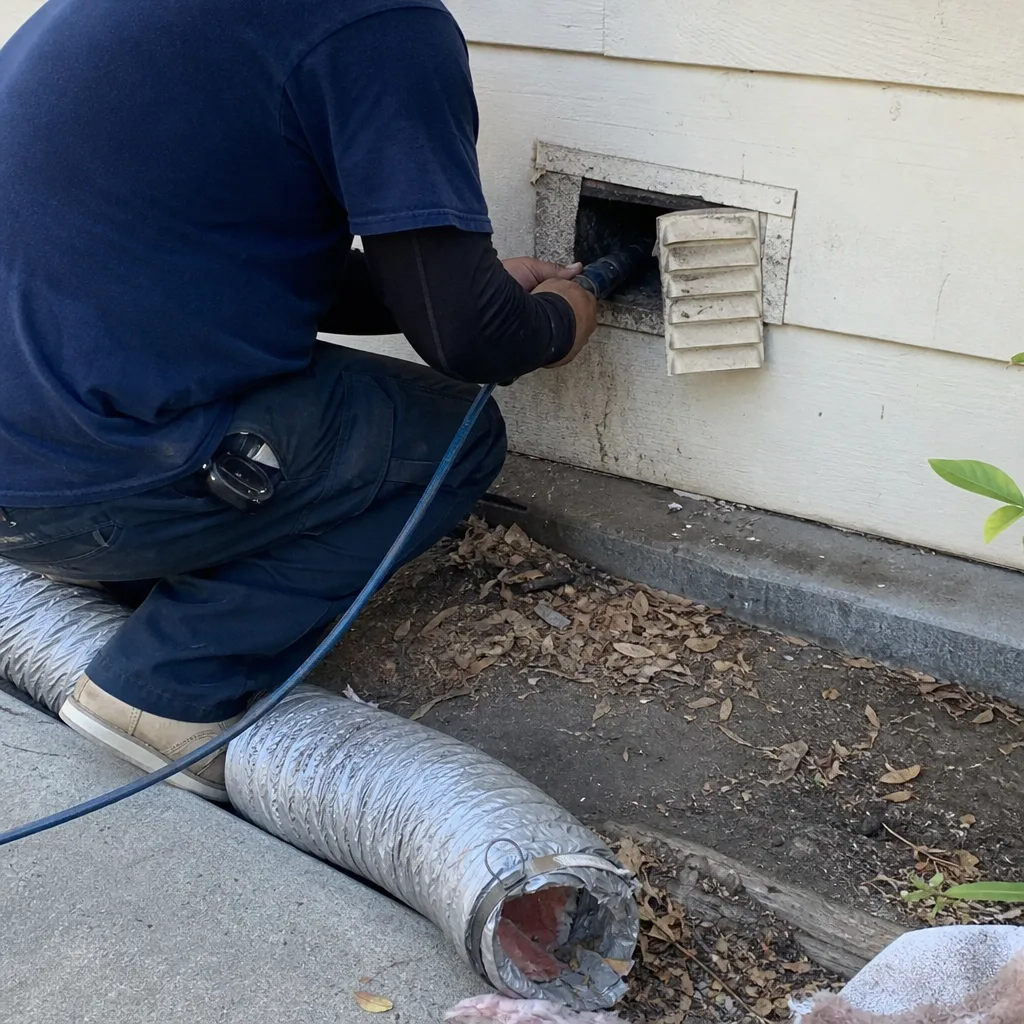 Before
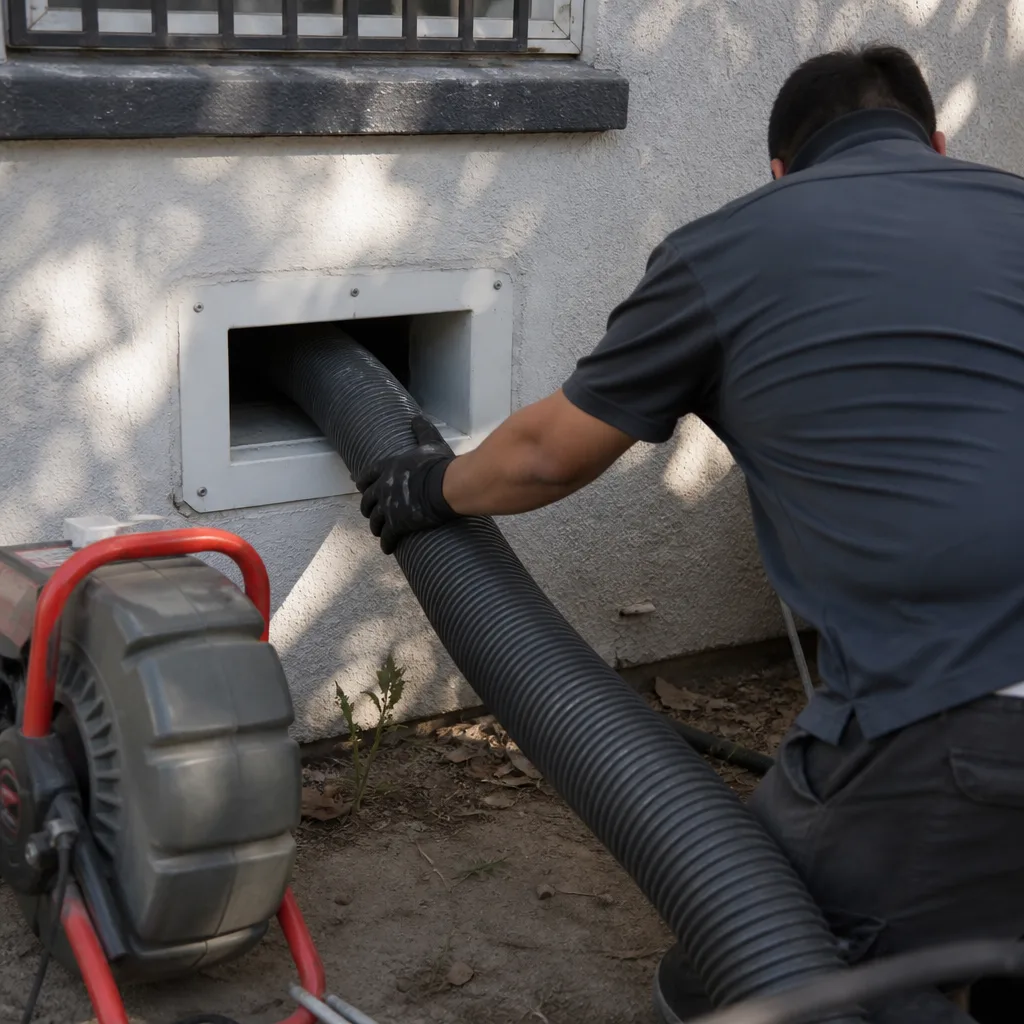 After
After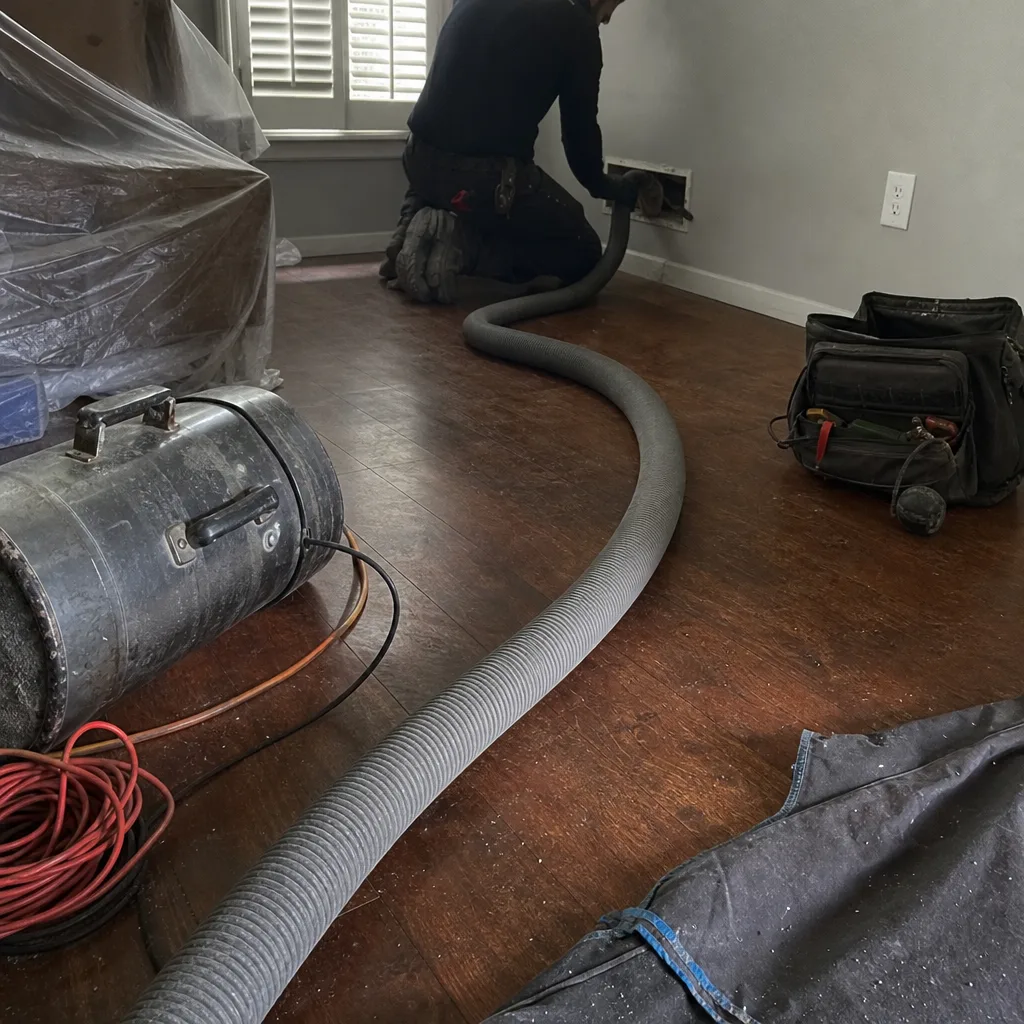 Before
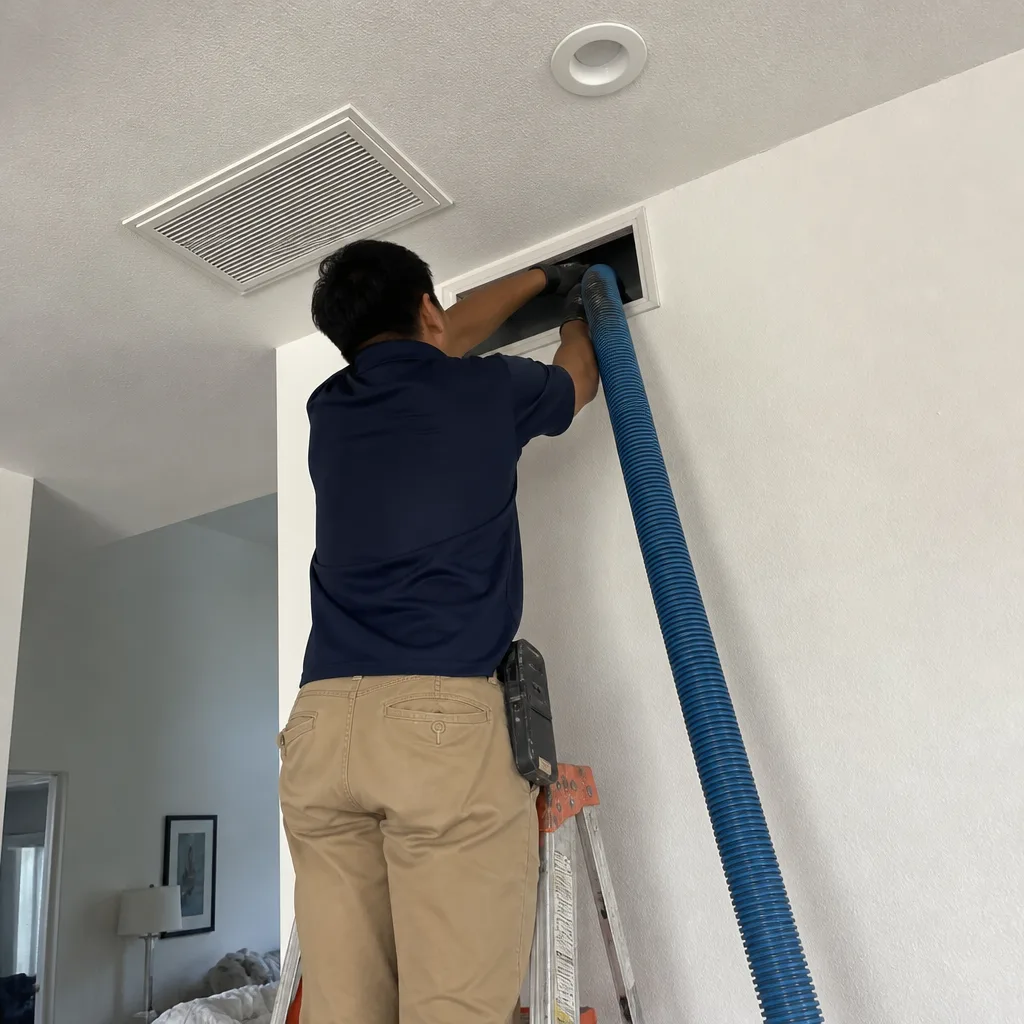 After
After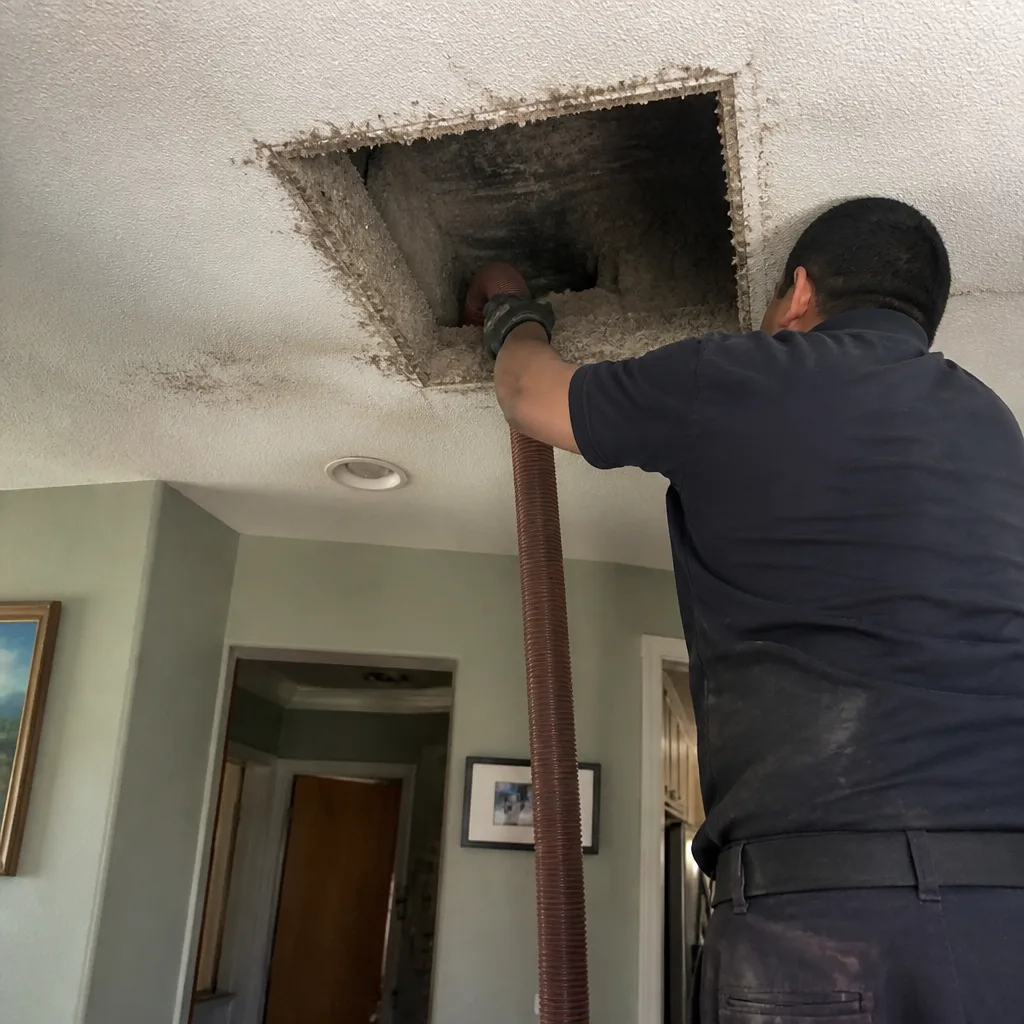 Before
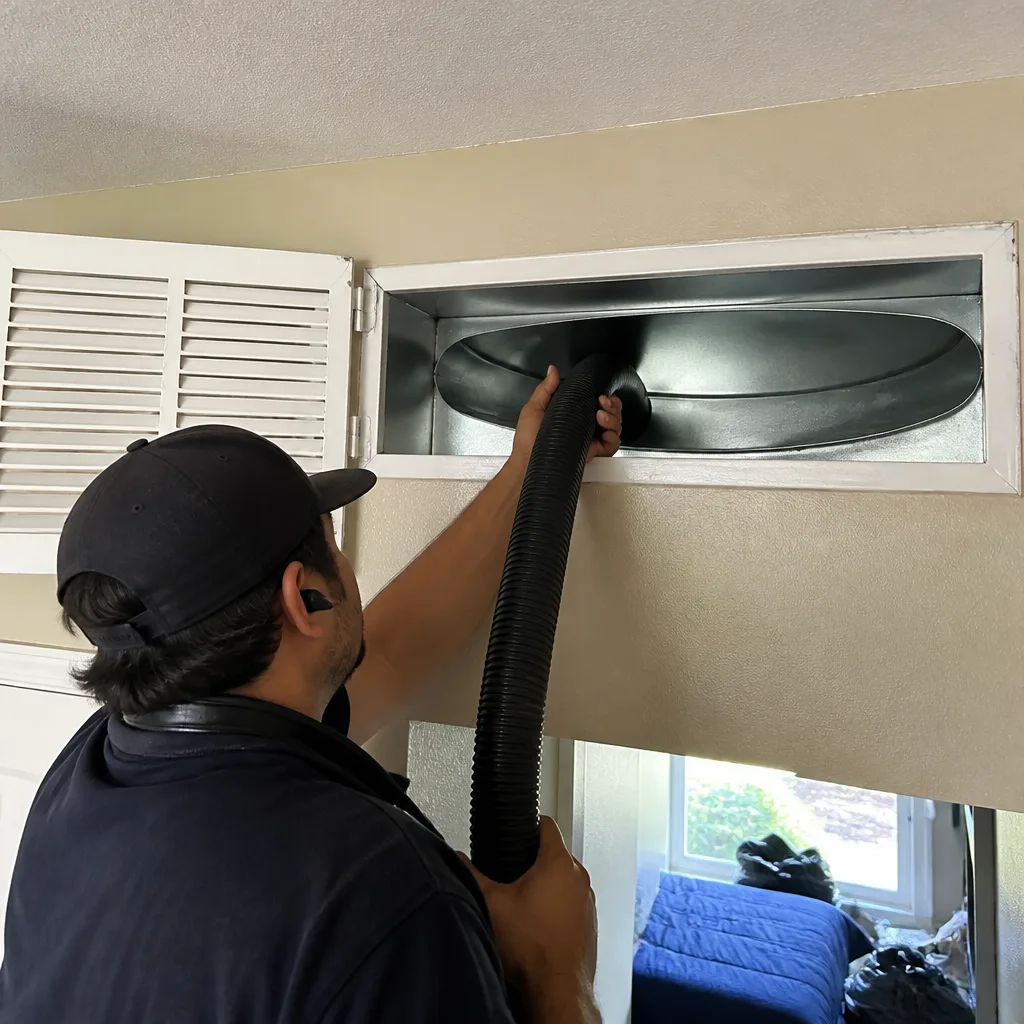 After
AfterDryer Vent Cleaning Maintenance Checklist for Los Angeles Homeowners
FEMA logs roughly 2,900 dryer fires per year across the United States, and the leading cause isn’t a faulty dryer. It’s a clogged vent that passed a visual check but was packed solid six feet back. Los Angeles homeowners face a specific version of this problem: longer rooftop exhaust runs, condo stacks, and bird activity that most generic checklists never address. This guide gives you the exact maintenance rhythm, tools, and warning signs for LA’s particular vent configurations, so you can prevent a fire instead of reacting to one.
Quick Answer
A Los Angeles dryer vent needs three things: a monthly exterior check of the vent cap and airflow, a quarterly interior lint trap inspection beyond the removable screen, and an annual full-run Dryer Vent Cleaning services by a professional especially if your vent exceeds 15 feet or routes through a rooftop exhaust. Shorter straight runs can sometimes go 18 months between professional cleanings, but LA’s typical multi-story layouts push most homes into the annual category.
Table of Contents
- Why Los Angeles Dryer Vents Are Different
- How to Map Your Vent Run Length and Elbow Count
- The Monthly DIY Checklist
- The Quarterly Deep-Check
- The Annual Professional Cleaning
- Reading Drying-Time Creep as a Leading Indicator
- Gas vs. Electric Dryer Risk Profiles in LA
- The Rooftop Bird-Guard Problem
Why Los Angeles Dryer Vents Are Different
In most of the country, a dryer sits on an exterior wall and vents straight through it. The total run is six to ten feet, with maybe one elbow. Cleaning is simple, and a homeowner with a basic brush kit can handle it. Los Angeles is not most of the country.
Here, the dominant housing stock includes Spanish Colonials with interior laundry rooms, mid-century ranches slab-built without basement utility space, and an enormous share of townhomes and condos where the laundry closet sits on a lower or middle floor. Vents from those locations travel up through interior walls, across attic spaces, and out through flat or low-slope rooftops. We’ve measured LA vent runs that stretch 35 to 45 feet with four or five elbows before reaching the termination point. Every foot of run and every 90-degree bend reduces airflow velocity, which means lint settles out of the airstream and accumulates faster than it would in a short straight vent. Add Santa Ana winds pushing debris against rooftop caps, and you get a vent that degrades on a different schedule than anything a national checklist assumes.
This matters because lint accumulation is a function of distance and turbulence, not just time. A 12-foot vent that sees regular laundry might hit a dangerous fill level in 18 months. The same dryer in a Hancock Park duplex with a 30-foot rooftop run could reach that point in 10 months. That’s the core reason Los Angeles homeowners need a different maintenance standard: your vent is working harder than most, and the margin for neglect is thinner. For a deeper look at what professional cleaning involves in this market, see our Dryer Vent Cleaning in Los Angeles page.
How to Map Your Vent Run Length and Elbow Count
Before you can maintain a vent properly, you need to know what you’re maintaining. This takes about 20 minutes and requires nothing more than a tape measure, a rough sense of your floor plan, and access to the areas where the vent travels. What you’re looking for is the total developed length of the vent pipe from the back of the dryer to where it exits the building, plus the number and angle of every turn along that path.
Here’s what to look for in each part of the path:
- At the dryer connection: Pull the dryer away from the wall carefully. Look for the transition duct, the flexible foil or semi-rigid section between the dryer and the wall port. Note whether it’s crushed, kinked, or pushed too far into the wall connection. A crushed transition duct can reduce airflow by half before lint is even a factor.
- Inside wall cavities: You may not be able to see inside walls, but you can estimate. If the laundry room is on a lower floor and the vent termination is on the roof, the vertical rise often runs through an interior wall chase. Each floor is roughly 9 to 10 feet of rise in most LA residential construction.
- In attic spaces: If you have attic access, get up there with a flashlight. Look for rigid metal duct running horizontally across the joists. Count every elbow. Check for sags in long horizontal sections; a sag creates a low point where lint and moisture collect.
- At the termination point: Head outside or find roof access and note the cap type. Look for a flap-style cap with a louver or screen, or a roof jack with a hood. We’ll return to why this matters for the bird-guard discussion later.
Calculating Effective Length
Dryer manufacturers rate their equipment for maximum vent length, usually between 25 and 35 feet depending on the model. But that rating assumes a straight shot. Every 90-degree elbow is equivalent to adding roughly 5 feet of straight pipe because of the turbulence it creates. Every 45-degree elbow adds about 2.5 equivalent feet.
So a vent run with 20 feet of actual pipe plus three 90-degree elbows has an effective length of 35 feet, and that number matters because it tells you whether the system was designed within manufacturer limits at all. In our experience working with Los Angeles townhomes and condos, many original installations were marginal from day one, and once you factor in 15 to 20 years of settled construction and minor modifications, the effective length often exceeds manufacturer specs. That’s not a reason to panic; it’s a reason to commit to a structured maintenance schedule. Understanding the difference between vent cleaning and broader system cleaning matters here, which we explain in our Air Duct Cleaning in Los Angeles guide.
The Monthly DIY Checklist
Monthly maintenance is about catching problems early without investing much time. The whole routine takes under 15 minutes and requires no special tools beyond a flashlight and a vacuum cleaner with a narrow attachment. What you’re checking for is airflow, visual obstruction, and any change from the previous month’s baseline.
Step 1: Check the Exterior Vent Cap
Stand outside where the vent terminates and look at the cap while the dryer is running on high heat for a full cycle. You should see the cap’s flap or louvers pushed open and air moving. If the flap hangs limp while the dryer runs, airflow is already restricted. If the cap is a roof termination, check it from any accessible vantage point or note whether the hood has visible lint buildup around its edges.
Step 2: Feel the Airflow
Place your hand near the exterior vent while the dryer runs. The airflow should feel forceful, not weak or intermittent. A weak stream that surges and fades suggests lint is accumulating somewhere along the run and breaking loose periodically. This is the earliest warning sign most homeowners miss because they never think to check it.
Step 3: Inspect the Lint Trap and Its Housing
Remove the lint screen and clean it thoroughly with a vacuum rather than just wiping it. Then look down into the slot where the screen sits. In many dryers, especially units that see heavy use, lint bypasses the screen and settles in the housing cavity. That lint dries in place and becomes a fire hazard independent of the vent itself. A quarterly deep inspection addresses this fully, but a monthly vacuum of the accessible area is enough to keep it from building up between deeper cleanings.
Step 4: Look for Lint Around the Dryer Door Seal
Lint escaping through the door seal means air is taking a path other than through the vent. This can indicate a clogged vent forcing air backward through the drum seal, and it’s worth a closer look. Run a damp cloth along the seal and see how much residue comes off. Heavy fuzz suggests the vent system is pressurizing, which is the same risk profile as a partially blocked exhaust.
The Quarterly Deep-Check
Every three months, carve out 30 to 45 minutes for a more thorough inspection. This is where you catch the problems that monthly checks can’t reach. If you live in a condo or townhome with a shared or long vent run, you may want to do this every two months instead. LA’s specific construction patterns, especially older multi-family buildings in neighborhoods like Westlake or Koreatown, push the schedule upward.
Step 1: Pull the Dryer Out and Disconnect the Transition Duct
Unplug the dryer or shut off the gas supply if you have a gas dryer, then pull the unit away from the wall. Disconnect the transition duct and inspect its full length. Run a vacuum through it or replace it if it shows signs of crushing, tears, or internal buildup. Semi-rigid aluminum transition ducts cost under $30 at any hardware store and are worth replacing annually in high-use households.
Step 2: Vacuum the Wall Port
With the transition duct disconnected, look into the port where the vent enters the wall. You can typically reach your hand or a vacuum hose a short distance into the opening. Remove what you can. If the visible area is clear but airflow still feels weak from the exterior cap, the blockage is deeper and will require professional attention.
Step 3: Clean the Lint Housing Under the Screen
The lint screen catches most of what passes through the drum, but it never catches everything. Lint that slips past settles in the internal housing beneath the trap. Use a long flexible brush, like a dryer vent cleaning brush or a bottle brush, to reach into the housing and dislodge deposited lint. Follow with the vacuum. Expect to pull out a surprising amount even when the visible screen looks clean.
Step 4: Check the Dryer’s Exhaust Temperature
Run the dryer on high heat for 15 minutes and then place an infrared thermometer at the wall connection point or the transition duct surface. Normal exhaust temperatures run between 120 and 160 degrees Fahrenheit. Temperatures consistently above 180 indicate restricted airflow, meaning the heat isn’t being carried away efficiently. In Los Angeles during summer months, ambient temperatures can already be near 100 degrees, so an exhaust temperature spike is especially significant. A hot-running dryer in a hot climate is a compound risk.
The Annual Professional Cleaning
At least once a year, the entire vent run needs to be cleaned by someone with professional equipment. This is not a suggestion for LA homeowners; it’s the baseline, and for many it’s more frequent. The reason comes down to run length and configuration. A hand brush kit from the hardware store reaches maybe 8 to 12 feet. Our technicians routinely service Los Angeles vent runs that are 25 to 40 feet long with multiple elbows. The brush can’t get through. Even if you could reach the full length, hand brushing without vacuum containment leaves the loosened lint to settle elsewhere in the run.
Professional cleaning uses rotary brush systems, specifically Rotobrush equipment, combined with Nikro HEPA-rated negative-pressure vacuum extraction. The rotary brush spins through the full vent path, breaking lint free from the pipe walls. The vacuum side maintains negative pressure, which means the loosened debris goes directly into the collection canister rather than back into your living space. In buildings with sensitive environments or extended runs, we add containment units from Abatement Technologies to keep the work area clean. The combination matters, and we explain more of the technical detail in our HVAC Cleaning in Los Angeles resource.
What should the annual cleaning include? A complete run of the brush through the entire vent path, vacuum extraction at the same time, cleaning of the transition duct, clearing of the termination cap and bird guard, and a final airflow verification with the dryer running. Before any of this starts, you should receive a written price for the job. No per-vent calculations, no adjustments once the technician is on site. That standard is what we hold ourselves to at Cardinal Air Duct Cleaning home, and it’s what the Relay Visibility Guarantee exists to enforce.
If your vent run exceeds 25 effective feet, if you’ve noticed drying times increasing even after a quarterly check, or if you live in a multi-unit building where your vent shares infrastructure with other units, schedule professional cleaning every six to eight months rather than annually. The marginal cost is small compared to the alternative.
Reading Drying-Time Creep as a Leading Indicator
Most homeowners discover a vent problem when the dryer stops drying entirely. The smart ones catch it months earlier by watching a variable they never formally track: drying time per load. Every dryer has a performance curve that degrades slowly as the vent fills. The problem is that degradation happens so gradually it’s invisible until you establish a baseline and track against it.
- Establish your baseline: After your next professional cleaning, time how long a standard load takes to dry on a standard setting. Note the cycle type, load size, and ambient conditions. In Los Angeles, the seasonal difference matters less than in colder climates, but summer humidity from coastal neighborhoods like Venice or Playa del Rey can add a few minutes regardless of vent condition.
- Track monthly: Use a simple note on your phone. If the same type of load takes 10% longer than baseline one month, that’s a signal, not a problem. A single data point can be explained by thicker towels or a load packed differently.
- Look for a trend: When the same load type has taken 15 to 20% longer than baseline for three consecutive weeks, the vent is telling you something. In our experience in Los Angeles homes, this tends to happen somewhere between six and twelve months after a cleaning, depending on run length and household laundry volume.
- Check the back-pressure symptom: Run the dryer for 20 minutes, then touch the outside of the dryer body near the top and back panel. If it feels unusually warm to the touch while the exhaust airflow feels weak, the machine is building internal heat because the vent can’t carry it away. That’s the performance curve approaching the failure point.
What will you notice when you start tracking? The creep is not linear. Vents stay near baseline for a while, then degrade quickly once lint reaches a certain accumulation threshold. Catching the problem in the early degradation window is the difference between a routine cleaning and an emergency. If you’re already noticing a significant drying slowdown, see our Dryer Vent Cleaning in Los Angeles page for specifics on what professional service includes.
Gas vs. Electric Dryer Risk Profiles in LA
Both gas and electric dryers are common in Los Angeles, but their risk profiles differ in ways that matter for maintenance scheduling. Understanding which type you have, and how it fails, adjusts what you should be watching for.
Gas dryers burn natural gas and produce combustion byproducts including carbon monoxide. The vent carries both moisture and exhaust gases to the exterior. When a gas dryer vent becomes restricted, the risk is not just lint fire; it’s carbon monoxide backup into the living space. This is especially significant in older multi-family buildings where combustion air is limited and units may share ventilation characteristics. The mechanical rooms in some Koreatown, Westlake, and Hollywood buildings date to construction practices that assumed higher natural air exchange than modern sealed buildings provide. For gas dryers in these environments, an annual vent inspection is a non-negotiable minimum, and semi-annual is a defensible standard.
Electric dryers produce no combustion gases, but their heating elements run hotter. Electric dryers historically operate with slightly higher exhaust temperatures than gas models, which means the lint in the vent dries faster and becomes more combustible more quickly. It also means that when a vent blocks, an electric dryer has less buffer before the thermal cutoff or high-limit switch trips. A tripping high-limit switch is your dryer signaling that it cannot shed heat. If it happens once, note it. If it happens repeatedly, stop using the dryer until the vent is checked.
In either case, do not attempt to disassemble or clean gas dryer burner assemblies yourself. The gas connections and combustion components require a qualified professional. What you can check safely is the vent path from the dryer connection outward and the exterior cap airflow. Leave anything involving the gas supply, burner chamber, or exhaust manifold to someone trained for it.
The Rooftop Bird-Guard Problem
Here’s an LA-specific issue that almost no national checklist addresses: birds. The city’s flat and low-slope rooftops create ideal nesting conditions for sparrows, starlings, and occasionally pigeons. A vent cap with a hooded opening or damaged bird guard looks like a protected cavity to a nesting bird, especially during the February-through-May breeding season. Once a nest starts, it blocks airflow before any lint has accumulated. From the exterior, the cap may look mostly open while the nest sits deeper inside, packing the transition where the cap meets the duct.
The symptom is oddly specific: airflow is weak from day one of a cleaning, not degrading over months. Or drying time is normal for several months and then suddenly doubles over the course of a single week. That shock change, rather than a gradual creep, usually points to an obstruction like a nest rather than progressive lint buildup. In our work across Los Angeles neighborhoods from Silver Lake to Sherman Oaks, we regularly remove nests that have completely filled vent caps and the last few feet of the duct run.
If your vent exits through a roof, add a quarterly roof-cap check to your schedule if you can safely access the roofline. Many LA homeowners cannot, and that’s a valid reason to have a professional inspection on a regular cadence regardless of what the inside checks reveal. The professional can also install or replace a proper bird guard. Look for a guard with openings small enough to exclude sparrows but structured so they don’t themselves clog with lint.
Common Mistakes to Avoid
- Assuming a visible lint screen is a clean vent. The lint screen catches maybe 75 to 80% of what passes through the drum. The rest settles in the housing and down the vent run. A clean screen tells you nothing about what’s happened six feet back, which is exactly how FEMA’s leading cause of dryer fires hides in plain sight.
- Installing a flexible foil or plastic vent pipe for a long or hidden run. Flexible ductwork is for short transitions only. A full-length flex run in a Los Angeles interior wall or attic creates multiple turbulence points and low spots for lint to collect. Rigid smooth-wall metal duct is the correct material for any run longer than a few feet.
- Covering the exterior vent opening with hardware-store screen mesh. Standard window screen wire creates restriction immediately and clogs with lint quickly. If you need to exclude birds, use a purpose-built dryer vent guard with larger openings designed for the application. Fine mesh is a fire hazard waiting to happen.
- Ignoring the dryer’s repeated thermal trips. A dryer that shuts off mid-cycle because the high-limit switch tripped is not a nuisance; it’s a warning. Repeated trips mean the machine cannot shed heat, usually because the vent is restricted. Every trip is a signal the system is approaching a dangerous state.
- Cleaning a vent run with a leaf blower. Leaf blowers pressurize the vent positively and blow lint into the wall cavity or attic through any small gap or disconnected joint. It feels like a hack, and in a single-story home with a short straight run it can push out some debris, but in a multi-story LA vent configuration it’s mostly pushing lint deeper into the problems.
- Skipping the transition duct because it’s hard to reach. The transition duct between dryer and wall is the most restricted section of the entire system. Crushed, kinked, or internally coated transition duct undermines everything else. Pull the dryer out and check it. Every time.
When to Call a Professional
Call a professional if your vent run exceeds 15 effective feet, routes through a roof, passes through inaccessible interior wall or attic spaces, or shows persistent weak airflow even after a thorough interior cleaning. Also schedule professional service if you’ve noticed drying times running 20% over baseline for multiple weeks or if your dryer trips its thermal cutoff more than once. For gas dryers in older multi-family buildings, an annual professional inspection is the baseline safety standard. Cardinal Air Duct Cleaning offers free estimates in Los Angeles, call (737) 727-2314 and a live person answers. The estimate includes a written price before any work begins, so you’ll know the full cost before the first duct is touched.
Frequently Asked Questions
In Los Angeles, most dryer vents need professional cleaning every 12 months, with homes in multi-story buildings or with rooftop exhaust runs often needing it every 6 to 8 months. The determining factors are your vent run length, the number of elbows in the path, and whether your termination point is on the roof where bird nesting accelerates blockage. Annual is the floor, not the ceiling, for LA’s typical configurations. Call (737) 727-2314 and we can assess your specific vent path and recommend a realistic interval for your home.
Professional dryer vent cleaning in Los Angeles typically runs $150 to $350 depending on run length, accessibility, and whether rooftop access or complex multi-story routing is involved. The price should be quoted as a flat system price before work begins, not calculated per vent or per foot once the technician is on site. Cardinal Air Duct Cleaning provides a written price before any work starts, and that price doesn’t change at the door. Reach us at (737) 727-2314 for a specific quote on your home.
Some cheaper quotes use a hand brush and shop vac approach that only reaches the first few feet of the vent, leaving the deeper run untouched. Without rotary brush equipment and negative-pressure extraction, like the Rotobrush and Nikro systems we run, the job simply isn’t the same scope. If a quote seems too low, ask what equipment is used and how the technician verifies the full run was cleared end to end.
Ask for before-and-after photos of the vent interior at the beginning and end of the run. Professional equipment with camera inspection capabilities makes this standard practice. The Relay Standard that Cardinal Air Duct Cleaning follows requires before-and-after photo documentation on every job, plus a written price before work begins. If a company can’t show you the interior of your vent after cleaning, you’re trusting their word instead of your own eyes.
For a short, straight vent under 10 feet with easy access to both ends, a DIY brush kit can handle basic maintenance. For anything longer, with more than one elbow, or routed through interior walls or a rooftop, DIY methods cannot reach the full run and risk leaving lint packed deeper than where you started. Los Angeles multi-story homes and condos fall into the professional equipment category far more often than single-story layouts do.
The consistent signs are clothes taking significantly longer to dry, a dryer exterior that feels hot to the touch while running, weak airflow at the exterior cap, a burning smell during operation, and repeated thermal cutoff trips. In Los Angeles specifically, a sudden airflow drop during spring nesting season often points to a bird nest in the rooftop cap rather than lint alone. If you’re seeing multiple signs, stop using the dryer and call (737) 727-2314 for an assessment.
The Bottom Line
A dryer vent in Los Angeles usually works harder than its counterparts elsewhere: longer runs, more elbows, rooftop terminations, and bird pressure during nesting season. The maintenance rhythm that works here is monthly exterior checks, quarterly interior inspections, and an annual professional cleaning that uses real rotary brush and negative-pressure equipment. Track your drying times, watch for sudden airflow changes, and treat repeat thermal trips as a serious signal. For more guides & resources on keeping your system safe, visit our blog. If you’re unsure of your vent run length or condition, the fastest way to an answer is a phone call to (737) 727-2314. A live person answers, and you’ll get honest guidance about what your specific setup needs.
Written by Omar Haddad, Owner at Cardinal Air Duct Cleaning, serving Los Angeles since 2005.