
Last updated October 9, 2026
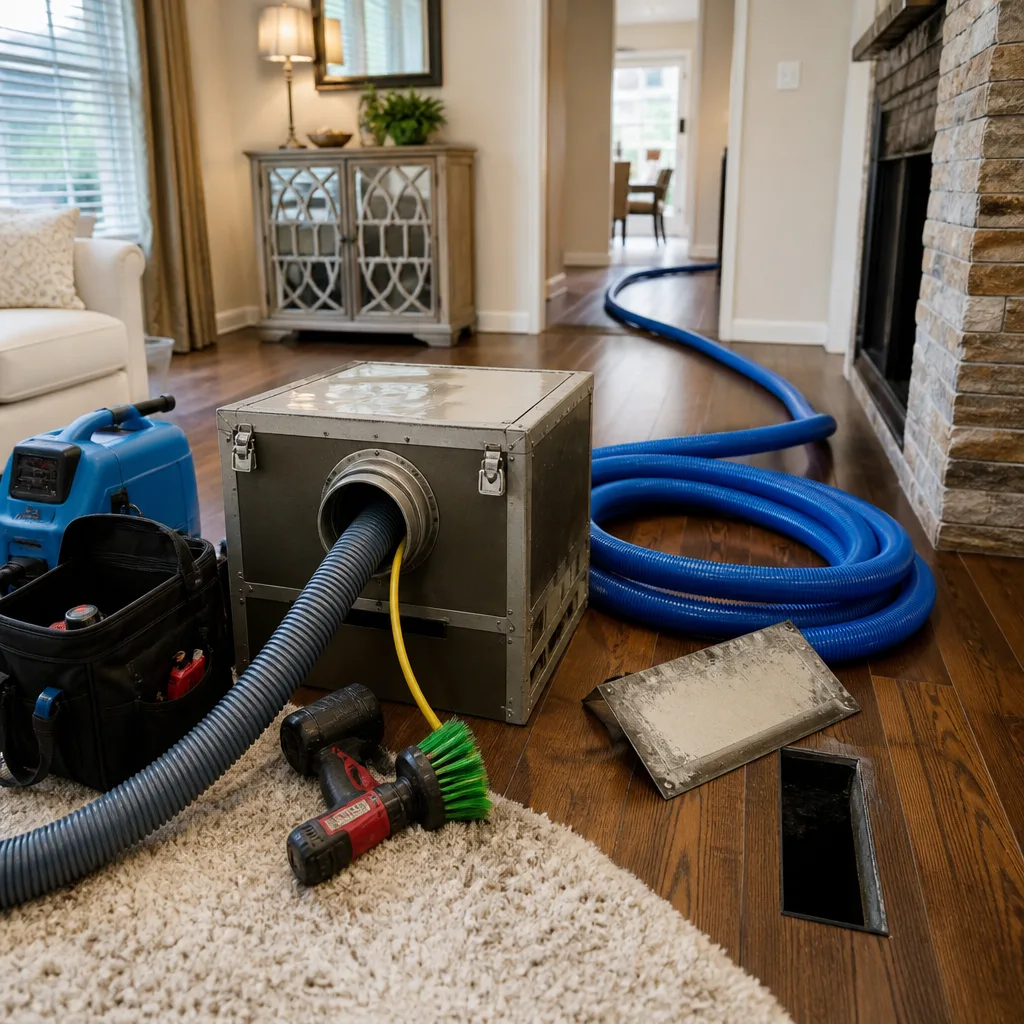
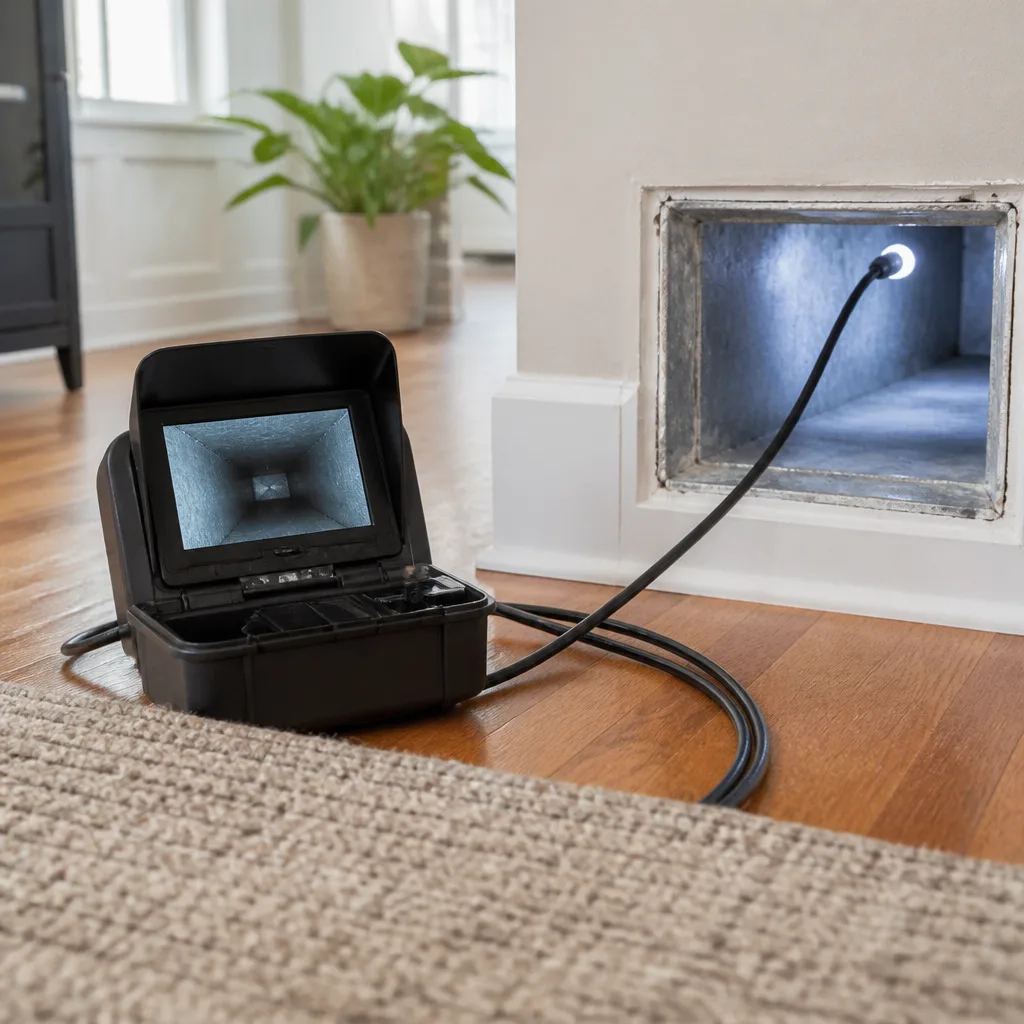
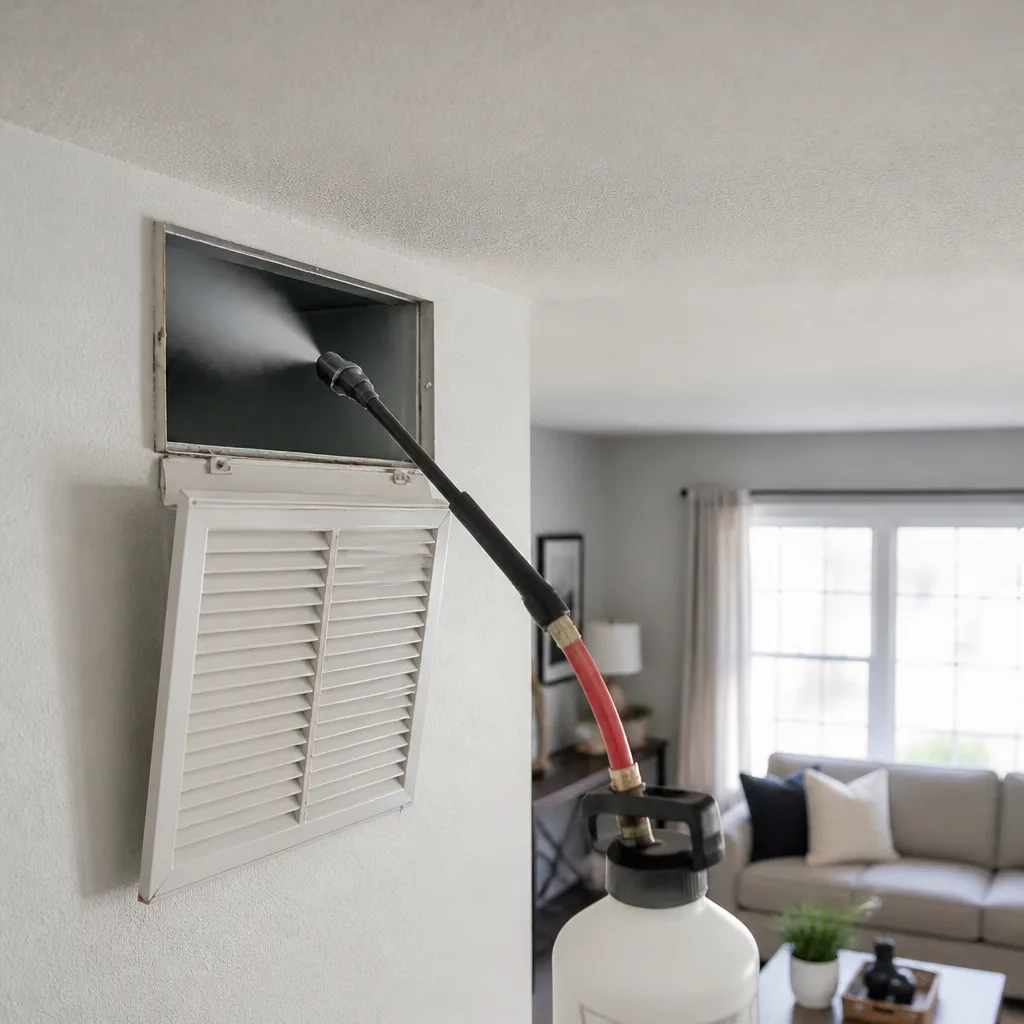
Whole-system duct and dryer vent check with before-and-after photos - you see exactly what came out of your vents
That "$99 whole-house special" is a bait ad - the real number appears once they are in your hallway, or the "clean" is a shop-vac at the register. We photograph the inside of your ducts before and after instead.
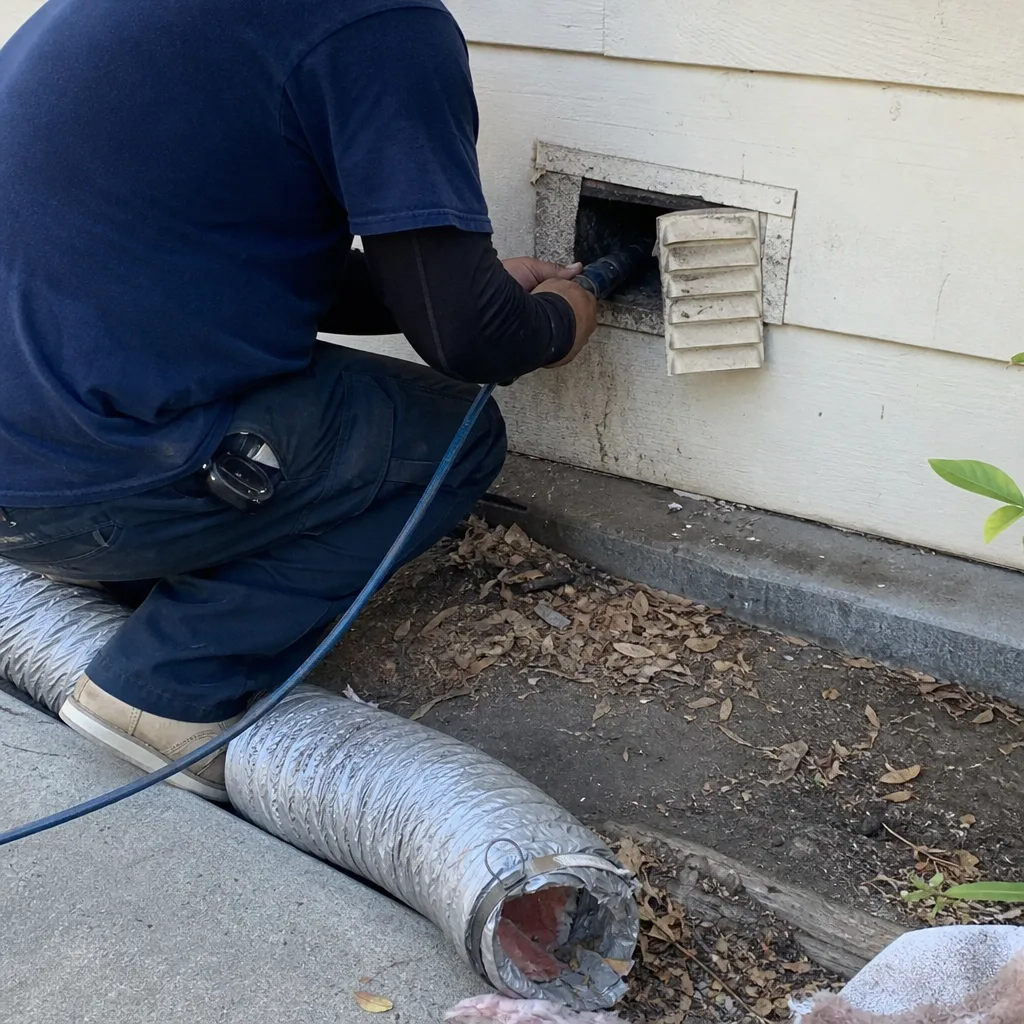 Before
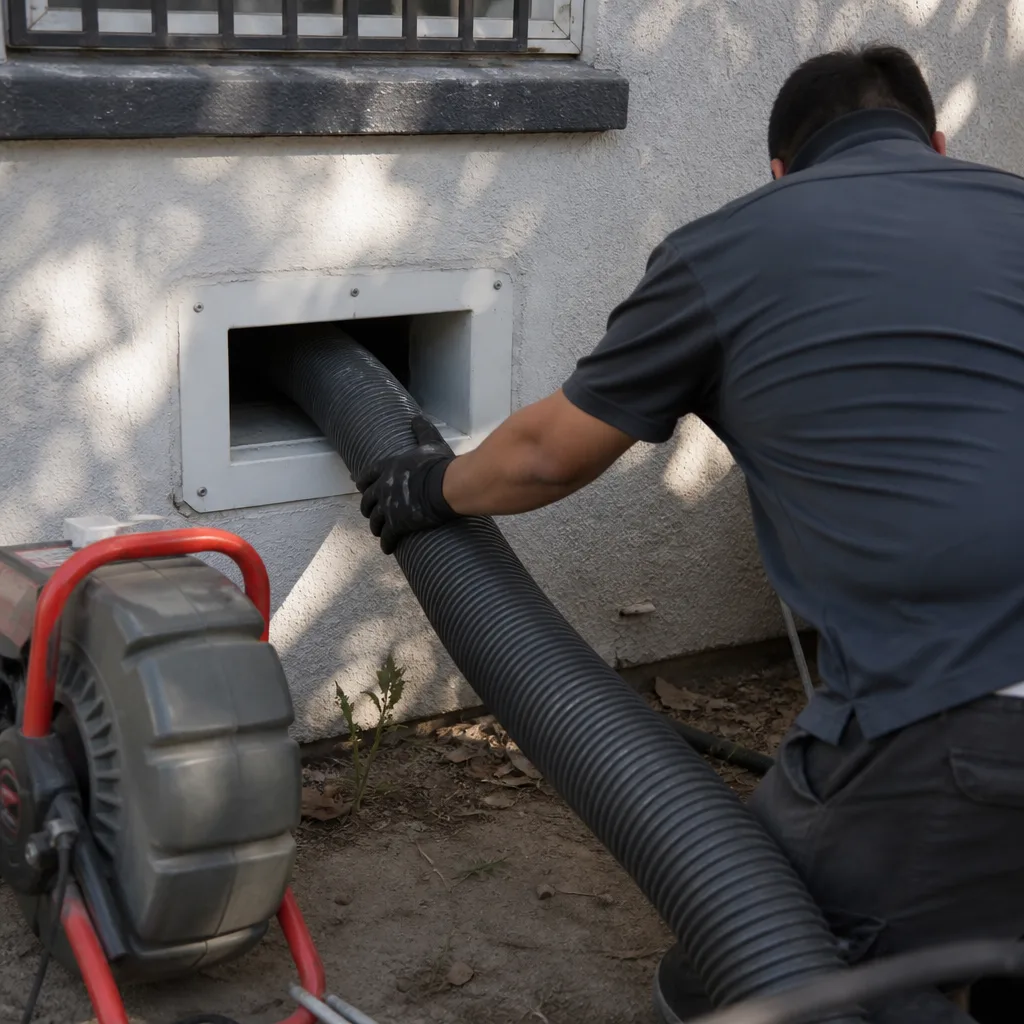 After
After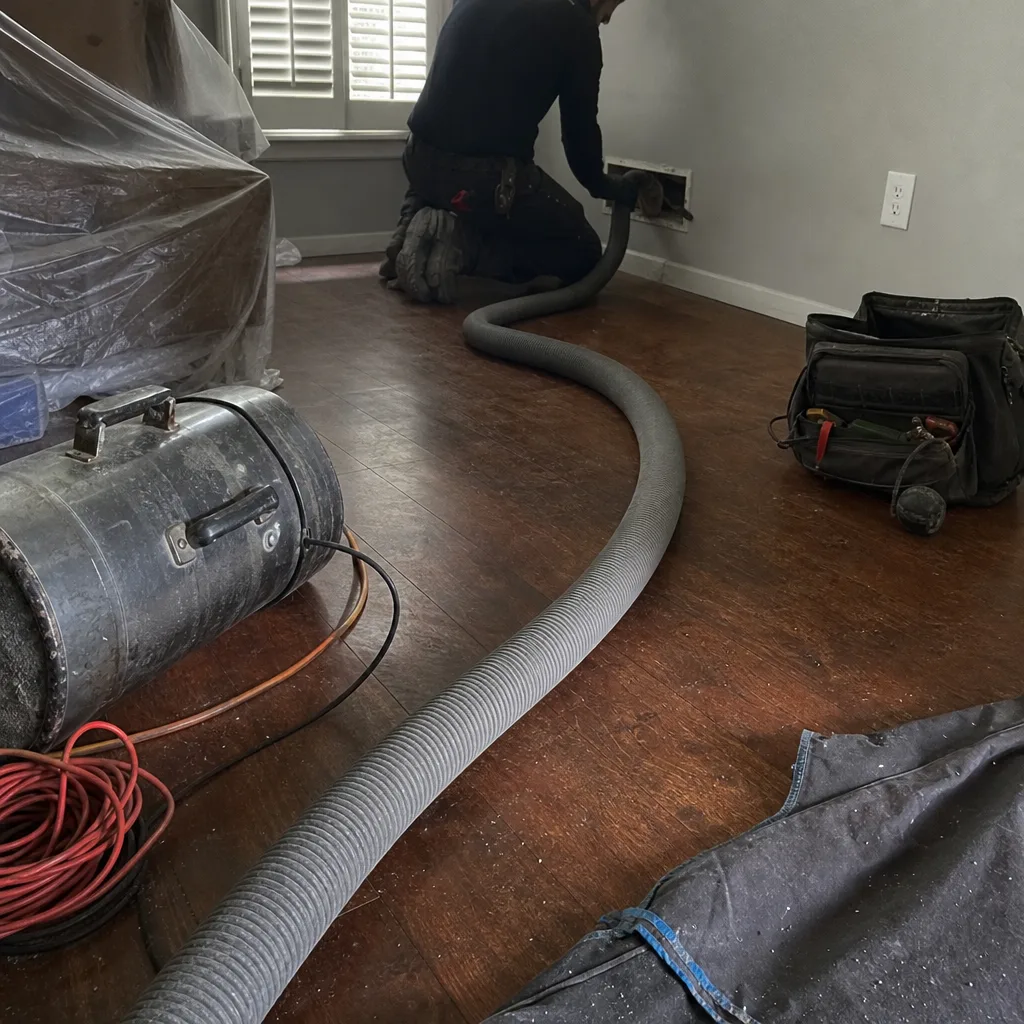 Before
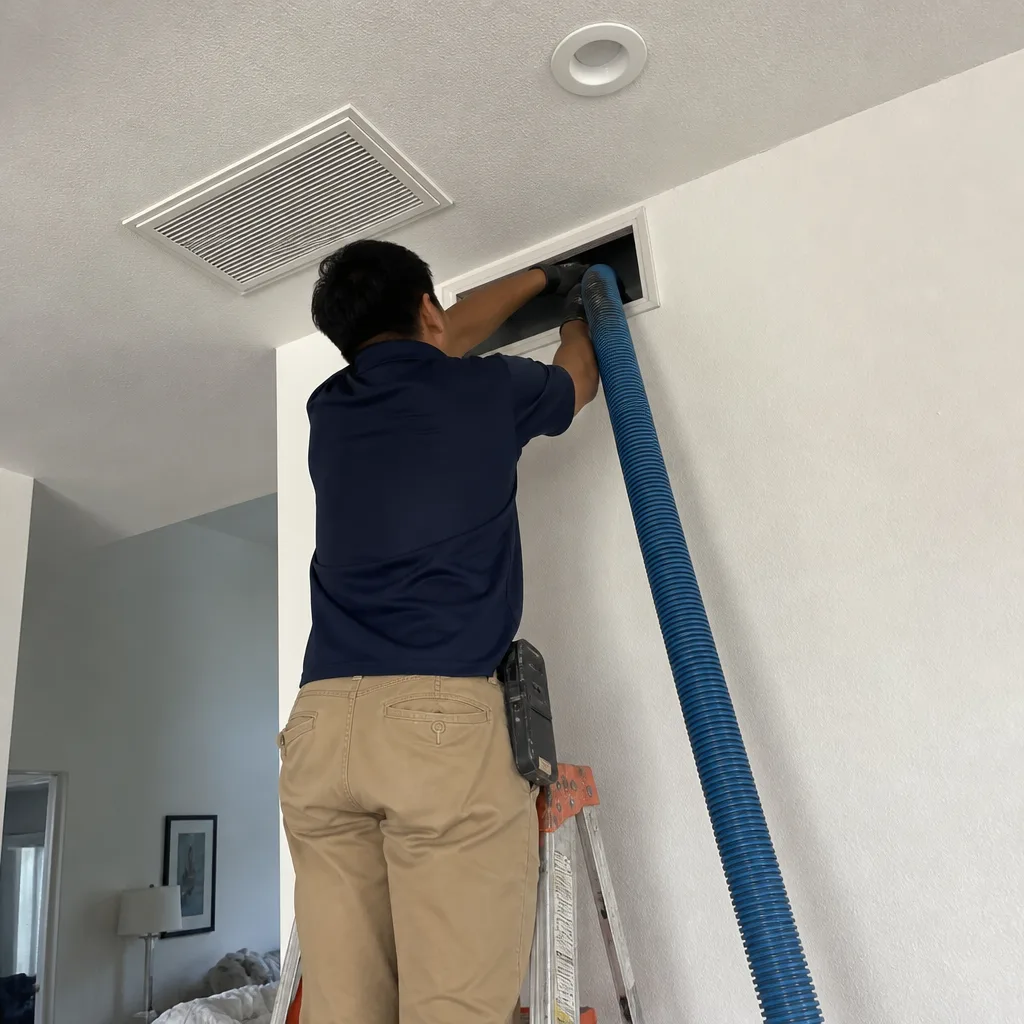 After
After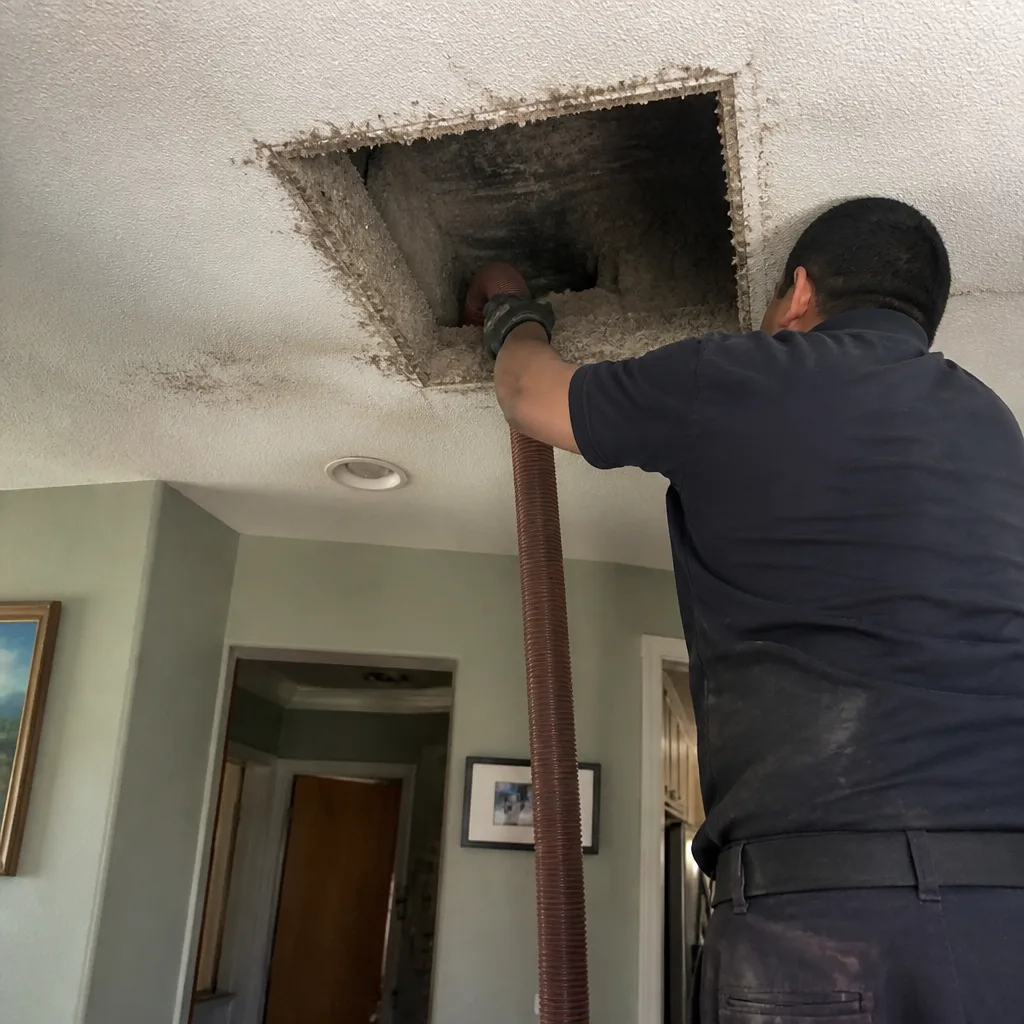 Before
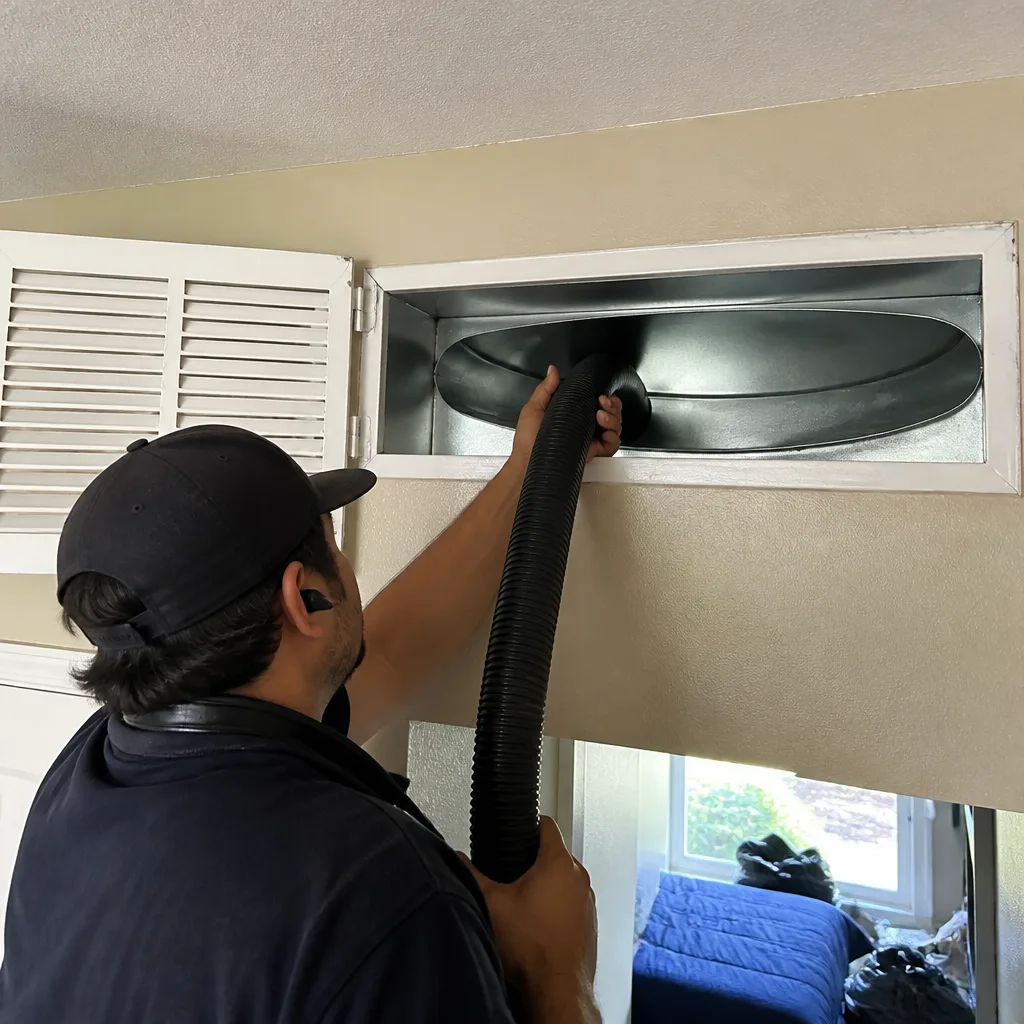 After
AfterAir Duct Cleaning Maintenance Schedule: What to Do and When
“Clean as needed” is technically the correct air duct cleaning guidance, but it’s the equivalent of telling someone to change their oil when it’s dirty. Technically true, practically useless without a framework for knowing what “dirty” looks like. In Los Angeles, where wildfire smoke drifts through the basin and homes run HVAC systems year-round, that vagueness gets expensive fast. This guide builds the framework: measurable triggers, condition checks you can do yourself, and a schedule that fits a real LA household rather than a generic national average. For more, see our more guides & resources.
Quick Answer
Air ducts typically need professional Air Duct Cleaning services every 3 to 5 years in a standard Los Angeles home, but that range shifts significantly based on pets, wildfire exposure, renovations, and household allergies. The real answer is event- and condition-based: inspect your ducts whenever you change a visibly gray filter faster than normal, see debris at register grilles, or notice allergy symptoms tied to HVAC runtime. A professional cleaning runs roughly $450 to $900 for a typical single-family home in Los Angeles, depending on the number of systems and duct length.
Table of Contents
- Why Time Intervals Fail as a Duct Cleaning Metric
- Event-Based Triggers: When to Clean Regardless of Schedule
- Condition Indicators: What to Track Between Cleanings
- How Pet Ownership Changes the Equation
- What to Do Between Professional Cleanings
- How to Document Duct Condition for Resale Value
- What Air Duct Cleaning Costs in Los Angeles
- Common Mistakes to Avoid
- When to Call a Professional
- Frequently Asked Questions
- The Bottom Line
Why Time Intervals Fail as a Duct Cleaning Metric
The National Air Duct Cleaners Association (NADCA) recommends cleaning air ducts every 3 to 5 years, but that’s a national average covering everything from a two-bedroom condo in Chicago to a ranch house in Phoenix. Los Angeles doesn’t fit neatly into either of those profiles. Our climate means HVAC systems cycle on and off more frequently than in most of the country, pulling in whatever is floating in the outdoor air. During Santa Ana wind events, that includes fine desert dust. During wildfire season, smoke particulates. During the rest of the year, pollen from the city’s extensive urban canopy and particulate matter from freeway traffic.
A time-based schedule ignores the most important variable: your home’s actual conditions. Two identical houses on the same street in Sherman Oaks can have wildly different duct contamination levels. One has two dogs and a cat, leaving the windows open, with a family of five tracking in dust from hiking trails every weekend. The other is a single occupant, no pets, runs a HEPA air purifier in every room. The second house might not need cleaning for six or seven years. The first might need it in two.
That’s why we tell Los Angeles homeowners to think in terms of triggers rather than calendar years. Time is a fallback when nothing else signals a problem. The better approach is building a set of observable conditions and events that tell you when cleaning has become necessary in your specific home.
Event-Based Triggers: When to Clean Regardless of Schedule
Certain events change your duct condition overnight. When any of these happen in a Los Angeles home, we recommend an inspection or cleaning regardless of when the ducts were last serviced.
1. You Bought a Home
When you purchase a home in Los Angeles, you inherit the previous owner’s duct history, which in most cases means you’re inheriting years of unknown accumulation. Home inspections typically don’t include a camera scope of the ductwork, so buyers close escrow without ever seeing what’s inside. If the previous owners had pets, smoked indoors, or renovated without sealing off the HVAC system, your ducts could be carrying residue you can’t see from the outside. We regularly find construction dust, pet hair, and even children’s toys inside ducts of newly purchased homes in neighborhoods like Eagle Rock and West Adams. A cleaning before you move in means you’re starting with a known baseline, and you’ll have clean air from day one without dusting off someone else’s history.
2. You Renovated or Remodeled
Drywall dust, sawdust, paint overspray, and demolition debris are all fine enough to get pulled into return ducts during a renovation. Even with plastic sheeting and dust barriers, the negative pressure created by running HVAC during construction draws particles into the system. In Los Angeles, where single-wall construction and older homes in areas like Highland Park and Mid-City are common, renovations routinely coat duct interiors with a layer of fine gypsum dust. That dust then gets redistributed through every register for weeks after the project wraps. If you’ve done any work that involved cutting drywall, sanding, or removing flooring, schedule a duct cleaning after the final cleanup, not before. For details on regulations, read our guide to Air Duct Cleaning Permits, Codes & Inspections in CA: What You Need to Know.
3. You Had a Rodent Problem
Rodents in the attic or crawlspace frequently find their way into ductwork. Rats and mice chew through flexible duct material, nest in insulation-lined trunk lines, and leave behind droppings, urine, and dander that your HVAC system then spreads through the home. In Los Angeles, where older homes with raised foundations in neighborhoods like Silver Lake and Atwater Village are common, rodent intrusion into duct systems is a regular occurrence. After any rodent remediation, have the ducts inspected with a camera. If evidence of nesting or droppings is present, a full cleaning with sanitization is the minimum responsible step.
4. A Wildfire Smoke Event
Los Angeles experiences wildfire smoke events with increasing frequency. The 2025 fire season forced evacuations across multiple neighborhoods, and homes that survived still dealt with weeks of smoke exposure. What most homeowners don’t realize is that HVAC systems continue to run during these events and pull smoke particulates into the duct system. When the outdoor air clears, the ducts remain coated with a fine layer of ash and smoke residue that continues to off-gas and circulate for months. If your home was in a smoke-affected zone, or if you could smell smoke indoors at any point during a fire event, schedule an inspection. The filter you changed during the event caught some of it, but the duct surfaces and the blower compartment hold onto the rest.
5. You Replaced Your HVAC System
When a new furnace or air handler goes in, the installer connects it to existing ductwork. If those ducts are carrying years of accumulated dust and debris, the new system immediately starts pulling that through the heat exchanger and evaporator coil. That means higher static pressure, reduced efficiency, and a shorter lifespan for the new equipment. Most HVAC contractors in Los Angeles won’t insist on duct cleaning during a system replacement, but the smart move is to have the ducts cleaned before or immediately after the new equipment is installed. See our Air Duct Cleaning Troubleshooting: Common Problems and How to Fix Them for related issues. It protects the investment and gives the new system a clean start. If you’re working with an HVAC contractor, ask them about duct condition during the install, or call us at (737) 727-2314 for a pre-install inspection.
Condition Indicators: What to Track Between Cleanings
Between professional cleanings, there are observable signs that indicate whether your ducts are accumulating debris faster than normal. We recommend checking these monthly, especially during peak HVAC season in Los Angeles when systems run longest.
Filter Loading Rate
Your air filter is the first line of defense for your duct system. In a typical Los Angeles home with a standard 1-inch filter, you should expect to change it every 1 to 3 months depending on the season and the MERV rating. Here’s what to watch: if a fresh filter is visibly gray or clogged within 30 days, your system is pulling in more airborne debris than normal. That debris is also hitting your ducts. A filter that loads up in two weeks tells you the system is working hard filtering air, and what the filter catches is only a fraction of what passes through. The rest lands on duct surfaces. If you’re seeing rapid filter loading, you’re also seeing rapid duct contamination. This is the single most useful indicator we know, and it costs nothing to observe. Simply mark the install date on the filter frame with a permanent marker and check it when you pay your monthly bills.
Visible Debris at Register Grilles
Look at the supply registers where conditioned air enters your rooms. Use a flashlight. If you can see dust accumulation on the inside edges of the grille, or if you notice gray streaks on the wall or ceiling around the register, that’s duct debris being pushed out with the airflow. In Los Angeles homes with ceiling registers, look for dust halos forming around the grilles. That’s a reliable sign the ducts themselves are carrying a significant dust load. It’s also worth pulling a register or two and looking inside with your phone’s camera flash. You don’t need professional equipment to spot obvious accumulation on the first few feet of visible ducting.
Allergy Symptom Patterns
If anyone in your household experiences allergy symptoms that improve when the HVAC system is off or when you’re away from home, that’s a meaningful signal. Dust mite debris, pet dander, and pollen fragments accumulate in ducts over time, and every cooling or heating cycle redistributes them into living spaces. In Los Angeles, where many homes run the AC almost continuously from June through October, allergy symptoms that spike during cooling season often trace back to duct contamination. This is especially true in bedrooms, where occupants spend eight hours a night breathing whatever the system circulates.
How Pet Ownership Changes the Equation
Pets are the single biggest accelerant of duct contamination in Los Angeles homes. A single dog or cat sheds continuously, and that dander gets pulled into the return ducts with every HVAC cycle. Pet hair is heavy compared to other airborne particles, so it tends to accumulate on duct surfaces and on the evaporator coil rather than being carried all the way to the filter. By the time you see pet hair accumulating around your registers, the duct interiors are likely well-coated.
For homes with pets, we recommend two specific changes to the maintenance routine:
- Upgrade to a MERV-11 filter minimum. Standard MERV-8 filters catch about 20% of particles in the 1-3 micron range, which is where most pet dander falls. A MERV-11 filter from a manufacturer like Honeywell or Aprilaire captures substantially more, meaning less dander reaches your ducts in the first place. The trade-off is slightly higher static pressure, so if your system is older, have an HVAC tech confirm your blower can handle the upgrade. In our experience, most modern systems in Los Angeles homes can accommodate MERV-11 without issue, but older units in neighborhoods like Koreatown or West LA with original 1980s blowers may need a MERV-8 to maintain airflow.
- Shorten your inspection interval. For pet-owning households, check the filter loading rate and register condition monthly instead of quarterly. Pets shed seasonally, and in Los Angeles with our mild winters, there isn’t a true dormant period. Cats and dogs shed year-round, which means duct accumulation is constant rather than seasonal.
If you have multiple pets, especially long-haired breeds like huskies or Maine Coons, or if your pets sleep in the bedroom, expect to be on the shorter end of the cleaning interval range regardless of other factors. We’ve cleaned ducts in Los Angeles homes with a single short-haired Chihuahua that needed service every 2 years, and homes with three long-haired cats that genuinely needed cleaning every 18 months.
What to Do Between Professional Cleanings
There are DIY maintenance tasks that genuinely extend the interval between professional cleanings. These are all things a homeowner can do safely without specialized equipment, and they meaningfully reduce the amount of debris entering the duct system.
1. Register and Grille Cleaning
Every three months, remove each supply register and return grille and wash them with warm soapy water. These are the visible endpoints of your duct system, and they collect a surprising amount of dust and grime that restricts airflow and serves as a collection point for more debris. Most registers in Los Angeles homes are held in place with two screws or simply friction-fit. Pull them, vacuum the visible duct opening with a standard household vacuum hose (no need to reach deep, just the first few inches), wash the grille, dry it, and replace it. This takes 30 minutes in a typical home and keeps the visible duct surfaces clean between pro jobs.
2. Firm Filter Schedule
Change your air filter on a firm schedule tied to a recurring reminder, not to visual inspection. Set a phone reminder. In Los Angeles with typical use, replace a standard 1-inch filter every 60 days during peak cooling season (June through October) and every 90 days the rest of the year. If you have pets, move that to every 30 days during peak season and every 60 days the rest of the year. The filter is cheaper than a cleaning, and every filter change is debris that never makes it into your ducts.
3. Annual Visual Inspection
Once a year, pick a day when you’re already doing seasonal maintenance, like when you test your smoke detectors or service your AC for summer. Walk through the house and visually inspect each register. Look for dust accumulation, discoloration, or any evidence of moisture. Check the return grilles, which are typically larger and located in hallways. Listen to the system when it runs: a whistling sound indicates restricted airflow, which often means a clogged filter or obstructed duct. If you have a smart thermostat, log the runtime hours for the season. Systems that run more than 2,000 hours annually in Los Angeles homes (common for AC-heavy households) accumulate duct debris proportionally faster.
None of these tasks replace professional cleaning, but they do extend the interval between cleanings and make professional service more effective when it happens. A duct system that’s been maintained with regular filter changes and register cleaning responds better to a full cleaning than one that’s been neglected.
How to Document Duct Condition for Resale Value
In the Los Angeles real estate market, where homes routinely sell for seven figures and buyers are increasingly concerned about indoor air quality, a documented duct maintenance history has real value. We recommend homeowners maintain a simple duct file:
- Date of each professional cleaning, including the company name and a copy of the invoice or service report.
- Before-and-after photos from the cleaning. Any reputable company will provide these. We provide them on every job as part of the Relay Standard because we believe you should see the work that was done, including the duct surfaces you can’t access yourself. Keep them in a digital folder or printed in a home maintenance binder.
- Filter MERV rating and change dates, formatted as a simple log.
- Any notable events: renovations, pest remediation, wildfire smoke exposure, or HVAC system replacement.
This documentation serves two purposes. First, it tells you when your next cleaning is due based on your actual history rather than a generic guideline. Second, it answers the buyer’s question: has this home’s air system been maintained? In the California market, where disclosure requirements are strict and buyers increasingly ask about indoor environmental quality, a documented duct history can smooth a sale. We’ve had clients in Los Angeles who used their duct documentation as a selling point, including photos showing clean duct interiors alongside the same for the rest of the home. It signals that the home was cared for in the ways that matter but are invisible.
What Air Duct Cleaning Costs in Los Angeles
Most homeowners in Los Angeles pay between $450 and $900 for professional air duct cleaning in a standard single-family home, depending on the number of systems, the size of the home, and the level of contamination. Here’s what that range looks like in practice:
- Small condo or apartment (under 1,000 sq ft, one system): $350 to $500
- Typical single-family home (1,500 to 2,500 sq ft, one system): $450 to $650
- Larger home (2,500 to 4,000 sq ft, two systems): $650 to $900
- Severe contamination, rodent remediation, or post-renovation cleaning: $800 to $1,200+
These are whole-system prices, not per-vent pricing. Our advice: be skeptical of quotes structured per vent. That’s the pricing model that allows the final invoice to balloon once the technician is in the driveway. A professional company should be able to quote a flat price for the whole system before work begins. We hand you a written price before a single duct is touched, and it doesn’t change at the door. If a company won’t commit to a fixed price for the entire job in writing, treat that as a red flag in the Los Angeles market, where the bait-and-switch model has unfortunately been common in the duct cleaning trade.
Common Mistakes to Avoid
- Waiting for visible problems before acting. By the time you see dust blowing from registers or smell musty air when the AC runs, the duct system is already heavily loaded. The filter loading rate and register inspection approach catches issues earlier.
- Using cheap filters to save money. A MERV-8 filter that costs $5 and gets changed monthly is not cheaper than a $15 MERV-11 filter changed quarterly. The MERV-11 catches more debris, meaning less accumulates in your ducts, and the annual cost is similar. In Los Angeles, where HVAC systems run most of the year, filter quality directly affects duct condition.
- Falling for the $99 whole-house special. You’ve seen the postcards. A price that low can’t cover the equipment, technician time, and overhead of a legitimate duct cleaning. It’s almost always a low-ball designed to get a technician in the door, at which point the real estimate appears. In Los Angeles, legitimate whole-system cleaning starts around $350 for the smallest homes. Anything dramatically below that deserves scrutiny.
- Cleaning ducts without addressing the source. If your ducts are contaminated because of a leaky return pulling attic dust, a rodent problem, or a missing filter slot cover, cleaning the ducts without fixing the source means you’ll need another cleaning next year. A good technician will identify the source issue and flag it. Some companies will just clean and leave.
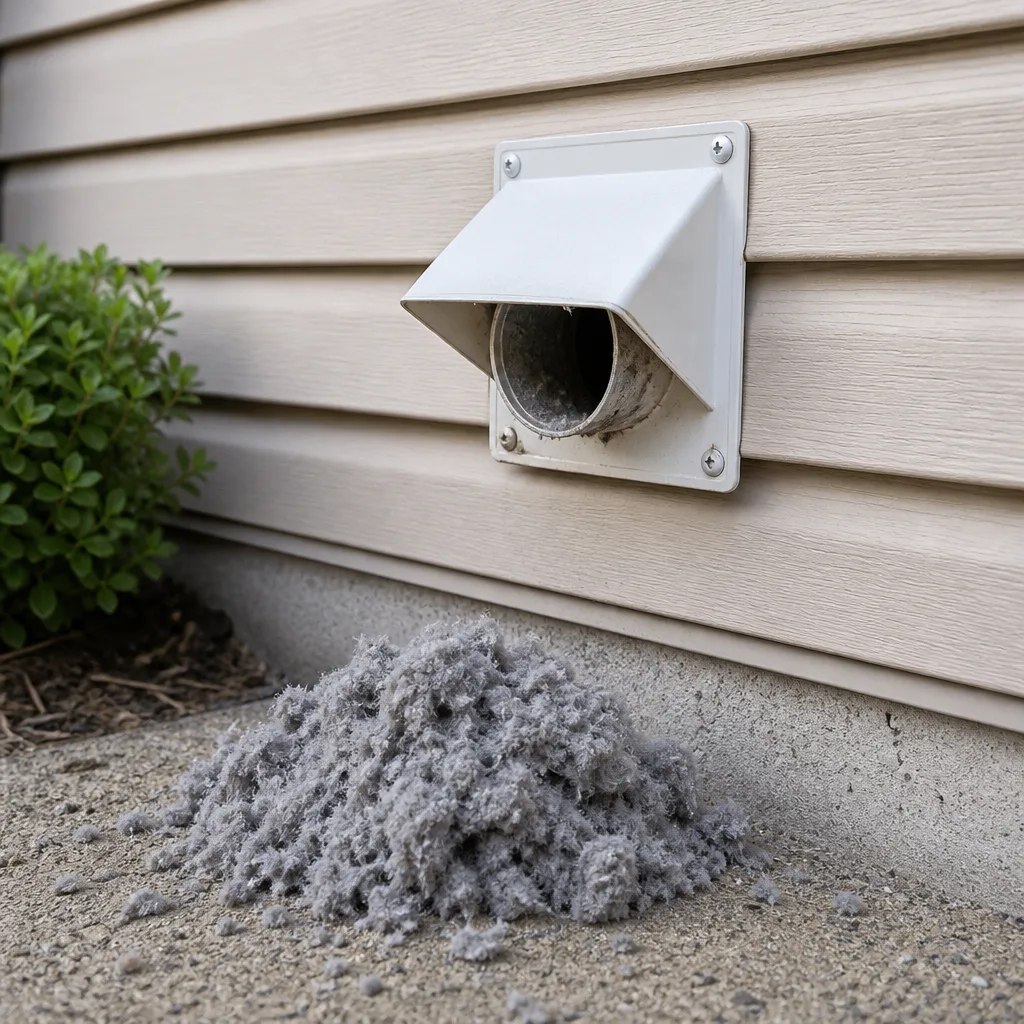
- Skipping the dryer vent. Dryer vents are technically separate from your HVAC ducts, but they’re a fire hazard when clogged and often get skipped in favor of HVAC work. If you’re having your air ducts cleaned, ask about Dryer Vent Cleaning in Los Angeles as well. It’s a logical add-on, and it’s important for your safety.
- Assuming a home warranty covers duct cleaning. Most home warranty policies in California exclude duct cleaning or cap it at a small dollar amount that doesn’t cover a full cleaning. Check your policy before assuming you’re covered.
- Ignoring the post-renovation cleaning need. Many Los Angeles homeowners finish a renovation and assume the general contractor’s cleanup was sufficient. It rarely is. Construction dust in ducts takes months to fully distribute, and by the time you notice the fine white dust on every surface, the worst of it is already in your lungs and your HVAC system.
When to Call a Professional
If you’ve observed any of the event-based triggers or condition indicators discussed in this guide, it’s time to have a professional look at your ducts. Specifically: home purchase, renovation, rodent evidence, wildfire smoke exposure, HVAC system replacement, rapid filter loading, visible debris at registers, or allergy symptoms tied to HVAC runtime. A camera inspection will tell you definitively whether cleaning is needed and what level of cleaning applies. Cardinal Air Duct Cleaning offers free estimates in Los Angeles. Call (737) 727-2314 and a live person will answer, any time, day or night. We’ll schedule an inspection and provide a written price before any work begins. Every job we do includes before-and-after photos, a written guarantee on every repair, and our 365-Day Done Right Promise: if the work isn’t right within 365 days, we return and correct it at no charge. We run professional-grade equipment, including Rotobrush rotary brush systems and Nikro HEPA-rated vacuum extraction units, so the debris actually leaves your home rather than being redistributed. You can also learn more about our full-service Air Duct Cleaning in Los Angeles or HVAC Cleaning in Los Angeles.
Frequently Asked Questions
Most Los Angeles homes need air duct cleaning every 3 to 5 years, but the actual interval depends on pets, renovation history, wildfire smoke exposure, and filter loading rate. A home with multiple pets and a recent renovation may need cleaning in 2 years, while a pet-free home with a high-MERV filter and clean habits may go 6 years or longer. Track the condition indicators in this guide and you’ll know when your home is due rather than guessing based on national averages.
A typical single-family home in Los Angeles runs $450 to $650 for professional air duct cleaning, with small condos starting around $350 and larger homes with dual systems running up to $900 or more. Prices are whole-system quotes, not per-vent. Be wary of per-vent pricing models and any quote dramatically below $350, as those typically signal a low-ball designed to be inflated once the technician arrives. Call (737) 727-2314 for an exact quote on your home, free of charge.
For most Los Angeles homes, yes, air duct cleaning is worth it when done by a legitimate company using professional-grade equipment, not a shop-vac attached to a truck. It removes accumulated dust, pet dander, construction debris, and sometimes rodent residue from the system that circulates air through your home. Whether that’s worth $450 to $650 depends on your home’s condition, which is why we recommend a camera inspection first. If your ducts are clean, we’ll tell you that, and we’ll show you the photos to prove it.
Duct cleaning alone rarely resolves allergies, because most allergic reactions come from airborne allergens that enter the home through windows, on clothing, and from pets, not from inside the ducts. However, if your ducts contain accumulated dust, pet dander, or mold, the HVAC system serves as a distribution mechanism that continually circulates those allergens. Cleaning the ducts removes that reservoir. The combination that works best: clean the ducts, upgrade to a MERV-11 filter, and address the source of the allergens. None of those alone is a complete solution.
Ask for before-and-after photos of the duct interiors. Any professional company can provide camera documentation of the work. At Cardinal Air Duct Cleaning, before-and-after photos are included on every job as part of the Relay Standard, so you can see the duct surfaces before and after cleaning, including the sections you can’t access yourself. We also include a written report of what was found and what was done. If a company won’t show you the work, that’s a red flag in the Los Angeles market. For more on what a full cleaning includes, visit the Cardinal Air Duct Cleaning home page.
Air duct cleaning covers the ductwork itself: the trunk lines, branch ducts, and registers. HVAC cleaning covers the components of the system: the evaporator coil, blower motor, blower wheel, drain pan, and the interior of the air handler or furnace cabinet. Both are important, and they’re typically done together because debris in one area migrates to the other. Learn more specifically about HVAC Cleaning in Los Angeles if you want details on that service.
The Bottom Line
Air duct cleaning isn’t an annual ritual like furnace filter changes or gutter cleaning. It’s a response to measurable conditions and specific events in your home. Use the framework in this guide: watch your filter loading rate, inspect your registers quarterly, track allergy symptoms, and act immediately after renovations, rodent problems, or wildfire smoke exposure. Document everything. When you do schedule a cleaning, insist on upfront written pricing, before-and-after photos, and a company that stands behind the work. In Los Angeles, where the air outside is constantly competing with the air inside, knowing when and why to clean your ducts is the difference between guessing and maintaining.
Written by Omar Haddad, Owner at Cardinal Air Duct Cleaning, serving Los Angeles since 2005.